About HMS Endymion
The HMS Endymion wreck is one of the Turks and Caicos Islands' most historically significant dive sites, representing the remains of a 44-gun British Royal Navy frigate that sank in 1790. This offshore site, located 13 miles south of Salt Cay, offers a tangible connection to the Age of Sail, with a debris field scattered across the reef. Divers can explore cannons, iron anchors, lead ballast ingots, and various fittings, now beautifully integrated into the natural reef structure over two centuries. The site is a compelling blend of history and ecology. The dive features a reef topography where historical artifacts like cannon barrels and ballast stones are covered in vibrant coral growth. The main debris field lies in depths of up to 70 feet, making it accessible for intermediate divers. Another nearby 1900s wreck, featuring an early diesel engine, adds further interest to the area, alongside recently placed wrecks of a fishing boat and an airplane. Marine life here is abundant and varied, attracted to the rich habitat provided by the wreck and surrounding reef. Expect to see sea turtles, eagle rays, reef sharks, and nurse sharks, along with moray eels and lobsters. The coral growth on the artifacts and surrounding reef is pristine and undamaged, showcasing brain coral and sea fans. This site offers a rich experience for divers keen on both history and marine encounters. Access to the Endymion is typically arranged by dive operators from Salt Cay, South Caicos, or Providenciales, often combined with other excellent reef dives in the South Caicos area. While the site can experience moderate currents and surge, the exceptional visibility and diverse marine life make the journey worthwhile for experienced divers. It is a seldom-dived wreck, providing an exclusive and uncrowded underwater experience.
Highlights
18th-century British warship wreckHistoric cannons and anchorsIntegrated reef and artifactsAbundant marine lifeCoral-encrusted ballast stonesSeldom-dived site
Season calendar
Best months to dive here
Jan
Feb
Mar
Apr
May
Jun
Jul
Aug
Sep
Oct
Nov
Dec
Excellent
Good
Dive site facts: HMS Endymion
- Depth
- 12–21 m
- Current
- Moderate
- Visibility
- 18–30 m+
- Water temperature
- 25–29°C
- Entry
- Boat
- Level
- Intermediate
- Dive type
- Wreck, Reef
- Region / port
- Salt Cay, Grand Turk, South Caicos
- Coordinates
- 21.46, -71.14
Conditions & Currents
Conditions at the HMS Endymion can present an intermediate challenge due to moderate currents and surge, especially on offshore sites. Visibility is usually excellent, often exceeding 30 meters (100 feet), but can be affected by weather. Divers should anticipate a boat dive with careful entry and exit, and maintain strong buoyancy control to avoid disturbing the fragile archaeological remains. The site is best suited for divers with some experience managing currents, as the reward is a unique historical and biological encounter.
Marine life & sighting chances
Sea turtles
common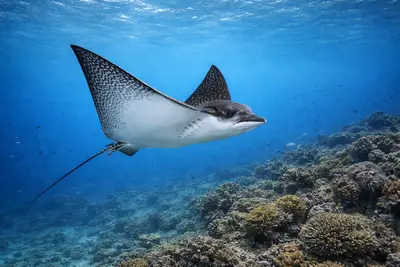
Eagle rays
occasional
Reef sharks
common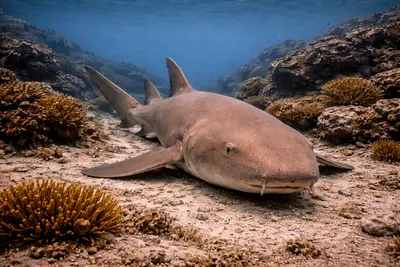
Nurse sharks
common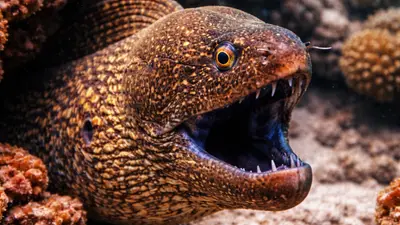
Moray eels
common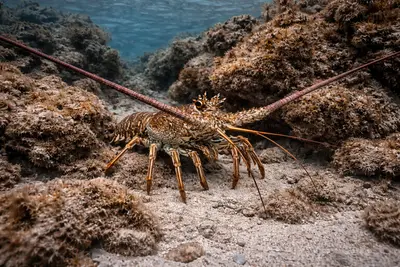
Lobsters
common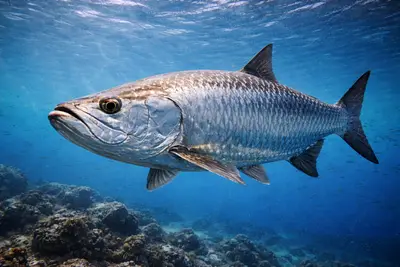
Tarpon
occasional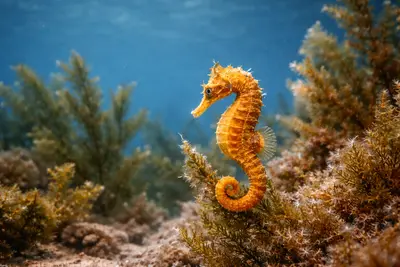
Seahorses
rare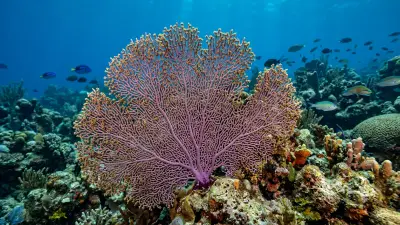
Sea fans
common
Brain coral
common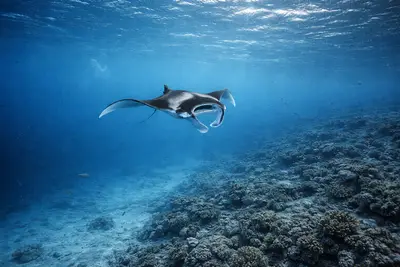
Manta rays
occasional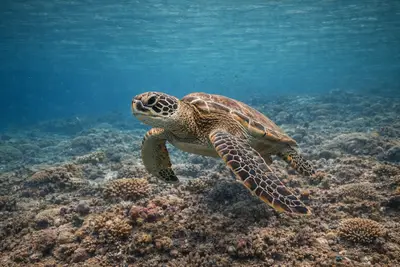
Green turtles
occasionalDive profile & how the dive runs
Your dive at HMS Endymion typically begins with a boat drop directly over the debris field. The route follows the scattered remains of the warship, exploring cannons, anchors, and ballast stones integrated into the reef. You'll navigate through areas where the artifacts are heavily encrusted with coral, providing shelter for various marine life. The maximum depth reached is around 21 meters (70 feet), with much of the exploration happening in shallower areas, around 12 meters (40 feet). The dive can involve navigating through mild to moderate currents. The turn point is determined by air consumption and bottom time, ensuring a safe ascent. Safety stops are conducted in the shallower parts of the reef or as dictated by the dive computer, allowing for observation of smaller reef inhabitants.
Underwater photography
Capturing the HMS Endymion wreck offers unique opportunities for both wide-angle and macro photography. A wide-angle lens is ideal for showcasing the larger artifacts like cannons and anchors, especially when combined with the vibrant coral growth that has enveloped them. Natural light is abundant due to excellent visibility, but strobes will help bring out the true colors of the corals and marine life, particularly in deeper sections or within the archways. For macro shots, focus on the intricate details of coral polyps on the artifacts, or the smaller creatures like seahorses and eels hiding amongst the debris. Strong buoyancy control is essential to avoid disturbing the fragile historical remains and the delicate reef, ensuring you capture stunning images responsibly.
Combine with nearby dive sites
- Salt Cay Whale Corridor
Known for humpback whale sightings during migration season (January-April).
- Molasses Reef
Features golden-brown corals and large pelagic encounters, including various shark species.
- Double D
Characterized by two large pinnacles covered in healthy corals, attracting reef sharks and horse-eye jacks.
- McDonald's Arch
Part of Columbus National Marine Park, known for large archways, schools of fish, and turtles.
Getting there & logistics
Access to HMS Endymion is typically facilitated through liveaboards or day trips from Salt Cay, South Caicos, or Providenciales. The nearest international airport is Providenciales International Airport (PLS). From there, you might take a domestic flight or ferry to Salt Cay or South Caicos. Dive operators on Salt Cay offer packages that include local diving and excursions to offshore sites like the Endymion. Liveaboard trips often combine the HMS Endymion with other premier dive sites in the Turks and Caicos, providing a comprehensive itinerary over a week or more. It is advisable to book dives and accommodations well in advance, especially during the busy winter season.
Safety & environment
Diving at HMS Endymion requires careful attention to safety protocols due to potential currents and the historical sensitivity of the site. Divers should possess intermediate experience and demonstrate excellent buoyancy control to prevent damage to the delicate archaeological remains and reef. The nearest recompression chamber is located in Providenciales. Evacuation in case of an emergency would typically involve boat transport to Salt Cay or South Caicos, followed by air transport to Providenciales for medical care. Dive insurance covering medical emergencies and evacuation is highly recommended. Always dive with a reputable operator, follow your dive guide's instructions, and respect the site's historical and environmental importance by not touching or removing artifacts.
Who it suits — and who it doesn't
Suited for
- Intermediate to advanced divers comfortable with currents
- History enthusiasts interested in maritime archaeology
- Underwater photographers seeking unique wreck and reef compositions
- Divers looking for less crowded, remote dive experiences
- Marine life observers keen on sharks, rays, and turtles
Less suited for
- Beginner divers without current experience
- Divers uncomfortable with potential surge and offshore conditions
- Those seeking intact, large wreck structures (the Endymion is a debris field)
- Divers who prefer very shallow, calm, and protected sites
FAQ
HMS Endymion FAQ
What kind of wreck is the HMS Endymion?
The HMS Endymion is the scattered remains of a British Royal Navy frigate that sank in 1790. It is not an intact wreck, but rather a debris field featuring cannons, anchors, ballast stones, and other fittings, all integrated into the natural reef over centuries.
What marine life can I expect to see at the HMS Endymion?
The wreck and surrounding reef attract diverse marine life. Divers frequently encounter sea turtles, eagle rays, reef sharks, and nurse sharks. You might also spot moray eels, lobsters, and various reef fish amidst the coral formations.
Is the HMS Endymion suitable for beginner divers?
The HMS Endymion is generally recommended for intermediate to advanced divers. The offshore location can involve moderate currents and surge, requiring good buoyancy control and experience in varying conditions to fully appreciate the site safely.
How deep is the HMS Endymion wreck?
The main debris field of the HMS Endymion lies in depths ranging from approximately 12 meters (40 feet) to 21 meters (70 feet). This depth range makes it accessible for qualified recreational divers while still offering significant bottom time.
How do I get to the HMS Endymion dive site?
The HMS Endymion is about 13 miles south of Salt Cay. Access is primarily by boat trips organized by dive operators from Salt Cay, South Caicos, or Providenciales. It's often included as part of liveaboard itineraries or full-day excursions combining other local dive sites.
Why dive HMS Endymion from a liveaboard?
HMS Endymion is one of Turks & Caicos's signature dive sites. A liveaboard sleeps you on the water and puts you in the water for three to four guided dives per day, including dawn and night dives that day-boat operators rarely offer. You skip the daily commute back to port and reach quieter, less-crowded sites in the same region on a single trip.
Below are the liveaboards that include HMS Endymion on their Turks & Caicos itineraries.
Liveaboards diving HMS Endymion
These liveaboards may visit HMS Endymion on selected itineraries — the exact dive sites depend on departure, weather and conditions.
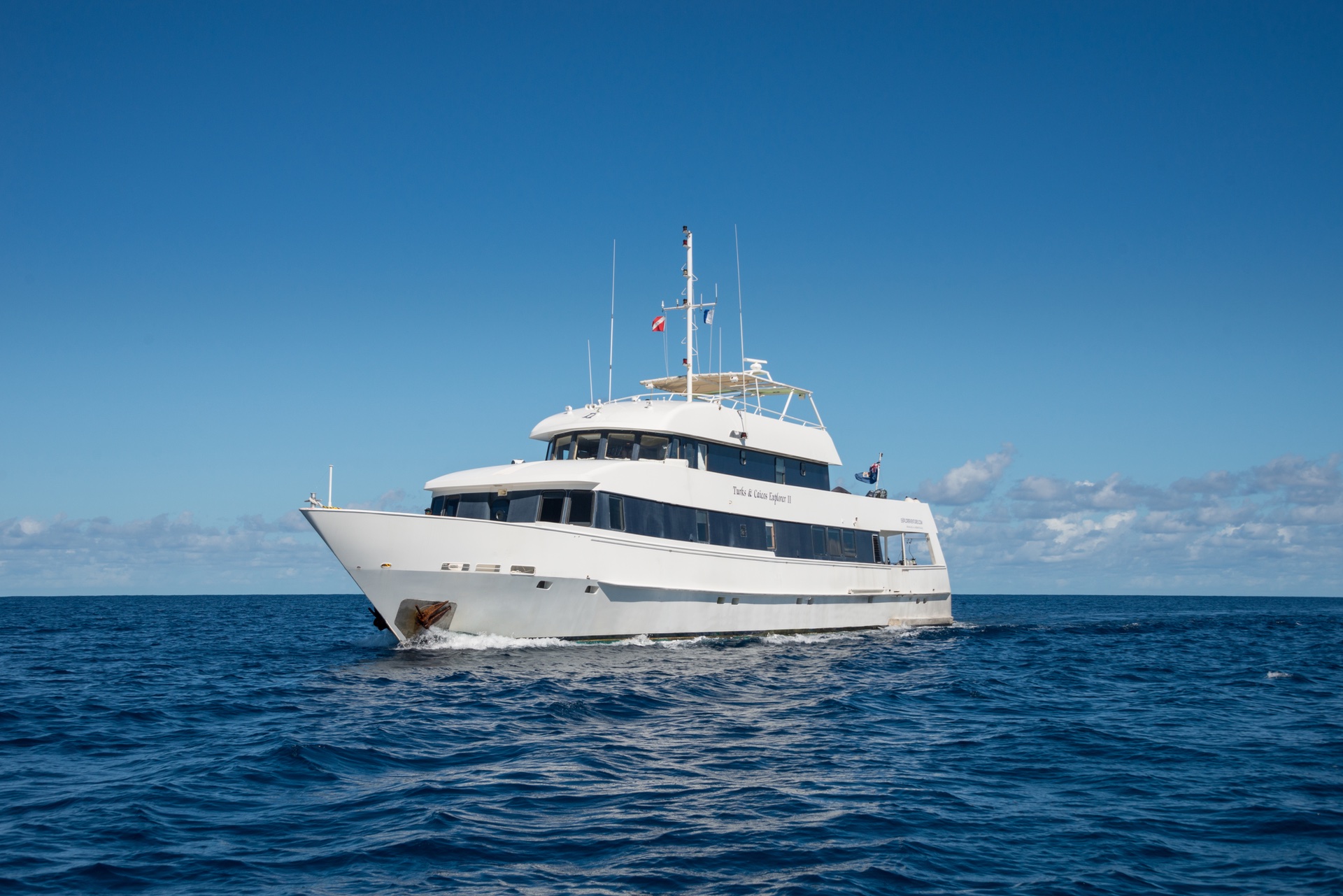
Turks and Caicos Explorer II
Turks & Caicos
20 guests
$187/day
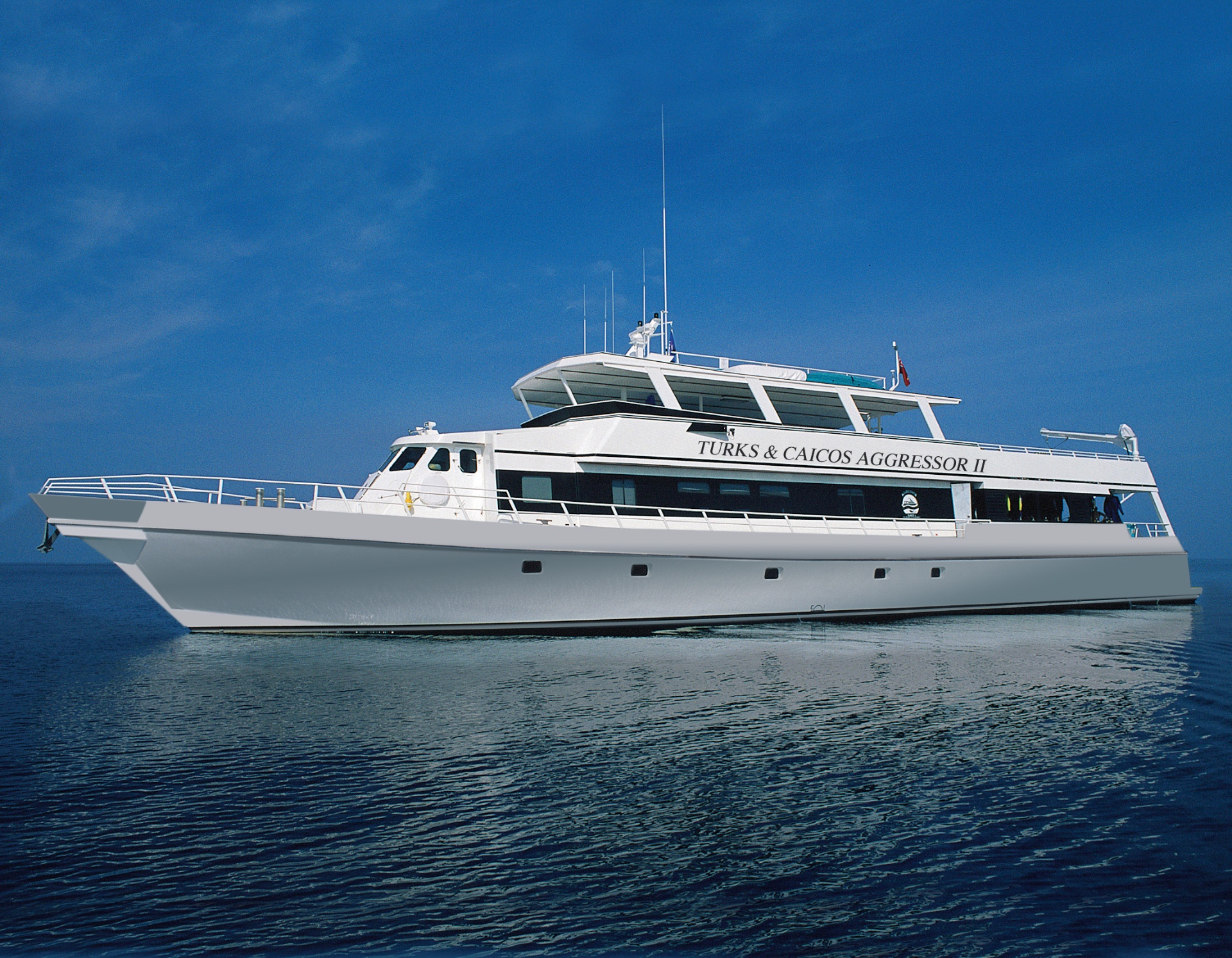
Turks & Caicos Aggressor II
Turks & Caicos
18 guests36.6 m
$287/day
Dive sites similar to HMS Endymion
Same character, same waters — six more sites divers love for the exact same reasons.Compare seasons, access and liveaboard routes — then pick the site that fits your trip best.
© Esri — Maxar, Earthstar, GIS
Coral Gables
Turks & Caicos
Coral Gables is a popular dive site situated within Grace Bay, off Providenciales in the Turks & Caicos Islands.
- Suitable for
- Beginner
- Current
- Strong
- Access
- Liveaboard or dayboat
- Depth
- 10–25 m
- Theme
- Reef / Wall
© Esri — Maxar, Earthstar, GIS
Magic Mushroom
Turks & Caicos
Magic Mushroom is a captivating dive site situated off West Caicos, just north of the Yankee Town ruins.
- Suitable for
- Beginner
- Current
- Strong
- Access
- Shore / dayboat
- Depth
- 12–24 m
- Theme
- Wall
© Esri — Maxar, Earthstar, GIS
Eagle Ray Alley
Turks & Caicos
Eagle Ray Alley is a vibrant dive site located off West Caicos, an uninhabited island approximately 16 kilometers southwest of Providenciales in the Turks and Caicos Islands.
- Suitable for
- Beginner
- Current
- Mild
- Access
- Dayboat
- Depth
- 6–9 m
- Theme
- Reef
© Esri — Maxar, Earthstar, GIS
Thunderdome
Turks & Caicos
Thunderdome is an extraordinary dive site located at Northwest Point in Turks & Caicos, featuring a submerged metal dome structure with a fascinating origin story.
- Suitable for
- Beginner
- Current
- Mild
- Access
- Liveaboard or dayboat
- Depth
- 5–15 m
- Theme
- Wall
The Cathedral dive site is nestled in the Grace Bay area of Providenciales, Turks & Caicos, offering a convenient and iconic diving experience.
- Suitable for
- Intermediate
- Current
- Mild
- Access
- Liveaboard or dayboat
- Depth
- 9–40 m
- Theme
- Wall
© Esri — Maxar, Earthstar, GIS
Eagle Ray Pass
Turks & Caicos
Eagle Ray Pass is a notable dive site situated off Grace Bay in the Turks and Caicos Islands.
- Suitable for
- Intermediate
- Current
- Mild
- Access
- Liveaboard or dayboat
- Depth
- ≤ 30 m
- Theme
- Wall / Reef