About Salt Cay Whale Corridor
Salt Cay Whale Corridor, located directly in front of the Columbus Passage, serves as a prime observation point for the annual humpback whale migration. These majestic creatures journey from the North Atlantic to the warmer waters between the Turks and Caicos Islands and the Dominican Republic to mate and calve, typically from January to April. The unique underwater topography of the Turks Islands Passage, which drops over 10,000 feet and separates the Turks Islands from the Caicos Islands, funnels a high density of whales through this channel, making Salt Cay an unparalleled location for whale encounters. Diving and snorkeling in this area offer an extraordinary opportunity to hear the whales' complex and mesmerizing songs underwater. While direct interactions are regulated, controlled in-water encounters for snorkeling with these giants are possible, providing an unforgettable experience. The presence of young calves with their mothers and pods of several whales are frequent sights. Beyond whale encounters, the general diving conditions around Salt Cay boast excellent visibility and healthy marine ecosystems. Although whale-specific dive profiles are less common due to logistical challenges, the soundscape of their songs enhances any underwater experience during migration season. This site combines the thrill of large marine mammal observation with the exceptional diving environment of the Turks and Caicos, making it a bucket-list destination for many divers and nature enthusiasts. Operators on Salt Cay specialize in facilitating these encounters, prioritizing responsible and safe interactions with the whales.
Highlights
Humpback whale migrationIn-water whale encounters (snorkeling)Humpback whale songs underwaterColumbus Passage bottleneckMother and calf sightingsRemote, uncrowded experienceExceptional marine mammal viewing
Season calendar
Best months to dive here
Jan
Feb
Mar
Apr
May
Jun
Jul
Aug
Sep
Oct
Nov
Dec
Excellent
Dive site facts: Salt Cay Whale Corridor
- Depth
- 0–20 m
- Current
- Mild to moderate (site-dependent)
- Visibility
- 18–30 m+
- Water temperature
- 25–29°C
- Entry
- Boat
- Level
- All levels (for whale watching/snorkeling); Intermediate (for nearby dives)
- Dive type
- Whale watching, snorkeling
- Region / port
- Salt Cay
- Coordinates
- 21.33, -71.2
Conditions & Currents
Conditions within the Salt Cay Whale Corridor are primarily influenced by the migration patterns of humpback whales, rather than strong currents affecting dive navigation. While the Turks Islands Passage funnels whales, it does not typically generate strong, unmanageable currents for divers or snorkelers. Visibility is generally excellent, often exceeding 30 meters, which is crucial for spotting whales from a distance both from the boat and in the water. For in-water encounters, participants will gently slide into the water from a boat, and interactions are dictated by the whales' behavior, not by strong water movement. Sea conditions for whale watching and snorkeling are usually calm, but can be affected by weather. Divers should be aware that while the focus is on whale observation, nearby reef and wreck sites might experience moderate currents and surge, requiring good buoyancy contro
Marine life & sighting chances

Humpback Whale
January-April · common
Sea Turtle
occasional
Eagle Ray
occasional
Reef Shark
occasional
Nurse Shark
occasional
Moray Eel
occasional
Lobster
occasional
Brain Coral
common
Sea Fan
commonDive profile & how the dive runs
A typical experience in the Salt Cay Whale Corridor involves a boat trip from Salt Cay, focusing on spotting humpback whales. Once whales are located, especially if they are calm and approachable, participants may gently enter the water with snorkeling gear. The activity is not a traditional scuba dive with a specific underwater route, but rather an in-water encounter facilitated by the boat. Participants remain near the surface, observing the whales from a respectful distance. The duration of these encounters depends entirely on the whales' behavior and the boat's regulations. Safety stops are not applicable in this context, as it is a surface-based activity, but guides ensure all participants adhere to strict guidelines for marine mammal interaction to protect both humans and whales.
Underwater photography
Capturing images in the Salt Cay Whale Corridor demands flexibility and readiness, as encounters are dynamic and unpredictable. For wide-angle shots of humpback whales, a fisheye or wide-angle lens is essential to encompass their immense size underwater. Natural light is often sufficient due to excellent visibility, but strobes can enhance color and detail, especially for capturing the texture of the whale's skin or the clarity of the water. Patience is key, as the whales dictate the interaction; be prepared for fleeting moments. For boat-based photography, a telephoto lens is crucial for capturing surface behaviors like breaches or tail slaps. Responsible photography means never disturbing the whales or attempting to get too close; respect the guidelines for marine mammal interaction.
Combine with nearby dive sites
- HMS Endymion
An 18th-century British warship wreck, 13 miles south of Salt Cay, offering historical artifacts integrated with reef life.
- Southwest Reef
A wall dive site with vibrant coral formations and abundant reef fish.
- Grand Turk Wall
Renowned for dramatic drop-offs and diverse marine life, accessible via short domestic flights or boat charters.
Getting there & logistics
Access to Salt Cay is primarily via Providenciales International Airport (PLS), with subsequent domestic flights connecting to Salt Cay. Travelers can also arrange day trips from Grand Turk or Providenciales. Salt Cay is a small, remote island, so booking accommodations and dive/whale watching excursions in advance is highly recommended, especially during the peak whale season (January to April). The island has limited facilities, with only one main dive operator, Salt Cay Divers. Most trips are day excursions lasting around 2.5 hours for whale watching. Payments for on-island services are often cash-only, though Salt Cay Divers accepts PayPal for bookings. Many visitors opt to bring groceries from Grand Turk or Providenciales as local options are limited.
Safety & environment
Safety in the Salt Cay Whale Corridor primarily revolves around responsible interaction with marine mammals. Divers and snorkelers must adhere strictly to guidelines from the Turks and Caicos Department of Environment and Coastal Resources (DECR). This includes avoiding excessive splashing, not approaching the whales but allowing them to approach, never touching a whale, and maintaining distance from mothers with calves. Emergency evacuation from Salt Cay would likely involve a transfer to Providenciales for medical facilities; comprehensive dive and travel insurance covering emergency medical care and evacuation is essential. The nearest recompression chamber is located in Providenciales. All participants in whale watching or snorkeling tours should wear snorkeling vests and follow instructions from trained guides.
Who it suits — and who it doesn't
Suited for
- Whale watching enthusiasts
- Snorkelers seeking unique marine encounters
- Underwater photographers of large marine life
- Divers interested in unique soundscapes
- Travelers seeking remote, unspoiled destinations
Less suited for
- Divers seeking traditional wreck or reef profiles
- Individuals uncomfortable with open ocean activities
- Those expecting guaranteed close encounters
- Travelers requiring luxury amenities and nightlife
- Anyone unwilling to follow strict marine interaction guidelines
FAQ
Salt Cay Whale Corridor FAQ
What is the best time of year to see whales in Salt Cay?
The peak season for humpback whale sightings in Salt Cay is from January to April. During these months, the whales migrate through the Columbus Passage to mate and calve, offering the best opportunities for observation and potential in-water encounters.
Can you actually swim with the humpback whales in Salt Cay?
While it's possible to have in-water encounters with humpback whales in Salt Cay, it's typically snorkeling-based rather than scuba diving. These interactions are strictly regulated by the DECR, and participants must follow guidelines such as not approaching or touching the whales, letting them initiate contact, and wearing snorkeling vests.
What kind of marine life can be seen besides whales?
Beyond humpback whales, the waters around Salt Cay are home to diverse marine life often seen on nearby reef and wreck dives. This includes sea turtles, eagle rays, reef sharks, nurse sharks, moray eels, and lobsters. The reefs also boast vibrant brain corals and sea fans.
How do you get to Salt Cay?
Getting to Salt Cay typically involves flying into Providenciales International Airport (PLS) first. From Providenciales, you would then take a domestic flight to Salt Cay. Day trips from Grand Turk are also an option for whale watching excursions.
Is Salt Cay suitable for all types of travelers?
Salt Cay is best suited for travelers seeking a remote, off-the-beaten-path experience focused on nature and marine encounters, particularly whale watching. It is not ideal for those looking for luxury resorts, extensive dining options, or vibrant nightlife, as the island has limited facilities and a quiet, laid-back atmosphere.
Why dive Salt Cay Whale Corridor from a liveaboard?
Salt Cay Whale Corridor is one of Turks & Caicos's signature dive sites. A liveaboard sleeps you on the water and puts you in the water for three to four guided dives per day, including dawn and night dives that day-boat operators rarely offer. You skip the daily commute back to port and reach quieter, less-crowded sites in the same region on a single trip.
Below are the liveaboards that include Salt Cay Whale Corridor on their Turks & Caicos itineraries.
Liveaboards diving Salt Cay Whale Corridor
These liveaboards may visit Salt Cay Whale Corridor on selected itineraries — the exact dive sites depend on departure, weather and conditions.
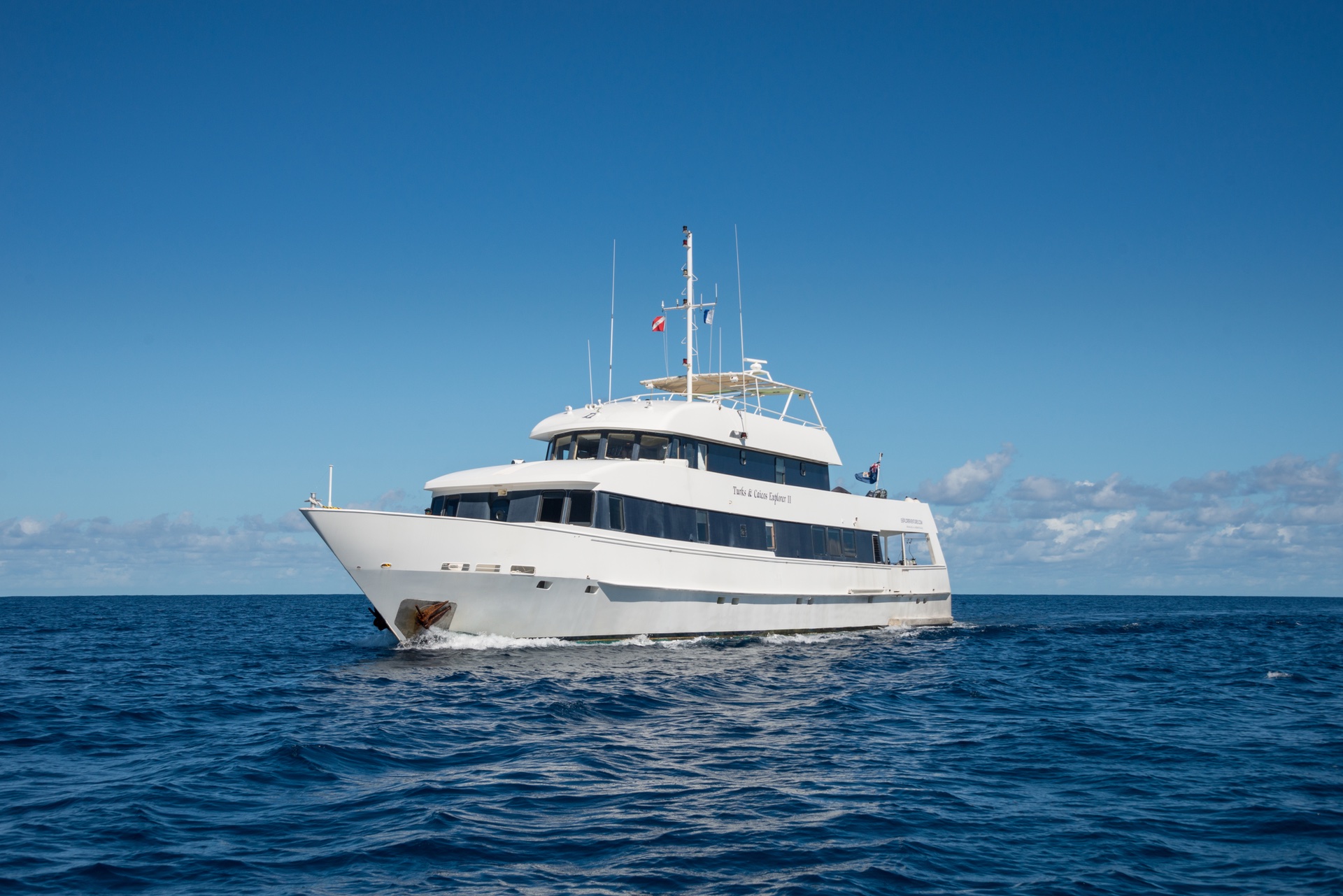
Turks and Caicos Explorer II
Turks & Caicos
20 guests
$249/day
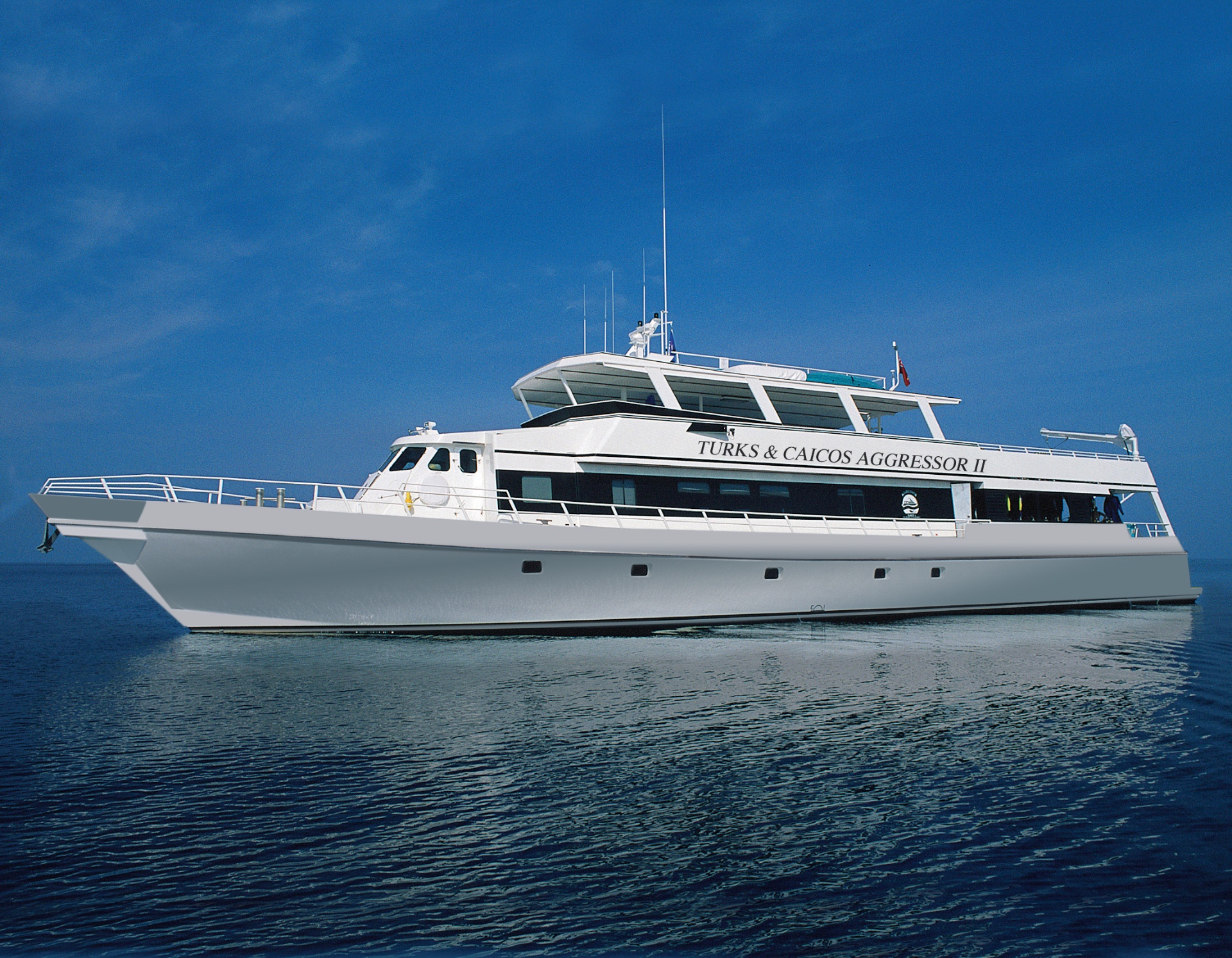
Turks & Caicos Aggressor II
Turks & Caicos
18 guests36.6 m
$328/day
Dive sites similar to Salt Cay Whale Corridor
Same character, same waters — six more sites divers love for the exact same reasons.Compare seasons, access and liveaboard routes — then pick the site that fits your trip best.
© Esri — Maxar, Earthstar, GIS
Silver Caves
Belize
Silver Caves offers a distinctive diving experience within the Lighthouse Reef Atoll, one of Belize's healthiest reef systems.
- Suitable for
- Advanced
- Current
- Mild
- Access
- Liveaboard only
- Depth
- 18–28 m
- Theme
- Reef / Cave & cavern
Cozumel's western coast features a dramatic reef shelf that plunges thousands of feet into the ocean.
- Suitable for
- Intermediate
- Current
- Mild
- Access
- Liveaboard or dayboat
- Depth
- 15–27 m
- Theme
- Reef
© Esri — Maxar, Earthstar, GIS
North Wall
Cayman Islands
The North Wall of Grand Cayman stands as one of the most celebrated and visually striking dive regions, stretching along the island's northern coastline.
- Suitable for
- Advanced
- Current
- Mild
- Access
- Liveaboard or dayboat
- Depth
- 50–100 m
- Theme
- Reef
© Esri — Maxar, Earthstar, GIS
Lighthouse Reef
Cayman Islands
Lighthouse Reef, situated near the West End dock of Cayman Brac, provides a distinctive shallow reef diving experience.
- Suitable for
- Beginner
- Current
- Strong
- Access
- Shore / dayboat
- Depth
- 10–25 m
- Theme
- Reef
© Esri — Maxar, Earthstar, GIS
Long Caye Ridge
Belize
Long Caye Ridge is a highly-rated dive site situated within Belize's Lighthouse Reef Atoll, an area renowned for its pristine conditions due to its distance from the mainland.
- Suitable for
- Intermediate
- Current
- No current
- Access
- Liveaboard only
- Depth
- 21–21 m
- Theme
- Reef
Roatán, part of the Bay Islands of Honduras, offers a diverse underwater landscape situated along the Mesoamerican Barrier Reef System, which is the second largest barrier reef globally.
- Suitable for
- Intermediate
- Current
- Moderate
- Access
- Liveaboard or dayboat
- Depth
- 9–40 m
- Theme
- Reef