About Thunderdome
Thunderdome is an extraordinary dive site located at Northwest Point in Turks & Caicos, featuring a submerged metal dome structure with a fascinating origin story. Originally built for a French TV game show in the 1980s, where contestants freedived to retrieve pearls, the structure was later discarded and has since evolved into a thriving artificial reef. Hurricanes have reshaped the dome, creating an intriguing debris field that serves as a sanctuary for diverse marine species. This shallow site is particularly known for attracting various schooling grunts, snappers, and other colorful reef fish that seek refuge within and around the dome. The surrounding sandy areas also contribute to the site's ecological richness. It presents a unique blend of human history and natural adaptation, making it a compelling destination for divers seeking something beyond natural reef formations. The dive offers excellent opportunities for underwater photography, capturing the interplay between the artificial structure and the marine life it supports. While exploring, divers should keep an eye out towards the open blue for pelagic visitors, with spotted eagle rays being a notable highlight. The site's relatively shallow depth and varied inhabitants make it accessible and rewarding for a wide range of diver experience levels. Positioned near other prominent Northwest Point dive sites, Thunderdome forms part of a rich diving area celebrated for its dramatic walls, healthy coral, and abundant marine biodiversity. Its distinct character provides a memorable contrast to the sheer drop-offs and natural coral gardens found elsewhere in the region.
Highlights
Artificial reef from 80s TV showHurricane-sculpted metal domeShelter for schooling reef fishOpportunity for eagle ray sightingsUnique photographic subjectsShallow, accessible dive site
Season calendar
Best months to dive here
Jan
Feb
Mar
Apr
May
Jun
Jul
Aug
Sep
Oct
Nov
Dec
Excellent
Dive site facts: Thunderdome
- Depth
- 8–12 m
- Typical dive
- 10 m, 50–60 min
- Current
- Mild
- Visibility
- 30–45 m
- Water temperature
- 26–29°C
- Entry
- Boat / Giant stride
- Level
- Beginner to Advanced
- Dive type
- Artificial reef, macro, reef fish
- Night dive
- Possible
- Region / port
- Providenciales, Northwest Point
- Coordinates
- 21.77, -72.26
Conditions & Currents
Currents at Thunderdome are generally mild, contributing to its suitability for various diver levels. However, conditions can vary, and divers should always be attentive to local reports. Visibility is consistently excellent, often exceeding 100 feet (30 meters), allowing for clear views of the dome and its resident marine life. Entry is typically a giant stride from a dive boat, with divers descending directly to the site. The shallow nature of the dive allows for longer bottom times, but responsible gas management remains crucial. While thermoclines are uncommon at this depth, surface surge can occasionally be present depending on weather, so maintaining good buoyancy control is advisable for photographers focusing on macro subjects within the dome.
Marine life & sighting chances

Spotted eagle ray
occasional
Grunt
common
Snapper
common
Caribbean reef shark
occasional
Nurse shark
occasional
Queen triggerfish
common
Blue parrotfish
common
Hawksbill turtle
occasional
Horse-eye jack
common
Lobster
occasional
Moray eel
occasionalDive profile & how the dive runs
A typical dive at Thunderdome begins with a boat drop directly over the site. Divers descend to the top of the metal dome structure, which is situated in shallow water, generally between 8 to 12 meters. The dive primarily involves exploring the dome and its immediate sandy surroundings. You can circumnavigate the dome, observing the various schooling fish that seek shelter within its nooks and crannies. The route allows for ample time to examine the structure, which has been reshaped by hurricanes, creating interesting formations. Divers often spend time in the sandy areas looking for smaller creatures or watching for spotted eagle rays in the blue. The dive concludes with a gradual ascent from the dome, making a safety stop around 5 meters, often still near the structure, before surfacing to the boat.
Underwater photography
Thunderdome is an excellent site for wide-angle and macro photography due to its unique artificial reef structure and diverse marine life. For wide-angle shots, a fisheye or wide rectilinear lens will capture the entire dome, especially if positioned cleverly to include schooling grunts and snappers. Strobes are beneficial for color rendition, even in shallow depths, to bring out the vibrant hues of corals and fish against the metal. For macro enthusiasts, the dome’s surfaces and surrounding sand harbor interesting smaller subjects; a 60mm or 100mm macro lens will be ideal. Practice excellent buoyancy control to avoid disturbing the sandy bottom and to position yourself for optimal shots without touching the structure. Patience is key, especially when waiting for the resident fish to become comfortable with your presence, allowing for more natural compositions. Look inside crevices for hidden life and maintain respectful distances from all marine inhabitants.
Combine with nearby dive sites
- The Amphitheatre
A wall dive with a 30-foot bowl carved into the reef, providing a natural viewing area for marine life.
- Shark Hotel
Known for Caribbean reef shark sightings and a chimney swim-through leading to a sheer wall.
- Double D
Two large pinnacles at French Cay, often with strong currents and pelagic action.
- Black Coral Forest
Features an overhang filled with various species of black coral at depths of 21-27 meters.
- G Spot
A reef ridge with a dramatic drop-off, adorned with large black corals and gorgonian fans, attracting nurse and reef sharks.
Getting there & logistics
Access to Thunderdome is typically arranged through dive operators based on Providenciales, also known as Provo, which is the main hub for tourism and home to Providenciales International Airport (PLS). This airport receives direct flights from major cities in the United States, Canada, and the UK, as well as other Caribbean islands. Most dive trips to Northwest Point, where Thunderdome is located, are day excursions from Provo, usually as part of a two-tank dive itinerary. Liveaboards operating from Providenciales also include Northwest Point sites in their routes, offering multi-day diving experiences across various islands like West Caicos and French Cay. While there are no specific park fees for Thunderdome itself, marine park fees may apply as part of overall dive trip costs to support conservation efforts in the surrounding protected areas. Trips generally range from half-day excursions to week-long liveaboard adventures.
Safety & environment
Diving in the Turks and Caicos, including at Thunderdome, is generally safe due to clear waters and experienced operators, but awareness of emergency protocols is crucial. The nearest recompression chamber is located in Providenciales. In the event of a dive emergency, evacuation to a medical facility in Providenciales would be necessary, potentially requiring boat transfer followed by land transport. Divers should always have comprehensive dive accident insurance, such as DAN, to cover potential medical and evacuation costs. While Thunderdome is a shallow site with mild currents, good buoyancy control is essential to avoid contact with the artificial structure and marine life. Always dive within your training limits and follow your dive guide's instructions. The general conduct rules include not touching or collecting marine life or the structure, maintaining a safe distance, and being mindful of your fin kicks to protect the environment.
Who it suits — and who it doesn't
Suited for
- Beginner divers looking for accessible sites
- Underwater photographers seeking unique subjects
- Divers interested in artificial reefs
- Those who enjoy observing schooling reef fish
- Divers seeking clear, calm water conditions
Less suited for
- Divers seeking extreme depth or current challenges
- Those primarily interested in large pelagic encounters
- Divers uninterested in artificial structures
- Experienced divers looking for advanced technical dives
FAQ
Thunderdome FAQ
What is the history of the Thunderdome dive site?
The Thunderdome is an artificial reef originating from a metal dome structure built for a 1980s French TV game show. Contestants would freedive around it for pearls. After the show's cancellation, the dome was discarded and has since been reshaped by hurricanes, transforming into a habitat for marine life.
What kind of marine life can I expect to see at Thunderdome?
Thunderdome attracts various schooling reef fish, such as grunts and snappers, which find refuge within the dome's structure. You might also spot queen triggerfish and blue parrotfish. Keep an eye out in the surrounding blue for occasional sightings of spotted eagle rays.
Is Thunderdome suitable for beginner divers?
Yes, Thunderdome is considered suitable for beginner divers. Its shallow depth, typically ranging from 8 to 12 meters, and generally mild currents make it an accessible and enjoyable site. The excellent visibility also contributes to a comfortable diving experience for less experienced divers.
Can I do night dives at Thunderdome?
Night dives at Thunderdome are possible and can offer a different perspective on the site. Nocturnal marine life, such as octopuses and eels, often become more active at night. Always arrange night dives with a reputable local operator and ensure you are comfortable with night diving procedures.
How does Thunderdome compare to other dive sites in Turks & Caicos?
Thunderdome offers a unique artificial reef experience, contrasting with the dramatic vertical wall dives and extensive natural coral gardens found at many other Turks & Caicos sites. While other sites like The Amphitheatre or Shark Hotel feature impressive natural formations or specific pelagic encounters, Thunderdome stands out with its interesting human-made history and resident schooling fish.
Why dive Thunderdome from a liveaboard?
Thunderdome is one of Turks & Caicos's signature dive sites. A liveaboard sleeps you on the water and puts you in the water for three to four guided dives per day, including dawn and night dives that day-boat operators rarely offer. You skip the daily commute back to port and reach quieter, less-crowded sites in the same region on a single trip.
Below are the liveaboards that include Thunderdome on their Turks & Caicos itineraries.
Liveaboards diving Thunderdome
These liveaboards may visit Thunderdome on selected itineraries — the exact dive sites depend on departure, weather and conditions.
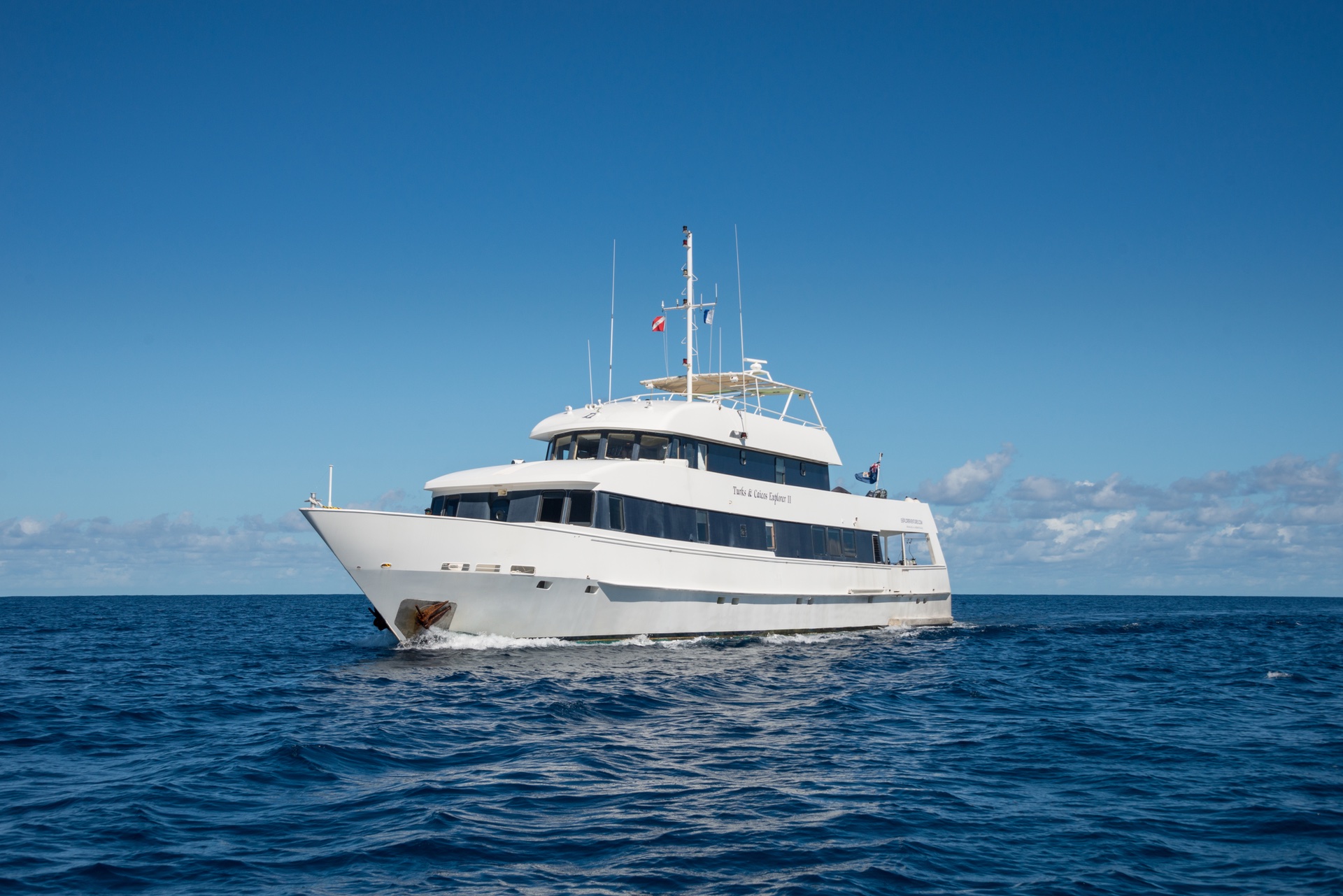
Turks and Caicos Explorer II
Turks & Caicos
20 guests
$249/day
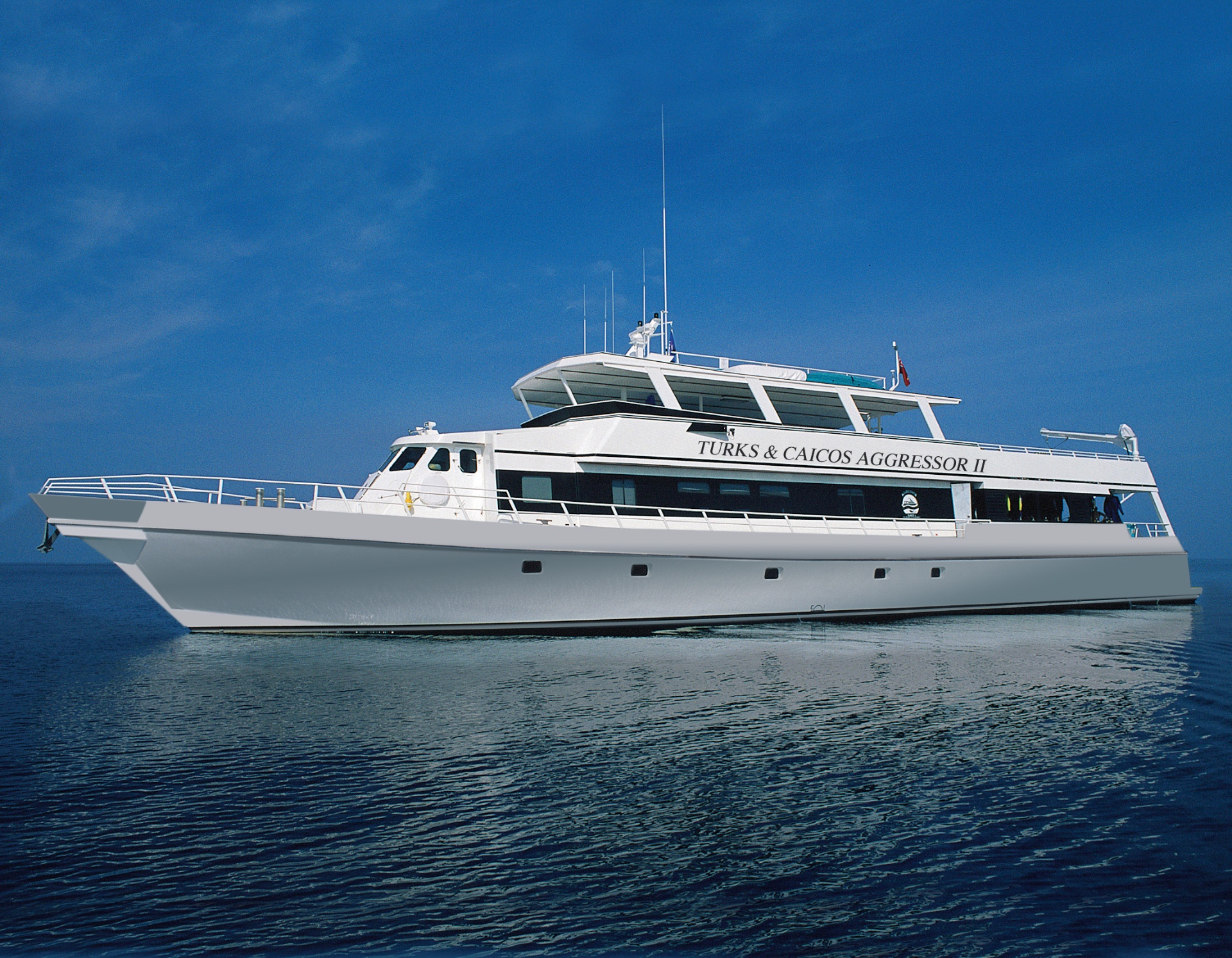
Turks & Caicos Aggressor II
Turks & Caicos
18 guests36.6 m
$287/day
Dive sites similar to Thunderdome
Same character, same waters — six more sites divers love for the exact same reasons.Compare seasons, access and liveaboard routes — then pick the site that fits your trip best.
© Esri — Maxar, Earthstar, GIS
Coral Gables
Turks & Caicos
Coral Gables is a popular dive site situated within Grace Bay, off Providenciales in the Turks & Caicos Islands.
- Suitable for
- Beginner
- Current
- Strong
- Access
- Liveaboard or dayboat
- Depth
- 10–25 m
- Theme
- Reef / Wall
Aquarium is a captivating dive site situated off the coast of Providenciales in the Turks and Caicos Islands, forming part of a diverse underwater landscape that includes reef and wall diving.
- Suitable for
- Beginner
- Current
- No current
- Access
- Liveaboard or dayboat
- Depth
- 14–46 m
- Theme
- Wall / Reef
© Esri — Maxar, Earthstar, GIS
Magic Mushroom
Turks & Caicos
Magic Mushroom is a captivating dive site situated off West Caicos, just north of the Yankee Town ruins.
- Suitable for
- Beginner
- Current
- Strong
- Access
- Shore / dayboat
- Depth
- 12–24 m
- Theme
- Wall
© Esri — Maxar, Earthstar, GIS
Elephant Ear Canyon
Turks & Caicos
Elephant Ear Canyon is a distinctive wall dive site situated off West Caicos in the Turks and Caicos Islands.
- Suitable for
- Intermediate
- Current
- Mild
- Access
- Liveaboard or dayboat
- Depth
- 10–95 m
- Theme
- Wall / Reef
© Esri — Maxar, Earthstar, GIS
Eagle Ray Pass
Turks & Caicos
Eagle Ray Pass is a notable dive site situated off Grace Bay in the Turks and Caicos Islands.
- Suitable for
- Intermediate
- Current
- Mild
- Access
- Liveaboard or dayboat
- Depth
- ≤ 30 m
- Theme
- Wall / Reef