About Garden Eel Point
Garden Eel Point is a highlight of Menjangan Island, a protected part of West Bali National Park, first internationally recognized for its diving. This site is particularly famous for its extensive sandy areas populated by garden eels, offering a unique spectacle as they sway rhythmically with the subtle currents. Beyond the sandy flats, divers encounter a thriving wall dive adorned with soft corals, sponges, and the highest concentration of Gorgonian sea fans found anywhere in Bali, some hosting pygmy seahorses. The topography transitions from a gentle sand slope where the garden eels reside to a dramatic vertical wall plunging to significant depths. This dual environment supports a wide array of marine life, though large pelagic sightings are rare due to the island's protection from cold offshore currents. Visibility is often exceptional here, making it an ideal spot for detailed exploration and photography. Water temperatures are consistently warm, contributing to comfortable diving conditions year-round. While the site is accessible to divers of all levels, its wall sections and depth potential cater to advanced divers as well. The journey to Menjangan Island, typically by boat from Pemuteran, sets the stage for a memorable day exploring one of Bali's most pristine underwater environments.
Highlights
Vast garden eel colonyGorgonian sea fan diversityPristine wall divingHigh visibility waterAbundant soft coralsCalm, protected conditions
Season calendar
Best months to dive here
Jan
Feb
Mar
Apr
May
Jun
Jul
Aug
Sep
Oct
Nov
Dec
Excellent
Good
Dive site facts: Garden Eel Point
- Depth
- 5–60 m
- Typical dive
- 10–25 m, 50–60 min
- Current
- Zero to mild currents
- Visibility
- 15–50 m
- Water temperature
- 28–31°C
- Entry
- Day boat
- Level
- All levels (Open Water to Advanced)
- Dive type
- Wall, drift, reef, macro
- Region / port
- Menjangan Island, West Bali
- Coordinates
- 8.1461° S, 115.4529° E
Conditions & Currents
Currents at Garden Eel Point are typically gentle, making it suitable for divers across various experience levels. A current exceeding one knot is considered unusual for this site, which is largely protected from stronger offshore flows. Divers will experience conditions that facilitate relaxed exploration of both the sandy bottom and the wall sections without significant drift challenges. Entry and exit are generally straightforward boat operations, reflecting the calm nature of the site. Visibility remains consistently excellent, rarely dropping below 15 meters and frequently exceeding 30 meters, regardless of tidal phases. This predictability ensures a comfortable and visually rewarding dive, with minimal concerns about surge or thermoclines affecting the experience.
Marine life & sighting chances
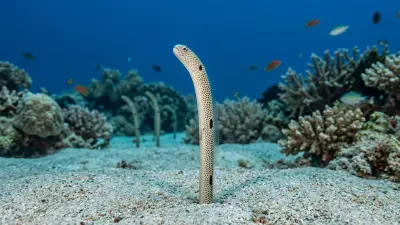
Garden eels
common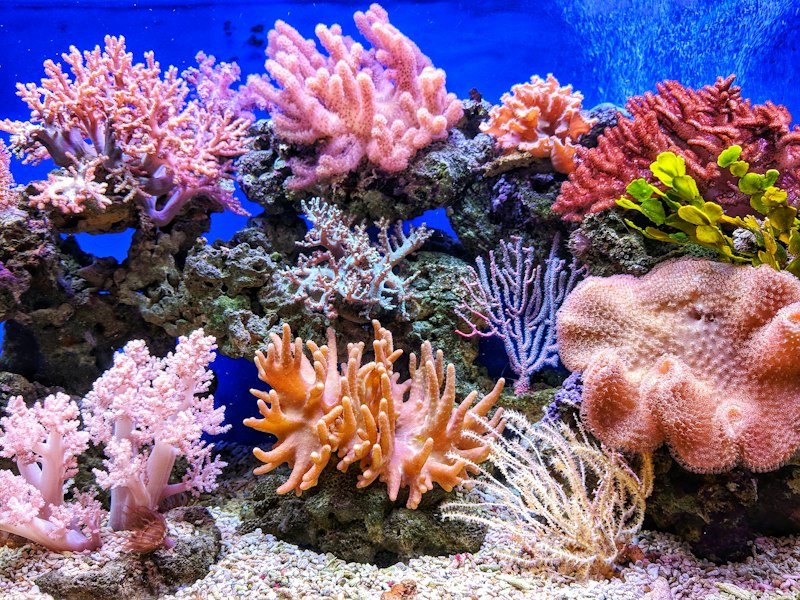
Soft corals
common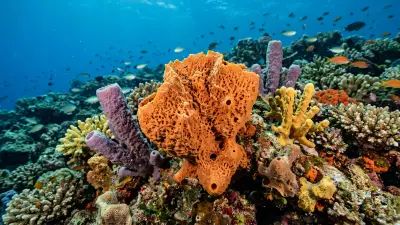
Sponges
common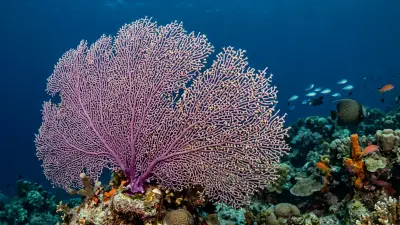
Gorgonian sea fans
common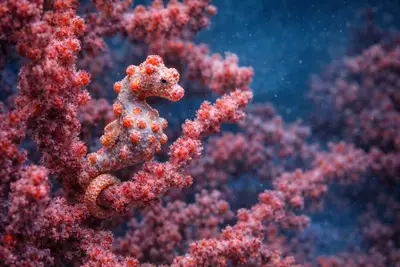
Pygmy seahorses
occasional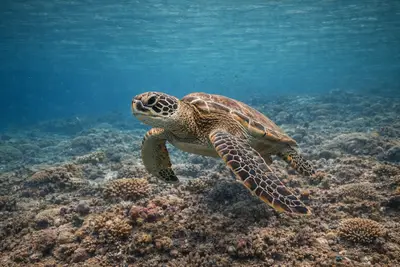
Turtles
occasional
Barracudas
occasional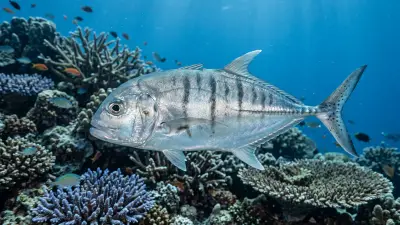
Bigeye trevally
occasional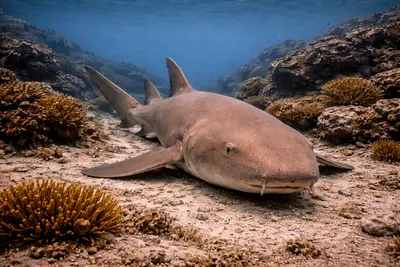
Nurse sharks
occasional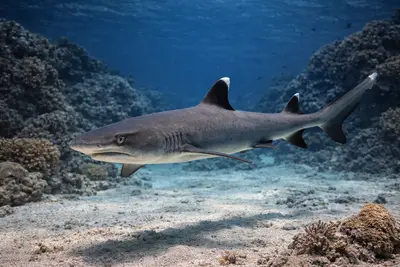
Whitetip reef sharks
occasional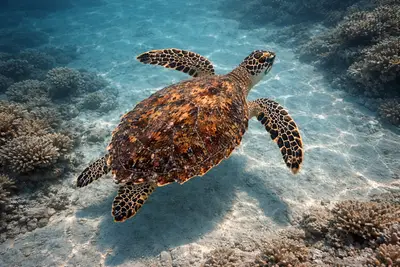
Hawksbill turtle
occasionalWhalesharks
rareDive profile & how the dive runs
Dives at Garden Eel Point typically begin with a boat entry, positioning you directly over the sandy expanse. The initial descent often takes you to observe the numerous garden eels emerging from the sand. From there, you'll proceed towards the vibrant wall, which starts around 10 meters and drops to over 60 meters. The dive usually progresses along this wall, allowing ample time to explore its overhangs, crevices, and diverse coral growth, including extensive Gorgonian fans. A common route involves a gentle drift along the wall, guided by the mild currents. Your guide will lead you to observe smaller marine life tucked into the coral structures. The turn point is determined by air consumption and bottom time, typically allowing for a full circuit or a substantial section of the wall. The safety stop is conducted in the shallower sections of the reef, offering more opportunities to view reef fish and corals before ascending to the boat.
Underwater photography
Garden Eel Point offers excellent opportunities for both wide-angle and macro photography. Wide-angle lenses are ideal for capturing the vast colonies of garden eels on the sandy bottom and the expansive, sunlit coral walls. The exceptional visibility here ensures vibrant wide-angle shots without heavy backscatter. For macro enthusiasts, a macro lens is essential to focus on pygmy seahorses, nudibranchs, and other small critters found within the Gorgonian fans and coral crevices. Due to the generally calm conditions, buoyancy control is manageable, allowing photographers to stabilize for sharp images. Natural light is often sufficient in the shallower wall sections, but strobes are recommended to bring out the true colors of the corals and marine life at depth. Be mindful of your fin kicks to avoid disturbing the sand near the garden eels.
Combine with nearby dive sites
- Anker Wreck
A small 19th-century wooden boat wreck, popular for deep dives at 40m.
- Pos II
Offers a gentle drift dive along Menjangan Island's south coast.
- Coral Garden
Known for healthy coral coverage and abundant reef fish.
- Bat Cave
A unique site featuring an impressive cave with bats.
- Eel Garden
Another site on Menjangan Island, also noted for its garden eels.
Getting there & logistics
Garden Eel Point is accessed via Menjangan Island, which requires a speedboat transfer from Pemuteran on mainland Bali. Pemuteran is approximately a three-hour drive from Denpasar International Airport (DPS). Dive operators usually arrange transfers and boat trips for day excursions to Menjangan. The speedboat ride from Pemuteran to the dive sites takes about 30 minutes. Typically, dives at Garden Eel Point are part of a full-day trip to Menjangan Island, often combined with another site like the Anker Wreck or Pos II. As Menjangan Island is part of West Bali National Park, park fees are usually included in the dive trip costs. Liveaboard options are less common for this specific area, with day trips being the primary mode of access.
Safety & environment
Menjangan Island, including Garden Eel Point, is known to have one of the highest rates of decompression sickness (DCS) in Bali, emphasizing the critical importance of conservative diving practices. Divers must strictly adhere to slow ascent rates and always complete safety stops, especially given the walls that descend to 60 meters and beyond. Insurance covering dive accidents and potential medical evacuation is highly recommended. The nearest recompression chamber is located in Denpasar, requiring a potentially lengthy road transfer after the boat journey from Menjangan back to the mainland. Site-specific hazards are minimal due to calm currents, but maintaining excellent buoyancy control is crucial to protect the delicate coral ecosystems and avoid rapid depth changes. Always dive within your certification limits and follow your guide's instructions.
Who it suits — and who it doesn't
Suited for
- Newly certified divers looking for calm conditions
- Macro photographers seeking diverse small marine life
- Divers interested in stunning wall topography
- Underwater naturalists observing garden eel behavior
- Divers seeking high visibility and warm water
Less suited for
- Divers exclusively seeking large pelagic encounters
- Divers unwilling to commit to conservative ascent profiles
- Those looking for strong drift diving experiences
- Divers who struggle with buoyancy control near delicate corals
FAQ
Garden Eel Point FAQ
What makes Garden Eel Point a unique dive site?
Garden Eel Point is uniquely characterized by its extensive sandy areas where hundreds of garden eels emerge from the seabed, swaying in unison. It also features a magnificent wall dive with an exceptionally high density of Gorgonian sea fans, many of which host elusive pygmy seahorses, creating a distinct visual experience not commonly found elsewhere in Bali.
What is the typical water temperature and visibility at Garden Eel Point?
The water temperature at Garden Eel Point is comfortably warm, generally ranging between 28-31°C year-round. Visibility is consistently excellent, often between 15-30 meters, and can frequently exceed 50 meters, especially during the dry season from April to November. This clear water enhances the viewing of both macro subjects and the expansive reef structures.
Is Garden Eel Point suitable for beginner divers?
Yes, Garden Eel Point is suitable for divers of all experience levels, including beginners. The currents are typically very mild, and the site offers shallow, sheltered areas for relaxed exploration. Open Water divers can enjoy the vibrant shallow reef and the garden eel colonies, while advanced divers can explore deeper sections of the impressive wall.
How do I get to Garden Eel Point?
Garden Eel Point is located off Menjangan Island, which is part of West Bali National Park. Access requires a speedboat journey from Pemuteran on the mainland, a trip that takes approximately 30 minutes. Pemuteran itself is about a three-hour drive from Denpasar International Airport, with dive operators arranging the necessary transfers and boat trips.
What kind of marine life can I expect to see at Garden Eel Point?
You can expect to see abundant garden eels in the sandy areas, along with a high concentration of soft corals, sponges, and diverse Gorgonian sea fans on the wall. Occasional sightings include turtles, barracudas, bigeye trevally, and various reef fish species. Pygmy seahorses can sometimes be spotted in the sea fans, making it a treat for macro enthusiasts.
Why is conservative diving recommended at Menjangan Island?
Menjangan Island, including Garden Eel Point, has a higher incidence of decompression sickness (DCS) compared to other Bali sites, due to its deep walls. It is crucial to dive conservatively by maintaining slow ascent rates and diligently performing safety stops on every dive. This approach helps mitigate risks, ensuring a safer and more enjoyable diving experience.
Why dive Garden Eel Point from a liveaboard?
Garden Eel Point is one of Bali's signature dive sites. A liveaboard sleeps you on the water and puts you in the water for three to four guided dives per day, including dawn and night dives that day-boat operators rarely offer. You skip the daily commute back to port and reach quieter, less-crowded sites in the same region on a single trip.
Below are the liveaboards that include Garden Eel Point on their Bali itineraries.
Liveaboards diving Garden Eel Point
These liveaboards may visit Garden Eel Point on selected itineraries — the exact dive sites depend on departure, weather and conditions.
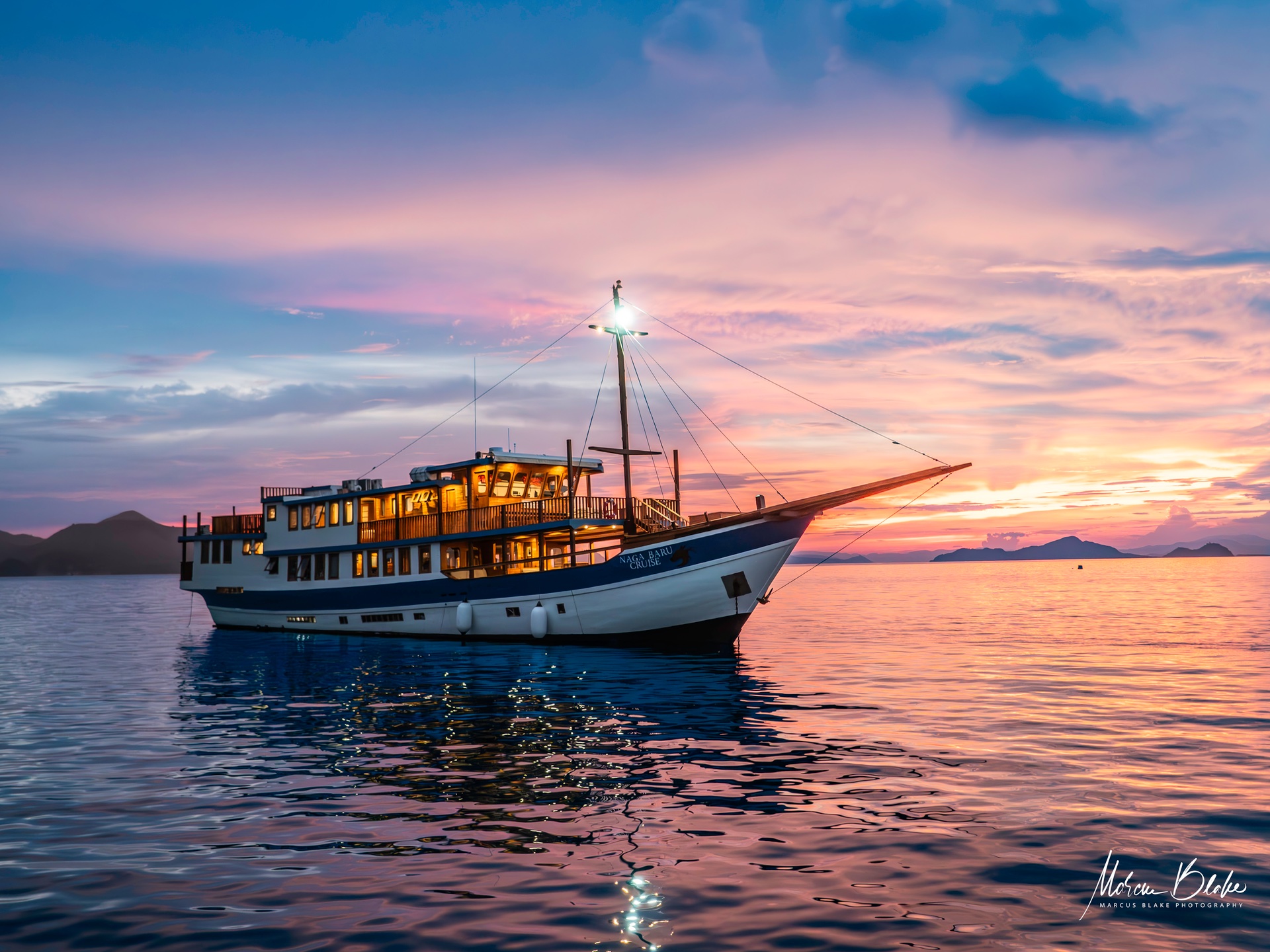
Naga Biru
Indonesia
12 guests40 m
$274/day
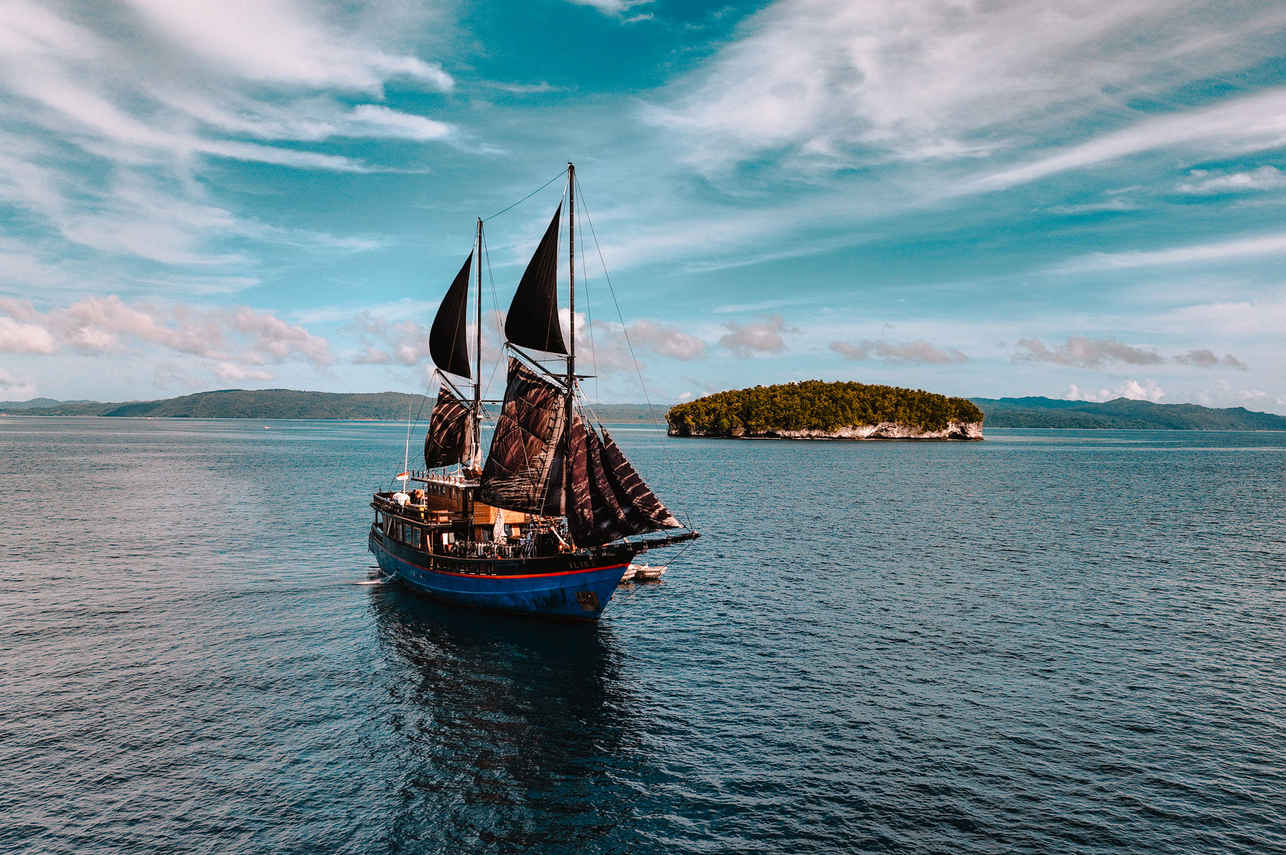
Ilike
Indonesia
16 guests40 m
$298/day
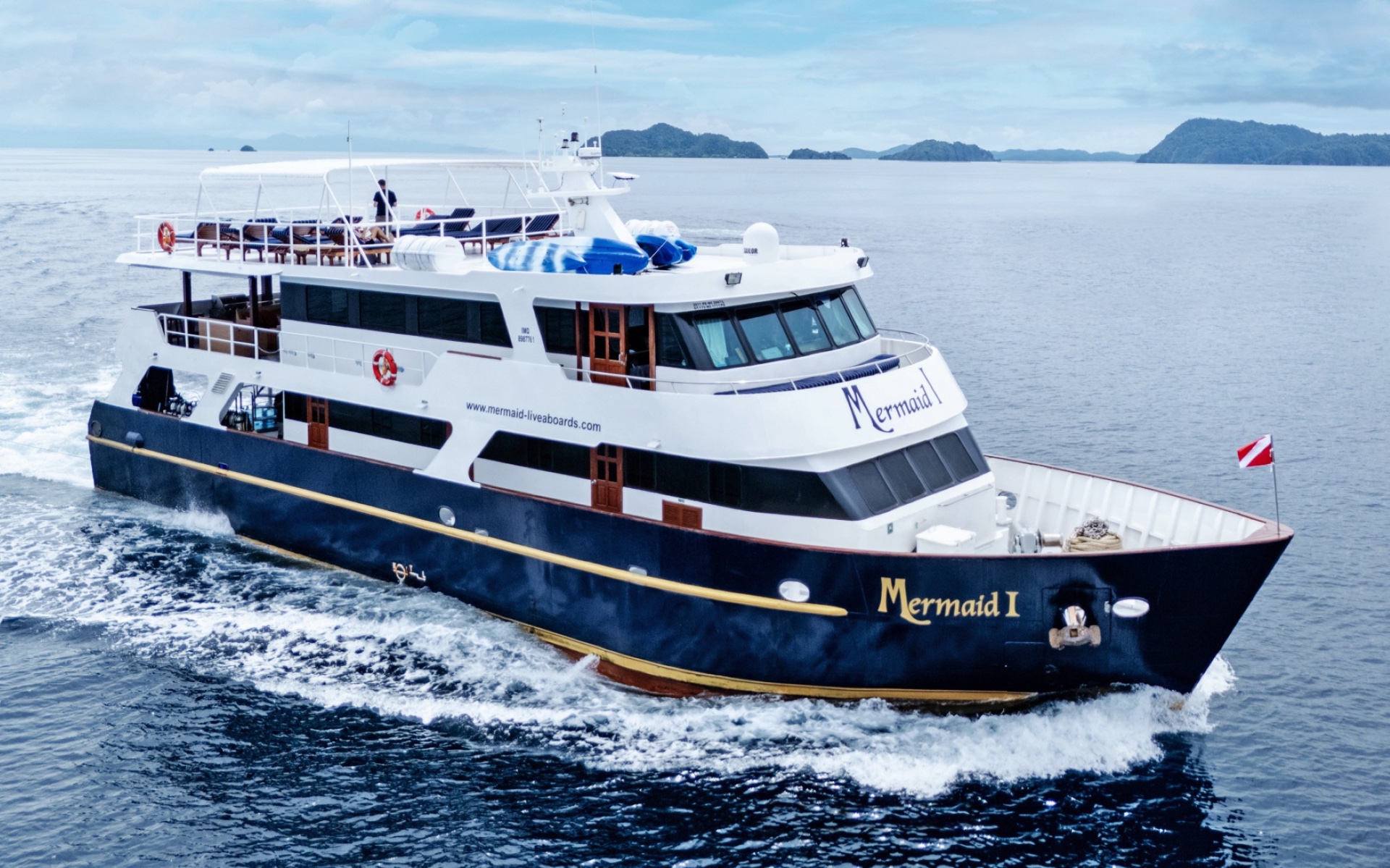
Mermaid I
Alor
15 guests28 m
$372/day
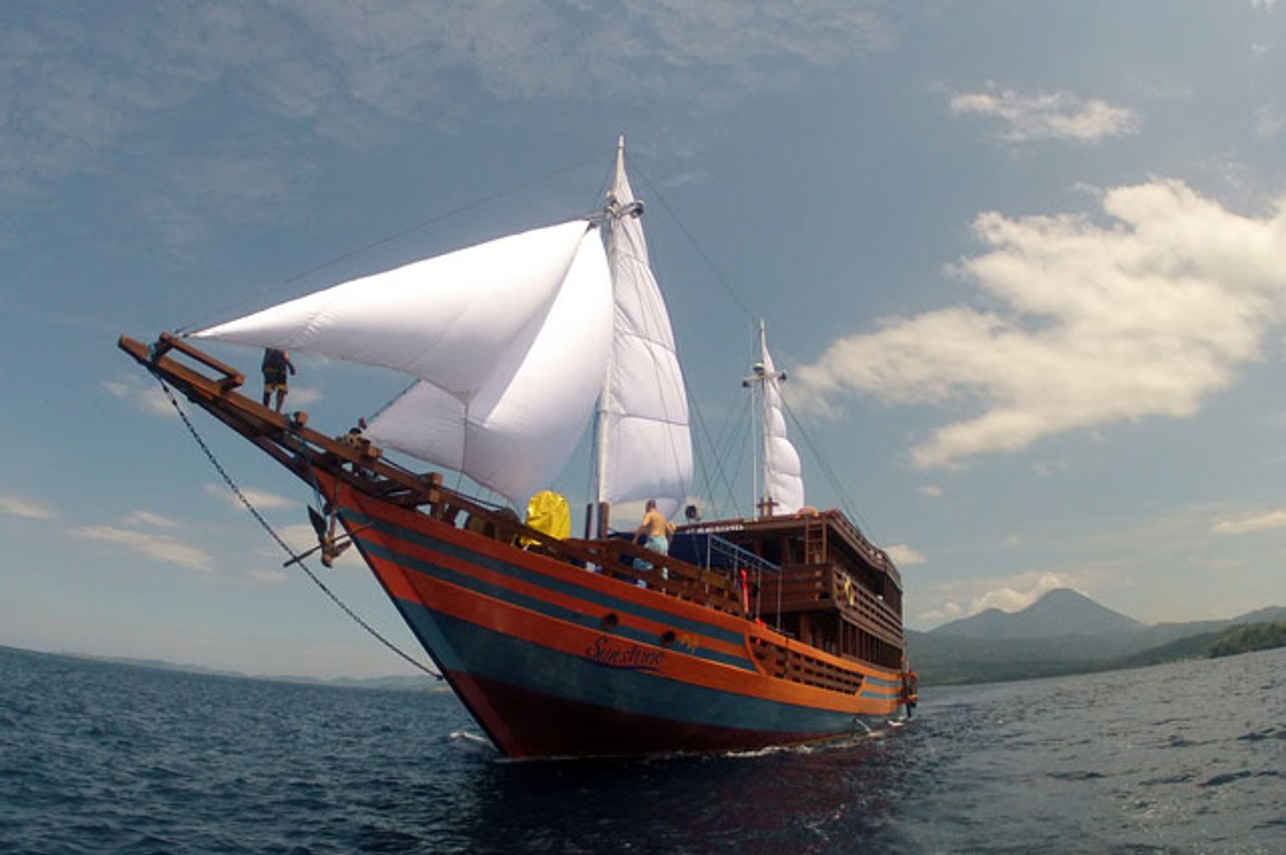
Sunshine Liveaboard
Indonesia
10 guests31 m
$191/day
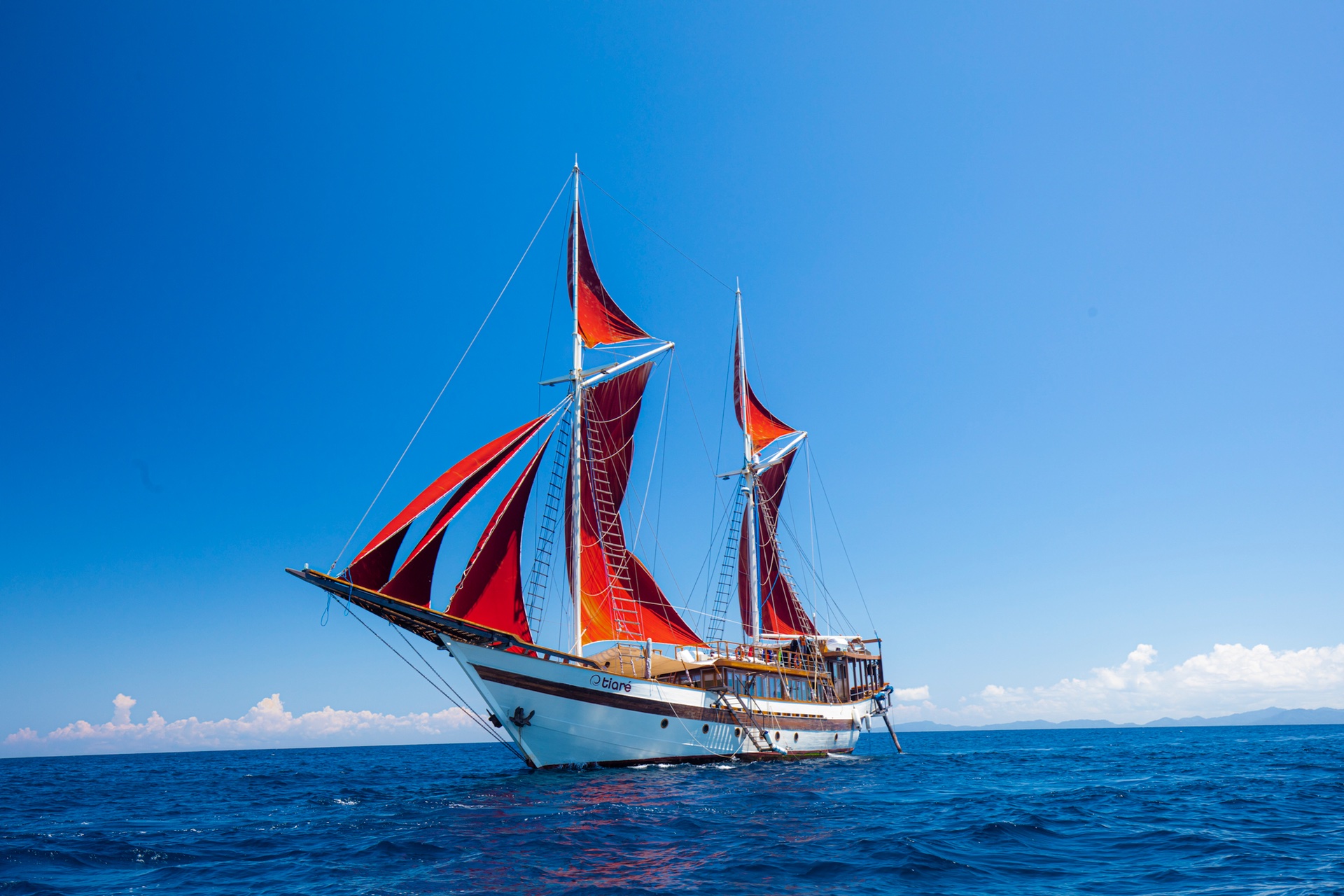
Tiare Cruise
Indonesia
12 guests36.5 m
$419/day
Dive sites similar to Garden Eel Point
Same character, same waters — six more sites divers love for the exact same reasons.Compare seasons, access and liveaboard routes — then pick the site that fits your trip best.
© Esri — Maxar, Earthstar, GIS
Batununggul
Bali
Batununggul, also known as Suana or Batumulapan by some operators, is a dynamic wall and sloping reef dive site situated on the eastern side of Nusa Penida, Bali.
- Suitable for
- Advanced
- Current
- Strong
- Access
- Liveaboard or dayboat
- Depth
- 10–40 m
- Theme
- Wall
Lipah Bay is situated on Bali's northeast coast within the Amed area, nestled against the dramatic backdrop of Gunung Agung.
- Suitable for
- Beginner
- Current
- Mild
- Access
- Liveaboard or dayboat
- Depth
- 5–30 m
- Theme
- Reef / Drift
© Esri — Maxar, Earthstar, GIS
Eel Garden
Bali
Eel Garden is a renowned dive site located on the north-western side of Menjangan Island, a protected marine area within West Bali National Park.
- Suitable for
- Intermediate
- Current
- Moderate
- Access
- Liveaboard or dayboat
- Depth
- 8–40 m
- Theme
- Drift / Reef
© Esri — Maxar, Earthstar, GIS
Gili Tepekong
Bali
Gili Tepekong is one of three volcanic islets situated off the coast of Amuk Bay, near Padang Bai and Candidasa in East Bali.
- Suitable for
- Advanced
- Current
- Strong
- Access
- Liveaboard or dayboat
- Depth
- 10–40 m
- Theme
- Cave & cavern / Drift
Puri Jati, often referred to as PJ, is located on Bali's north coast near Lovina, on the outskirts of Seririt village.
- Suitable for
- Intermediate
- Current
- No current
- Access
- Shore / dayboat
- Depth
- 6–12 m
- Theme
- Reef
© Esri — Maxar, Earthstar, GIS
Japanese Wreck
Bali
The Japanese Wreck is a compelling dive site located in Banyuning Bay, just off the beach in Amed, Bali.
- Suitable for
- Beginner
- Current
- Moderate
- Access
- Shore / dayboat
- Depth
- 6–12 m
- Theme
- Wreck / Reef