About Pos II Menjangan
Pos II is a prominent dive site located off the south coast of Menjangan Island, renowned for its spectacular wall diving. As part of the West Bali National Park, this area boasts crystal-clear waters and a diverse underwater landscape. The site is famous for its vertical walls that plunge to significant depths, creating a rich habitat for various marine species, including pelagic fish and reef sharks. The topography features impressive walls, numerous overhangs, small caves, and crevices, all adorned with a high concentration of soft corals, sponges, and diverse gorgonian fans. These structures provide shelter and feeding grounds for a wide array of marine life. The visibility here is often exceptional, reaching up to 50 meters, enhancing the experience of exploring the intricate wall details. While Menjangan Island can be dived year-round, the period from April to November generally offers the best conditions. Water temperatures are consistently warm, ranging from 28-31°C. Pos II is particularly noted for its gentle drift dives, making it accessible to a range of diver levels while still offering excitement for experienced divers. The site can also feature an underwater structure and small caves, perfect for photographers. Diving at Pos II typically involves exploring the extensive wall, with opportunities to encounter turtles and various reef fish. The calm conditions, coupled with the rich coral gardens and diverse marine inhabitants, make it a highly rewarding dive for both new and experienced divers seeking a serene yet vibrant underwater experience.
Highlights
Dramatic wall divingGentle drift experienceAbundant gorgonian fansPelagic fish sightingsUnderwater caves and structuresExceptional water clarityHealthy soft coral gardensTurtle encounters
Season calendar
Best months to dive here
Jan
Feb
Mar
Apr
May
Jun
Jul
Aug
Sep
Oct
Nov
Dec
Excellent
Good
Dive site facts: Pos II Menjangan
- Depth
- 5–40 m
- Current
- Zero to mild, sometimes moderate drift
- Visibility
- 15–50 m
- Water temperature
- 28–31°C
- Entry
- Boat dive
- Level
- Open Water and above
- Dive type
- Wall, drift
- Region / port
- Menjangan Island, West Bali National Park
- Coordinates
- -8.09, 114.51
Conditions & Currents
Currents at Pos II are generally mild to gentle, making it suitable for drift diving along the wall. However, moderate currents can occasionally occur, particularly when crossing open sandy areas, which tend to attract larger pelagic species such as barracuda and trevally. These currents are usually manageable, contributing to an enjoyable drift experience rather than posing significant challenges. Entry is typically by boat, allowing divers to be dropped directly onto the site and drift with the prevailing flow. Exit points are flexible, with the dive boat often following the group. Visibility remains consistently excellent, with little to no surge or thermoclines, ensuring a clear and comfortable dive. Divers should be mindful of current changes, especially if planning extended bottom times or venturing into deeper sections of the wall.
Marine life & sighting chances

Pygmy seahorse
occasional
Green sea turtle
common
Hawksbill turtle
occasional
Barracuda
occasional
Giant trevally
occasional
Reef shark
occasional
White-tip reef shark
occasional
Tuna
occasional
Fusilier
common
Napoleon wrasse
rare
Garden eel
occasional
Gorgonian
common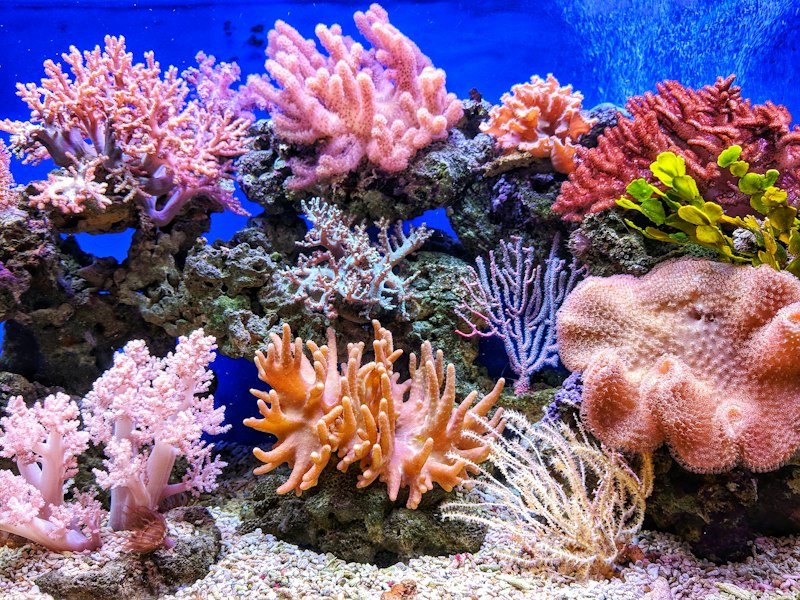
Soft coral
common
Sponge
commonDive profile & how the dive runs
Diving at Pos II typically commences with a boat drop-off directly onto the site, allowing for a gentle drift along Menjangan Island’s south coast. The dive begins at the top of the impressive wall, often around 5-10 meters, before descending gradually to explore the numerous crevices, overhangs, and small caves. Divers follow the natural contours of the wall, admiring the dense growth of soft corals and gorgonian fans. Depending on the current and individual diver preferences, the depth can range from 15 meters for recreational divers to beyond 40 meters for those with appropriate certifications. The route generally progresses along the wall, with the current gently guiding divers. The turn point is flexible, often dictated by air consumption or the extent of the drift, leading to a slow ascent along the wall's shallower sections. The safety stop is typically conducted at 5 meters, often in areas rich with reef fish and smaller coral formations, before surfacing for boat retrieval.
Underwater photography
Pos II offers fantastic opportunities for both wide-angle and macro photography due to its diverse topography and abundant marine life. For wide-angle shots, a fisheye or wide-angle lens will capture the grandeur of the vertical walls, extensive gorgonian fans, and schooling fish. The excellent visibility, often exceeding 30 meters, means natural light can illuminate subjects well, but strobes are crucial for restoring lost colors and adding definition, especially in deeper sections or within caves and overhangs. For macro enthusiasts, explore the numerous cracks and crevices along the wall for pygmy seahorses, nudibranchs, and other small critters. Good buoyancy control is paramount to avoid damaging the delicate corals and to maintain stable shots during gentle drifts. Patience is key when photographing shy marine life, and remember to respect the natural environment by not touching or disturbing subjects.
Combine with nearby dive sites
- Menjangan Cave Point
Menjangan Cave Point, located on the south coast of Menjangan Island, offers divers a unique blend of impressive wall diving and intriguing…
- Mangrove Point
Mangrove Point is a captivating dive site situated on the north coast of Nusa Lembongan, directly opposite a lush mangrove forest.
- Anker Wreck
A 19th-century wooden boat wreck at 40m depth
- Garden Eel Point
Known for a large colony of garden eels and a rich wall
Getting there & logistics
Access to Pos II and other Menjangan Island dive sites typically involves a 30-minute boat ride from mainland Bali, usually departing from Pemuteran, which is a 3-hour drive from Denpasar International Airport (DPS). Dive trips are commonly offered as full-day excursions from Pemuteran or integrated into multi-day Bali dive safaris. A daily entrance fee for West Bali National Park, approximately 200,000 IDR (higher on weekends), is generally included in dive package prices. Liveaboard options are less common for Menjangan, with most divers opting for resort-based stays in Pemuteran. Most dive operators will handle all necessary permits and transportation, making the logistics relatively seamless. It is advisable to book with a reputable dive center in Pemuteran for organized transfers and diving arrangements.
Safety & environment
Menjangan Island diving, including Pos II, is generally considered safe due to calm conditions, but divers should be aware that the area has a higher reported incidence of Decompression Sickness (DCS) in Bali. Adhering to safe diving practices, such as slow ascents and mandatory safety stops, is crucial. The nearest recompression chamber is in Denpasar, requiring a potentially lengthy evacuation by boat and then road, emphasizing the importance of comprehensive dive insurance. Site-specific hazards are minimal, but divers should maintain good buoyancy control to avoid contact with the fragile coral walls. Always dive with a certified guide who is familiar with the site's conditions and adhere to national park regulations, which prohibit touching marine life or taking souvenirs. Personal locator beacons are recommended for remote locations.
Who it suits — and who it doesn't
Suited for
- Beginner divers seeking calm conditions
- Advanced divers interested in deep wall exploration
- Underwater photographers due to excellent visibility and diverse subjects
- Drift diving enthusiasts
- Divers seeking healthy coral reefs and vibrant marine ecosystems
Less suited for
- Divers looking for strong pelagic action with large ocean currents
- Those uninterested in wall diving
- Divers without good buoyancy control for delicate coral environments
- Those with limited bottom time due to potential deeper exploration
FAQ
Pos II Menjangan FAQ
What kind of marine life can I expect to see at Pos II Menjangan?
At Pos II, you can anticipate encountering a variety of marine life, including green sea turtles and hawksbill turtles, barracudas, and giant trevallies. The walls are also home to an abundance of smaller reef fish, vibrant soft corals, sponges, and numerous gorgonian fans. Occasional sightings of reef sharks and pygmy seahorses are also possible.
Is Pos II suitable for beginner divers?
Yes, Pos II is generally suitable for beginner divers (Open Water certified) due to its typically calm conditions and gentle drift. While the walls can extend to greater depths, dive guides can tailor the profile to shallower sections, allowing beginners to enjoy the rich marine life and stunning coral formations comfortably. Good buoyancy control is always beneficial for this site.
What is the visibility like at Pos II?
The visibility at Pos II is often excellent, frequently ranging from 15 to 50 meters, especially during the dry season from April to November. This exceptional clarity provides superb conditions for exploring the intricate wall formations and observing marine life, making it a highly rewarding experience for all divers and underwater photographers.
Are there strong currents at Pos II Menjangan?
Currents at Pos II are typically mild to gentle, offering an enjoyable drift diving experience along the wall. While moderate currents can sometimes occur, particularly in open water sections, they are usually manageable and contribute to the dynamics of the dive. The site is known for its relatively sheltered conditions within the West Bali National Park.
How do I get to Pos II Menjangan for diving?
To dive at Pos II, you will typically travel to Pemuteran on mainland Bali, which is about a three-hour drive from Denpasar International Airport. From Pemuteran, a 30-minute boat ride will take you to Menjangan Island and its dive sites, including Pos II. Most dive operators in Pemuteran arrange boat transfers and include national park fees in their dive packages.
What makes Pos II unique compared to other dive sites in Bali?
Pos II stands out for its dramatic vertical wall adorned with an exceptionally high concentration of diverse gorgonian fans and soft corals, coupled with consistently excellent visibility. Unlike some other Bali sites, it offers a serene drift diving experience without challenging currents, making it ideal for relaxed exploration and capturing stunning wide-angle underwater photography.
Why dive Pos II Menjangan from a liveaboard?
Pos II Menjangan is one of Bali's signature dive sites. A liveaboard sleeps you on the water and puts you in the water for three to four guided dives per day, including dawn and night dives that day-boat operators rarely offer. You skip the daily commute back to port and reach quieter, less-crowded sites in the same region on a single trip.
Below are the liveaboards that include Pos II Menjangan on their Bali itineraries.
Liveaboards diving Pos II Menjangan
These liveaboards may visit Pos II Menjangan on selected itineraries — the exact dive sites depend on departure, weather and conditions.
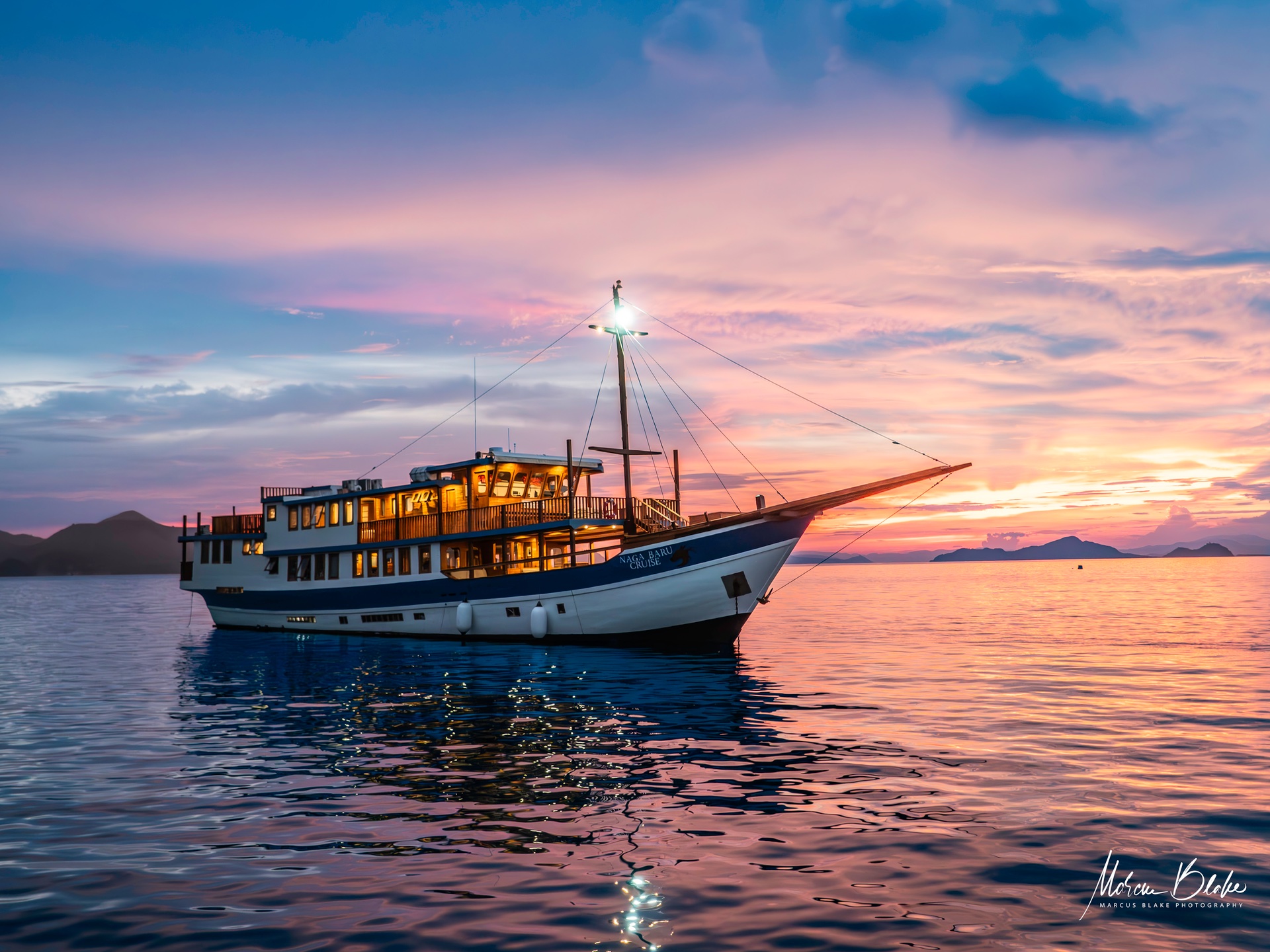
Naga Biru
Indonesia
12 guests40 m
$272/day
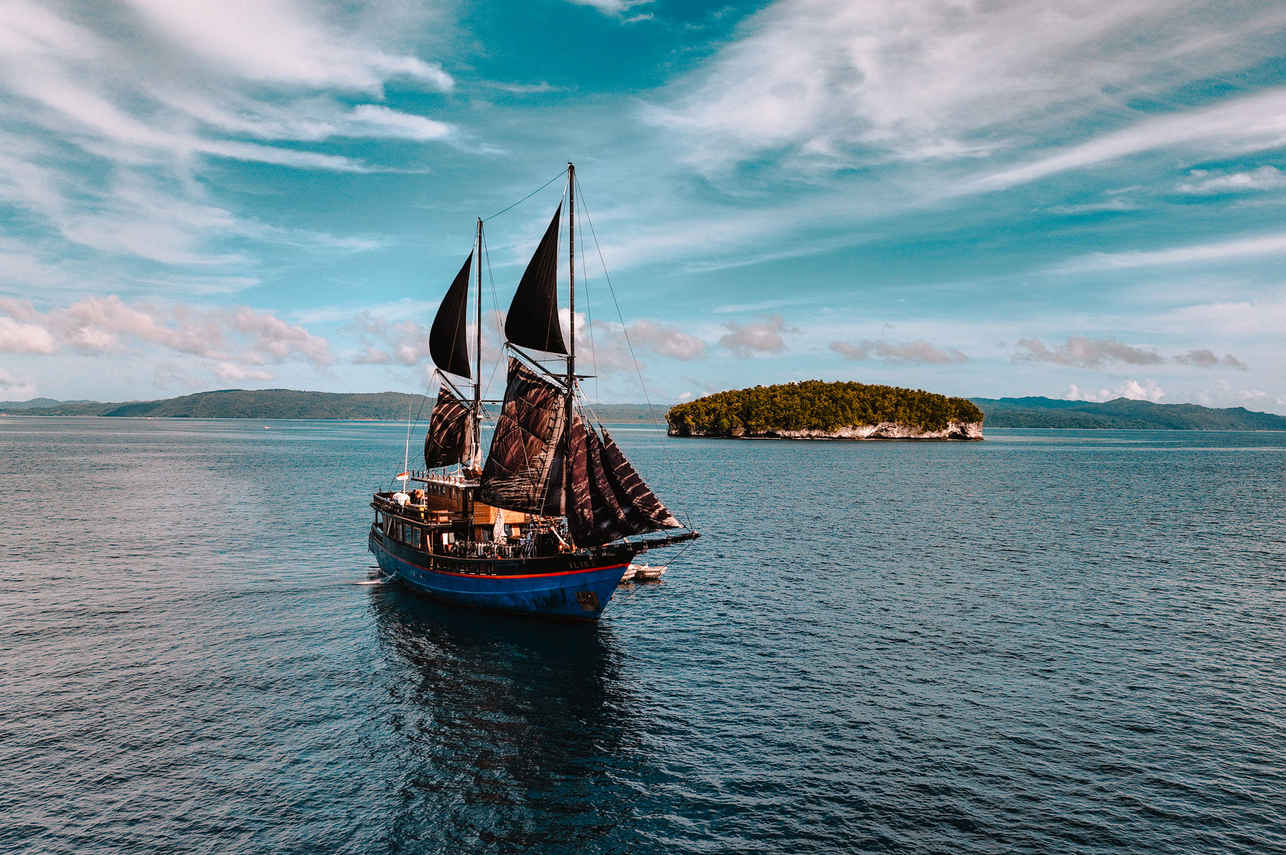
Ilike
Indonesia
16 guests40 m
$350/day
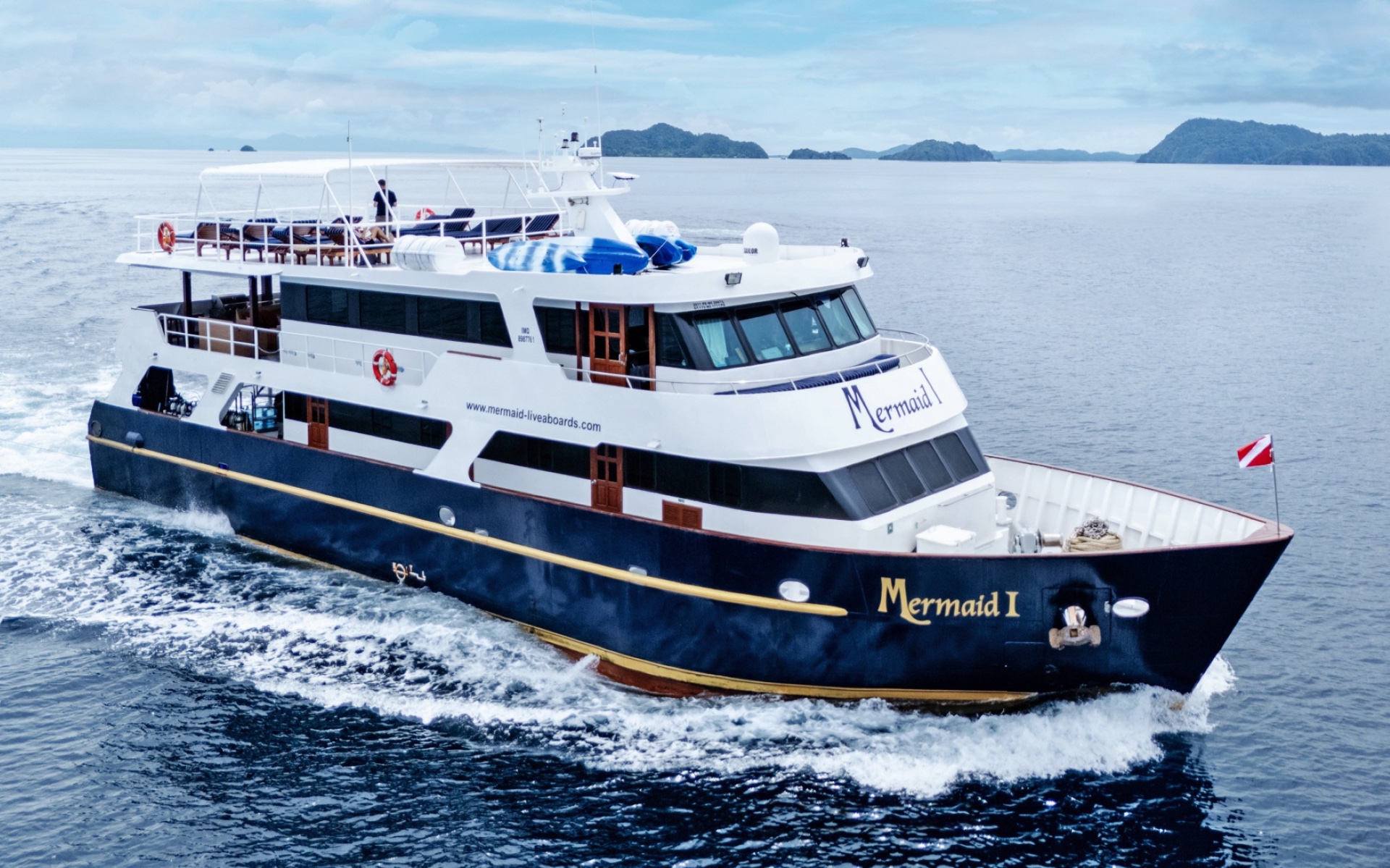
Mermaid I
Alor
15 guests28 m
$476/day
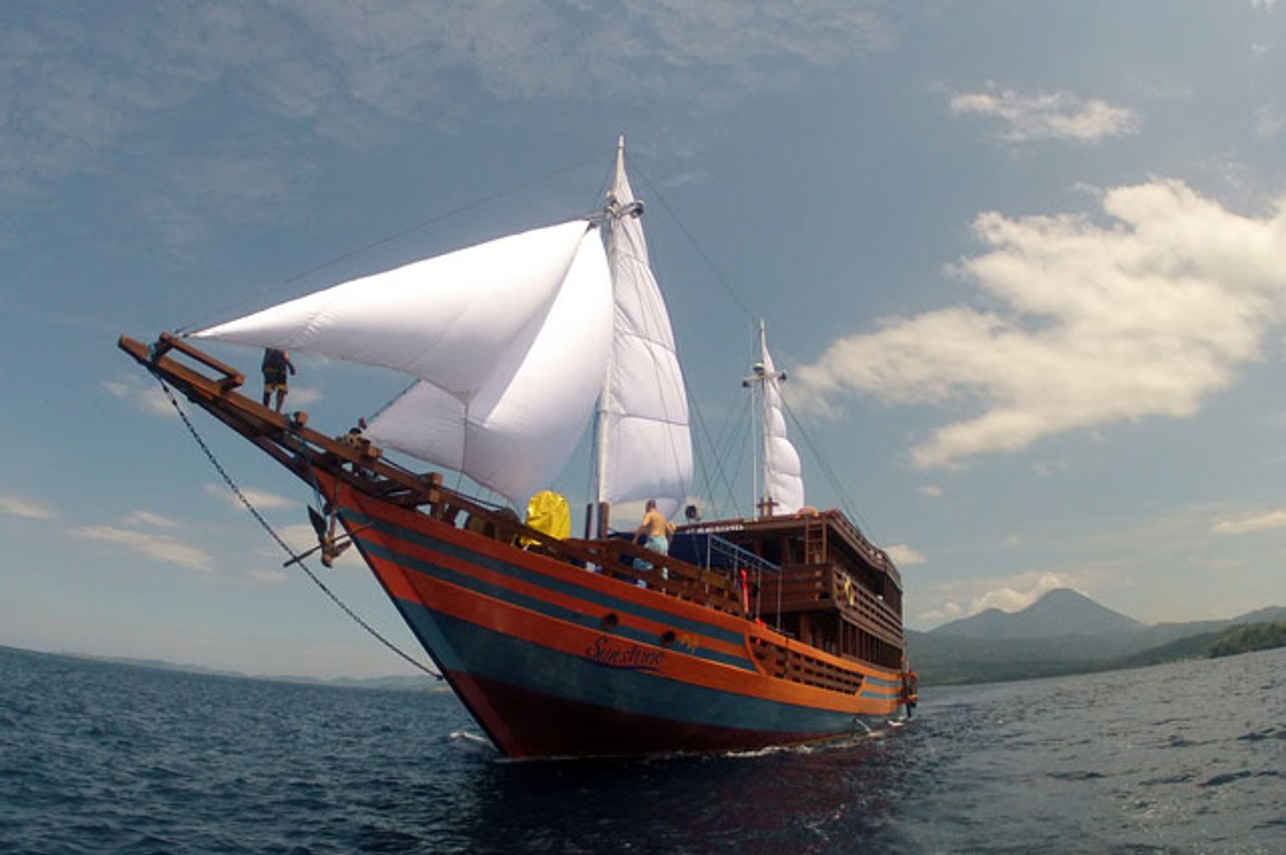
Sunshine Liveaboard
Indonesia
10 guests31 m
$190/day
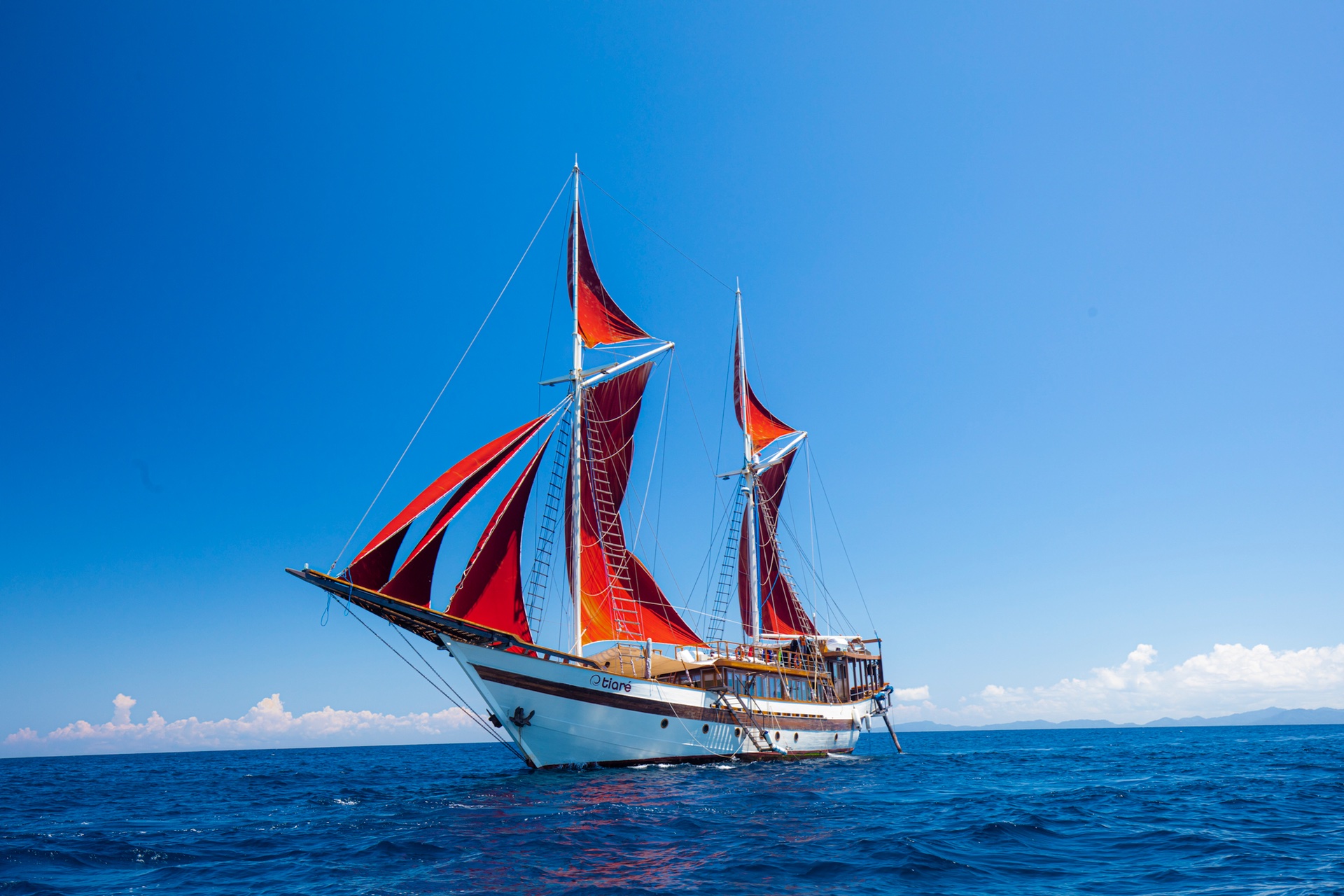
Tiare Cruise
Indonesia
12 guests36.5 m
$473/day
Dive sites similar to Pos II Menjangan
Same character, same waters — six more sites divers love for the exact same reasons.Compare seasons, access and liveaboard routes — then pick the site that fits your trip best.
© Esri — Maxar, Earthstar, GIS
Batununggul
Bali
Batununggul, also known as Suana or Batumulapan by some operators, is a dynamic wall and sloping reef dive site situated on the eastern side of Nusa Penida, Bali.
- Suitable for
- Advanced
- Current
- Strong
- Access
- Liveaboard or dayboat
- Depth
- 10–40 m
- Theme
- Wall
Lipah Bay is situated on Bali's northeast coast within the Amed area, nestled against the dramatic backdrop of Gunung Agung.
- Suitable for
- Beginner
- Current
- Mild
- Access
- Liveaboard or dayboat
- Depth
- 5–30 m
- Theme
- Reef / Drift
© Esri — Maxar, Earthstar, GIS
Gili Tepekong
Bali
Gili Tepekong is one of three volcanic islets situated off the coast of Amuk Bay, near Padang Bai and Candidasa in East Bali.
- Suitable for
- Advanced
- Current
- Strong
- Access
- Liveaboard or dayboat
- Depth
- 10–40 m
- Theme
- Cave & cavern / Drift
© Esri — Maxar, Earthstar, GIS
Dream Wall
Bali
Dream Wall is one of Menjangan Island's premier dive sites, located within the protected West Bali National Park marine area.
- Suitable for
- Beginner
- Current
- Mild
- Access
- Dayboat
- Depth
- 10–60 m
- Theme
- Wall / Reef
Pura Ped, located on the northern coast of Nusa Penida, is a celebrated dive site known for its extensive and healthy reef system.
- Suitable for
- Intermediate
- Current
- Strong
- Access
- Liveaboard or dayboat
- Depth
- 5–30 m
- Theme
- Drift / Reef
© Esri — Maxar, Earthstar, GIS
Gili Selang
Bali
Gili Selang is a small island located off Bali's easternmost tip, forming a striking geological feature at the foot of Mount Seraya.
- Suitable for
- Advanced
- Current
- Strong
- Access
- Liveaboard or dayboat
- Depth
- 4–50 m
- Theme
- Drift / Wall