About Menjangan Cave Point
Menjangan Cave Point, located on the south coast of Menjangan Island, offers divers a unique blend of impressive wall diving and intriguing cavern exploration. This site is part of the West Bali National Park, ensuring a well-preserved marine environment with thriving coral reefs. The dive site is characterized by steep walls covered in large gorgonian fans, sponges, and diverse soft corals, providing a rich habitat for various reef fish and macro life. Depths at Cave Point range from shallow reef tops to vertical drops that extend well beyond recreational limits, making it suitable for divers of different experience levels. The topography includes small caves and overhangs that add an adventurous element to the dive, allowing for exploration of hidden nooks. The protected status of the area contributes to exceptional visibility and generally mild currents, creating a relaxed diving experience. Marine highlights include frequent sightings of turtles, barracudas, and schools of trevallies that patrol the walls. The healthy coral structures are home to a variety of smaller creatures, such as nudibranchs and pygmy seahorses, which can be found tucked away in fan corals. This site exemplifies the pristine conditions of Menjangan Island, offering a peaceful and rewarding underwater adventure. Access to Menjangan Island dive sites typically involves a boat trip from Pemuteran, followed by a short ride to the dive location. Operators prioritize safety with small group sizes and careful planning, ensuring that divers can fully appreciate the calm conditions and rich biodiversity of this Bali gem. The consistent warm water temperatures and excellent visibility further enhance the appeal of Cave Point.
Highlights
Dramatic vertical wallsSmall caverns and overhangsHealthy gorgonian fansAbundant reef fishExceptional visibilityProtected marine habitatPristine coral growth
Season calendar
Best months to dive here
Jan
Feb
Mar
Apr
May
Jun
Jul
Aug
Sep
Oct
Nov
Dec
Excellent
Good
Dive site facts: Menjangan Cave Point
- Depth
- 5–40 m
- Typical dive
- 15–30 m, 50–60 min
- Current
- Mild to none
- Visibility
- 15–50 m
- Water temperature
- 28–30°C
- Entry
- Boat / drift
- Level
- Open Water and above
- Dive type
- Wall, cavern, reef
- Region / port
- West Bali National Park
- Coordinates
- -8.097, 114.502
Conditions & Currents
Menjangan Island, including Cave Point, is notably sheltered from the strong currents often found between Bali and Java, leading to generally mild to non-existent currents. This makes for very relaxed dive profiles, suitable for divers of all levels. While occasional moderate currents can occur, site selection is usually adjusted to ensure comfortable conditions. Visibility is consistently good, often reaching 15-30 meters, and can extend up to 50 meters during the dry season. Water temperatures are warm, typically ranging from 28°C to 30°C, with minimal thermoclines expected. Divers should be aware of the West Bali National Park rules, which emphasize reef protection and safe diving practices, including slow ascents and mandatory safety stops to mitigate any decompression sickness risk, especially given the range of depths available.
Marine life & sighting chances

Hawksbill turtle
common
Barracuda
common
Bigeye trevally
common
Whitetip reef shark
occasional
Blacktip reef shark
occasional
Garden eel
rare
Pygmy seahorse
occasional
Moray eel
common
Napoleon wrasse
occasional
Mantis shrimp
occasionalDive profile & how the dive runs
Your dive at Menjangan Cave Point typically begins with a boat drop-off near the south coast of Menjangan Island. You descend along the impressive wall, which starts shallow and drops to significant depths. The route follows the contour of the wall, allowing you to explore various small caverns and overhangs that pepper the rock face. Divers usually maintain a depth range between 15-30 meters to fully appreciate the coral growth and marine life. As you progress, keep an eye out for larger pelagics patrolling the blue and smaller macro subjects hidden within the gorgonian fans. The turn point is often dictated by air consumption or dive time, after which you gradually ascend along the wall, completing your safety stop in the shallower, brightly lit sections where reef fish are abundant. The boat picks you up directly from the surface.
Underwater photography
Menjangan Cave Point offers excellent opportunities for both wide-angle and macro photography due to its diverse topography and abundant marine life. For wide-angle shots, a fisheye or wide-angle lens is ideal to capture the dramatic vertical walls, the expansive coral formations, and schools of barracuda or trevallies. The clear visibility, especially in the dry season, allows for stunning landscape compositions. For macro enthusiasts, a macro lens will be beneficial to find pygmy seahorses on gorgonian fans, nudibranchs, and other small critters hiding among the intricate coral structures. External strobes are highly recommended to bring out the vibrant colors of the corals and marine life, penetrating the deeper sections of the wall and caverns. Practice good buoyancy control to avoid disturbing the fragile reef and maintain respectful distances from marine subjects.
Combine with nearby dive sites
- Eel Garden
Famous for its colony of garden eels swaying in sandy slopes and a dramatic wall.
- Pos II Menjangan
A classic wall dive known for vertical drops covered in gorgonian fans and sponges.
- Anchor Wreck
Features a historic 19th-century wooden boat wreck and spectacular wall diving.
- Temple Point
Combines wall and reef sections with rich coral diversity.
Getting there & logistics
To dive Menjangan Cave Point, you typically fly into Denpasar International Airport (DPS). From there, a three-hour road transfer takes you to Pemuteran on Bali's northwest coast. Day trips usually start from Pemuteran, involving a short transfer to Labuhan Lalang Jetty, followed by a 15-30 minute boat ride to the Menjangan Island dive sites. Operators handle all logistics, including West Bali National Park fees and permits, and often provide lunch and quality rental gear. Multi-day packages are common, combining several dives around Menjangan Island. Trips from Sanur are also possible but involve a four-hour road transfer one way, making Pemuteran the more convenient base for diving Menjangan.
Safety & environment
Safety at Menjangan Cave Point is paramount, and divers should be aware of specific considerations for this site. While currents are generally mild, conditions can vary, so always follow your guide's instructions. PADI highlights Menjangan as having a higher DCS rate than other Bali sites, emphasizing the critical importance of slow ascents and mandatory safety stops on every dive. Always maintain conservative dive profiles and monitor your no-decompression limits. It is highly recommended to have comprehensive dive insurance covering medical emergencies and potential evacuations. The nearest recompression chamber is located in Denpasar, requiring a significant transfer time from Menjangan Island. Ensure your gear is well-maintained, and never dive beyond your certification or comfort level. Adherence to West Bali National Park rules for reef protection is also crucial for responsible diving.
Who it suits — and who it doesn't
Suited for
- Experienced wall divers seeking cavern exploration
- Underwater photographers focusing on wide-angle and macro
- Divers who appreciate pristine coral reefs
- Those seeking calm diving conditions
- Divers interested in diverse marine biodiversity
Less suited for
- Divers who prefer strong drift dives
- Individuals not comfortable with deeper wall environments
- Those uninterested in cavern or overhang exploration
- Divers without good buoyancy control
FAQ
Menjangan Cave Point FAQ
What kind of marine life can I expect at Menjangan Cave Point?
At Menjangan Cave Point, you can expect to see a wide variety of marine life due to its healthy coral reefs and protected status. Common sightings include hawksbill turtles, barracudas, and schools of bigeye trevallies patrolling the walls. Macro enthusiasts often spot pygmy seahorses hidden in gorgonian fans, moray eels, and mantis shrimp. Occasional sightings of whitetip and blacktip reef sharks are also possible.
Are the currents strong at Menjangan Cave Point?
Generally, currents at Menjangan Cave Point are mild to none, making it a comfortable dive for many levels of divers. The island's location within the West Bali National Park shelters it from the stronger currents found elsewhere in Bali. However, conditions can vary, and dive operators always assess the currents to ensure a safe and enjoyable experience for all divers.
What are the typical depths for diving at Cave Point?
Dive depths at Menjangan Cave Point range from approximately 5 meters at the shallower reef tops to over 40 meters along its dramatic vertical walls. Most recreational dives typically explore the areas between 15 to 30 meters, where the vibrant coral life and small caverns are most accessible. Divers should always plan their dive within their certification limits and experience.
How do I get to Menjangan Cave Point?
Accessing Menjangan Cave Point usually involves traveling to Pemuteran in northwest Bali, which is about a three-hour drive from Denpasar International Airport. From Pemuteran, you'll take a short road transfer to Labuhan Lalang Jetty, followed by a 15 to 30-minute boat ride to the dive site. Many dive operators in Pemuteran offer comprehensive packages that include transfers and park fees.
Is Menjangan Cave Point suitable for beginner divers?
Menjangan Cave Point can be suitable for Open Water certified divers, especially given its generally mild currents and excellent visibility. Dive operators often tailor routes for mixed-experience groups, allowing beginners to enjoy the shallower, less challenging sections of the wall and reef. However, a good level of comfort and buoyancy control is recommended due to the wall and cavernous topography.
What is the visibility like at Menjangan Cave Point?
Visibility at Menjangan Cave Point is consistently excellent, often ranging from 15 to 30 meters. During the dry season, particularly from October to November, visibility can even exceed 50 meters, offering truly spectacular underwater views. This exceptional clarity enhances the diving experience, allowing divers to appreciate the intricate details of the coral walls and distant marine life.
Why dive Menjangan Cave Point from a liveaboard?
Menjangan Cave Point is one of Bali's signature dive sites. A liveaboard sleeps you on the water and puts you in the water for three to four guided dives per day, including dawn and night dives that day-boat operators rarely offer. You skip the daily commute back to port and reach quieter, less-crowded sites in the same region on a single trip.
Below are the liveaboards that include Menjangan Cave Point on their Bali itineraries.
Liveaboards diving Menjangan Cave Point
These liveaboards may visit Menjangan Cave Point on selected itineraries — the exact dive sites depend on departure, weather and conditions.
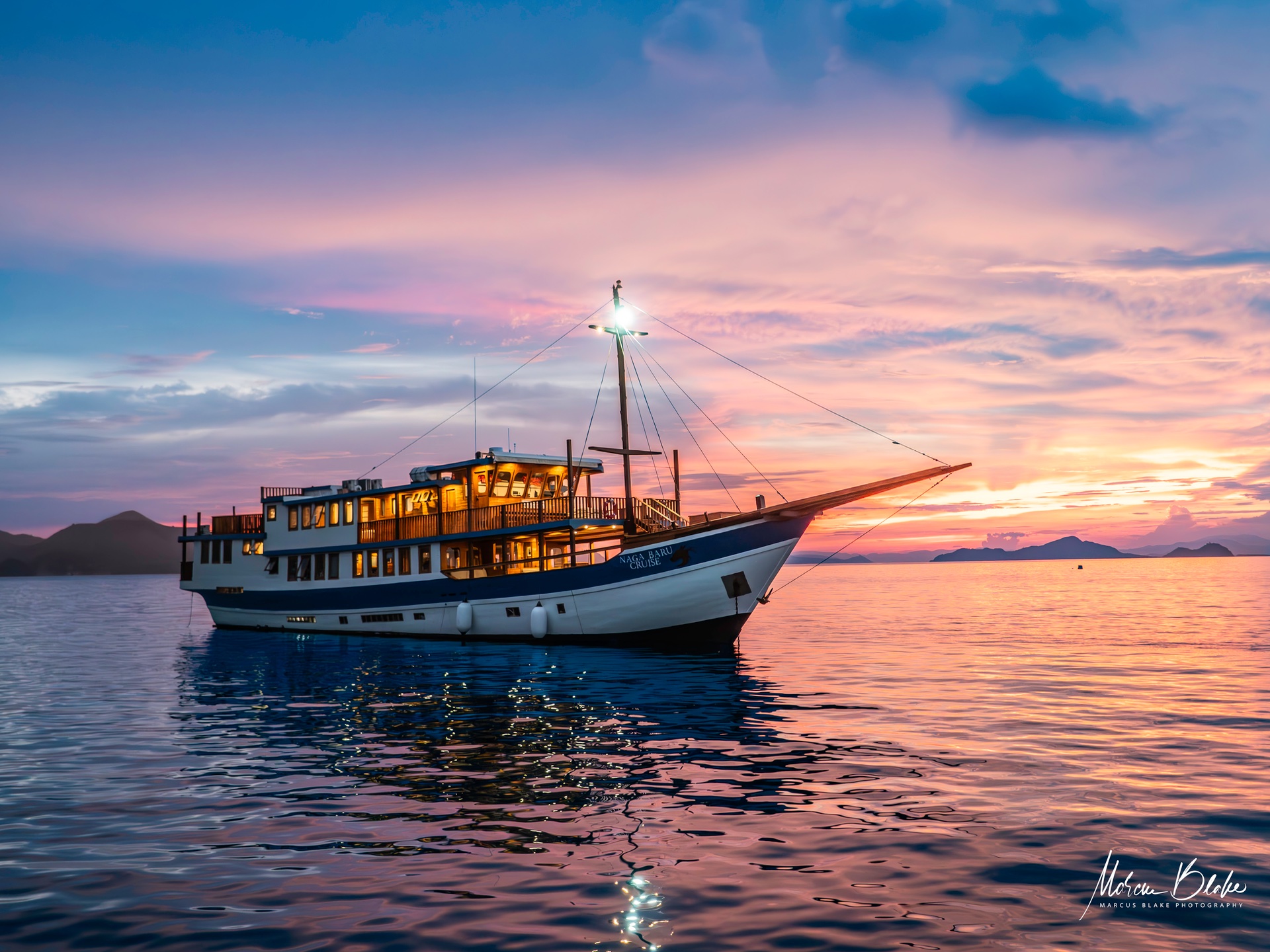
Naga Biru
Indonesia
12 guests40 m
$271/day
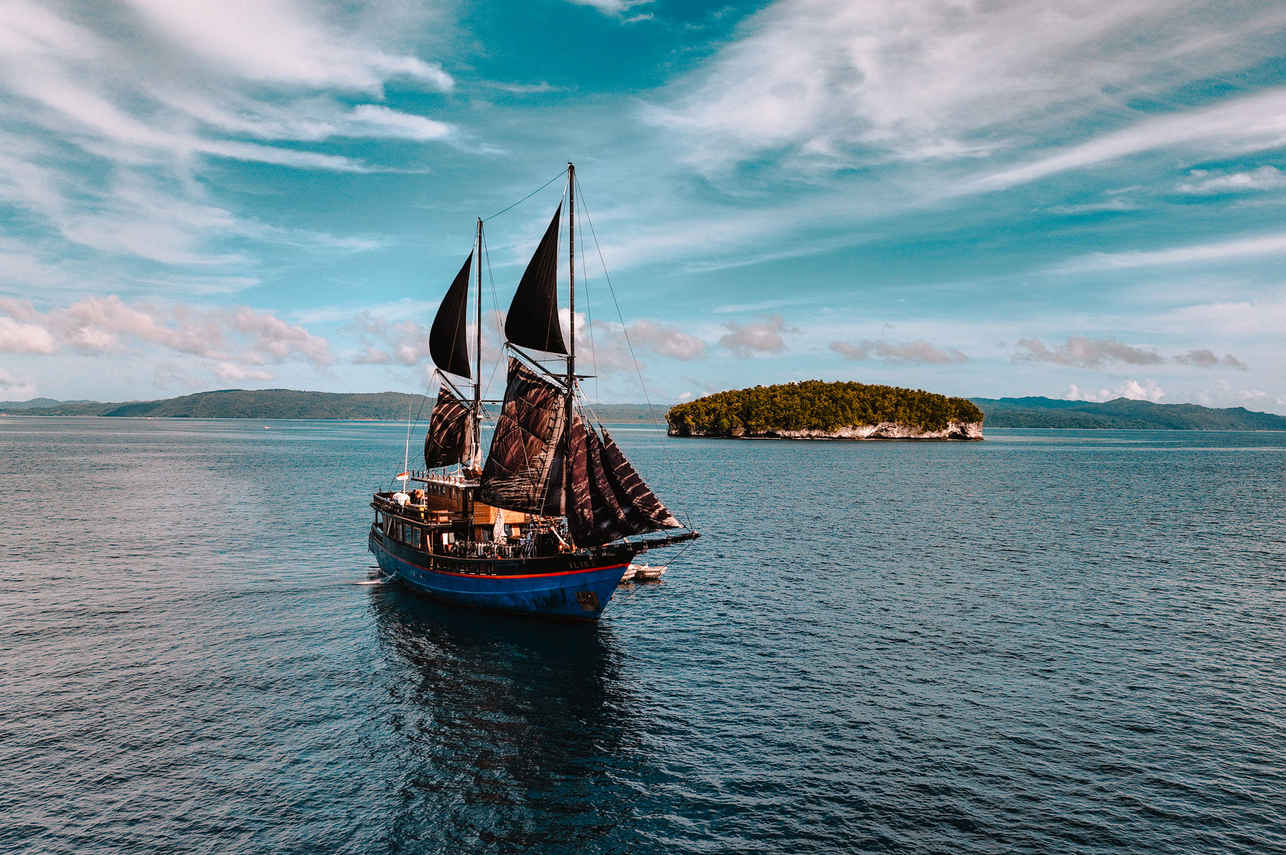
Ilike
Indonesia
16 guests40 m
$350/day
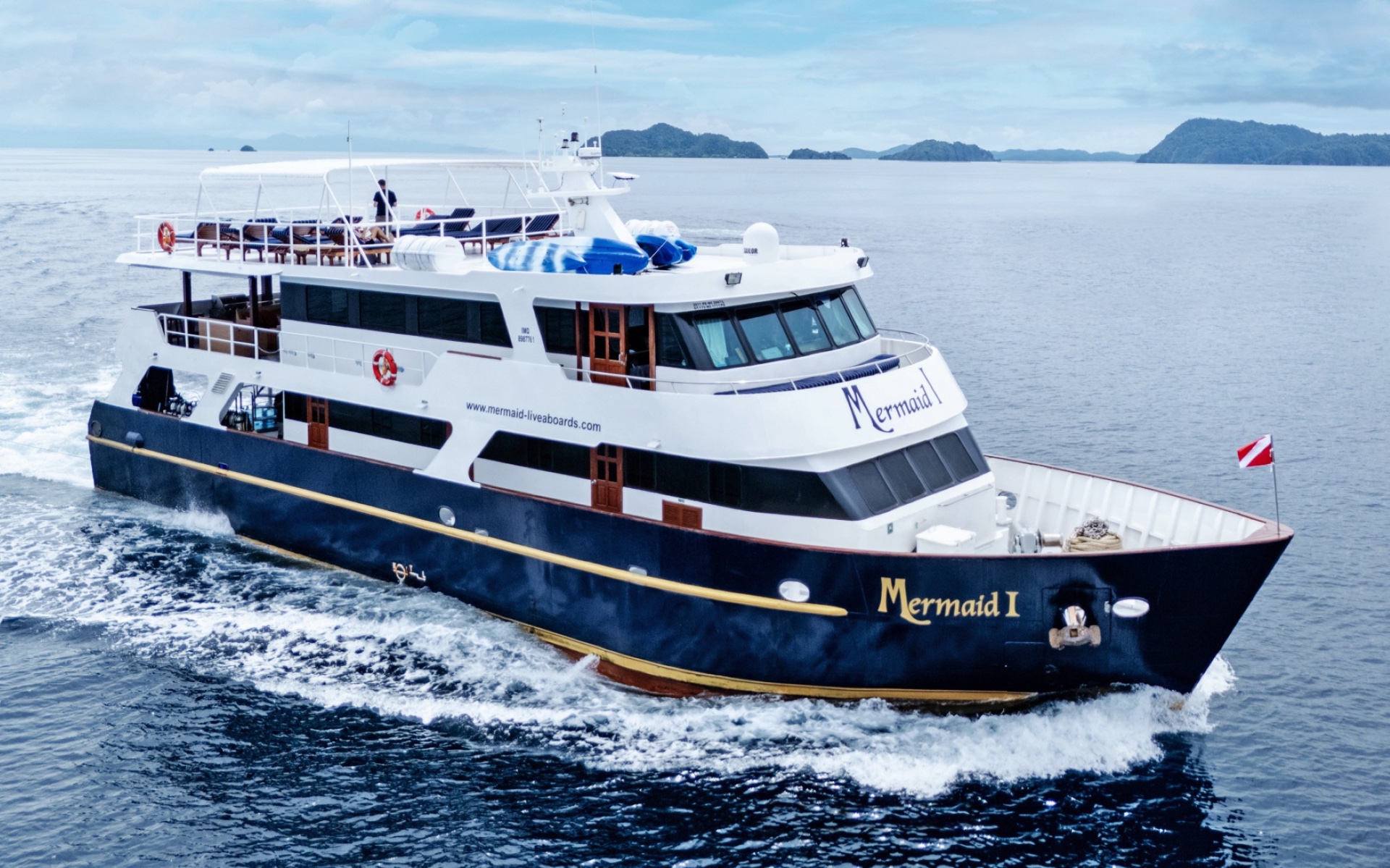
Mermaid I
Alor
15 guests28 m
$474/day
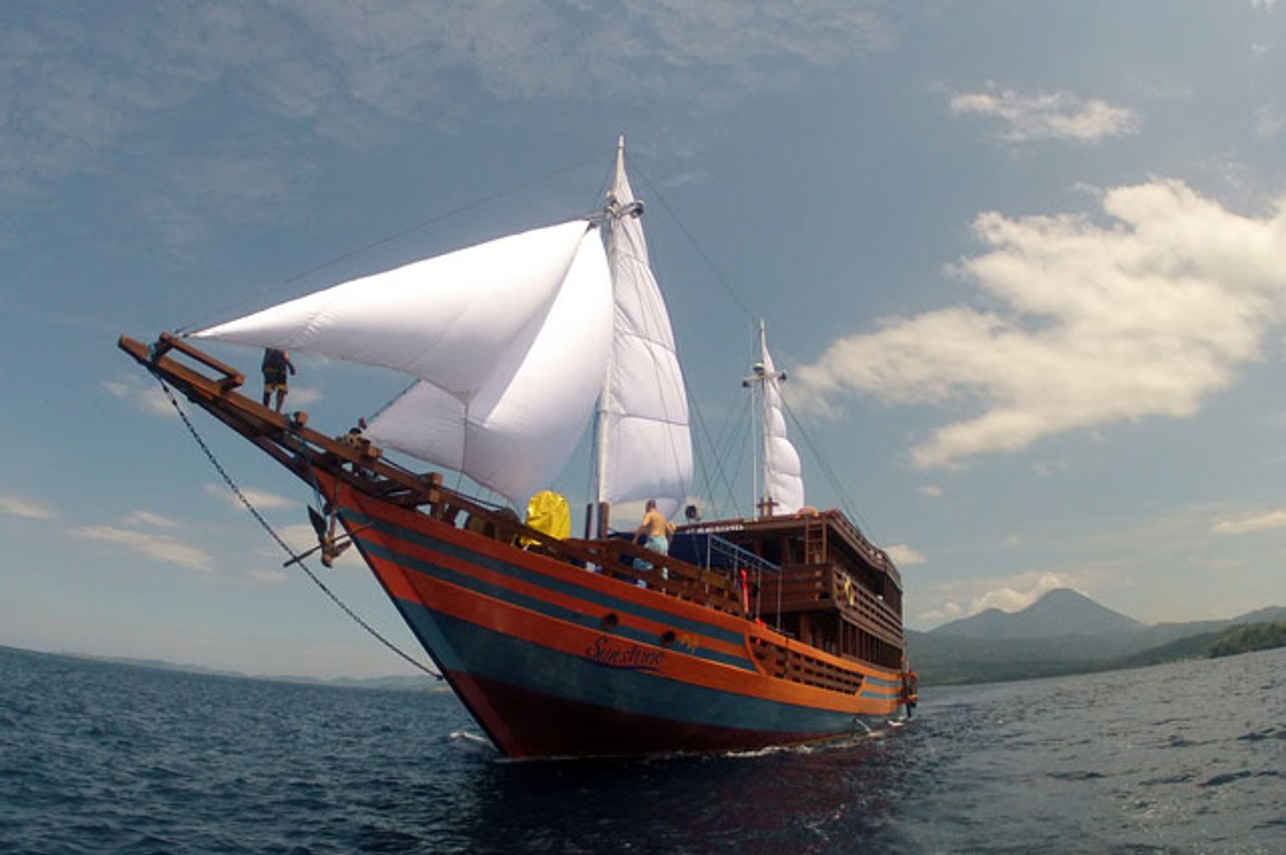
Sunshine Liveaboard
Indonesia
10 guests31 m
$190/day
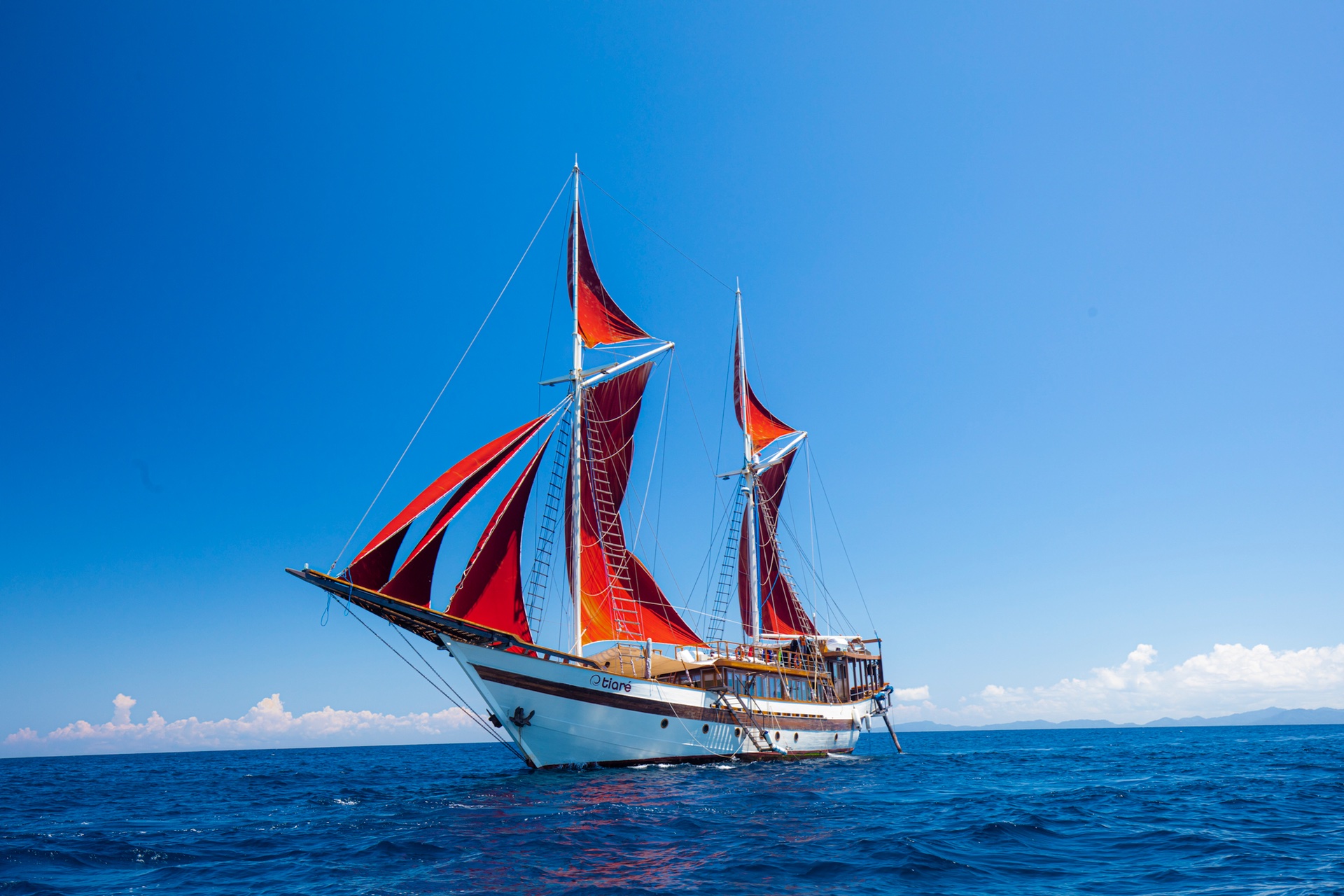
Tiare Cruise
Indonesia
12 guests36.5 m
$473/day
Dive sites similar to Menjangan Cave Point
Same character, same waters — six more sites divers love for the exact same reasons.Compare seasons, access and liveaboard routes — then pick the site that fits your trip best.
© Esri — Maxar, Earthstar, GIS
Big La Laguna
Philippines
Big La Laguna is a beach community situated on the western edge of the Sabang Peninsula, a popular dive region on Mindoro Island, Philippines.
- Suitable for
- Intermediate
- Current
- Moderate
- Access
- Dayboat
- Depth
- 5–35 m
- Theme
- Reef / Wall
© Esri — Maxar, Earthstar, GIS
Rusa Pinnacle
Alor
Rusa Pinnacle is a challenging yet highly rewarding dive site situated in the Alor archipelago, part of Indonesia's East Nusa Tenggara.
- Suitable for
- Advanced
- Current
- Strong
- Access
- Liveaboard only
- Depth
- 6–30 m
- Theme
- Reef
Lipah Bay is situated on Bali's northeast coast within the Amed area, nestled against the dramatic backdrop of Gunung Agung.
- Suitable for
- Beginner
- Current
- Mild
- Access
- Liveaboard or dayboat
- Depth
- 5–30 m
- Theme
- Reef / Drift
© Esri — Maxar, Earthstar, GIS
Tangked Cave
Bali
Tangked Cave, sometimes referred to as Tangked Taked Shark Cave, is an advanced dive site situated in the open ocean off Bali's southeastern coast.
- Suitable for
- Advanced
- Current
- Moderate
- Access
- Liveaboard or dayboat
- Depth
- 15–40 m
- Theme
- Cave & cavern / Reef
© Esri — Maxar, Earthstar, GIS
Schools Out
Alor
Schools Out in Alor offers divers an exceptional encounter with healthy coral reefs and a rich variety of marine species.
- Suitable for
- Intermediate
- Current
- Mild
- Access
- Liveaboard only
- Depth
- 20–30 m
- Theme
- Reef
© Esri — Maxar, Earthstar, GIS
Batununggul
Bali
Batununggul, also known as Suana or Batumulapan by some operators, is a dynamic wall and sloping reef dive site situated on the eastern side of Nusa Penida, Bali.
- Suitable for
- Advanced
- Current
- Strong
- Access
- Liveaboard or dayboat
- Depth
- 10–40 m
- Theme
- Wall