About Temple
Temple is a renowned dive site located in the southern region of Sharm el Sheikh, Egypt. It is distinguished by its unique topography, which resembles an ancient structure formed by several massive coral blocks and pinnacles rising from the seabed close to the surface. This striking formation, particularly the largest feature known as 'The Tower,' contributes to its namesake and makes it a visually captivating underwater landscape. The dive site features three primary coral pinnacles, with the largest divided by two significant cracks. One of these allows for an exploratory swim-through, while the other is adorned with delicate gorgonian corals, requiring careful navigation. These towering formations are interspersed with clear sand channels, guiding divers through the site. Depths at Temple range from near the surface to approximately 30 meters, accommodating various skill levels. Temple's vibrant coral structures host a rich diversity of marine life, including hard and soft corals. While general sightings might include larger pelagic species like sharks, whales, and dolphins, the site is known for its abundant reef fish and smaller critters typical of the Red Sea's healthy ecosystems. Night dives here offer a different perspective, revealing nocturnal species that become active after dusk. Diving at Temple is typically conducted as a mooring dive. Navigation is key to fully exploring the main attractions and returning to the boat, though it's considered an easy dive overall due to its manageable conditions. Its accessibility and interesting features make it a popular spot for both daytime and nighttime excursions.
Highlights
Massive coral blocksAncient structure-like topographyThe Tower pinnacleGorgonian-filled cracksExploratory swim-throughClear sand channelsDiverse hard and soft coralsVibrant reef fish
Season calendar
Best months to dive here
Jan
Feb
Mar
Apr
May
Jun
Jul
Aug
Sep
Oct
Nov
Dec
Excellent
Good
Mar – May & Sep – Nov (Peak)
Best conditions with 30m+ visibility, comfortable water temps 24–28°C. Hammerhead sharks at Brothers, thresher sharks at Elphinstone.
Jun – Aug & Dec – Feb (Shoulder)
Jun–Aug: hot topside but warm water, good for southern routes. Dec–Feb: cooler water (21–23°C) attracts oceanic whitetips at Elphinstone. Still excellent visibility.
Dive site facts: Temple
- Depth
- 5–30 m
- Current
- Mild
- Entry
- Shore / dayboat
- Level
- Beginner
- Dive type
- Reef, Pinnacle, Reef
- Region / port
- Egypt
- Coordinates
- 27.8280° N, 34.2773° E
Conditions & Currents
Temple is generally known as an easy dive site with calm surface conditions and stable visibility, largely due to predictably low wave heights, typically between 0.5 to 0.7 meters. While specific current strength is not detailed, its classification as an "easy dive" and a popular mooring dive suggests manageable water movement. Divers commonly perform mooring dives here, indicating a static boat setup, though proper navigation is emphasized for exploring the site and returning to the vessel. Visibility is consistently good, supported by minimal rainfall. The lack of strong currents, significant surge, or thermoclines makes it suitable for a wide range of divers, from beginners to more experienced individuals, and simplifies dive planning. It is accessible for day and night dives, often dived multiple times.
Why dive Temple from a liveaboard?
Temple is one of Egypt's signature dive sites. A liveaboard sleeps you on the water and puts you in the water for three to four guided dives per day, including dawn and night dives that day-boat operators rarely offer. You skip the daily commute back to port and reach quieter, less-crowded sites in the same region on a single trip.
Below are the liveaboards that include Temple on their Egypt itineraries.
Liveaboards diving Temple
These liveaboards may visit Temple on selected itineraries, the exact dive sites depend on departure, weather and conditions.
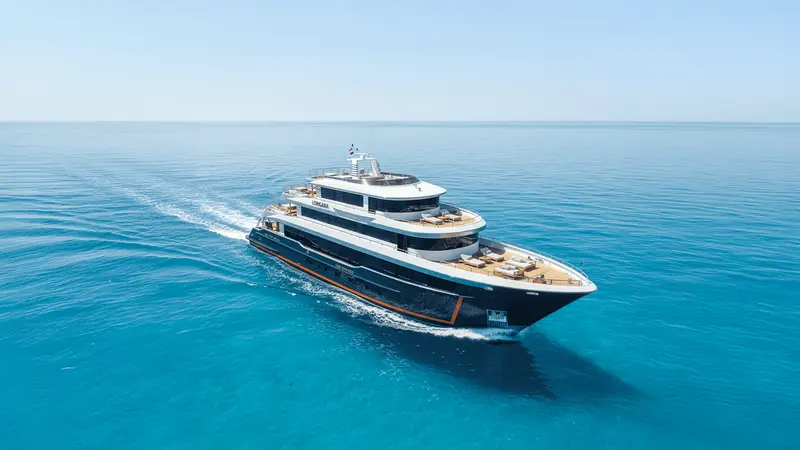
DUNE Longara
Egypt
30 guests
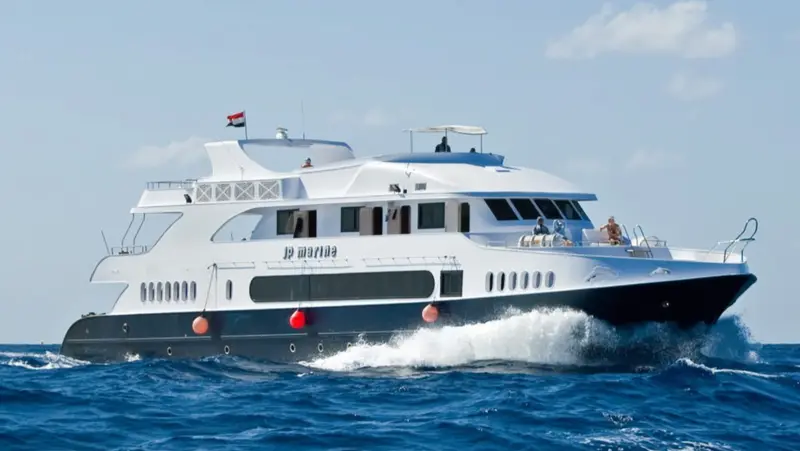
JP Marine
Egypt
28 guests
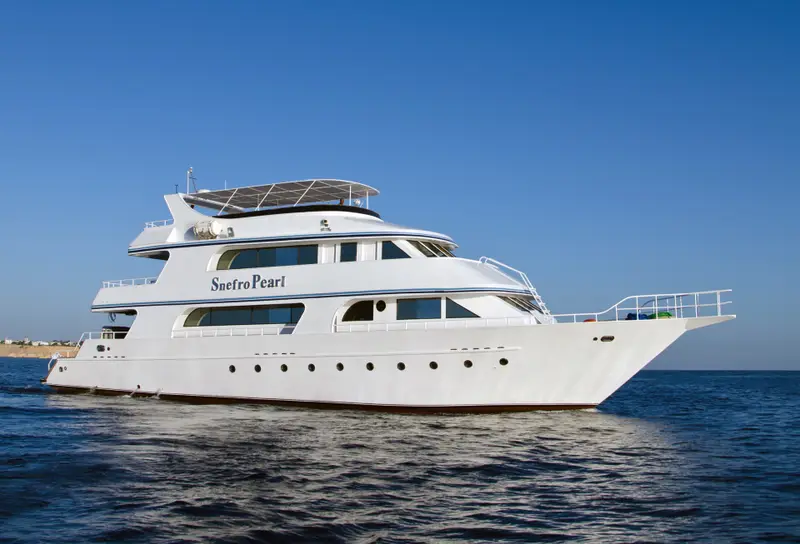
Snefro Pearl
Egypt
12 guests
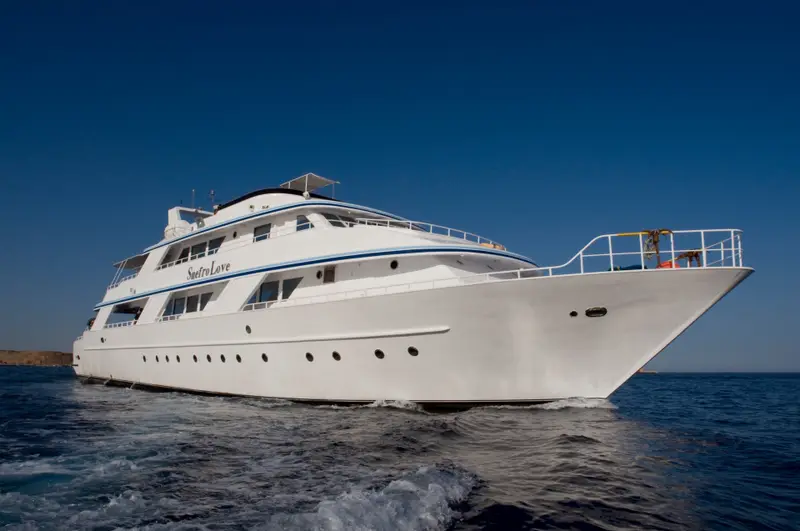
Snefro Love
Egypt
20 guests
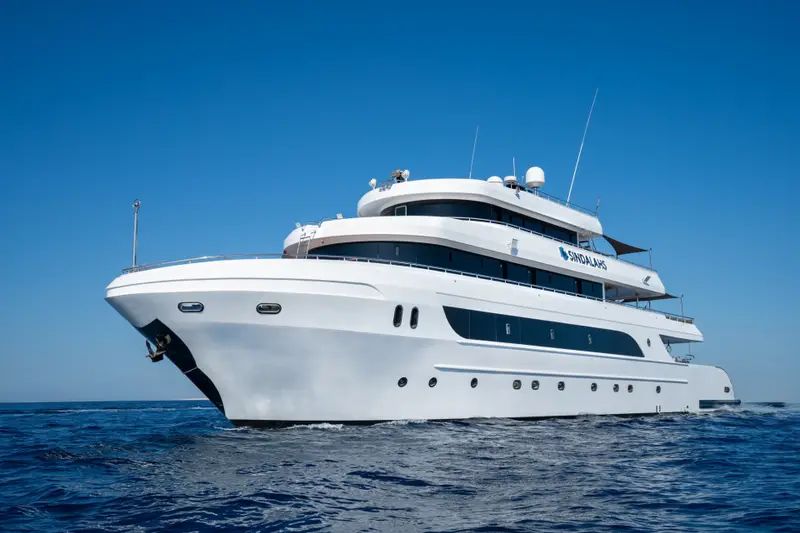
Sindalahs
Egypt
26 guests38 m
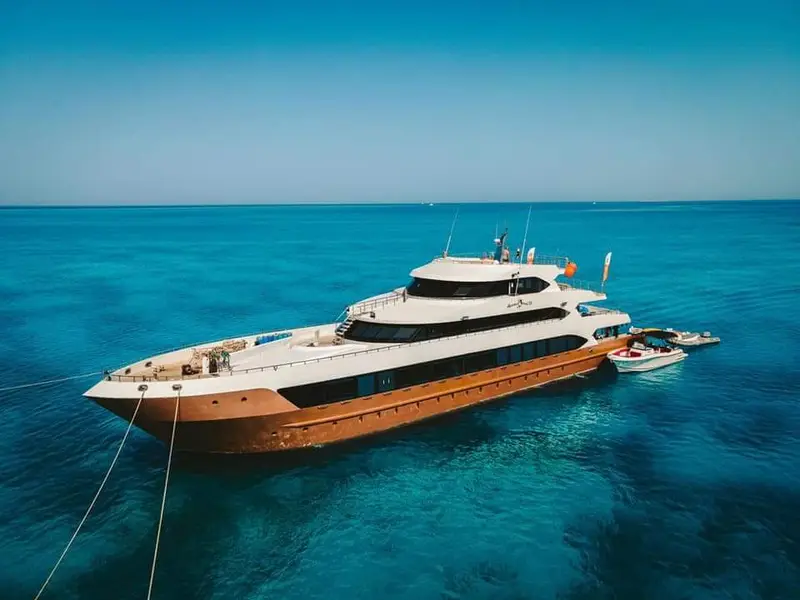
Hammerhead II
Egypt
20 guests
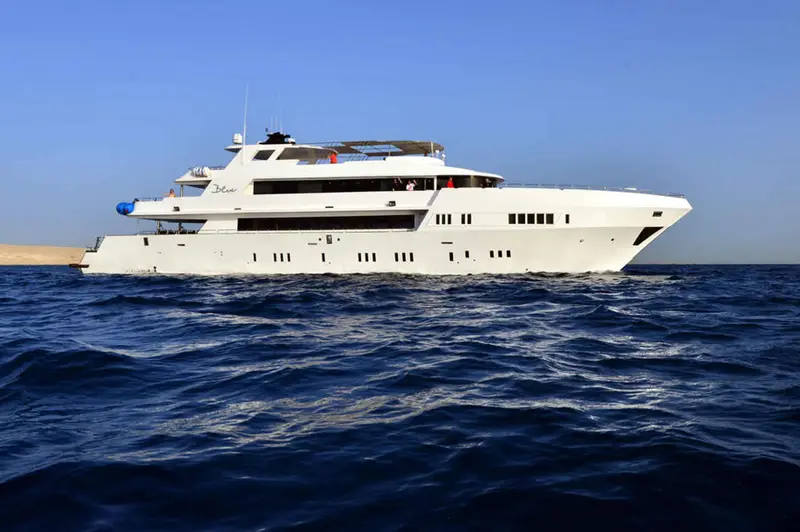
Blue Liveaboard
Egypt
24 guests43 m
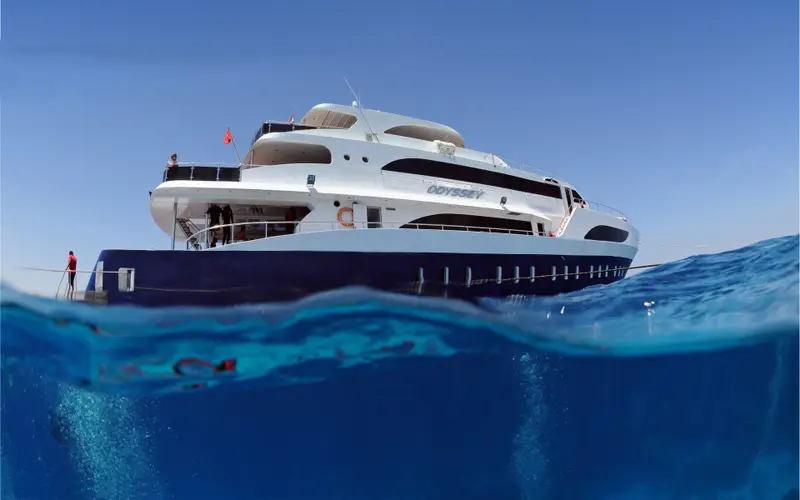
Odyssey
Egypt
26 guests40 m
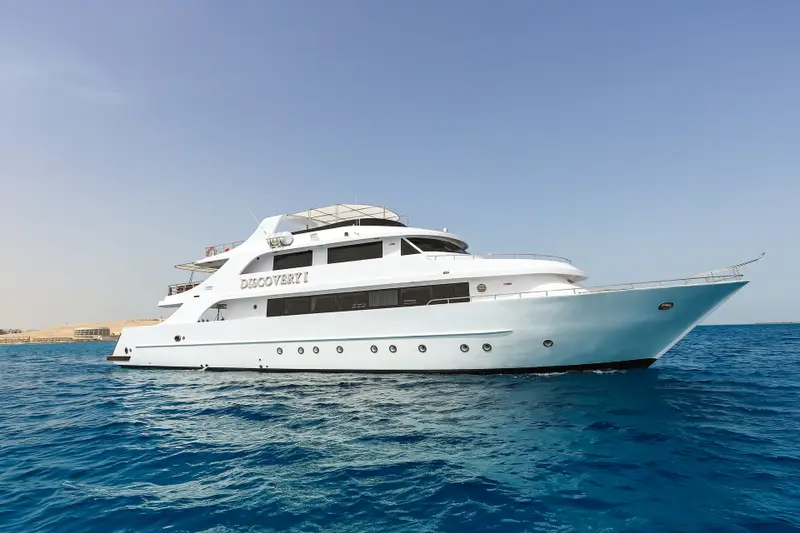
Discovery I
Egypt
20 guests
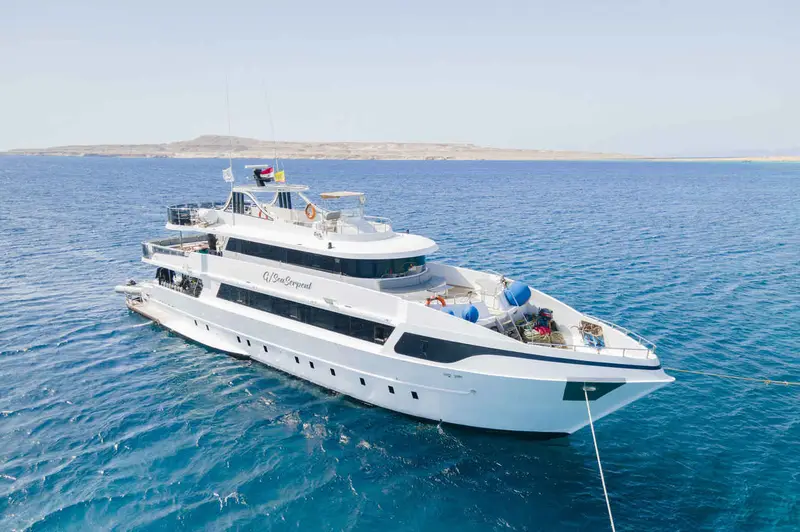
SS Serena Dreams
Egypt
18 guests33 m
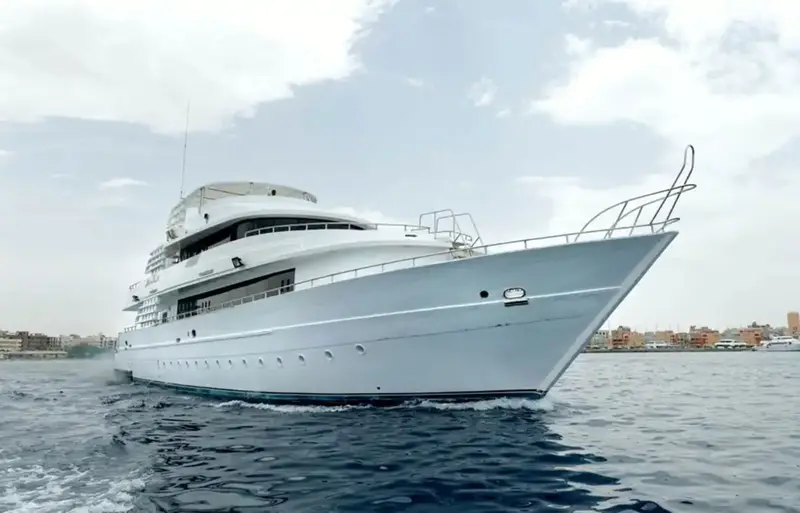
Blue Pearl
Egypt
20 guests36 m
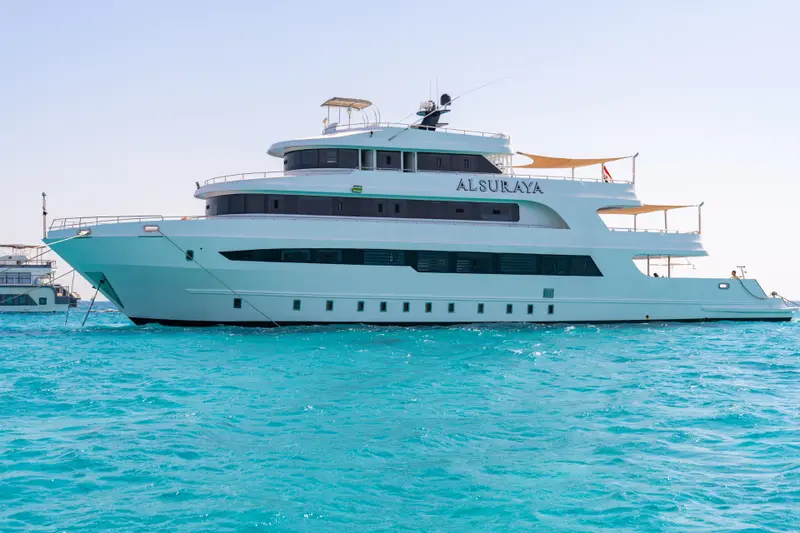
Alsuraya
Egypt
24 guests37 m
Dive sites similar to Temple
Same character, same waters, six more sites divers love for the exact same reasons.Compare seasons, access and liveaboard routes, then pick the site that fits your trip best.
© EsriMaxar, Earthstar, GIS
Abu Dabbab
Egypt
Abu Dabbab stands out as one of the Red Sea's most celebrated dive destinations, particularly notable for being a rare location where divers can encounter the endangered dugong.
- Suitable for
- Beginner
- Current
- Strong
- Access
- Shore / dayboat
- Depth
- 3–20 m
- Theme
- Reef
© EsriMaxar, Earthstar, GIS
Abu Galawa
Saudi Arabia
Abu Galawa is a prominent dive site within Saudi Arabia's Red Sea, specifically located among the Seven Sisters reefs near Yanbu.
- Suitable for
- Intermediate
- Current
- Strong
- Access
- Liveaboard or dayboat
- Depth
- 5–40 m
- Theme
- Reef / Wall
© EsriMaxar, Earthstar, GIS
Abu Galawa Kebir
Egypt
Abu Galawa Kebir is a premier dive site located in the southern Red Sea, situated on the northwestern edge of the extensive Fury Shoal reef system.
- Suitable for
- Beginner
- Current
- Strong
- Access
- Liveaboard or dayboat
- Depth
- 3–18 m
- Theme
- Wreck
Abu Nuhas, often called the "ship's graveyard" of the Red Sea, is a triangular coral reef situated at the northern edge of the Strait of Gubal.
- Suitable for
- Beginner
- Current
- Strong
- Access
- Liveaboard or dayboat
- Depth
- 4–24 m
- Theme
- Wreck
The Aida is a prominent wreck dive site located in the Egyptian Red Sea, frequently visited on liveaboard itineraries that traverse the central region between the northern and southern dive sites.
- Suitable for
- Advanced
- Current
- Strong
- Access
- Liveaboard only
- Depth
- 25–65 m
- Theme
- Wreck / Drift
© EsriMaxar, Earthstar, GIS
Al Lith Mangrove Reef
Saudi Arabia
Al Lith Mangrove Reef, located approximately 210 km south of Jeddah, serves as the primary launch point for exploring the renowned Farasan Banks.
- Suitable for
- Beginner
- Current
- Strong
- Access
- Shore / dayboat
- Depth
- 3–15 m
- Theme
- Reef / Wall