About Iceberg Graveyard - Pleneau Island
The Iceberg Graveyard near Pleneau Island in Antarctica is a unique dive site renowned for its congregation of grounded icebergs. This area, sometimes referred to as the "Kodak Gap" for its photographic opportunities, features massive ice formations, some stretching over a mile, that have run aground on shallow reefs. The topography above water is dramatic, with snow-covered peaks and glaciers, while underwater, divers explore an otherworldly environment sculpted by ice and light. Beneath the surface, the interplay of light filtering through the ice creates an ethereal blue glow, illuminating a surprisingly rich biodiversity. The frigid waters, typically ranging from -2 to 2 degrees Celsius, host vibrant soft corals, anemones, and a variety of fish and invertebrates clinging to volcanic rock. The site's unique conditions make it a haven for macro life, with specific opportunities to encounter larger Antarctic marine species like various seals and penguins, particularly from November to March. Diving here is an expedition into a pristine wilderness, demanding advanced drysuit experience and precise buoyancy control. Dives are typically conducted from Zodiacs, often exploring iceberg walls or navigating through shallow ice dives. Each dive offers an intimate exploration of this unique polar realm, with dive guides providing surface support and allowing buddy pairs to discover the underwater wonders. While conditions can be variable due to ice and tides, the rewards are unparalleled. The flexible nature of Antarctic expedition itineraries means that divers often explore locations few others have, experiencing an untouched environment where the unexpected is part of the adventure.
Highlights
Massive grounded icebergsEthereal blue light underwaterVibrant soft coralsLeopard seal encountersPenguin observationsUnique polar macro lifeVolcanic rock formations
Season calendar
Best months to dive here
Jan
Feb
Mar
Apr
May
Jun
Jul
Aug
Sep
Oct
Nov
Dec
Excellent
Good
Dive site facts: Iceberg Graveyard - Pleneau Island
- Depth
- 5–20 m
- Typical dive
- 10–18 m, 30–50 min
- Current
- Mild to moderate, variable
- Visibility
- 12–240 m
- Water temperature
- -2–2 °C
- Entry
- Zodiac / negative entry
- Level
- Advanced Drysuit Diver
- Dive type
- Iceberg, wall, macro
- Night dive
- Not typically offered
- Region / port
- Antarctic Peninsula
- Coordinates
- -65.105, -64.06
Conditions & Currents
Currents at Pleneau Island, like much of the Antarctic Peninsula, can be variable, heavily influenced by tidal movements and the shifting ice. While some areas may experience calm conditions, specific sections or narrower passages can exhibit stronger flows, necessitating attentiveness to changing water dynamics. Visibility is also highly fluctuating, ranging from exceptional clarity, potentially hundreds of meters early in the season, to hazier conditions later due to plankton blooms or meltwater. Divers should be proficient in cold-water diving and drysuit techniques, as water temperatures hover around -2 to 2 degrees Celsius. Precise buoyancy control is paramount to avoid contact with fragile marine life and the underwater ice formations. Entry and exit are predominantly via Zodiacs, requiring efficient gear management and close coordination with the dive team. Dive plans remain flex
Marine life & sighting chances
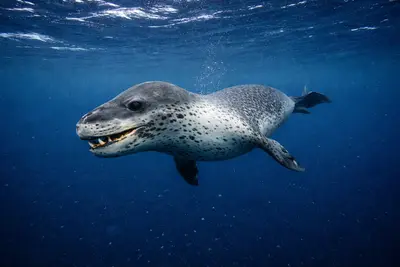
Leopard Seal
February–March · occasional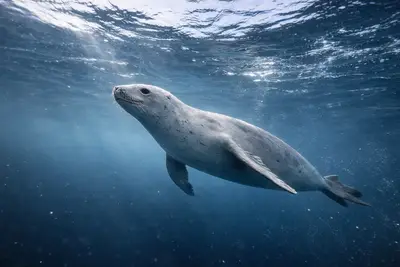
Crabeater Seal
November–December · occasional
Gentoo Penguin
common
Adélie Penguin
common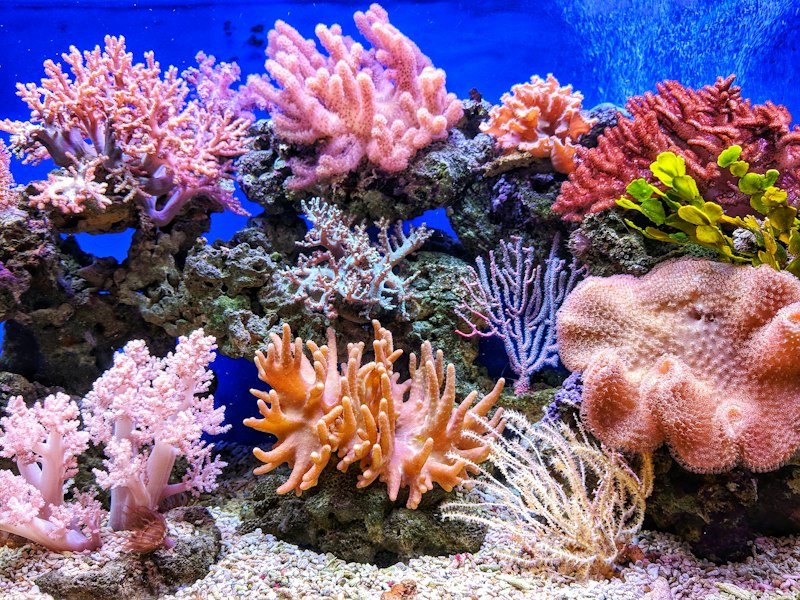
Soft Coral
common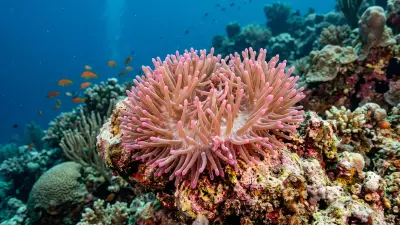
Anemones
common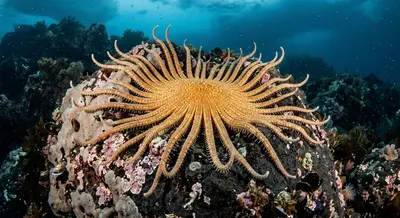
Starfish
common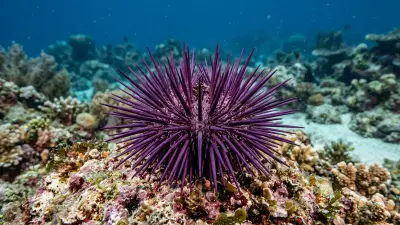
Sea Urchins
common
Jellyfish
occasional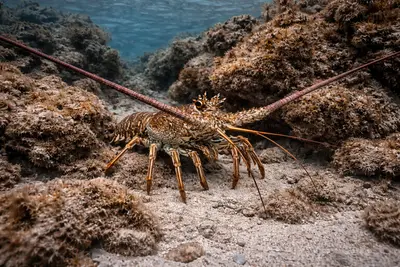
Squat Lobsters
occasionalDive profile & how the dive runs
Dives at Iceberg Graveyard typically begin with a backward roll entry from a Zodiac, close to a grounded iceberg or a suitable wall. Divers often descend along the contours of the ice, observing its unique textures and the champagne-like bubbles emanating from melting ice. The dive profile is usually a shallow ice dive, maximizing time to appreciate the play of light through the ice and the vibrant macro life on the seabed. Depths generally remain conservative, between 5 to 20 meters, to manage risks associated with the cold and remote environment. Turn points are often dictated by air consumption or environmental factors such as shifting ice. The safety stop is conducted as standard, typically at 5 meters, maintaining visual contact with the Zodiac, which serves as the primary exit point and surface support.
Underwater photography
Underwater photography at Iceberg Graveyard calls for wide-angle lenses to capture the immense scale of the grounded icebergs and the dramatic effects of light filtering through the ice. The ethereal blue glow creates unique lighting challenges, requiring careful exposure management to maintain contrast. External strobes are indispensable for revealing the true colors of macro subjects such as sponges, anemones, and starfish that adorn volcanic rock or the undersides of ice. Given the frigid water, camera and strobe battery life can deplete rapidly, so always have spare, warm batteries readily available. Buoyancy control is critical to avoid disturbing delicate marine life or stirring up sediment.
Combine with nearby dive sites
- Lemaire Channel
Lemaire Channel, a narrow passage between the Antarctic mainland and Booth Island, presents a truly majestic and impressive dive experience.
- Neko Harbour
Neko Harbour, nestled on the Antarctic Peninsula, offers divers a truly immersive experience in a pristine polar environment.
- Cuverville Island
Cuverville Island, nestled within the Errera Channel off the Antarctic Peninsula, presents an exceptional opportunity for polar diving.
- Enterprise Island - Wreck Gouvernøren
The wreck of the Gouvernøren, nestled at Enterprise Island, stands as Antarctica's most accessible and atmospheric shipwreck.
- Port Lockroy
Port Lockroy, located on Wiencke Island off the Antarctic Peninsula, offers an extraordinary cold-water diving experience amidst historical…
Getting there & logistics
Most Antarctic dive expeditions, including visits to Pleneau Island, depart from Ushuaia, Argentina, the world's southernmost city. Travelers typically fly into Buenos Aires (EZE) and then connect to Ushuaia (USH). Expedition cruises usually last between 10 to 14 days, with diving activities integrated into a flexible itinerary that adapts to ice and weather conditions. Dive permits are arranged by the tour operators, and there are no specific park fees for divers beyond the expedition cost. Pleneau Island is commonly combined with other sites along the Antarctic Peninsula, offering a comprehensive exploration of the region's diverse dive sites and land excursions.
Safety & environment
Diving in Antarctica's remote environment, including Pleneau Island, requires stringent safety protocols. The nearest recompression chamber is thousands of kilometers away, making immediate evacuation for decompression sickness highly impractical and extremely costly. Comprehensive dive insurance, specifically covering remote polar diving and emergency medical evacuation, is mandatory. Divers must be drysuit proficient and have extensive cold-water experience; the site is not for beginners. Always dive with a buddy, maintain situational awareness of your exit point due to shifting ice, and respect the fragile ecosystem by avoiding contact with marine life or ice formations. Dive briefings will cover specific site hazards and conduct rules for each dive.
Who it suits — and who it doesn't
Suited for
- Advanced drysuit certified divers
- Divers with extensive cold-water experience
- Photographers seeking unique wide-angle opportunities
- Those interested in polar marine biology
- Adventure seekers ready for challenging conditions
Less suited for
- Beginner divers
- Divers without drysuit experience
- Warm-water only divers
- Those uncomfortable with remote, austere environments
- Divers prone to seasickness on Zodiacs
FAQ
Iceberg Graveyard - Pleneau Island FAQ
What is the water temperature like at Iceberg Graveyard?
The water temperature at Iceberg Graveyard is consistently cold, typically ranging from -2 to 2 degrees Celsius (28 to 36 Fahrenheit). This frigid environment necessitates a well-fitted drysuit, thick undergarments, and appropriate cold-water diving gear to ensure diver comfort and safety during your underwater exploration.
Do I need special dive experience for Pleneau Island?
Yes, diving at Pleneau Island requires significant experience. You must be an advanced drysuit certified diver with a substantial number of cold-water dives in your logbook. This preparation ensures you are comfortable and proficient in managing your equipment and buoyancy in extreme cold conditions and a remote environment.
What kind of marine life can be seen there?
The Iceberg Graveyard boasts a surprising array of marine life despite its cold temperatures. Divers can frequently spot vibrant soft corals, anemones, starfish, and sea urchins on the volcanic rock. Occasional sightings of leopard seals, crabeater seals, and various penguin species add to the excitement of exploring this unique polar ecosystem.
How long do dives typically last at Pleneau Island?
Dives at Pleneau Island typically last between 30 to 50 minutes, primarily dictated by water temperature and the conservative dive profiles necessary for such a remote location. The focus is on quality exploration rather than extended bottom times, allowing for multiple dives per day depending on conditions and itinerary.
What kind of visibility can I expect?
Visibility at Iceberg Graveyard can vary significantly. Early in the season (November-December), it can be exceptionally clear, reaching over 200 meters. However, later in the season (February-March), visibility may decrease due to plankton blooms and increased meltwater from ice, which are natural parts of the Antarctic ecosystem.
Is underwater photography possible in these conditions?
Yes, underwater photography is highly rewarding at Pleneau Island, though it presents unique challenges. Wide-angle lenses are ideal for capturing the grandeur of ice formations and the atmospheric blue light. External strobes are crucial for illuminating macro subjects, and careful management of battery life in the cold water is essential for successful shoots.
Why dive Iceberg Graveyard - Pleneau Island from a liveaboard?
Iceberg Graveyard - Pleneau Island is one of Antarctica's signature dive sites. A liveaboard sleeps you on the water and puts you in the water for three to four guided dives per day, including dawn and night dives that day-boat operators rarely offer. You skip the daily commute back to port and reach quieter, less-crowded sites in the same region on a single trip.
Below are the liveaboards that include Iceberg Graveyard - Pleneau Island on their Antarctica itineraries.
Liveaboards diving Iceberg Graveyard - Pleneau Island
These liveaboards may visit Iceberg Graveyard - Pleneau Island on selected itineraries — the exact dive sites depend on departure, weather and conditions.
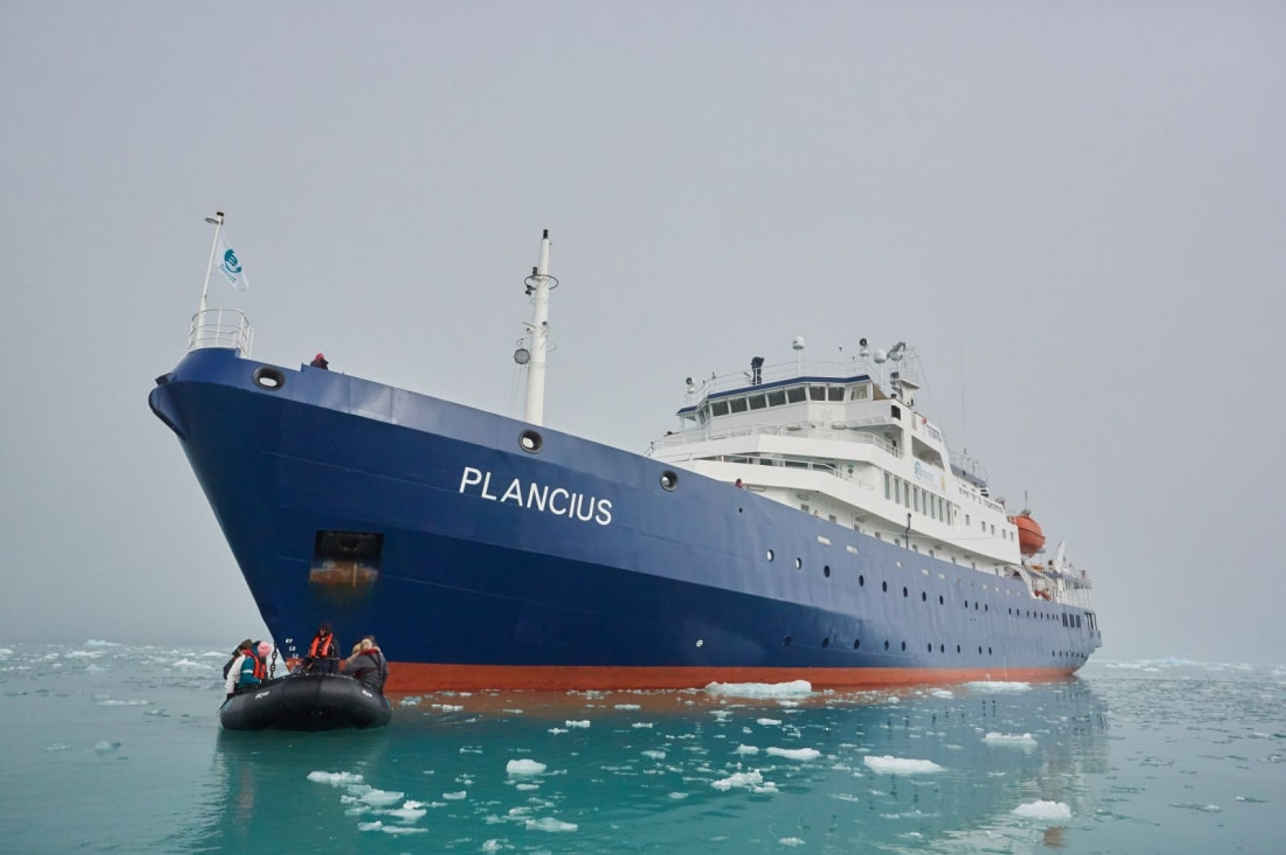
Plancius
Antarctica
108 guests89 m
$771/day
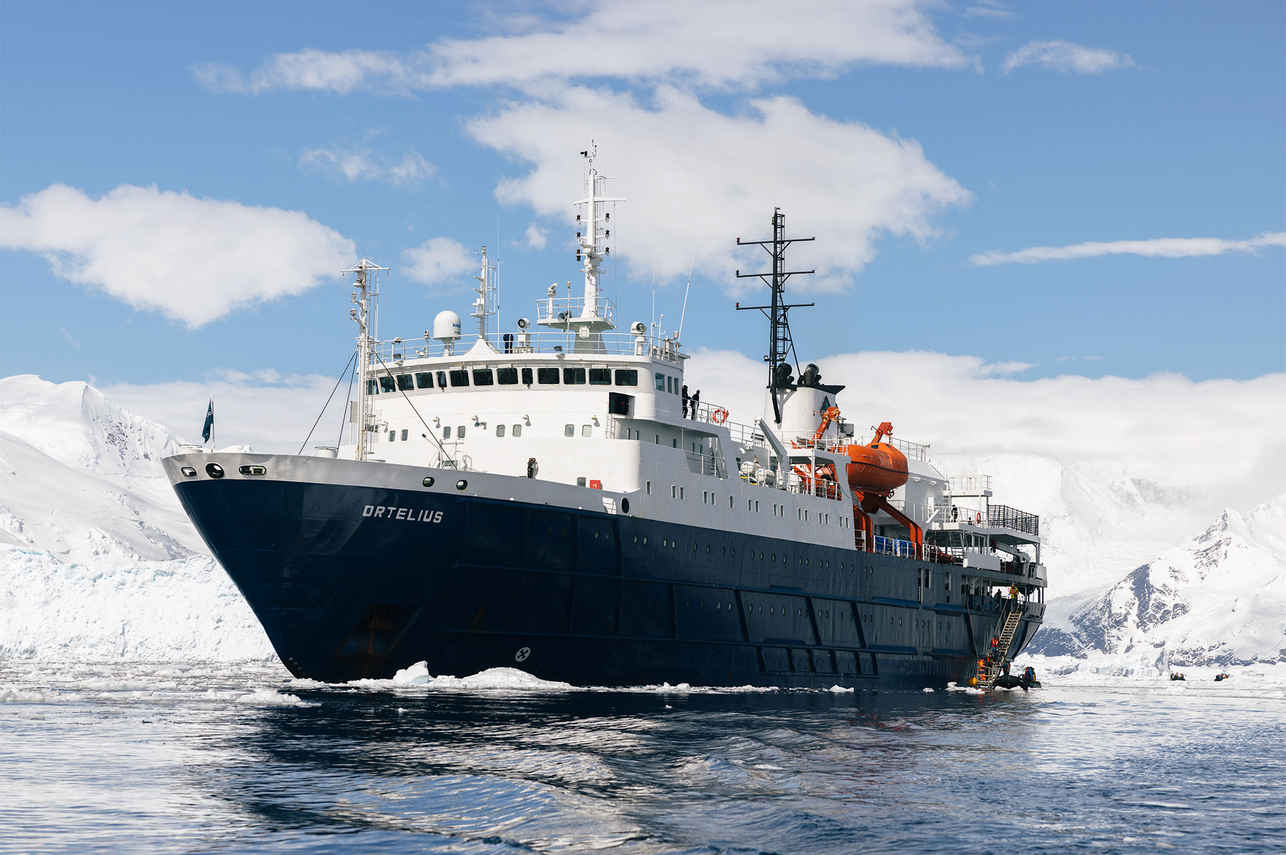
Ortelius
Antarctica
108 guests90.95 m
$661/day
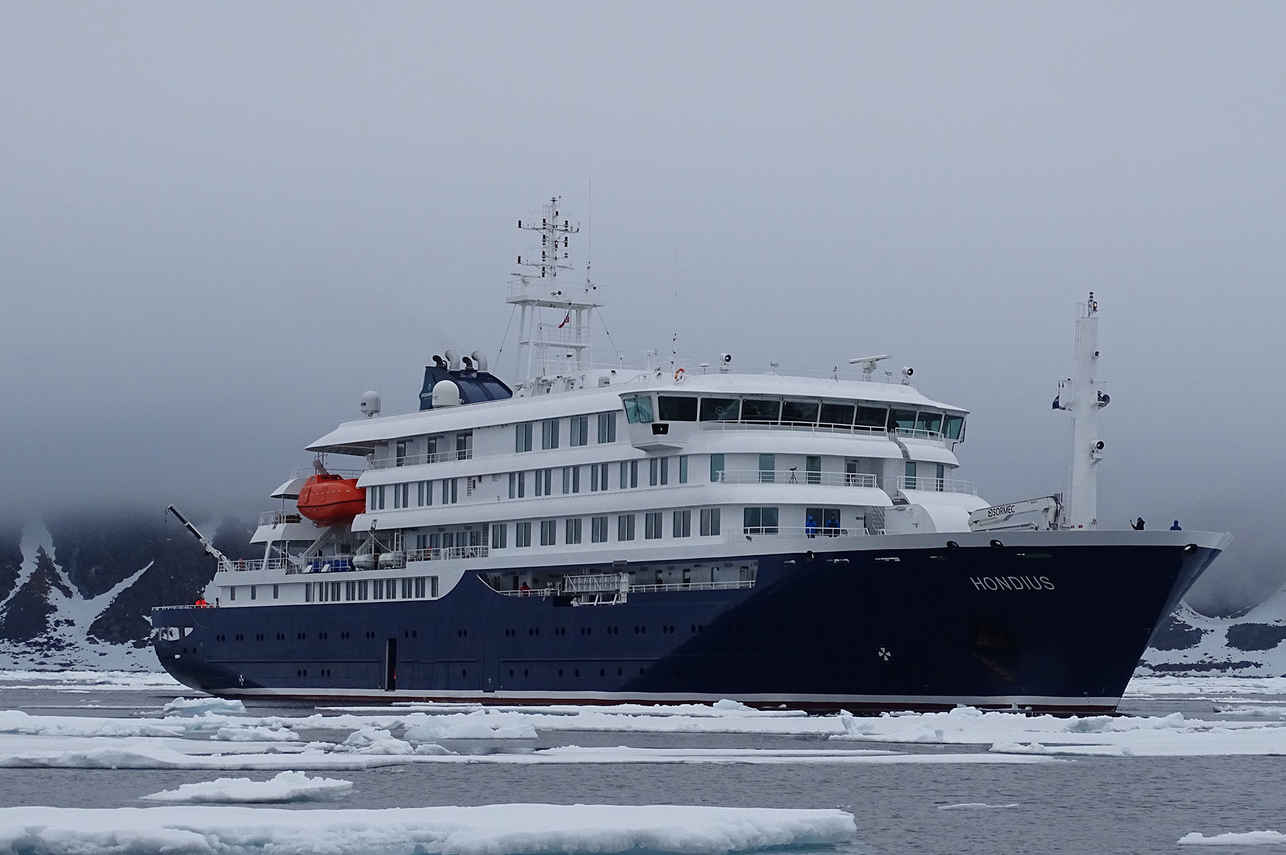
Hondius Antarctica Diving
Antarctica
170 guests107.6 m
$775/day
Dive sites similar to Iceberg Graveyard - Pleneau Island
Same character, same waters — six more sites divers love for the exact same reasons.Compare seasons, access and liveaboard routes — then pick the site that fits your trip best.
Argentine Islands - Vernadsky
Antarctica
Diving at the Argentine Islands, near the Vernadsky Research Base, offers an exclusive opportunity to explore the underwater world of the Antarctic Peninsula.
- Suitable for
- Advanced
- Current
- Strong
- Access
- Liveaboard only
- Depth
- 3–15 m
- Theme
- Ice / Reef
Lemaire Channel
Antarctica
Lemaire Channel, a narrow passage between the Antarctic mainland and Booth Island, presents a truly majestic and impressive dive experience.
- Suitable for
- Advanced
- Current
- Strong
- Access
- Liveaboard only
- Depth
- 5–30 m
- Theme
- Ice / Wall
Useful Island
Antarctica
Useful Island, situated in the Western Antarctic Peninsula, presents an extraordinary opportunity for intrepid divers to explore a shallow-water ecosystem brimming with biodiversity.
- Suitable for
- Advanced
- Current
- Strong
- Access
- Liveaboard only
- Depth
- 5–25 m
- Theme
- Ice / Wall
Wilhelmina Bay
Antarctica
Wilhelmina Bay, nestled in the Antarctic Peninsula, is renowned as a prime location for observing humpback whales and experiencing the continent's pristine marine environment.
- Suitable for
- Advanced
- Current
- Moderate
- Access
- Liveaboard only
- Depth
- 5–20 m
- Theme
- Ice / Wall
Enterprise Island - Wreck Gouvernøren
Antarctica
The wreck of the Gouvernøren, nestled at Enterprise Island, stands as Antarctica's most accessible and atmospheric shipwreck.
- Suitable for
- Advanced
- Current
- Mild
- Access
- Liveaboard only
- Depth
- 5–18 m
- Theme
- Ice / Wreck
Foyn Harbour
Antarctica
Foyn Harbour, situated off the coast of the Antarctic Peninsula, offers a truly unique underwater experience, primarily centered around the wreck of the 'Gouvernøren'.
- Suitable for
- Advanced
- Current
- Mild
- Access
- Liveaboard only
- Depth
- 5–15 m
- Theme
- Ice / Wreck