About Connie’s Dream
Connie’s Dream is a notable dive site located in Roatan, Honduras, part of the extensive Mesoamerican Barrier Reef System, the world's second-largest coral reef. This region is celebrated for its pristine and diverse underwater ecosystems, making it a premier diving destination. The site features a rich array of coral formations, ranging from colorful sponges to both hard and soft corals, providing a habitat for abundant marine life. Diving here typically involves exploring the reef structure, which can be followed gradually through sandy patches and coral gardens before reaching a main wall. In other sections, the topography includes canyons and steep drop-offs that lead to depths extending thousands of meters. The site is a microcosm of Roatan's wider marine biodiversity, supporting everything from tiny macro critters to larger pelagic species. While specific seasonal sightings for Connie's Dream are not detailed, Roatan's dry season, particularly from March to September, offers optimal visibility and calm seas, enhancing the diving experience. The island’s warm waters, consistently ranging from 25-29°C (78-84°F), allow for comfortable year-round diving. The local dive culture emphasizes conservation, contributing to the exceptional health of the corals and fish populations within the Roatan Marine Park. Divers can expect a variety of experiences, including reef diving, with conditions often suitable for exploring canyons and walls. Boat dives are standard due to the proximity of the reef to shore, offering quick access to numerous sites. The dive profile at Connie's Dream provides an immersive experience into a thriving section of the Caribbean's underwater world, showcasing the natural beauty and ecological importance of the Mesoamerican reef.
Highlights
Vibrant coral formationsDiverse marine lifeMesoamerican Barrier ReefCanyons and wall drop-offsClear, warm watersHealthy reef ecosystem
Season calendar
Best months to dive here
Jan
Feb
Mar
Apr
May
Jun
Jul
Aug
Sep
Oct
Nov
Dec
Excellent
Good
Dive site facts: Connie’s Dream
- Current
- Gentle, potential for drift
- Visibility
- 18–36 m (60–120 ft)
- Water temperature
- 25–29°C (78–84°F)
- Entry
- Boat
- Level
- All levels, current experience beneficial
- Dive type
- Reef, wall, drift
- Night dive
- Possible
- Region / port
- Roatan, Bay Islands, Honduras
- Coordinates
- 16.3371° N, 86.6190° W
Conditions & Currents
Currents at dive sites within the Roatan Marine Park, including Connie's Dream, are generally described as gentle. However, specific conditions can vary, particularly at sites influenced by upwellings, where currents can become stronger. Divers should be aware that drift diving is a common practice in Roatan, allowing effortless movement along the reef. Visibility is consistently high, typically ranging from 18 to 30 meters (60 to 100 feet) or better year-round, and can extend up to 36 meters (120 feet) during the dry season. Water temperatures remain warm throughout the year, between 25-29°C (78-84°F), reducing the need for thick wetsuits. Entry is typically via boat, and the overall conditions are generally suitable for divers with varying experience levels, though awareness of potential drift is always advisable.
Marine life & sighting chances
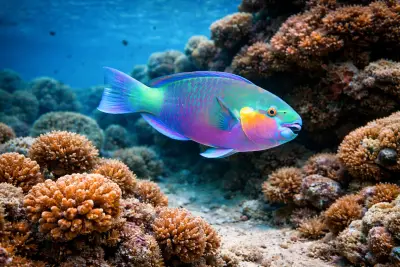
Parrotfish
common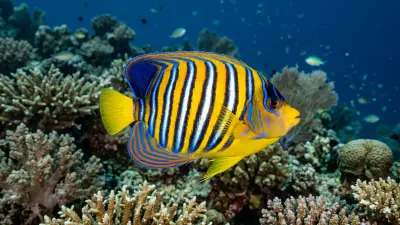
Angelfish
common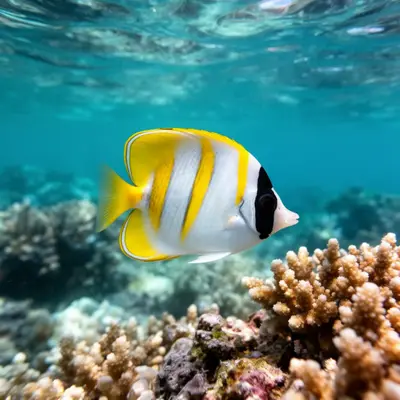
Butterflyfish
common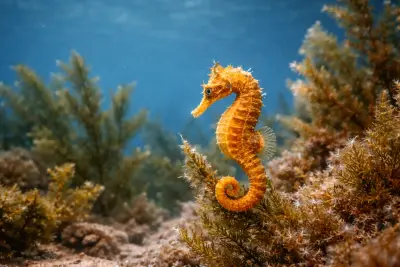
Seahorses
occasional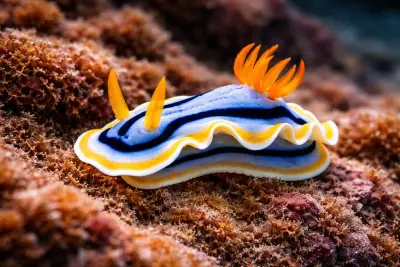
Nudibranchs
occasional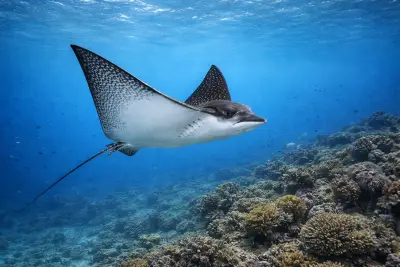
Eagle Rays
occasional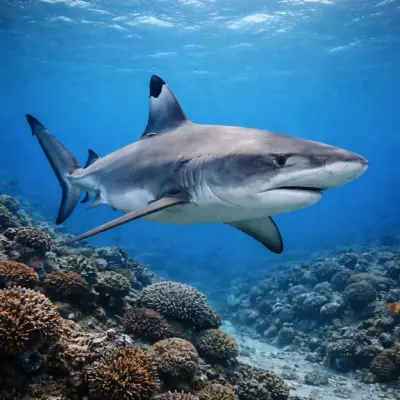
Reef Sharks
occasional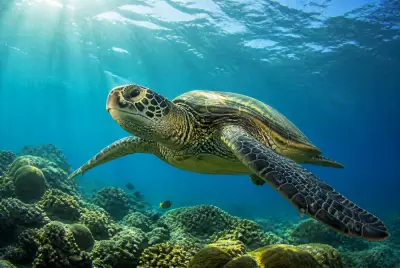
Sea Turtles
common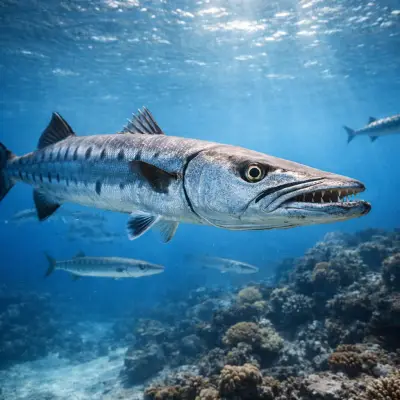
Barracudas
occasional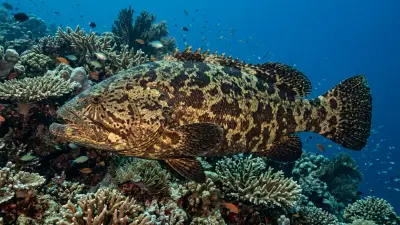
Groupers
occasional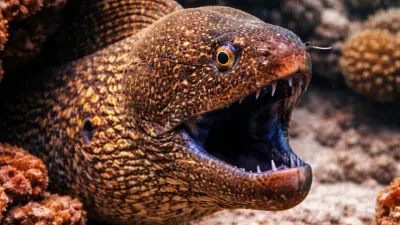
Moray Eels
common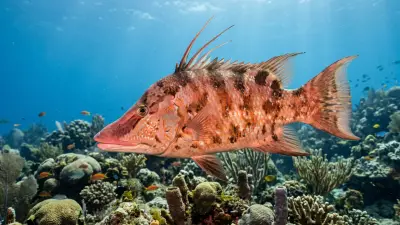
Hogfish
common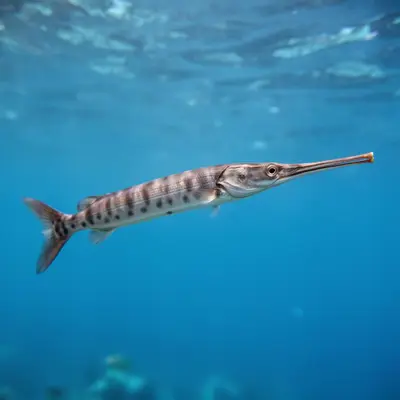
Trumpetfish
commonDive profile & how the dive runs
A typical dive at Connie's Dream begins with a boat entry, leading you directly to the reef. The site's topography allows for a gradual descent, exploring sand patches and coral gardens that transition into more dramatic wall sections. Divers can navigate along the vibrant reef, observing colorful sponges and diverse coral structures. The dive often progresses towards deeper areas where the main wall drops off significantly, offering opportunities for observing larger marine life. The turn point is determined by air consumption and no-decompression limits, maintaining a conservative profile. The ascent typically follows the reef's contour, allowing for a gradual shallowing. The safety stop is conducted at 5 meters (15 feet) in the shallower, protected reef areas, providing a chance to observe schooling fish before surfacing back to the boat.
Underwater photography
Connie's Dream, with its rich coral formations and diverse marine life, offers excellent opportunities for wide-angle and macro photography. For capturing the expansive reefscapes and dramatic wall drop-offs, a wide-angle lens is ideal. Consider bringing external strobes to bring out the true colors of the corals and sponges, especially in deeper sections or during overcast conditions. For macro enthusiasts, patience and a good macro lens will reveal the smaller inhabitants, such as nudibranchs and tiny critters tucked within the coral. The consistently high visibility enhances image clarity. Practice excellent buoyancy control to avoid damaging the delicate reef or stirring up sediment, which could affect your shots. Approach marine life calmly to capture natural behavior.
Combine with nearby dive sites
- Hole in the Wall
Hole in the Wall is a celebrated dive site in Roatan, part of the extensive Mesoamerican Barrier Reef System, which is the second-largest…
- Toon Town
Toon Town is a distinctive dive site located within the Cayos Cochinos archipelago, which forms part of Honduras' Bay Islands.
- Inside Outside
The Inside Outside dive site in Roatan, Honduras, earns its name from the abundant cracks and swim-throughs that characterize its unique…
- Odyssey
Wreck site also known as 'Prince Albert'
- Coral Garden
Coral Garden is a significant dive site in the Dominican Republic, featuring an impressive brain coral that has thrived for over 400 years…
- Marie's Kitchen
Marie's Kitchen is a dive site located around the Bay Islands of Honduras.
Getting there & logistics
Access to Connie's Dream in Roatan typically involves flying into Juan Manuel Gálvez International Airport (RTB). From there, divers usually transfer to resorts or liveaboards, particularly those operating from Roatan's southern end or West End/West Bay area. Dive trips are predominantly boat dives, with short rides from dive centers to the various sites in the Roatan Marine Park. Most dive operations offer daily two-tank morning dives and often afternoon and night dives, returning to shore for surface intervals. A typical dive package might be part of a week-long resort stay or a liveaboard itinerary like those offered by Aggressor Fleet, which includes diving in Utila, Honduras. There are no specific park fees mentioned for individual dives, but conservation efforts are supported through local dive centers.
Safety & environment
For diving in Roatan, including Connie's Dream, it is strongly recommended that divers have comprehensive dive insurance covering medical emergencies and recompression treatment. The nearest recompression chamber is located in Roatan. While Roatan has robust diving infrastructure, evacuation for severe medical conditions might require air transport to mainland Honduras or beyond. Site-specific hazards at Connie's Dream are minimal due to generally calm conditions and clear visibility, but divers should always be aware of their surroundings, particularly when drifting. Practicing good buoyancy control is crucial to protect the delicate coral reef. Follow your dive guide's instructions and maintain safe dive practices, including monitoring air consumption and no-decompression limits. It is also wise to be hydrated and well-rested before diving.
Who it suits — and who it doesn't
Suited for
- Newly certified divers seeking diverse reef experiences
- Underwater photographers due to excellent visibility and marine life
- Divers interested in exploring healthy coral walls and canyons
- Those who enjoy gentle drift dives
- Divers seeking warm water and comfortable conditions year-round
Less suited for
- Divers seeking challenging technical dives
- Those who prefer deep wreck penetration (though wrecks are nearby)
- Individuals prone to seasickness in rare, choppier conditions
- Divers looking for extreme pelagic encounters on every dive
FAQ
Connie’s Dream FAQ
What kind of marine life can I expect to see at Connie's Dream?
At Connie's Dream, you can anticipate encountering a vibrant array of marine life typical of the Mesoamerican Barrier Reef. Common sightings include colorful parrotfish, angelfish, butterflyfish, and various damselfish. You may also spot larger creatures such as sea turtles, moray eels, barracudas, and occasional eagle rays. The reef's health also supports a rich macro life, including seahorses and nudibranchs, for those with a keen eye.
Are currents a concern at Connie's Dream?
The currents at Connie's Dream are generally gentle, which contributes to a relaxed diving experience and is suitable for all diver levels. However, as with many sites along the Roatan reef system, occasional mild drift can occur. Divers should be comfortable with basic current management, or be prepared for a drift dive where the current assists in covering more of the reef effortlessly.
What is the visibility like at Connie's Dream?
Visibility at Connie's Dream is consistently excellent throughout the year, typically ranging between 18 to 30 meters (60 to 100 feet). During Roatan's dry season, from March to September, visibility can often extend even further, reaching up to 36 meters (120 feet). These clear conditions are ideal for underwater photography and offer expansive views of the reef.
Is Connie's Dream suitable for beginner divers?
Yes, Connie's Dream is well-suited for beginner divers due to its generally calm conditions, warm waters, and excellent visibility. The dive profile often allows for a gradual progression from shallower coral gardens to deeper reef walls. While it offers enough to excite experienced divers, its accessibility makes it a great choice for those who have recently received their certification.
How is Connie's Dream typically accessed?
Connie's Dream is accessed via boat from local dive operators in Roatan. The short boat ride from various dive centers makes it a convenient and popular site to visit. Divers typically gear up on the boat and make a controlled entry directly into the water, following their dive guide to explore the reef.
Why dive Connie’s Dream from a liveaboard?
Connie’s Dream is one of Honduras's signature dive sites. A liveaboard sleeps you on the water and puts you in the water for three to four guided dives per day, including dawn and night dives that day-boat operators rarely offer. You skip the daily commute back to port and reach quieter, less-crowded sites in the same region on a single trip.
Below are the liveaboards that include Connie’s Dream on their Honduras itineraries.
Liveaboards diving Connie’s Dream
These liveaboards may visit Connie’s Dream on selected itineraries — the exact dive sites depend on departure, weather and conditions.
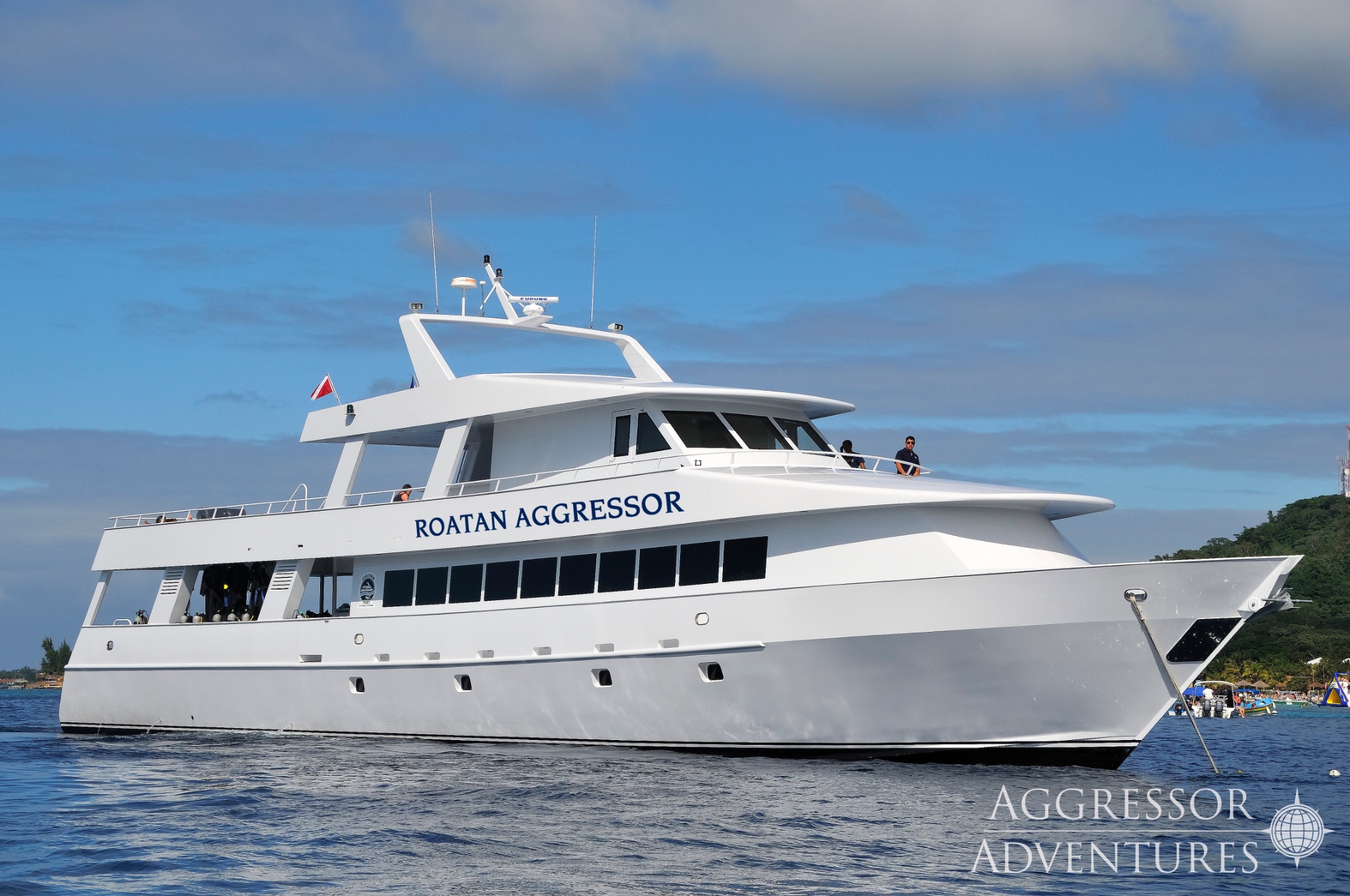
Roatan Aggressor
Honduras
18 guests31.1 m
$309/day
Dive sites similar to Connie’s Dream
Same character, same waters — six more sites divers love for the exact same reasons.Compare seasons, access and liveaboard routes — then pick the site that fits your trip best.
© Esri — Maxar, Earthstar, GIS
Blackish Point
Honduras
Blackish Point is a captivating shore-drift wall dive located on the north side of Utila, offering a unique blend of volcanic rock formations, soft corals, and an intricate network of caves, overhangs, and crevices.
- Suitable for
- Intermediate
- Current
- Mild
- Access
- Shore / dayboat
- Depth
- 11–27 m
- Theme
- Cave & cavern / Drift
© Esri — Maxar, Earthstar, GIS
Gold Chain Reef
Honduras
Gold Chain Reef is a celebrated dive site located off the coast of Roatan, Honduras, within the vast Mesoamerican Barrier Reef System, the world's second-largest coral reef.
- Suitable for
- Intermediate
- Current
- Mild
- Access
- Liveaboard only
- Depth
- 3–9 m
- Theme
- Wall
© Esri — Maxar, Earthstar, GIS
Jack Neil Bight
Honduras
Jack Neil Bight is a notable dive site located on the south side of Utila, Honduras, part of the Bay Islands archipelago, known for its calm conditions and diverse underwater scenery.
- Suitable for
- Beginner
- Current
- Mild
- Access
- Dayboat
- Depth
- 2–40 m
- Theme
- Reef / Wall
© Esri — Maxar, Earthstar, GIS
Hole in the Wall
Honduras
Hole in the Wall is a celebrated dive site in Roatan, part of the extensive Mesoamerican Barrier Reef System, which is the second-largest barrier reef globally.
- Suitable for
- Beginner
- Current
- No current
- Access
- Liveaboard only
- Depth
- 33–33 m
- Theme
- Wall / Cavern
© Esri — Maxar, Earthstar, GIS
Green Out House Wall
Honduras
Green Out House Wall is a notable dive site in Roatan, recognized for its distinct wall topography and the potential for drift diving.
- Suitable for
- Intermediate
- Current
- Moderate
- Access
- Dayboat
- Depth
- ≤ 22 m
- Theme
- Wall / Drift
© Esri — Maxar, Earthstar, GIS
Jack Neal Point
Honduras
Jack Neal Point is a captivating dive site located off the western coast of Roatan, Honduras, nestled within the larger Mesoamerican Barrier Reef System, the second-largest barrier reef globally.
- Suitable for
- Beginner
- Current
- Mild
- Access
- Dayboat
- Depth
- 5–30 m
- Theme
- Reef / Wall