About Caesar’s Rocks
Caesar's Rocks is a highly acclaimed dive site within Fiji's Beqa Lagoon, a region once dubbed "The Mecca of Pacific Diving." It is easily accessible from Viti Levu, the main island, making it a popular choice for divers seeking quality experiences without domestic flights to outer islands. The site is characterized by an impressive collection of bommies adorned with soft corals, showcasing a spectrum of pinks, reds, and oranges that captivate divers. The topography beneath the surface reveals a network of channels, caverns, and windows carved into these bommies. Every crevice and passage is bursting with vibrant coloration, providing a rich, immersive environment. Divers can explore a notable coral-lined tunnel situated around 15 meters deep, which is a prime location for capturing stunning underwater images. While Beqa Lagoon may not offer the sheer volume of reef fish found in other Fijian sites like Nigali or Namena, Caesar's Rocks presents a healthy variety of reef life. Expect to encounter numerous fish species, along with large gorgonian fans that provide shelter for smaller creatures. The area generally benefits from warm water temperatures averaging around 26°C and mild currents, making for comfortable diving. This site offers a visually spectacular dive experience, particularly for those who appreciate diverse coral structures and the chance to observe marine life in unique geological formations. The combination of colorful soft corals, intricate swim-throughs, and macro life ensures a memorable underwater adventure, suitable for divers keen on exploring Fiji's accessible yet vibrant reefs.
Highlights
Vibrant soft coral bommiesChannels and cavernsCoral-lined tunnelGiant gorgonian fansAbundant reef fishUnique topographyExceptional photo opportunities
Season calendar
Best months to dive here
Jan
Feb
Mar
Apr
May
Jun
Jul
Aug
Sep
Oct
Nov
Dec
Good
Dive site facts: Caesar’s Rocks
- Depth
- 5–40 m
- Current
- Gentle
- Visibility
- Excellent (up to 50m in winter)
- Water temperature
- 23–28°C
- Entry
- Dayboat
- Level
- Beginner friendly
- Dive type
- Reef, pinnacle, coral garden, drift
- Region / port
- Beqa Lagoon, Fiji
- Coordinates
- -17.4938, 115.649
Conditions & Currents
Caesar's Rocks, located within the protected Beqa Lagoon, typically experiences gentle currents for most of the year, contributing to comfortable diving conditions. Water temperatures remain stable around 26°C. Visibility can be excellent, particularly during the cooler, drier winter months when it can reach up to 50 meters, as reduced plankton and algae activity leads to clearer water. During the warmer summer months, increased plankton growth may slightly reduce visibility, though the water remains rich with life. Divers should be aware that summer also brings warmer, more humid weather with potential for heavy but short rain squalls, which might impact surface conditions. Entry and exit are generally straightforward due to the calm nature of the lagoon.
Marine life & sighting chances
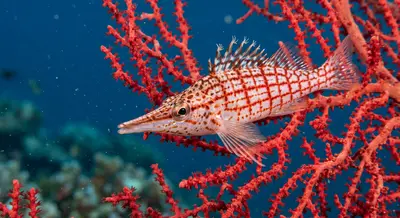
Longnose hawkfish
occasional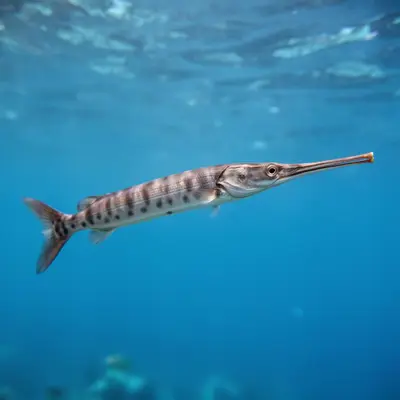
Trumpetfish
occasional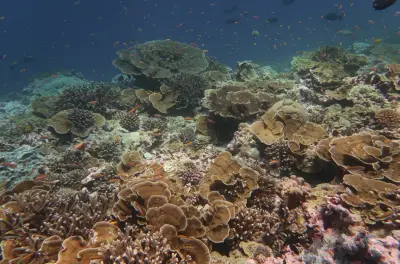
Reef fish
common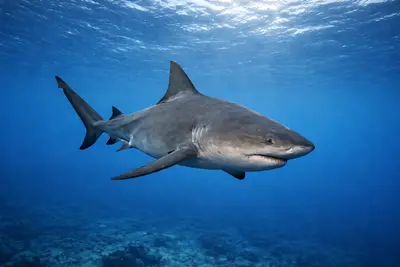
Sharks
occasional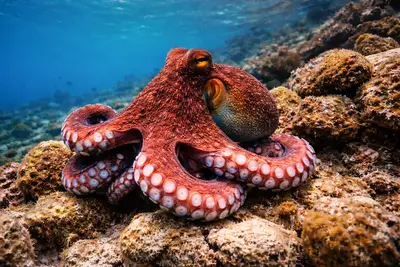
Octopus
occasional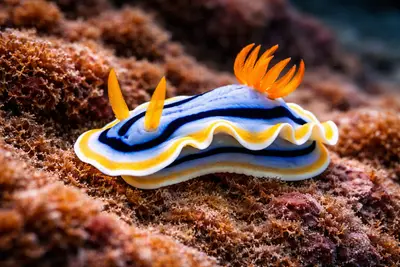
Nudibranchs
Summer (Nov-Apr) · occasional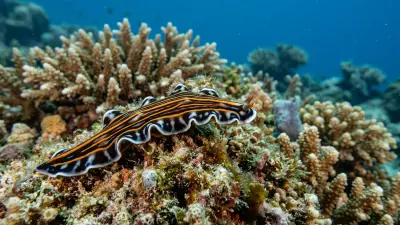
Flatworms
Summer (Nov-Apr) · occasional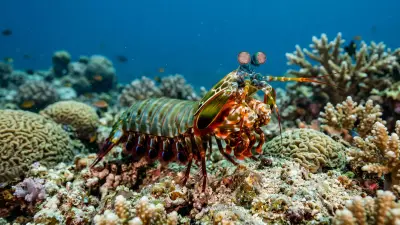
Shrimps
Summer (Nov-Apr) · occasional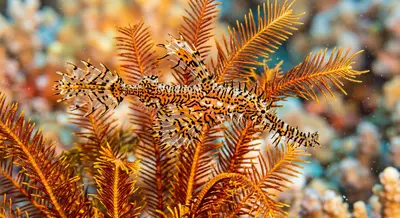
Ghost pipefish
Summer (Nov-Apr) · rare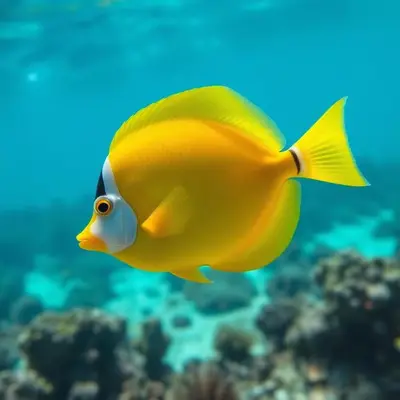
Surgeonfish
Summer (Dec-Feb) · common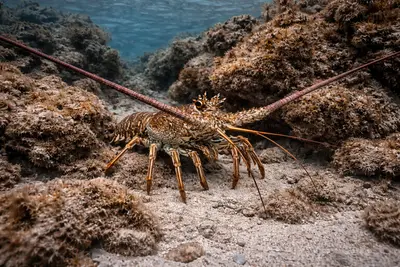
Spiny rock lobster
Summer (Dec) · occasional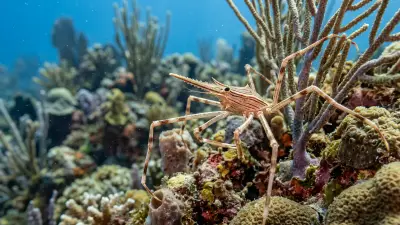
Crabs
Summer (Dec) · commonDive profile & how the dive runs
Your dive at Caesar's Rocks typically begins with a descent onto a series of bommies, which are distinctive coral pinnacles. The initial focus is on exploring the exterior of these bommies, admiring the dense soft corals displaying vibrant pinks, reds, and oranges. As you progress, navigate through the bommies to discover a fascinating network of channels, caverns, and windows, all richly decorated with colorful marine life. A key highlight is a coral-lined tunnel, usually found at approximately 15 meters, which offers an immersive swim-through experience and excellent photo opportunities. Divers often spend time observing the giant gorgonian fans, which shelter smaller fish like longnose hawkfish and trumpetfish. The dive concludes with a gradual ascent, allowing for an unhurried safety stop amidst the abundant reef fish, before returning to the surface, typically having completed a multi-level profile to maximize bottom time.
Underwater photography
Caesar's Rocks is a prime location for underwater photography, particularly due to its rich soft coral colors and unique topography. Wide-angle lenses are ideal for capturing the expansive bommies, the intricate channels, and the impressive coral-lined tunnel, especially at the 15-meter depth. For macro photographers, the site's abundant smaller marine life, such as longnose hawkfish nestled in gorgonians and various crustaceans, provides numerous detailed subjects. Strobes are highly recommended to bring out the true vibrancy of the soft corals and illuminate the often shadowy interiors of caverns and swim-throughs. Pay close attention to buoyancy control, especially when navigating delicate coral structures or entering confined spaces, to avoid stirring up sediment or damaging the reef. Take advantage of the natural light filtering into the windows and tunnels for dramatic effect.
Combine with nearby dive sites
- Filipe's Reef
Filipe's Reef is a dive site located within the renowned Naiqoro Passage, a prominent feature of Fiji's expansive Great Astrolabe Reef in…
- Jim's Alley
Jim's Alley is a renowned soft coral garden located off Gau Island in Fiji's Koro Sea, forming part of a multi-stop diving itinerary in the…
- Purple Wall
Purple Wall is a renowned dive site located off the coast of Taveuni, Fiji, celebrated for its vibrant coral formations and diverse marine…
- Cabbage Patch
Cabbage Patch, located in Fiji, is distinguished by an extraordinary and expansive colony of cabbage coral, a formation globally rare in…
- Golden Arches
The Golden Arches dive site is renowned for its stunning underwater topography within the Beqa Lagoon, an area surrounded by a barrier reef…
- Supermarket
Supermarket is an iconic dive site nestled within the Malolo Barrier Reef in Fiji's Mamanuca Group, celebrated for its extraordinary…
Getting there & logistics
Diving at Caesar's Rocks typically originates from resorts located around Beqa Lagoon or from Pacific Harbour on Viti Levu, as it is accessible without requiring domestic flights to Fiji's outer islands. Nadi International Airport (NAN) is the primary arrival point for international travelers, from which ground transfers to Pacific Harbour are arranged. Dive trips are usually conducted via day boats, often as part of multi-dive excursions exploring various sites within the lagoon. There are over 100 dive sites in the greater Beqa area, allowing for varied itineraries. Liveaboards operating in the Fijian Islands region may also include Beqa Lagoon in their schedules, offering a comprehensive diving experience over several days. No specific permits or park fees are mentioned for diving Caesar's Rocks itself, but divers should confirm with their chosen operator for any local levies or marine park contributions.
Safety & environment
For divers exploring Caesar's Rocks and Beqa Lagoon, a key safety consideration is ensuring adequate dive insurance that covers recompression chamber treatment and emergency evacuation, given the potential for remote operations. While Beqa Lagoon is known for its gentle currents, divers should always follow their guide's instructions, especially regarding entry and exit procedures. The nearest recompression chamber is located in Suva, on Viti Levu. In case of an emergency, evacuation would typically involve boat transfer to the mainland and then road transport to the medical facility. Divers are advised to maintain excellent buoyancy control to avoid contact with the delicate soft corals within the bommies, channels, and tunnels. Adhering to dive plans, monitoring air consumption, and staying within no-decompression limits are crucial, as is reporting any health concerns to dive staff promptly.
Who it suits — and who it doesn't
Suited for
- Newer divers seeking vibrant coral reefs
- Underwater photographers targeting colorful subjects
- Divers who enjoy exploring swim-throughs and caverns
- Those looking for accessible diving without domestic flights
- Divers interested in diverse reef fish and macro life
Less suited for
- Divers exclusively seeking large pelagic encounters
- Those preferring extreme drift diving conditions
- Divers uninterested in coral reef topography
- Individuals who dislike navigating enclosed spaces like tunnels
FAQ
Caesar’s Rocks FAQ
What kind of marine life can I expect to see at Caesar's Rocks?
Caesar's Rocks is home to a healthy variety of reef life. You can anticipate seeing numerous reef fish, giant gorgonian fans sheltering longnose hawkfish and trumpetfish, and sometimes sharks and octopus. During the summer months, keep an eye out for smaller critters like nudibranchs, flatworms, and shrimp.
Is Caesar's Rocks suitable for beginner divers?
Yes, Caesar's Rocks is considered suitable for beginner divers. The site is located within Beqa Lagoon, known for its gentle currents and warm water temperatures, which contribute to a comfortable diving experience. However, all divers should be comfortable with their buoyancy to navigate the coral structures.
What are the best photographic opportunities at Caesar's Rocks?
Photographers will find many opportunities here, especially focusing on the vibrant soft corals that adorn the bommies in shades of pinks, reds, and oranges. The coral-lined tunnel at 15 meters offers a unique composition, and the channels and caverns provide interesting light and shadow play. Macro enthusiasts will also find delight in the smaller reef inhabitants.
How does the visibility vary throughout the year at Caesar's Rocks?
Visibility at Caesar's Rocks is generally very good. During the winter months (May to October), it can be spectacular, reaching up to 50 meters due to reduced plankton. In the warmer summer months (November to April), increased plankton growth might slightly decrease visibility, but the water remains clear enough for enjoyable diving.
How do I get to Caesar's Rocks, and what is the typical dive setup?
Caesar's Rocks is typically accessed via day boats from resorts in Beqa Lagoon or from Pacific Harbour on Viti Levu. It's a convenient option as it doesn't require domestic flights. Dives are usually part of a multi-dive excursion exploring the various sites within the lagoon, offering a rich day of underwater exploration.
Why dive Caesar’s Rocks from a liveaboard?
Caesar’s Rocks is one of Fiji's signature dive sites. A liveaboard sleeps you on the water and puts you in the water for three to four guided dives per day, including dawn and night dives that day-boat operators rarely offer. You skip the daily commute back to port and reach quieter, less-crowded sites in the same region on a single trip.
Below are the liveaboards that include Caesar’s Rocks on their Fiji itineraries.
Liveaboards diving Caesar’s Rocks
These liveaboards may visit Caesar’s Rocks on selected itineraries — the exact dive sites depend on departure, weather and conditions.
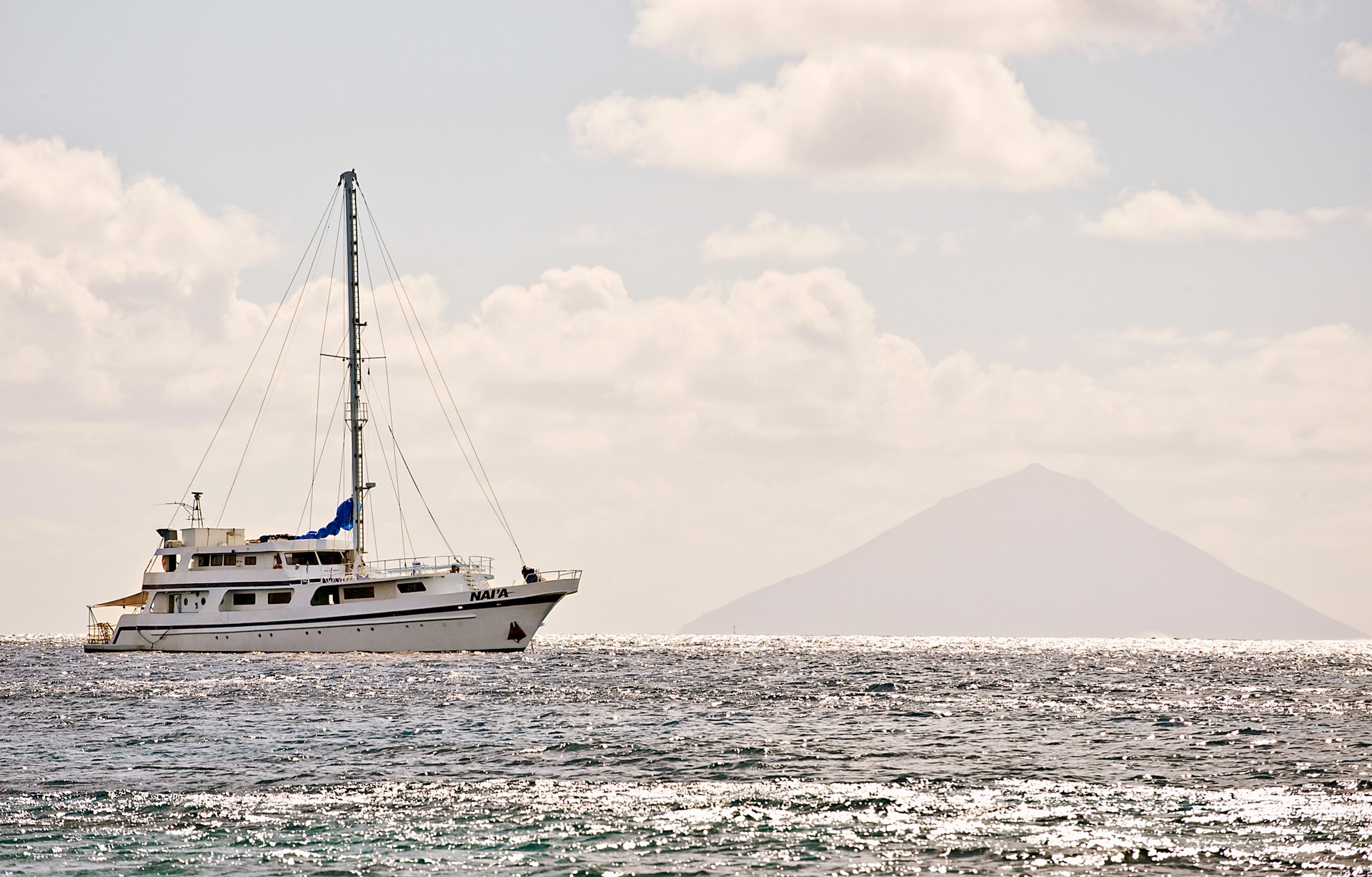
Nai'a
Fiji
16 guests36.576 m
$547/day
Dive sites similar to Caesar’s Rocks
Same character, same waters — six more sites divers love for the exact same reasons.Compare seasons, access and liveaboard routes — then pick the site that fits your trip best.
© Esri — Maxar, Earthstar, GIS
Jim's Alley
Fiji
Jim's Alley is a renowned soft coral garden located off Gau Island in Fiji's Koro Sea, forming part of a multi-stop diving itinerary in the region.
- Suitable for
- Beginner
- Current
- Mild
- Access
- Liveaboard only
- Depth
- ≤ 21 m
- Theme
- Reef
© Esri — Maxar, Earthstar, GIS
Sam's Point
Fiji
Sam's Point is one of the celebrated patch reefs found within the Somosomo Strait, a narrow channel between Vanua Levu and Taveuni in Fiji.
- Suitable for
- Advanced
- Current
- Strong
- Access
- Dayboat
- Depth
- 8–27 m
- Theme
- Reef / Drift
© Esri — Maxar, Earthstar, GIS
Rainbow's End
Fiji
Rainbow's End is a top dive site located in the Somosomo Strait, a channel separating Taveuni and Vanua Levu islands, known as the 'Soft Coral Capital of the World'.
- Suitable for
- Intermediate
- Current
- Moderate
- Access
- Liveaboard or dayboat
- Depth
- 10–30 m
- Theme
- Reef / Drift
© Esri — Maxar, Earthstar, GIS
Wilkes Passage
Fiji
Wilkes Passage is a dive site located within the Malolo Barrier Reef in Fiji's Mamanuca Group, southwest of Nadi on Viti Levu.
- Suitable for
- Intermediate
- Current
- Moderate
- Access
- Dayboat
- Depth
- 15–20 m
- Theme
- Reef / Drift
© Esri — Maxar, Earthstar, GIS
Makogai Island
Fiji
Makogai Island, located in Fiji's Lomaiviti Group and visible from Wakaya Island, is home to a significant marine sanctuary.
- Suitable for
- Intermediate
- Current
- Moderate
- Access
- Liveaboard only
- Depth
- 3–18 m
- Theme
- Reef
© Esri — Maxar, Earthstar, GIS
Namena Marine Reserve, nestled in Fiji's Koro Sea, is a crown jewel among the world's elite dive spots, consistently ranked as one of the best global destinations for scuba diving.
- Suitable for
- Advanced
- Current
- Moderate
- Access
- Liveaboard only
- Depth
- 5–40 m
- Theme
- Reef / Wall