About Wakaya Island
Wakaya Island, a private retreat within Fiji's Lomaiviti Group, offers exceptional diving opportunities less than 10 minutes from its marina. The island is encircled by a protective coral reef, featuring clear lagoons, dramatic cliffs, and pristine beaches, and operates as a protected marine reserve with dedicated fish wardens ensuring reef and marine life conservation. Dive sites typically involve spectacular wall dives, starting around 10 meters and descending to depths of 30 to 43 meters, often sloping into the deeper Koro Sea. These walls are adorned with both hard and soft corals and feature swim-throughs, catering to both macro enthusiasts and those seeking pelagic encounters. Key sites include Blue Ridge, Gem Stone, Golden Rock, and Wakaya Pass, each presenting unique topographical features. Marine life is diverse and abundant, ranging from colorful reef fish like angelfish, anemone fish, and anthias to larger pelagic species. Divers frequently encounter manta rays at cleaning stations, and there are good chances of spotting hammerhead sharks, white-tip sharks, nurse sharks, marble rays, eagle rays, barracudas, and turtles. Macro life, such as leaf fish, ribbon eels, fire gobies, and dartfish, is also prolific. The dive experience is generally considered intermediate in difficulty. With numerous dive spots easily accessible, certified PADI instructors offer safe, comfortable training and guided dives, ensuring divers of various experience levels can enjoy the underwater world. Unlimited diving opportunities are often available for guests.
Highlights
Spectacular coral wall divesManta ray cleaning stationsFrequent hammerhead shark sightingsDiverse pelagic fish schoolsVibrant hard and soft coralsNumerous macro life opportunitiesWakaya Pass large fish encounters
Season calendar
Best months to dive here
Jan
Feb
Mar
Apr
May
Jun
Jul
Aug
Sep
Oct
Nov
Dec
Good
Dive site facts: Wakaya Island
- Depth
- 3–35 m
- Typical dive
- 18–25 m, 50–60 min
- Current
- Strong, dynamic
- Visibility
- 20–40 m
- Water temperature
- 23–30°C
- Entry
- Negative entry, liveaboard tender
- Level
- Advanced Open Water, current experience required
- Dive type
- Wall, drift, pelagic, channel
- Night dive
- Possible (Vatu Vasua)
- Region / port
- Lomaiviti Group, Fiji
- Coordinates
- -17.6167, 179.0167
Conditions & Currents
Wakaya Island's dive sites, particularly Wakaya Passage, are characterized by strong, nutrient-laden currents flowing between Wakaya and Makogai islands. These currents are a key factor in attracting large pelagic life, but they necessitate advanced diving skills. Divers must be proficient in negative entries and drift diving techniques, often dropping rapidly to an initial depth of around 18 meters to reach reef formations. Currents can be dynamic, potentially changing direction during a single dive, requiring constant awareness and good buoyancy control. While the currents can be challenging, they also contribute to excellent visibility, often exceeding 30 meters, and fuel the vibrant soft coral displays and abundant marine life. Thermoclines may be encountered in deeper sections, especially when seeking hammerheads below 25 meters.
Marine life & sighting chances
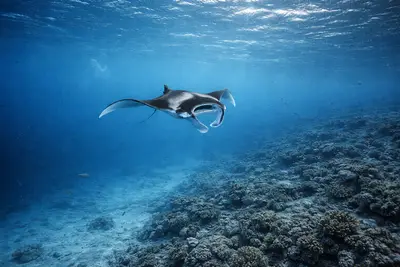
Reef manta ray
May-October · common
Scalloped hammerhead shark
June-September · occasional
Grey reef shark
commonWhite-tip reef shark
common
Barracuda
common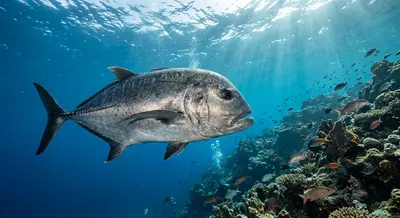
Giant trevally
common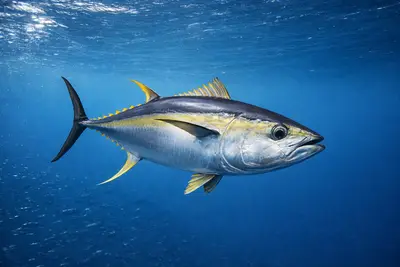
Yellowfin tuna
occasional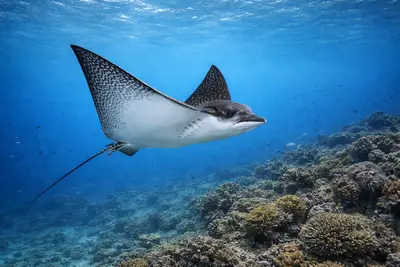
Spotted eagle ray
occasional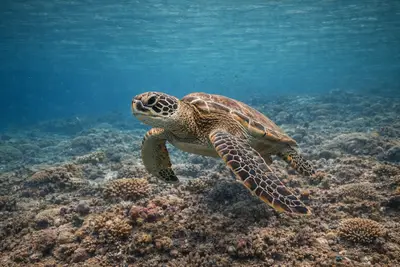
Green sea turtle
occasional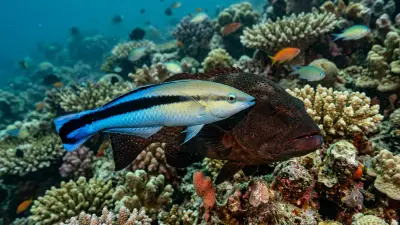
Cleaner wrasse
common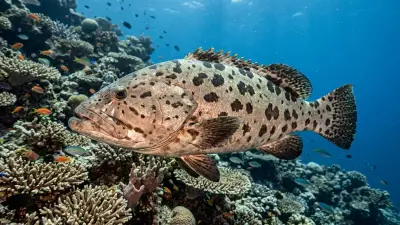
Potato grouper
occasional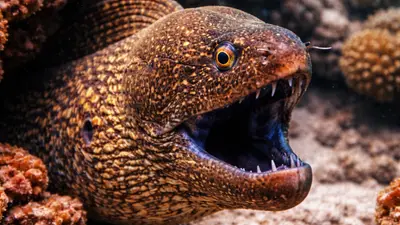
Moray eel
common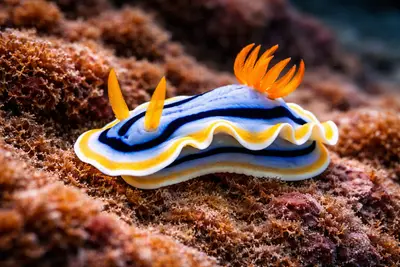
Nudibranch
occasionalDive profile & how the dive runs
A typical dive at Wakaya Passage begins with a negative entry and rapid descent to a coral head at approximately 16–18 meters on the channel's northern wall, serving as a cleaning station. Divers settle behind this bommie, partially sheltered from the main current, to observe manta rays. After watching the mantas, the dive often involves a drift along the channel, maintaining depths between 18-25 meters, past vibrant coral formations. At approximately 30-35 meters, divers might spot schooling hammerheads in the cooler, deeper water. The turn point is often dictated by air consumption and bottom time, after which a gradual ascent begins. Safety stops are conducted during the ascent, often utilizing the current to drift slowly while deco-gassing.
Underwater photography
Wakaya Island offers prime opportunities for wide-angle photography, especially during the dry season when visibility is at its best. A wide-angle lens is essential for capturing the vastness of the manta ray aggregations and the schooling pelagics, as well as the dramatic coral walls. External strobes are highly recommended to bring out the true colors of the soft corals and to properly expose subjects in the often bright, clear water. Given the strong currents, excellent buoyancy control is crucial to maintain position and avoid damaging the fragile reef. Be mindful of personal space when photographing mantas at cleaning stations, allowing them to approach naturally without obstruction.
Combine with nearby dive sites
Getting there & logistics
Access to Wakaya Island is typically via liveaboard vessels or private charters, as it is remote from the main island of Viti Levu. Liveaboards usually depart from Suva and offer itineraries of 3 to 7 nights, often combining Wakaya with other sites in the Bligh Water and Lomaiviti Group. While there is a luxury resort on Wakaya Island, it caters to high-end guests, making liveaboards the more practical option for most divers. International flights arrive at Nadi International Airport (NAN), with transfers to Suva for liveaboard departures. Conservation fees for protected areas like Wakaya may apply and are often handled by dive operators.
Safety & environment
Diving at Wakaya Island, especially in Wakaya Passage, requires a high level of diving proficiency due to strong and potentially changing currents. Divers should be comfortable with negative entries, drift diving, and deploying surface marker buoys (SMBs). Comprehensive dive insurance covering emergency evacuation and recompression chamber treatment is mandatory. The nearest recompression chamber is located in Suva, on Viti Levu, which can be several hours away by boat and air transfer. Always dive with an experienced guide, adhere to depth and bottom time limits, and plan gas consumption carefully, particularly for deeper hammerhead encounters.
Who it suits — and who it doesn't
Suited for
- Advanced Open Water divers
- Experienced drift divers
- Pelagic encounter enthusiasts
- Underwater photographers (wide-angle)
- Divers comfortable with strong currents
Less suited for
- Beginner divers
- Divers with limited current experience
- Divers prone to seasickness
- Those seeking only macro photography
- Divers on restrictive budgets (due to remote access)
FAQ
Wakaya Island FAQ
What kind of marine life can I expect to see at Wakaya Island?
Wakaya Island is renowned for its pelagic encounters. You can frequently see reef manta rays at dedicated cleaning stations, especially during the cooler months. Deeper dives offer opportunities to spot schooling scalloped hammerhead sharks, alongside common sightings of grey reef sharks, white-tip reef sharks, barracudas, and giant trevallies. The coral reefs also host a variety of colorful reef fish and occasional macro subjects.
What is the best time to dive Wakaya Island for manta rays and hammerheads?
The most consistent manta ray aggregations at Wakaya Passage occur from May to October, when cooler, nutrient-rich waters flow through the channel. Hammerhead sharks are most commonly spotted between June and September at depths below 25 meters. This period generally coincides with Fiji's dry season, offering the best overall diving conditions.
What experience level is required for diving at Wakaya?
Wakaya Passage is best suited for experienced divers. An Advanced Open Water certification and at least 50 logged dives are recommended minimums. Divers must be comfortable with strong currents, negative entries, drift diving techniques, and competent in deploying surface marker buoys, as conditions can be challenging.
How do I get to Wakaya Island for diving?
Wakaya Island is remote and primarily accessed via liveaboard vessels. These typically depart from Suva, Fiji's capital, as part of multi-day itineraries exploring the Bligh Water and Lomaiviti Group. There is also a private resort on the island, but liveaboards are the more common and practical option for divers seeking to explore its dive sites.
Are night dives possible at Wakaya Island?
Yes, night dives are possible at Wakaya Island. One notable site for night diving is Vatu Vasua, also known as "Clam Rock." It is considered one of Fiji's premier night dive locations, offering a different perspective on the vibrant reef ecosystem after dark.
Why dive Wakaya Island from a liveaboard?
Wakaya Island is one of Fiji's signature dive sites. A liveaboard sleeps you on the water and puts you in the water for three to four guided dives per day, including dawn and night dives that day-boat operators rarely offer. You skip the daily commute back to port and reach quieter, less-crowded sites in the same region on a single trip.
Below are the liveaboards that include Wakaya Island on their Fiji itineraries.
Liveaboards diving Wakaya Island
These liveaboards may visit Wakaya Island on selected itineraries — the exact dive sites depend on departure, weather and conditions.
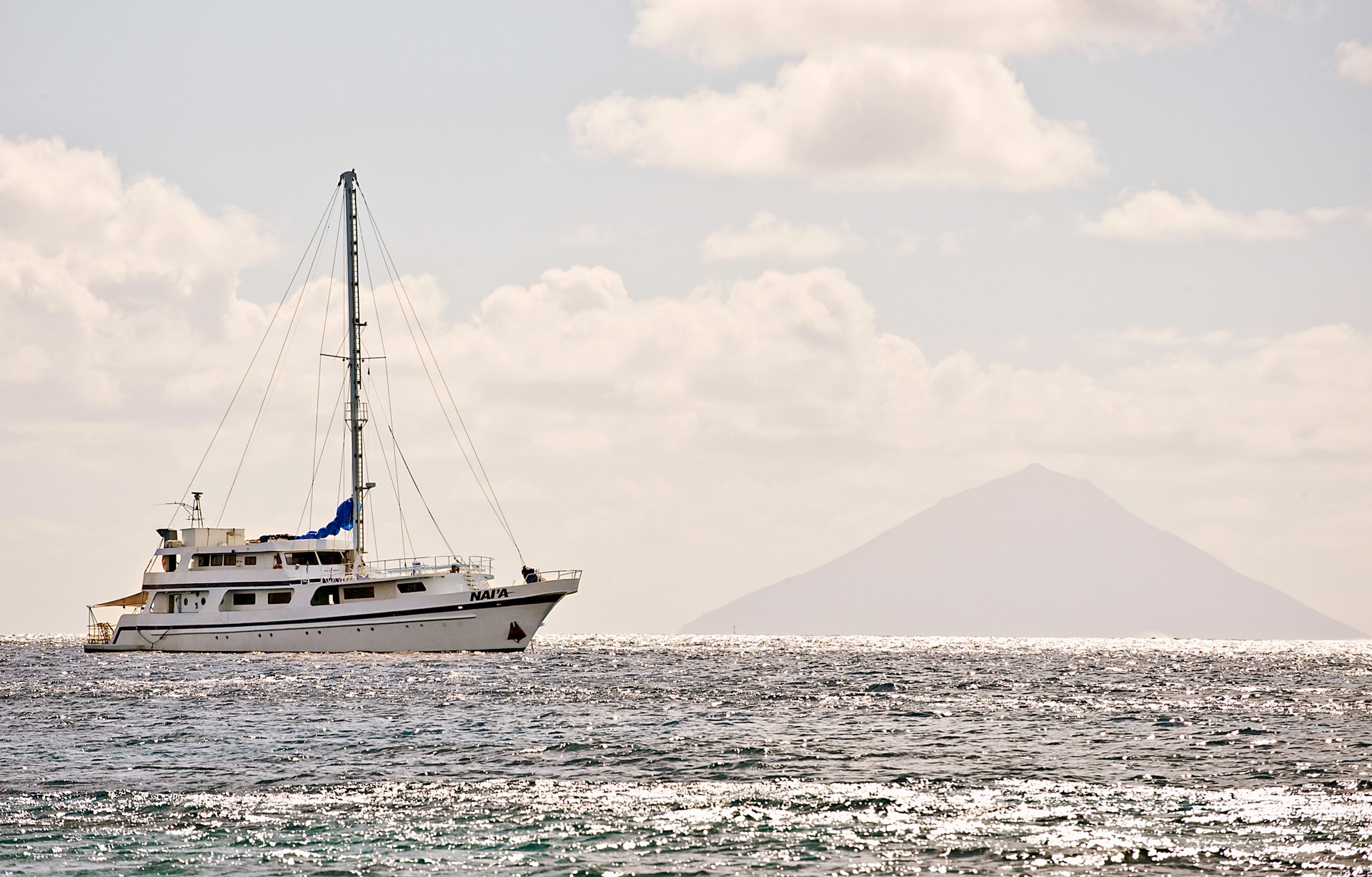
Nai'a
Fiji
16 guests36.576 m
$547/day
Dive sites similar to Wakaya Island
Same character, same waters — six more sites divers love for the exact same reasons.Compare seasons, access and liveaboard routes — then pick the site that fits your trip best.
© Esri — Maxar, Earthstar, GIS
Namena Marine Reserve, nestled in Fiji's Koro Sea, is a crown jewel among the world's elite dive spots, consistently ranked as one of the best global destinations for scuba diving.
- Suitable for
- Advanced
- Current
- Moderate
- Access
- Liveaboard only
- Depth
- 5–40 m
- Theme
- Reef / Wall
© Esri — Maxar, Earthstar, GIS
Dream Maker
Fiji
Dream Maker is a captivating dive site situated on the main reef's point in Fiji, featuring a dynamic topography rich with numerous crevices and swim-throughs.
- Suitable for
- Intermediate
- Current
- Moderate
- Access
- Dayboat
- Depth
- 3–24 m
- Theme
- Reef / Wall
© Esri — Maxar, Earthstar, GIS
Three Brothers
Fiji
Three Brothers, also known as Terumbu Tiga, is a renowned dive site in Fiji, celebrated for its excellent visibility and rich biodiversity.
- Suitable for
- Advanced
- Current
- Mild
- Access
- Liveaboard only
- Depth
- 10–25 m
- Theme
- Reef / Wall
© Esri — Maxar, Earthstar, GIS
Breath Taker
Fiji
Breath Taker is a captivating reef wall dive located in Fiji's Bligh Waters, specifically on the Rakiraki side of Viti Levu.
- Suitable for
- Intermediate
- Current
- Strong
- Access
- Liveaboard or dayboat
- Depth
- 3–36 m
- Theme
- Reef / Wall
© Esri — Maxar, Earthstar, GIS
Naiqoro Passage
Fiji
Naiqoro Passage is a celebrated dive site in the Kadavu region of Fiji, offering an exciting exploration of both shallow reefs and deeper channels.
- Suitable for
- Advanced
- Current
- Strong
- Access
- Liveaboard or dayboat
- Depth
- 8–30 m
- Theme
- Drift / Wall