About Wafer Bay
Wafer Bay, located on the northeastern side of Cocos Island, serves as a crucial entry and exit point for liveaboards exploring this remote Pacific outpost. This sheltered bay provides calm waters essential for tender operations and acts as a gateway to the island's renowned pelagic diving. The topography around Wafer Bay includes expansive sandy bottoms, rocky outcrops, and sheltered coral gardens, offering a stark contrast to the deeper, current-swept seamounts Cocos is famous for. While primarily known for its pelagic encounters, the bay itself hosts a variety of smaller reef inhabitants, making it a valuable site for species diversity. Divers can explore its shallower sections, discovering intricate ecosystems. The surrounding waters are rich in nutrients, attracting both resident species and transient pelagics that occasionally venture closer to shore. The dry season, from December to May, generally offers calmer conditions and better visibility, while the wet season sees more pelagic action. Wafer Bay is not just a logistical hub; it's a dive site in its own right, often used for checkout dives and offering a gentler introduction to Cocos Island's underwater world before divers venture to more exposed sites. Its historical significance, with ancient rock carvings visible at low tide in nearby Chatham Bay, adds another layer of interest to this important location.
Highlights
Sheltered bayLiveaboard access pointCoral gardensDiverse reef lifeHistorical significanceCheckout dive location
Season calendar
Best months to dive here
Jan
Feb
Mar
Apr
May
Jun
Jul
Aug
Sep
Oct
Nov
Dec
Good
Dive site facts: Wafer Bay
- Depth
- 5–20 m
- Typical dive
- 10–18 m, 45–60 min
- Current
- Mild to moderate
- Visibility
- 15–30 m
- Water temperature
- 22–28°C
- Entry
- Tender
- Level
- All levels
- Dive type
- Reef, macro, checkout
- Night dive
- Possible
- Region / port
- Cocos Island
- Coordinates
- 5.555, -87.07
Conditions & Currents
Wafer Bay is known for its relatively sheltered conditions compared to many other Cocos Island dive sites, making it an ideal location for entry-level dives and check-out procedures. Currents within the bay are typically mild, influenced primarily by local tides rather than the strong oceanic currents found further offshore. Divers can expect minimal surge, providing a calm environment for buoyancy checks and equipment adjustments. Visibility, while generally good, can be affected by plankton blooms, especially during the wet season, which also attracts more pelagic marine life to the wider region. Water temperatures average between 22-28°C, though thermoclines are common in the deeper surrounding areas of Cocos Island.
Marine life & sighting chances

Whitetip reef sharks
common
Giant hermit crabs
common
Urchins
common
Lobsters
commonEel species
common
Frogfish
occasional
Snapper
common
Parrotfish
common
Galapagos sharks
occasional
Tiger sharks
occasional
Whale sharks
August to October · rare
Manta rays
occasional
Octopuses
common
Dive profile & how the dive runs
Dives at Wafer Bay typically begin with a tender drop, often used as a check-out dive for liveaboard guests. You'll descend into the shallower areas of the bay, generally staying between 10 to 18 meters, where the coral gardens and rocky substrates provide habitat for various smaller marine life. Divers can explore the sandy bottom scattered with hard corals, looking for resident species like hermit crabs, urchins, and eels. The dive often follows a relaxed trajectory, circling around the bay's features. The calm conditions allow for extended bottom time, with an average dive lasting 45 to 60 minutes. Safety stops are conducted in the tranquil, shallower parts of the bay before surfacing for tender pick-up.
Underwater photography
Wafer Bay offers unique photographic opportunities, distinct from the pelagic action found elsewhere at Cocos Island. For wide-angle shots, the scattered hard corals and rocky formations, coupled with the potential for passing larger reef inhabitants, can make for interesting compositions, especially during periods of good visibility in the dry season. For capturing macro subjects, a macro lens is essential to highlight the smaller residents like frogfish, nudibranchs, and various crustaceans that thrive in the sheltered environment. Patience is key for these smaller, more elusive creatures. Given the generally mild currents, divers can take their time to compose shots without fighting strong flow. While strobes are always beneficial for color and contrast, natural light photography can also be effective in the shallower, brighter areas of the bay.
Combine with nearby dive sites
- Manuelita
A highly diverse area with cleaning stations, excellent for sharks and rays.
- Chatham Bay
Shallow site with rich macro life and historical rock carvings, perfect for check-out dives.
- Ulloa
Known for large schools of reef fish and whitetip sharks, often combined with Lobster Rock.
- Lobster Rock
Connected to Ulloa, excellent for whitetip shark cleaning stations and smaller pelagics.
- Dirty Rock
A prominent seamount famous for schooling hammerheads and other large pelagics.
Getting there & logistics
Access to Wafer Bay and the entirety of Cocos Island is exclusively via liveaboard, departing from Puntarenas, Costa Rica. The journey to Cocos Island typically takes 32-36 hours across open ocean. Most liveaboard itineraries are 10–12 days long, dedicating 6-7 full days to diving around the island. Flights to Costa Rica usually arrive at Juan Santamaría International Airport (SJO) near San José, from where transfers to Puntarenas are arranged. It is highly recommended to book liveaboard trips 9–12 months in advance due to the high demand and limited availability. National park fees are usually included in the liveaboard package, but divers should confirm this detail.
Safety & environment
Diving at Cocos Island, including Wafer Bay, requires a high level of preparedness. Liveaboard operators typically require divers to have Advanced Open Water certification and a minimum of 50-100 logged dives, with experience in currents. While Wafer Bay itself is sheltered, rapid access to deeper, more exposed sites is part of the itinerary. The nearest recompression chamber is located back on mainland Costa Rica, making emergency evacuation a lengthy process. Therefore, comprehensive dive insurance covering emergency medical treatment, evacuation, and hyperbaric care is mandatory. Divers should always follow their dive guide's instructions, maintain excellent buoyancy control, and avoid touching marine life or disturbing the fragile ecosystem.
Who it suits — and who it doesn't
Suited for
- Experienced liveaboard divers
- Divers seeking pelagic encounters
- Underwater photographers (both wide-angle and macro)
- Divers comfortable with remote travel
- Divers with excellent buoyancy control
Less suited for
- Beginner divers without sufficient experience
- Divers uncomfortable with strong currents
- Divers prone to seasickness
- Those on a tight schedule
- Divers without comprehensive dive insurance
FAQ
Wafer Bay FAQ
Is Wafer Bay suitable for beginner divers?
While Wafer Bay itself offers calmer, shallower conditions often used for checkout dives, Cocos Island as a whole is generally recommended for experienced divers. Most liveaboard operators require an Advanced Open Water certification and a significant number of logged dives due to the remote location and the more challenging conditions of other dive sites around the island.
What kind of marine life can I expect to see in Wafer Bay?
Wafer Bay, being more sheltered, is excellent for spotting smaller reef inhabitants like whitetip reef sharks, various species of eels, lobsters, giant hermit crabs, and colorful reef fish such as snapper and parrotfish. Occasionally, larger pelagics like Galapagos sharks or even manta rays may pass through, especially closer to the bay's entrance.
How do I get to Wafer Bay?
Wafer Bay is located on Cocos Island, which is only accessible by liveaboard. These specialized dive boats depart from Puntarenas, Costa Rica, and undertake a journey of over 30 hours to reach the island. There are no land-based accommodations or commercial flights directly to Cocos Island.
What is the best time of year to dive Wafer Bay?
The dry season, from December to May, typically offers the best conditions for diving Wafer Bay with calmer seas and better visibility. While the wet season (June to November) is known for increased pelagic action in the broader Cocos Island area, it can also bring more rain and reduced visibility closer to shore.
Are there any historical sites to see in Wafer Bay?
While Wafer Bay itself is primarily known for its diving, nearby Chatham Bay features ancient rock carvings that are visible at low tide. These carvings are a testament to the island's long history as a stopover for explorers and adventurers, adding a cultural dimension to your visit.
Why dive Wafer Bay from a liveaboard?
Wafer Bay is one of Costa Rica's signature dive sites. A liveaboard sleeps you on the water and puts you in the water for three to four guided dives per day, including dawn and night dives that day-boat operators rarely offer. You skip the daily commute back to port and reach quieter, less-crowded sites in the same region on a single trip.
Below are the liveaboards that include Wafer Bay on their Costa Rica itineraries.
Liveaboards diving Wafer Bay
These liveaboards may visit Wafer Bay on selected itineraries — the exact dive sites depend on departure, weather and conditions.
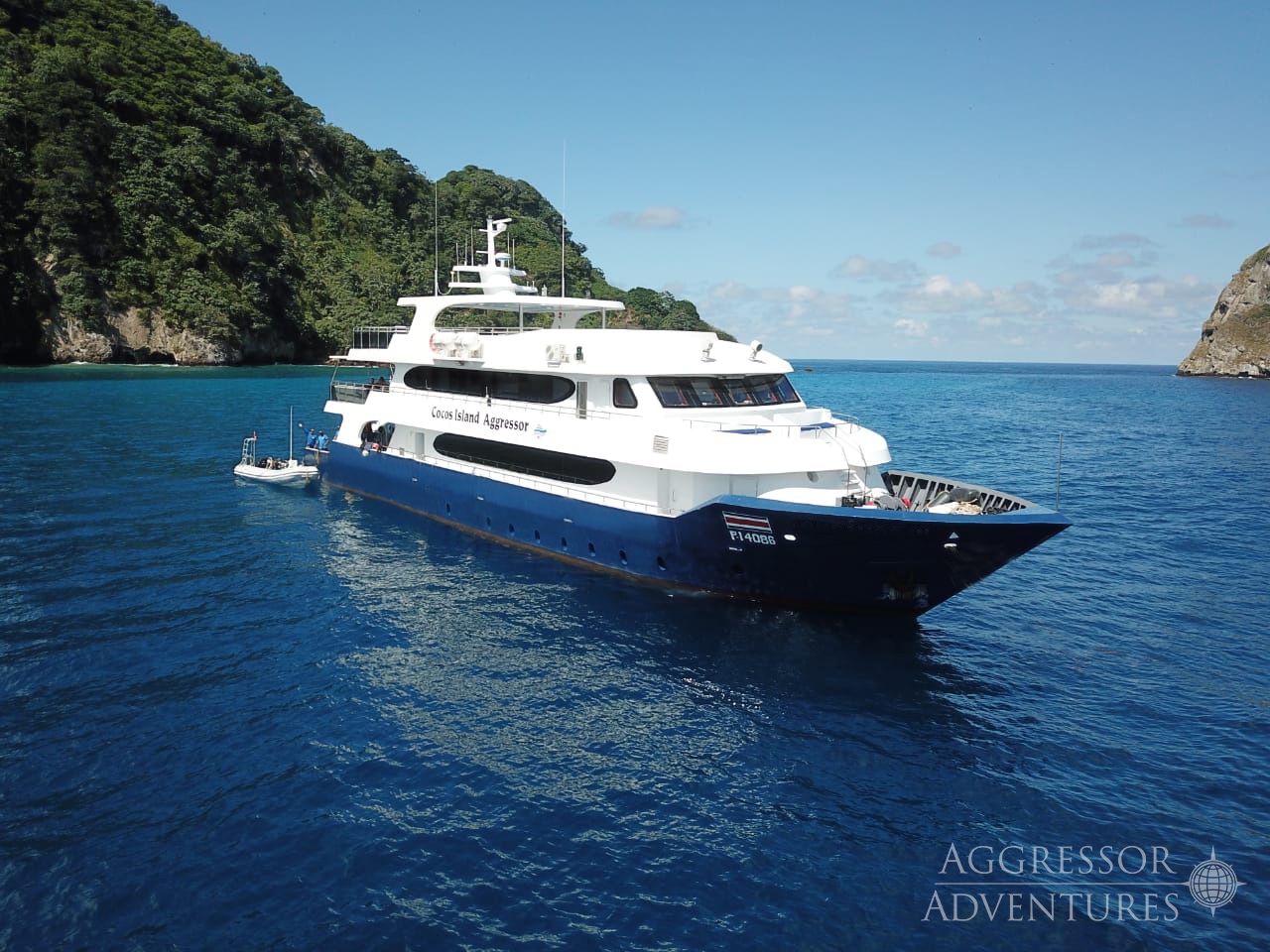
Cocos Aggressor
Costa Rica
22 guests37.8 m
$636/day
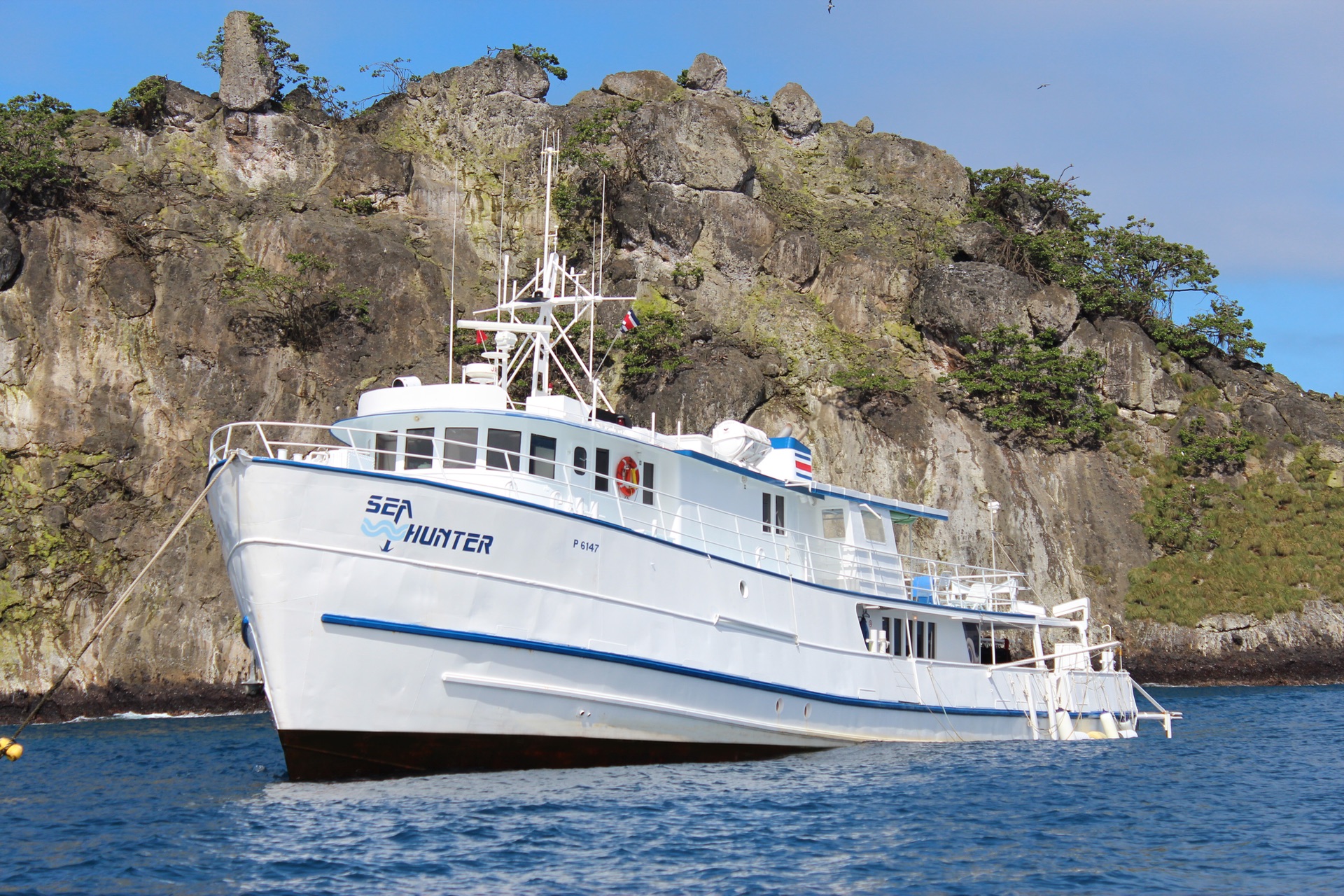
Sea Hunter
Costa Rica
20 guests
$690/day
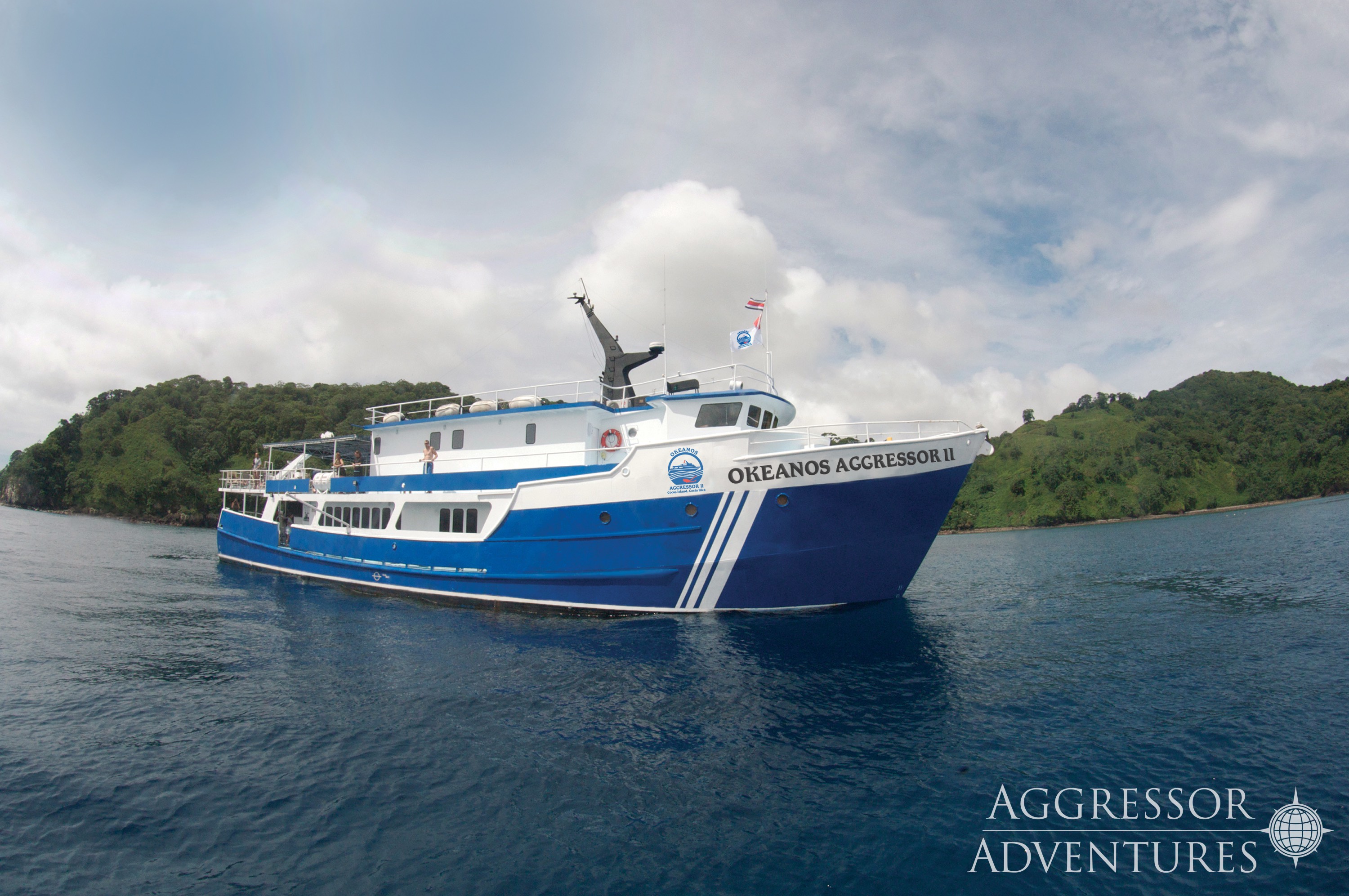
Okeanos Aggressor II
Costa Rica
24 guests36.6 m
$504/day
Dive sites similar to Wafer Bay
Same character, same waters — six more sites divers love for the exact same reasons.Compare seasons, access and liveaboard routes — then pick the site that fits your trip best.
© Esri — Maxar, Earthstar, GIS
Bajo Negro
Costa Rica
Bajo Negro, or Black Rock, is a captivating dive site located within the Bat Islands in Santa Rosa National Park, off Costa Rica's Pacific coast.
- Suitable for
- Advanced
- Current
- Strong
- Access
- Shore / dayboat
- Depth
- 20–30 m
- Theme
- Pinnacle / Seamount
© Esri — Maxar, Earthstar, GIS
Dos Sombreros
Costa Rica
Dos Sombreros is a renowned dive site located offshore from Playa Flamingo, forming part of the Catalina Islands chain in Costa Rica's North Pacific region.
- Suitable for
- Intermediate
- Current
- Moderate
- Access
- Dayboat
- Depth
- 12–25 m
- Theme
- Pinnacle
© Esri — Maxar, Earthstar, GIS
Submerged Rock
Costa Rica
Submerged Rock is a distinctive dive site located off Cocos Island, approximately 500 km (340 miles) west of mainland Costa Rica.
- Suitable for
- Advanced
- Current
- Strong
- Access
- Liveaboard only
- Depth
- 15–20 m
- Theme
- Pinnacle
© Esri — Maxar, Earthstar, GIS
Devil's Rock
Costa Rica
Devil's Rock is a prominent dive site located in Costa Rica's Caño Island Biological Reserve, positioned to the northwest as an extension of the larger Bajo del Diablo platform.
- Suitable for
- Advanced
- Current
- Strong
- Access
- Liveaboard or dayboat
- Depth
- 18–35 m
- Theme
- Reef / Pinnacle
© Esri — Maxar, Earthstar, GIS
Black Rock
Costa Rica
Black Rock, also known as Bajo Negro, is a remote and challenging pinnacle dive site situated within the Bat Islands, part of Costa Rica's Santa Rosa National Park.
- Suitable for
- Advanced
- Current
- Strong
- Access
- Dayboat
- Depth
- 20–30 m
- Theme
- Reef / Pinnacle
© Esri — Maxar, Earthstar, GIS
Viking Rock
Costa Rica
Viking Rock, situated off Cocos Island, provides a serene and captivating dive experience, often serving as a peaceful counterpoint to the island's more current-swept sites.
- Suitable for
- Advanced
- Current
- Mild
- Access
- Liveaboard only
- Depth
- 12–30 m
- Theme
- Pinnacle