About Lobster Rock
Lobster Rock is a volcanic rock formation located off the northern coast of Cocos Island, distinguished by its finger-like shape and surrounding white sand. This site offers a relatively tranquil environment compared to other Cocos Island dive locations, as it is somewhat sheltered from strong surface conditions, though currents can still be swift at times. Its name originates from the numerous lobsters, including Pronghorn, Royal, and Painted Spiny Lobsters, found within its cracks and crevices between 12 to 20 meters deep. The topography also includes a nearby rhodolith-covered plateau to the north, which hosts the endemic Cocos rosy-lipped batfish. While primarily known for its crustaceans, Lobster Rock is teeming with diverse marine life across all depths. Shallow areas are home to various bottom dwellers, while mid-water sections frequently feature pelagic species. This site is often combined with the nearby Ulloa dive site, allowing divers to explore both areas in a single dive. The protection offered by its location makes it a reliable alternative when other sites, such as Alcyone, are too challenging due to strong currents or surface conditions. It's a prime example of the rich biodiversity of Cocos Island beyond just large pelagics, offering excellent opportunities for both macro and broader marine observations.
Highlights
Volcanic rock formationAbundant spiny lobstersSheltered diving conditionsSchools of reef fishEndemic Cocos rosy-lipped batfishWhitetip reef shark cleaning stationCottonmouth jacks and surgeonfishOccasional pelagic sightings
Season calendar
Best months to dive here
Jan
Feb
Mar
Apr
May
Jun
Jul
Aug
Sep
Oct
Nov
Dec
Excellent
Good
Dive site facts: Lobster Rock
- Depth
- 5–33 m
- Typical dive
- 12–20 m, 50–60 min
- Current
- Mild to swift
- Visibility
- 15–30 m
- Water temperature
- 22–29 °C (with thermoclines)
- Entry
- Tender
- Level
- Intermediate to Advanced
- Dive type
- Reef, deep, big_animals, macro, pinnacle
- Night dive
- Not possible
- Region / port
- Cocos Island
- Coordinates
- 7.7984° N, 86.1822° W
Conditions & Currents
Lobster Rock generally offers a more tranquil environment compared to many other Cocos Island dive sites, benefiting from the calmer seas on the north coast. However, divers should be aware that currents can still be swift at times, potentially leading to drift on ascent. The site is a popular gathering spot for whitetip sharks utilizing cleaning services, which implies consistent but manageable water movement. Visibility at Lobster Rock typically ranges from 15 to 30 meters, with potential for up to 30 meters. Water temperatures hover between 22 and 29 degrees Celsius, but thermoclines are common, especially below 25 meters, where temperatures can drop significantly. A 3mm to 5mm wetsuit is recommended to account for these temperature fluctuations. Divers should maintain good buoyancy control and be prepared for variable current conditions, particularly when transitioning between differ
Marine life & sighting chances
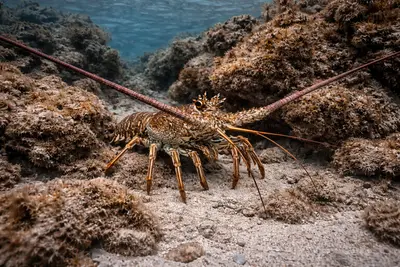
Pronghorn Spiny Lobster
commonRoyal Spiny Lobster
commonPainted Spiny Lobster
common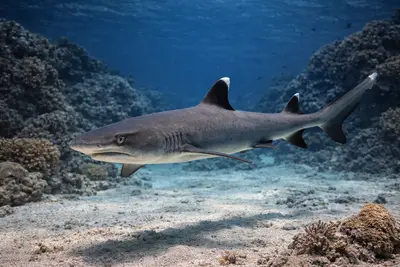
Whitetip reef shark
common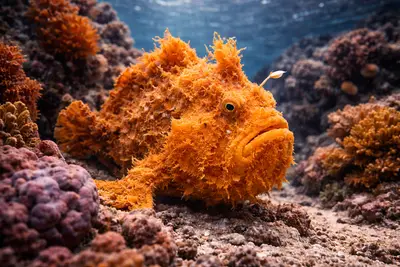
Frogfish
occasional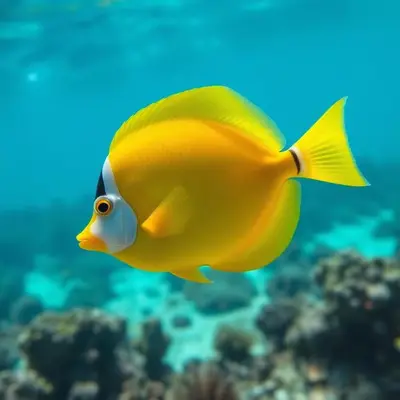
Surgeonfish
common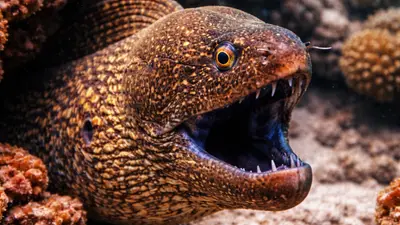
Moray eels
commonSea turtles
occasional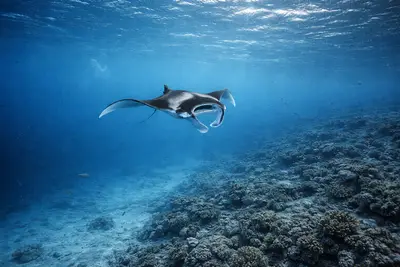
Giant manta rays
occasional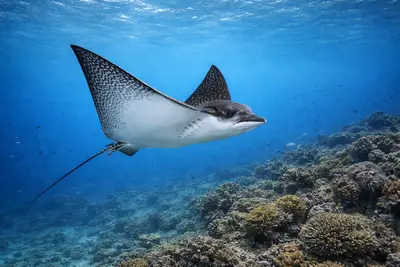
Spotted eagle rays
occasional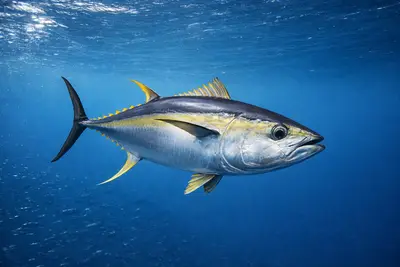
Yellowfin tuna
occasional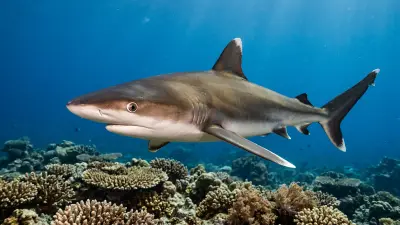
Silvertip sharks
occasional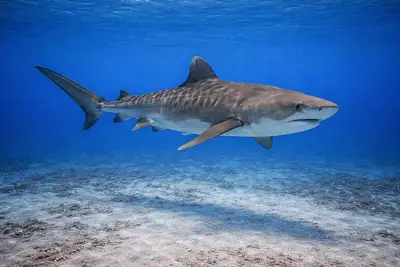
Tiger sharks
occasional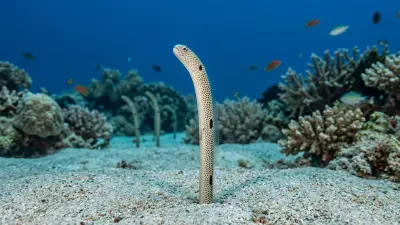
Garden eels
commonDive profile & how the dive runs
Dives at Lobster Rock typically begin via tender drop-off, often close to the rocky protrusion. The usual plan involves descending to around 12 to 20 meters, where the numerous cracks and crevices harboring various lobster species are explored. The site’s topography, resembling a small finger surrounded by white sand, guides the dive. It is common for divers to explore Lobster Rock in conjunction with the nearby Ulloa site, starting at one and finishing at the other. This allows for a comprehensive tour of the area, including the rhodolith plateau to the north, home to the endemic Cocos rosy-lipped batfish. Throughout the dive, attention should be paid to both the rocky features for macro life and the open water for potential pelagic sightings. The maximum depth can reach 33 meters, but the primary features are shallower. The safety stop is typically conducted as a drift, given that currents can be swift, requiring divers to be mindful of their position and ascent.
Underwater photography
Lobster Rock offers excellent opportunities for both macro and wide-angle photography. For capturing the abundant spiny lobsters and other smaller creatures within the rock's crevices, a macro lens is highly recommended. Pay attention to the endemic Cocos rosy-lipped batfish on the rhodolith plateau, which benefits from focused lighting to highlight its unique features. Wide-angle setups can be effective for schooling fish, such as cottonmouth jacks and surgeonfish, and for showcasing the overall reef structure. Given the potential for thermoclines, careful white balance adjustment or the use of strobes is crucial to maintain natural colors, especially at deeper sections. Due to occasional swift currents, maintaining neutral buoyancy is paramount to avoid disturbing the sandy bottom or fragile organisms. Be respectful of marine life, particularly the spawning black triggerfish and convict tangs at the base of the rock, and avoid intrusive lighting.
Combine with nearby dive sites
- Ulloa
Often combined with Lobster Rock in a single dive.
- Chatham Bay
A sheltered site used for checkout dives, known for macro life.
- Manuelita
Includes channels and outside areas known for sharks and rays.
- Dirty Rock
An iconic site for hammerheads and other pelagics.
- Shark Fin Rock
Another Cocos Island dive site frequently visited.
Getting there & logistics
Access to Lobster Rock, like all Cocos Island dive sites, is exclusively via liveaboard cruises, typically departing from Puntarenas, Costa Rica. The journey to Cocos Island takes approximately 36 hours. Liveaboard trips usually last 7 to 10 nights, offering up to 24 dives. Every passenger must pay an additional national park fee, which is around $70 per day plus 13% local taxes, totaling approximately $490 per person for a standard trip duration. The nearest international airport is Juan Santamaría International Airport (SJO) in San José, from which transfers to Puntarenas are arranged. Liveaboards combine Lobster Rock with other iconic Cocos sites such as Manuelita, Dirty Rock, and Alcyone, ensuring a diverse diving itinerary focused on pelagic encounters.
Safety & environment
Diving at Cocos Island, including Lobster Rock, is reserved for experienced divers due to its remote location and the potential for strong currents and thermoclines. While Lobster Rock is relatively sheltered, currents can still be swift, requiring careful ascent planning to avoid drift. Emergency evacuation from Cocos Island is complex and time-consuming; divers must have comprehensive dive insurance that covers emergency medical treatment and evacuation, including hyperbaric chamber treatment. The nearest recompression chamber is located back on mainland Costa Rica. All dives are conducted from tenders, requiring good physical fitness for entry and exit. Divers should adhere strictly to guide instructions, monitor no-decompression limits carefully, and be prepared for water temperature variations requiring appropriate thermal protection, such as a 3mm or 5mm wetsuit.
Who it suits — and who it doesn't
Suited for
- Experienced divers comfortable with currents
- Underwater photographers seeking macro and wide-angle opportunities
- Divers interested in unique crustaceans and endemic species
- Those who appreciate diverse marine life beyond just large pelagics
- Liveaboard enthusiasts seeking remote, world-class diving
Less suited for
- Beginner divers or those without extensive current experience
- Divers prone to seasickness on long crossings
- Individuals expecting consistently calm, warm waters
- Those looking for shore diving or day trip options
- Divers unwilling to invest in comprehensive dive insurance
FAQ
Lobster Rock FAQ
What kind of lobsters can I expect to see at Lobster Rock?
Lobster Rock is named for its abundant crustaceans. You can expect to encounter various species, including the Pronghorn Spiny Lobster (Panulirus penicillatus), Royal Spiny Lobster (Panulirus regius), and Painted Spiny Lobster (Panulirus versicolor). They are typically found hiding within the rock's cracks and crevices, especially between 12 to 20 meters deep.
Is Lobster Rock suitable for beginner divers?
No, Cocos Island, including Lobster Rock, is not recommended for beginner divers. The site can experience swift currents despite being relatively sheltered, and diving here requires experience with challenging conditions. It is best suited for intermediate to advanced divers comfortable with varying currents and deeper profiles.
What is the visibility and water temperature at Lobster Rock?
Visibility at Lobster Rock generally ranges from 15 to 30 meters, offering clear views of the marine life and topography. Water temperatures typically vary between 22 and 29 degrees Celsius. However, thermoclines are common, especially at depths below 25 meters, which can cause significant temperature drops.
Can I see unique or endemic species at Lobster Rock?
Yes, Lobster Rock is known for its endemic species. The nearby rhodolith-covered plateau to the north of the site is a habitat for the Cocos rosy-lipped batfish, which is unique to Cocos Island. You'll also see plenty of resident whitetip reef sharks and schooling fish.
How is Lobster Rock typically dived in an itinerary?
Lobster Rock is often combined with the adjacent Ulloa dive site, allowing divers to explore both areas in a single dive. It's considered a reliable alternative when other, more exposed sites like Alcyone are too challenging due to strong currents or surface conditions. Dives are always conducted from tenders launched from a liveaboard.
Why dive Lobster Rock from a liveaboard?
Lobster Rock is one of Costa Rica's signature dive sites. A liveaboard sleeps you on the water and puts you in the water for three to four guided dives per day, including dawn and night dives that day-boat operators rarely offer. You skip the daily commute back to port and reach quieter, less-crowded sites in the same region on a single trip.
Below are the liveaboards that include Lobster Rock on their Costa Rica itineraries.
Liveaboards diving Lobster Rock
These liveaboards may visit Lobster Rock on selected itineraries — the exact dive sites depend on departure, weather and conditions.
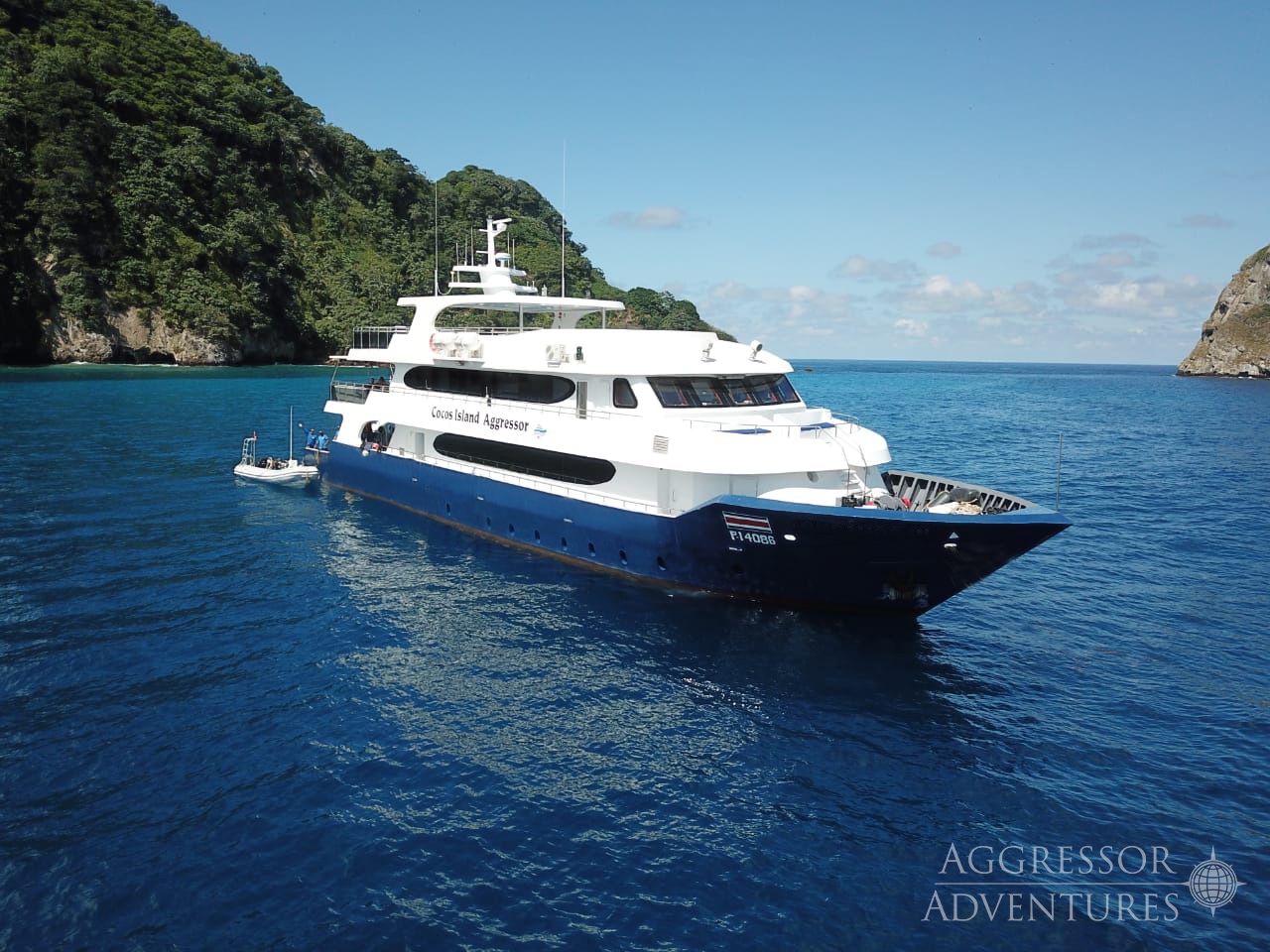
Cocos Aggressor
Costa Rica
22 guests37.8 m
$477/day
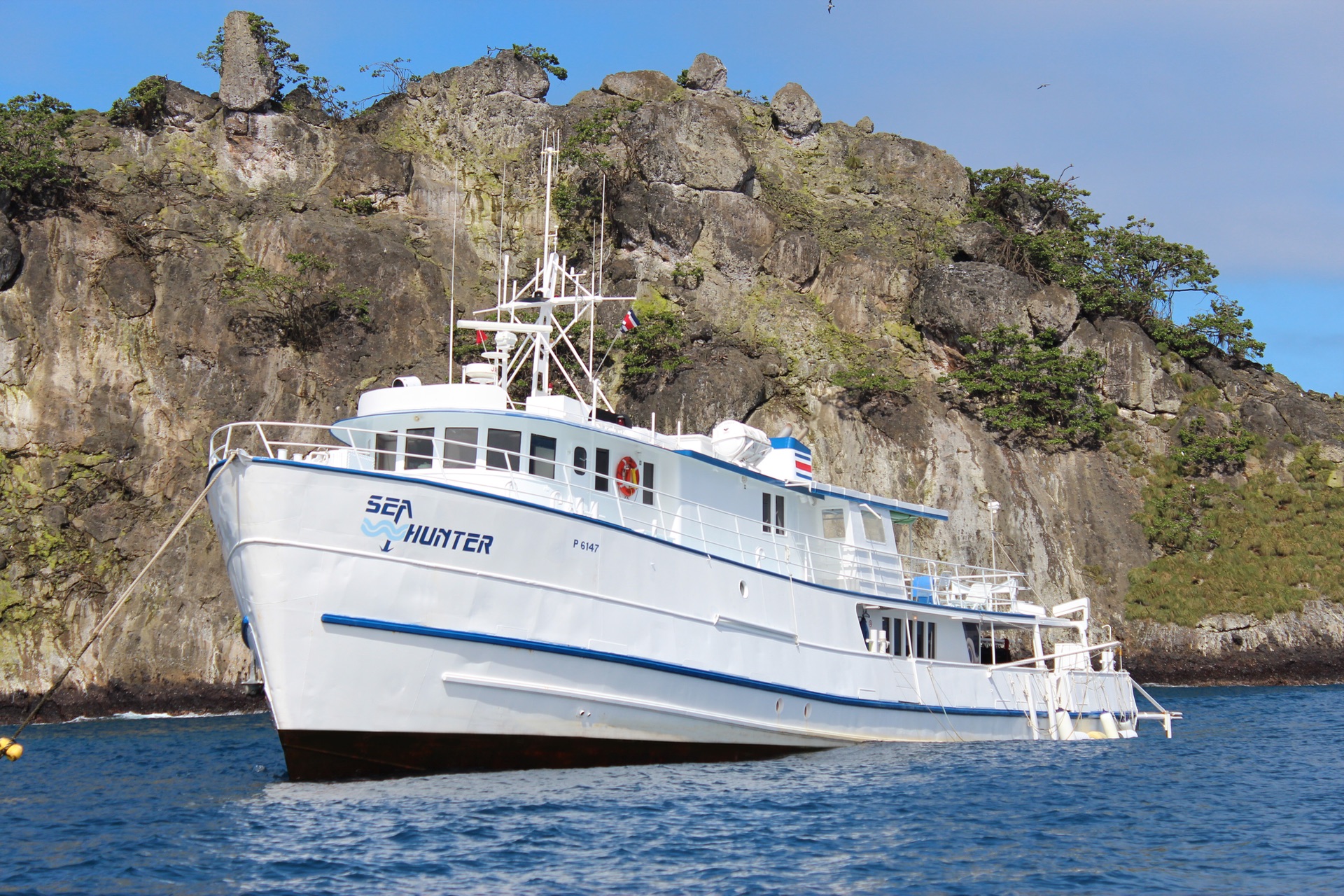
Sea Hunter
Costa Rica
20 guests
$690/day
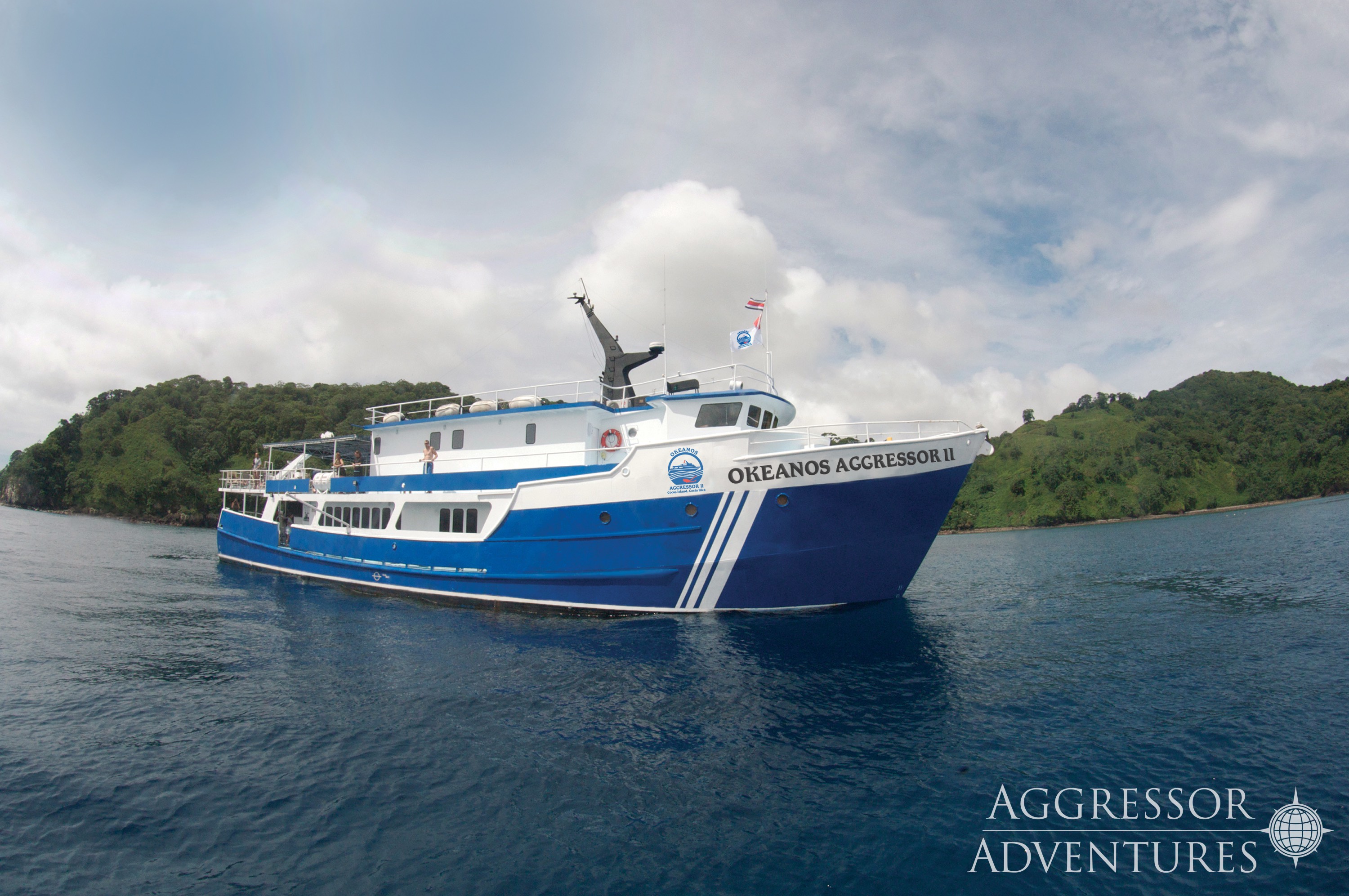
Okeanos Aggressor II
Costa Rica
24 guests36.6 m
$582/day
Dive sites similar to Lobster Rock
Same character, same waters — six more sites divers love for the exact same reasons.Compare seasons, access and liveaboard routes — then pick the site that fits your trip best.
© Esri — Maxar, Earthstar, GIS
Bajo Negro
Costa Rica
Bajo Negro, or Black Rock, is a captivating dive site located within the Bat Islands in Santa Rosa National Park, off Costa Rica's Pacific coast.
- Suitable for
- Advanced
- Current
- Strong
- Access
- Shore / dayboat
- Depth
- 20–30 m
- Theme
- Pinnacle / Seamount
© Esri — Maxar, Earthstar, GIS
Brumel Deep
Costa Rica
Brumel Deep, a prominent dive site just a 20-minute boat ride from Flamingo Marina, offers a protected environment, making it an excellent choice when stronger winds affect the main Catalina Islands.
- Suitable for
- Intermediate
- Current
- Mild
- Access
- Dayboat
- Depth
- ≤ 30 m
- Theme
- Reef
© Esri — Maxar, Earthstar, GIS
Dos Sombreros
Costa Rica
Dos Sombreros is a renowned dive site located offshore from Playa Flamingo, forming part of the Catalina Islands chain in Costa Rica's North Pacific region.
- Suitable for
- Intermediate
- Current
- Moderate
- Access
- Dayboat
- Depth
- 12–25 m
- Theme
- Pinnacle
© Esri — Maxar, Earthstar, GIS
Los Sombreros
Costa Rica
Los Sombreros, named for its two small islets resembling Mexican hats, offers a boat dive experience in the Catalina Islands suitable for mixed-experience groups.
- Suitable for
- Intermediate
- Current
- Moderate
- Access
- Dayboat
- Depth
- 8–25 m
- Theme
- Reef / Drift
© Esri — Maxar, Earthstar, GIS
Submerged Rock
Costa Rica
Submerged Rock is a distinctive dive site located off Cocos Island, approximately 500 km (340 miles) west of mainland Costa Rica.
- Suitable for
- Advanced
- Current
- Strong
- Access
- Liveaboard only
- Depth
- 15–20 m
- Theme
- Pinnacle