About Tormentos Reef
Tormentos Reef is a distinctive dive site in Cozumel, often favored by experienced guides for its exceptional marine life density relative to its depth. While it might not be as widely known as Palancar or Santa Rosa Wall to first-time visitors, it provides a consistently rewarding dive experience with dynamic conditions. The reef is composed of two primary sections, each offering a unique character as you drift northward. The southern part of the reef begins with impressive coral heads, some reaching 20 to 30 feet high, separated by channels of white sand. This area is rich with cleaning stations and numerous overhangs that provide shelter for diverse fish populations. As the drift continues into the northern section, the reef becomes denser, developing a more pronounced wall-like structure with deeper overhangs and thicker sponge growth on the rock faces. This progression offers varied environments to explore. The marine ecosystem at Tormentos is exceptionally vibrant, highlighted by the endemic Splendid Toadfish, frequently sighted moray eels, and schools of French grunts. Nurse sharks are often found resting in sandy patches, and eagle rays occasionally make dramatic appearances from the blue. The site's average depth of 50 to 65 feet across both sections makes it an ideal choice for a second-tank dive, allowing for extended bottom time despite the sometimes-swift currents. Tormentos Reef is predominantly a drift dive, making the most of Cozumel's characteristic currents. On days with strong currents, it transforms into a high-speed tour through an underwater aquarium. On calmer days, divers have more opportunity to linger and investigate the intricate formations and hidden marine life, ensuring a captivating experience regardless of current intensity.
Highlights
Endemic Splendid Toadfish sightingsDynamic two-section coral reefAbundant cleaning stationsFrequent moray eel encountersHigh marine life densityDrift diving through vibrant coralsNurse shark resting areasOverhangs with schooling fish
Season calendar
Best months to dive here
Jan
Feb
Mar
Apr
May
Jun
Jul
Aug
Sep
Oct
Nov
Dec
Excellent
Good
Dive site facts: Tormentos Reef
- Depth
- 35–65 ft (11–20 m)
- Typical dive
- 15–20 m, 50–60 min
- Current
- Variable mild to moderate, can be fast
- Visibility
- 80–100 ft (24–30 m)
- Entry
- Boat / drift entry
- Level
- Intermediate Open Water, comfortable with moderate current
- Dive type
- Drift, coral reef, macro
- Region / port
- Cozumel, Mexico
- Coordinates
- 20.43, -87
Conditions & Currents
Tormentos Reef is renowned for its variable currents, which range from mild to moderate but can become quite swift on certain days. This site is primarily a drift dive, where divers ride the constant flow, which is characteristic of Cozumel's dive sites. The currents sweep across the reef system, contributing to exceptional visibility, typically between 80 to 100 feet, and delivering a continuous supply of nutrients to the coral. While exhilarating, strong currents necessitate proficiency in drift diving techniques and good buoyancy control to navigate the reef formations safely. Divers should be comfortable with entry and exit procedures that account for the current, and maintain situational awareness throughout the dive. On calmer days, the reduced current allows for more detailed exploration of the coral formations and marine inhabitants.
Marine life & sighting chances
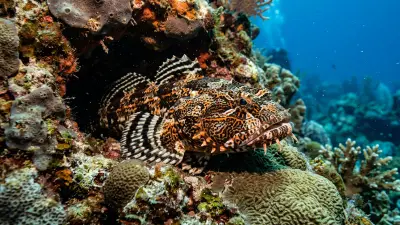
Splendid Toadfish
common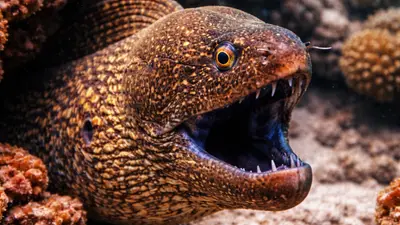
Green Moray Eel
common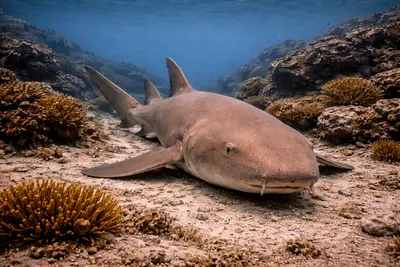
Nurse Shark
common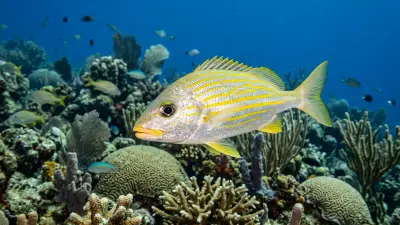
French Grunt
common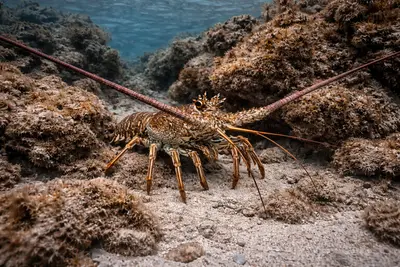
Spiny Lobster
common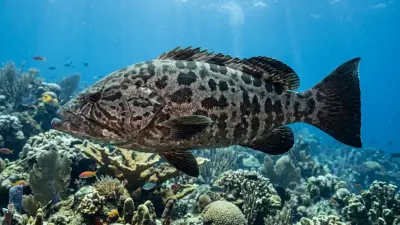
Black Grouper
common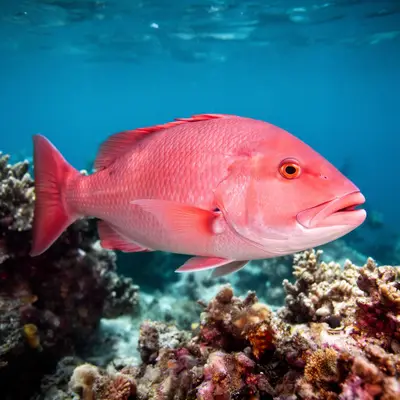
Schoolmaster Snapper
common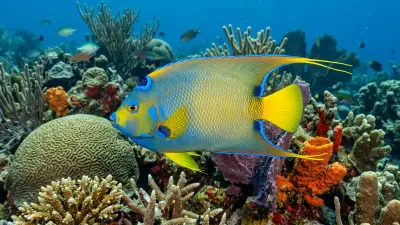
Queen Angelfish
common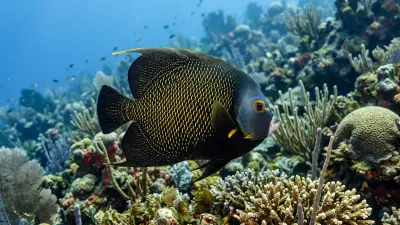
French Angelfish
common
Barracuda
common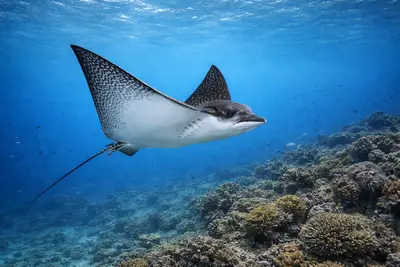
Eagle Ray
Winter · occasional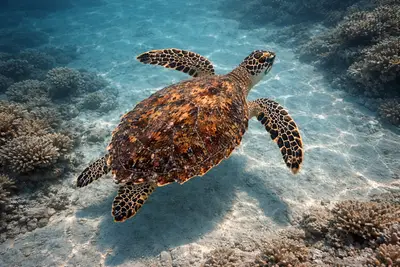
Hawksbill Turtle
occasional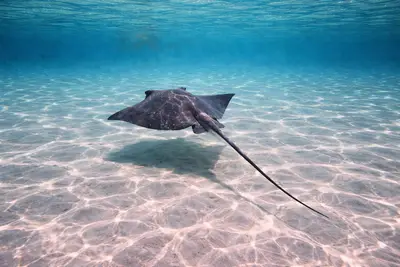
Stingray
occasionalDive profile & how the dive runs
Diving at Tormentos Reef typically begins with a drift entry into the southern section. You will descend into an area characterized by large coral heads rising from a white sandy bottom, interspersed with channels. The dive continues by following the natural current northward, allowing you to observe numerous cleaning stations and overhangs teeming with French grunts and various crustaceans. As the reef transitions into its northern section, the topography becomes more defined, featuring deeper overhangs and a developing wall-like structure, where you might spot groupers and larger schools of fish. The dive progresses along this denser reef, maintaining a general depth of 15-20 meters. The turn point is determined by air consumption and the prevailing current, with the drift naturally carrying you towards a sandy plateau where the safety stop is conducted before surfacing.
Underwater photography
Tormentos Reef offers excellent opportunities for underwater photography, particularly for macro subjects and vibrant reef scenes. The high density of marine life, including the endemic Splendid Toadfish hidden in crevices, makes it ideal for close-up shots; a macro lens is highly recommended. For wider reef vistas and schooling fish, a wide-angle lens can capture the dynamic drift experience. On days with strong currents, maintaining good buoyancy is crucial for stable shots. Use strobes to bring out the true colors of the coral and fish, especially in the deeper overhangs. Patience is key when seeking out specific species like the Splendid Toadfish; communicating your interest to your guide can greatly increase your chances. Be mindful of your fin kicks to avoid disturbing the sand, especially when trying to get stable shots of resting nurse sharks.
Combine with nearby dive sites
- Palancar Gardens
Palancar Gardens, situated off the eastern coast of Mexico near Cozumel Island, is a celebrated dive site within the Mesoamerican Barrier…
- Santa Rosa Wall
The Santa Rosa Wall is a legendary dive site located on the southwest side of Cozumel, Mexico, forming part of the Great Mayan Reef.
- Yucab Reef
Yucab Reef is a renowned dive site located on the southwest coast of Cozumel, Mexico, easily accessible by a short boat ride from the main…
- Chankanaab Reef
Chankanaab Reef, located off Cozumel's coast, is a celebrated dive site within the Mesoamerican Reef, the second-largest barrier reef…
- Paradise Reef (Paraiso)
Paradise Reef, also known as Paraiso, is a celebrated dive site in Cozumel, Mexico, located just south of the Puerta Maya cruise ship…
Getting there & logistics
Diving at Tormentos Reef is typically part of a multi-dive itinerary from Cozumel. Flights usually arrive at Cozumel International Airport (CZM), with numerous connections from major hubs in the US. Divers often stay in San Miguel de Cozumel, where most dive operators are located, or at resort hotels along the leeward coast. Dive trips are usually full-day excursions or two-tank dives, with Tormentos often scheduled as a second, shallower dive due to its depth profile. The standard practice in Cozumel involves guided boat dives, with park fees for the Cozumel Marine Park usually included or added to the dive package. No special permits beyond standard dive certifications are generally required for this site.
Safety & environment
For diving in Cozumel, including Tormentos Reef, it is highly recommended to have comprehensive dive insurance that covers emergency medical treatment and evacuation. The nearest recompression chamber is located in San Miguel de Cozumel, which is generally accessible. Given the site's characteristic currents, divers should be comfortable with drift diving and possess good buoyancy control. Listen carefully to your dive guide's briefing regarding current strength and planned trajectory. Always stay with your buddy and the group, as rapid currents can quickly separate divers. Maintain conservative dive profiles to mitigate decompression risk, especially during multi-day diving. It is crucial to respect marine life and avoid touching corals or disturbing resting animals like nurse sharks, which are common here.
Who it suits — and who it doesn't
Suited for
- Intermediate Open Water Divers comfortable with currents
- Divers seeking prolific marine life and endemic species
- Underwater photographers looking for macro subjects
- Those who enjoy exhilarating drift dives
- Divers looking for a great second-tank dive
Less suited for
- Beginner divers without drift diving experience
- Divers uncomfortable with moderate to strong currents
- Individuals with limited buoyancy control
- Those who prefer static, non-current dives
- Divers who are prone to seasickness in choppy conditions
FAQ
Tormentos Reef FAQ
What makes Tormentos Reef unique among Cozumel dive sites?
Tormentos Reef stands out for its unique blend of dynamic drift diving and exceptional marine life density, particularly given its shallower depth. Unlike some of the deeper wall dives, Tormentos offers extended bottom time with continuous vibrant activity across its two distinct reef sections. It is especially famous for being one of the most reliable spots to encounter the endemic Splendid Toadfish, a species found exclusively in Cozumel.
What kind of marine life can I expect to see at Tormentos Reef?
Divers at Tormentos Reef can expect to see a rich variety of marine life. Key highlights include the endemic Splendid Toadfish, often found tucked into crevices, and numerous green moray eels peeking from their homes. Schools of French grunts and schoolmaster snappers fill the overhangs, while nurse sharks are frequently spotted resting on the sandy bottom. Barracudas, spiny lobsters, black groupers, and various angelfish species are also common, with occasional sightings of eagle rays.
Is Tormentos Reef suitable for beginner divers?
Tormentos Reef is recommended for intermediate Open Water certified divers who are comfortable with moderate currents. While the depth averages around 50 to 65 feet, the site is known for its drift diving nature, which can become fast on strong current days. Beginners without prior experience in drift diving or managing currents might find it challenging, but those with some experience will thoroughly enjoy the ride.
What are the typical dive conditions like at Tormentos Reef?
Dive conditions at Tormentos Reef usually feature excellent visibility, often ranging from 80 to 100 feet, thanks to the constant currents that sweep across the reef. Water temperatures are generally warm, though seasonal variations occur. The currents themselves can be mild to moderate but are known to pick up, providing exhilarating drift dives. The site is usually calm on the surface, being on the leeward side of Cozumel.
Why is Tormentos Reef often chosen as a second-tank dive?
Tormentos Reef is frequently chosen as a second-tank dive in Cozumel due to its average depth of 50 to 65 feet. This shallower profile allows for longer bottom times compared to the deeper first dives typical in the region, maximizing the opportunity to explore its vibrant coral formations and abundant marine life. Its dynamic nature and rewarding encounters make it a perfect follow-up to a deeper dive.
Why dive Tormentos Reef from a liveaboard?
Tormentos Reef is one of Mexico's signature dive sites. A liveaboard sleeps you on the water and puts you in the water for three to four guided dives per day, including dawn and night dives that day-boat operators rarely offer. You skip the daily commute back to port and reach quieter, less-crowded sites in the same region on a single trip.
Below are the liveaboards that include Tormentos Reef on their Mexico itineraries.
Liveaboards diving Tormentos Reef
These liveaboards may visit Tormentos Reef on selected itineraries — the exact dive sites depend on departure, weather and conditions.
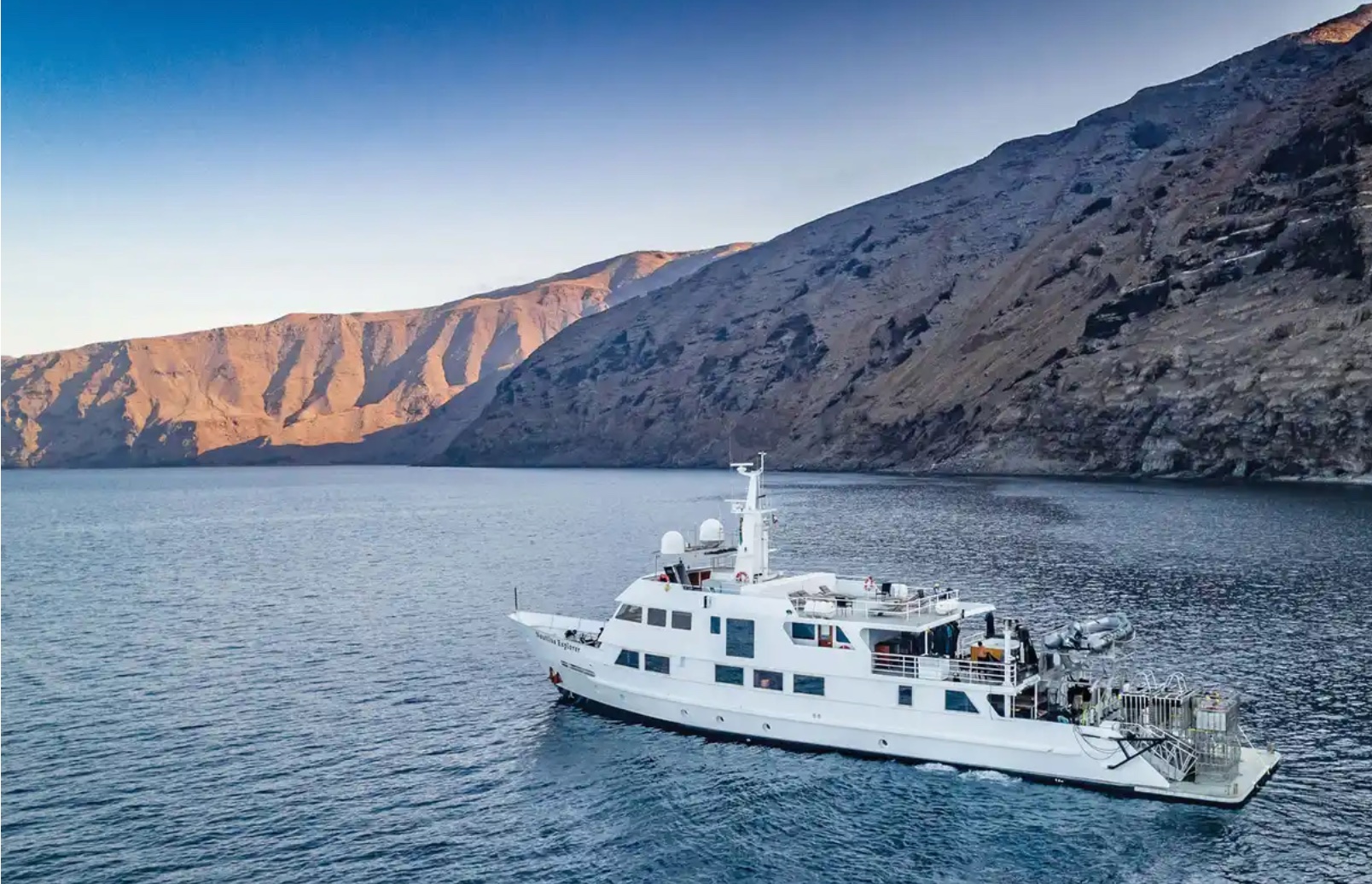
Nautilus Explorer
Mexico
25 guests44.8 m
$230/day
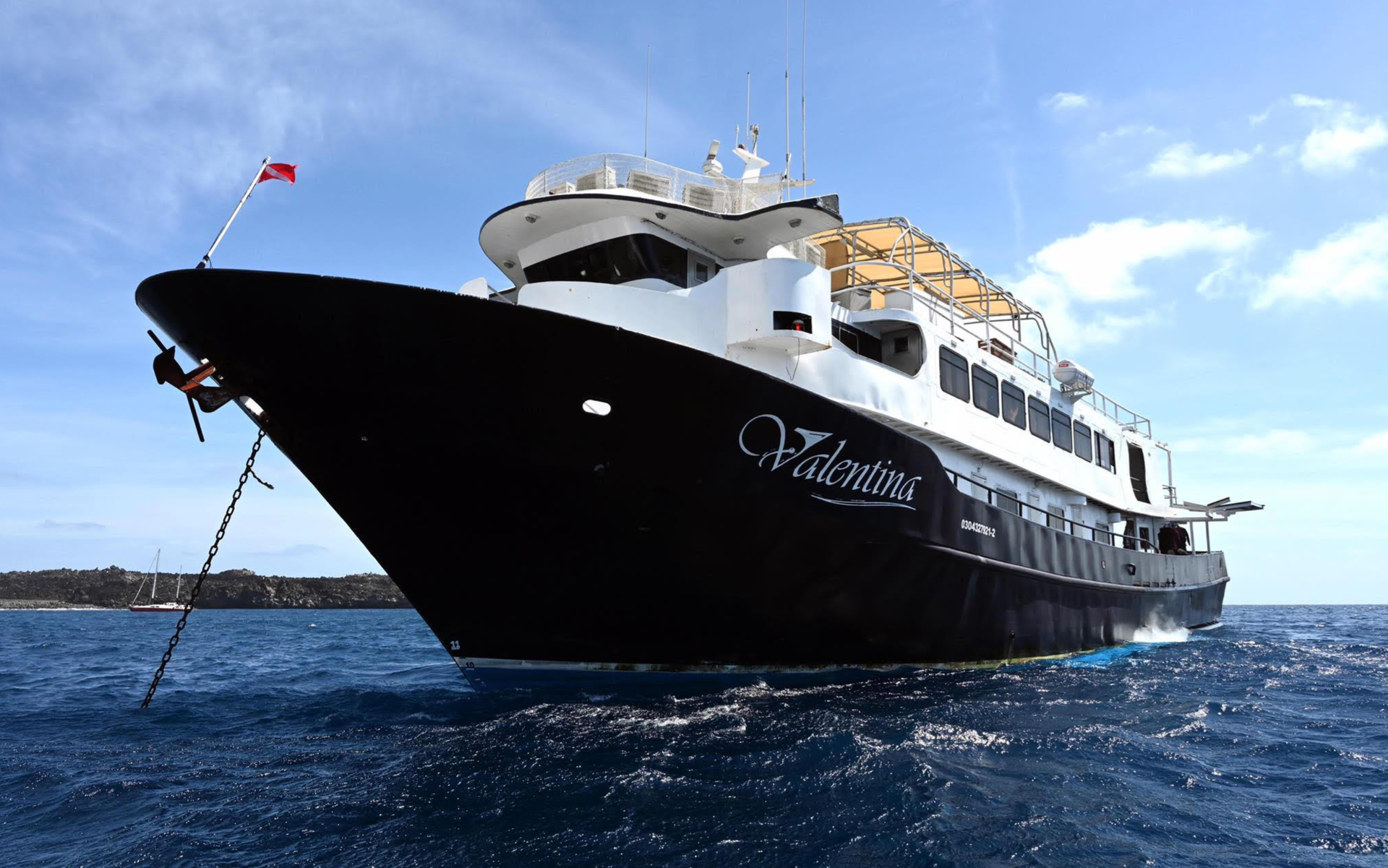
Valentina
Mexico
20 guests38.1 m
$430/day
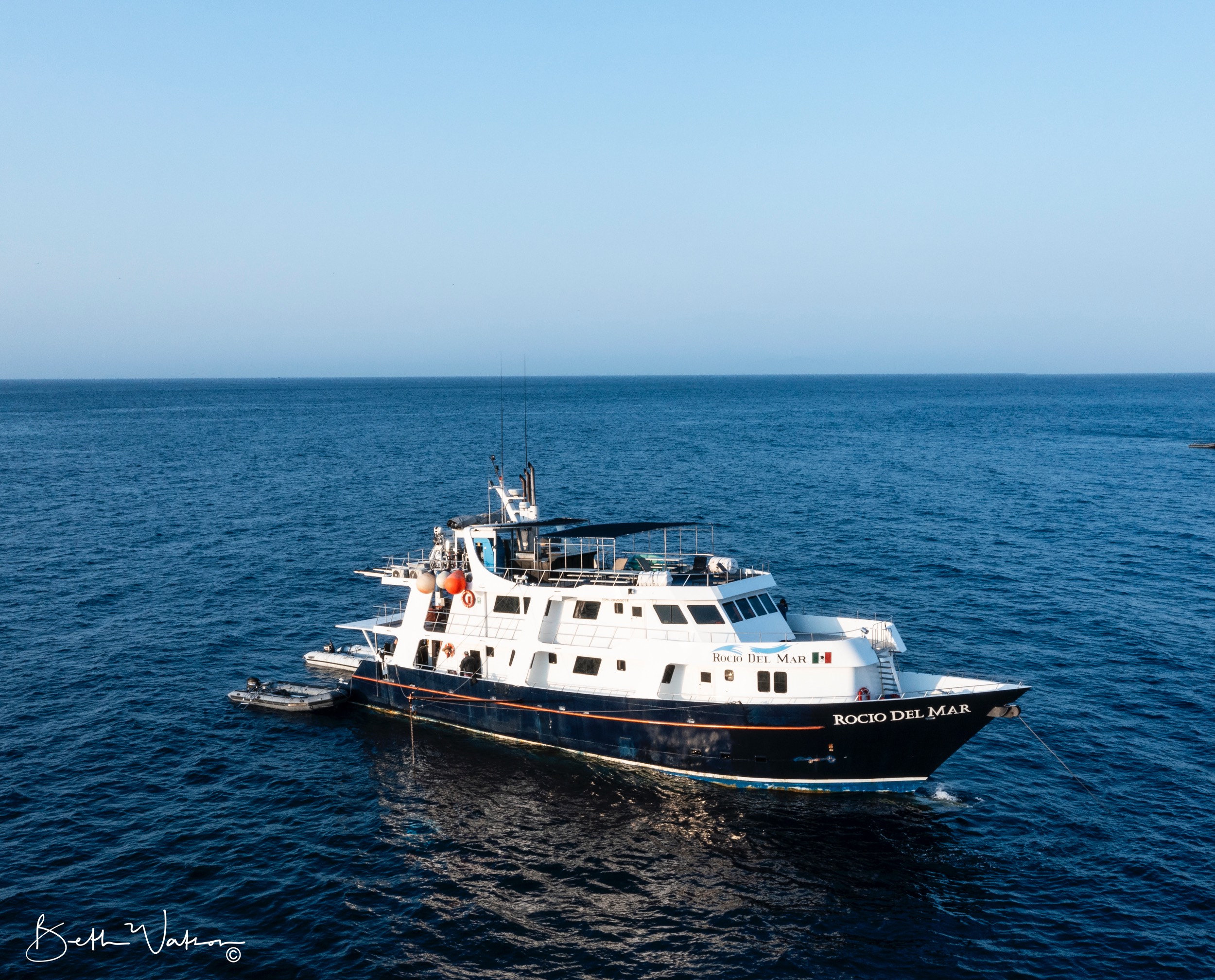
Rocio del Mar
Mexico
20 guests33.5 m
$392/day
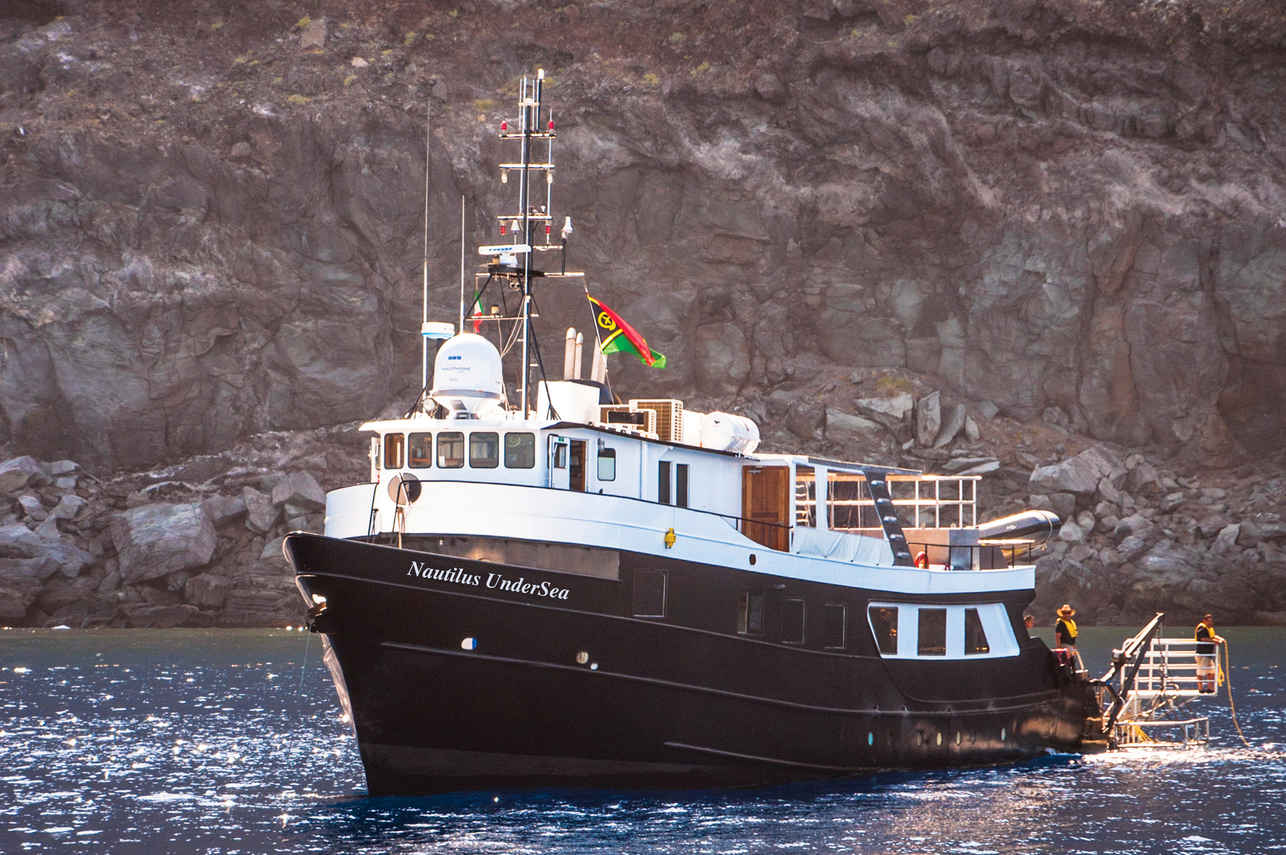
Nautilus Under Sea
Mexico
19 guests32 m
$261/day
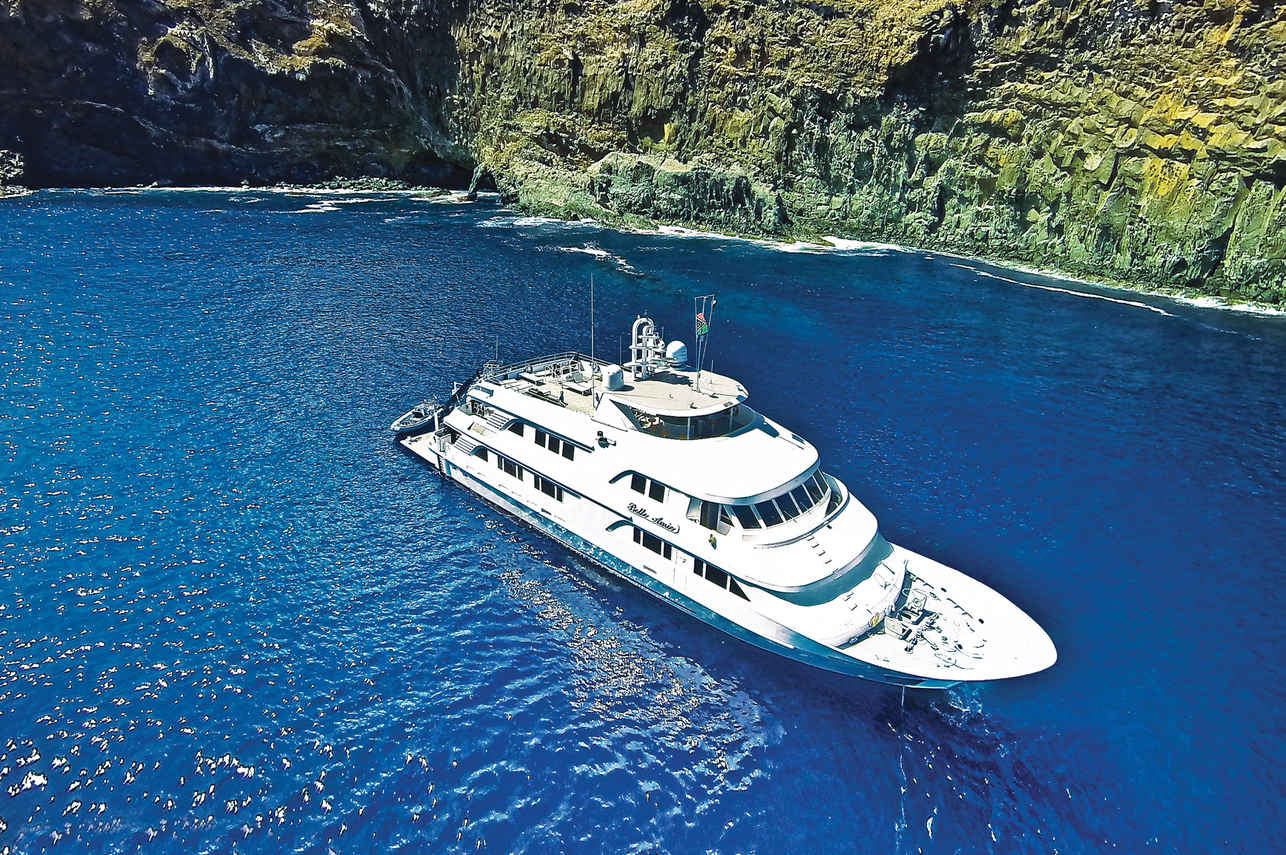
Nautilus Belle Amie
Mexico
32 guests44.8 m
$249/day
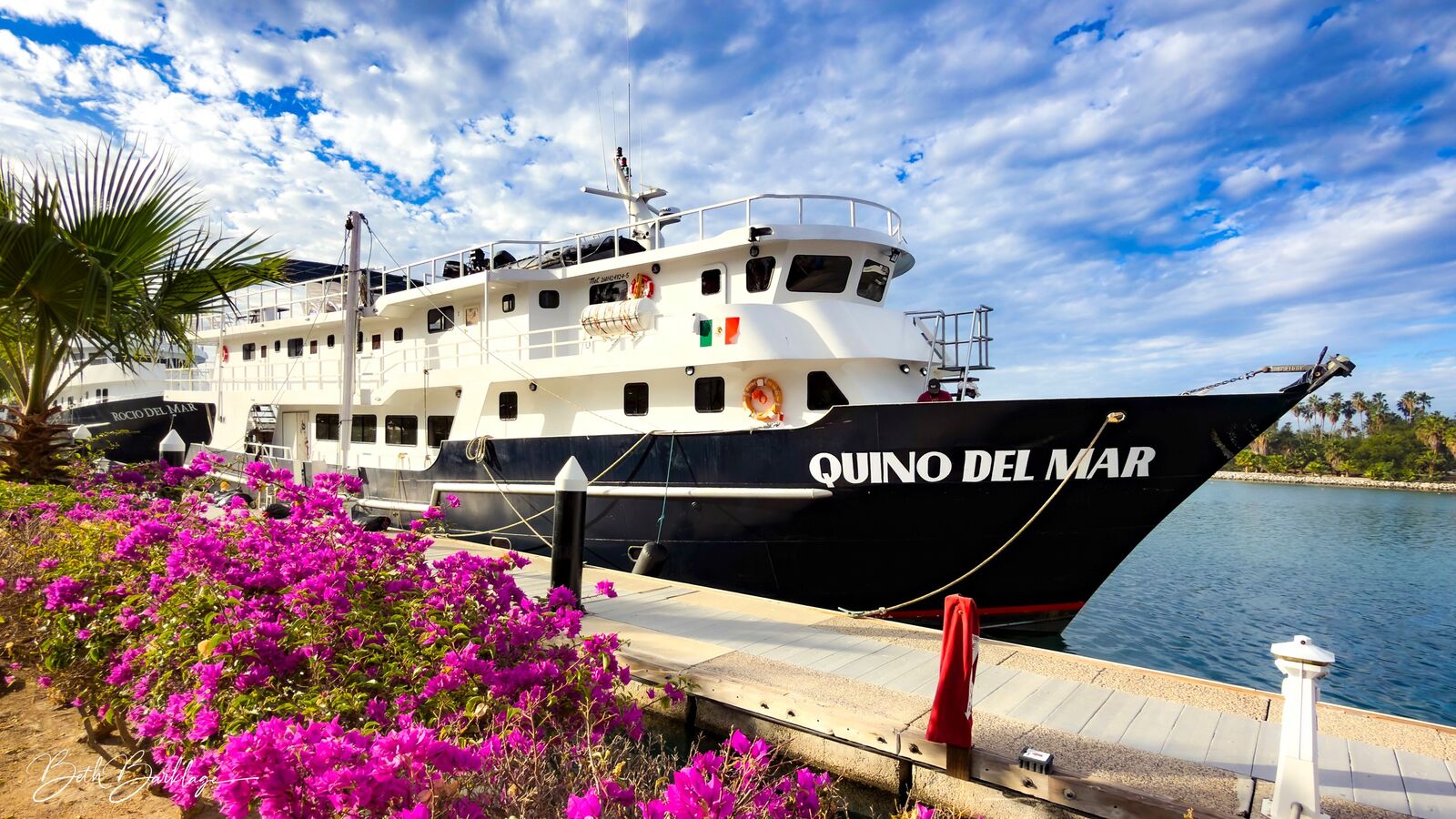
Quino del Mar
Mexico
20 guests36 m
$392/day
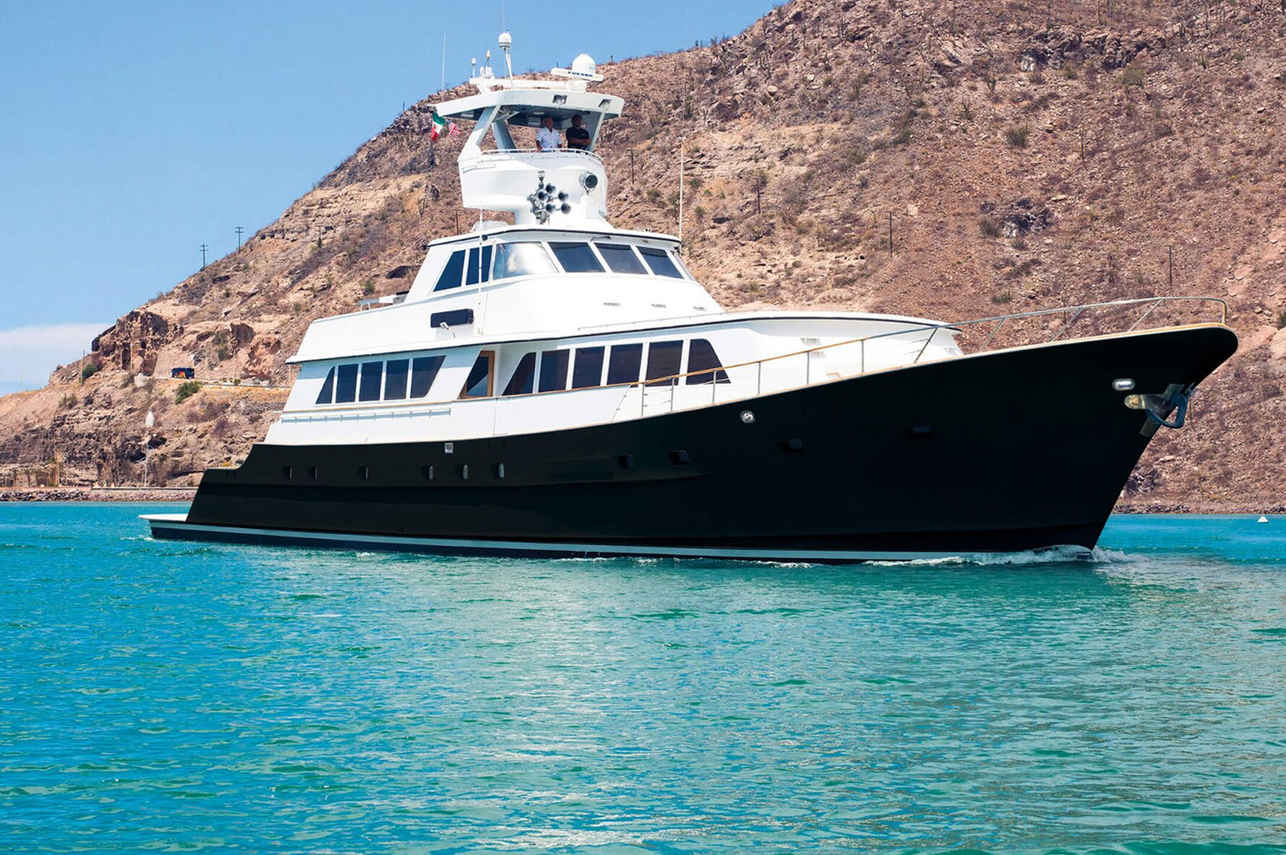
Nautilus Gallant Lady
Mexico
12 guests35.36 m
$332/day
Dive sites similar to Tormentos Reef
Same character, same waters — six more sites divers love for the exact same reasons.Compare seasons, access and liveaboard routes — then pick the site that fits your trip best.
© Esri — Maxar, Earthstar, GIS
Tak Be Luum
Mexico
Cenote Tak Be Luum, located in the Mexican state of Quintana Roo, is an exceptional cavern dive that forms part of the vast Sac Actun underwater cave system, one of the world's largest.
- Suitable for
- Advanced
- Current
- No current
- Access
- Shore / dayboat
- Depth
- 4–9 m
- Theme
- Reef
© Esri — Maxar, Earthstar, GIS
Neptune's Finger
Mexico
Neptune's Finger is a renowned dive site located in Cabo San Lucas, Mexico, at the southern tip of the Baja California Peninsula.
- Suitable for
- Beginner
- Current
- Mild
- Access
- Liveaboard or dayboat
- Depth
- 4–152 m
- Theme
- Reef
© Esri — Maxar, Earthstar, GIS
The C-58 Wreck, also known as the USS Harlequin or ARM DM-20, is a prominent artificial reef located off the coast of Cancún and Isla Mujeres.
- Suitable for
- Advanced
- Current
- Moderate
- Access
- Dayboat
- Depth
- 18–26 m
- Theme
- Wreck / Drift
© Esri — Maxar, Earthstar, GIS
Majahuitas
Mexico
Majahuitas is a pristine and secluded cove located on the southern coast of Banderas Bay, near Puerto Vallarta, Mexico.
- Suitable for
- Beginner
- Current
- Mild
- Access
- Dayboat
- Depth
- 8–14 m
- Theme
- Reef
La Poza is a remarkable dive site located in Xcalak, a serene fishing village situated on Mexico's Caribbean coast, near the Belize border.
- Suitable for
- Advanced
- Current
- Mild
- Access
- Shore / dayboat
- Depth
- 20–25 m
- Theme
- Reef
© Esri — Maxar, Earthstar, GIS
Siete Bocas
Mexico
Cenote Siete Bocas, meaning "Seven Mouths," is a unique cavern dive site nestled along the Ruta de los Cenotes near Puerto Morelos in Mexico's Riviera Maya.
- Suitable for
- Intermediate
- Current
- No current
- Access
- Shore / dayboat
- Depth
- ≤ 30 m
- Theme
- Reef