About USAT Liberty Wreck
The USAT Liberty, a 120-meter American cargo ship, is arguably Bali's most famous dive site, offering an unparalleled underwater experience from beginner to experienced divers. Originally torpedoed by a Japanese submarine in 1942, the ship was beached at Tulamben. Its final resting place, on a black volcanic sand slope parallel to the shore, was determined by the 1963 eruption of Mount Agung, which pushed it into deeper water and broke it into its current configuration. This unique history makes the Liberty the only shipwreck in the world sunk by both a torpedo and a volcano. Now an artificial reef, the wreck is completely encrusted with hard and soft corals, gorgonian sea fans, sponges, and anemones, making the metal structure almost unrecognizable. It lies on its starboard side, extending from a shallow 5 meters at the stern to 30 meters at the bow, offering a diverse range of depths suitable for various certification levels. The broken midsection provides numerous swim-throughs, creating a dynamic environment. The wreck is teeming with an astonishing variety of Indo-Pacific marine life. Expect to encounter massive schools of bigeye trevally, resident giant barracuda, and majestic Napoleon wrasse, alongside a vibrant array of reef fish such as sweetlips, butterflyfish, and angelfish. Macro enthusiasts will delight in finding frogfish, ornate ghost pipefish, and numerous nudibranch species hidden among the corals. Accessibility is a key feature; the wreck is an easy shore dive, just 30-40 meters from the beach at Tulamben. Divers gear up on the pebble beach, often with assistance from local porters, and enter the water directly. Its proximity to shore and minimal currents most of the time make it an ideal location for multiple dives in a single day, and even night dives, providing different perspectives of its rich ecosystem.
Highlights
Torpedoed and volcano-sunk wreckShore entry accessibilityDense marine life colonizationShallow to deep dive profileMassive schooling bigeye trevallyIntact gun and engine room sectionsCoral-encrusted swim-throughsBlack volcanic sand contrast
Season calendar
Best months to dive here
Jan
Feb
Mar
Apr
May
Jun
Jul
Aug
Sep
Oct
Nov
Dec
Excellent
Good
Dive site facts: USAT Liberty Wreck
- Depth
- 5–30 m
- Typical dive
- 12–25 m, 50–60 min
- Current
- Mild to occasional moderate
- Visibility
- 10–25 m
- Water temperature
- 27–30°C
- Entry
- Shore entry (pebble beach)
- Level
- Open Water Diver to Advanced
- Dive type
- Wreck, reef, macro
- Night dive
- Possible
- Region / port
- Tulamben, Bali, Indonesia
- Coordinates
- -8.2789, 115.5934
Conditions & Currents
Currents at the USAT Liberty Wreck are typically mild, making it an accessible dive for a wide range of skill levels. However, occasional moderate currents can occur, particularly along certain sections of the wreck. The site is a shore dive from a pebble beach, which can be challenging for entry and exit, especially with heavy gear; local centers often provide porters and advise walking in arm-in-arm for stability. Visibility is generally good, ranging from 10 to 25 meters, but can fluctuate with weather and tidal conditions. Water temperatures are consistently warm, between 27-30°C, meaning thermoclines are not usually an issue. Divers should maintain excellent buoyancy control to avoid damaging the fragile coral growth and stirring up silt from the black volcanic sand, which can reduce visibility for subsequent divers and those in confined spaces.
Marine life & sighting chances
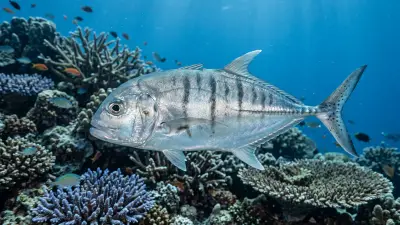
Bigeye Trevally
common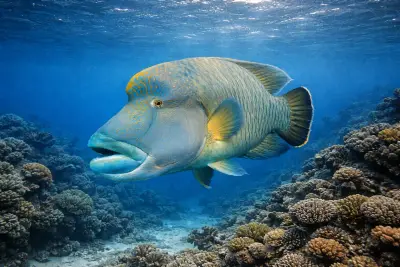
Napoleon Wrasse
occasional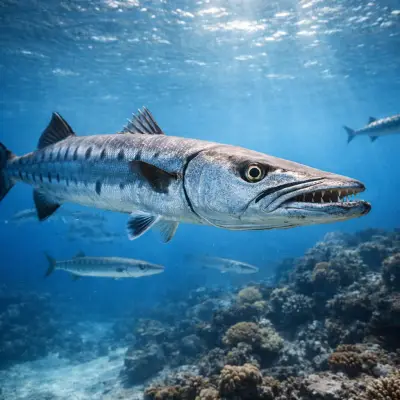
Giant Barracuda
occasional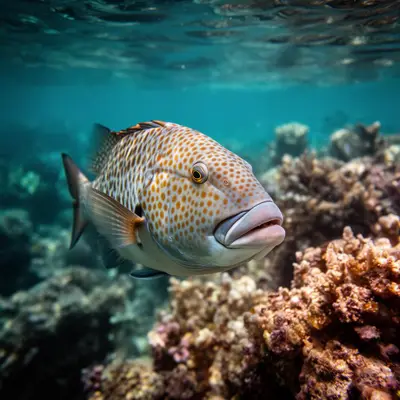
Sweetlips
common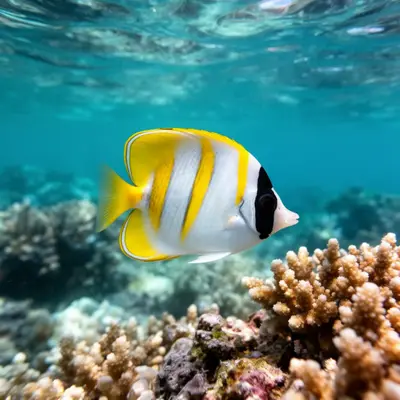
Butterflyfish
common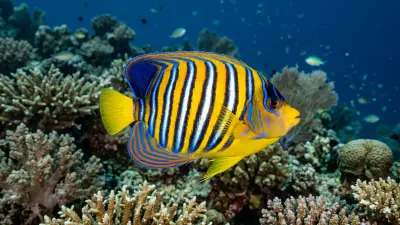
Angelfish
common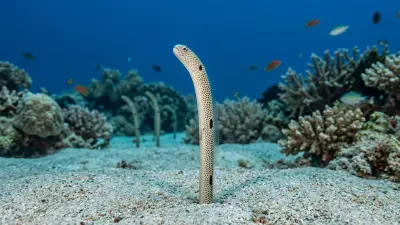
Garden Eels
common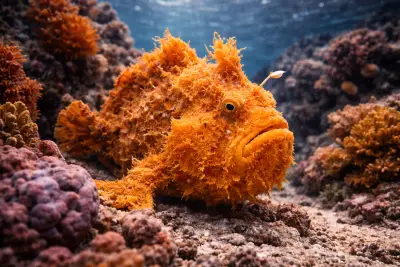
Frogfish
occasional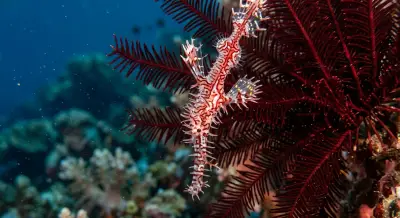
Ornate Ghost Pipefish
occasional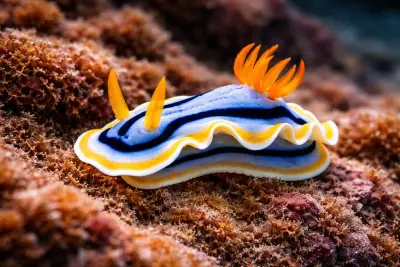
Nudibranchs
common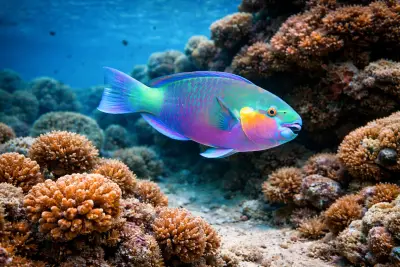
Parrotfish (Bumphead)
occasional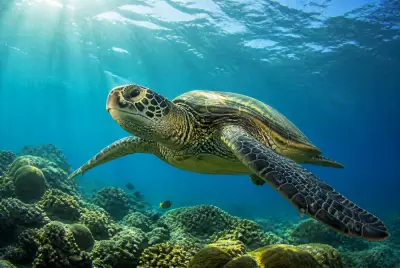
Sea Turtles
occasional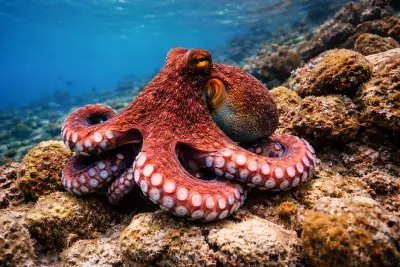
Octopus
occasionalDive profile & how the dive runs
A typical dive on the USAT Liberty Wreck begins with a shore entry from the pebble beach at Tulamben. Divers often start at the stern, which is the shallowest part of the wreck at 5-9 meters, offering immediate views of the rudder area and abundant coral growth. From there, you proceed along the starboard side of the wreck, moving towards the deeper bow section. The midsection, between 12-22 meters, features the broken hull, providing intriguing swim-throughs and glimpses into the original structure. Deeper sections down to 30 meters allow exploration of fallen superstructure, a still-present stern gun, winch with steel cables, and parts of the engine room with visible boilers and gears. Divers commonly navigate past portholes and explore debris scattered on the sandy bottom. The wreck's length of 120 meters allows for extensive exploration, often necessitating multiple dives to see different areas. Safety stops are typically conducted in the shallower stern section, where dense coral growth and abundant reef fish provide an enjoyable final few minutes underwater.
Underwater photography
The USAT Liberty is a renowned destination for underwater photographers, offering both wide-angle and macro opportunities. For wide-angle shots, a fisheye or wide-angle lens is ideal to capture the sheer scale of the 120-meter wreck, its dramatic broken sections, and the impressive schools of bigeye trevally. The black volcanic sand of Tulamben Bay provides a unique, high-contrast background that makes colors pop, enhancing both wide-angle and macro subjects. Sunlight filtering through the wreck's openings creates striking light and shadow effects, perfect for atmospheric images. Macro photographers will find a treasure trove of subjects, including frogfish, ornate ghost pipefish, and countless nudibranch species hidden among the coral encrustations; a macro lens and snooted strobes can isolate these smaller creatures beautifully. Buoyancy control is paramount to avoid disturbing delicate corals and stirring up the silty bottom, which can quickly reduce visibility for photos. Early morning dives often provide the calmest conditions, best light, and fewer divers, ideal for capturing unobstructed shots.
Combine with nearby dive sites
- Coral Garden Tulamben
Coral Garden in Tulamben, Bali, is an easily accessible shore dive situated between the famous USAT Liberty Wreck and the dramatic Drop Off.
- Japanese Wreck Amed
The Japanese Wreck in Amed, Bali, is an easily accessible and highly rewarding dive site, perfect for divers of all experience levels.
- Manta Point Nusa Penida
Manta Point, located on the southwest coast of Nusa Penida near Bali, stands out as a premier global destination for encountering majestic…
- Manta Alley
Manta Alley is an iconic dive site located at the far south end of Komodo Island, recognized for its dramatic landscape both above and…
- SD Point
SD Point is a renowned dive site located on the northern coast of Nusa Penida, Indonesia, celebrated for its spectacular drift dives and…
Getting there & logistics
Access to the USAT Liberty Wreck is typically via Ngurah Rai International Airport (DPS) in Denpasar, Bali. From the airport, Tulamben, on Bali's northeast coast, is approximately a 2.5-3 hour drive. Many dive operators and resorts in Tulamben are situated within walking distance of the wreck, facilitating easy shore entries. Day trips from other parts of Bali, such as Ubud or Sanur, are common, but staying in Tulamben itself allows for multiple dives and varied timings, including early morning and night dives. There are no specific park fees for diving the Liberty, but dive packages or individual dives are arranged through local dive centers. Trips are usually focused on Tulamben for several days, often combined with other nearby sites like the Coral Garden or the Japanese Wreck in Amed. Many local resorts, such as Liberty Dive Resort, offer direct beach access and porter services for dive gear.
Safety & environment
While the USAT Liberty is highly accessible, divers should be mindful of certain safety aspects. The shore entry involves walking over large, slippery volcanic rocks, so hard-soled booties and open-heel fins are recommended, and local porters often assist with gear transport. Maintaining excellent buoyancy is crucial to prevent injury from the wreck's metal edges, protect fragile coral growth, and avoid stirring up silt. For any diving emergencies, the nearest recompression chamber is in Denpasar, which is a significant drive from Tulamben. Therefore, robust dive insurance covering evacuation and hyperbaric treatment is highly advisable for all divers. Always dive with a reputable guide, adhere to depth limits for your certification, and respect the integrity of the wreck by not touching or removing anything.
Who it suits — and who it doesn't
Suited for
- Beginner Open Water Divers
- Experienced wreck divers
- Underwater photographers
- Macro enthusiasts
- Snorkelers
- Freedivers
Less suited for
- Divers uncomfortable with shore entries
- Those who prefer strong currents
- Divers seeking large pelagics only
- Individuals with poor buoyancy control
- Divers unwilling to support local porter economy
FAQ
USAT Liberty Wreck FAQ
What makes the USAT Liberty Wreck unique?
The USAT Liberty is unique because it's the only shipwreck in the world to be sunk by both a torpedo and a volcano. It was torpedoed by a Japanese submarine in 1942 and then pushed into its current underwater position by the 1963 eruption of Mount Agung. This dual history adds a fascinating layer to its appeal as a dive site.
Is the USAT Liberty Wreck suitable for beginner divers?
Yes, the USAT Liberty Wreck is highly suitable for beginner Open Water divers. Its shallowest sections start at just 5 meters, and much of the wreck is accessible within typical recreational limits. Local dive centers offer guided dives that cater to all experience levels, ensuring a safe and enjoyable exploration for beginners.
Can I snorkel or freedive the USAT Liberty Wreck?
Absolutely! The stern of the USAT Liberty Wreck is incredibly shallow, starting at around 5 meters, making it perfect for both snorkelers and freedivers. From the surface, you can clearly see significant parts of the wreck and its abundant marine life. It's a fantastic site to enjoy without needing scuba gear.
What kind of marine life can I expect to see at the wreck?
The wreck is a vibrant artificial reef teeming with diverse marine life. You can expect to see large schools of bigeye trevally, resident giant barracuda, and Napoleon wrasse. The corals host colorful reef fish like sweetlips, butterflyfish, and angelfish, while macro enthusiasts will find frogfish, ghost pipefish, and numerous nudibranchs.
How do I get to the USAT Liberty Wreck, and what are the entry conditions?
The wreck is located off the village of Tulamben on Bali's northeast coast, about 2.5-3 hours from Denpasar Airport. It's an easy shore dive from a pebble beach, just 30-40 meters offshore. While the entry over volcanic rocks can be a bit challenging, local porters are available to help carry gear, making access convenient for all divers.
Why dive USAT Liberty Wreck from a liveaboard?
USAT Liberty Wreck is one of Indonesia's signature dive sites. A liveaboard sleeps you on the water and puts you in the water for three to four guided dives per day, including dawn and night dives that day-boat operators rarely offer. You skip the daily commute back to port and reach quieter, less-crowded sites in the same region on a single trip.
Below are the liveaboards that include USAT Liberty Wreck on their Indonesia itineraries.
Liveaboards diving USAT Liberty Wreck
These liveaboards may visit USAT Liberty Wreck on selected itineraries — the exact dive sites depend on departure, weather and conditions.
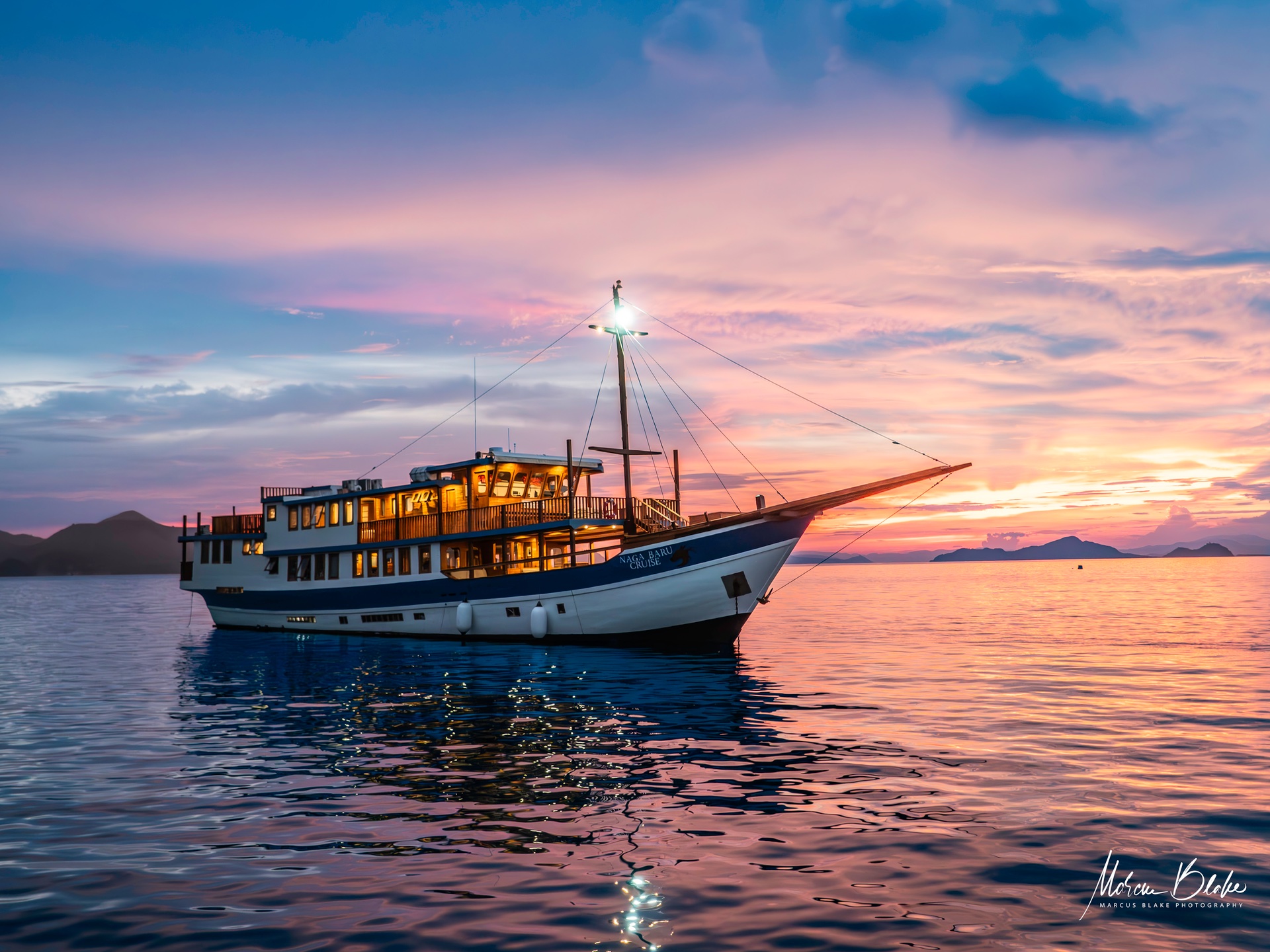
Naga Biru
Indonesia
12 guests40 m
$274/day
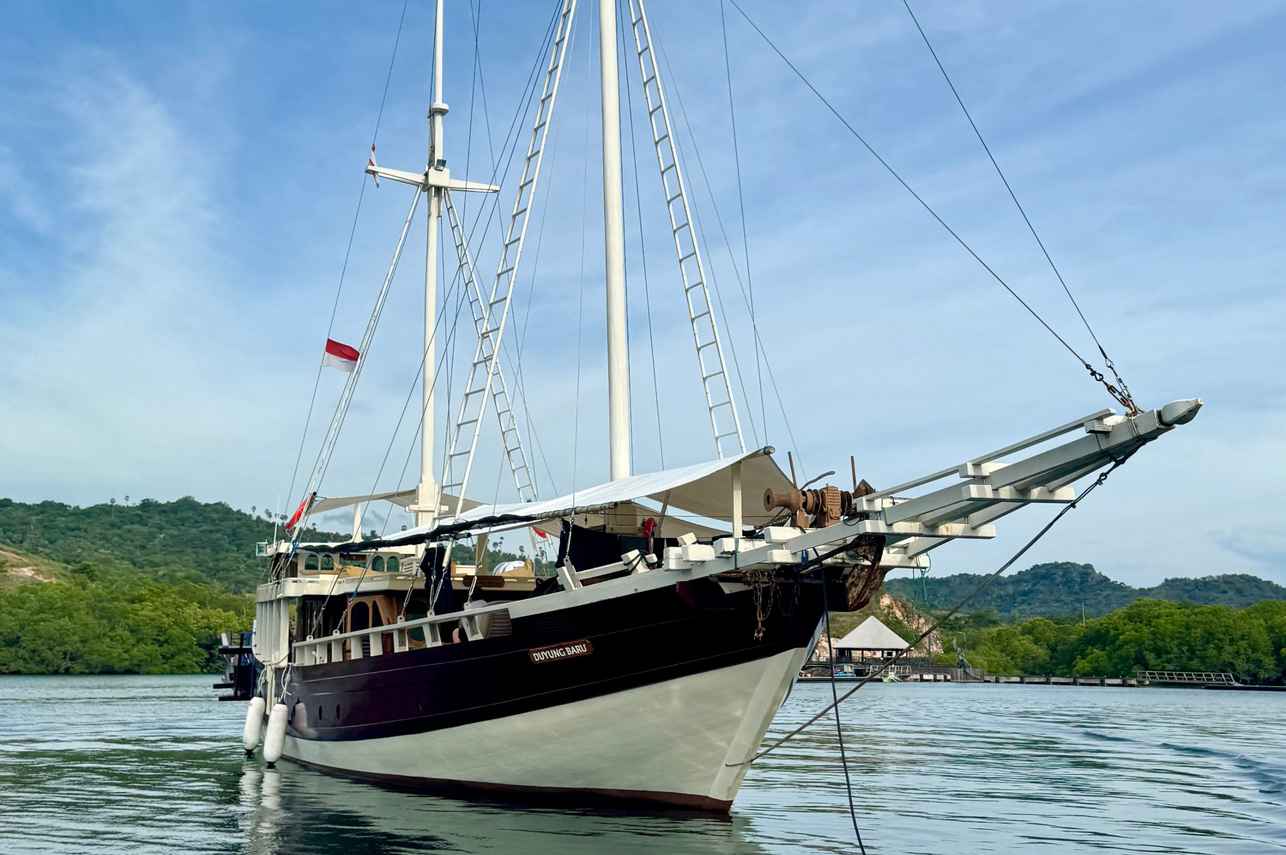
Ecopro Duyung Baru
Indonesia
6 guests27 m
$361/day
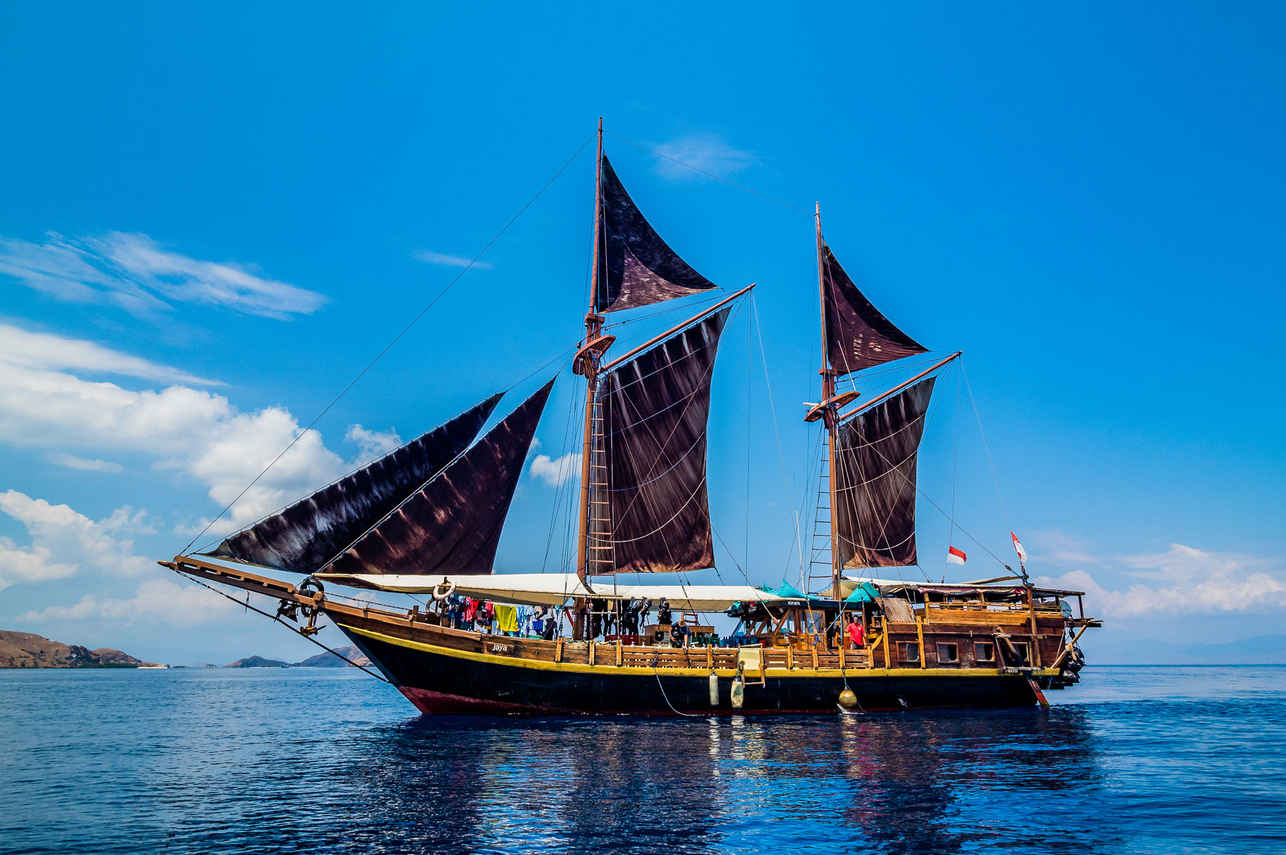
Jaya
Indonesia
14 guests23 m
$280/day
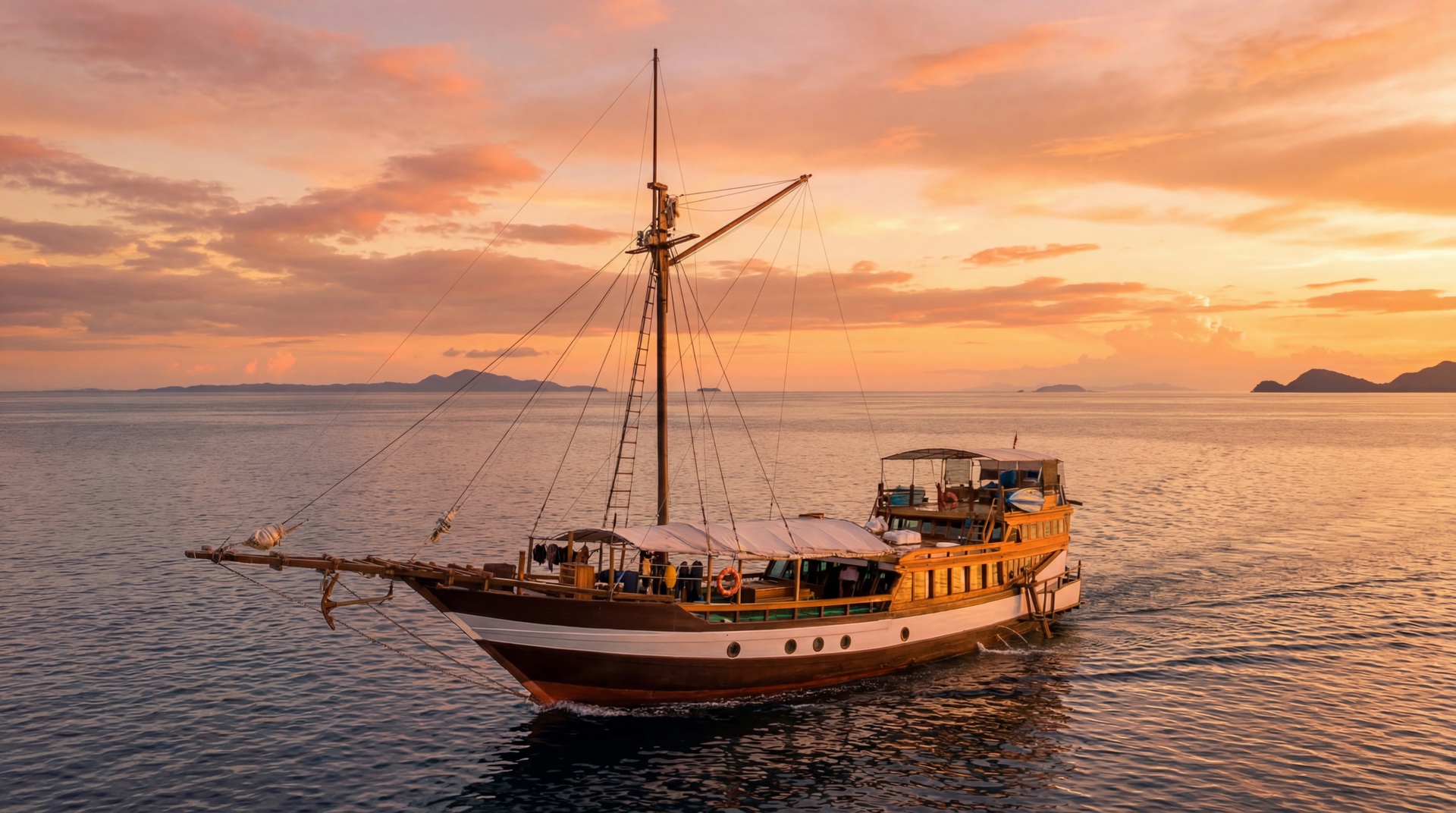
Wellenreng
Indonesia
9 guests25 m
$427/day
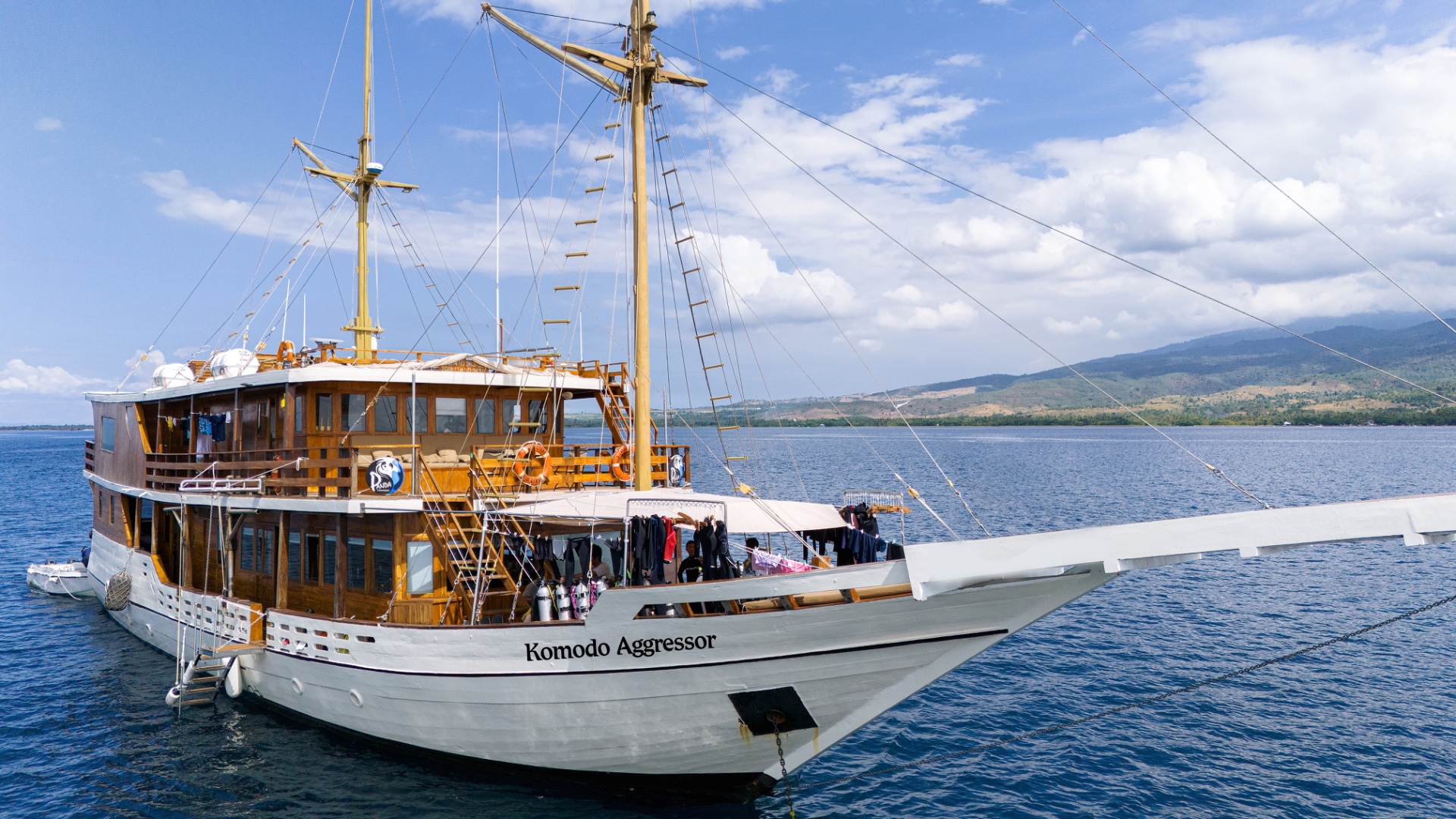
Komodo Aggressor
Komodo, Indonesia
16 guests29 m
$312/day
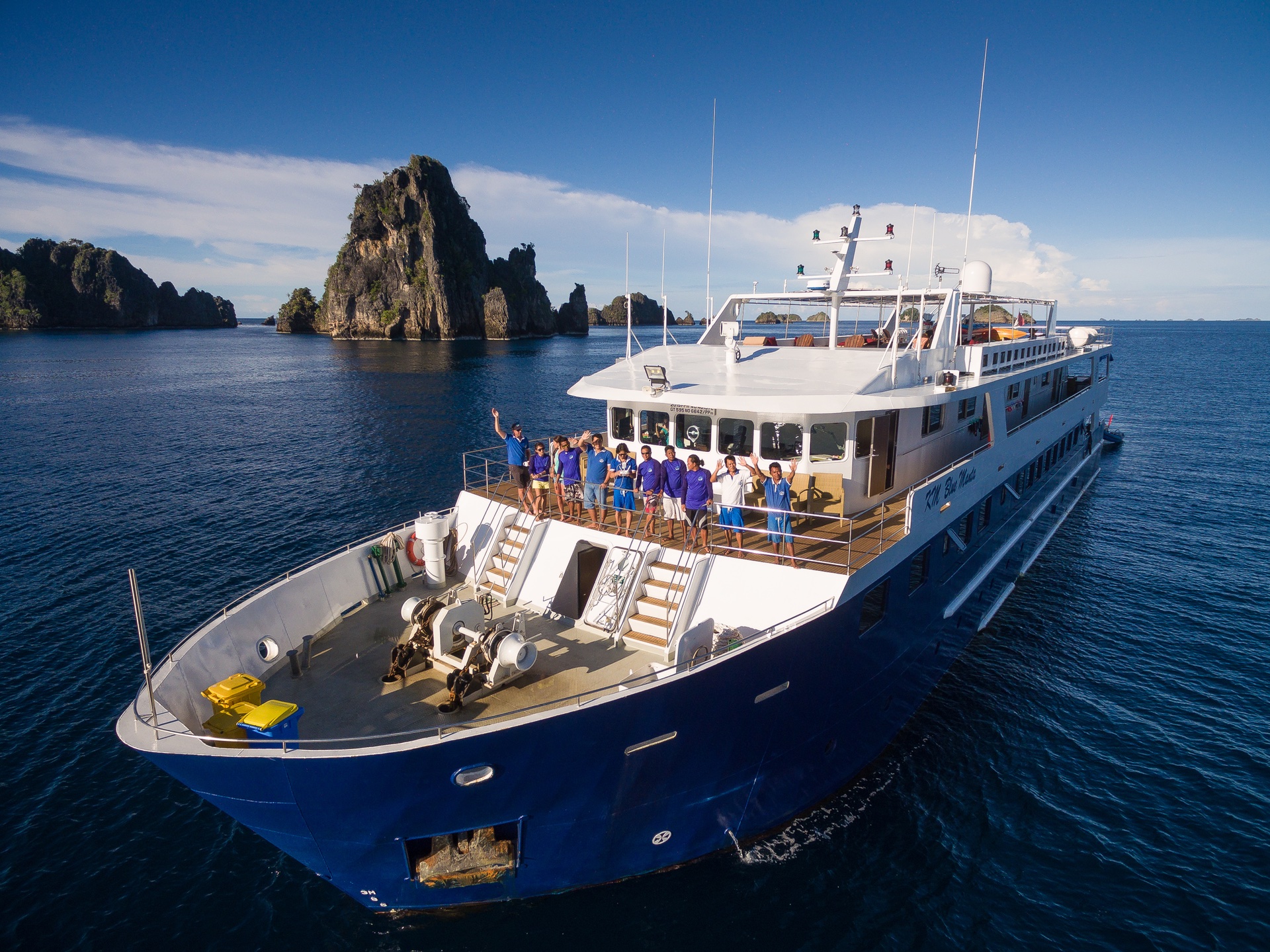
Blue Manta
Indonesia
20 guests45 m
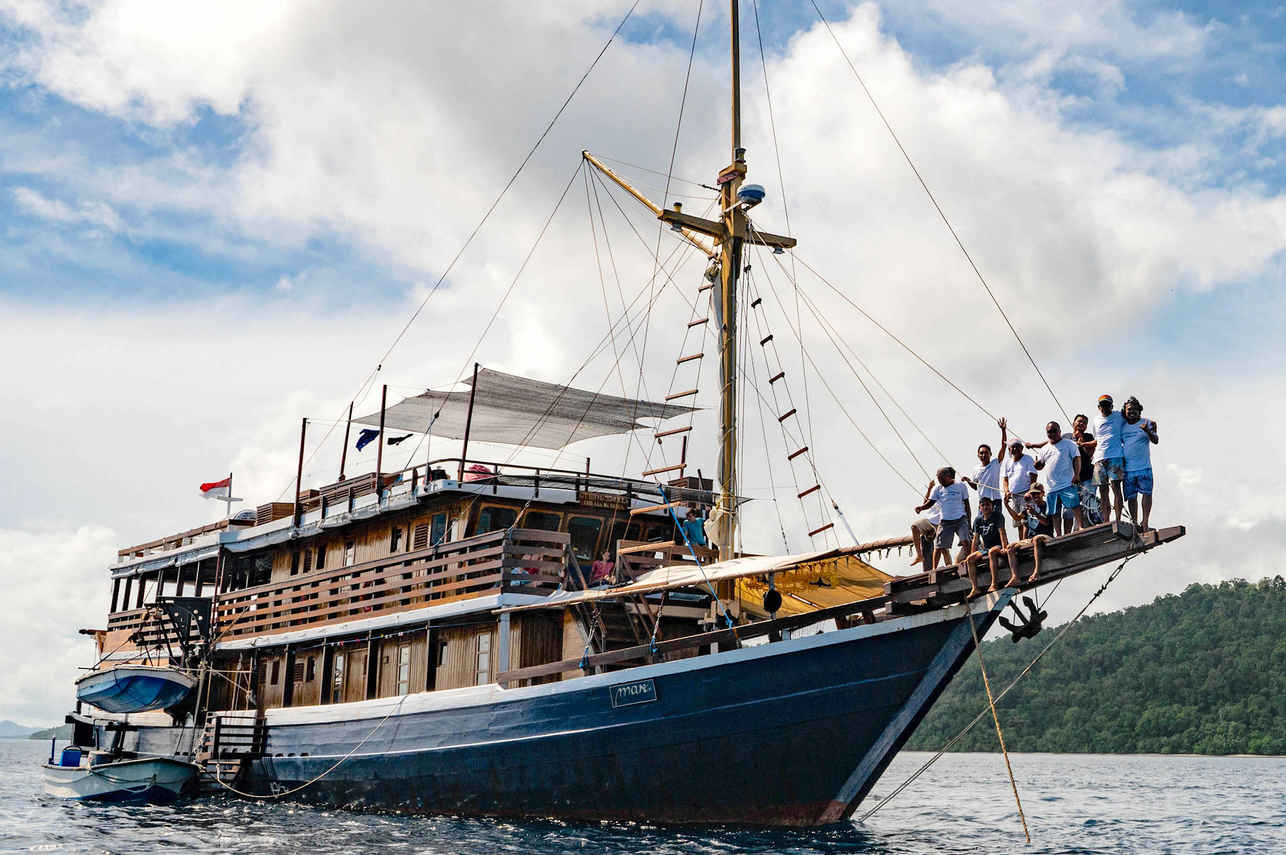
Mari
Indonesia
14 guests32.2 m
$328/day
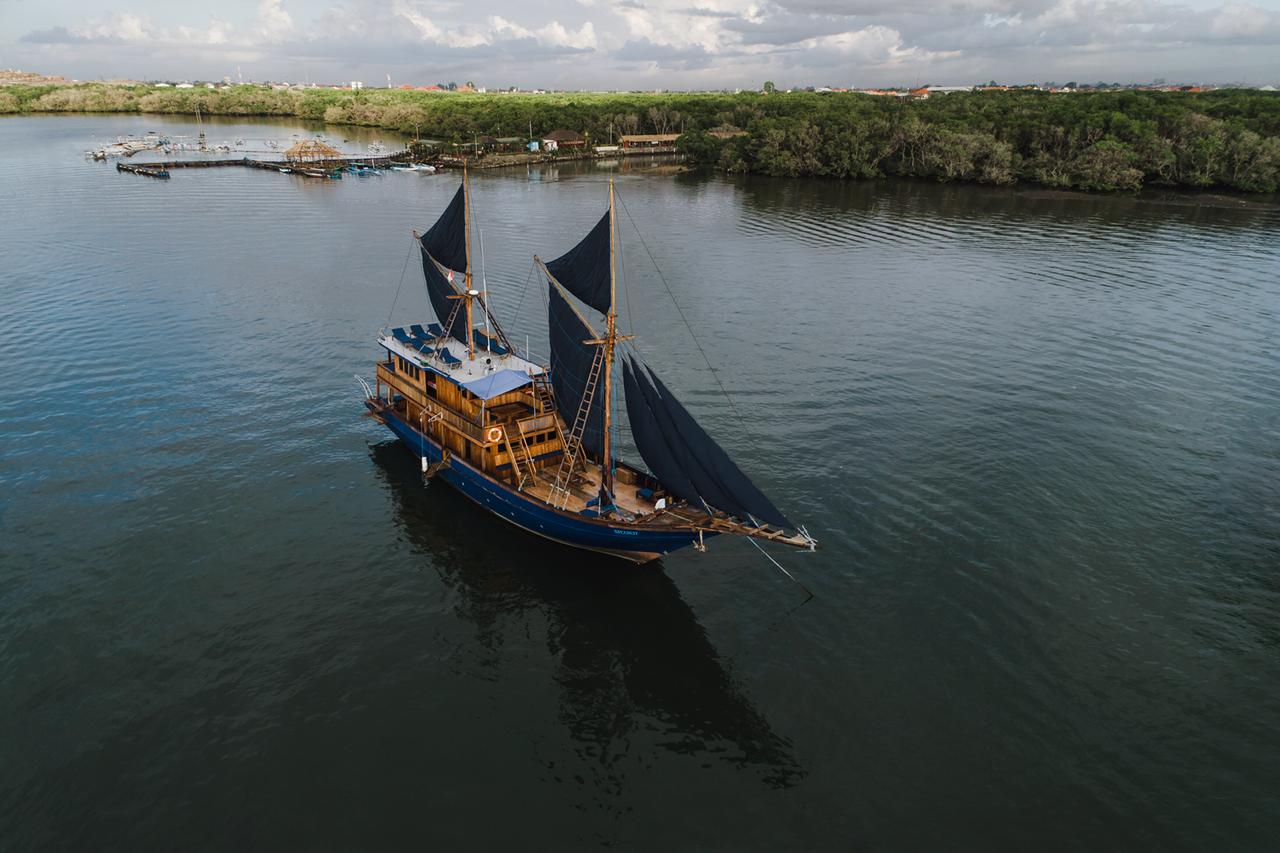
Situju7
Komodo, Indonesia
10 guests32.7 m
$362/day
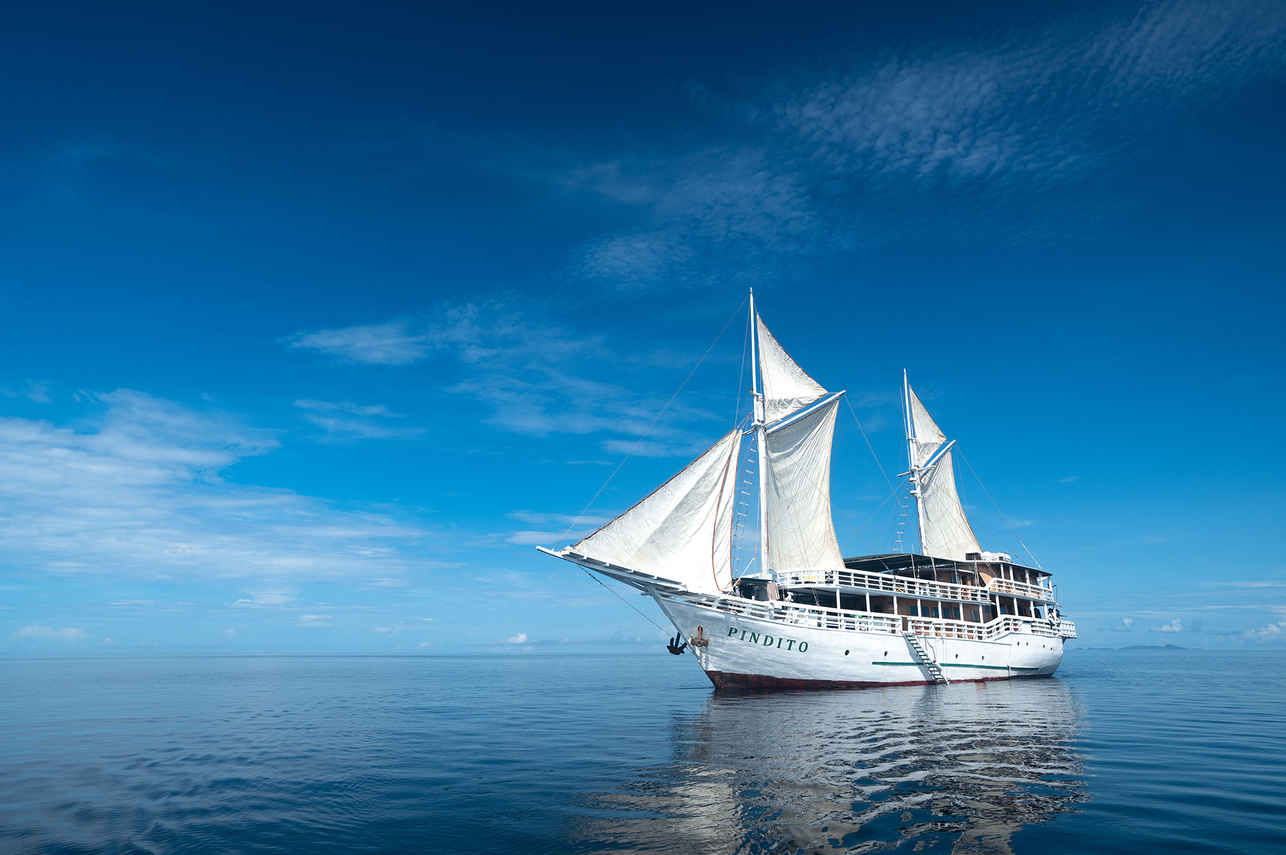
Pindito
Indonesia
16 guests37.79 m
$533/day
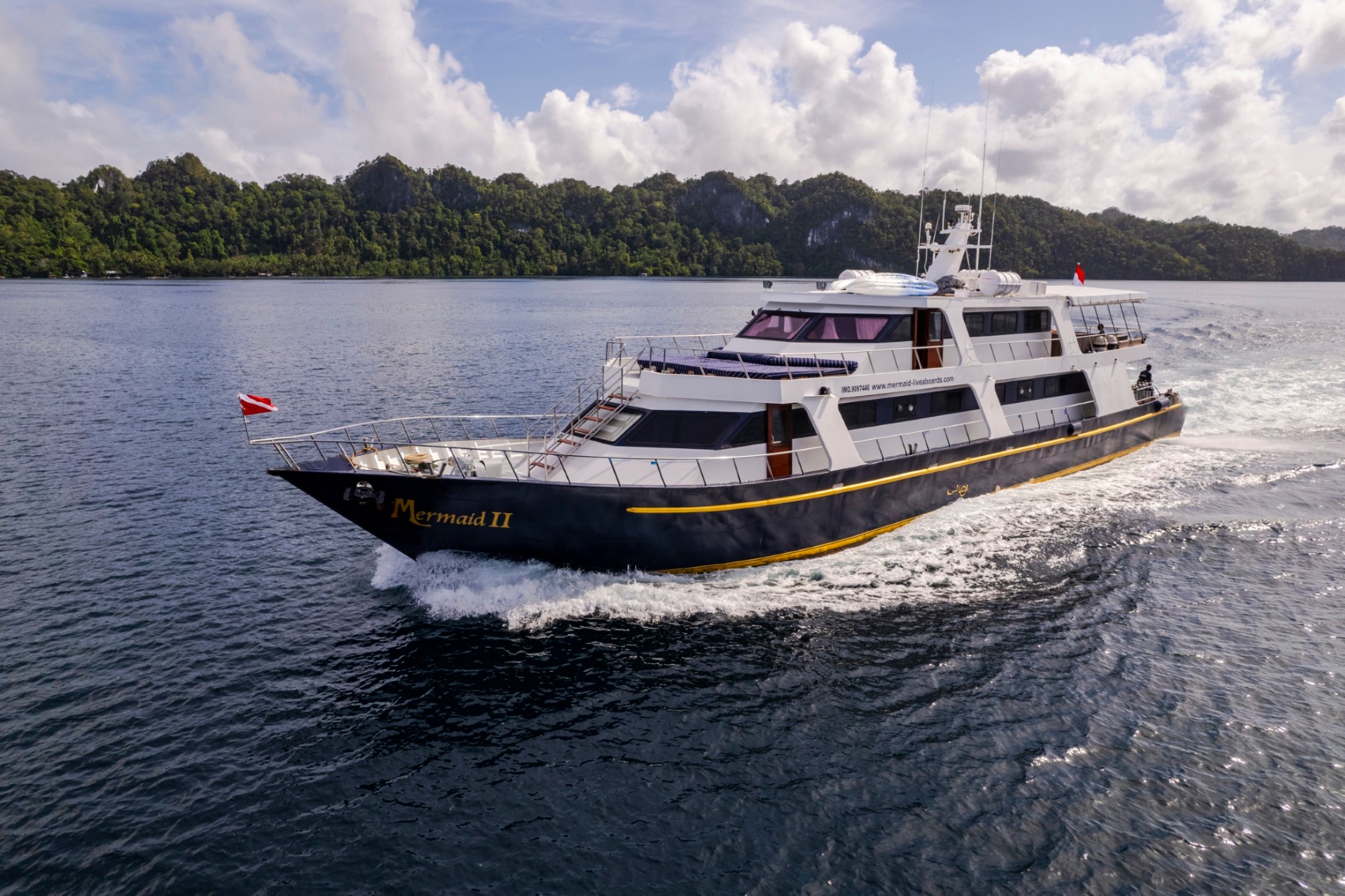
Mermaid II
Komodo, Indonesia
18 guests
$355/day
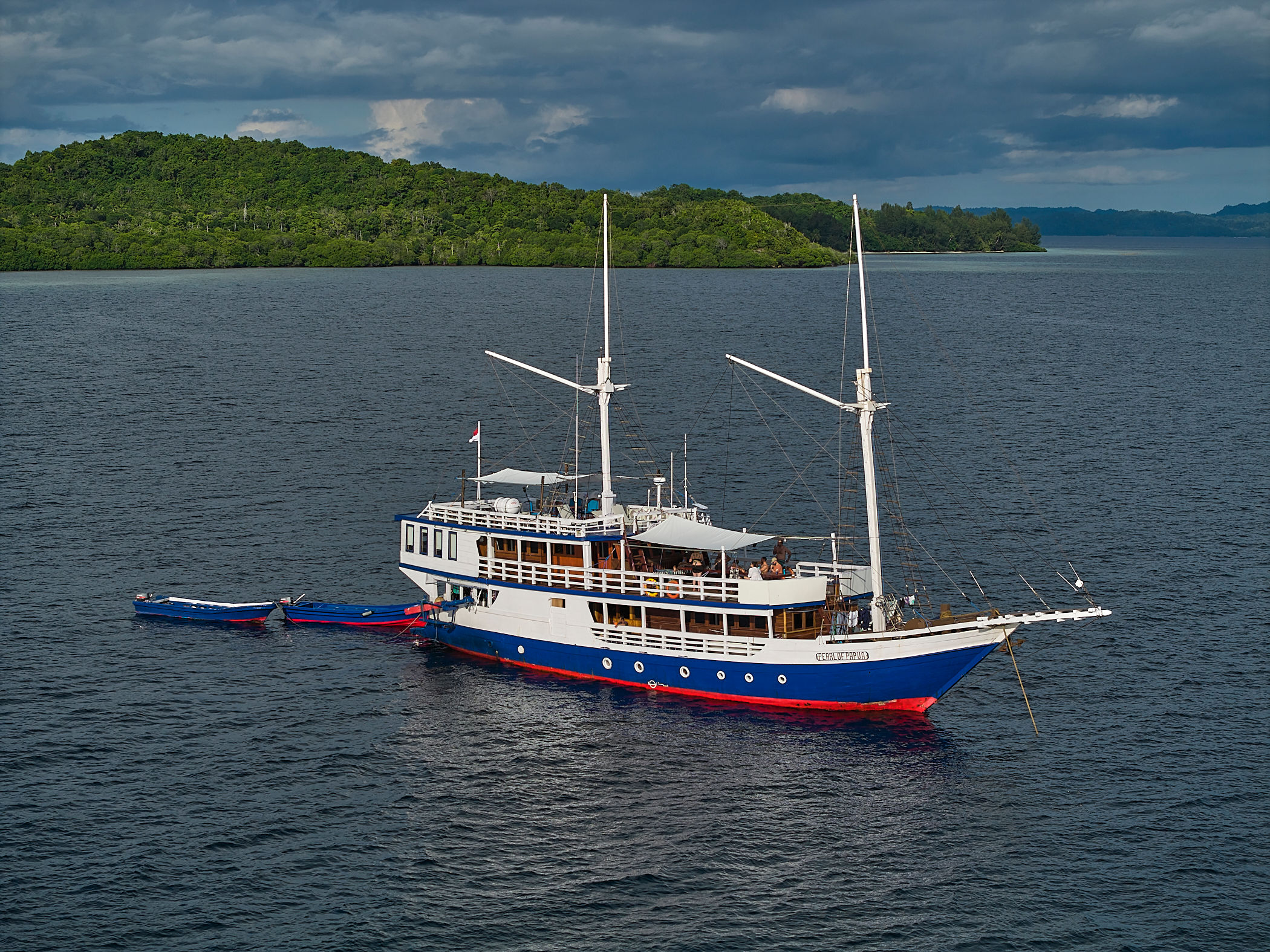
Pearl of Papua
Raja Ampat, Indonesia
14 guests30 m
$303/day
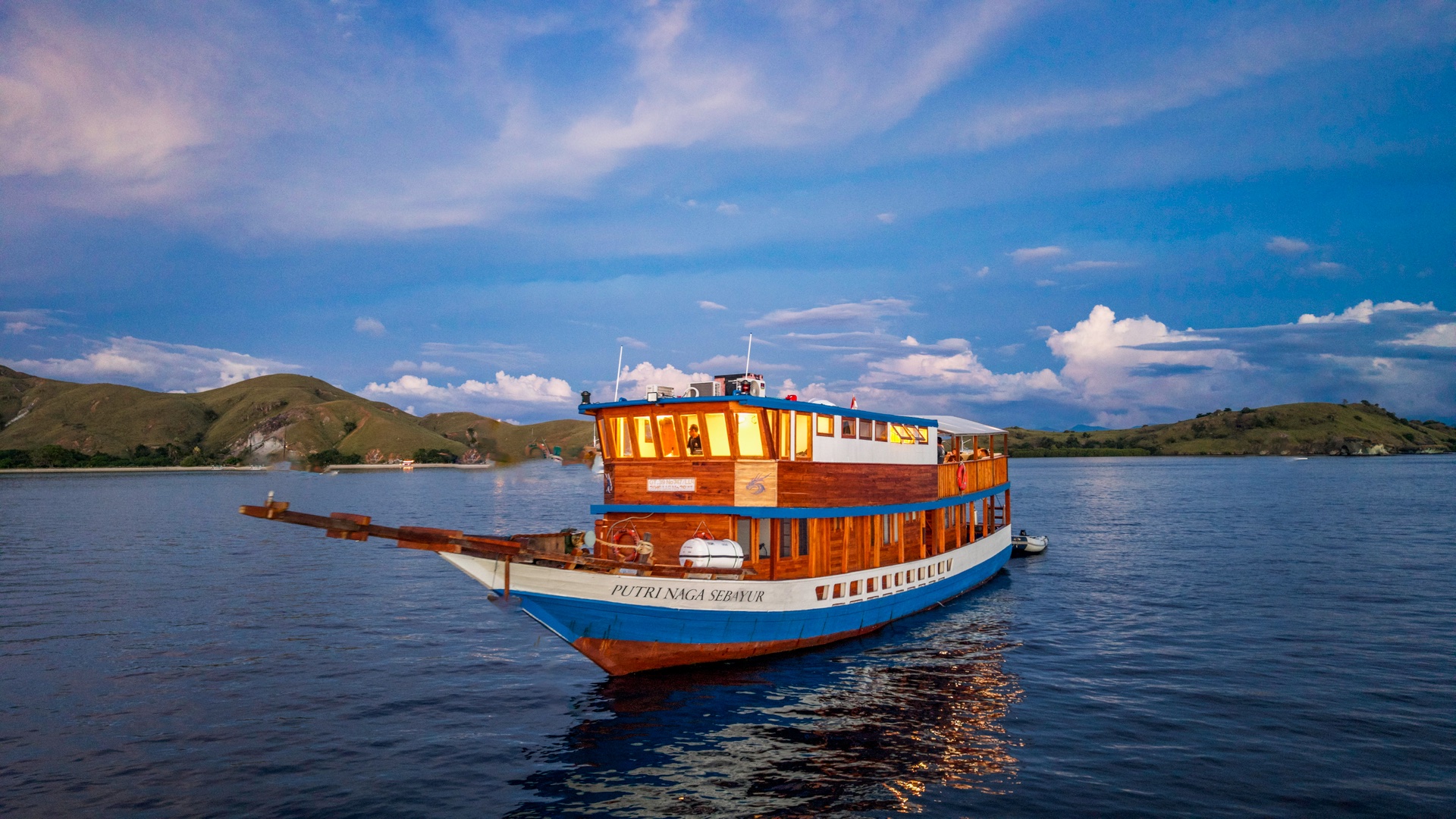
Putri Naga
Komodo, Indonesia
6 guests25 m
$223/day
Dive sites similar to USAT Liberty Wreck
Same character, same waters — six more sites divers love for the exact same reasons.Compare seasons, access and liveaboard routes — then pick the site that fits your trip best.
© Esri — Maxar, Earthstar, GIS
Mawali Wreck
Indonesia
The Mawali Wreck, a Japanese cargo ship, rests on its side in the Lembeh Strait, off the northern coast of Sulawesi.
- Suitable for
- Advanced
- Current
- Mild
- Access
- Liveaboard only
- Depth
- 25–40 m
- Theme
- Wreck / Reef
© Esri — Maxar, Earthstar, GIS
Japanese Wreck Amed
Indonesia
The Japanese Wreck in Amed, Bali, is an easily accessible and highly rewarding dive site, perfect for divers of all experience levels.
- Suitable for
- Beginner
- Current
- Mild
- Access
- Shore / dayboat
- Depth
- 5–15 m
- Theme
- Wreck
© Esri — Maxar, Earthstar, GIS
Half Moon Bay
Indonesia
Half Moon Bay offers a distinctive freshwater diving experience within Lake Havasu, situated on the California side, directly opposite Site 6. The primary entry point for divers…
- Suitable for
- Beginner
- Current
- Strong
- Access
- Shore / dayboat
- Depth
- 3–15 m
- Theme
- Reef / Wreck
© Esri — Maxar, Earthstar, GIS
Gili Trawangan
Indonesia
Gili Trawangan, the largest of the three Gili Islands, is renowned for its exceptional scuba diving, located off the northwest coast of Lombok.
- Suitable for
- Intermediate
- Current
- Moderate
- Access
- Dayboat
- Depth
- 5–50 m
- Theme
- Reef / Drift
© Esri — Maxar, Earthstar, GIS
Cenderawasih Bay
Indonesia
Cenderawasih Bay, situated on the eastern side of West Papua's Bird's Head Peninsula, is a remote and largely unexplored diving frontier in Indonesia.
- Suitable for
- Intermediate
- Current
- Mild
- Access
- Liveaboard only
- Depth
- 5–40 m
- Theme
- Wreck / Reef
© Esri — Maxar, Earthstar, GIS
Adonara Wall
Indonesia
Adonara is an Indonesian island dive site, renowned for its vibrant underwater topography characterized by submerged seamounts.
- Suitable for
- Intermediate
- Current
- Strong
- Access
- Liveaboard or dayboat
- Depth
- 5–35 m
- Theme
- Seamount / Wall