About Japanese Wreck Amed
The Japanese Wreck in Amed, Bali, is an easily accessible and highly rewarding dive site, perfect for divers of all experience levels. This World War II patrol boat, broken into several pieces, rests just off the beach in Banyuning Bay, transforming into a colourful artificial reef over the decades. Its shallow depth and generally calm conditions make it a favourite for both snorkelers and divers exploring Bali's underwater world. The wreck lies at depths ranging from 2 to 12 meters on a sandy bottom, its sections adorned with soft corals, sponges, and an abundance of reef fish. Beyond the wreck itself, divers can explore the surrounding areas, which feature man-made pyramids designed to attract and foster marine biodiversity. These structures add another layer of interest to the topography, providing additional habitats for a variety of creatures. Marine life at the Japanese Wreck is prolific, offering opportunities to spot leaf scorpionfish camouflaged among the corals, graceful turtles, and vibrant map pufferfish. The site is a macro photographer's delight, with countless small critters hiding within the wreck and coral formations. Visibility is typically good year-round, contributing to an enjoyable and clear viewing experience of the bustling ecosystem. As a shore dive, accessing the Japanese Wreck is straightforward, though some sections require a walk from a car park and stairs leading to the beach. This convenience, combined with the site's rich biodiversity and gentle conditions, establishes it as a must-visit location for those seeking a relaxed yet captivating underwater adventure in Bali.
Highlights
World War II patrol boat wreckShallow depth for all levelsAbundant soft corals and spongesMan-made underwater pyramidsExcellent macro photography opportunitiesFrequent turtle sightingsShore dive accessibility
Season calendar
Best months to dive here
Jan
Feb
Mar
Apr
May
Jun
Jul
Aug
Sep
Oct
Nov
Dec
Good
Dive site facts: Japanese Wreck Amed
- Depth
- 2–12 m
- Typical dive
- 50–60 min
- Current
- Mild to none
- Visibility
- Good year-round
- Water temperature
- 27–29°C
- Entry
- Shore dive
- Level
- All skill levels (Open Water)
- Dive type
- Wreck, macro, artificial reef
- Night dive
- Possible
- Region / port
- Amed, Bali
- Coordinates
- -8.2856, 115.5889
Conditions & Currents
The Japanese Wreck in Amed is renowned for its calm waters, typically experiencing mild to no current throughout the year. This makes it an ideal site for divers of all skill levels, including beginners and those new to wreck diving, as navigating the site is largely effortless. Visibility is generally good year-round, though heavy rainfall during the wet season can occasionally reduce it; however, conditions at this shallow site usually recover quickly. Entry and exit are facilitated as a shore dive, making it convenient without the need for boat transfers. Divers should still be mindful of occasional surge near the surface, especially during tide changes, but this rarely impacts the deeper sections of the wreck.
Marine life & sighting chances
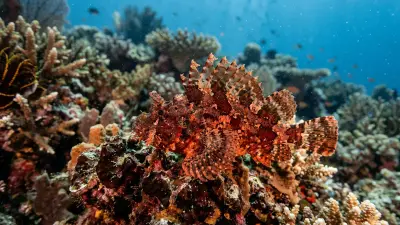
Leaf Scorpionfish
common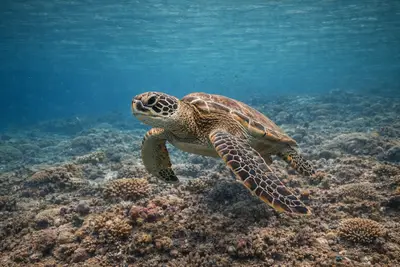
Green Sea Turtle
occasional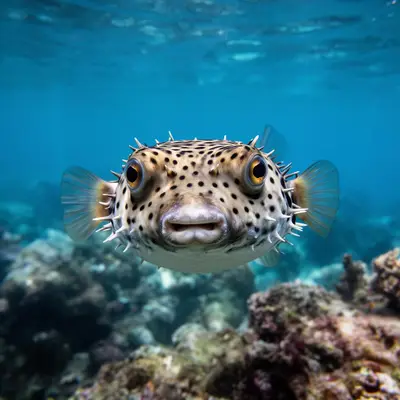
Map Pufferfish
common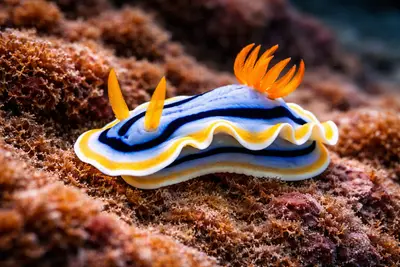
Nudibranch
common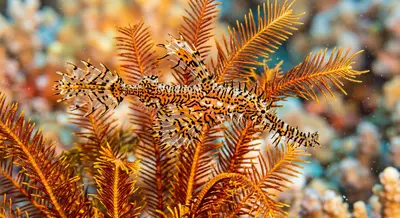
Ghost Pipefish
occasional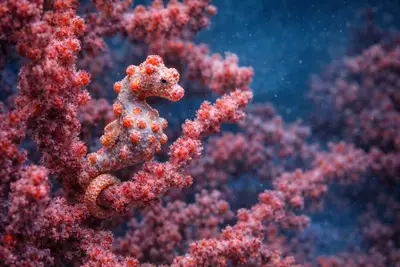
Pygmy Seahorse
occasional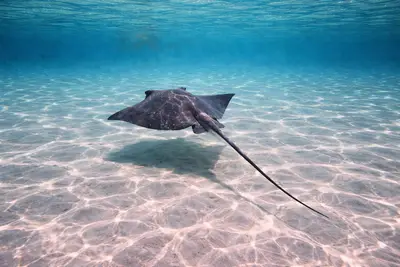
Blue-spotted Stingray
common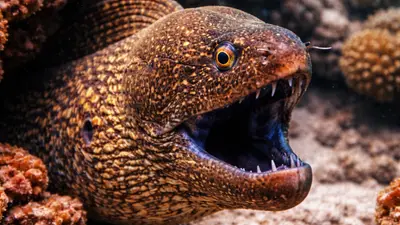
Moray Eel
common
Reef Shark
occasional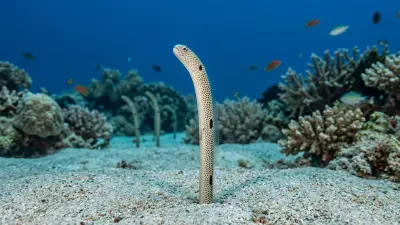
Garden Eel
occasional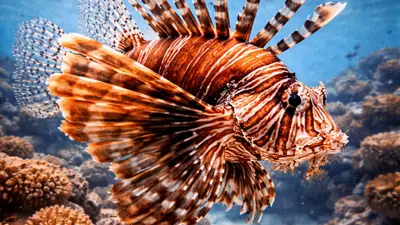
Lionfish
commonDive profile & how the dive runs
Your dive at the Japanese Wreck begins with an easy shore entry directly into Banyuning Bay. Descending gently, you will immediately encounter parts of the World War II patrol boat, which lies broken into several sections across a sandy slope. The wreck starts as shallow as 2 meters, making it accessible for snorkelers, and gradually deepens to about 12 meters. Follow the main wreck path, exploring the vibrant soft corals and sponges that have colonized the metal. You can navigate through the various pieces, which host numerous small reef fish and macro critters. Beyond the main wreck, explore the nearby man-made pyramid structures that serve as additional artificial reefs. Maintain a maximum depth of 12 meters, ensuring ample bottom time to fully appreciate the marine life. The turnaround point is flexible, often dictated by air consumption or desire to explore a particular area. Your safety stop can be performed in the shallowest sections of the wreck, observing the rich life in the coral gardens near the shore before making a final ascent.
Underwater photography
The Japanese Wreck is a fantastic site for underwater photography, particularly for macro subjects and wide-angle shots of the wreck and artificial reef structures. For macro enthusiasts, a dedicated macro lens will capture the intricate details of nudibranchs, ghost pipefish, and leaf scorpionfish camouflaged within the corals. Utilise a snoot or focused strobes to highlight the vibrant colours against the contrasting dark volcanic sand. For wide-angle, a rectilinear or fisheye lens is ideal to encompass the broken wreck sections and the man-made pyramids. Natural light is abundant due to the shallow depth, enhancing colour, but strobes are recommended to bring out the full spectrum of soft corals. Practice excellent buoyancy control to avoid disturbing the silty bottom and to approach delicate marine life without causing stress. Patience is key for capturing elusive critters, allowing them to acclimate to your presence.
Combine with nearby dive sites
- USAT Liberty Wreck
Iconic WWII wreck dive in Tulamben, suitable for all levels.
- Coral Garden Tulamben
Shallow reef known for macro life and artificial structures.
- The Pyramids
Artificial reef structures teeming with marine life, located in Amed.
- Ghost Bay
Popular muck diving site in Amed for rare critters.
- Boga Wreck
Intact artificial reef for advanced divers near Kubu.
Getting there & logistics
Accessing the Japanese Wreck in Amed typically begins with a flight to Ngurah Rai International Airport (DPS) in Denpasar, Bali. From the airport, Amed is a scenic 2.5 to 3-hour drive by car or private transfer along Bali's eastern coast. Many dive centres in Amed offer airport pickups and local transportation as part of their packages. The site is primarily a shore dive, meaning no additional boat fees are usually incurred for access, making it a cost-effective option. Dive trips to Amed are often combined with visits to nearby Tulamben to explore sites like the USAT Liberty Wreck, offering a diverse itinerary. Accommodation is readily available in Amed, ranging from budget-friendly guesthouses to more upscale resorts, making it easy to plan multi-day diving excursions.
Safety & environment
For diving in Amed, the nearest hyperbaric chamber is located in Denpasar, approximately a 3-hour drive from Amed. In the event of a dive emergency, evacuation involves significant travel time, underscoring the importance of meticulous dive planning and adherence to safety protocols. It is highly recommended that all divers have comprehensive dive insurance that covers emergency medical treatment and evacuation. The Japanese Wreck is a shallow and calm site, but divers should still exercise caution with buoyancy control to avoid contact with the delicate corals and to prevent stirring up the silty bottom. Always dive with a reputable local guide who is familiar with the site's specific conditions and currents, even if they are mild. Conduct thorough buddy checks and ensure all equipment is in good working order before entering the water.
Who it suits — and who it doesn't
Suited for
- Beginner divers seeking easy wreck exploration
- Underwater photographers focusing on macro and wide-angle
- Snorkelers and freedivers
- Divers looking for calm, current-free conditions
- Families or mixed-level groups
Less suited for
- Advanced divers seeking deep wreck penetration
- Those looking for large pelagic encounters
- Divers preferring strong current dives
- Individuals sensitive to short walks to the entry point
FAQ
Japanese Wreck Amed FAQ
What kind of wreck is the Japanese Wreck in Amed?
The Japanese Wreck is the remains of a World War II Japanese patrol boat. It ran aground and is now broken into several pieces, forming a vibrant artificial reef. The wreck lies in shallow waters, making it easily accessible for divers and snorkelers alike.
How deep is the Japanese Wreck?
The wreck is relatively shallow, with depths ranging from 2 meters to a maximum of 12 meters. This makes it an ideal site for beginner divers, snorkelers, and those who prefer longer bottom times in sunlit conditions.
What marine life can I expect to see at the Japanese Wreck?
The wreck is teeming with marine life, including abundant reef fish, colourful soft corals, and sponges. Divers frequently encounter leaf scorpionfish, turtles, map pufferfish, nudibranchs, and occasional sightings of ghost pipefish and pygmy seahorses.
Is the Japanese Wreck suitable for beginner divers?
Yes, absolutely. The Japanese Wreck is considered suitable for all skill levels, including beginners. Its shallow depth, calm waters, and lack of strong currents provide a safe and enjoyable environment for those new to diving.
Can I do a night dive at the Japanese Wreck?
Night dives are possible at the Japanese Wreck and offer a different perspective on the marine life. During night dives, you may encounter nocturnal creatures such as crabs, lobsters, and sleeping parrotfish, making for a unique experience.
Why dive Japanese Wreck Amed from a liveaboard?
Japanese Wreck Amed is one of Indonesia's signature dive sites. A liveaboard sleeps you on the water and puts you in the water for three to four guided dives per day, including dawn and night dives that day-boat operators rarely offer. You skip the daily commute back to port and reach quieter, less-crowded sites in the same region on a single trip.
Below are the liveaboards that include Japanese Wreck Amed on their Indonesia itineraries.
Liveaboards diving Japanese Wreck Amed
These liveaboards may visit Japanese Wreck Amed on selected itineraries — the exact dive sites depend on departure, weather and conditions.
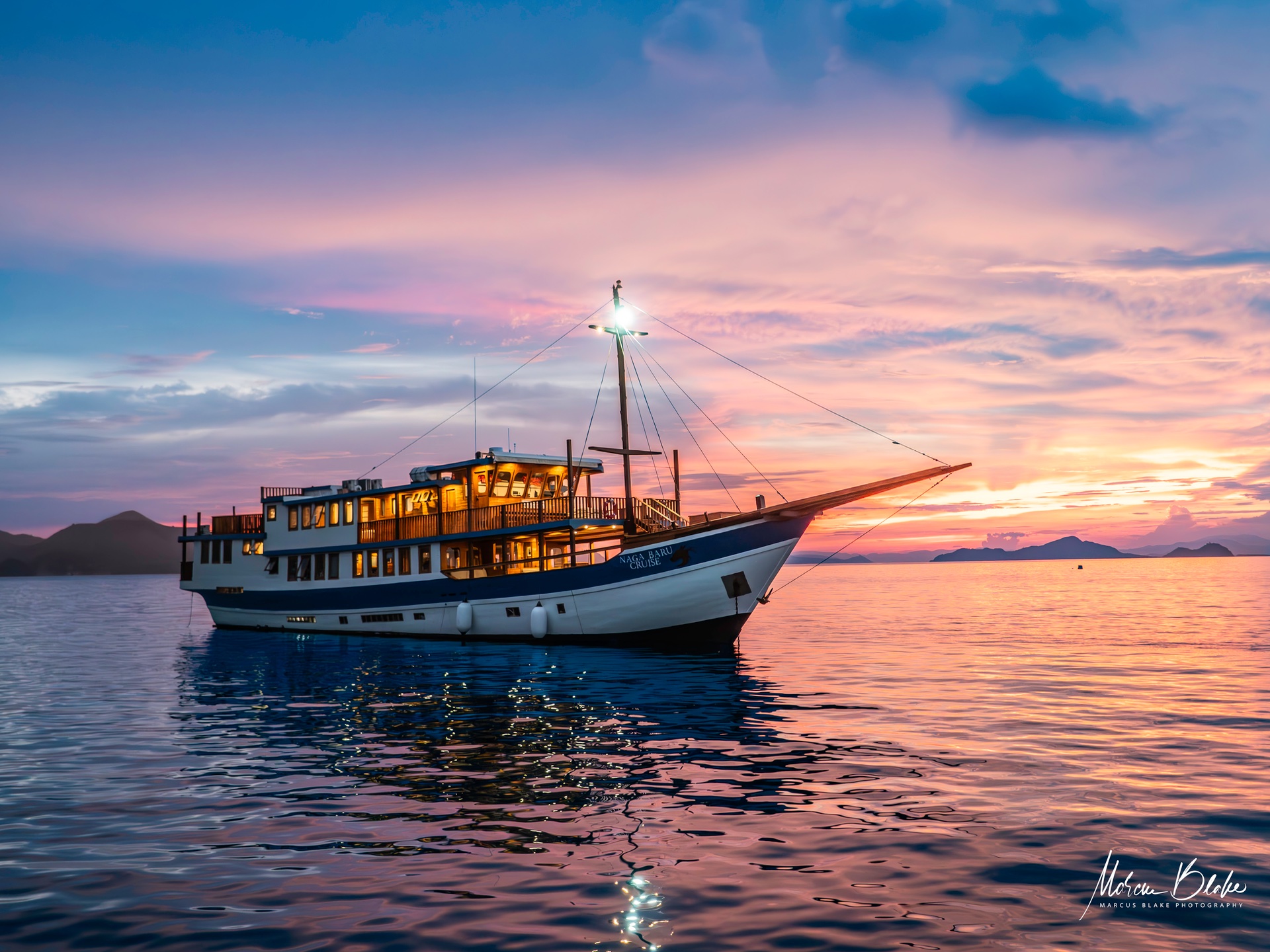
Naga Biru
Indonesia
12 guests40 m
$273/day
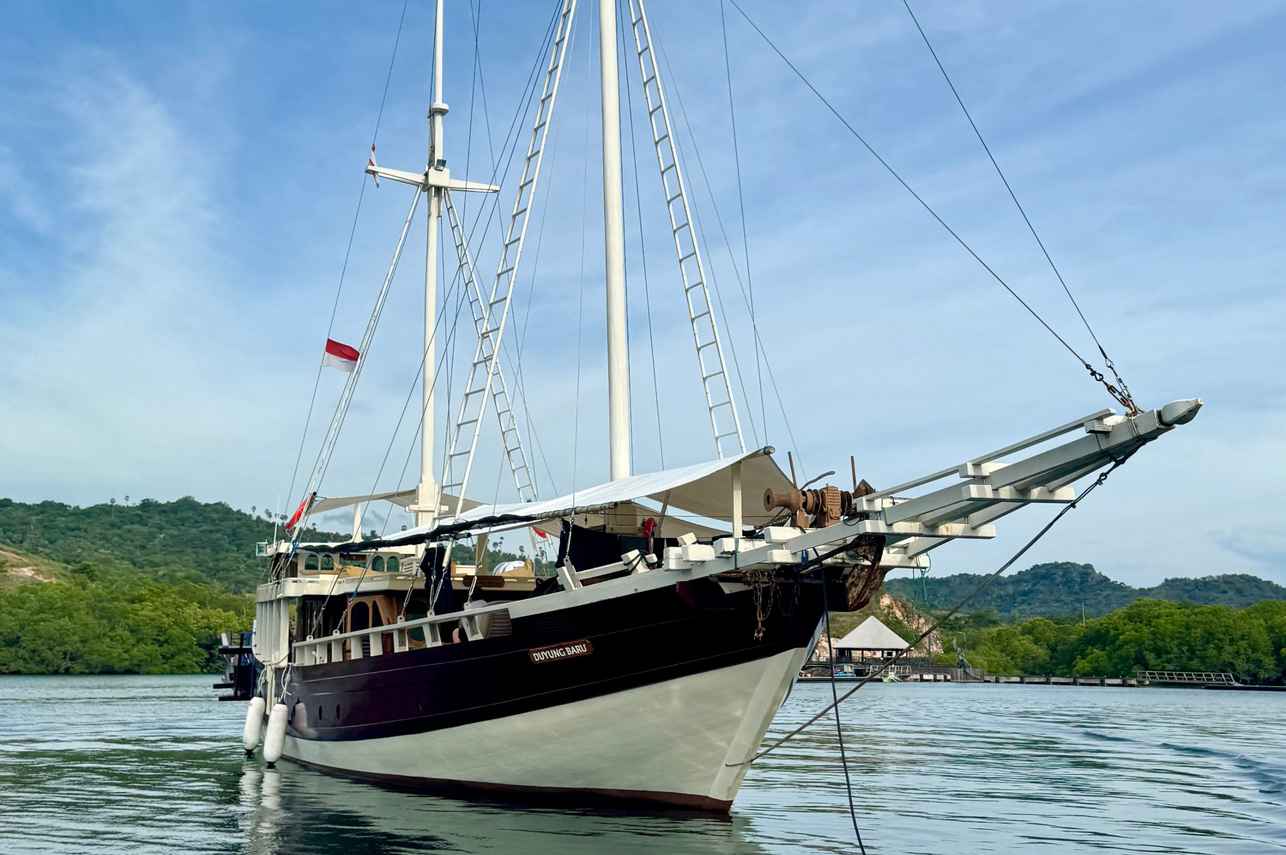
Ecopro Duyung Baru
Indonesia
6 guests27 m
$316/day
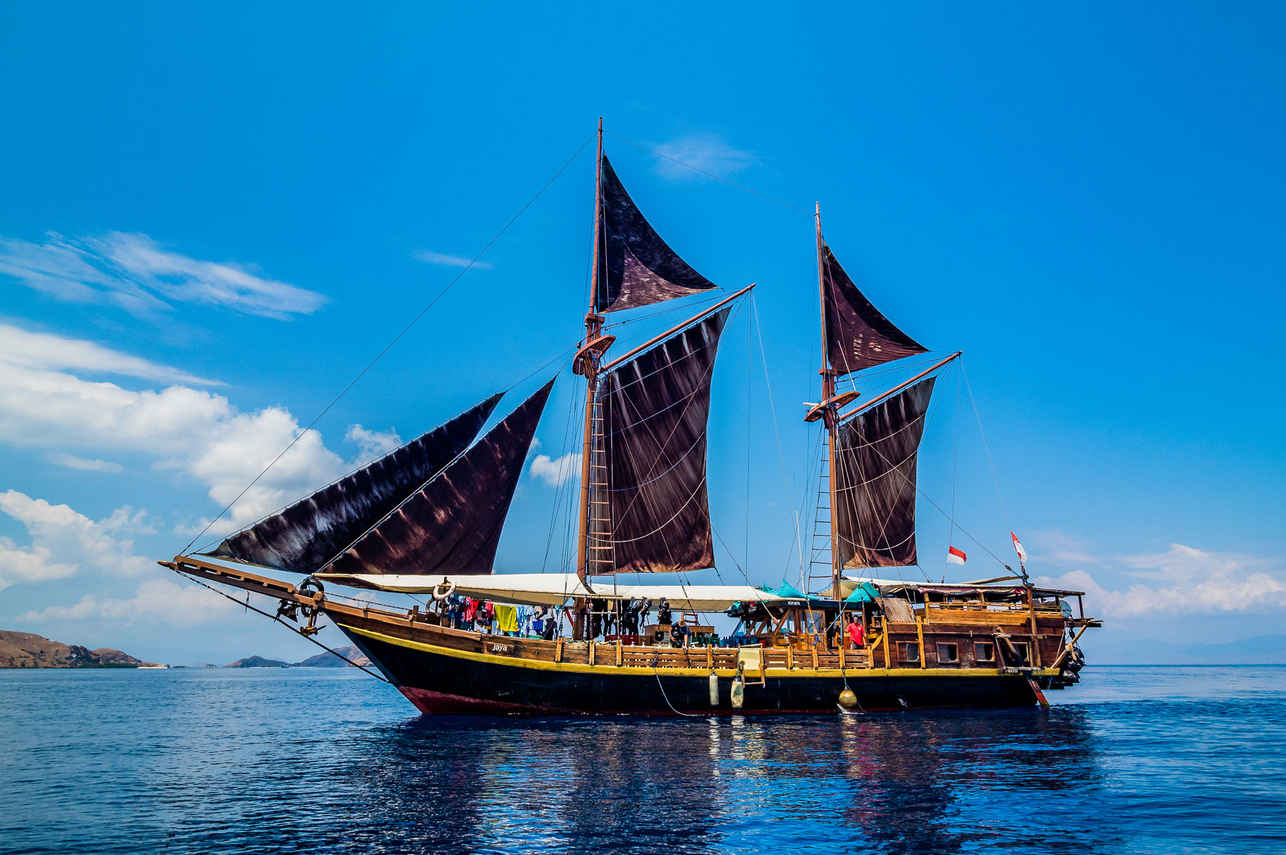
Jaya
Indonesia
14 guests23 m
$280/day
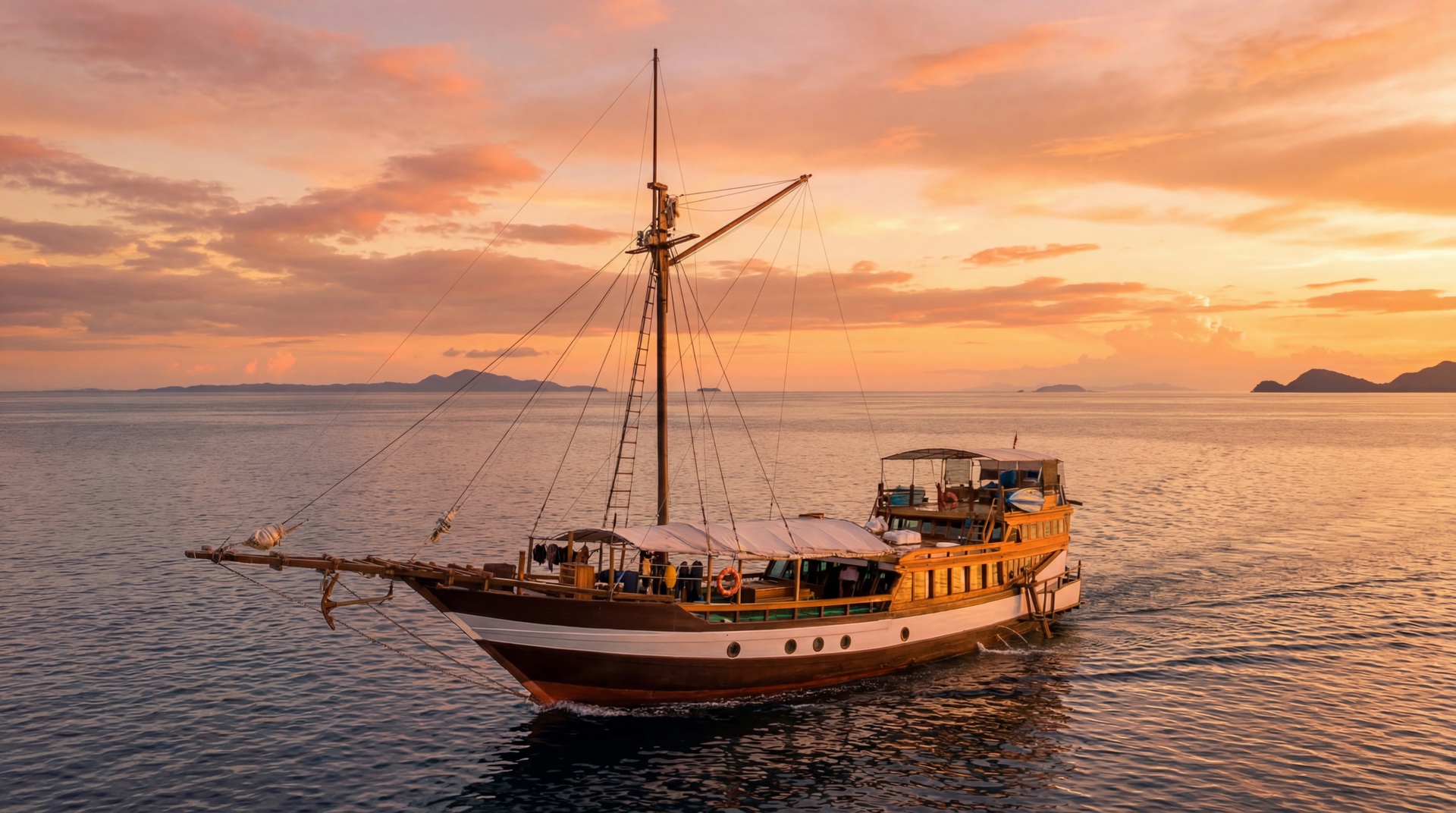
Wellenreng
Indonesia
9 guests25 m
$427/day
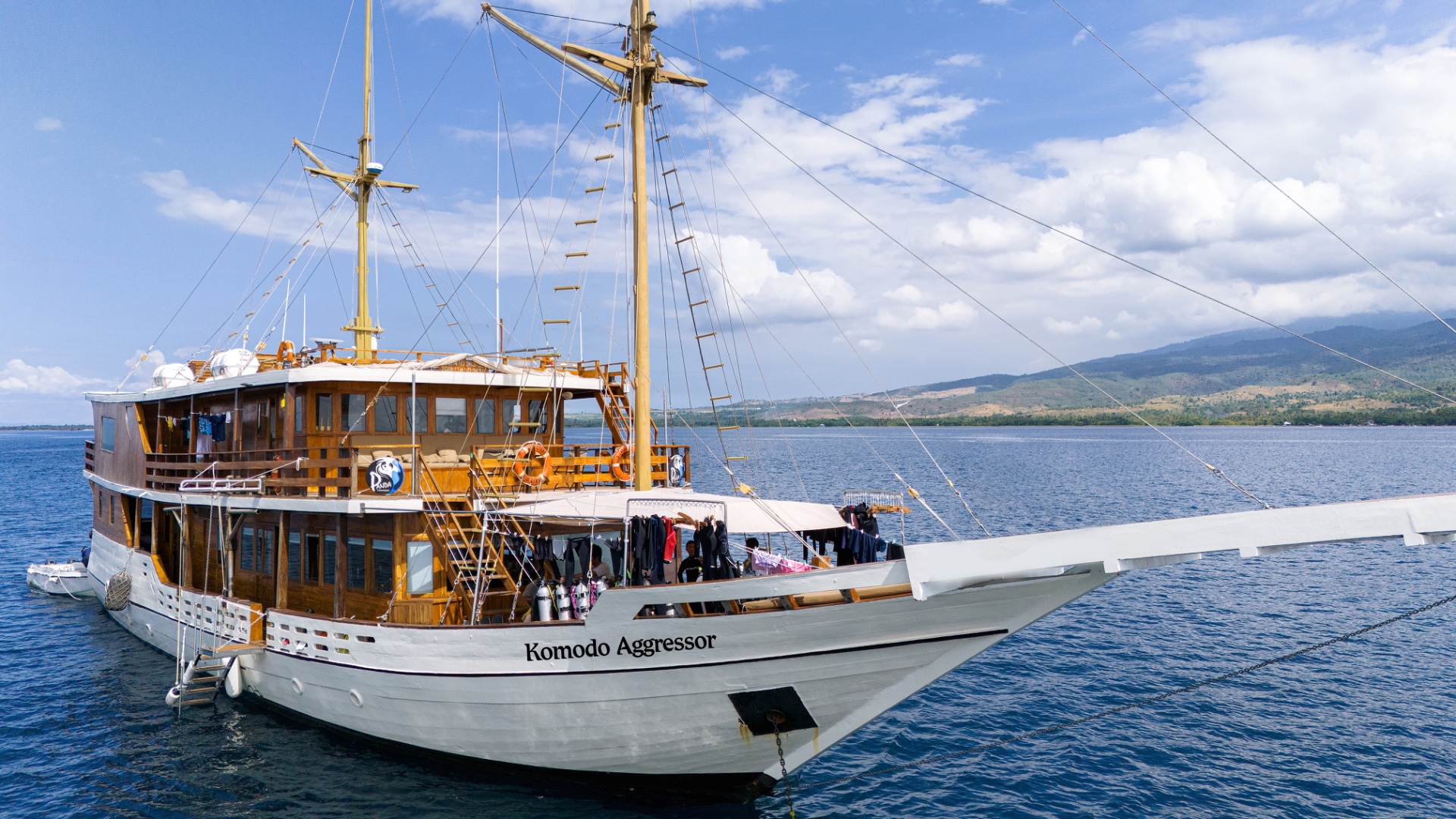
Komodo Aggressor
Komodo, Indonesia
16 guests29 m
$312/day
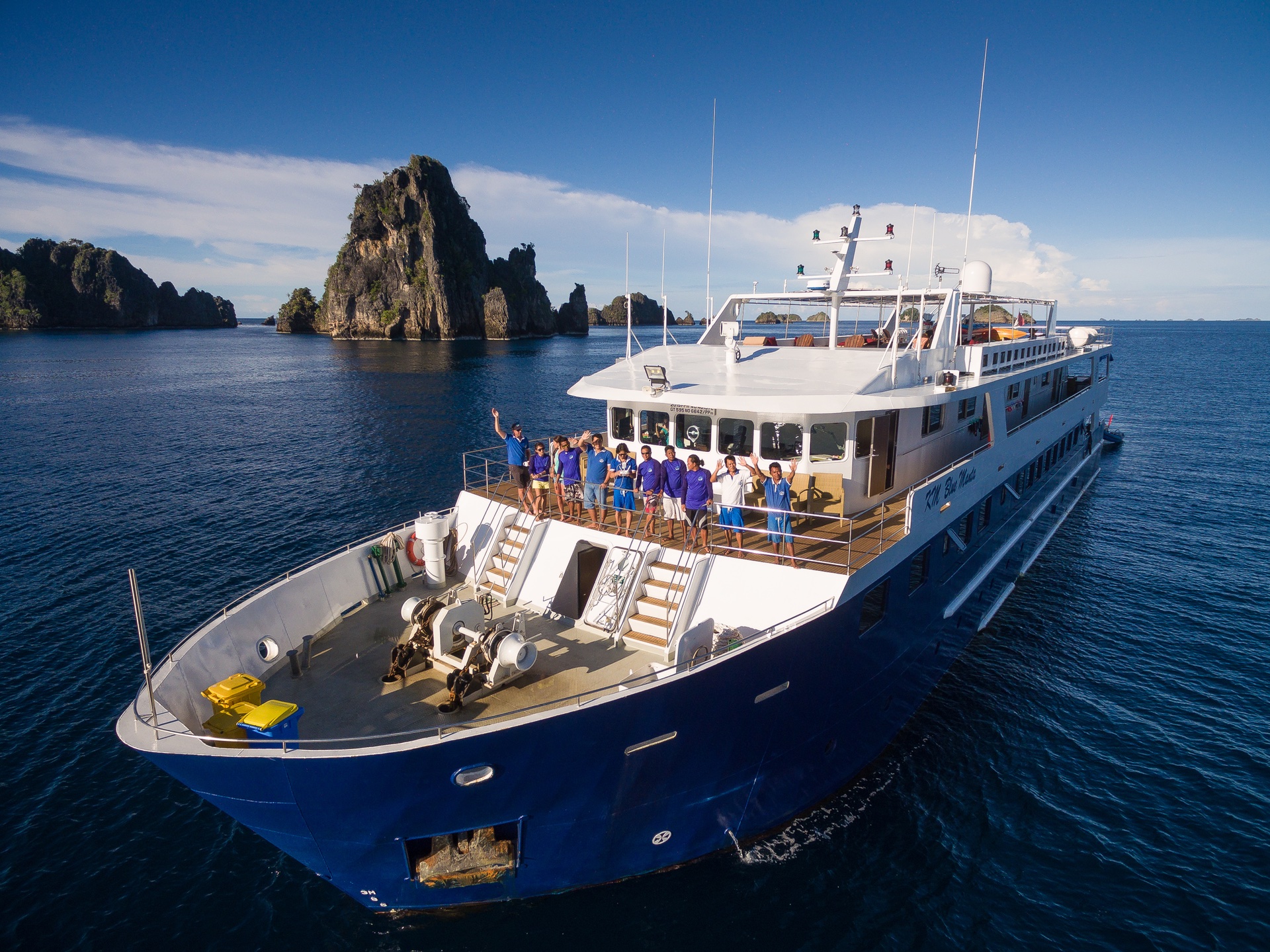
Blue Manta
Indonesia
20 guests45 m
$488/day
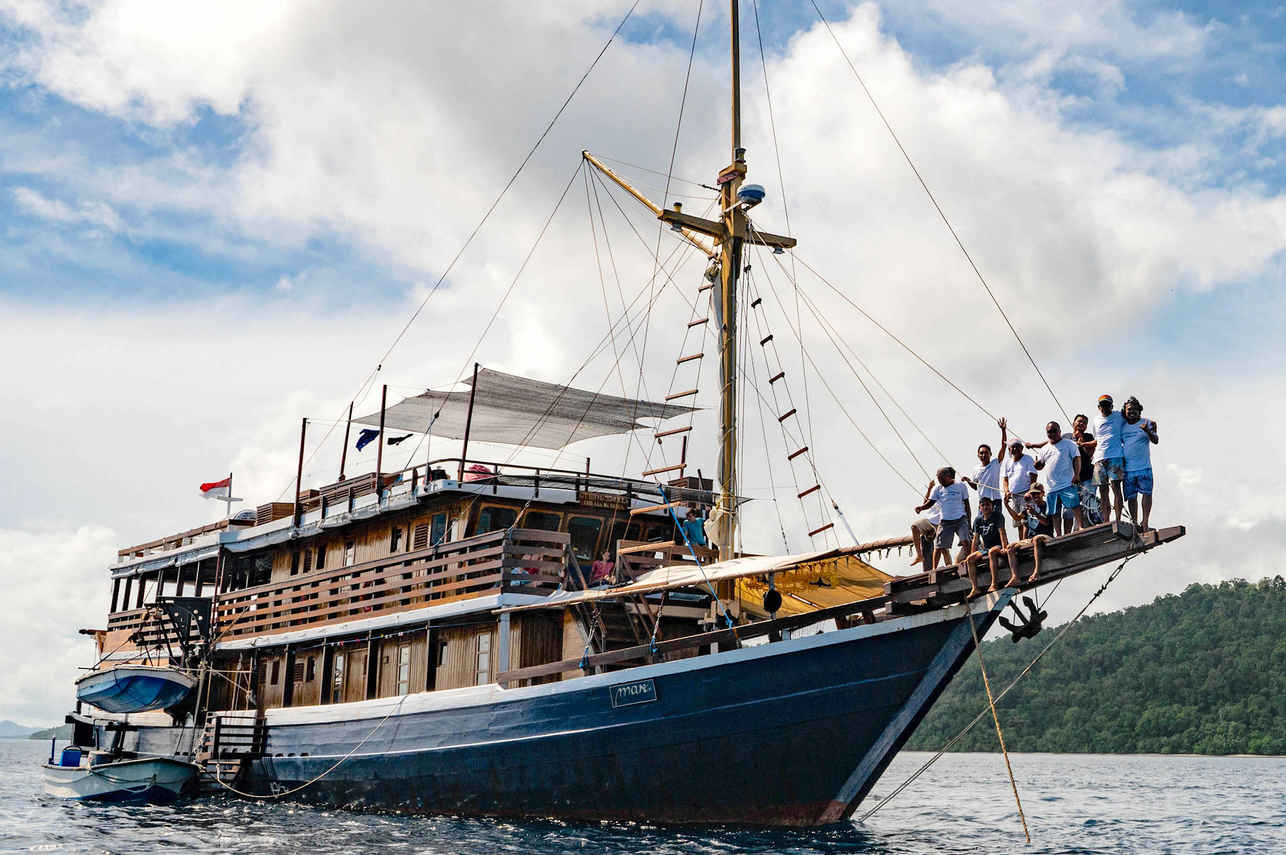
Mari
Indonesia
14 guests32.2 m
$328/day
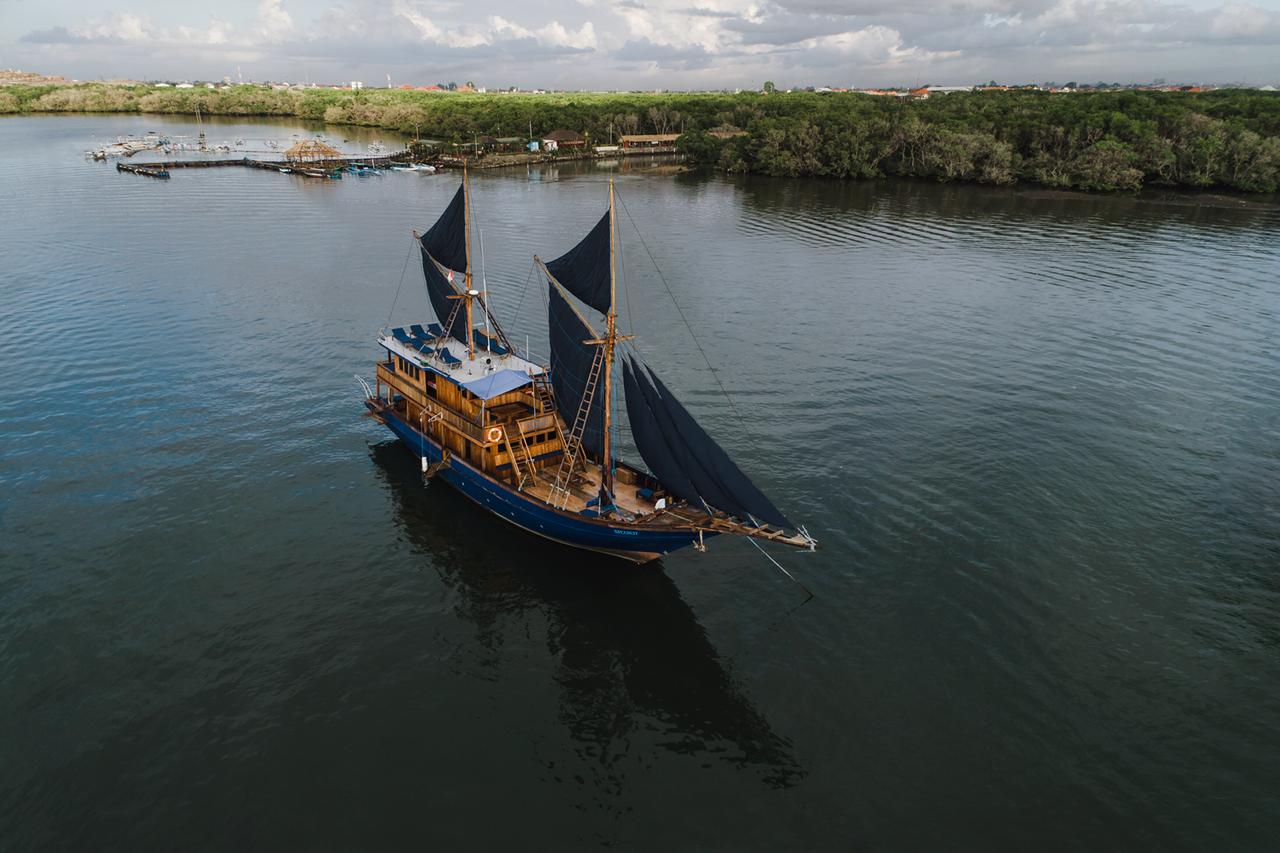
Situju7
Komodo, Indonesia
10 guests32.7 m
$362/day
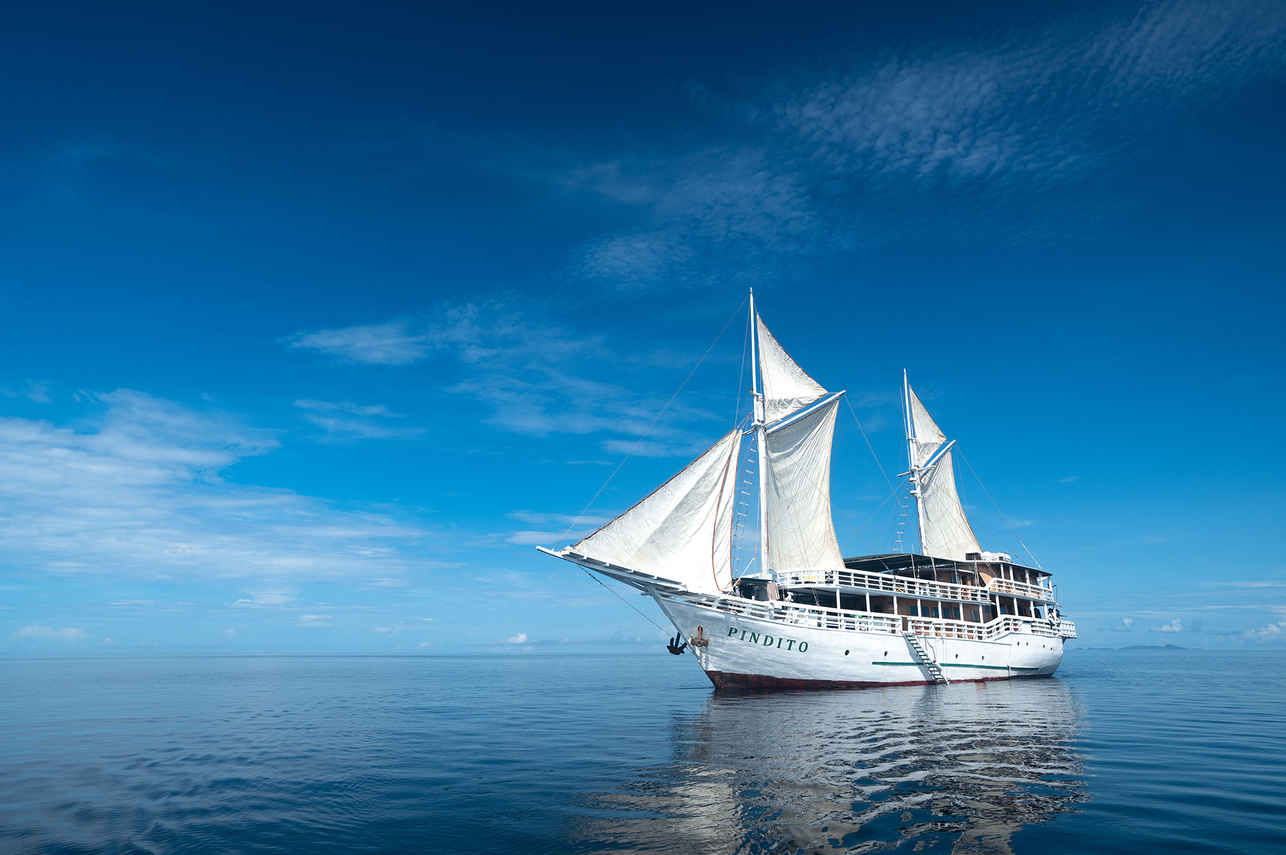
Pindito
Indonesia
16 guests37.79 m
$533/day
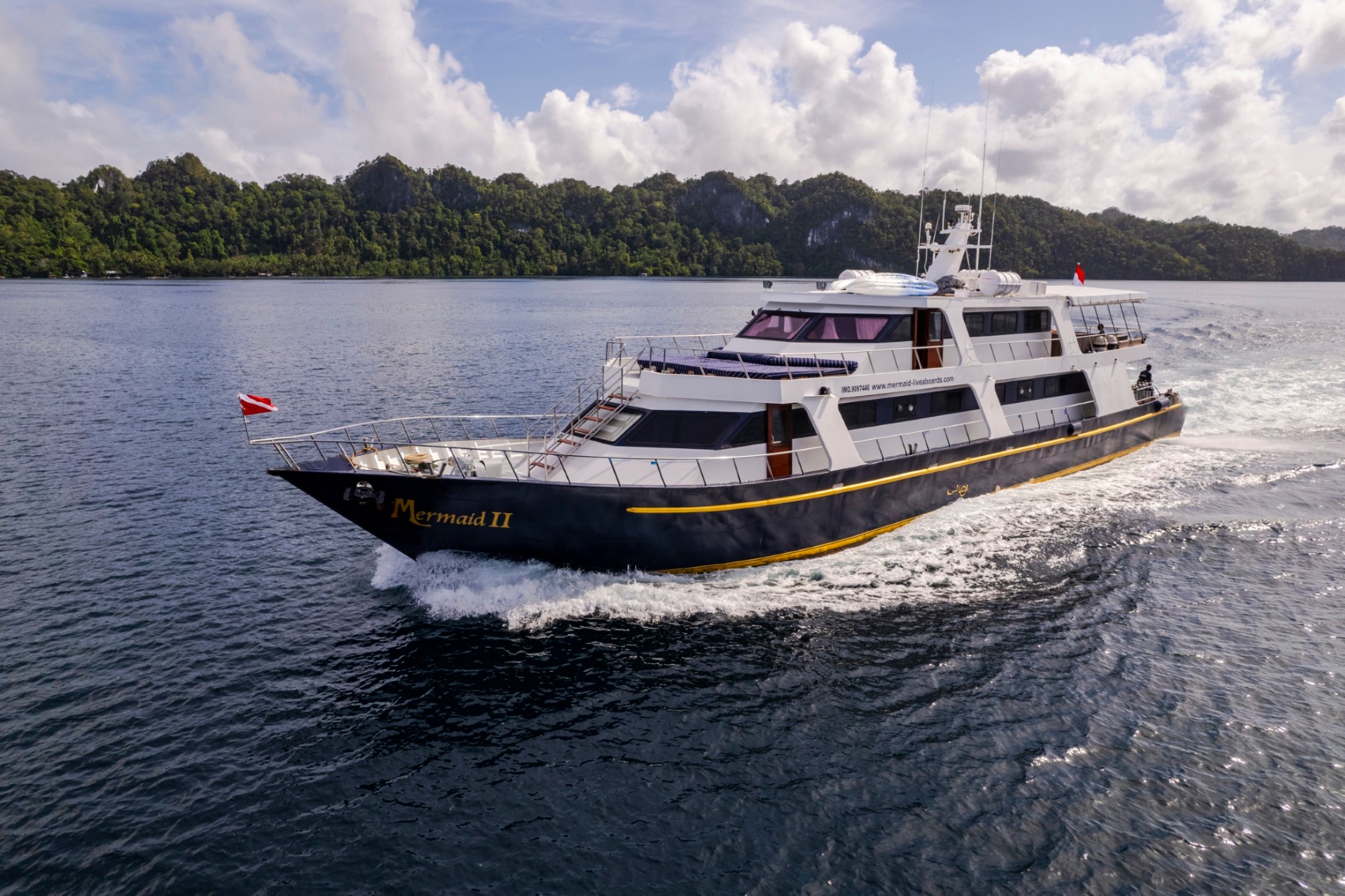
Mermaid II
Komodo, Indonesia
18 guests
$355/day
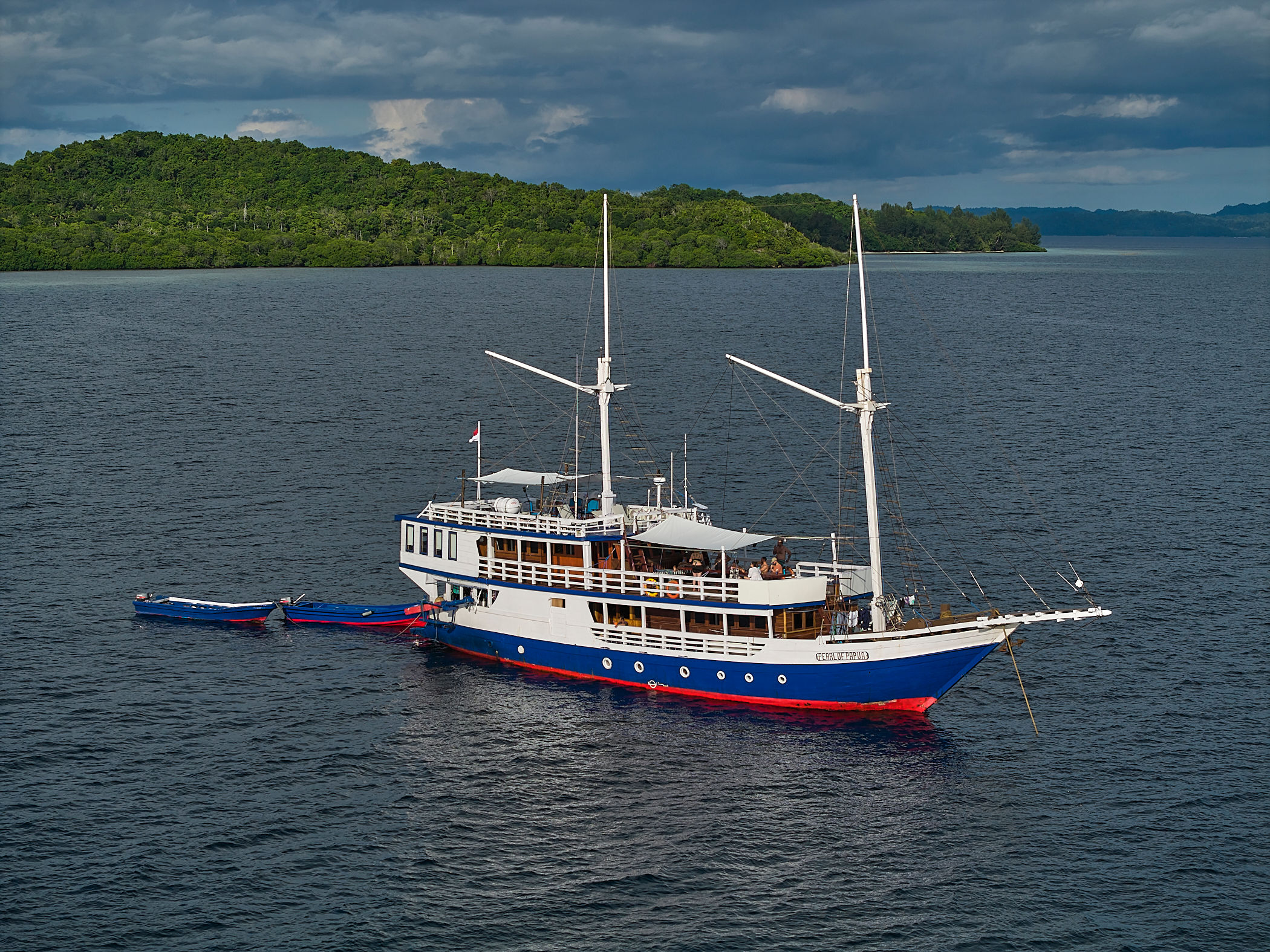
Pearl of Papua
Raja Ampat, Indonesia
14 guests30 m
$303/day
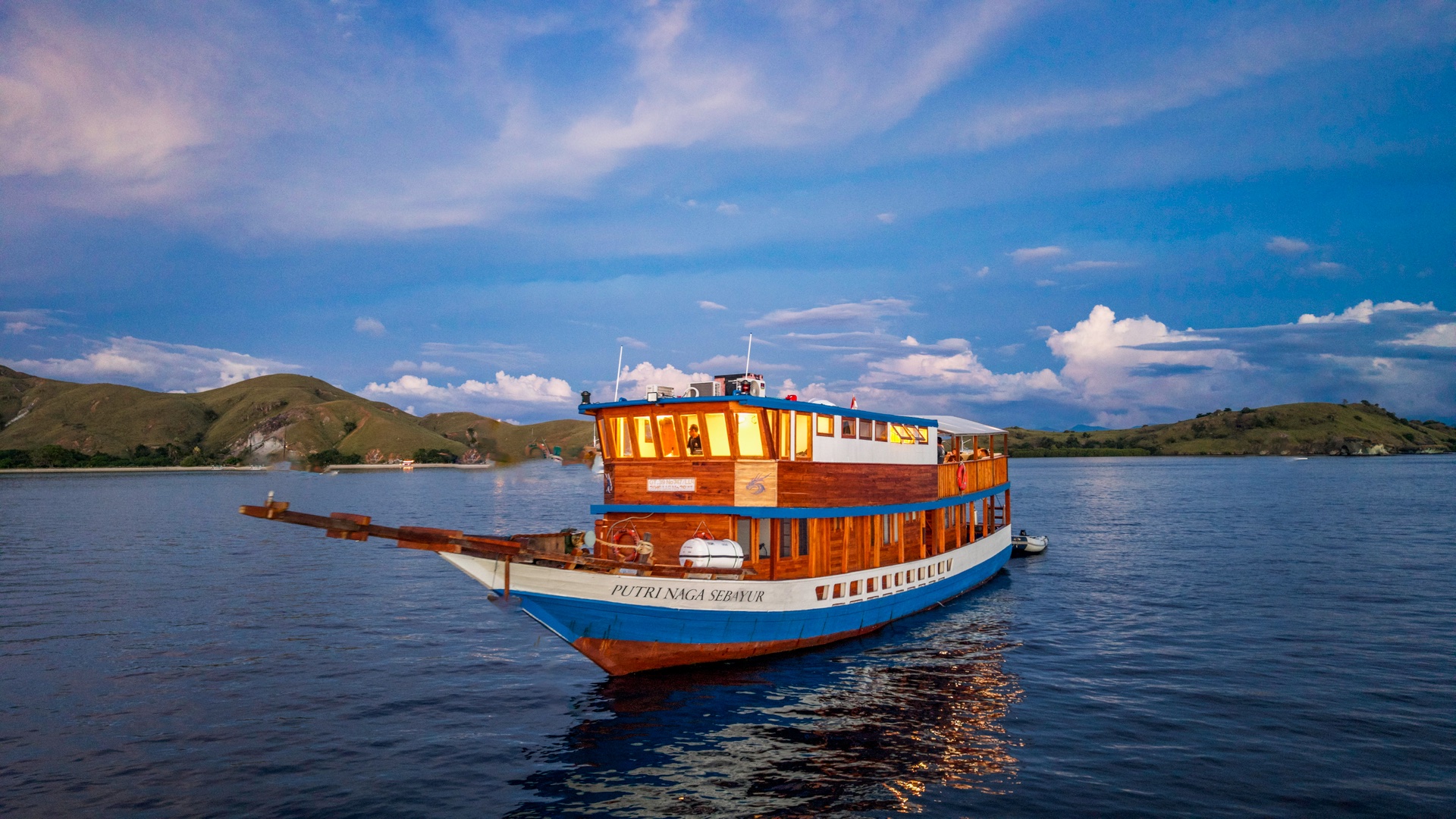
Putri Naga
Komodo, Indonesia
6 guests25 m
$222/day
Dive sites similar to Japanese Wreck Amed
Same character, same waters — six more sites divers love for the exact same reasons.Compare seasons, access and liveaboard routes — then pick the site that fits your trip best.
Mawali Wreck
Indonesia
The Mawali Wreck, a Japanese cargo ship, rests on its side in the Lembeh Strait, off the northern coast of Sulawesi.
- Suitable for
- Advanced
- Current
- Mild
- Access
- Liveaboard only
- Depth
- 25–40 m
- Theme
- Wreck / Reef
USAT Liberty Wreck
Indonesia
The USAT Liberty, a 120-meter American cargo ship, is arguably Bali's most famous dive site, offering an unparalleled underwater experience from beginner to experienced divers.
- Suitable for
- Beginner
- Current
- Moderate
- Access
- Shore / dayboat
- Depth
- 5–30 m
- Theme
- Wreck
Half Moon Bay
Indonesia
Half Moon Bay offers a distinctive freshwater diving experience within Lake Havasu, situated on the California side, directly opposite Site 6. The primary entry point for divers…
- Suitable for
- Beginner
- Current
- Strong
- Access
- Shore / dayboat
- Depth
- 3–15 m
- Theme
- Reef / Wreck
Gili Trawangan
Indonesia
Gili Trawangan, the largest of the three Gili Islands, is renowned for its exceptional scuba diving, located off the northwest coast of Lombok.
- Suitable for
- Intermediate
- Current
- Moderate
- Access
- Dayboat
- Depth
- 5–50 m
- Theme
- Reef / Drift
Cenderawasih Bay
Indonesia
Cenderawasih Bay, situated on the eastern side of West Papua's Bird's Head Peninsula, is a remote and largely unexplored diving frontier in Indonesia.
- Suitable for
- Intermediate
- Current
- Mild
- Access
- Liveaboard only
- Depth
- 5–40 m
- Theme
- Wreck / Reef
Adonara Wall
Indonesia
Adonara is an Indonesian island dive site, renowned for its vibrant underwater topography characterized by submerged seamounts.
- Suitable for
- Intermediate
- Current
- Strong
- Access
- Liveaboard or dayboat
- Depth
- 5–35 m
- Theme
- Seamount / Wall