About Ghost Bay
Ghost Bay is a renowned dive site located in Amed, on Bali's eastern coast, celebrated for its unique sandy topography and the incredible diversity of macro life it supports. While offering enjoyable dives during the day, it truly distinguishes itself as a premier night diving destination in Bali, attracting divers eager to observe rare and unusual creatures. The site primarily features a gentle sandy slope interspersed with scattered coral structures, making it accessible for divers of all skill levels. Depths are generally shallow, with calm conditions and minimal current, contributing to relaxed and extended bottom times. The volcanic sand substrate plays a crucial role, providing camouflage for numerous critters and creating a distinct environment from typical coral reefs. Marine life sightings are diverse, encompassing a wide array of benthic species and nocturnal hunters. Divers frequently encounter octopuses, cuttlefish, and squid, alongside a fascinating collection of nudibranchs, seahorses, and ghost pipefish. Critters such as stonefish, frogfish, and various crustaceans are also well-camouflaged residents, making it a paradise for macro photography. Accessibility is easy with shore entry, and the predictable conditions allow for focused observation and buoyancy control. It's an ideal location for guided night dives and offers a rewarding experience for those seeking an alternative to coral reef or wreck diving, showcasing Bali’s rich and unique smaller marine inhabitants.
Highlights
World-class night divingExceptional macro lifeCalm, shallow sandy slopeShore accessible siteVolcanic sand camouflageRare nocturnal species
Season calendar
Best months to dive here
Jan
Feb
Mar
Apr
May
Jun
Jul
Aug
Sep
Oct
Nov
Dec
Good
Dive site facts: Ghost Bay
- Depth
- 3–20 m (Melasti data, similar environment)
- Typical dive
- Variable, relaxed exploration
- Current
- Minimal
- Visibility
- 10–25 m
- Water temperature
- 27–30°C
- Entry
- Shore entry
- Level
- All levels, including beginners
- Dive type
- Macro, muck, night, sandy slope
- Night dive
- Possible and highly recommended
- Region / port
- Amed, East Bali
- Coordinates
- 4.5465° S, 123.9196° E
Conditions & Currents
Ghost Bay typically experiences calm conditions with minimal to no current, making it an excellent site for relaxed exploration. The lack of strong water movement ensures easy navigation and extended dive times, which is particularly beneficial for macro enthusiasts and night divers. Shore entry is straightforward, contributing to the site's accessibility and ease for divers of all levels. Visibility is generally good, enhancing the experience of spotting camouflaged critters on the sandy bottom. These predictable and calm conditions mean divers can focus on observation and maintaining precise buoyancy without significant concerns about drift or strenuous swimming, making it ideal for photography and training.
Marine life & sighting chances
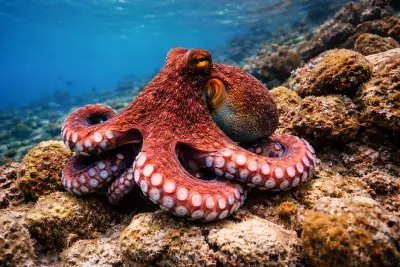
Octopus
common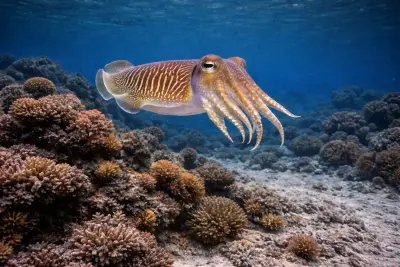
Cuttlefish
common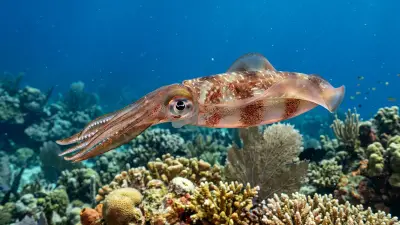
Squid
common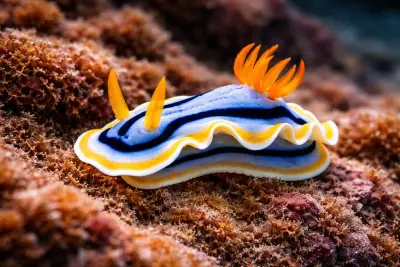
Nudibranchs
common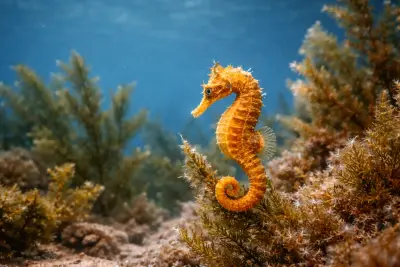
Seahorses
common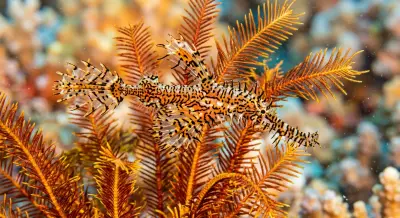
Ghost pipefish
common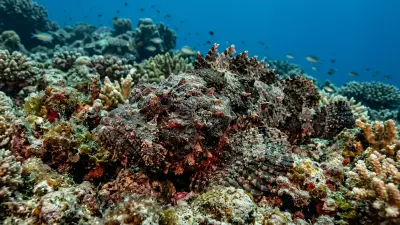
Stonefish
common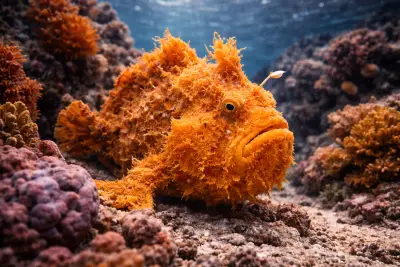
Frogfish
common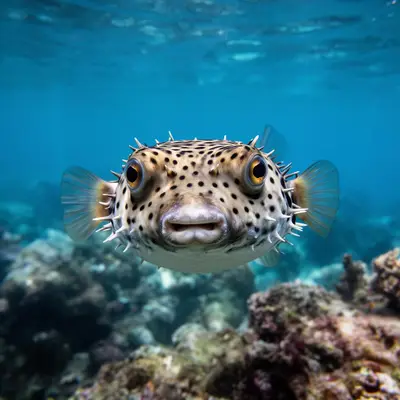
Pufferfish
common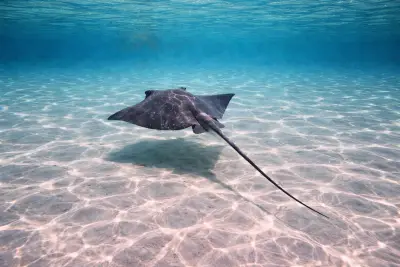
Stingrays
common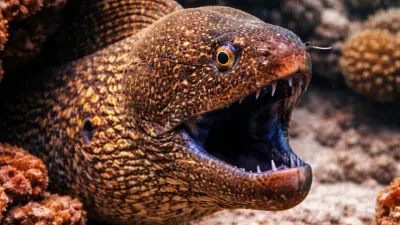
Moray eels
common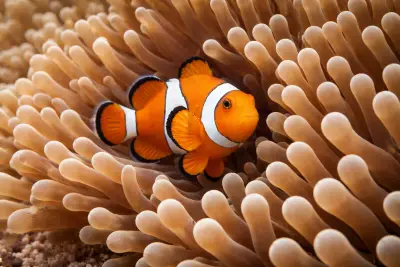
Clownfish
commonDive profile & how the dive runs
Dives at Ghost Bay typically begin with an easy shore entry onto a gentle sandy slope. Divers usually descend to a depth of around 5-10 meters, then slowly explore the bottom, scanning for macro life camouflaged in the volcanic sand and small coral patches. The dive often progresses along the slope to a maximum depth of approximately 15-20 meters, depending on air consumption and diver preference. Turnaround is flexible, allowing for extensive searching for critters. During night dives, the focus shifts to observing nocturnal species emerging from their daytime hiding spots. The calm conditions and minimal current encourage a slow, deliberate pace, ideal for macro photography. The safety stop can be performed in the shallow, clear water near the shore, observing the abundant marine life at 5 meters.
Underwater photography
Ghost Bay is a prime location for macro photography, especially during night dives when many unique critters are active. A macro lens (e.g., 60mm or 100mm) is highly recommended to capture the intricate details of species like nudibranchs, seahorses, and frogfish. Utilizing strobes or a video light is essential to illuminate subjects and bring out their true colors against the dark volcanic sand. A snoot can be particularly effective for isolating small subjects and creating dramatic lighting effects. Excellent buoyancy control is critical to avoid stirring up the silty bottom and to approach delicate marine life without disturbance. Patience and a slow, methodical approach will yield the best results when searching for well-camouflaged creatures.
Combine with nearby dive sites
Getting there & logistics
Access to Ghost Bay is typically via Amed, a tranquil fishing village on Bali's northeast coast. Divers usually fly into Denpasar (DPS) airport, followed by a three-hour scenic drive to Amed. Day trips from local dive centers are common, utilizing easy shore entries for direct access to the site. Amed is known for its relaxed atmosphere, offering multiple dives a day without the crowds found elsewhere. No specific permits beyond standard diving certifications are mentioned for Ghost Bay itself, but divers should inquire with local operators about any potential marine park fees. Trips often combine Ghost Bay with other Amed sites like Melasti or Jemeluk Bay, and occasionally with the USAT Liberty Wreck in nearby Tulamben, providing a diverse itinerary of macro, reef, and wreck diving.
Safety & environment
While Ghost Bay is known for its calm conditions, divers should always maintain awareness of their surroundings and monitor air consumption, especially during longer macro-focused dives. The nearest recompression chamber is typically located in Denpasar, requiring a potentially lengthy overland transfer in case of emergency. Therefore, comprehensive dive insurance covering medical evacuation and recompression therapy is strongly advised. Divers should practice excellent buoyancy control to avoid contact with the sandy bottom, which can disturb camouflaged marine life or reduce visibility for others. Always dive with a reputable local guide who understands the site's specifics and can assist in locating unique critters and ensuring safe conduct.
Who it suits — and who it doesn't
Suited for
- Macro photography enthusiasts
- Night dive specialists
- Beginner divers seeking calm conditions
- Divers interested in unique critter spotting
- Underwater naturalists and observers
Less suited for
- Divers seeking large pelagic encounters
- Those looking for strong drift dives
- Divers uninterested in macro life
- Those who prefer extensive coral gardens
- Divers with poor buoyancy control
FAQ
Ghost Bay FAQ
What kind of marine life can I expect to see at Ghost Bay?
Ghost Bay is renowned for its macro marine life, especially during night dives. You can frequently spot octopuses, cuttlefish, squids, and a wide variety of nudibranchs. Keep an eye out for camouflaged creatures like stonefish, frogfish, ghost pipefish, and seahorses, which thrive in the sandy bottom environment.
Is Ghost Bay suitable for beginner divers?
Yes, Ghost Bay is very suitable for beginner divers. It offers calm conditions, minimal current, and easy shore entry, making it an ideal site for those still building confidence. Its shallow depths and focus on slow exploration are also beneficial for training and relaxed fun dives.
Why is Ghost Bay particularly famous for night diving?
Ghost Bay truly comes alive after dark, transforming into a macro lover's paradise. Many of the site's unique inhabitants, such as octopuses, cuttlefish, and various nocturnal nudibranchs, become more active and visible during the night. The calm, predictable conditions make it a safe and rewarding experience for guided night dives.
What are the typical diving conditions at Ghost Bay?
Diving conditions at Ghost Bay are generally calm and clear. Currents are minimal, and visibility usually ranges from 10 to 25 meters. Water temperatures are warm, typically between 27°C and 30°C. These stable conditions make it a comfortable and enjoyable dive site for focusing on marine life observation.
How is Ghost Bay accessed?
Ghost Bay is easily accessed via shore entry directly from the beach in Amed. This convenient access, combined with its calm conditions, contributes to its popularity. It's common for local dive centers to organize day trips, providing guided dives directly from the shore.
Why dive Ghost Bay from a liveaboard?
Ghost Bay is one of Indonesia's signature dive sites. A liveaboard sleeps you on the water and puts you in the water for three to four guided dives per day, including dawn and night dives that day-boat operators rarely offer. You skip the daily commute back to port and reach quieter, less-crowded sites in the same region on a single trip.
Below are the liveaboards that include Ghost Bay on their Indonesia itineraries.
Liveaboards diving Ghost Bay
These liveaboards may visit Ghost Bay on selected itineraries — the exact dive sites depend on departure, weather and conditions.
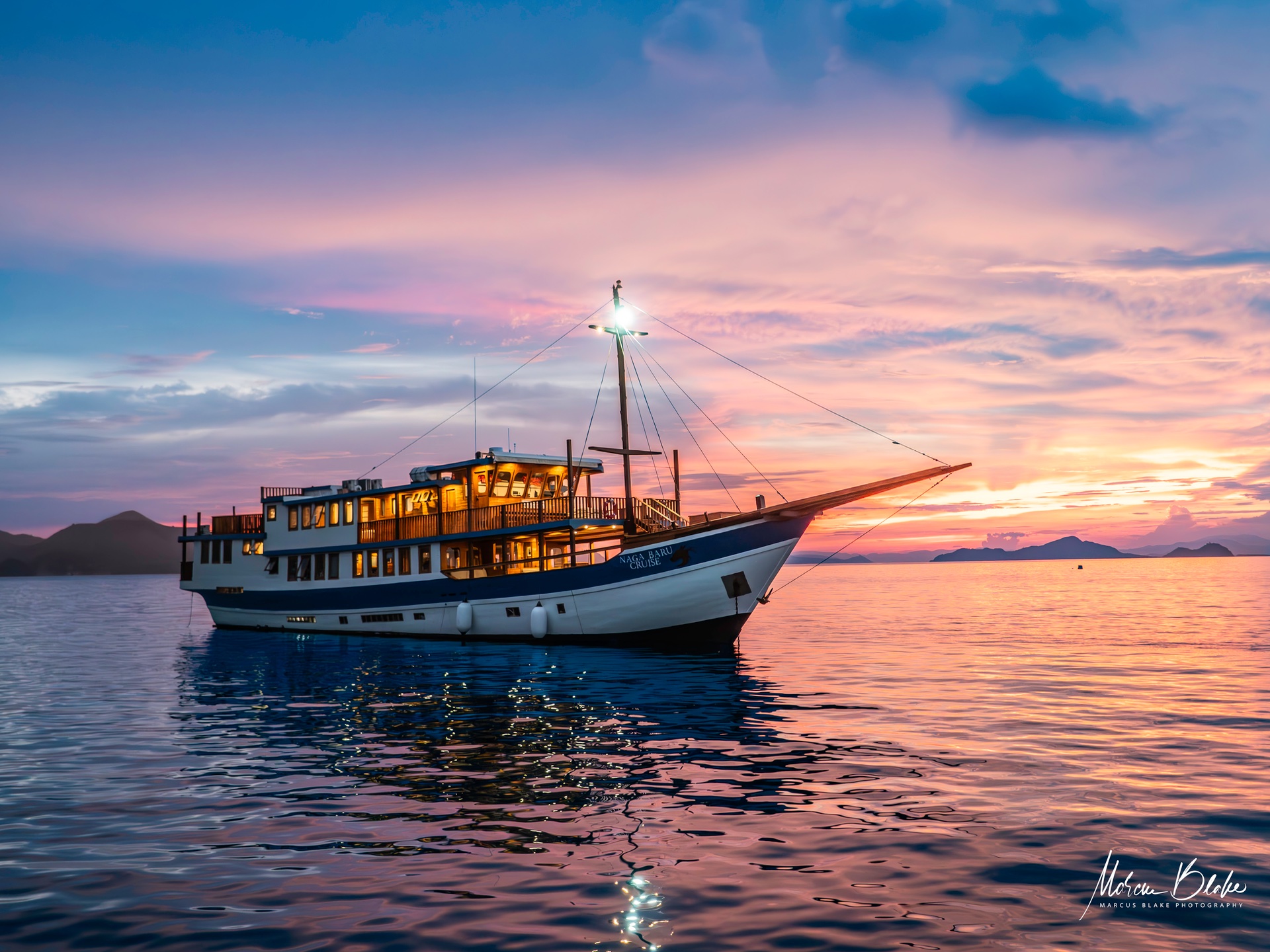
Naga Biru
Indonesia
12 guests40 m
$274/day
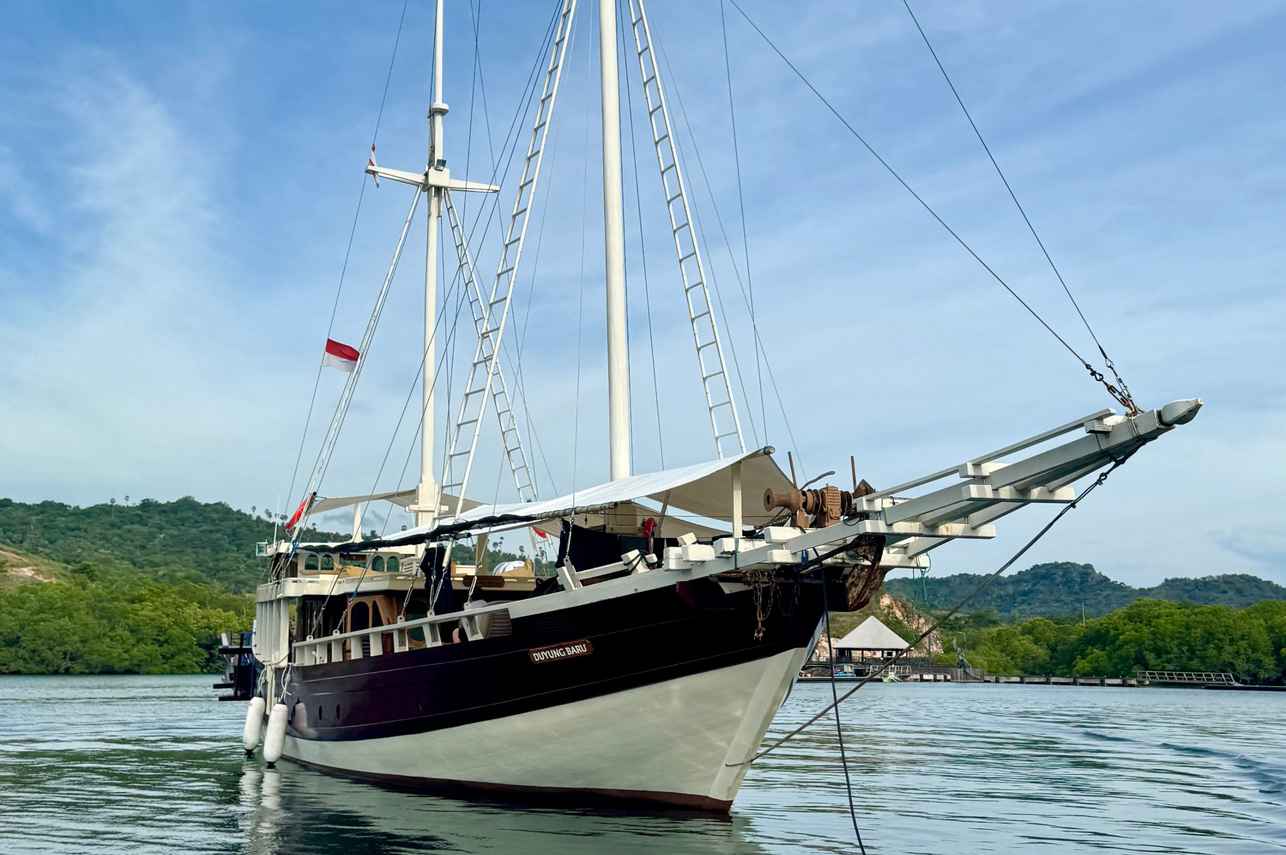
Ecopro Duyung Baru
Indonesia
6 guests27 m
$361/day
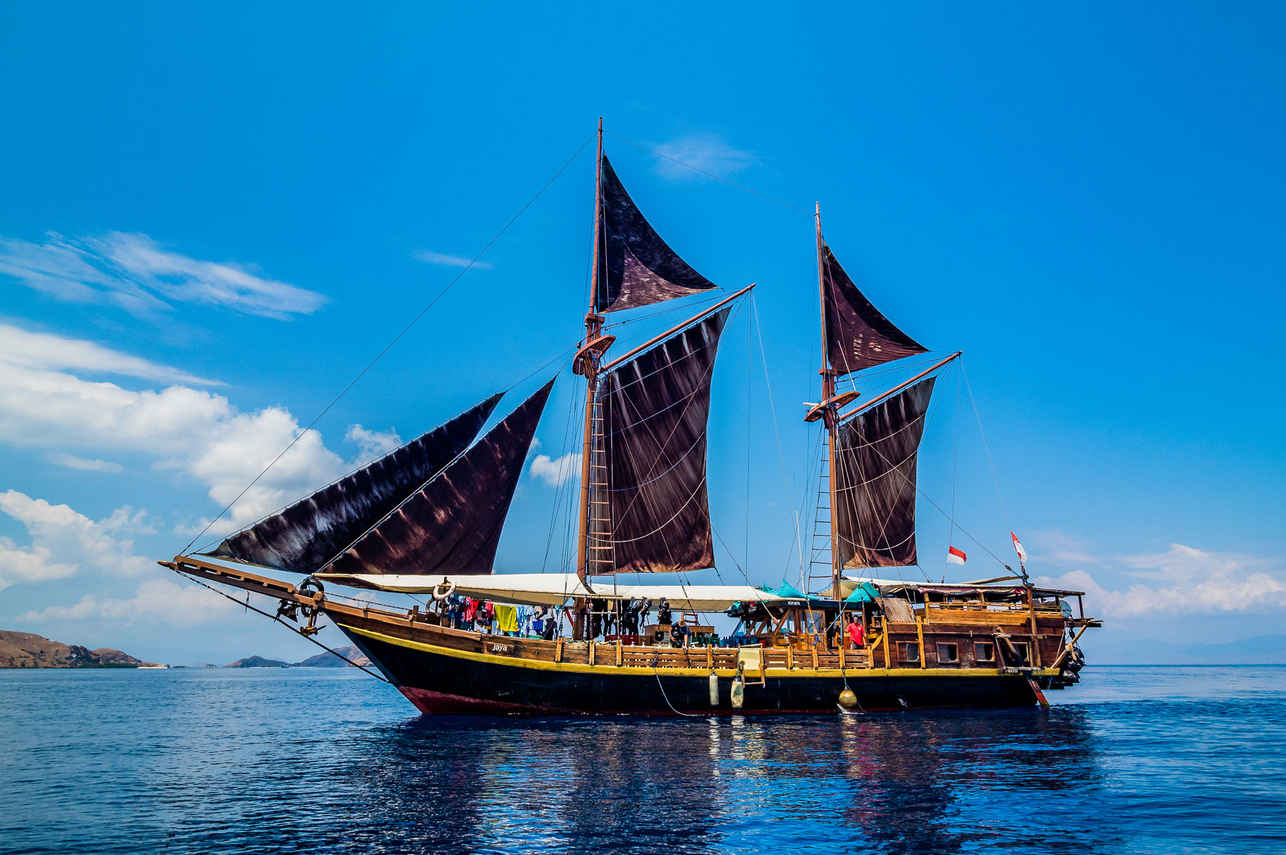
Jaya
Indonesia
14 guests23 m
$280/day
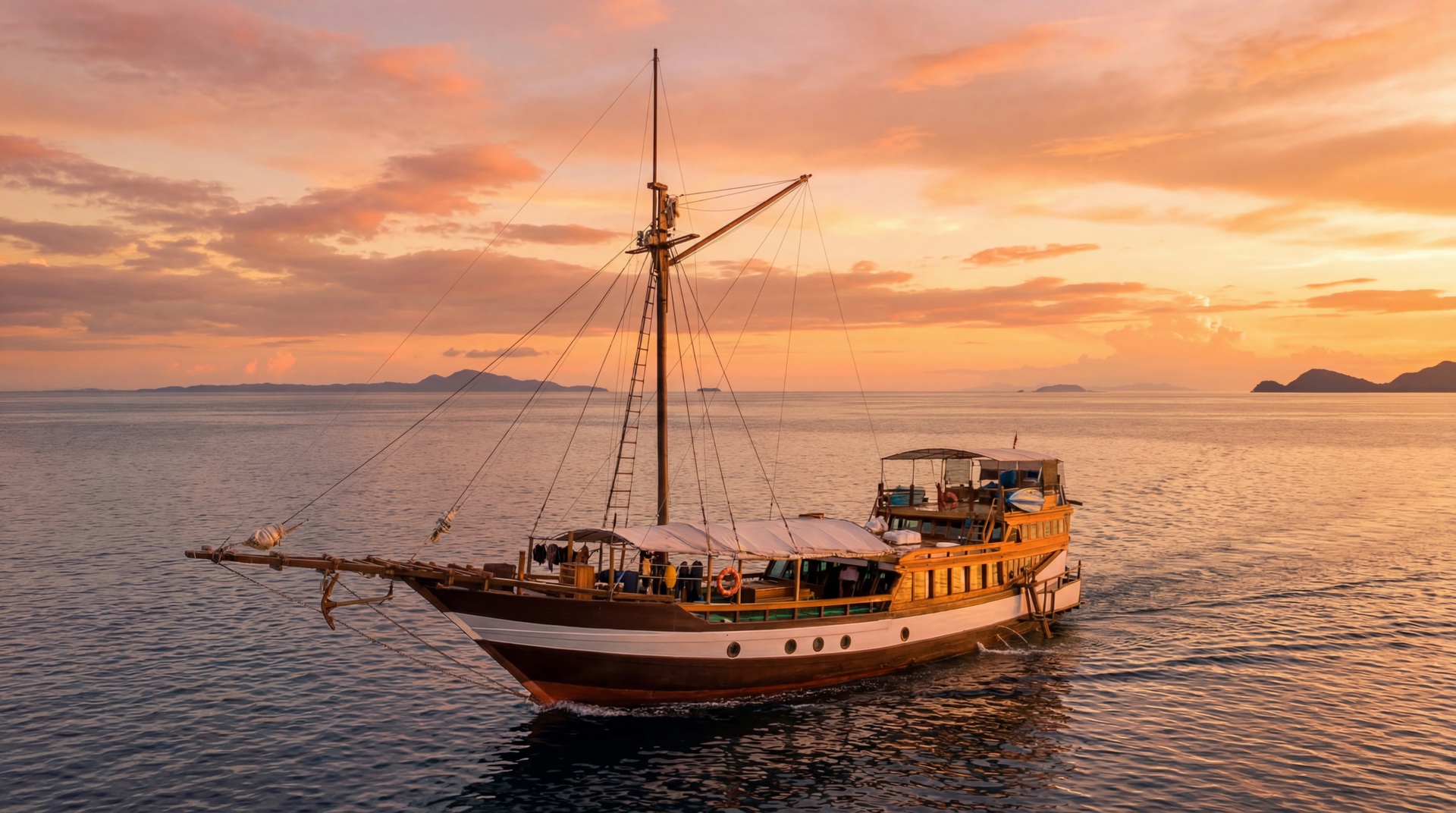
Wellenreng
Indonesia
9 guests25 m
$427/day
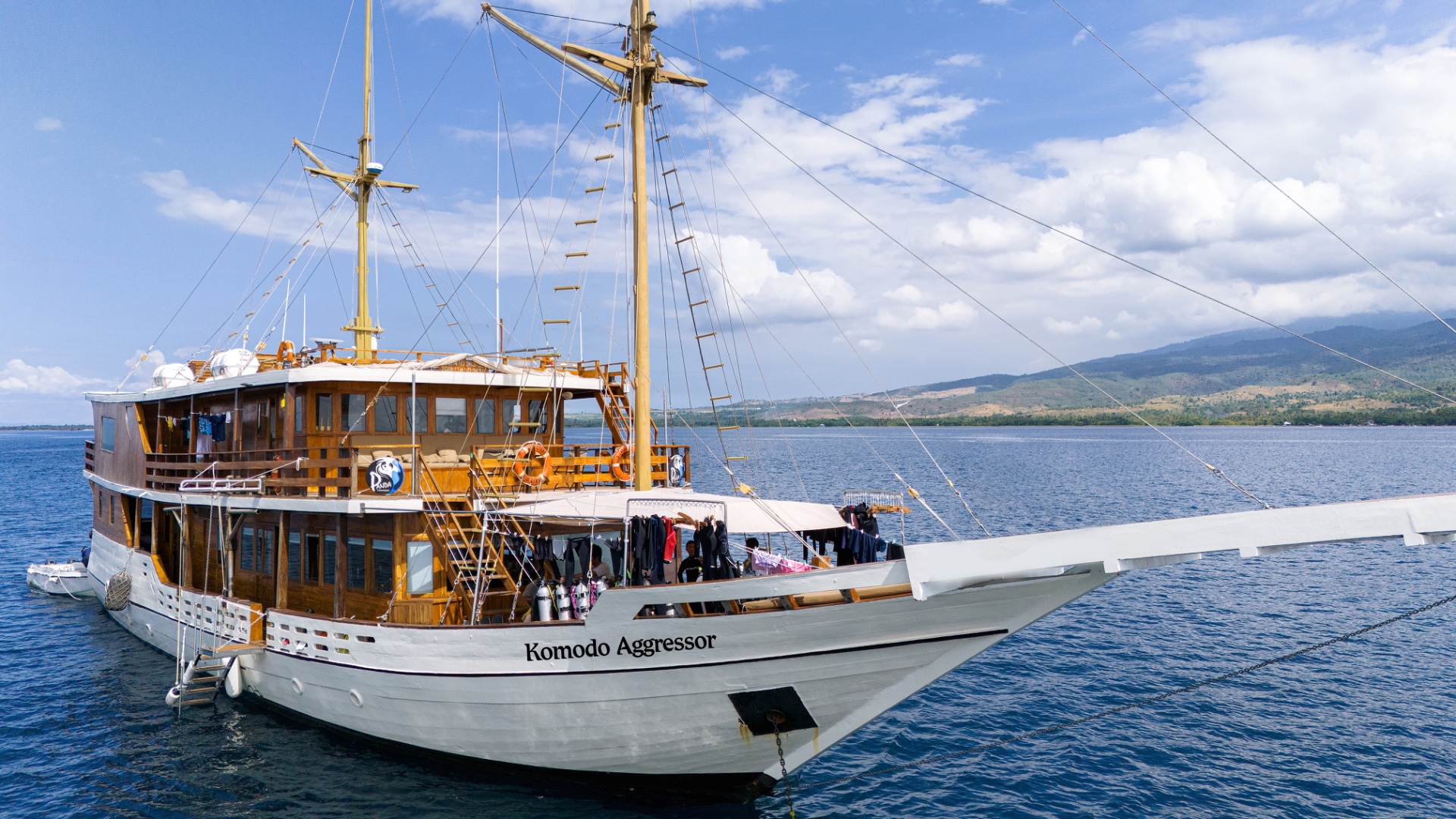
Komodo Aggressor
Komodo, Indonesia
16 guests29 m
$312/day
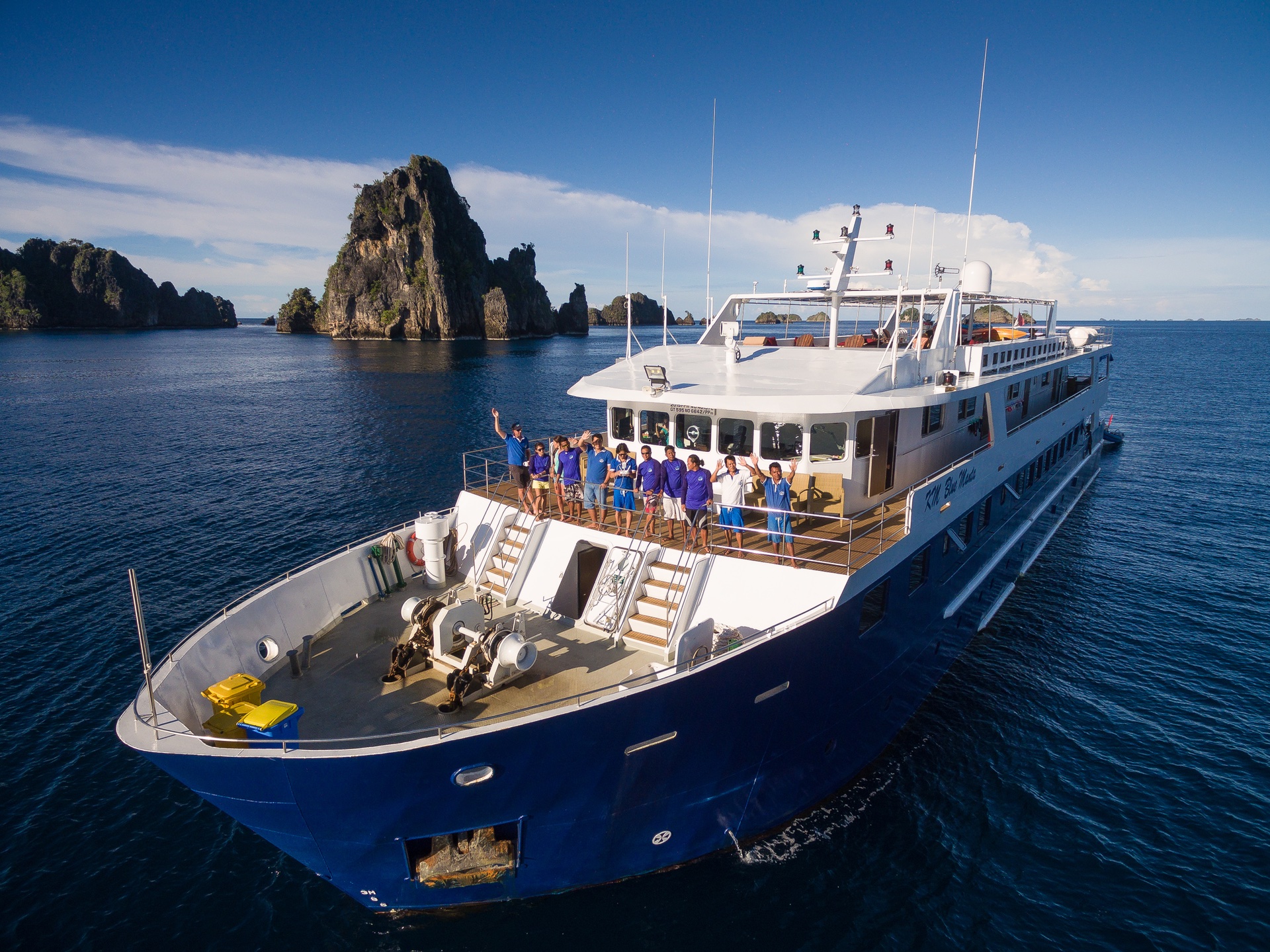
Blue Manta
Indonesia
20 guests45 m
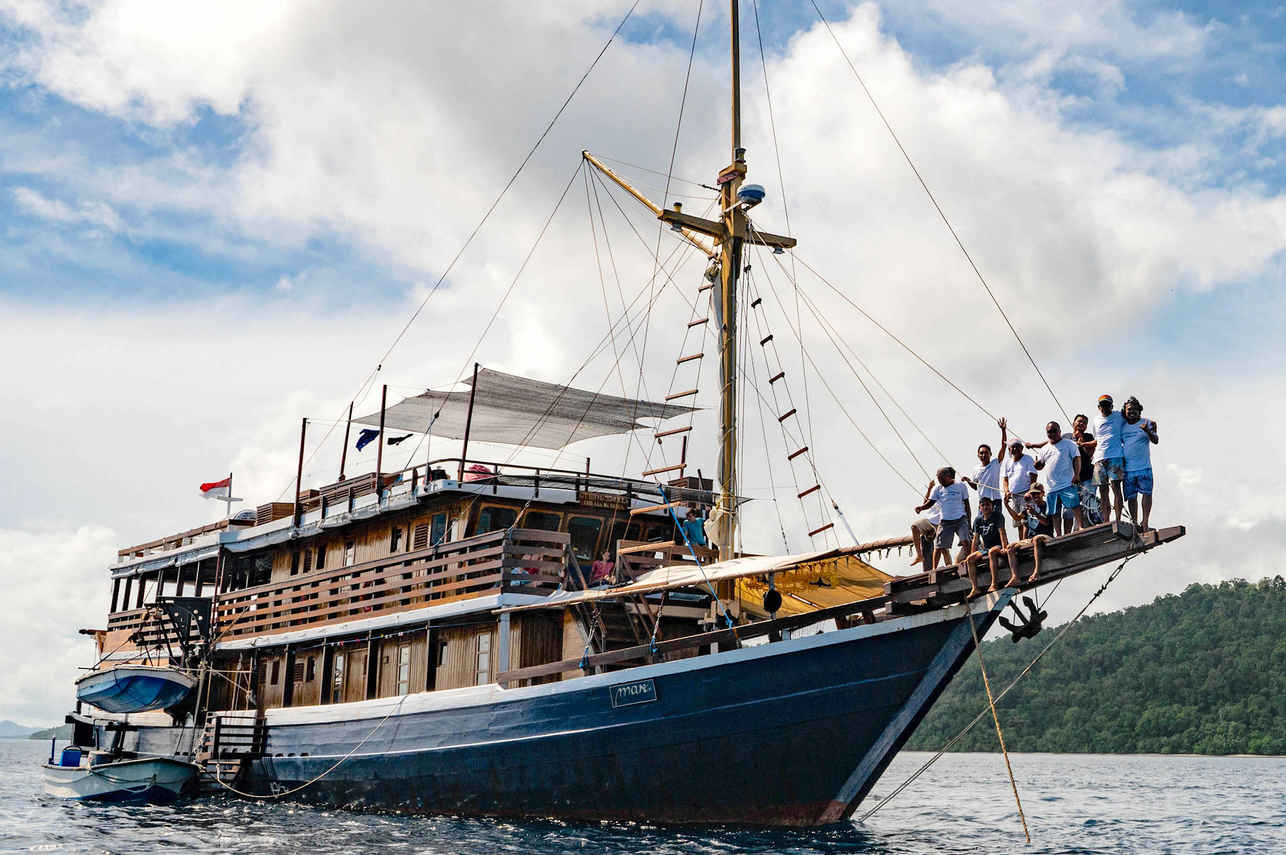
Mari
Indonesia
14 guests32.2 m
$328/day
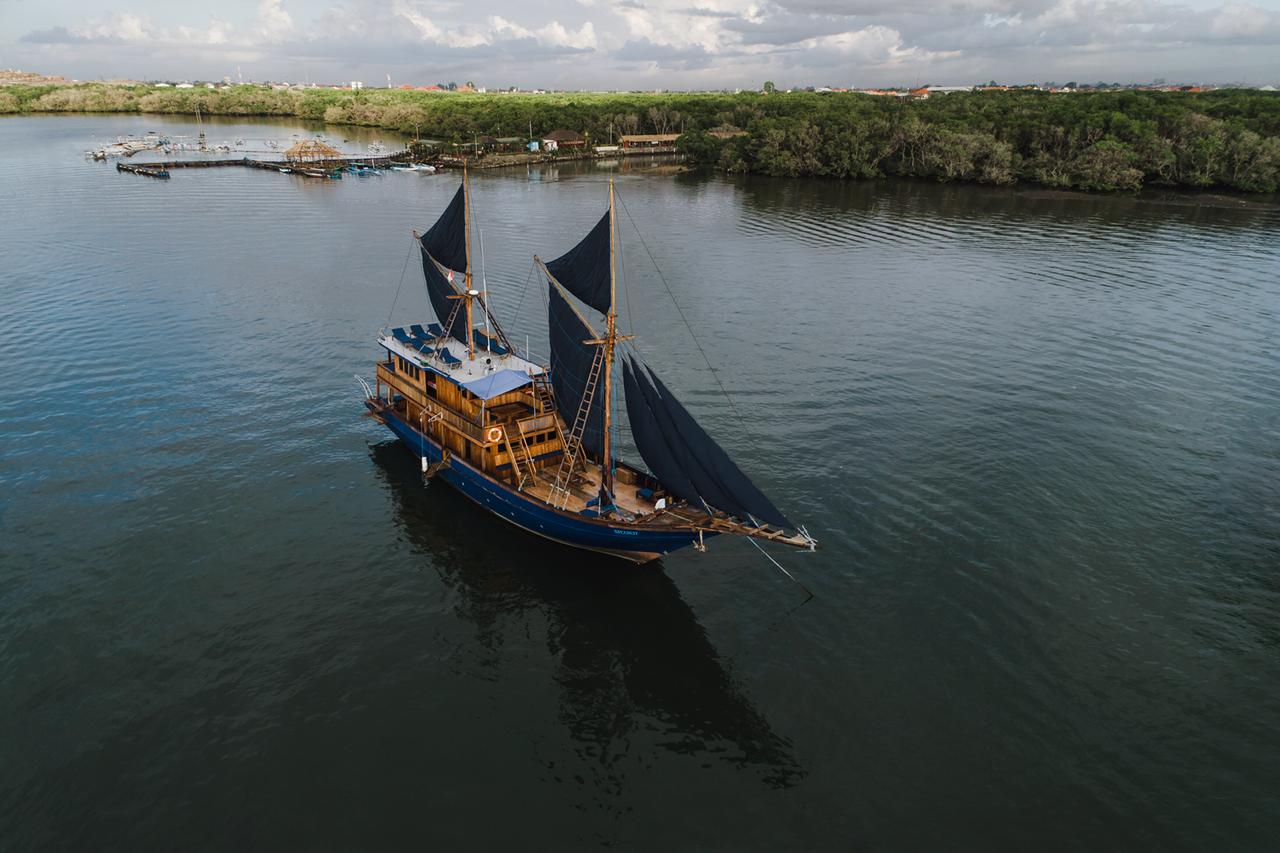
Situju7
Komodo, Indonesia
10 guests32.7 m
$362/day
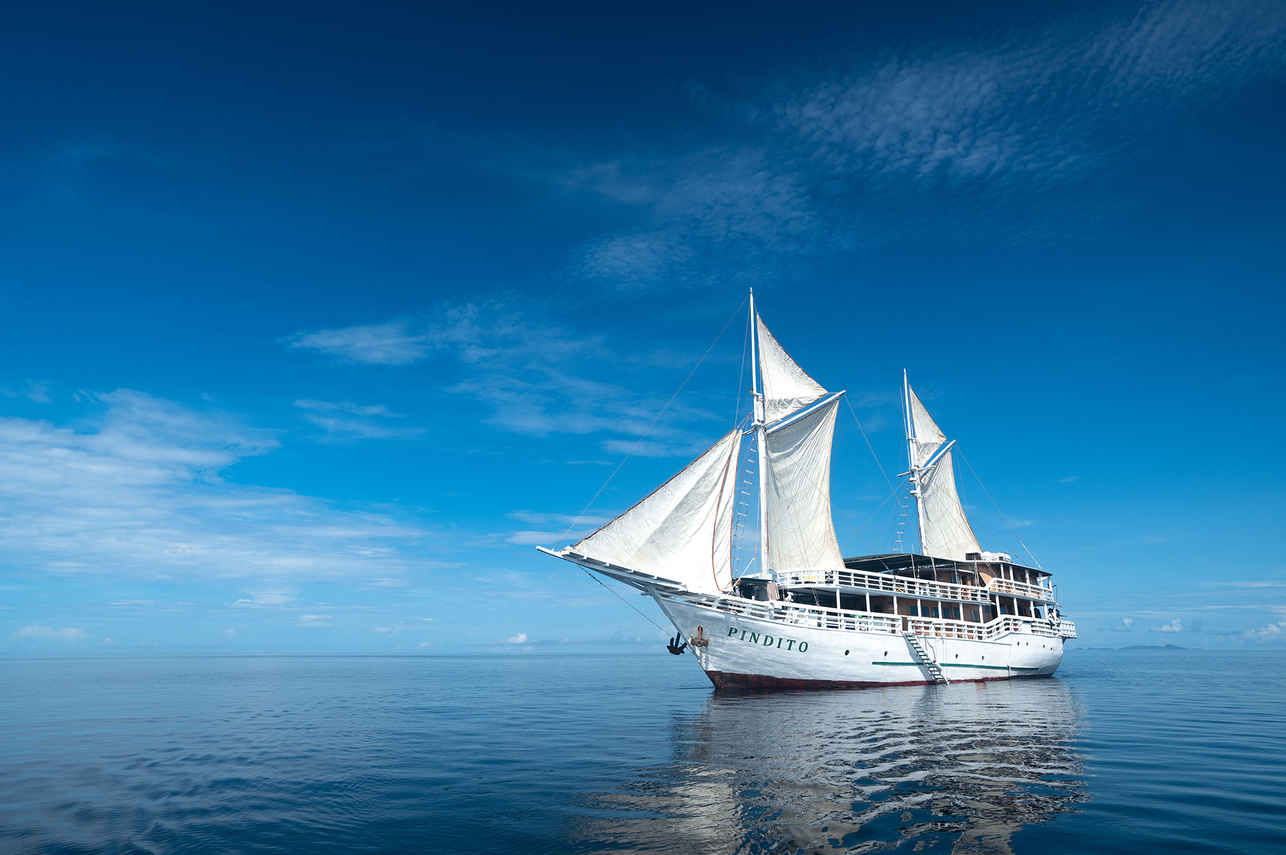
Pindito
Indonesia
16 guests37.79 m
$533/day
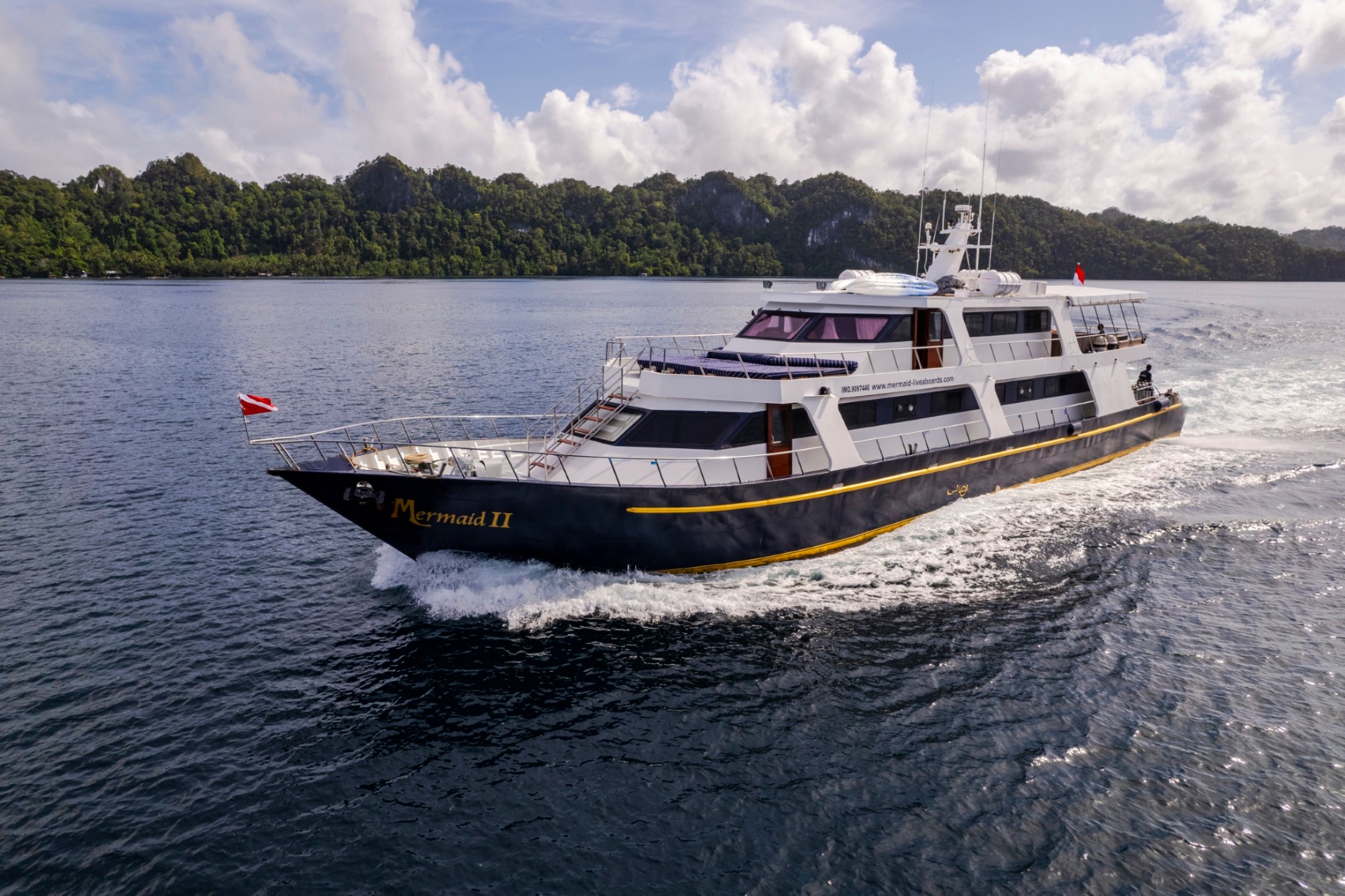
Mermaid II
Komodo, Indonesia
18 guests
$355/day
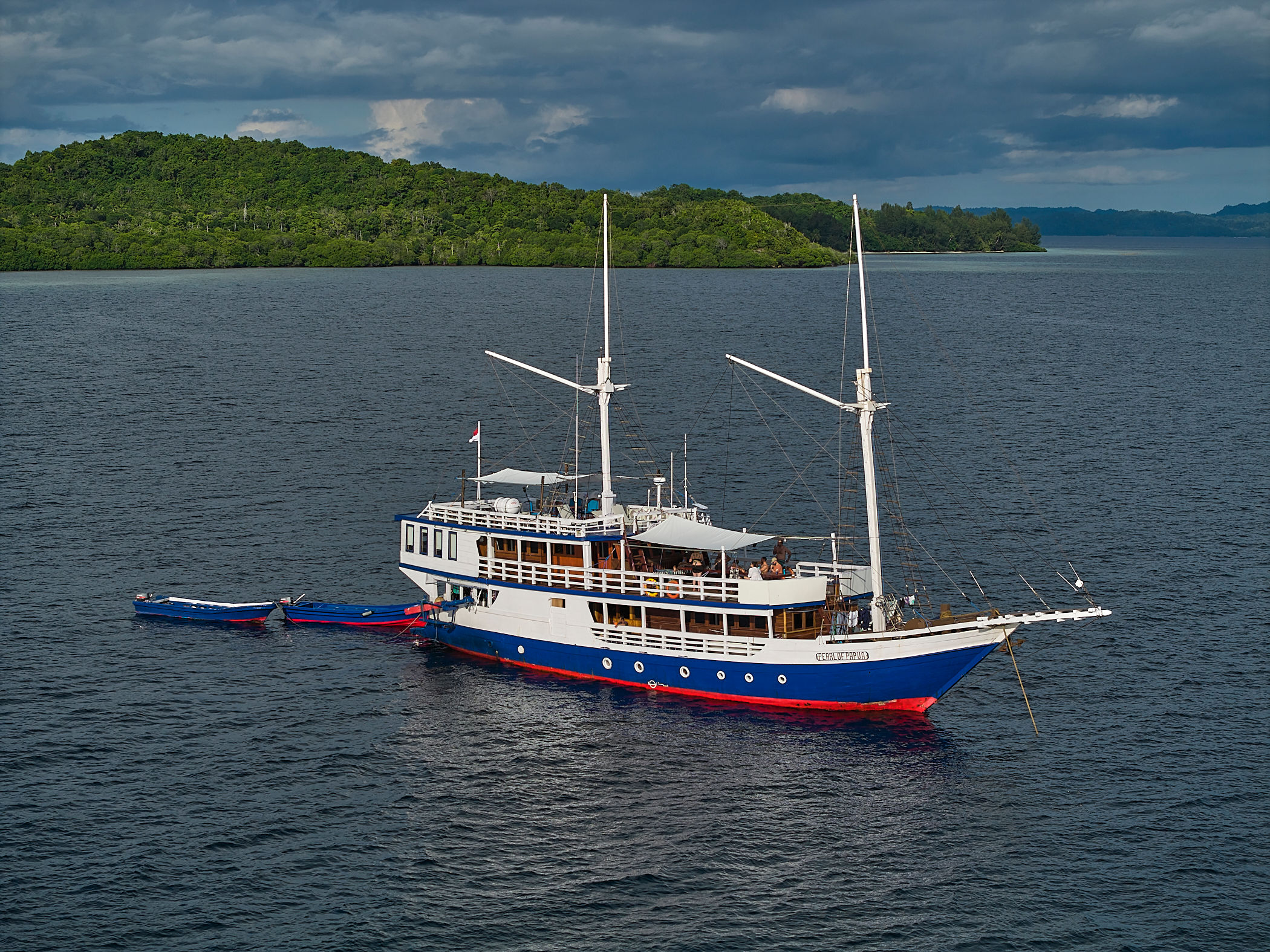
Pearl of Papua
Raja Ampat, Indonesia
14 guests30 m
$303/day
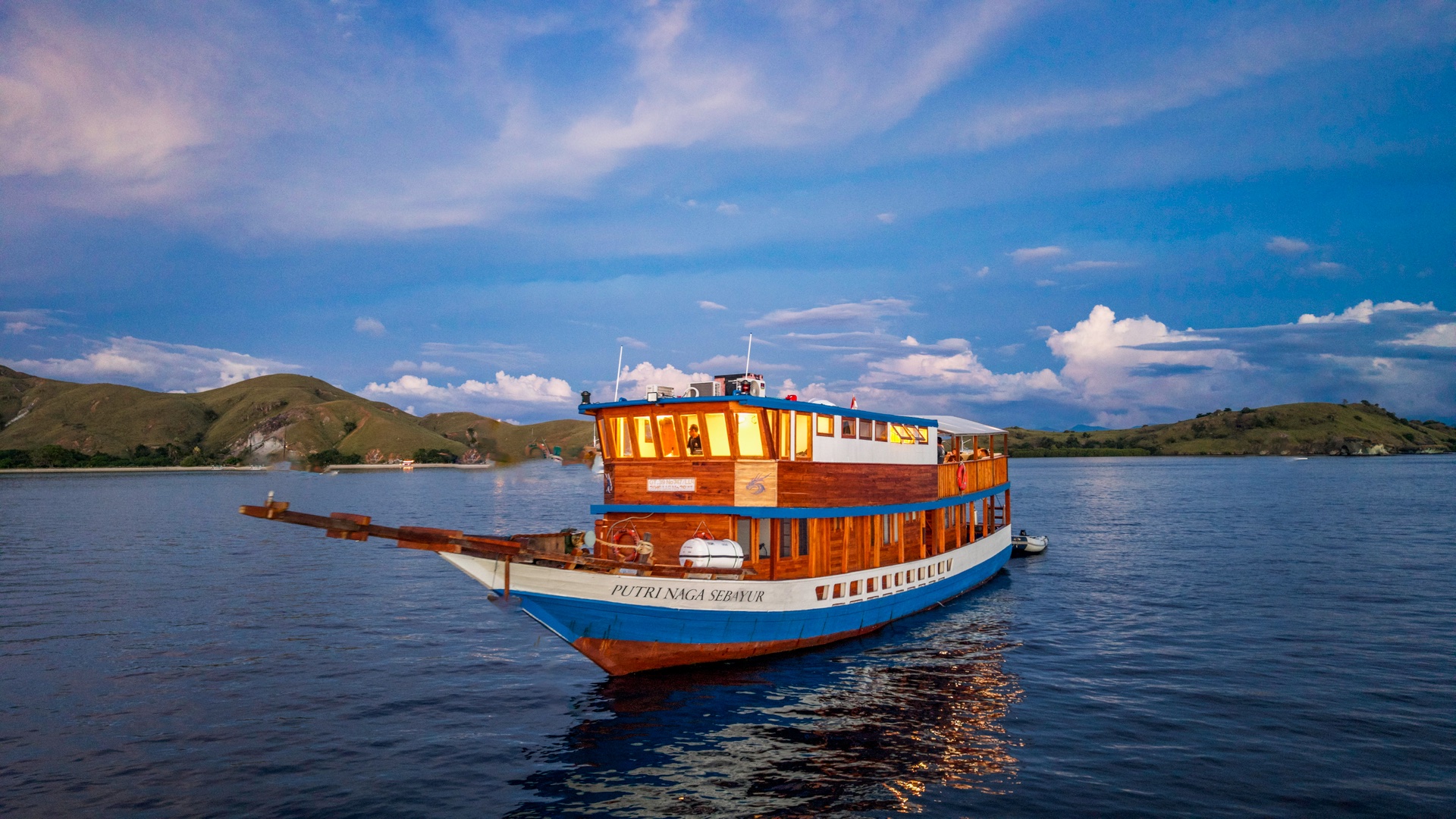
Putri Naga
Komodo, Indonesia
6 guests25 m
Dive sites similar to Ghost Bay
Same character, same waters — six more sites divers love for the exact same reasons.Compare seasons, access and liveaboard routes — then pick the site that fits your trip best.
© Esri — Maxar, Earthstar, GIS
Police Pier Lembeh
Indonesia
Police Pier in Lembeh Strait is a renowned muck diving site, celebrated for its extraordinary biodiversity and as a haven for unique macro marine life.
- Suitable for
- Intermediate
- Current
- Moderate
- Access
- Liveaboard or dayboat
- Depth
- 3–12 m
- Theme
- Muck diving
Located in Tulamben Bay on Bali’s northeastern coast, Drop Off, also known as the Tulamben Wall, is a rewarding dive site recognized for its dramatic underwater landscape.
- Suitable for
- Intermediate
- Current
- Mild
- Access
- Shore / dayboat
- Depth
- 5–60 m
- Theme
- Muck diving / Reef
TK3 is a premier dive site located in the renowned Lembeh Strait, an area celebrated worldwide as the capital of muck diving.
- Suitable for
- Intermediate
- Current
- Strong
- Access
- Liveaboard or dayboat
- Depth
- 5–25 m
- Theme
- Muck diving
© Esri — Maxar, Earthstar, GIS
Nudi Falls
Indonesia
Nudi Falls is a renowned macro dive site located on the mainland side of the Lembeh Strait, a narrow channel between mainland Sulawesi and Lembeh Island in Indonesia.
- Suitable for
- Intermediate
- Current
- Moderate
- Access
- Dayboat
- Depth
- 1–25 m
- Theme
- Muck diving / Wall
© Esri — Maxar, Earthstar, GIS
Lembeh Strait
Indonesia
The Lembeh Strait, situated in North Sulawesi, Indonesia, is celebrated as the world's foremost destination for muck diving and macro photography.
- Suitable for
- Beginner
- Current
- Strong
- Access
- Shore / dayboat
- Depth
- 5–25 m
- Theme
- Drift / Muck diving
© Esri — Maxar, Earthstar, GIS
Nudi Retreat
Indonesia
Nudi Retreat is a celebrated dive site situated in Indonesia's highly-dived Lembeh Strait, offering an exceptional macro diving experience.
- Suitable for
- Beginner
- Current
- Ripping
- Access
- Liveaboard or dayboat
- Depth
- 5–18 m
- Theme
- Muck diving / Wall