About Melasti Beach
Melasti Beach, located in northern Amed, is a renowned shore-entry muck dive site particularly popular with underwater photographers and macro life enthusiasts. This tranquil spot is named after the sacred beach often used for Balinese ceremonies, offering a serene environment both above and below the surface. Depths range from 3 to 20 meters, making it accessible for divers of all certification levels, from beginners to experienced macro hunters. Conditions are typically calm with minimal current, providing excellent opportunities for extended, relaxed dives. The underwater topography is characterized by gently sloping black sand, scattered rubble, and rocky structures rather than extensive coral reefs. These formations create perfect havens for a rich variety of cryptic marine life. Divers can slowly explore this unique environment, which encourages less air consumption and more time for detailed observation. The site boasts consistently clear water, with visibility often ranging between 10 and 25 meters, and comfortable water temperatures from 27°C to 30°C. While primarily a macro haven, the healthy environment ensures a dynamic and rewarding dive experience. Melasti Beach embodies Amed's reputation for relaxed, uncrowded diving that prioritizes discovery and appreciation of smaller, fascinating species.
Highlights
Shore entry muck diveMacro photography paradiseBlack sand topographyFrogfish and harlequin shrimpNudibranchs and seahorsesCalm, clear conditionsAll diver levels
Season calendar
Best months to dive here
Jan
Feb
Mar
Apr
May
Jun
Jul
Aug
Sep
Oct
Nov
Dec
Excellent
Good
Apr – Oct (Apr–Nov)
The dry season brings calm seas, 25–30m+ visibility, and strong currents that attract mantas, sharks, and pelagics to Komodo. Alor offers pristine reef diving with 20–40m visibility. Bali's Nusa Penida delivers Mola Mola encounters from July to October. Water temperatures range from 24–28°C — a 3mm or 5mm wetsuit is recommended.
Nov – Mar (Oct–Apr)
Raja Ampat peaks during the wet season with calmer seas, plankton-rich waters attracting manta rays, and excellent biodiversity. Water is a warm 28–30°C with 15–25m visibility. The Banda Sea opens its rare expedition window from September to December, with hammerhead sharks and pristine seamounts. Lembeh Strait offers world-class muck diving year-round. A 3mm wetsuit is sufficient.
Dive site facts: Melasti Beach
- Depth
- 3–20 m
- Current
- Mild
- Visibility
- 10–25 m
- Water temperature
- 27–30°C
- Entry
- Shore entry
- Level
- All levels (Beginner to Advanced)
- Dive type
- Muck, macro
- Night dive
- Possible
- Region / port
- Amed, East Bali
- Coordinates
- 8.5857° S, 115.4472° E
Conditions & Currents
Melasti Beach typically experiences calm conditions with generally mild currents, making it suitable for divers of all experience levels. However, moderate currents or surface waves can occasionally occur, particularly influenced by wind or tidal changes. Entry to the dive site is directly from the beach, which is generally straightforward due to the calm waters. Divers should remain mindful of potentially uneven sand and rocks underfoot during shore entry and exit, especially if any surface chop is present. Water temperatures are consistently warm, ranging from 27°C to 30°C, and visibility is often excellent, between 10 and 25 meters, allowing for unhurried exploration of the macro-rich environment. This site is ideal for long, slow dives focused on critter spotting due to its predictable and often gentle conditions.
Marine life & sighting chances

Frogfish
common
Harlequin shrimp
common
Nudibranchs
common
Seahorses
common
Ghost pipefish
common
Leaf scorpionfish
common
Tiger shrimp
common
Snake eels
commonDive profile & how the dive runs
Entry at Melasti Beach is a simple shore dive directly into the black sand slope. Divers typically descend to shallow depths of 3-5 meters before slowly progressing along the gently sloping bottom, reaching maximum depths of around 15-20 meters. The dive route involves meticulously exploring the sand, rubble, and scattered rocky structures, focusing on finding macro critters. There is no specific turn point or fixed route; instead, divers leisurely drift or explore the area, often guided by local divemasters who are adept at spotting camouflaged marine life. The simplicity of the topography and calm conditions encourage long, unhurried dives. Safety stops are conducted in the shallowest areas, typically around 5 meters, often extending the dive time to maximize critter spotting near the exit point.
Underwater photography
Melasti Beach is a prime location for macro photography due to its abundance of small, cryptic marine life. A macro lens (e.g., 60mm or 100/105mm) is essential for capturing detailed shots of the frogfish, harlequin shrimp, nudibranchs, ghost pipefish, and seahorses that populate the black sand and rubble. External strobes are highly recommended to provide ample light and bring out the vibrant colors of the subjects against the dark backdrop. A snoot can be particularly effective for isolating small critters and creating dramatic lighting effects. Practicing excellent buoyancy control is crucial to avoid stirring up the silty bottom and to approach delicate subjects without disturbing them. Patience is key, as many creatures are well camouflaged; move slowly and allow your dive guide to assist in spotting the unique inhabitants.
Combine with nearby dive sites
- Jemeluk Bay
Offers shallow coral gardens, a deep wall, and artificial reef structures.
- Pyramids Amed
Features artificial reef structures and a variety of marine life including pygmy seahorses.
- Bunutan
Known for a sloping reef, eel gardens, and occasional drift dives.
- Jepun Wreck
A small wreck site with colorful encrusting corals and reef fish.
- Amed Wall
Part of Jemeluk Bay, known for its drop-off to 35m.
Getting there & logistics
Amed, where Melasti Beach is located, is about a three-hour drive from Denpasar airport (DPS) in South Bali. Divers typically arrange transfers directly from the airport or other Bali regions. Dive operators in Amed offer daily trips to Melasti Beach, which is accessible via shore entry. The relaxed atmosphere and shore-based diving make it easy to combine multiple dives in a day. Most diving packages include equipment rental and guided dives, often without additional park fees for this specific site. Amed is a popular destination for multi-day dive safaris, allowing divers to explore various sites along the northeast coast. The general recommendation is to base yourself in Amed for several days to fully experience its diverse offerings and uncrowded dive spots.
Safety & environment
While Melasti Beach is considered suitable for all diver levels due to its calm conditions and shallow depths, standard dive safety practices remain paramount. The nearest recompression chamber is located in Denpasar, requiring a potentially lengthy evacuation journey of several hours. Therefore, having comprehensive dive insurance that covers emergency medical treatment and evacuation is highly recommended for all divers. Site-specific hazards are minimal, primarily limited to the need for careful footing during shore entries and exits on potentially uneven sand and rubble. Divers should always listen to their guide's briefing regarding local conditions, particularly if any moderate currents or surface waves are present. Maintaining excellent buoyancy is essential to avoid contact with the bottom and protect the delicate macro life. It is crucial to never touch marine life or artificial structures.
Who it suits, and who it doesn't
Suited for
- Macro photography enthusiasts
- Beginner divers seeking easy conditions
- Underwater photographers using strobes and snoots
- Divers seeking relaxed, uncrowded dives
- Critter hunters
Less suited for
- Divers seeking large pelagic encounters
- Divers primarily interested in extensive coral reefs
- Those preferring deep wreck penetrations
- Divers who dislike slow-paced, detailed observation dives
FAQ
Melasti Beach FAQ
What kind of marine life can I expect to see at Melasti Beach?
Melasti Beach is a macro paradise, renowned for its diverse collection of small, cryptic critters. You can frequently spot frogfish, ghost pipefish, harlequin shrimp, various species of nudibranchs, leaf scorpionfish, tiger shrimp, and even seahorses. The site's black sand and rocky rubble provide excellent camouflage and habitat for these fascinating creatures.
Is Melasti Beach suitable for beginner divers?
Yes, Melasti Beach is considered suitable for divers of all levels, including beginners. The dive site features a shallow depth range of 3 to 20 meters and typically experiences calm conditions with mild currents. Shore entry is generally easy, making it an accessible and relaxed environment for those new to diving or looking for an easy, unchallenging experience.
What is the typical visibility and water temperature at Melasti Beach?
Visibility at Melasti Beach is often very good, ranging from 10 to 25 meters, providing clear views for spotting small marine life. The water temperature is consistently warm, typically between 27°C and 30°C. These comfortable conditions contribute to the site's reputation as an enjoyable and accessible dive location throughout the year.
Do I need special equipment for diving at Melasti Beach?
While standard dive gear is sufficient, macro photographers will benefit greatly from a macro lens and external strobes to capture the intricate details of the small marine life. A dive torch is also useful for spotting critters under ledges or within the rubble. Due to the black sand bottom, excellent buoyancy control is highly recommended to avoid disturbing the sediment.
How is Melasti Beach accessed for diving?
Melasti Beach is a shore-entry dive site, meaning divers walk directly into the water from the beach. This makes it very convenient and eliminates the need for boat transfers. The easy access, combined with generally calm surface conditions, contributes to its popularity, especially for photographers carrying heavy camera gear.
Is Melasti Beach a good spot for night diving?
Yes, night diving is possible at Melasti Beach and can be a highly rewarding experience. Many nocturnal macro critters emerge after dark, offering a different perspective on the site's rich biodiversity. Guided night dives are often arranged by local operators, allowing you to discover species you might not see during the day.
Why dive Melasti Beach from a liveaboard?
Melasti Beach is one of Bali's signature dive sites. A liveaboard sleeps you on the water and puts you in the water for three to four guided dives per day, including dawn and night dives that day-boat operators rarely offer. You skip the daily commute back to port and reach quieter, less-crowded sites in the same region on a single trip.
Below are the liveaboards that include Melasti Beach on their Bali itineraries.
Liveaboards diving Melasti Beach
These liveaboards may visit Melasti Beach on selected itineraries, the exact dive sites depend on departure, weather and conditions.
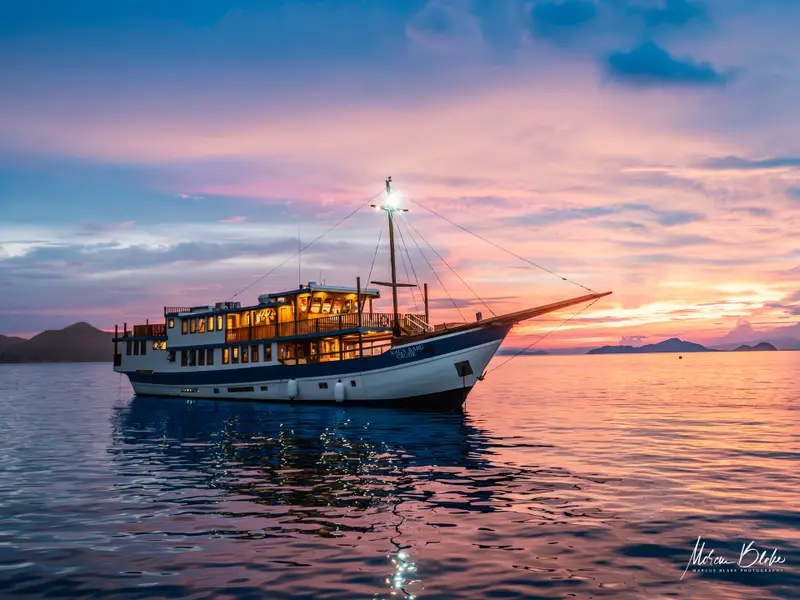
Naga Biru
Indonesia
12 guests40 m
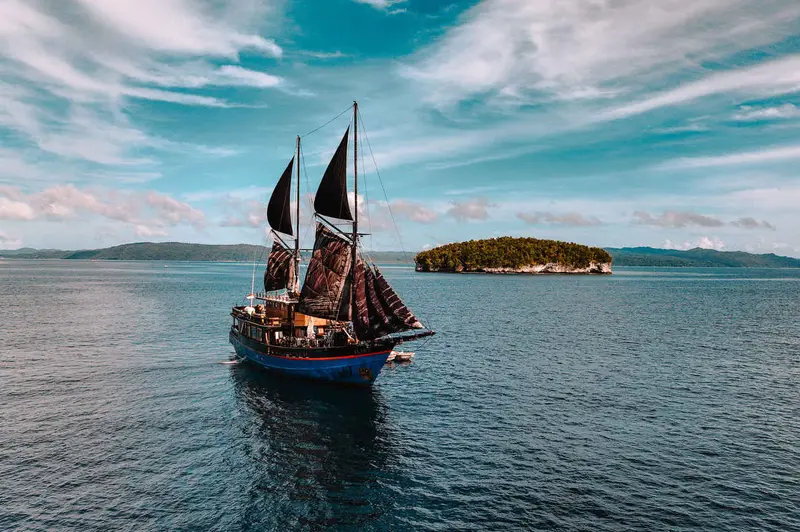
Ilike
Indonesia
16 guests40 m
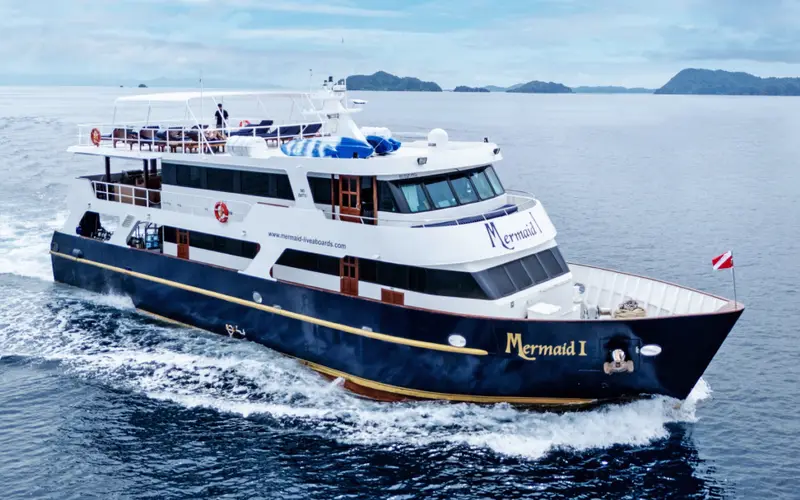
Mermaid I
Alor
15 guests28 m
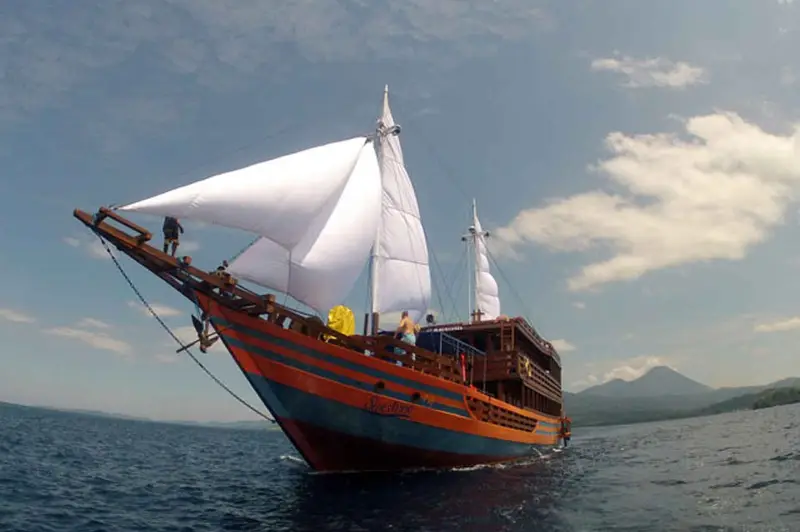
Sunshine Liveaboard
Indonesia
10 guests31 m
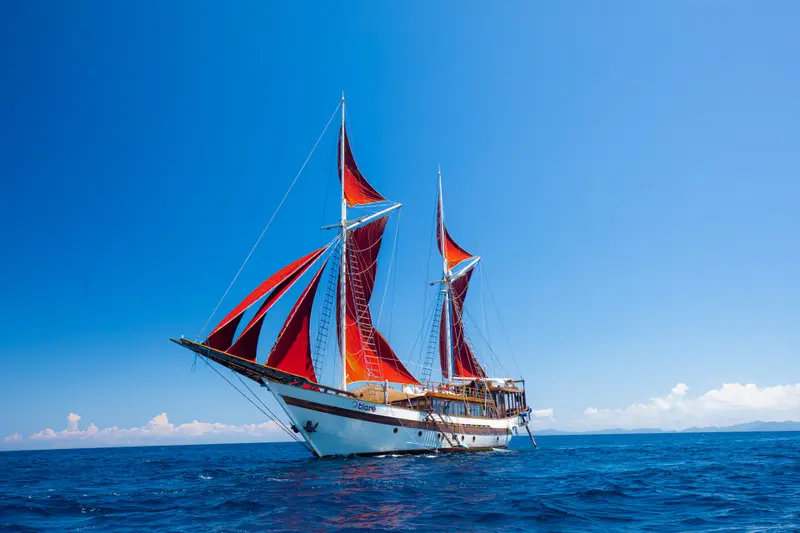
Tiare Cruise
Indonesia
12 guests37 m
Dive sites similar to Melasti Beach
Same character, same waters, six more sites divers love for the exact same reasons.Compare seasons, access and liveaboard routes, then pick the site that fits your trip best.
Abila is a notable dive site located within the Alor Islands Marine Park, an area celebrated for its rich marine biodiversity due to its position in the Coral Triangle.
- Suitable for
- Beginner
- Current
- Mild
- Access
- Liveaboard only
- Depth
- —
- Theme
- Reef
© EsriMaxar, Earthstar, GIS
Adonara Channel
Alor
Adonara Channel stands as one of Alor's most iconic dive sites, celebrated for its dynamic currents and exceptionally rich biodiversity.
- Suitable for
- Advanced
- Current
- Strong
- Access
- Liveaboard or dayboat
- Depth
- 10–40 m
- Theme
- Drift / Wall
© EsriMaxar, Earthstar, GIS
Adonara Wall
Indonesia
Adonara is an Indonesian island dive site, renowned for its vibrant underwater topography characterized by submerged seamounts.
- Suitable for
- Intermediate
- Current
- Strong
- Access
- Liveaboard or dayboat
- Depth
- 5–35 m
- Theme
- Seamount / Wall
© EsriMaxar, Earthstar, GIS
Agnay Fish Sanctuary
Philippines
Agnay Fish Sanctuary is nestled in a sheltered bay near the village of Agnay in Romblon, a province celebrated for its rich marine biodiversity.
- Suitable for
- Beginner
- Current
- Mild
- Access
- Dayboat
- Depth
- 9–18 m
- Theme
- Reef
© EsriMaxar, Earthstar, GIS
Ai Island Reef
Banda Sea
Ai Island Reef, nestled within the Banda Sea, offers a remarkable diving experience characterized by its rich marine biodiversity and varied underwater topography.
- Suitable for
- Beginner
- Current
- Strong
- Access
- Liveaboard only
- Depth
- 3–30 m
- Theme
- Reef / Seamount
© EsriMaxar, Earthstar, GIS
Akitsushima
Philippines
The Akitsushima is a distinguished World War II Japanese seaplane tender, sunk in September 1944 during an American air raid in Coron Bay, Palawan.
- Suitable for
- Advanced
- Current
- Strong
- Access
- Dayboat
- Depth
- 22–38 m
- Theme
- Wreck