About Gili Trawangan
Gili Trawangan, the largest of the three Gili Islands, is renowned for its exceptional scuba diving, located off the northwest coast of Lombok. It attracts divers of all levels with its consistently warm water, excellent visibility, and abundant marine ecosystems. The island offers a dynamic environment, blending a lively atmosphere with world-class diving infrastructure, making it a popular choice for both certifications and fun dives. The dive sites around Gili Trawangan feature diverse topography, including deep ridges, drop-offs extending beyond 50 meters, sloping reefs with coral gardens, and canyons. Depths can range from shallow coral fields at 5 meters to deeper areas reaching 40-50 meters, accommodating a wide array of dive experiences from gentle slopes to thrilling drift dives. Marine life is a significant draw, with green and hawksbill sea turtles being incredibly common sightings throughout the year. Divers frequently encounter blacktip and whitetip reef sharks, eagle rays, and schooling jackfish. The reefs also host a rich macro environment, home to nudibranchs, frogfish, ghost pipefish, and seahorses, alongside a colorful array of tropical fish such as clownfish, butterflyfish, and parrotfish. Diving here is primarily conducted via short boat rides from the island, with many sites offering drift diving due to prevailing currents. Conditions are generally calm, and dive centers ensure tailored experiences, often maintaining small diver-to-guide ratios even during busy periods. This focus on personalized diving ensures a high-quality experience for every visitor.
Highlights
Abundant green and hawksbill turtlesFrequent reef shark sightingsDiverse coral formations and topographyThrilling drift divesMacro life, nudibranchs, seahorsesTugboat wreck at Shark PointBiorock coral restoration projectYear-round warm, clear water
Season calendar
Best months to dive here
Jan
Feb
Mar
Apr
May
Jun
Jul
Aug
Sep
Oct
Nov
Dec
Excellent
Good
Dive site facts: Gili Trawangan
- Depth
- 5–50 m
- Typical dive
- 12–30 m, 45–60 min
- Current
- Mild to strong, often drift dives
- Visibility
- 15–30 m
- Water temperature
- 27–30°C
- Entry
- Boat
- Level
- All levels, AOWD recommended for deeper sites
- Dive type
- Reef, drift, wreck, macro
- Night dive
- Possible
- Region / port
- Lombok, Indonesia
- Coordinates
- 8.3500° S, 116.0400° E
Conditions & Currents
Diving around Gili Trawangan frequently involves drift dives due to prevalent currents, which vary in strength and direction depending on the site and lunar cycle. Sites like Halik and Deep Turbo are particularly known for their currents, attracting schools of fish and offering exhilarating experiences. While many sites offer calm conditions, divers should be prepared for moderate to strong currents at certain locations and times, especially at deeper sites or those exposed to the Lombok Strait. Visibility typically ranges from 15 to 30 meters, with drier months offering the clearest conditions. Water temperatures remain comfortably warm, between 27°C and 30°C, throughout the year, meaning thermoclines are not a common concern. Dive entries are typically made from boats, positioning divers for optimal drift along the reefs.
Marine life & sighting chances
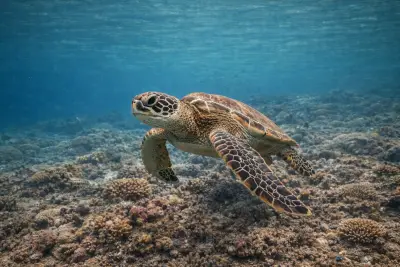
Green sea turtle
Year-round · common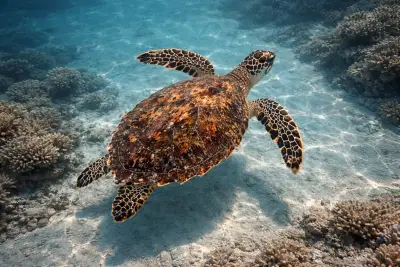
Hawksbill turtle
Year-round · common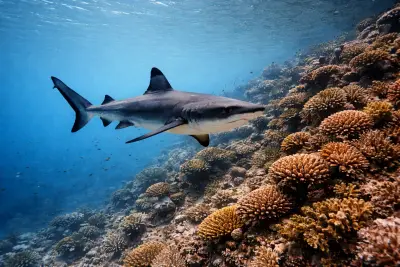
Blacktip reef shark
Year-round · occasional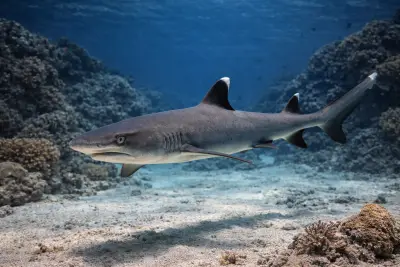
Whitetip reef shark
Year-round · occasional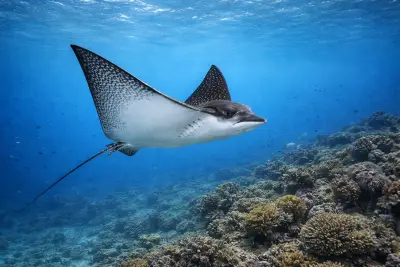
Eagle ray
occasional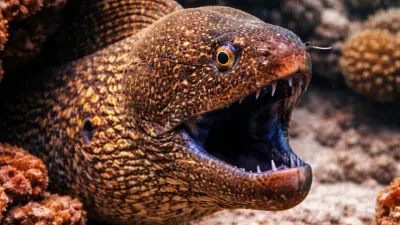
Moray eel
common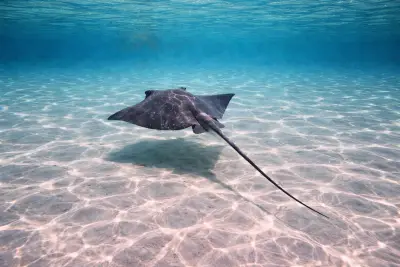
Blue-spotted stingray
common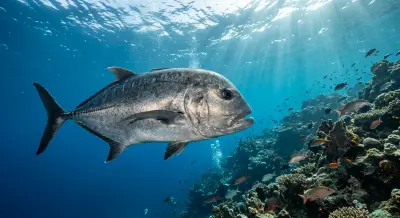
Giant trevally
occasional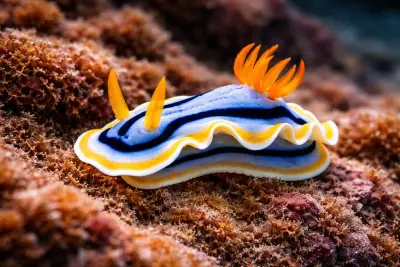
Nudibranch
common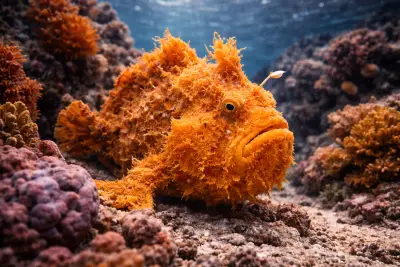
Frogfish
occasional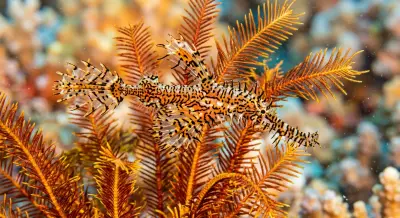
Ghost pipefish
occasional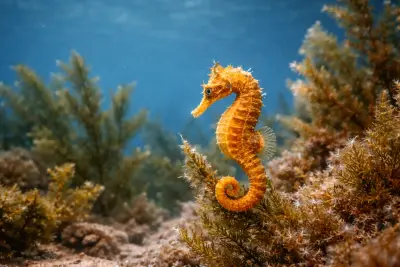
Seahorse
occasional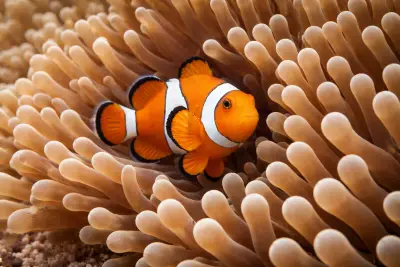
Clownfish
common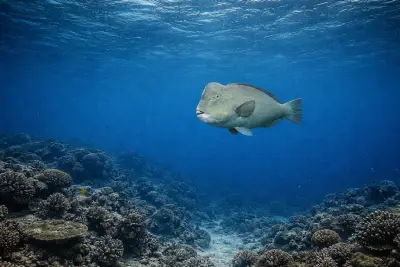
Bumphead parrotfish
Full moon · occasionalDive profile & how the dive runs
Dives around Gili Trawangan typically begin with a boat entry, positioning divers for a drift along the reef. For sites like Shark Point, you'll often drop onto deep ridges, descending to depths around 25-30 meters to explore a tug boat wreck. The dive then progresses shallower, moving towards the shore where you can find extensive coral fields and bommies, often between 5-18 meters. At Halik, the reef starts at 6 meters, with advanced divers exploring canyons down to 40 meters. Current conditions dictate the drift speed, allowing you to effortlessly glide past gorgonian fans and schooling fish. Safety stops are usually conducted in the shallower sections of the reef, often amidst healthy coral gardens, making for a scenic end to the dive.
Underwater photography
Gili Trawangan offers excellent opportunities for both wide-angle and macro photography. For vibrant reefscapes and schooling fish, a wide-angle lens is ideal. Capture the large gorgonian sea fans, barrel sponges, and the overall health of the coral gardens. Macro enthusiasts will find a wealth of subjects, including numerous nudibranch species, frogfish, ghost pipefish, and seahorses, particularly at sites with smaller caves and crevices. A macro lens with dedicated strobes or a snoot will help highlight these often-camouflaged creatures. When photographing turtles, maintain a respectful distance to avoid disturbing them as they rest or feed. Buoyancy control is paramount to protect the delicate corals and to achieve clear, in-focus shots in the frequently moving conditions of drift dives.
Combine with nearby dive sites
- Shark Point
Famous for sharks and turtles, tugboat wreck.
- Halik
Great for drift diving, diverse marine life, barrel sponges.
- Deep Turbo
Exciting drift, large schools of fish, reef sharks.
- Biorock
Coral restoration project, abundant reef fish and critters.
- Simon’s Reef
Deeper site with canyons and bommies, schooling fish.
- Sunset Reef
Sloping reef on the south-west side, good for sharks and sweetlips.
Getting there & logistics
Access to Gili Trawangan is straightforward, primarily via fast boat transfers from Bali (Padang Bai, Serangan) or Lombok (Bangsal Harbor). Travelers typically fly into Ngurah Rai International Airport (DPS) in Bali or Lombok International Airport (LOP). Once on the island, motorized vehicles are prohibited, so transport is limited to bicycles, walking, or horse-drawn carriages. Dive trips typically involve day boat excursions to various sites around the Gili Islands. There are no specific dive permits mentioned, but standard dive center fees apply. It is common to combine diving in Gili Trawangan with stays on Gili Meno or Gili Air, offering a varied island and dive experience within the same trip.
Safety & environment
Diver safety in Gili Trawangan is supported by local dive centers adhering to international standards. The nearest recompression chamber is located in Mataram City, Lombok. In the event of a dive emergency requiring evacuation, transportation to Lombok would typically involve a fast boat, followed by land transfer to Mataram. Divers should ensure they have comprehensive dive insurance covering medical emergencies and evacuation. Site-specific hazards include varying current strengths, which can range from mild to strong, necessitating good buoyancy control and experience with drift diving. Always follow your dive guide's instructions, maintain a safe distance from marine life, and never touch the coral to preserve the fragile ecosystem. Water temperatures are consistently warm, minimizing cold-related risks, and visibility is generally good.
Who it suits — and who it doesn't
Suited for
- Beginner divers completing certifications
- Advanced divers seeking thrilling drift dives
- Underwater photographers interested in macro and wide-angle
- Divers passionate about sea turtle encounters
- Individuals seeking a vibrant island atmosphere
Less suited for
- Divers uncomfortable with drift diving
- Those who prefer isolated, quiet dive sites during peak season
- Divers expecting extreme pelagic encounters like whale sharks
- Individuals sensitive to bustling island environments
- Divers unwilling to travel by boat for all dives
FAQ
Gili Trawangan FAQ
When is the best time of year to dive in Gili Trawangan?
The ideal time for diving in Gili Trawangan is during the dry season, from April to November. This period offers the best conditions with calm seas, excellent visibility, often exceeding 25 meters, and consistently warm water temperatures between 27-30°C. While diving is possible year-round, the wet season from December to March may bring occasional rain and reduced visibility, particularly in February.
What kind of marine life can I expect to see around Gili Trawangan?
Gili Trawangan is famous for its abundant sea turtle population, with both green and hawksbill turtles commonly sighted on nearly every dive. You can also frequently spot blacktip and whitetip reef sharks, eagle rays, and blue-spotted stingrays. The reefs are home to vibrant tropical fish like clownfish, butterflyfish, and parrotfish, as well as fascinating macro life such as nudibranchs, frogfish, ghost pipefish, and seahorses.
Are the dive sites in Gili Trawangan suitable for beginners?
Yes, Gili Trawangan caters to all experience levels, from beginners to experienced divers. Many sites, like Shark Point and Halik, have shallower sections starting at 5-6 meters with gentle conditions, perfect for Open Water certified divers or those completing their certifications. However, some deeper sites with stronger currents are better suited for Advanced Open Water divers or those with drift diving experience.
How do I get to Gili Trawangan for diving?
Most divers travel to Gili Trawangan by flying into either Bali's Ngurah Rai International Airport (DPS) or Lombok International Airport (LOP). From Bali, frequent fast boat services depart from ports like Padang Bai or Serangan directly to Gili Trawangan. If you're coming from Lombok, a shorter boat ride from Bangsal Harbor will take you to the island. Once there, movement is restricted to walking, bicycles, or horse-drawn carriages.
Are there strong currents when diving in Gili Trawangan?
Currents around Gili Trawangan can vary from mild to strong, making many dives exciting drift dives. Sites like Halik and Deep Turbo are known for their currents, which attract large schools of fish. Dive operators are experienced in managing these conditions, often planning dives to take advantage of the drift. Divers should be comfortable with varying currents, though there are also calmer sites available.
What are some of the most popular dive sites in Gili Trawangan?
Some of the most popular and highly recommended dive sites include Shark Point, known for its sharks, turtles, and a tugboat wreck; Halik, offering excellent drift diving with diverse macro and pelagic life; Deep Turbo, famous for its thrilling currents and large fish schools; and the Biorock project, a significant coral restoration site teeming with marine life. Simon’s Reef is also popular for its unique underwater canyons.
Why dive Gili Trawangan from a liveaboard?
Gili Trawangan is one of Indonesia's signature dive sites. A liveaboard sleeps you on the water and puts you in the water for three to four guided dives per day, including dawn and night dives that day-boat operators rarely offer. You skip the daily commute back to port and reach quieter, less-crowded sites in the same region on a single trip.
Below are the liveaboards that include Gili Trawangan on their Indonesia itineraries.
Liveaboards diving Gili Trawangan
These liveaboards may visit Gili Trawangan on selected itineraries — the exact dive sites depend on departure, weather and conditions.
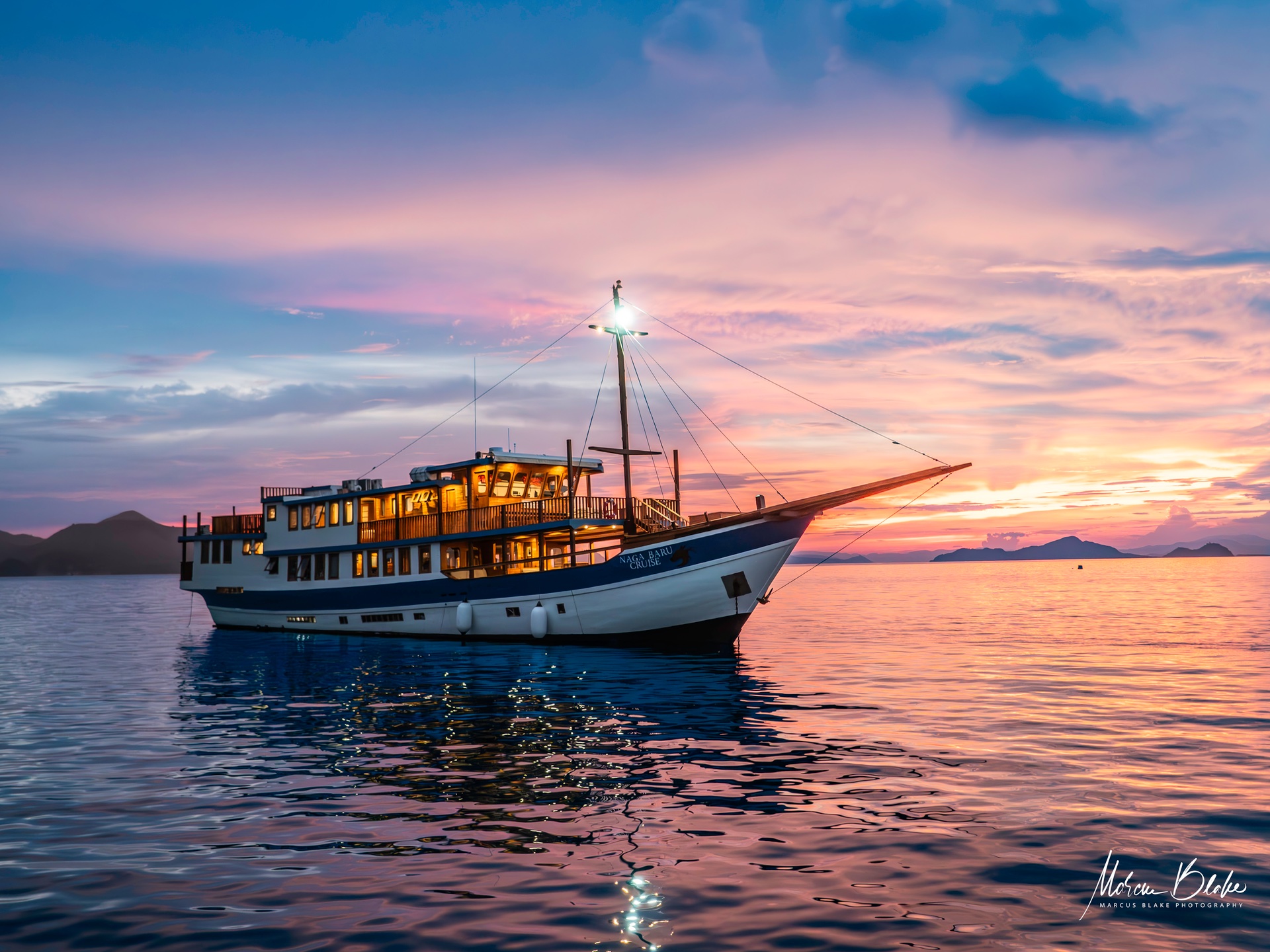
Naga Biru
Indonesia
12 guests40 m
$274/day
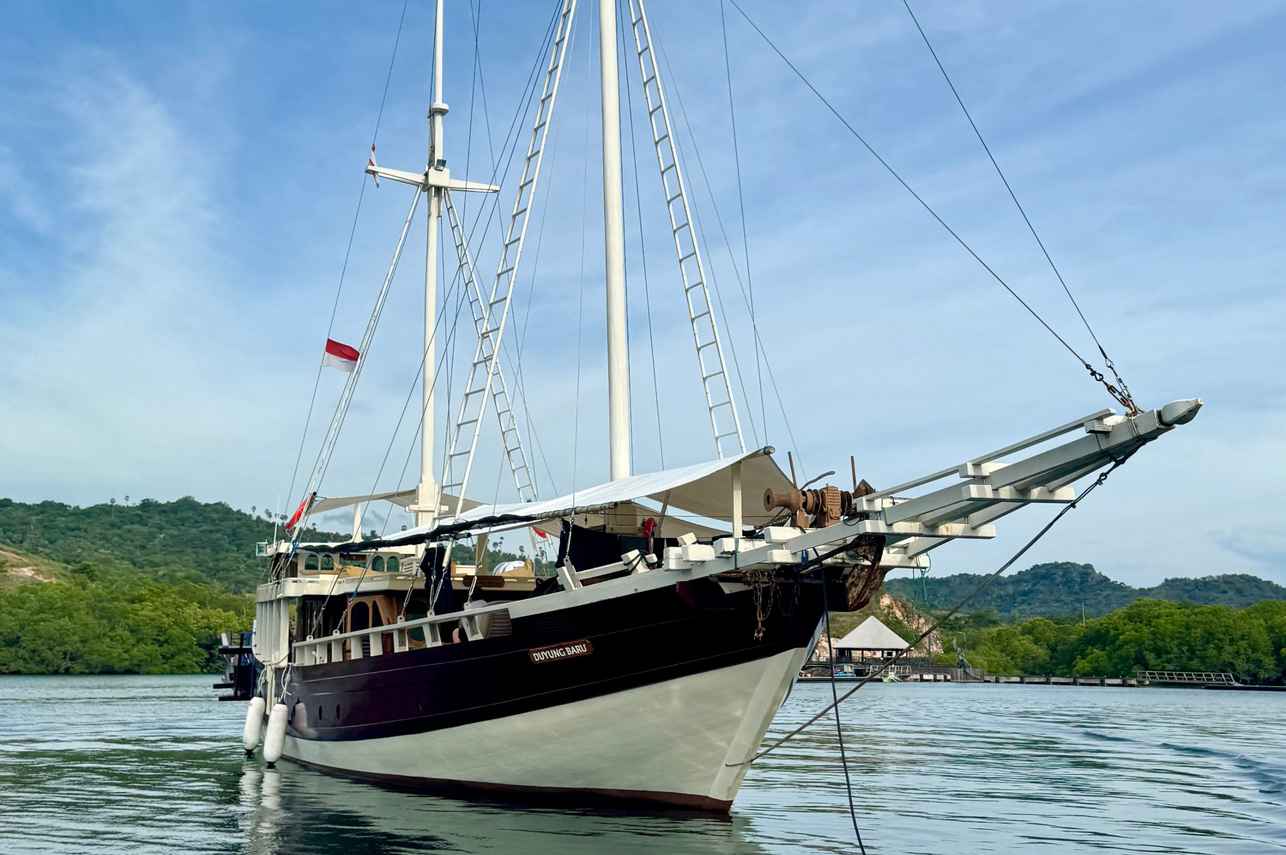
Ecopro Duyung Baru
Indonesia
6 guests27 m
$361/day
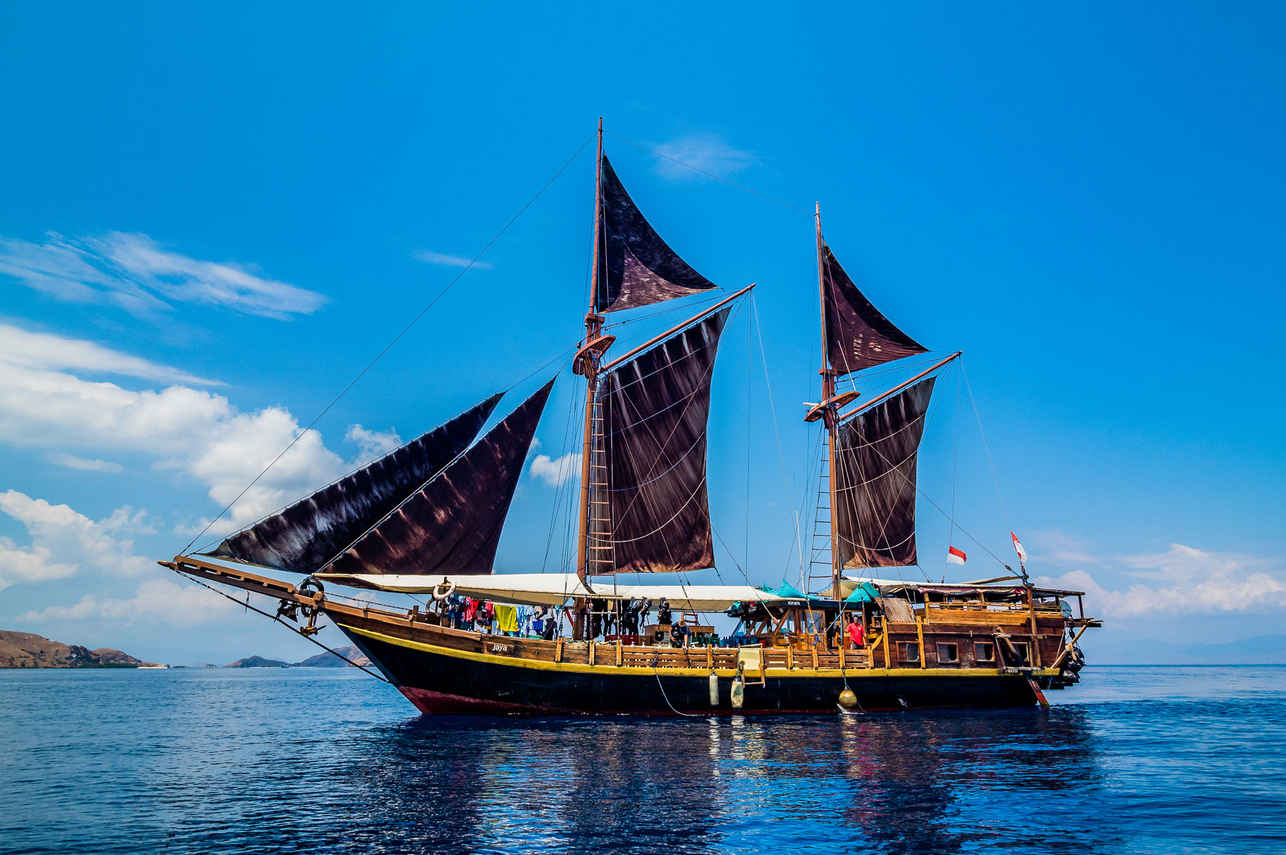
Jaya
Indonesia
14 guests23 m
$280/day
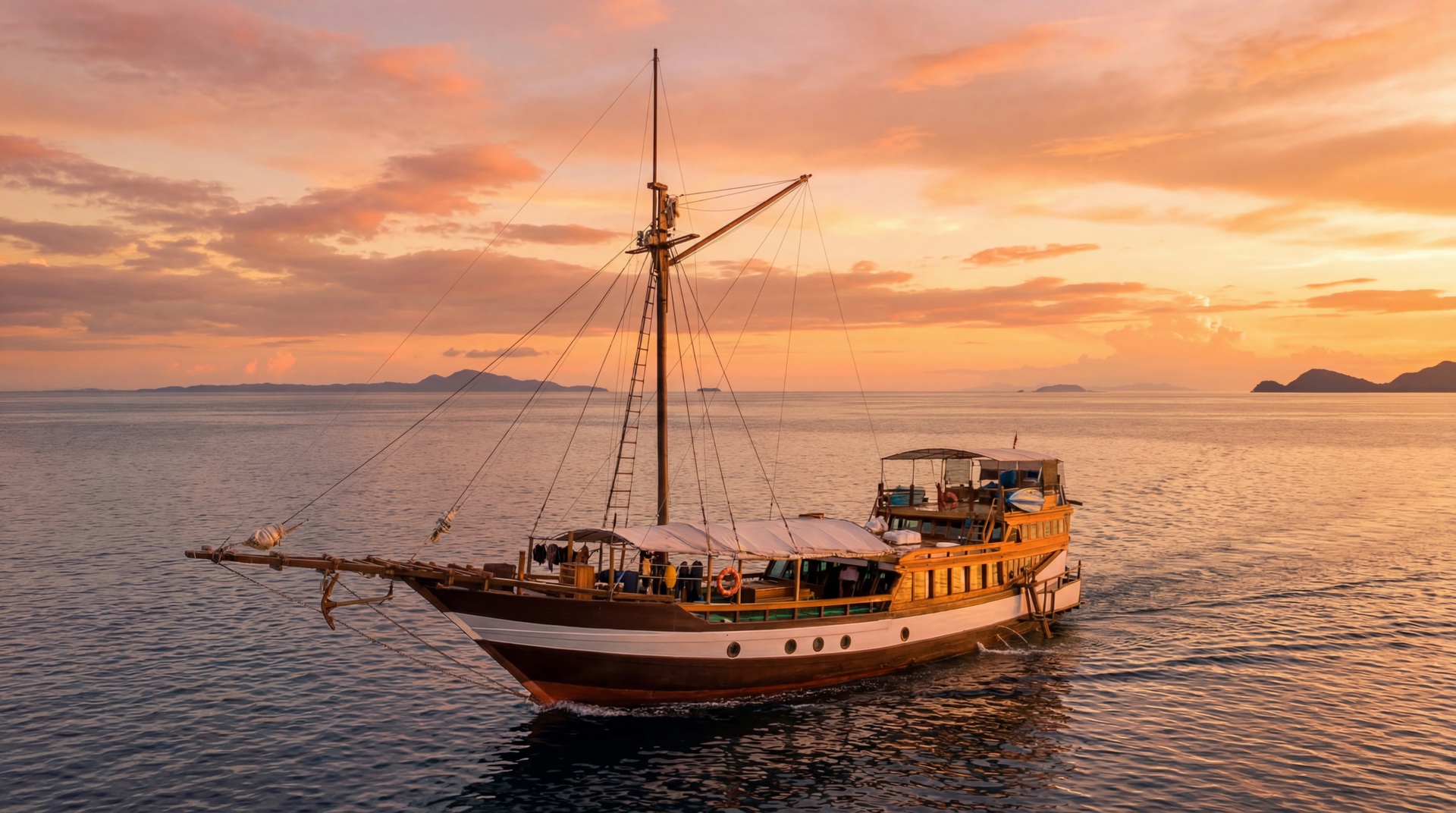
Wellenreng
Indonesia
9 guests25 m
$427/day
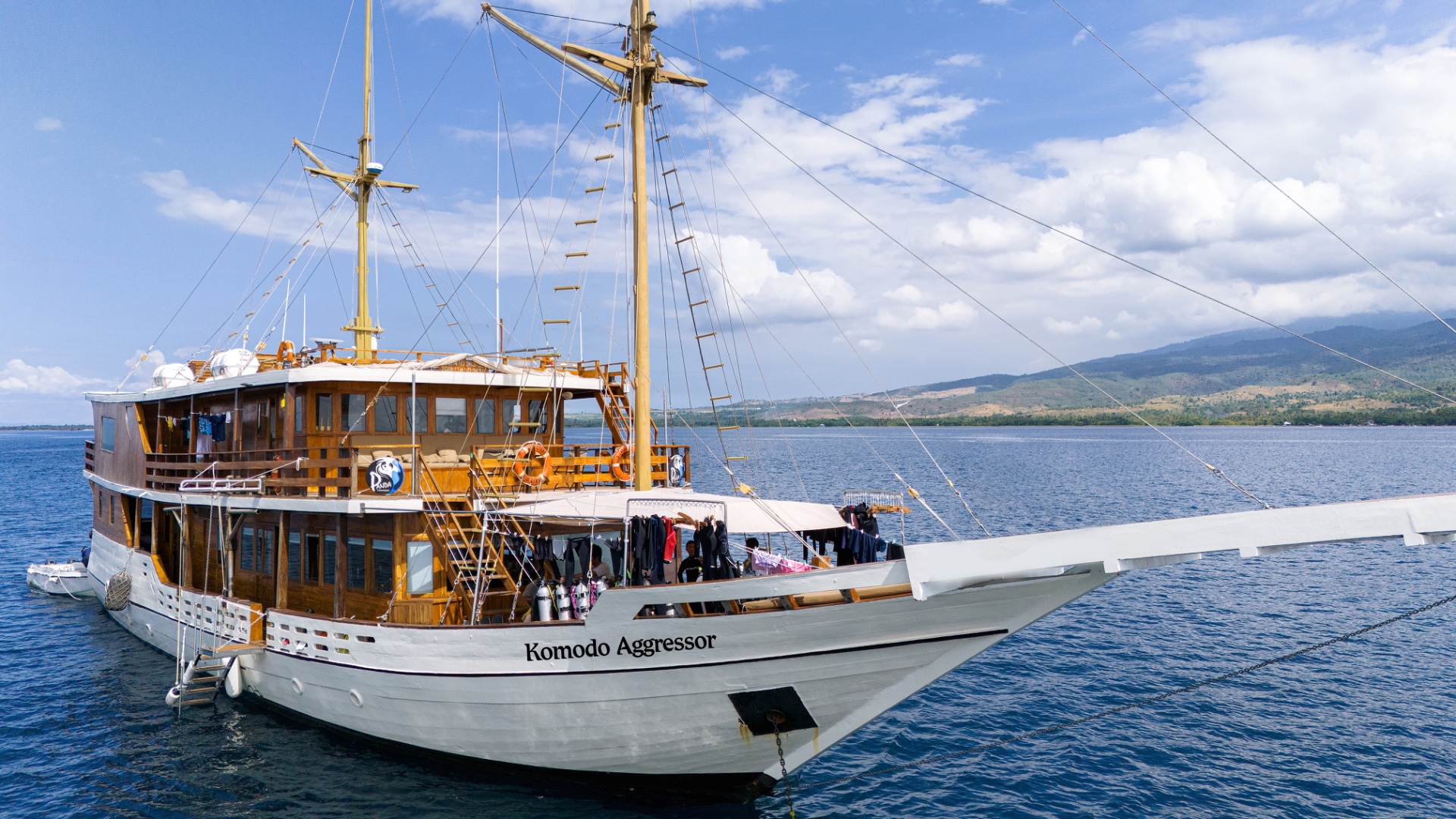
Komodo Aggressor
Komodo, Indonesia
16 guests29 m
$312/day
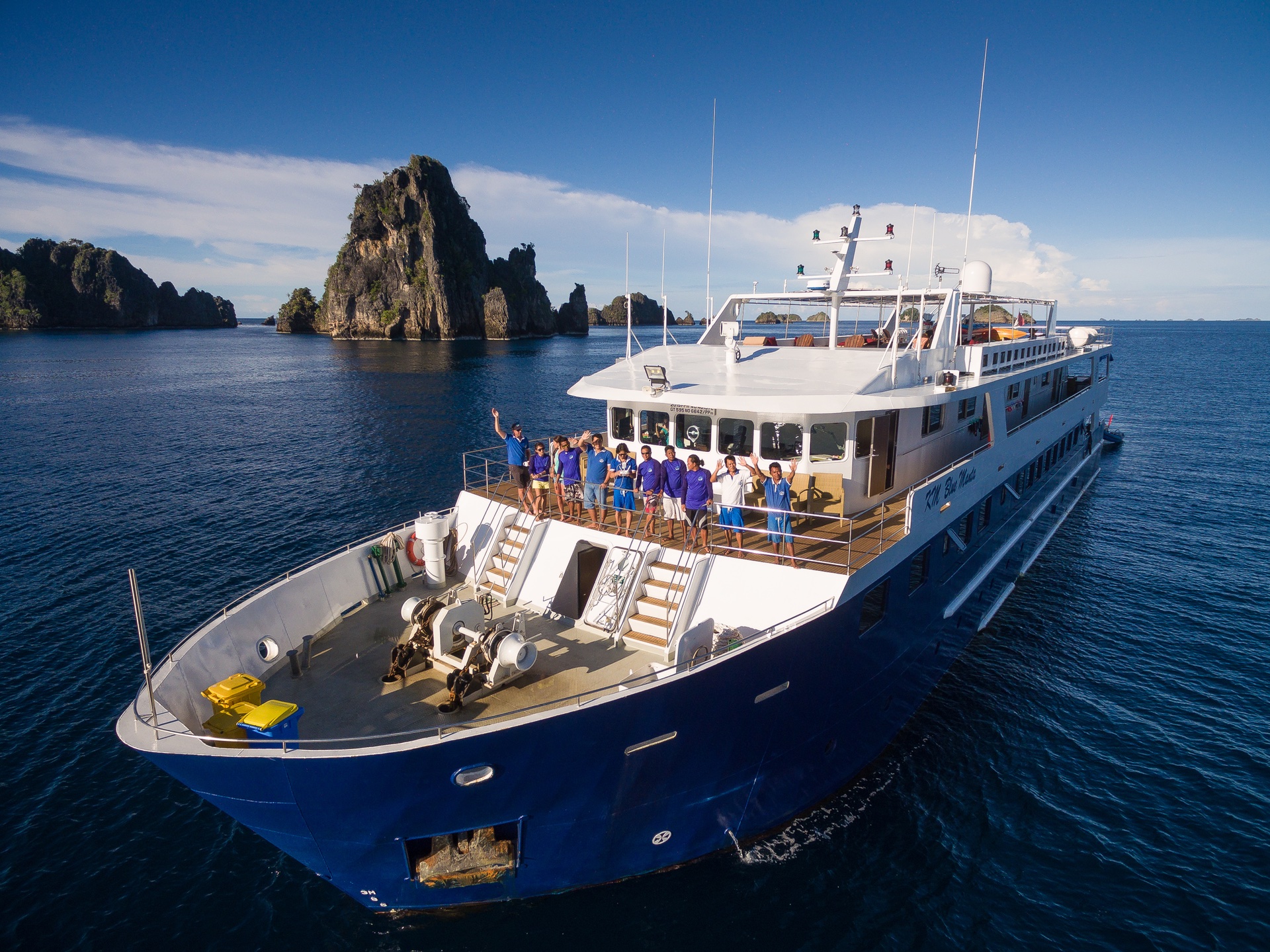
Blue Manta
Indonesia
20 guests45 m
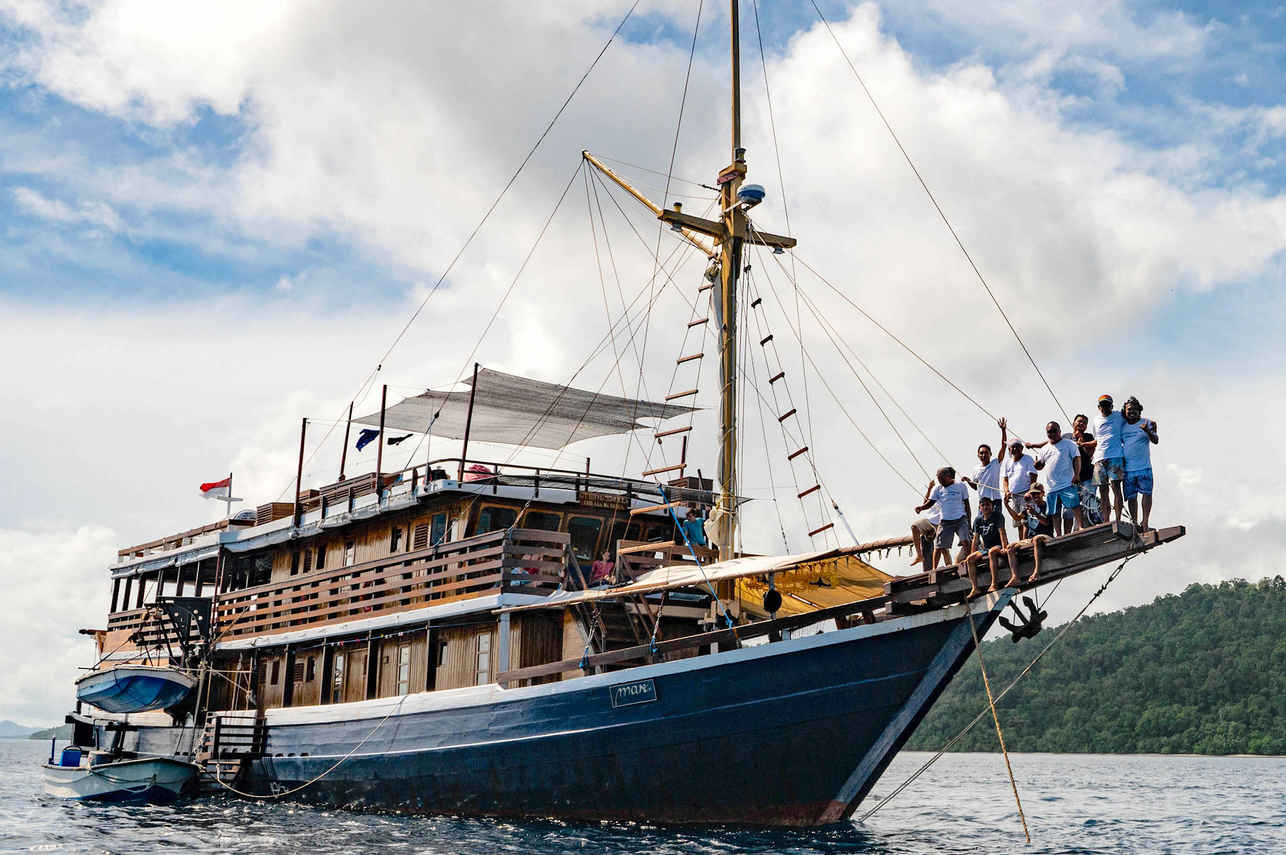
Mari
Indonesia
14 guests32.2 m
$328/day
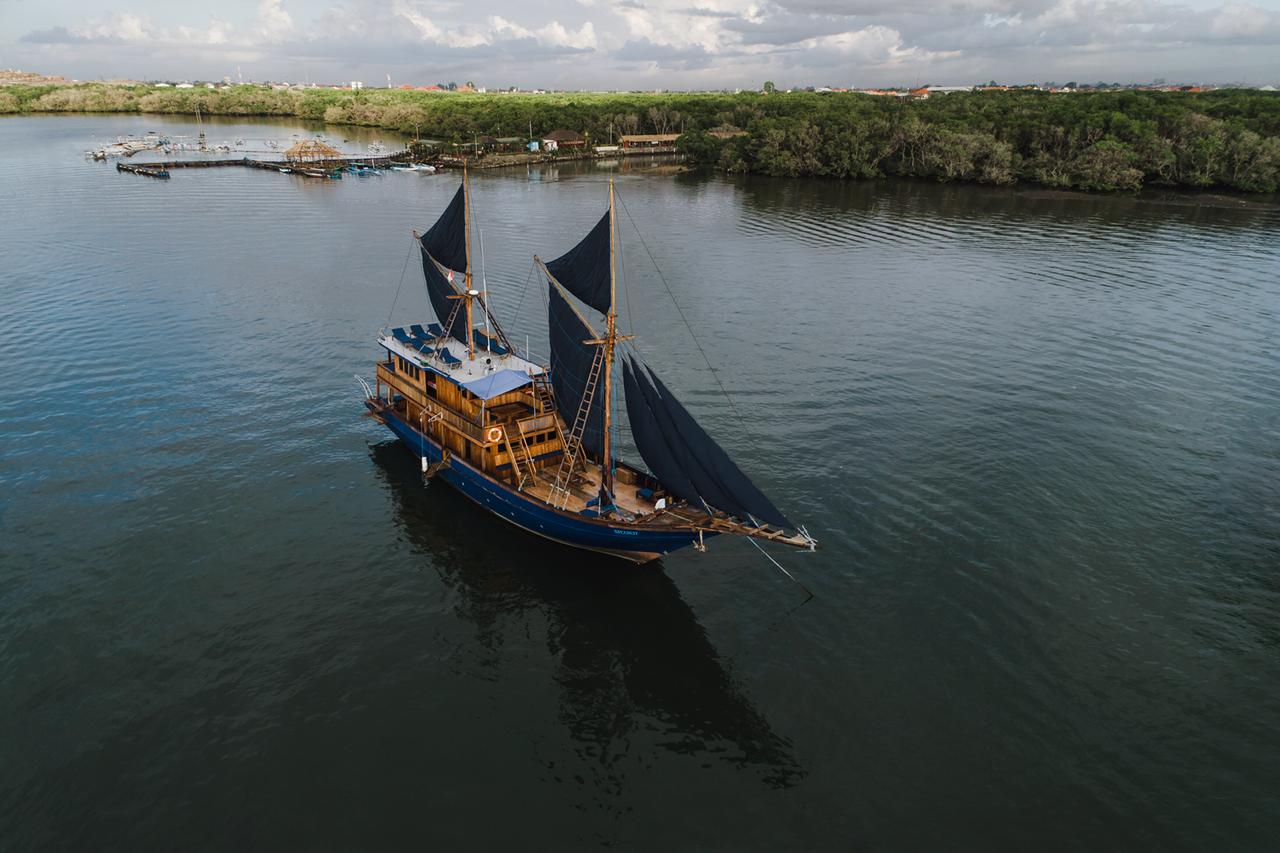
Situju7
Komodo, Indonesia
10 guests32.7 m
$362/day
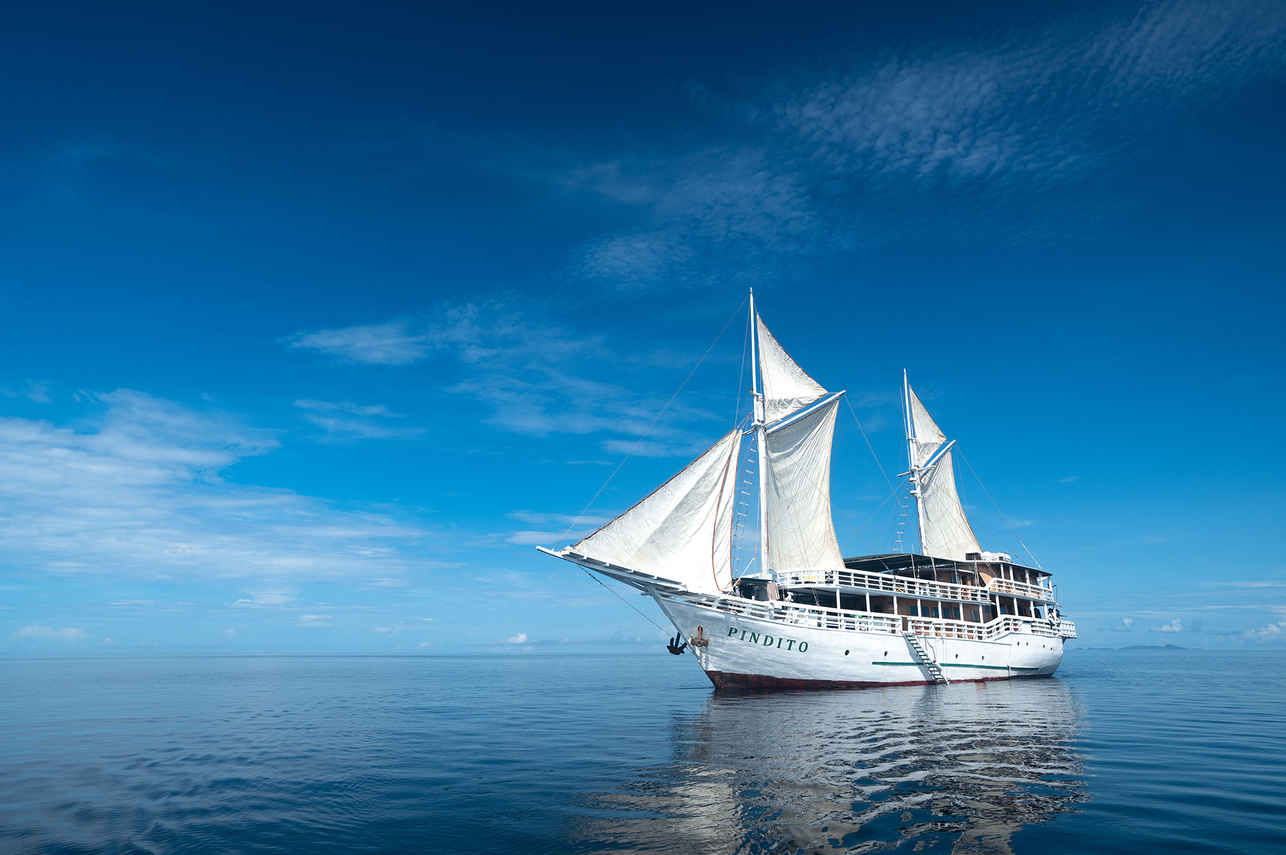
Pindito
Indonesia
16 guests37.79 m
$533/day
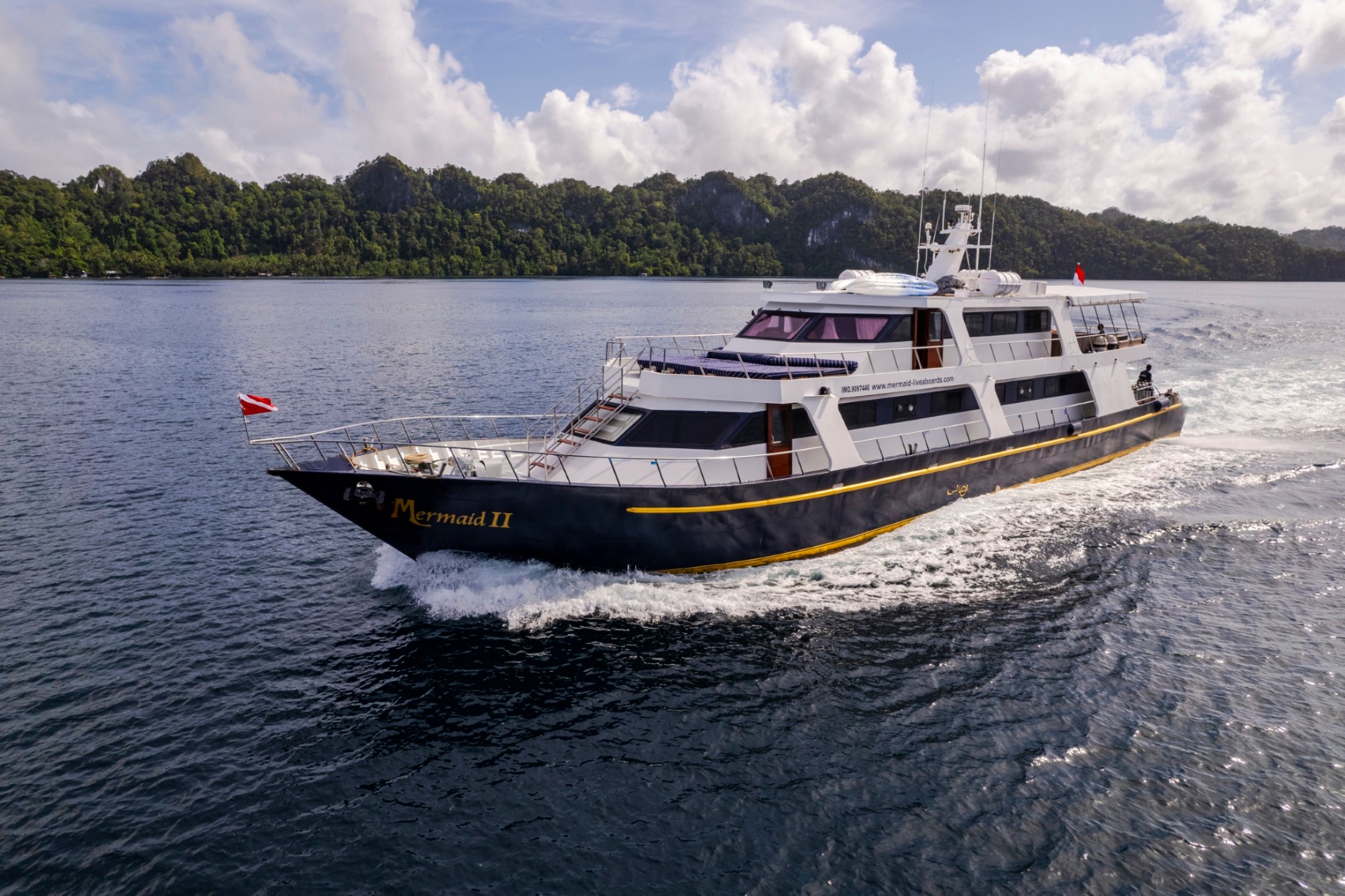
Mermaid II
Komodo, Indonesia
18 guests
$355/day
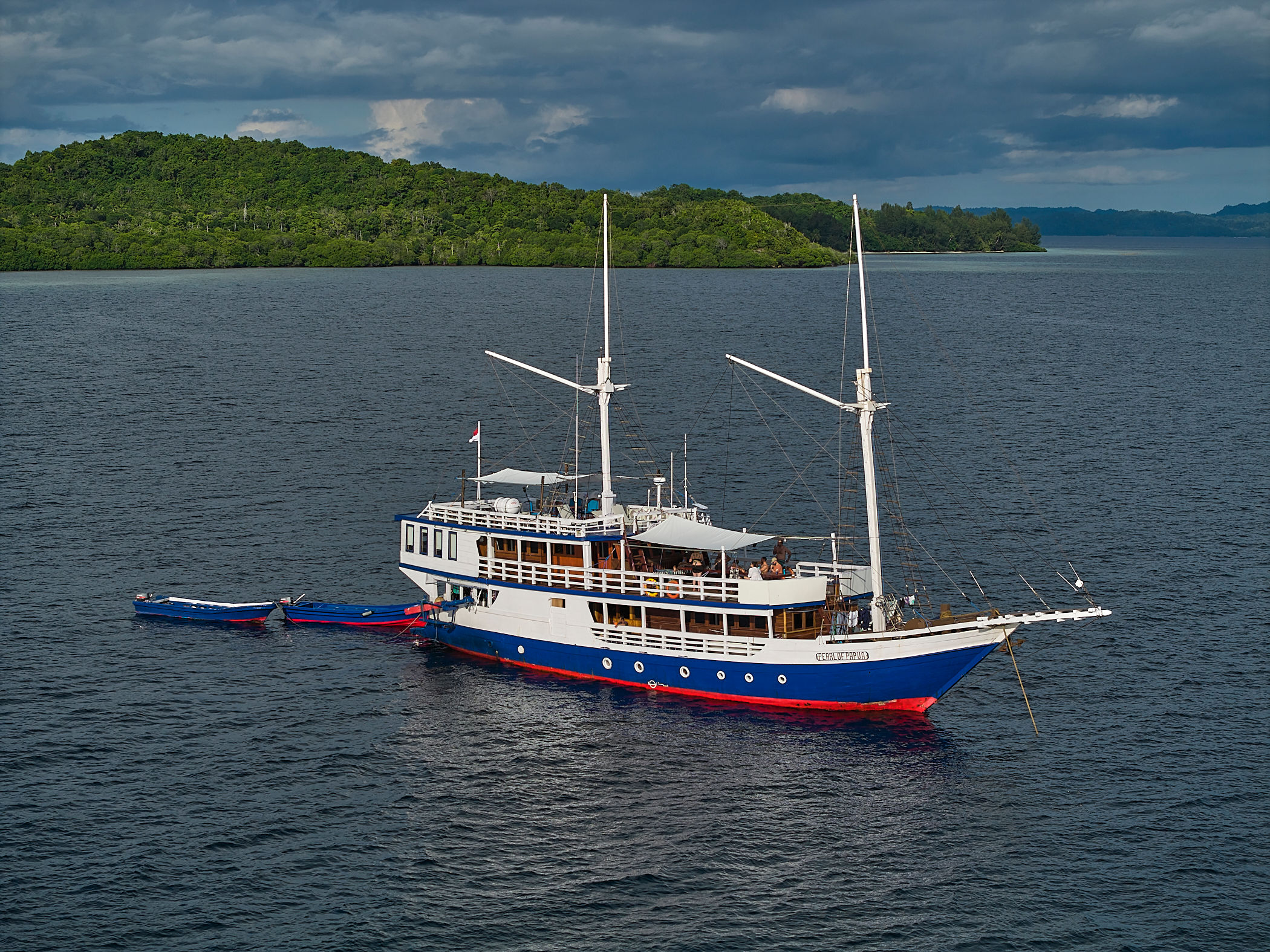
Pearl of Papua
Raja Ampat, Indonesia
14 guests30 m
$303/day
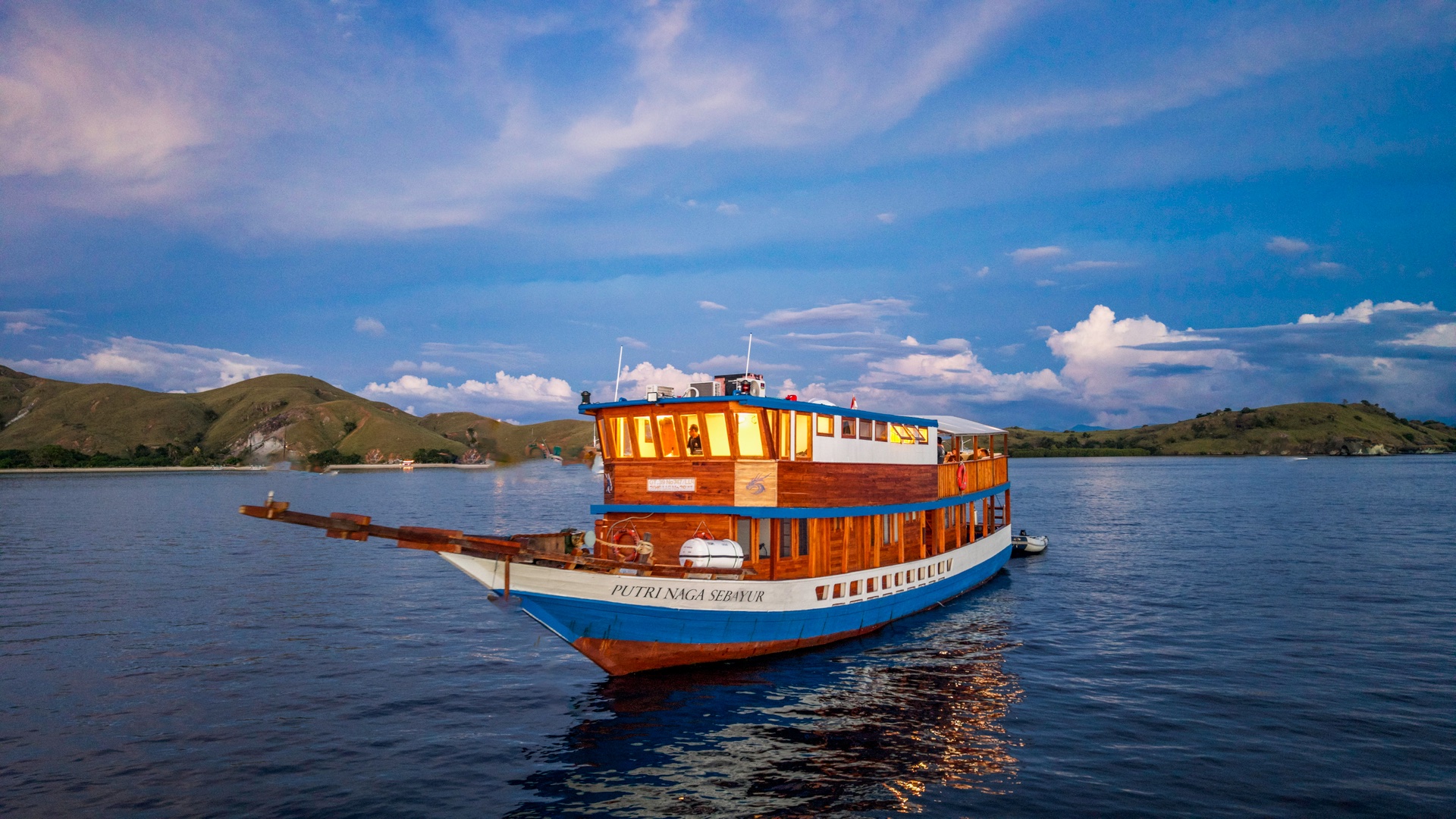
Putri Naga
Komodo, Indonesia
6 guests25 m
Dive sites similar to Gili Trawangan
Same character, same waters — six more sites divers love for the exact same reasons.Compare seasons, access and liveaboard routes — then pick the site that fits your trip best.
© Esri — Maxar, Earthstar, GIS
Mawali Wreck
Indonesia
The Mawali Wreck, a Japanese cargo ship, rests on its side in the Lembeh Strait, off the northern coast of Sulawesi.
- Suitable for
- Advanced
- Current
- Mild
- Access
- Liveaboard only
- Depth
- 25–40 m
- Theme
- Wreck / Reef
Aljui Bay, located in Raja Ampat's remote northern reaches, was discovered as a premier snorkeling and diving destination by chance in 2011. This bay, situated within the broader…
- Suitable for
- Beginner
- Current
- Mild
- Access
- Liveaboard only
- Depth
- ≤ 20 m
- Theme
- Reef
© Esri — Maxar, Earthstar, GIS
Shark Close
Indonesia
Shark Close is an exhilarating dive site in the Indonesian portion of Borneo, renowned for its strong currents and abundant marine life.
- Suitable for
- Advanced
- Current
- Strong
- Access
- Liveaboard or dayboat
- Depth
- 5–25 m
- Theme
- Channel / Drift
Wakatobi, an acronym for the islands of Wangi-Wangi, Kaledupa, Tomia, and Binongko, lies in Southeast Sulawesi, Indonesia, at the heart of the Coral Triangle.
- Suitable for
- Beginner
- Current
- No current
- Access
- Liveaboard only
- Depth
- 5–30 m
- Theme
- Wall / Reef
© Esri — Maxar, Earthstar, GIS
Cornucopia
Indonesia
Cornucopia, aptly named the 'horn of plenty,' is celebrated as Wakatobi's most spectacular wall dive, offering a diverse and nutrient-rich underwater environment.
- Suitable for
- Intermediate
- Current
- Mild
- Access
- Liveaboard only
- Depth
- 5–40 m
- Theme
- Reef
© Esri — Maxar, Earthstar, GIS
Raymond’s Point
Indonesia
Raymond's Point is a distinguished dive site located south of Mike's Point within the Bunaken National Marine Park, renowned for its dramatic vertical wall.
- Suitable for
- Advanced
- Current
- Strong
- Access
- Dayboat
- Depth
- 5–35 m
- Theme
- Reef / Wall