About Shark Point
Shark Point, also known as Hin Musang, is a celebrated dive site located midway between Phuket and Phi Phi Islands in the Andaman Sea. It is part of the Hin Musang Wildlife Reserve, established in 1992, which protects its rich biodiversity. The site is characterized by three main submerged pinnacles, one of which breaks the surface and is marked by a small lighthouse. These pinnacles are carpeted in diverse hard and soft corals, including staghorn, brain, honeycomb, and vibrant purple and red soft corals. Nutrient-rich currents sweep through the area, fostering impressive gardens of giant gorgonian sea fans and huge barrel sponges. The site is a haven for an extensive variety of reef fish, from schools of snappers and fusiliers to angelfish, butterflyfish, and various pufferfish. Lucky divers may encounter critically endangered Hawksbill turtles feeding on bubble corals or leopard sharks resting on the sandy bottom. While visibility can be excellent, conditions can vary, and currents can be moderate to strong, making it more suitable for experienced divers. However, the shallower sections offer accessible diving for those with appropriate certifications. Shark Point is often combined with other local sites like Anemone Reef and the King Cruiser Wreck, providing a comprehensive diving experience in the region.
Highlights
Three coral-encrusted pinnaclesGiant gorgonian sea fansAbundant soft and hard coralsLeopard sharksVibrant reef fish schoolsHawksbill turtlesGhost pipefish and seahorses
Season calendar
Best months to dive here
Jan
Feb
Mar
Apr
May
Jun
Jul
Aug
Sep
Oct
Nov
Dec
Excellent
Good
Dive site facts: Shark Point
- Depth
- 0–20 m
- Typical dive
- 12–20 m, 50–60 min
- Current
- Moderate to strong
- Visibility
- 5–20 m
- Water temperature
- 28–30°C
- Entry
- Liveaboard / Day boat
- Level
- Intermediate / Advanced
- Dive type
- Pinnacle, coral reef
- Region / port
- Phuket / Phi Phi Islands
- Coordinates
- 7.735, 98.528
Conditions & Currents
Currents at Shark Point can range from moderate to strong, particularly around the pinnacles, and can be quite variable, influencing the dive plan. Divers should be prepared for potential drift dives, and entry and exit procedures are typically planned to accommodate the prevailing conditions. Visibility generally spans 5 to 20 meters, but can fluctuate based on plankton blooms or weather patterns, occasionally dropping significantly. While water temperatures are consistently warm, ranging from 28°C to 30°C, the intensity of the currents and occasional cooler thermoclines can make a 3mm wetsuit advisable for comfort during multiple dives.
Marine life & sighting chances

Leopard shark
November-April · common
Hawksbill turtle
All year · occasional
Barracuda
All year · common
Snapper
All year · common
Fusilier
All year · common
Angelfish
All year · common
Butterflyfish
All year · common
Parrotfish
All year · common
Seahorse
All year · occasional
Ghost pipefish
All year · occasional
Cuttlefish
All year · common
Squid
All year · common
Moray eel
All year · common
Scorpionfish
All year · occasionalDive profile & how the dive runs
A typical dive at Shark Point begins with a descent onto one of the pinnacles, usually Pinnacle #1, which is recognizable by its surface marker. The dive then follows the contour of the pinnacle, allowing exploration of the extensive coral gardens and searching for macro life. Depending on current direction, the route may lead towards Pinnacle #2, which boasts impressive gorgonian sea fans and barrel sponges. Divers typically maintain depths between 12-20 meters to maximize bottom time and enjoy the vibrant reef. The dive concludes with a gradual ascent, often allowing for a safety stop amidst the rich reef fish population in shallower waters before surfacing near the boat.
Underwater photography
Shark Point is a vibrant photographic subject, especially for wide-angle and macro shots. For wide-angle, focus on the expansive coral formations, particularly the colorful soft corals and giant gorgonian sea fans on the deeper pinnacles. The schools of barracuda and snappers also make for compelling wide-angle compositions. For macro enthusiasts, the site is rich with ghost pipefish, nudibranchs, and seahorses, which are often well-camouflaged; a macro lens will be essential here. Given the variable visibility and potential for strong currents, excellent buoyancy control is paramount to avoid disturbing the delicate corals and to secure steady shots. External strobes are highly recommended to bring out the true colors of the soft corals and marine life, as natural light diminishes quickly at depth.
Combine with nearby dive sites
- Anemone Reef
Famous for its carpets of anemones and clownfish.
- King Cruiser Wreck
A sunken passenger ferry that offers exciting wreck penetration opportunities.
- Koh Doc Mai
A wall dive renowned for its macro life and small caves.
- Hin Bida
Known for leopard shark sightings and diverse reef life.
- Koh Phi Phi — Bida Nok
Offers varied topography with walls, caves, and vibrant coral reefs.
Getting there & logistics
Diving Shark Point is typically done via day trips from Phuket or as part of a liveaboard itinerary exploring the southern Andaman Sea. Flights usually arrive at Phuket International Airport (HKT). Day boat departures are common from Phuket's Chalong Pier. Liveaboard trips often combine Shark Point with nearby sites like Anemone Reef, King Cruiser Wreck, and the Phi Phi Islands, offering itineraries that range from 1 to 4 days. While there are no specific marine park fees for Shark Point itself, some itineraries may include visits to other protected areas that do incur fees.
Safety & environment
The nearest recompression chamber is located in Phuket. Divers should always ensure they have comprehensive dive insurance that covers emergency medical treatment and evacuation, as access to advanced medical facilities can be delayed in remote areas. At Shark Point, vigilance regarding strong and unpredictable currents is crucial; divers should listen carefully to their guide's briefing and be prepared for drift diving conditions. Good buoyancy control is essential to avoid contact with the delicate corals and to navigate the pinnacles safely. Always maintain a safe distance from marine life, particularly leopard sharks, and avoid touching or disturbing the environment.
Who it suits — and who it doesn't
Suited for
- Experienced divers comfortable with currents
- Underwater photographers seeking vibrant reef scenes
- Divers interested in diverse reef fish and macro life
- Those looking for leopard shark encounters
- Divers who appreciate healthy hard and soft coral ecosystems
Less suited for
- Beginner divers without current experience
- Divers with poor buoyancy control
- Those seeking large pelagic encounters exclusively
- Divers sensitive to variable visibility conditions
- Individuals who prefer calm, current-free environments
FAQ
Shark Point FAQ
What kind of marine life can I expect to see at Shark Point?
Shark Point is teeming with diverse marine life. You can commonly spot leopard sharks resting on the sandy bottom, schools of barracuda, snappers, and fusiliers. The vibrant coral formations host numerous reef fish like angelfish, butterflyfish, and parrotfish, along with macro life such as seahorses and ghost pipefish.
Why is it called Shark Point if sharks are not always guaranteed?
The dive site is named for the leopard sharks that are frequently sighted there, often resting on the seabed. While sightings of these docile sharks are common, like all marine life, they are not guaranteed on every dive. The name also refers to the original shark-fin shaped rock that protrudes from the sea.
Are the currents at Shark Point strong?
Currents at Shark Point can range from moderate to strong, making it a dive site best suited for intermediate to advanced divers. The intensity of the currents can vary throughout the day and with tidal conditions. Dive guides will typically plan the dive to utilize or mitigate these currents, sometimes resulting in drift dives.
What are the typical dive depths at Shark Point?
The pinnacles of Shark Point extend from the surface down to a maximum depth of approximately 20 meters at the sandy bottom. Most of the vibrant marine life and coral formations are found between 5 and 20 meters, allowing for good bottom time and extensive exploration.
Is Shark Point suitable for underwater photography?
Yes, Shark Point is an excellent site for underwater photography, both wide-angle and macro. Its extensive coral gardens, colorful soft corals, and schools of fish provide fantastic wide-angle opportunities. Macro photographers will find subjects like ghost pipefish, nudibranchs, and seahorses. Good buoyancy is crucial due to potential currents and delicate corals.
Can I combine a dive at Shark Point with other sites?
Yes, Shark Point is frequently combined with other popular dive sites in the region. It is often part of a multi-dive day trip or liveaboard itinerary that includes nearby Anemone Reef, known for its anemone carpets, and the King Cruiser Wreck, a popular wreck dive, offering a diverse diving experience.
Why dive Shark Point from a liveaboard?
Shark Point is one of Thailand's signature dive sites. A liveaboard sleeps you on the water and puts you in the water for three to four guided dives per day, including dawn and night dives that day-boat operators rarely offer. You skip the daily commute back to port and reach quieter, less-crowded sites in the same region on a single trip.
Below are the liveaboards that include Shark Point on their Thailand itineraries.
Liveaboards diving Shark Point
These liveaboards may visit Shark Point on selected itineraries — the exact dive sites depend on departure, weather and conditions.
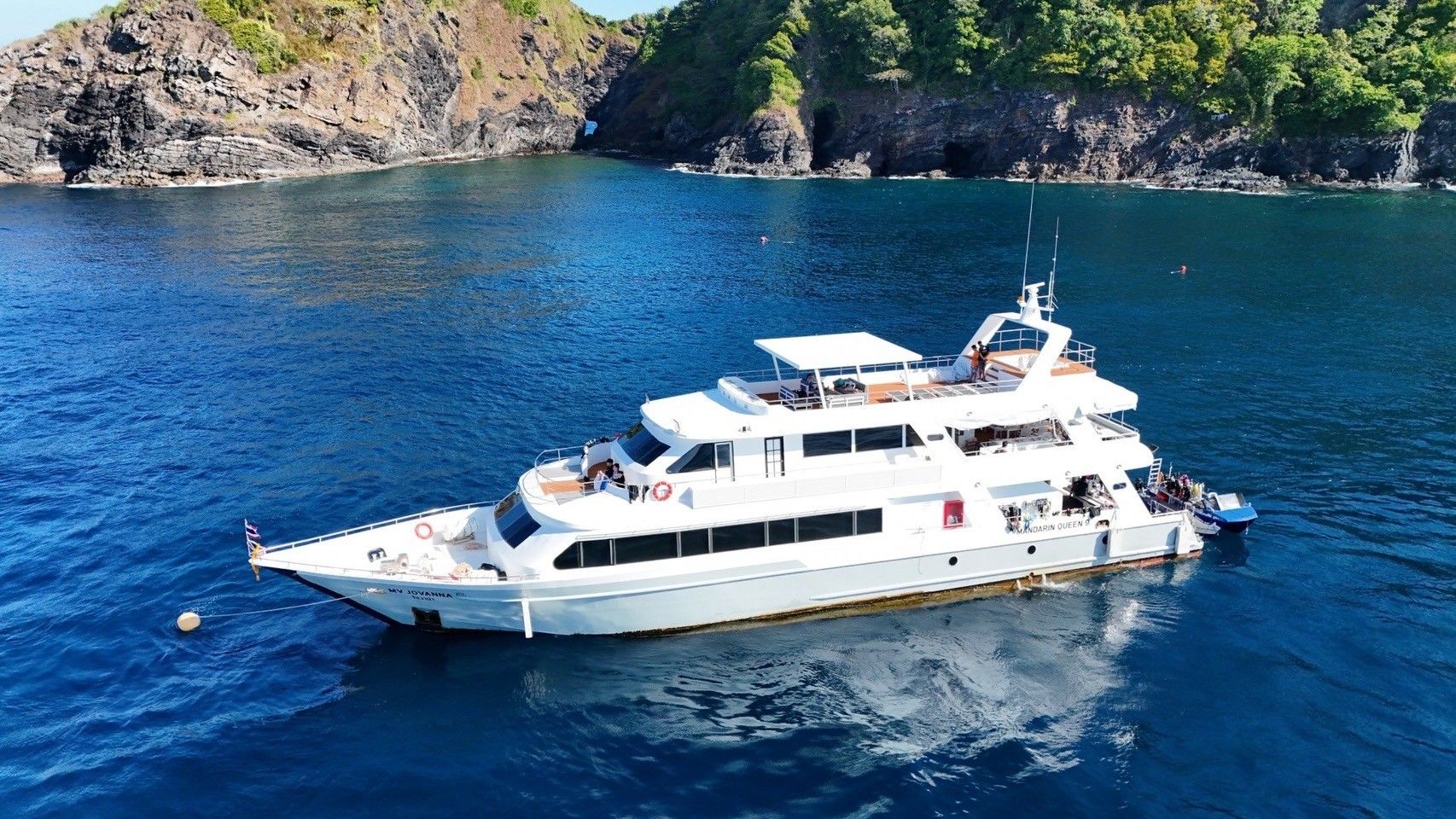
Mandarin Queen 9
Thailand
26 guests37.5 m
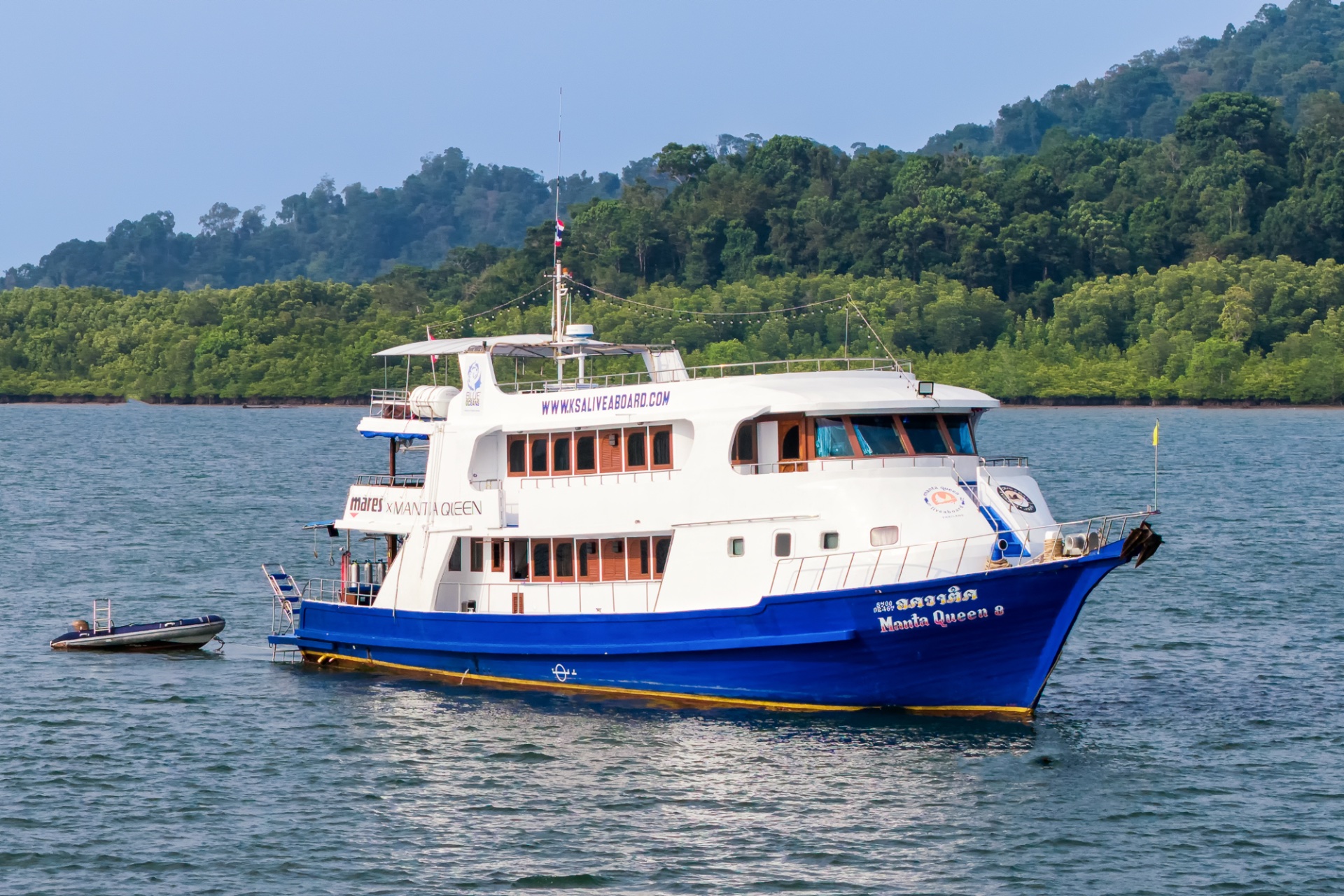
Manta Queen 8
Thailand
24 guests
$127/day
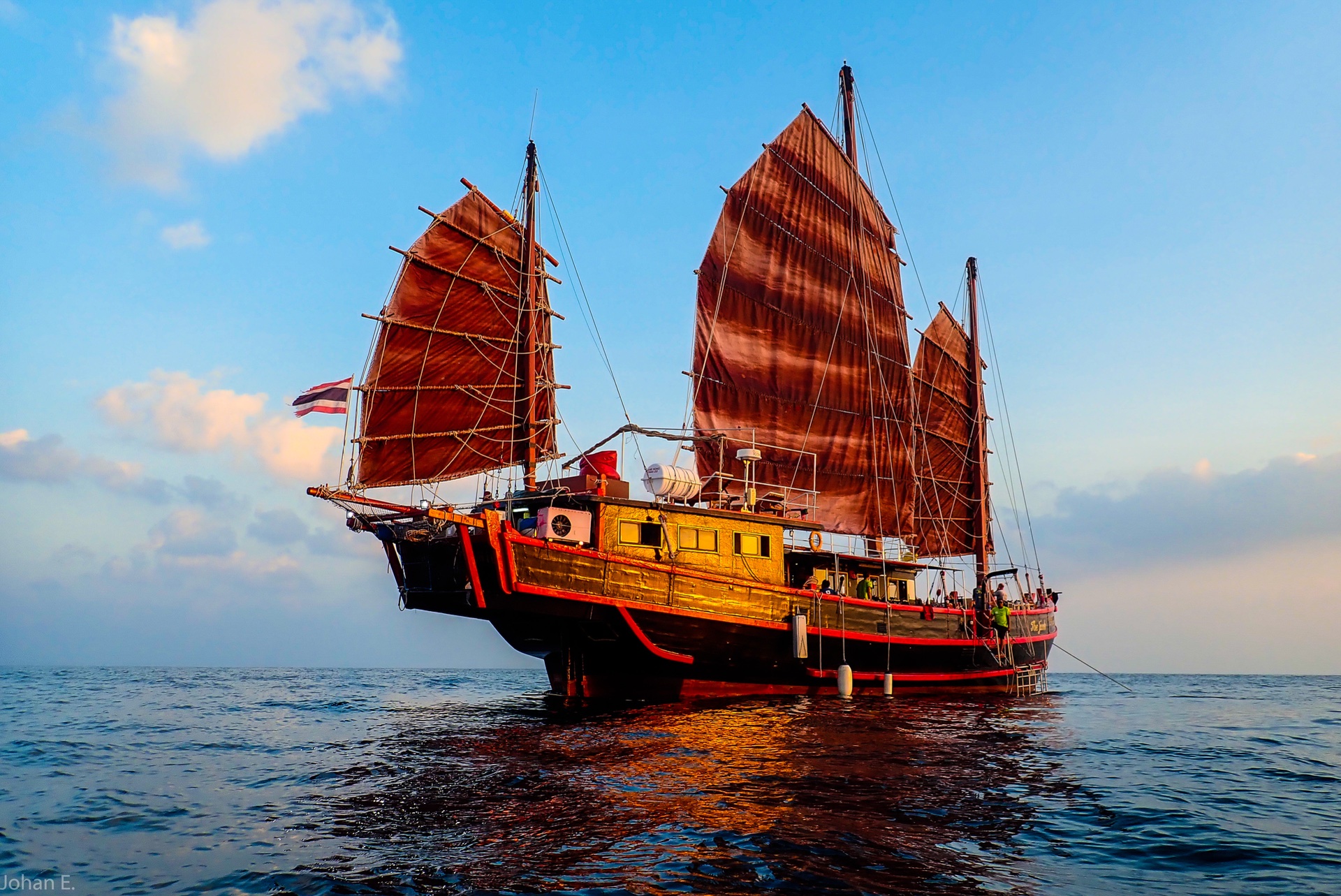
The Junk
Thailand
18 guests33 m
$163/day
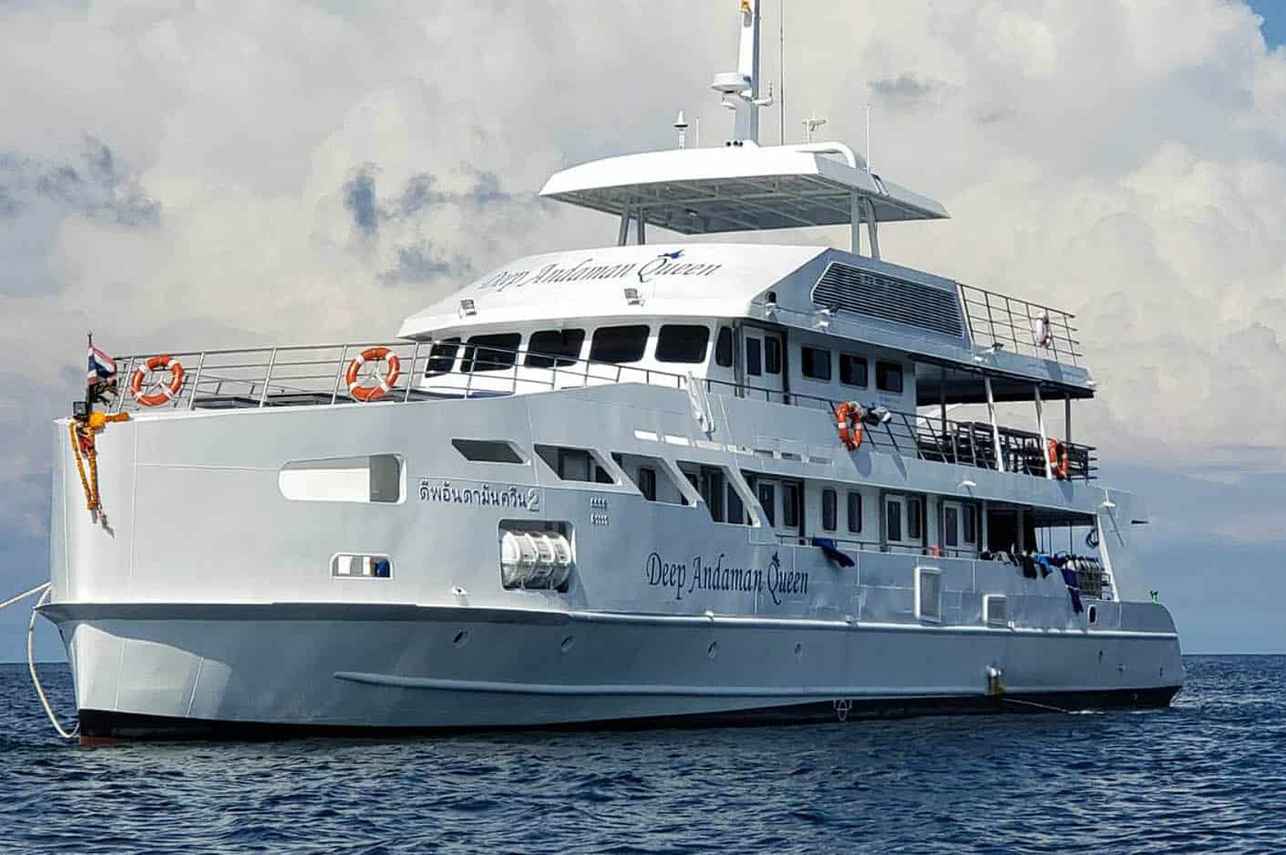
Deep Andaman Queen
Thailand
23 guests30.5 m
$194/day
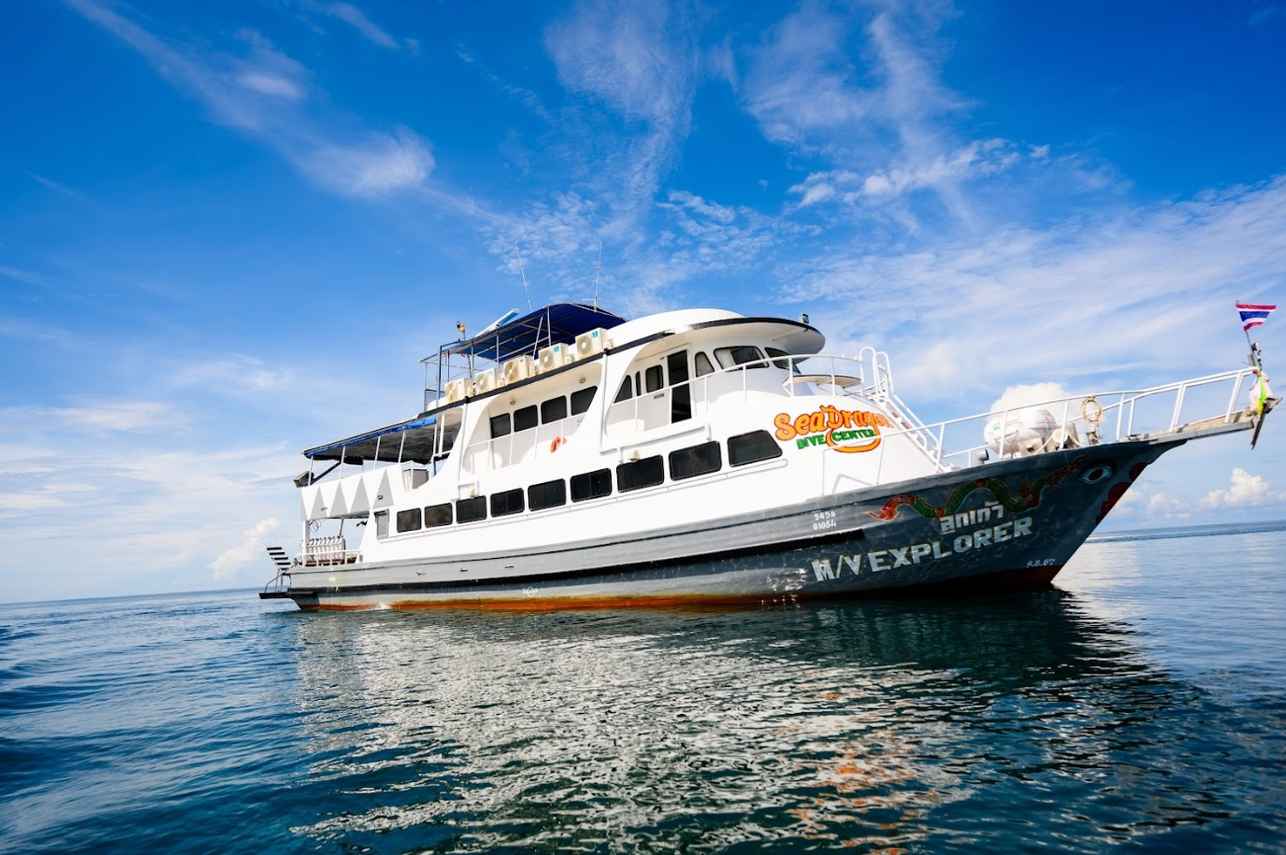
Explorer
Thailand
16 guests25 m
$150/day
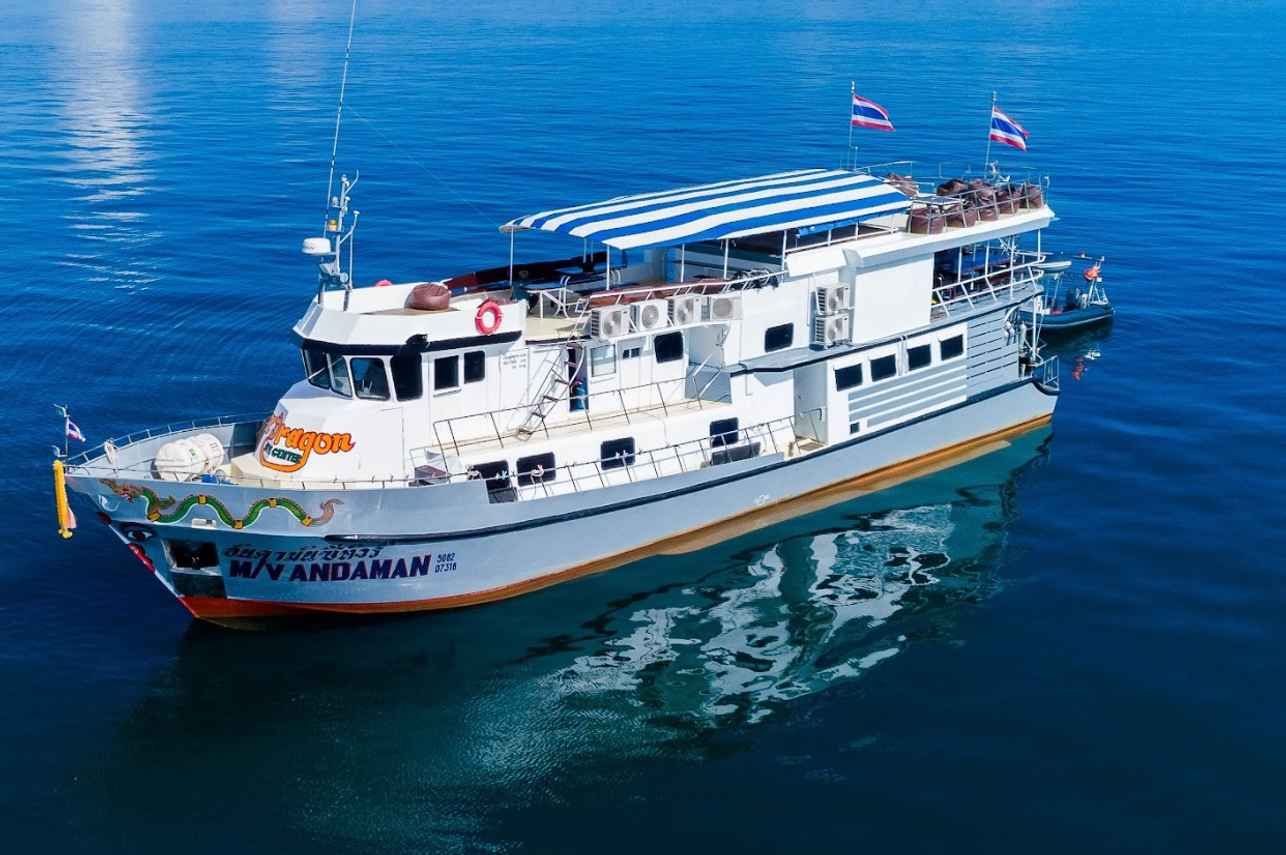
Andaman
Thailand
20 guests26 m
$108/day
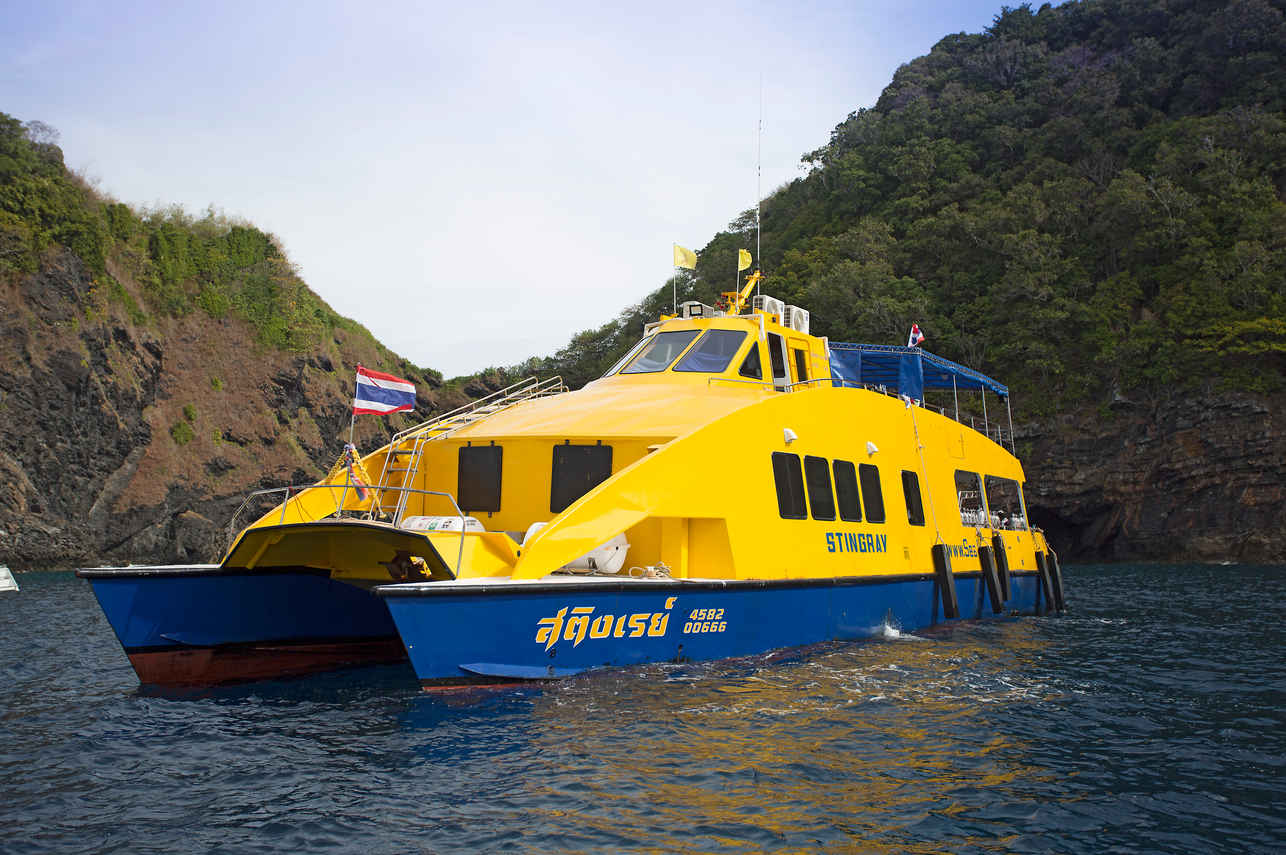
Stingray
Thailand
8 guests24 m
$245/day
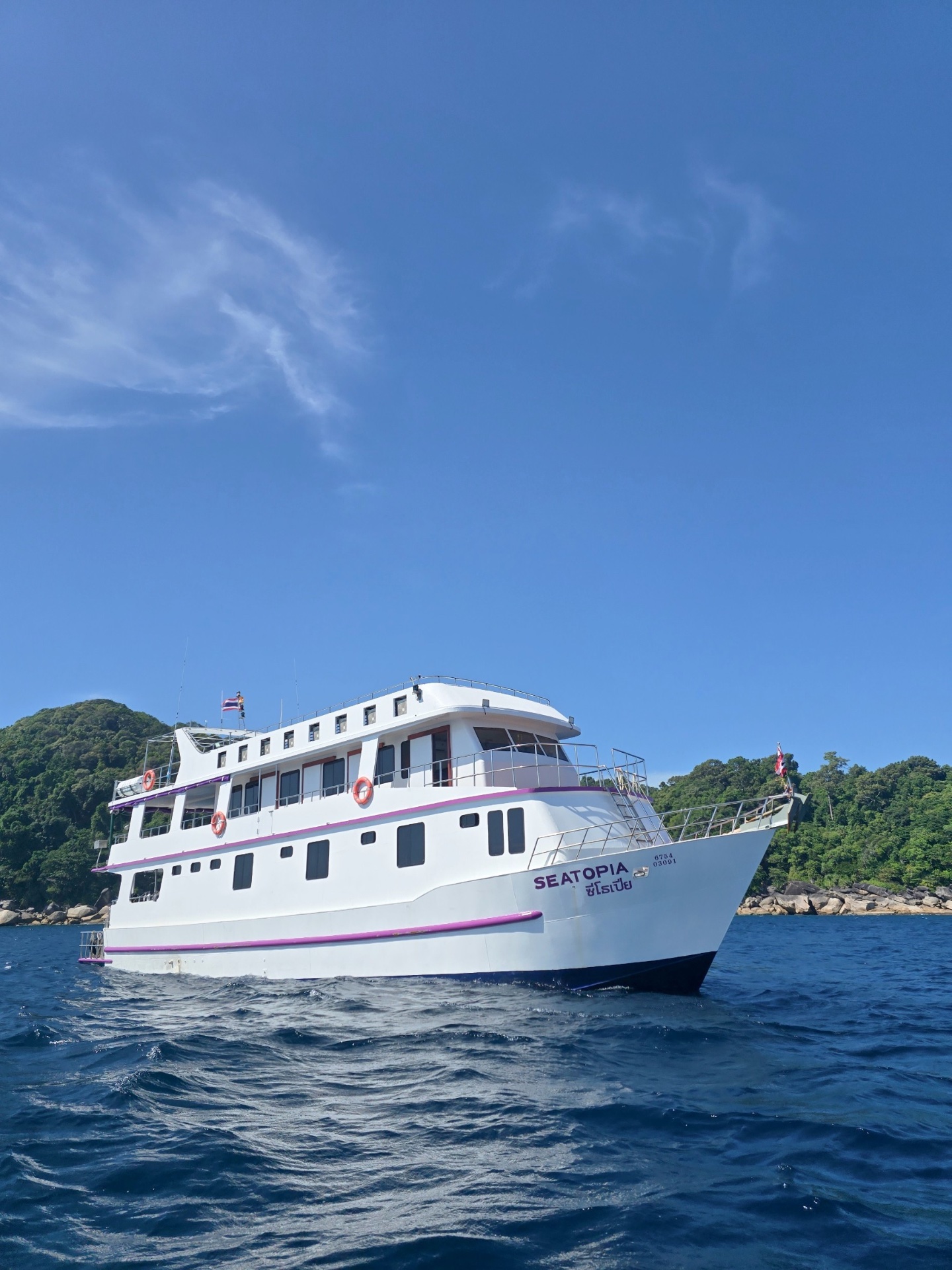
Seatopia
Thailand
24 guests24 m
Dive sites similar to Shark Point
Same character, same waters — six more sites divers love for the exact same reasons.Compare seasons, access and liveaboard routes — then pick the site that fits your trip best.
Hin Raab is a prominent dive site located in the eastern Gulf of Thailand, near Koh Chang, offering an exceptional underwater experience with its rich coral biodiversity and thriving marine life.
- Suitable for
- Intermediate
- Current
- Moderate
- Access
- Dayboat
- Depth
- 5–22 m
- Theme
- Reef / Pinnacle
© Esri — Maxar, Earthstar, GIS
Christmas Point
Thailand
Christmas Point, located on Similan Island number 9 (Koh Ba-Ngu), stands out as one of the Similan Islands' most iconic dive sites.
- Suitable for
- Intermediate
- Current
- Strong
- Access
- Liveaboard or dayboat
- Depth
- 2–40 m
- Theme
- Pinnacle
© Esri — Maxar, Earthstar, GIS
Koh Tao — Twins
Thailand
Twins, a highly popular dive site near Koh Tao, Thailand, is renowned for its accessibility and rich marine life.
- Suitable for
- Beginner
- Current
- Mild
- Access
- Liveaboard or dayboat
- Depth
- 5–18 m
- Theme
- Pinnacle
© Esri — Maxar, Earthstar, GIS
Southwest Pinnacle
Thailand
Southwest Pinnacle, located approximately 45 minutes by boat from Koh Tao's Mae Haad pier, is a renowned dive site in the Gulf of Thailand.
- Suitable for
- Intermediate
- Current
- Strong
- Access
- Liveaboard or dayboat
- Depth
- 8–26 m
- Theme
- Pinnacle / Wall
© Esri — Maxar, Earthstar, GIS
Hin Luk Bat
Thailand
Hin Luk Bat is a renowned dive site located off the coast of Koh Chang, celebrated for its unique geological formations and abundant marine life.
- Suitable for
- Intermediate
- Current
- Mild
- Access
- Dayboat
- Depth
- 5–25 m
- Theme
- Reef / Pinnacle
© Esri — Maxar, Earthstar, GIS
Koh Lipe — 8 Mile Rock
Thailand
8 Mile Rock, located approximately 13 kilometers offshore from Koh Lipe in the Tarutao National Marine Park, stands as one of Thailand's most exciting and advanced dive sites.
- Suitable for
- Advanced
- Current
- Strong
- Access
- Liveaboard or dayboat
- Depth
- 18–30 m
- Theme
- Pinnacle