About Koh Lipe — 8 Mile Rock
8 Mile Rock, located approximately 13 kilometers offshore from Koh Lipe in the Tarutao National Marine Park, stands as one of Thailand's most exciting and advanced dive sites. This deep-water pinnacle, recognized for its vibrant and healthy reef, offers clear waters and a thriving marine ecosystem. Its remote location ensures fewer crowds, providing a more pristine and thrilling dive experience. The topography of 8 Mile Rock is characterized by an impressive underwater pinnacle structure. Divers can expect to descend onto a rich reef, exploring depths where schools of giant trevally, barracuda, and large groupers are commonly sighted. The site is also famous for frequent encounters with pelagic species, including whale sharks and mobula rays, particularly during certain seasons. Moray eels, reef sharks, triggerfish, and various colorful reef fish like clownfish and angelfish also call this pinnacle home. Due to its offshore position, 8 Mile Rock often experiences stronger currents and deeper waters, making it best suited for advanced certified divers. While open to all certified divers, an Advanced Open Water certification is recommended. The crossing to the site takes about 45-60 minutes by fast boat. Diving here typically involves two guided dives, with depths ranging from 18 to 30 meters, and dive durations of 45-55 minutes. This site is accessible year-round, even outside the main marine park, though whale shark sightings are more common between May and December, with peaks from October to December and in May.
Highlights
RemoteMantasReef sharksPristine
Season calendar
Best months to dive here
Jan
Feb
Mar
Apr
May
Jun
Jul
Aug
Sep
Oct
Nov
Dec
Good
Dive site facts: Koh Lipe — 8 Mile Rock
- Depth
- 16–50 m
- Typical dive
- 18–30 m, 45–55 min
- Current
- Strong and variable
- Visibility
- 20–30 m (Nov–Apr)
- Water temperature
- 27–30 °C
- Entry
- Speedboat / negative entry
- Level
- Advanced Open Water Diver minimum, experience recommended
- Dive type
- Pinnacle, pelagic, drift
- Night dive
- Not typical
- Region / port
- Satun Province, Thailand
- Coordinates
- 6.3234, 99.3567
Conditions & Currents
8 Mile Rock is known for its strong and often variable currents, which are a defining characteristic of this exposed offshore pinnacle. These powerful upwelling currents concentrate nutrients, attracting the abundant pelagic life that defines the site. Divers should be prepared for drift diving conditions and must possess excellent buoyancy control and current management skills. Entry is typically a negative descent to quickly reach the sheltered parts of the pinnacle, and advanced certification is a strict minimum requirement, with many operators requiring proof of significant experience. Slack tide offers a brief respite, but generally, currents dictate the dive profile and necessitate careful planning for gas consumption and turnaround times. Surface conditions can also be choppy due to its open-ocean location, making for potentially challenging entries and exits.
Marine life & sighting chances

Whale shark
November-February, April-June · occasional
Manta ray
Dry season · occasional
Devil ray
occasional
Eagle ray
occasional
Leopard shark
occasional
Reef shark
occasional
Giant trevally
common
Barracuda
common
Snapper
common
Giant grouper
occasional
Tuna
occasional
Nudibranch
occasional
Scorpion fish
occasional
Lion fish
occasionalDive profile & how the dive runs
Diving at 8 Mile Rock typically begins with an early morning speedboat departure from Koh Lipe, followed by a 45-60 minute journey to the site. Upon arrival, divers conduct a negative entry to quickly descend to the pinnacle, whose summit starts at 16 meters. The dive usually involves exploring the walls and ledges of the submerged mountain, progressively moving from deeper sections (often 25-30 meters, sometimes up to 45 meters for very experienced divers) towards shallower depths. Divers will navigate around the pinnacle, allowing the current to assist in covering ground while observing schooling pelagics. A typical dive lasts 45-55 minutes, with a focus on gas management given the depths and potential currents. The safety stop is usually conducted at 5 meters, often in the clear, blue open water near the pinnacle, before surfacing for a surface interval and a second dive to explore different sections or return for further observation.
Underwater photography
8 Mile Rock offers exceptional wide-angle photography opportunities due to its dramatic topography and abundant pelagic life. A fisheye or wide-angle lens is ideal for capturing the vast schools of trevally, barracuda, and snappers, as well as potential whale shark and manta ray encounters in the clear blue water. While natural light can be stunning in the upper reaches, strobes are recommended to bring out the vibrant colors of the soft corals and highlight subjects against the deep blue. Given the potential for strong currents and deeper dives, excellent buoyancy control is crucial to maintain position for shots and avoid disturbing the fragile environment. Patience is key for capturing elusive pelagics, and focusing on the interplay of light, current, and schooling fish yields impressive results.
Combine with nearby dive sites
- Stonehenge
A signature reef dive with abundant soft corals, suitable for Open Water divers, located closer to Koh Lipe.
- Koh Talang
Offers diverse sites for all levels, including macro-rich shallow bays and sloping walls for drift diving.
- Koh Taru
Known for hard and soft corals, with potential sightings of coral cat sharks and large schools of yellow snapper.
- Koh Yang
Protected from strong currents, ideal for relaxing drift dives and sightings of hawksbill turtles.
Getting there & logistics
Access to Koh Lipe, the base for diving 8 Mile Rock, is typically via Hat Yai International Airport (HDY) on the Thai mainland, followed by a 4–5 hour minivan and ferry transfer. Alternatively, direct ferries operate from Langkawi, Malaysia, during the high season. Dive operators on Koh Lipe run daily trips to 8 Mile Rock, which is about a 30-minute speedboat ride south. A typical day trip involves two guided dives, with breakfast and lunch served on board. A Tarutao National Marine Park fee of 200 Baht per person is usually required and is valid for five days, often included or facilitated by dive centers. Trips to 8 Mile Rock are best scheduled in the early morning to take advantage of calmer sea conditions before winds pick up.
Safety & environment
Diving 8 Mile Rock requires careful attention to safety due to its deep, exposed location and strong, unpredictable currents. An Advanced Open Water certification is a minimum requirement, and many dive operators insist on verifiable deep diving experience. Divers should carry appropriate safety equipment, such as a surface marker buoy (SMB) and potentially a personal marine rescue GPS for remote offshore sites. The nearest recompression chamber is likely located on Phuket or mainland Thailand, meaning evacuation could be protracted. Comprehensive dive insurance covering hyperbaric treatment and emergency evacuation is therefore essential. Divers must strictly adhere to their guide's instructions, monitor bottom time and gas consumption diligently, and maintain excellent buoyancy control to avoid rapid ascents or uncontrolled drifts.
Who it suits — and who it doesn't
Suited for
- Advanced Open Water Divers
- Experienced divers comfortable with strong currents
- Pelagic enthusiasts
- Underwater photographers with wide-angle setups
- Divers seeking challenging, remote sites
Less suited for
- Open Water Divers or beginners
- Divers uncomfortable with deep dives
- Those prone to seasickness in choppy conditions
- Divers with limited current experience
- Macro-focused photographers (primarily a wide-angle site)
FAQ
Koh Lipe — 8 Mile Rock FAQ
What certification level is required for 8 Mile Rock?
An Advanced Open Water (AOW) certification is the strict minimum requirement for diving 8 Mile Rock. Many dive operators also prefer or require documented proof of recent diving experience, particularly in current-heavy environments, and a minimum number of logged dives due to the site's challenging conditions.
What kind of marine life can I expect to see at 8 Mile Rock?
8 Mile Rock is famous for its large pelagic encounters. Divers frequently see huge schools of giant trevally, barracuda, and snapper. There are also regular sightings of manta rays, devil rays, eagle rays, and various reef sharks. During specific seasons, it's one of the best sites for whale shark encounters in Thailand.
Are there strong currents at 8 Mile Rock?
Yes, strong and variable currents are the norm at 8 Mile Rock. These currents are responsible for attracting the abundant marine life by concentrating nutrients. Divers should be proficient in drift diving techniques and comfortable with navigating in moving water.
What is the best time of year to dive 8 Mile Rock?
The peak season for diving 8 Mile Rock, offering the calmest seas and best visibility, is from November to April. Whale shark sightings are most common during this period, with additional chances in April to June, coinciding with increased plankton in the water.
How long does it take to get to 8 Mile Rock from Koh Lipe?
8 Mile Rock is located approximately 13 kilometers offshore from Koh Lipe. The speedboat journey to the dive site typically takes about 30 to 60 minutes, depending on the sea conditions and the type of boat used by your dive operator.
Is 8 Mile Rock suitable for underwater photography?
Absolutely, 8 Mile Rock is excellent for wide-angle underwater photography. Its dramatic pinnacle structure, schooling pelagic fish, and potential for large animal encounters provide numerous opportunities for stunning images. A wide-angle or fisheye lens is highly recommended to capture the expansive scenes.
Why dive Koh Lipe — 8 Mile Rock from a liveaboard?
Koh Lipe — 8 Mile Rock is one of Thailand's signature dive sites. A liveaboard sleeps you on the water and puts you in the water for three to four guided dives per day, including dawn and night dives that day-boat operators rarely offer. You skip the daily commute back to port and reach quieter, less-crowded sites in the same region on a single trip.
Below are the liveaboards that include Koh Lipe — 8 Mile Rock on their Thailand itineraries.
Liveaboards diving Koh Lipe — 8 Mile Rock
These liveaboards may visit Koh Lipe — 8 Mile Rock on selected itineraries — the exact dive sites depend on departure, weather and conditions.
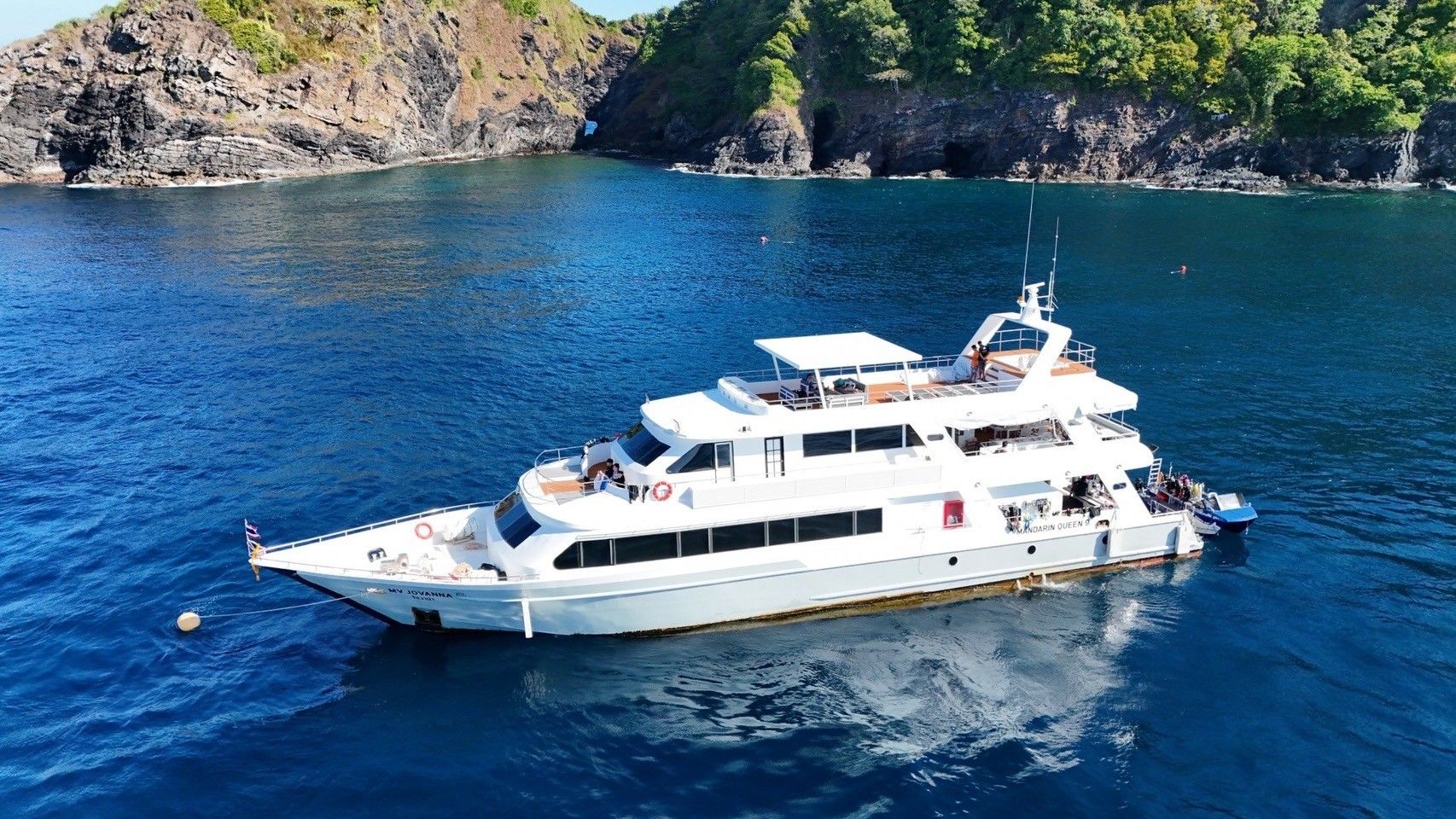
Mandarin Queen 9
Thailand
26 guests37.5 m
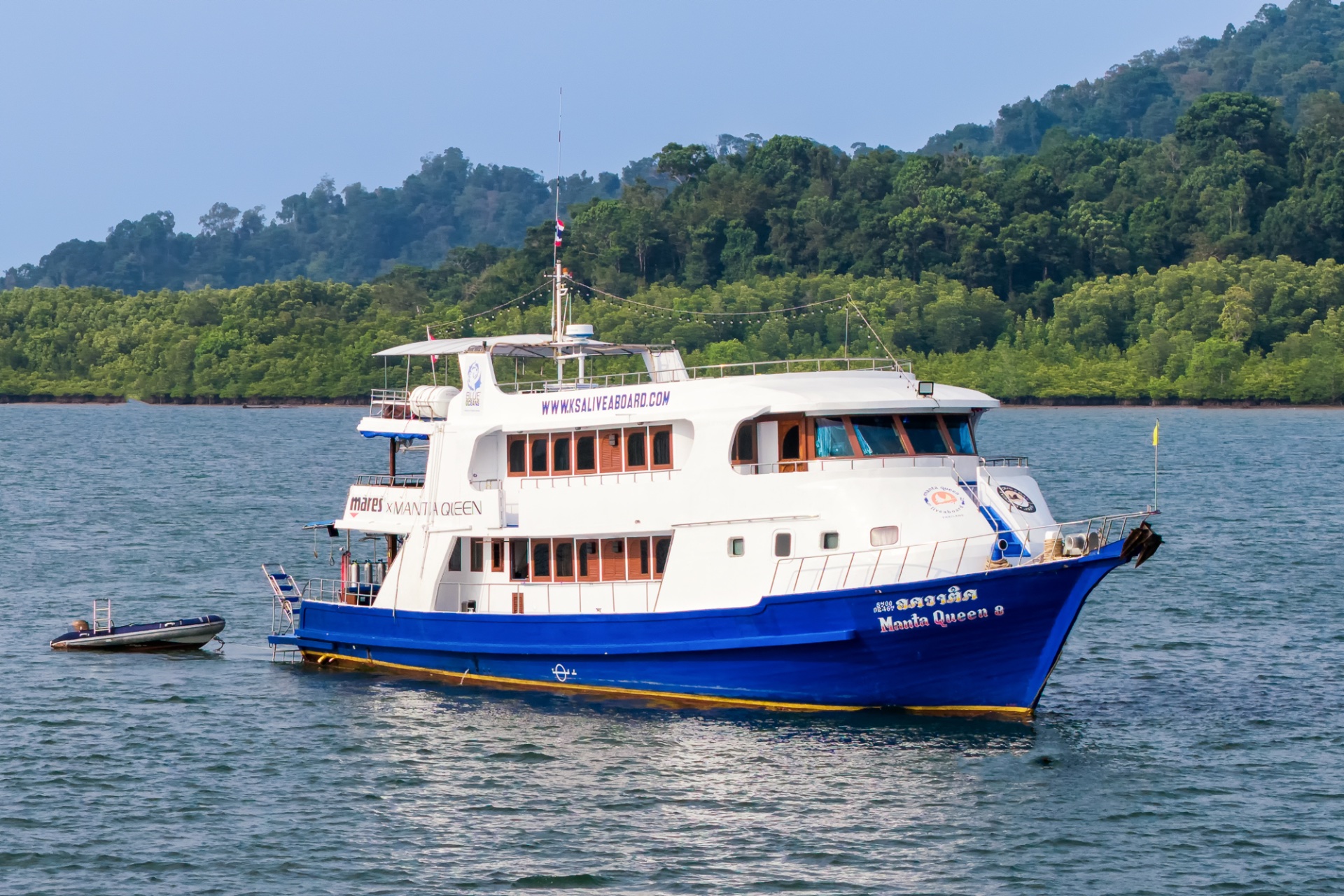
Manta Queen 8
Thailand
24 guests
$127/day
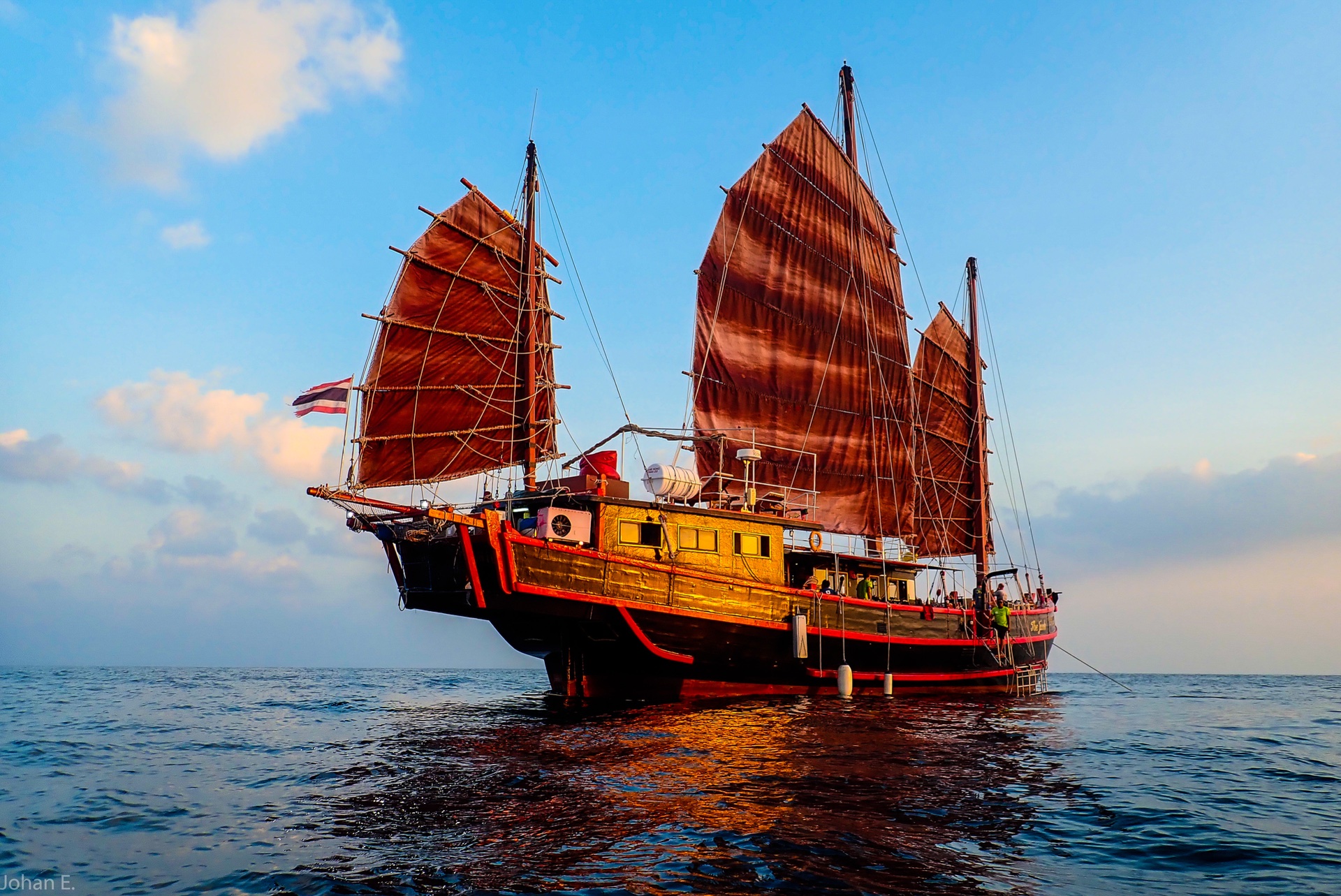
The Junk
Thailand
18 guests33 m
$163/day
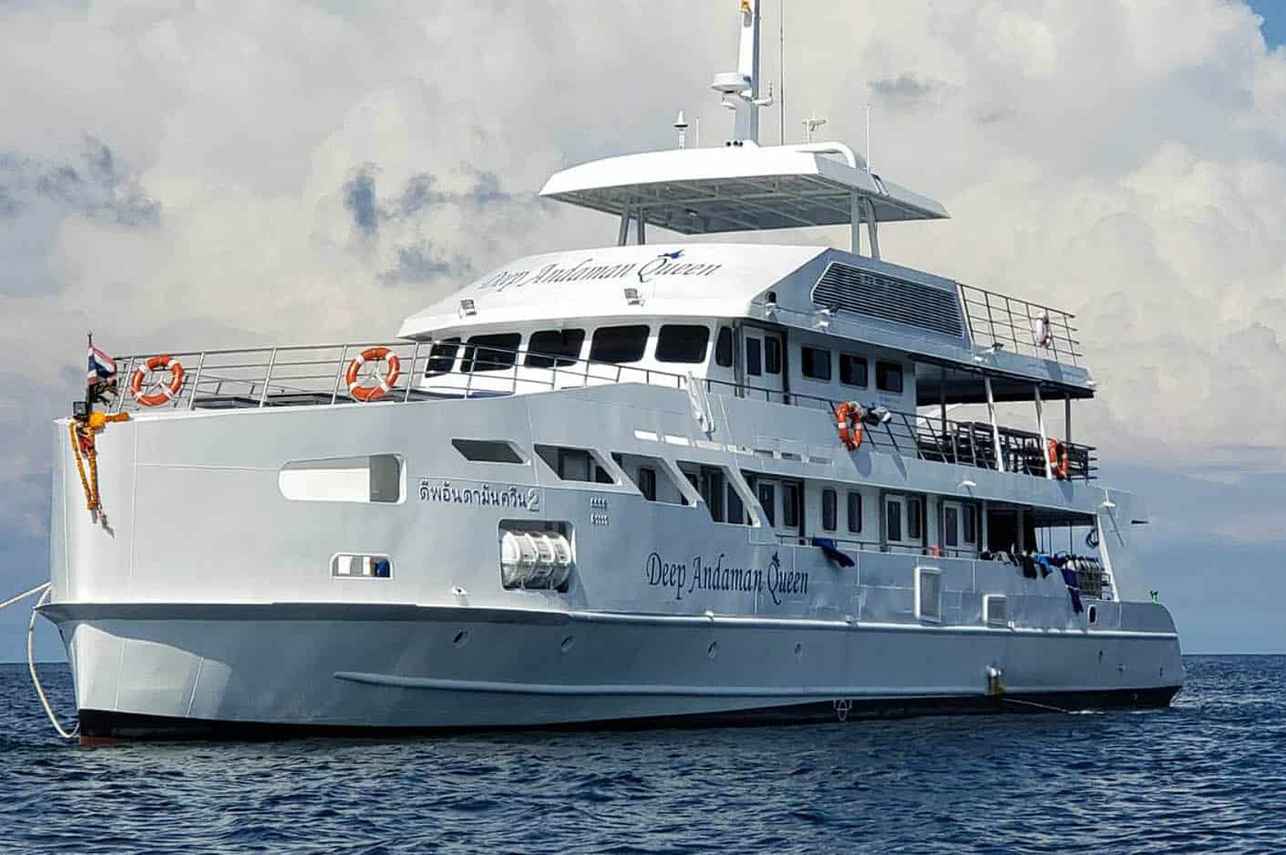
Deep Andaman Queen
Thailand
23 guests30.5 m
$194/day
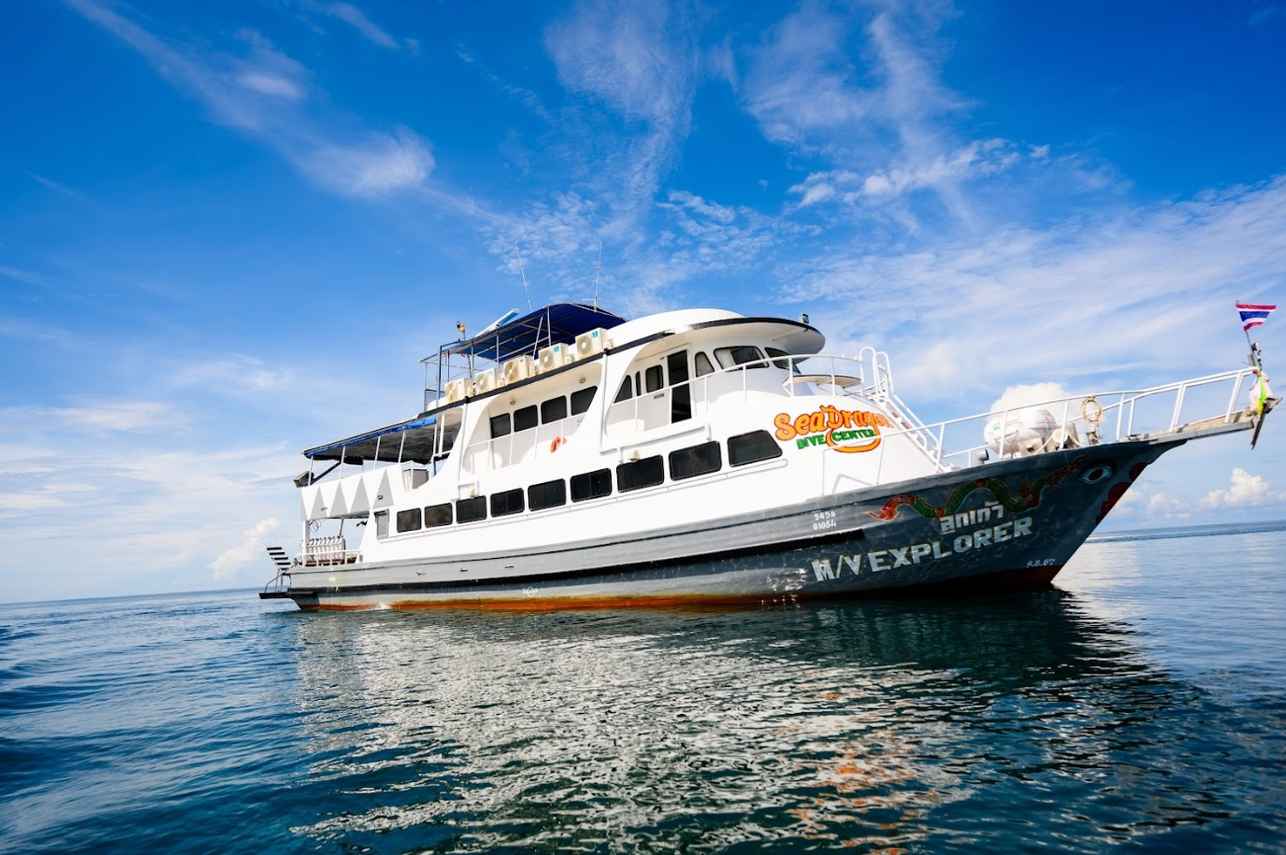
Explorer
Thailand
16 guests25 m
$150/day
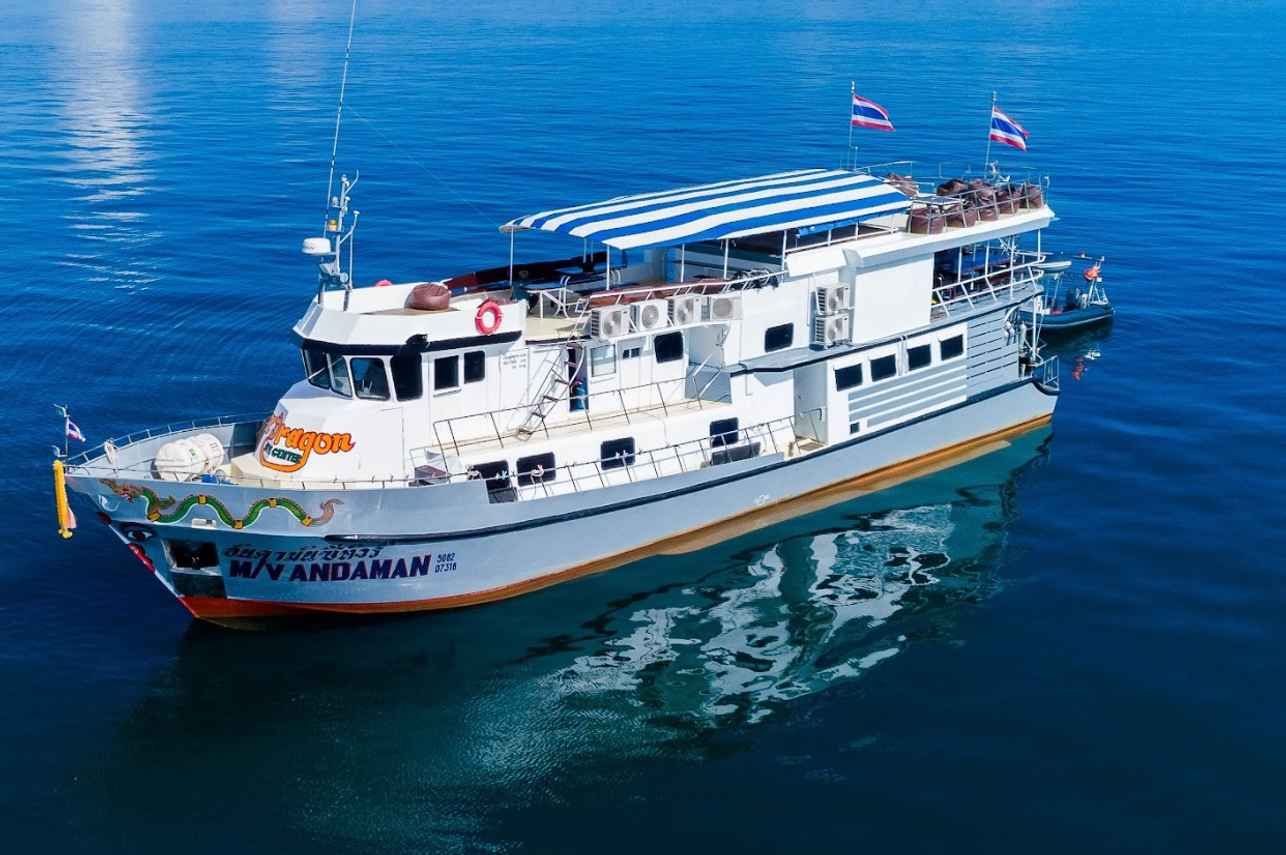
Andaman
Thailand
20 guests26 m
$108/day
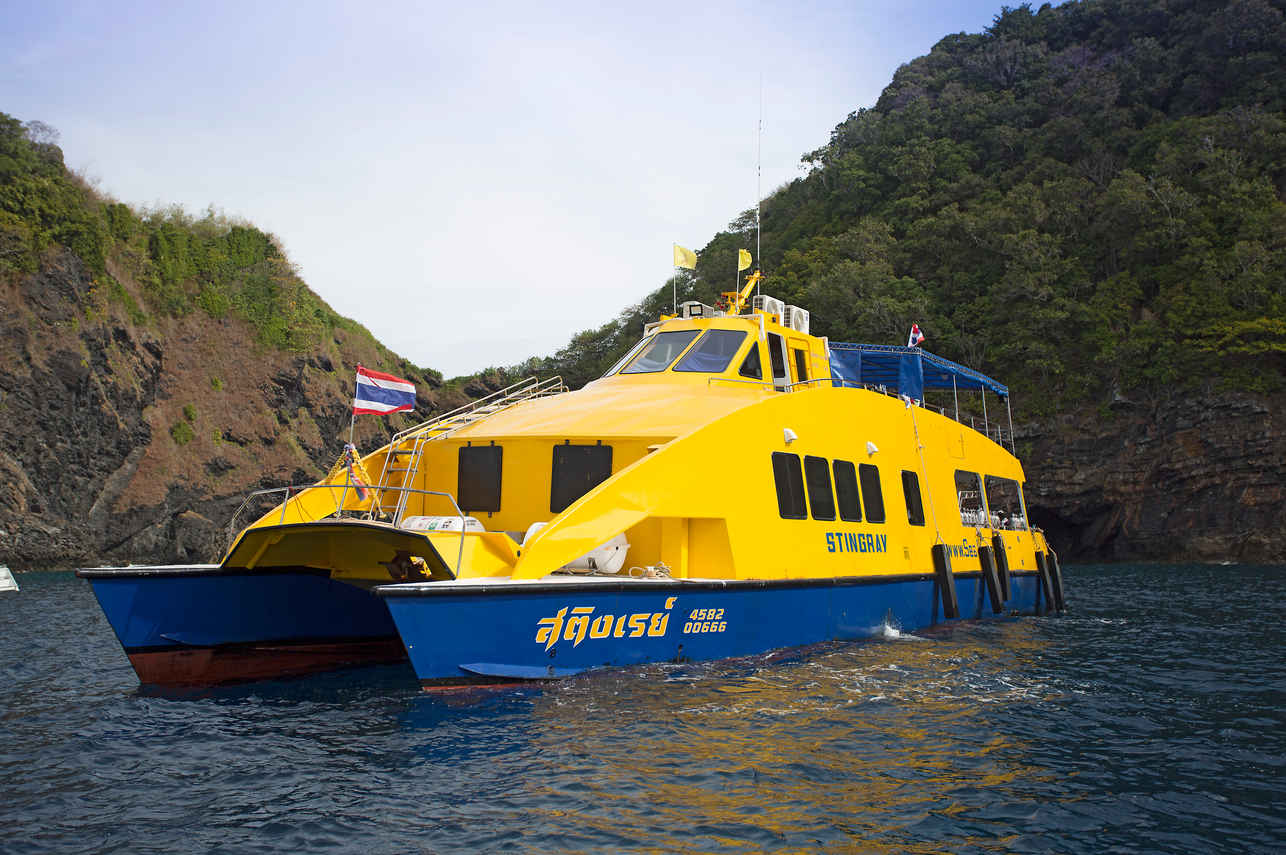
Stingray
Thailand
8 guests24 m
$245/day
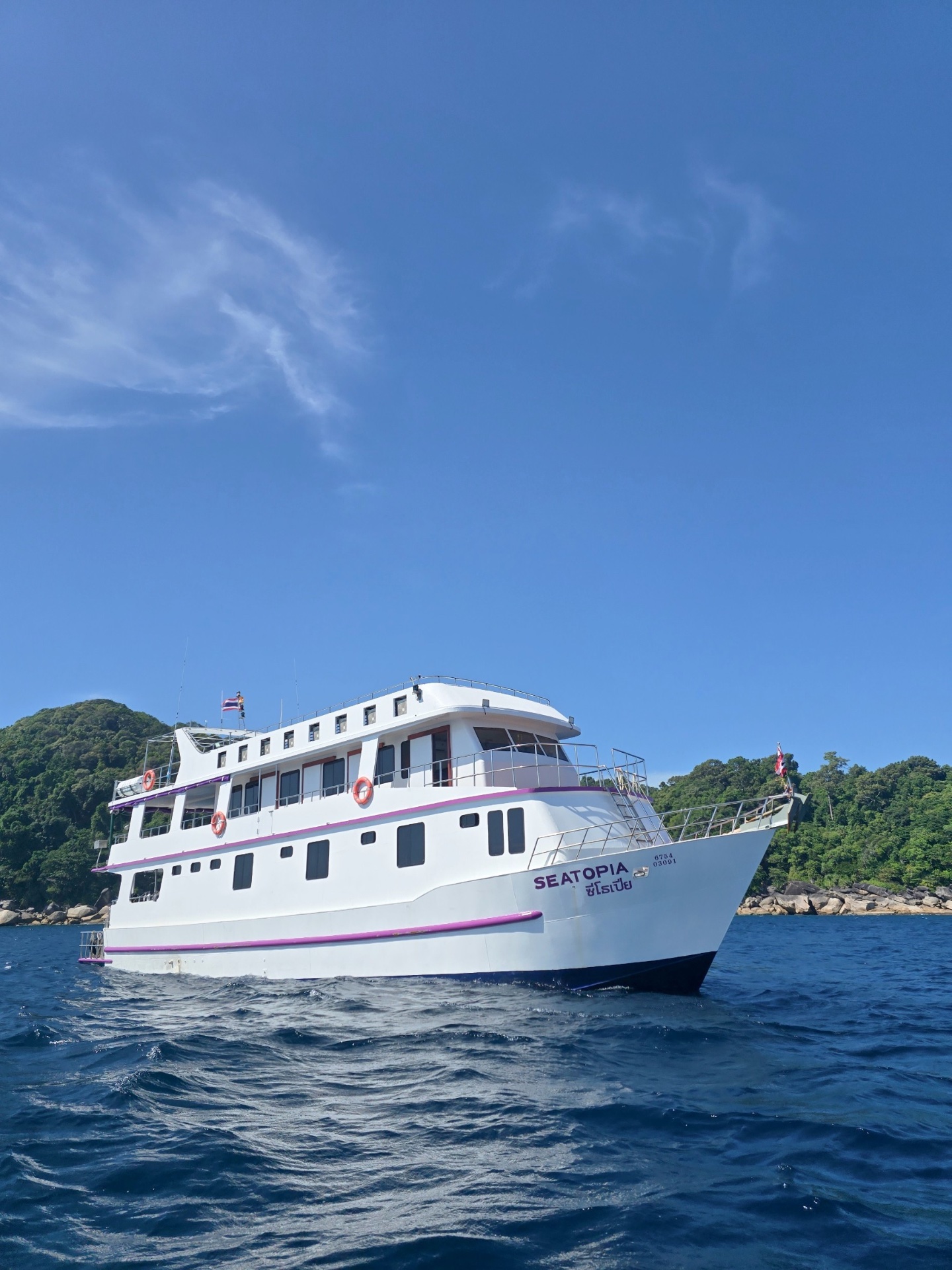
Seatopia
Thailand
24 guests24 m
Dive sites similar to Koh Lipe — 8 Mile Rock
Same character, same waters — six more sites divers love for the exact same reasons.Compare seasons, access and liveaboard routes — then pick the site that fits your trip best.
Hin Raab is a prominent dive site located in the eastern Gulf of Thailand, near Koh Chang, offering an exceptional underwater experience with its rich coral biodiversity and thriving marine life.
- Suitable for
- Intermediate
- Current
- Moderate
- Access
- Dayboat
- Depth
- 5–22 m
- Theme
- Reef / Pinnacle
© Esri — Maxar, Earthstar, GIS
Christmas Point
Thailand
Christmas Point, located on Similan Island number 9 (Koh Ba-Ngu), stands out as one of the Similan Islands' most iconic dive sites.
- Suitable for
- Intermediate
- Current
- Strong
- Access
- Liveaboard or dayboat
- Depth
- 2–40 m
- Theme
- Pinnacle
© Esri — Maxar, Earthstar, GIS
Southwest Pinnacle
Thailand
Southwest Pinnacle, located approximately 45 minutes by boat from Koh Tao's Mae Haad pier, is a renowned dive site in the Gulf of Thailand.
- Suitable for
- Intermediate
- Current
- Strong
- Access
- Liveaboard or dayboat
- Depth
- 8–26 m
- Theme
- Pinnacle / Wall
© Esri — Maxar, Earthstar, GIS
Koh Tao — Twins
Thailand
Twins, a highly popular dive site near Koh Tao, Thailand, is renowned for its accessibility and rich marine life.
- Suitable for
- Beginner
- Current
- Mild
- Access
- Liveaboard or dayboat
- Depth
- 5–18 m
- Theme
- Pinnacle
© Esri — Maxar, Earthstar, GIS
Hin Luk Bat
Thailand
Hin Luk Bat is a renowned dive site located off the coast of Koh Chang, celebrated for its unique geological formations and abundant marine life.
- Suitable for
- Intermediate
- Current
- Mild
- Access
- Dayboat
- Depth
- 5–25 m
- Theme
- Reef / Pinnacle
© Esri — Maxar, Earthstar, GIS
Shark Point
Thailand
Shark Point, also known as Hin Musang, is a celebrated dive site located midway between Phuket and Phi Phi Islands in the Andaman Sea.
- Suitable for
- Intermediate
- Current
- Strong
- Access
- Liveaboard or dayboat
- Depth
- 5–24 m
- Theme
- Pinnacle