About Stonehenge
Stonehenge is an exceptional dive site situated about 2 kilometers off Ta Lang Beach on Koh Lipe's eastern side, renowned for its striking geological formations and rich marine life. Named for its resemblance to the ancient monument, the site features enormous granite boulders, some rising 10 meters from the seabed, which create a captivating maze of archways, swim-throughs, and overhangs. These formations are ancient, shaped by tectonic activity long before corals began to colonize their surfaces. Falling within the Tarutao National Marine Park, Stonehenge benefits from strict protection, including no-touch rules and mooring buoy usage, which contributes to its vibrant ecosystem. The live coral cover is impressive, often reaching 70% in prime areas, with healthy gorgonians and table corals adorning every available surface. The site's topography, combined with significant currents, makes it a magnet for pelagic species and provides diverse habitats for macro life. While Koh Lipe boasts over 30 dive sites, Stonehenge stands out due to its unique blend of dramatic scenery and current-driven marine activity. It offers an adrenaline-fueled experience with genuine currents that usher in large schools of barracuda, blacktip reef sharks, and occasional eagle rays. The site also provides sheltered pockets among the rocks, perfect for exploring smaller critters. With depths ranging from 10 to 40 meters, including a main pinnacle dropping to 30 meters, divers can experience varied profiles on a single visit. Visibility here can range from 15 to 30 meters during the peak season from December to February, with water temperatures consistently warm at 28-30°C. Early morning dives often present the calmest conditions and optimal light for photography. Managing currents is key to a rewarding dive, with guides often recommending negative descents to navigate the site effectively.
Highlights
Massive granite boulder formationsArchways and swim-throughsSchools of barracudaBlacktip reef sharksHealthy gorgonian and table coralsOccasional eagle rays
Season calendar
Best months to dive here
Jan
Feb
Mar
Apr
May
Jun
Jul
Aug
Sep
Oct
Nov
Dec
Excellent
Good
Dive site facts: Stonehenge
- Depth
- 10–40 m
- Typical dive
- 10–25 m
- Current
- Medium to Strong
- Visibility
- 10–30 m
- Water temperature
- 28–30°C
- Entry
- Boat / Negative entry
- Level
- Advanced Open Water
- Dive type
- Reef / Boulder / Drift
- Night dive
- Possible
- Region / port
- Koh Lipe, Andaman Sea
- Coordinates
- 8.585, 97.618
Conditions & Currents
Stonehenge experiences moderate to strong currents, typically ranging from 1 to 3 knots, which are influenced by tidal patterns. Incoming tides are particularly known for bringing in nutrient-rich waters that attract large pelagic species, including schools of barracuda and sharks. Divers should be prepared for negative entries to navigate the currents effectively and may find a reef hook useful for holding position in exposed sections. Slack tide offers more relaxed conditions, ideal for exploring swim-throughs and macro life. Due to these varying conditions, divers need to be attentive to their guide's briefings and comfortable with current management; otherwise, the dive plan can be adjusted to favor more sheltered areas.
Marine life & sighting chances

Barracuda
common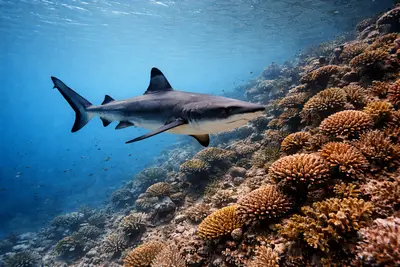
Blacktip Reef Shark
common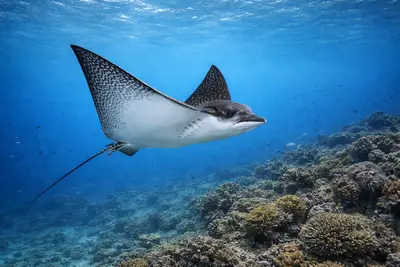
Eagle Ray
December-February · occasionalSpotted Eagle Ray
December-February · occasional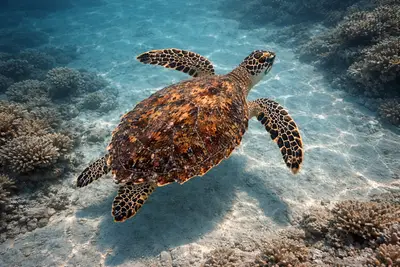
Hawksbill Turtle
occasional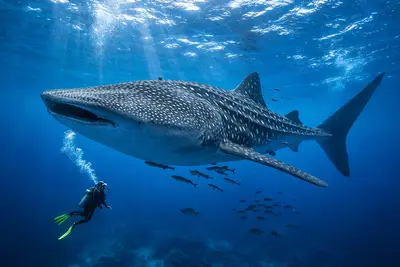
Whale Shark
rare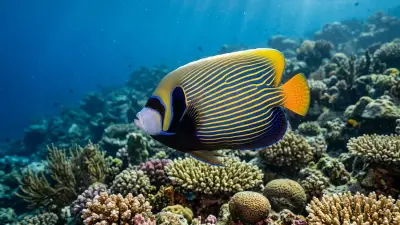
Emperor Angelfish
common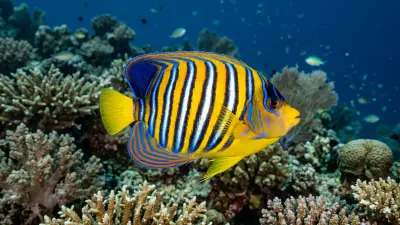
Regal Angelfish
common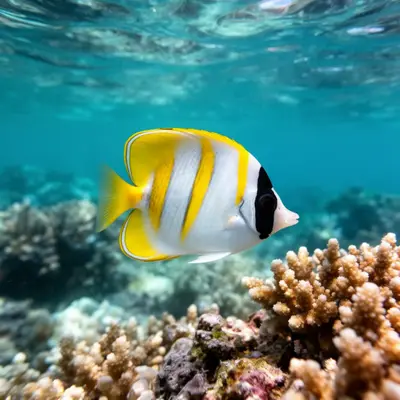
Longnose Butterflyfish
common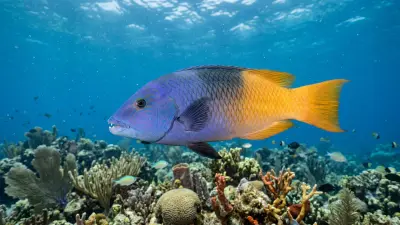
Humphead Wrasse
occasional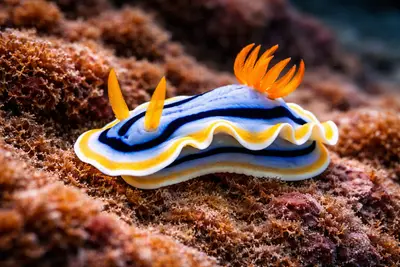
Nudibranch
common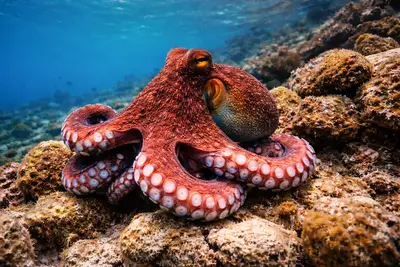
Octopus
occasional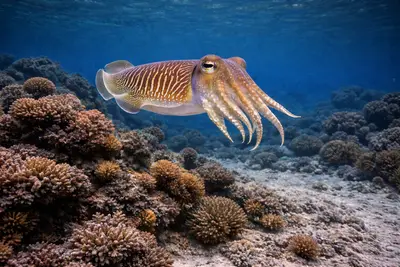
Cuttlefish
occasional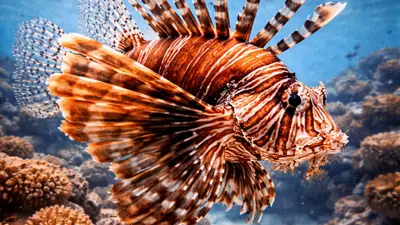
Lionfish
commonDive profile & how the dive runs
Dives at Stonehenge typically begin with a negative descent from the boat directly onto the pinnacle to avoid strong surface currents. Divers usually explore the main granite boulder formations, navigating through archways and swim-throughs, which range in depth from 12-18 meters. The route often follows the structure, moving from current-exposed sections where pelagics are abundant to more sheltered areas that host macro life. The main pinnacle descends to approximately 30 meters along a vertical wall, offering a deeper section to explore. Turn points are often dictated by air consumption and current strength, ensuring ample gas for the ascent. The safety stop is conducted in shallower, calmer areas, often clinging to the reef or employing a reef hook if necessary, before surfacing for boat pick-up.
Underwater photography
Stonehenge offers diverse photographic opportunities, from wide-angle shots of impressive rock formations and schooling barracuda to macro captures of nudibranchs and other small critters in protected crevices. For wide-angle, aim for early morning dives when sunlight shafts penetrate the archways, creating dramatic light effects; a dome port is highly recommended. When focusing on macro, be mindful of currents, as stability is key; a powerful focus light will assist in the darker overhangs. Buoyancy control is paramount to avoid damaging delicate corals and to stay steady in varying currents. Respect marine life by maintaining a safe distance, especially from resting lionfish and camouflaged scorpionfish.
Combine with nearby dive sites
- Koh Lipe — 8 Mile Rock
8 Mile Rock, located approximately 13 kilometers offshore from Koh Lipe in the Tarutao National Marine Park, stands as one of Thailand's…
- Hin Bida
Hin Bida is a celebrated submerged coral reef and pinnacle situated approximately 20 minutes east of Koh Bida Nai, entirely in the open sea.
- Koh Bon
Koh Bon is a distinguished dive site located north of Similan Island No.
Getting there & logistics
Access to Stonehenge is primarily from Koh Lipe, located in Thailand's southernmost Satun province. The most common way to reach Koh Lipe is by flying into Hat Yai Airport (HDY), followed by a 2-3 hour minivan transfer to Pak Bara Pier, and then a 1.5-2 hour speedboat ride to the island. Alternatively, speedboats are available from Langkawi, Malaysia. Dive trips to Stonehenge are typically booked through local dive shops on Koh Lipe, with longtail boats reaching the site in 15-30 minutes from Pattaya or Ta Lang Beach. All diving activities within Tarutao National Marine Park require guided access, prohibiting solo diving. Expect to pay a Tarutao National Marine Park entry fee of 200 THB per person, plus a small boat fee. A two-dive trip including gear usually costs around 2,800-3,500 THB.
Safety & environment
The nearest recompression chamber is located in Phuket, highlighting the importance of cautious diving practices and adequate insurance. Evacuation from Koh Lipe to a medical facility can be time-consuming due to its island location and reliance on boat transfers, so comprehensive dive insurance covering medical emergencies and evacuation is essential. Site-specific hazards at Stonehenge include strong currents, which necessitate good buoyancy control and attentiveness to dive guide instructions; a reef hook is advisable for stability. Divers must adhere strictly to Tarutao National Marine Park regulations, which include no-touch rules and prohibitions against coral damage, carrying fines up to 10,000 THB. Always dive within certification limits and communicate any discomfort with currents to your guide immediately.
Who it suits — and who it doesn't
Suited for
- Advanced Open Water divers
- Divers comfortable with currents
- Underwater photographers seeking dramatic topography
- Divers interested in pelagic encounters
- Macro enthusiasts willing to search crevices
Less suited for
- Open Water divers
- Divers uncomfortable with strong currents
- Divers seeking purely calm, easy conditions
- Divers new to negative entries
- Individuals without adequate dive insurance
FAQ
Stonehenge FAQ
What kind of marine life can I expect to see at Stonehenge?
Stonehenge is rich in marine biodiversity. You can frequently spot large schools of barracuda, blacktip reef sharks, and a wide variety of reef fish like emperor and regal angelfish. Macro life is also abundant, with over 20 nudibranch species recorded, along with octopus and cuttlefish hiding in crevices. Occasionally, divers might encounter eagle rays or hawksbill turtles.
How strong are the currents at Stonehenge?
Currents at Stonehenge can range from medium to strong, typically between 1 and 3 knots, depending on the tides. Incoming tides often bring the strongest currents and attract larger pelagic species. Divers should be comfortable with current management, and guides often recommend negative entries to avoid surface turbulence. Slack tide provides easier diving conditions for exploration.
Is Stonehenge suitable for beginner divers?
Stonehenge is generally recommended for Advanced Open Water (AOW) certified divers or those with equivalent experience. The presence of strong currents and depths up to 40 meters can make it challenging for less experienced divers. Open Water divers should choose sites with milder conditions, and anyone uncomfortable with currents should discuss alternatives with their dive operator.
What is the best time of year to dive Stonehenge?
The prime diving season for Stonehenge runs from November to April. During these months, the Andaman Sea experiences calmer conditions and significantly better visibility, often reaching 15-30 meters. December to February offers peak visibility and increased chances for sighting larger marine life, such as eagle rays. The site is largely inaccessible from May to October due to monsoon weather.
Are there any specific regulations or fees for diving at Stonehenge?
Yes, Stonehenge is located within the Tarutao National Marine Park, which imposes strict rules, including no-touch policies and mandatory use of mooring buoys. Divers must be accompanied by a certified guide. There is a park entry fee of 200 THB per person, in addition to a small boat fee. Violations of park rules, especially those damaging coral, can incur significant fines.
Why dive Stonehenge from a liveaboard?
Stonehenge is one of Thailand's signature dive sites. A liveaboard sleeps you on the water and puts you in the water for three to four guided dives per day, including dawn and night dives that day-boat operators rarely offer. You skip the daily commute back to port and reach quieter, less-crowded sites in the same region on a single trip.
Below are the liveaboards that include Stonehenge on their Thailand itineraries.
Liveaboards diving Stonehenge
These liveaboards may visit Stonehenge on selected itineraries — the exact dive sites depend on departure, weather and conditions.
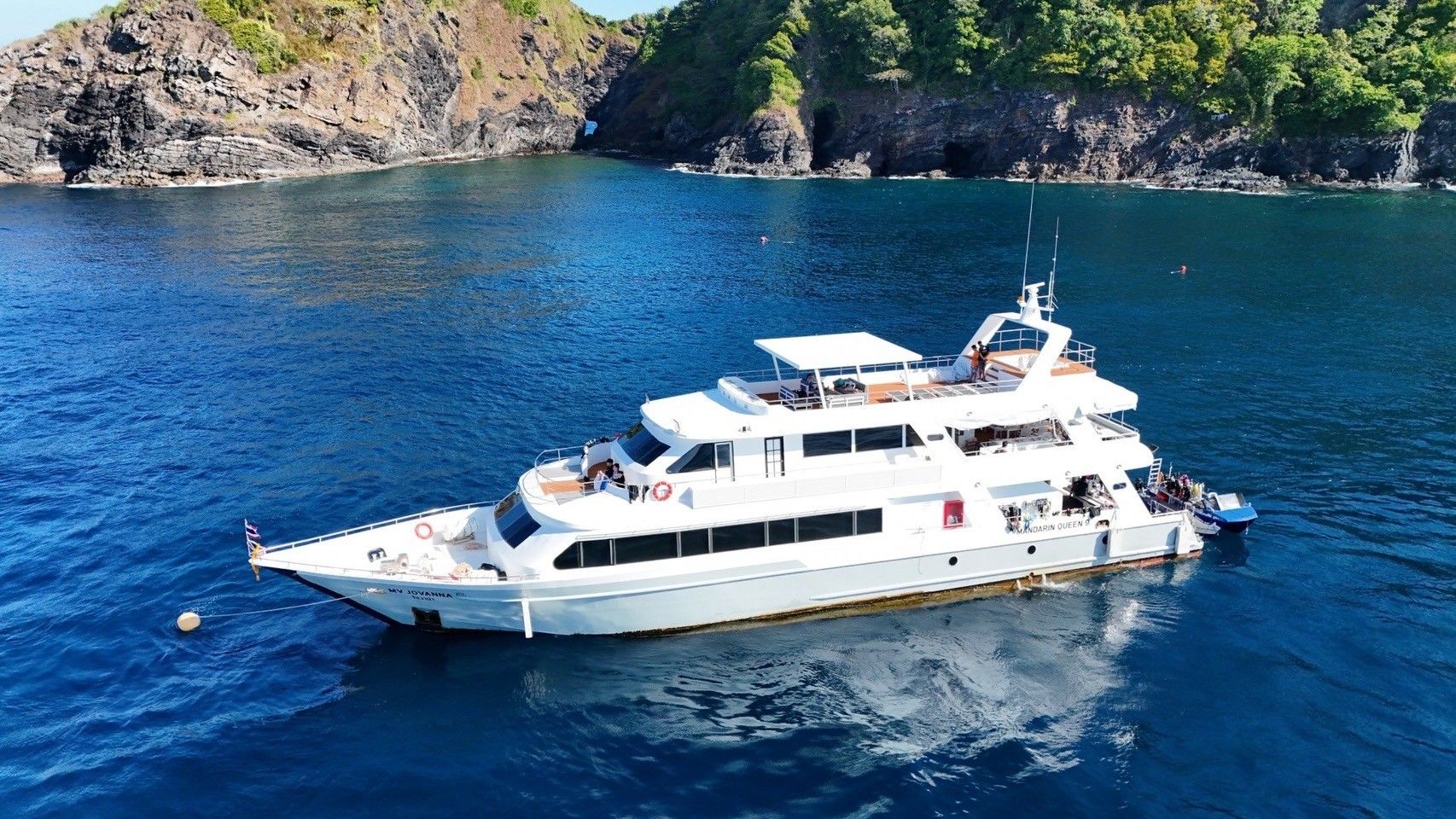
Mandarin Queen 9
Thailand
26 guests37.5 m
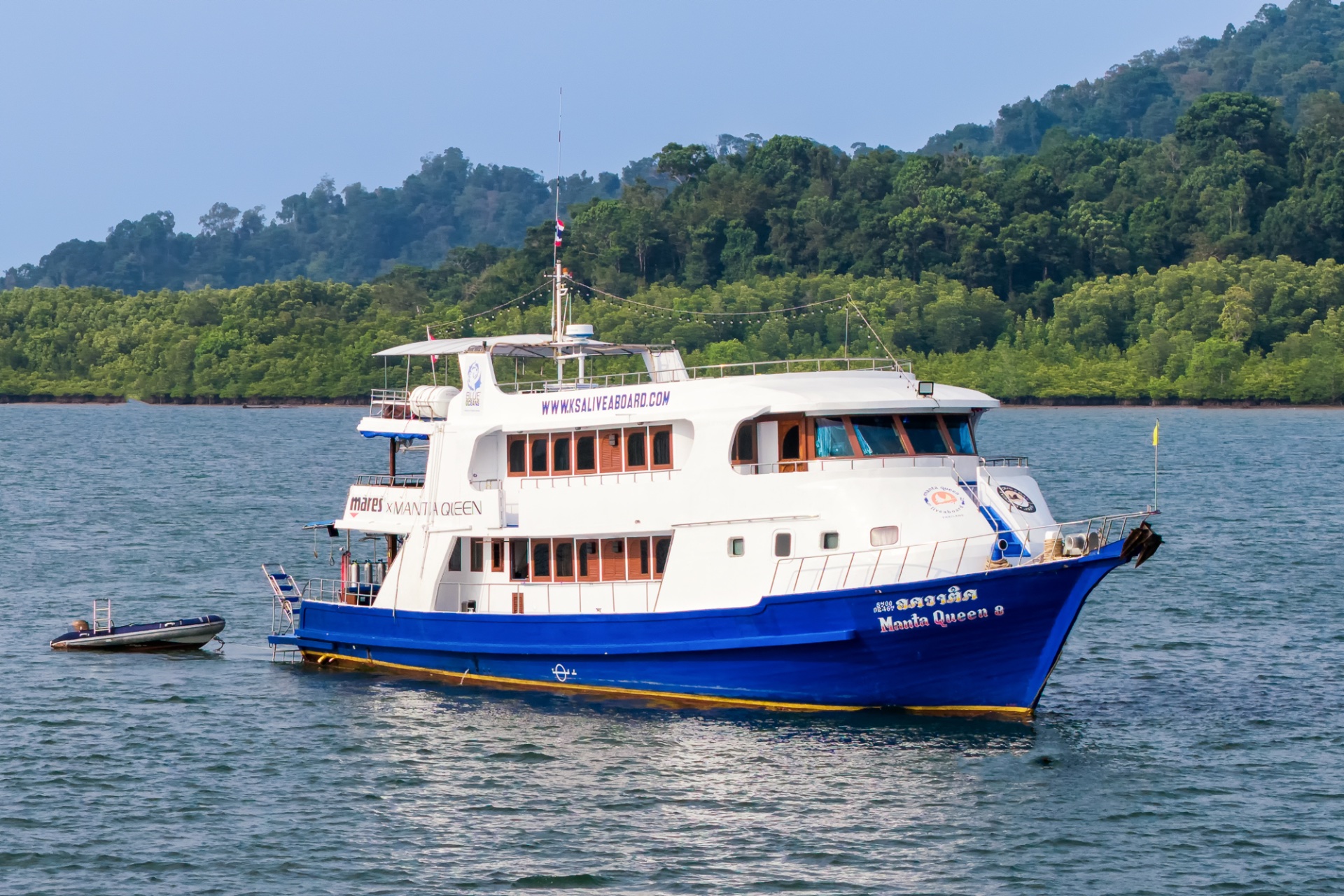
Manta Queen 8
Thailand
24 guests
$127/day
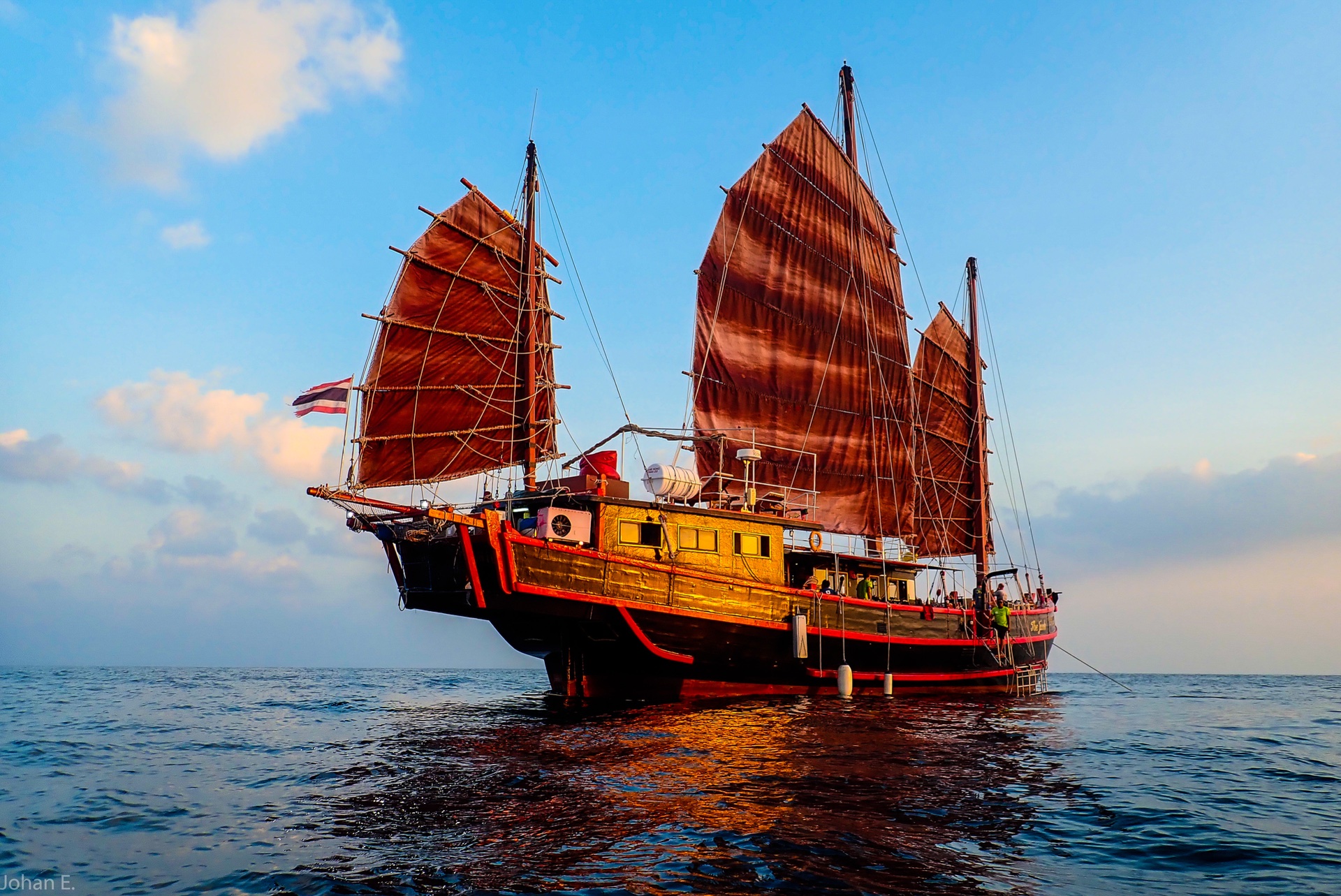
The Junk
Thailand
18 guests33 m
$163/day
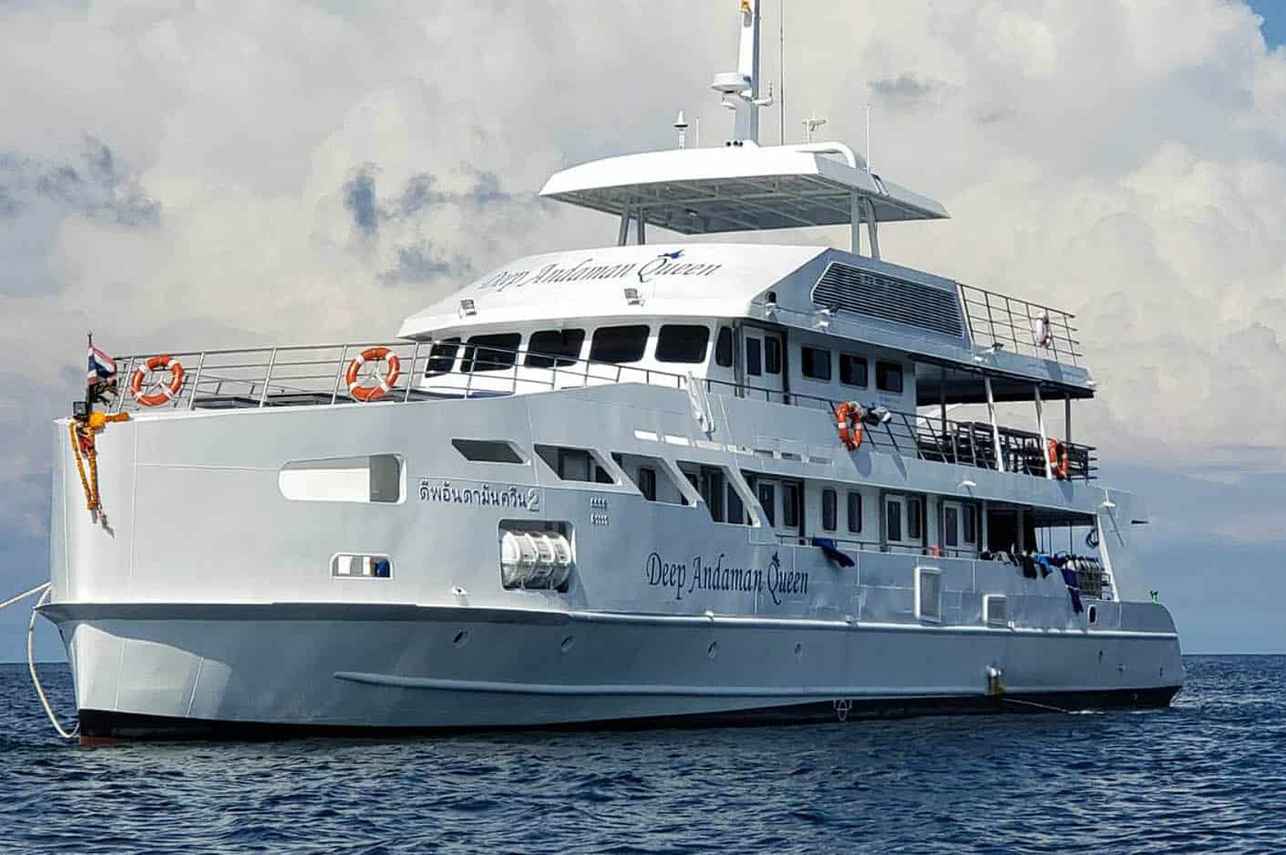
Deep Andaman Queen
Thailand
23 guests30.5 m
$194/day
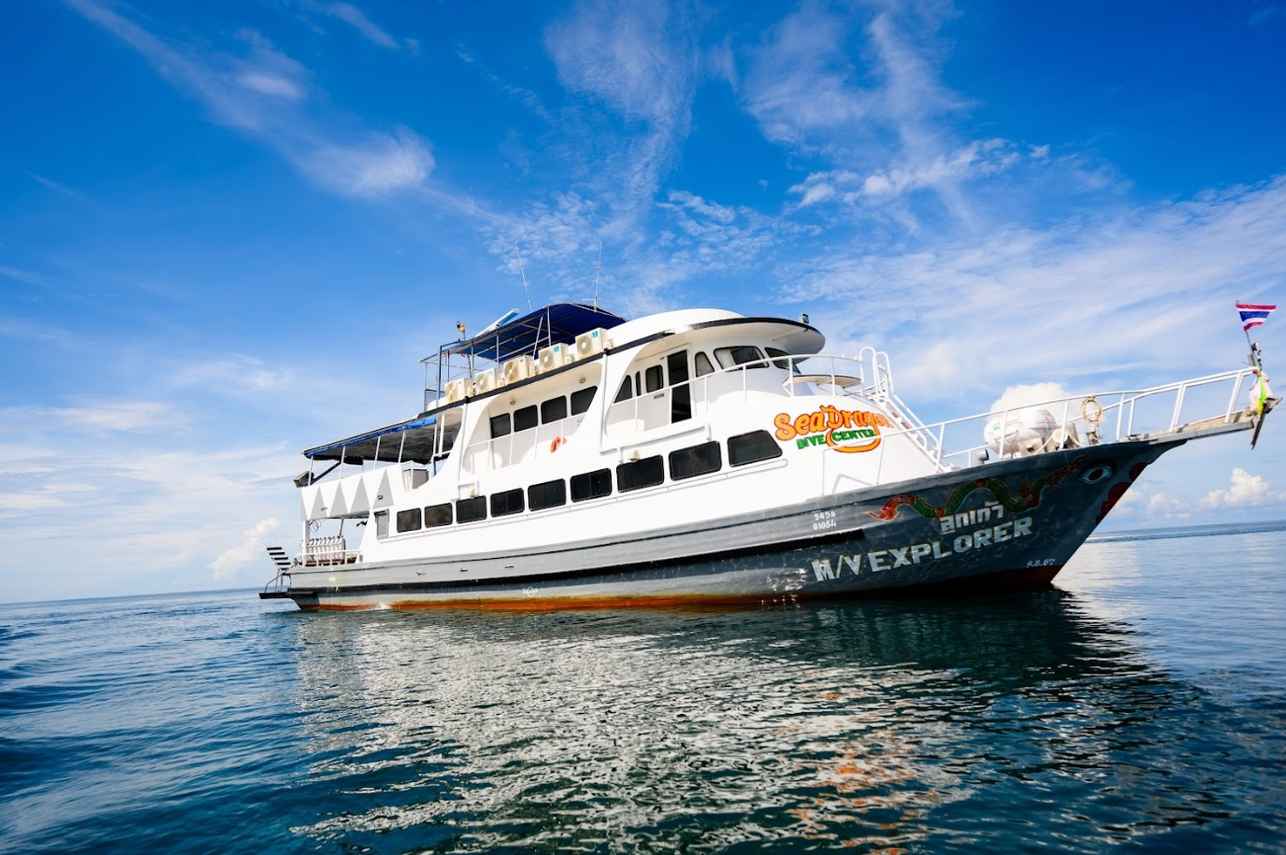
Explorer
Thailand
16 guests25 m
$150/day
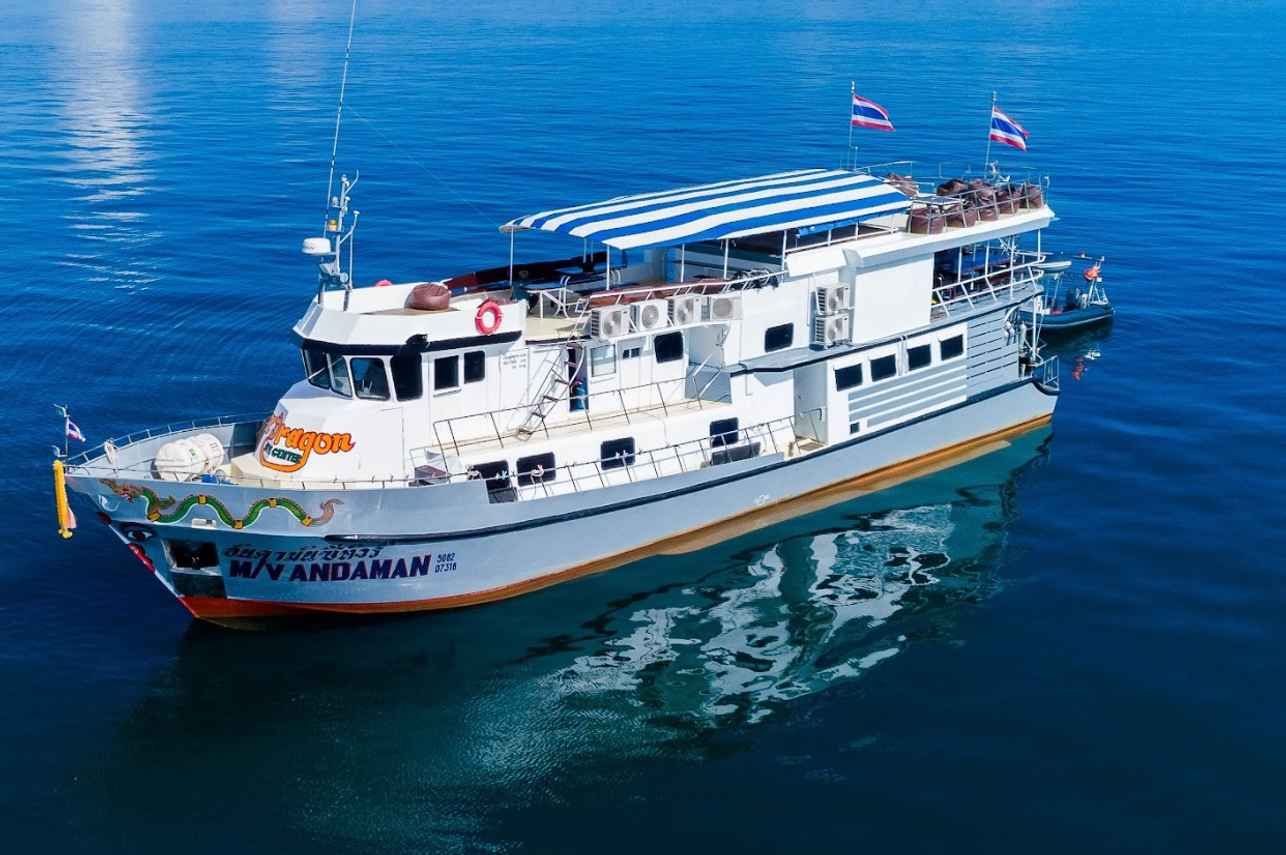
Andaman
Thailand
20 guests26 m
$108/day
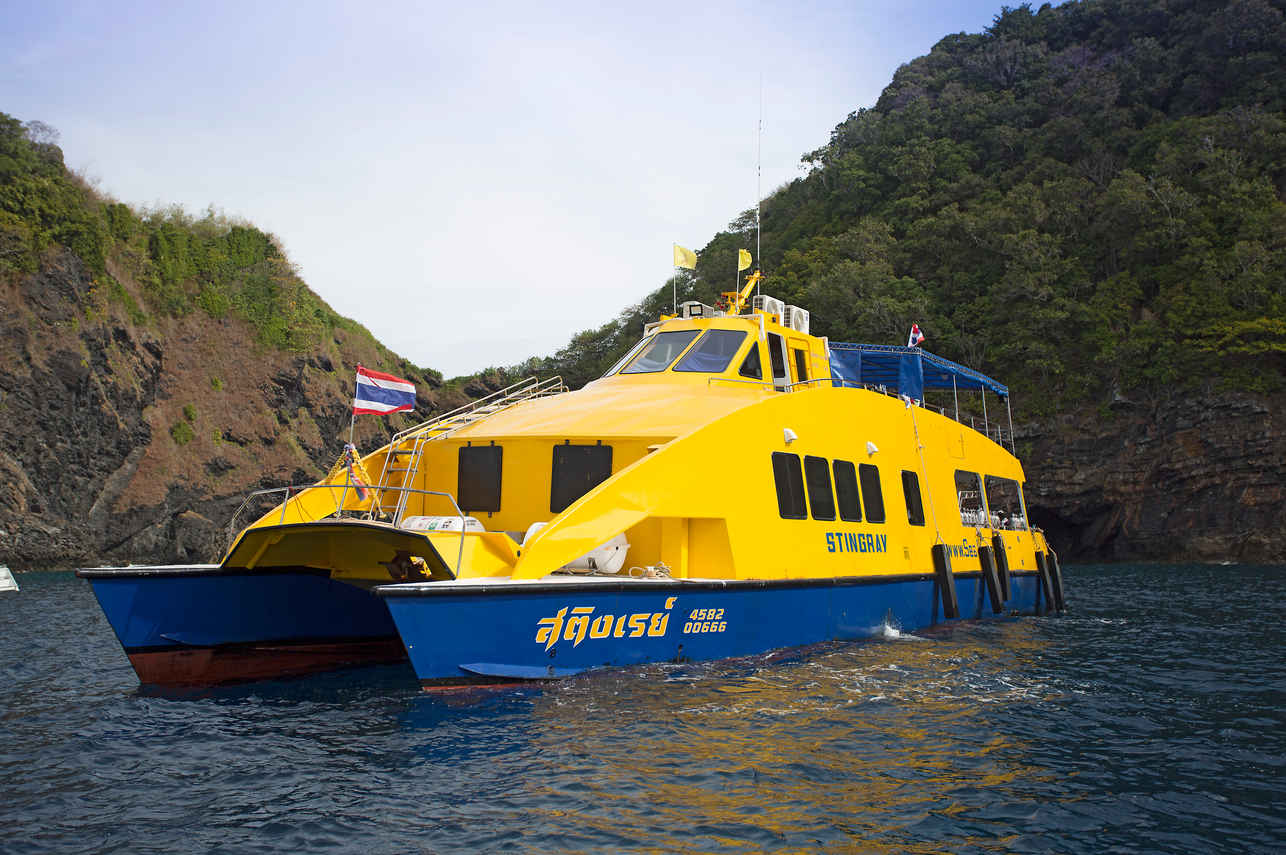
Stingray
Thailand
8 guests24 m
$245/day
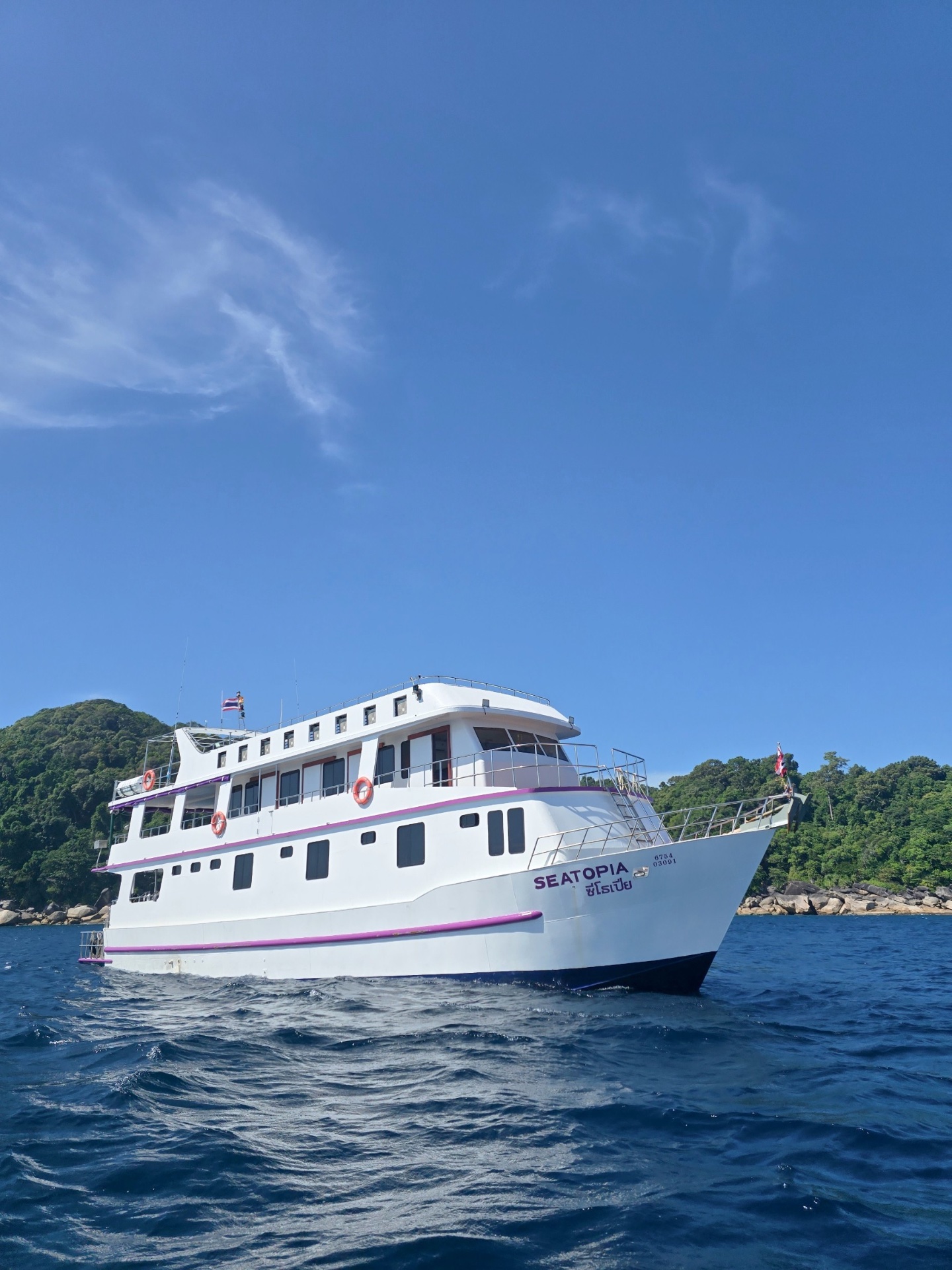
Seatopia
Thailand
24 guests24 m
Dive sites similar to Stonehenge
Same character, same waters — six more sites divers love for the exact same reasons.Compare seasons, access and liveaboard routes — then pick the site that fits your trip best.
© Esri — Maxar, Earthstar, GIS
Koh Haa — Lagoon
Thailand
Koh Haa Lagoon is a picturesque and protected dive site formed by islands #2, #3, and #4 of the Koh Haa archipelago, approximately 1.45 hours by boat from Koh Lanta.
- Suitable for
- Beginner
- Current
- Moderate
- Access
- Liveaboard or dayboat
- Depth
- 2–25 m
- Theme
- Reef / Wall
© Esri — Maxar, Earthstar, GIS
Southwest Pinnacle
Thailand
Southwest Pinnacle, located approximately 45 minutes by boat from Koh Tao's Mae Haad pier, is a renowned dive site in the Gulf of Thailand.
- Suitable for
- Intermediate
- Current
- Strong
- Access
- Liveaboard or dayboat
- Depth
- 8–26 m
- Theme
- Pinnacle / Wall
© Esri — Maxar, Earthstar, GIS
Koh Dok Mai
Thailand
Koh Dok Mai, meaning 'Flower Island,' is a distinctive limestone outcrop located in Thailand's Andaman Sea, between Phuket and Phi Phi Islands.
- Suitable for
- Intermediate
- Current
- Moderate
- Access
- Dayboat
- Depth
- 5–30 m
- Theme
- Wall / Drift
Koh Yang, situated within the Tarutao National Marine Park, offers a diverse and captivating dive experience near Koh Lipe.
- Suitable for
- Beginner
- Current
- Mild
- Access
- Dayboat
- Depth
- 5–30 m
- Theme
- Reef / Wall
© Esri — Maxar, Earthstar, GIS
Koh Talang
Thailand
Koh Talang Steps is a distinctive dive site located off the coast of Trang province, near Koh Lipe in southern Thailand.
- Suitable for
- Intermediate
- Current
- Moderate
- Access
- Dayboat
- Depth
- 5–30 m
- Theme
- Reef / Wall
© Esri — Maxar, Earthstar, GIS
Similan Islands — East of Eden
Thailand
East of Eden is an exquisite dive site nestled within Thailand's Similan Islands, famed for its breathtaking coral formations and abundant marine life.
- Suitable for
- Beginner
- Current
- Strong
- Access
- Liveaboard or dayboat
- Depth
- 5–30 m
- Theme
- Reef / Wall