About Santa Rosa Wall
The Santa Rosa Wall is a legendary dive site located on the southwest side of Cozumel, Mexico, forming part of the Great Mayan Reef. It stands out for its dramatic vertical drop-off, beginning at approximately 15 meters and plunging far beyond recreational limits, creating the sensation of flying alongside an abyss. This site is celebrated for its exceptional coral coverage, featuring enormous barrel sponges, expansive sea fans, and deep overhangs adorned with orange and purple encrusting organisms. Topographically, the wall showcases its most sheer vertical sections in the northern areas, where divers can explore impressive swim-through tunnels that cut completely through the reef crest. These tunnels vary in size, some accommodating divers side-by-side, others requiring single-file navigation. The wall's structure, combined with consistently clear waters, makes for a visually stunning and dynamic dive experience. Marine life at Santa Rosa Wall is prolific, supported by consistent northward currents that deliver a rich supply of nutrients. Divers frequently encounter hawksbill turtles resting on the wall, schools of horse-eyed jacks in the blue, and barracuda tracking the reef edge. Black groupers hold territory in overhangs, while spiny lobsters are found in abundance. Eagle rays are a highlight, especially from December to March, and occasional sightings of nurse sharks and even hammerheads add to the excitement. Diving here is typically a drift dive, guided by moderate to strong currents. Entry is usually onto a sandy plateau at 15-18 meters before divers orient to the wall's edge. The consistent current allows for effortless gliding along the wall, making it an exhilarating experience, though strong current days can mean a fast pace. The site is best suited for intermediate to advanced divers comfortable with drift conditions and depths up to 24-30 meters.
Highlights
Dramatic vertical drop-offThriving coral formationsChallenging drift diveAbundant pelagic encountersIntricate swim-through tunnelsMassive barrel spongesHawkbill turtle sightingsEagle ray migrations
Season calendar
Best months to dive here
Jan
Feb
Mar
Apr
May
Jun
Jul
Aug
Sep
Oct
Nov
Dec
Good
Dive site facts: Santa Rosa Wall
- Depth
- 15-30 m (50-100 ft)
- Typical dive
- 22-25 m, 50-60 min
- Current
- Moderate to strong
- Visibility
- 24-39 m (80-130 ft)
- Water temperature
- 27-28°C (81-82°F)
- Entry
- Boat / Drift
- Level
- Intermediate to Advanced
- Dive type
- Wall, drift, swim-throughs
- Night dive
- Possible
- Region / port
- Cozumel, Mexico
- Coordinates
- 20.338, -87.045
Conditions & Currents
Santa Rosa Wall is renowned for its consistent northward drift, which can range from moderate to strong, making it a thrilling drift dive. Currents are variable and can be unpredictable, occasionally reversing without warning, thus requiring a thorough briefing from your guide. Divers must be comfortable adjusting their position in the current and maintain strong situational awareness throughout the dive. Entry typically occurs onto a sandy plateau at 15-18 meters, where divers orient themselves to the wall before the drift begins. Visibility is consistently high, often exceeding 24-39 meters, ensuring clear views of the dynamic underwater topography and marine life. This site is best for intermediate to advanced divers who possess solid buoyancy control and are at ease with drift conditions and depths up to 24-30 meters.
Marine life & sighting chances

Hawksbill turtle
common
Horse-eyed jack
common
Barracuda
common
Spotted eagle ray
December–March · common
Black grouper
common
Spiny lobster
common
French grunt
common
Snapper
common
Moray eel
common
Nurse shark
occasional
Hammerhead shark
rare
Parrotfish
commonDive profile & how the dive runs
Dives at Santa Rosa Wall typically commence with a boat entry onto a sandy plateau situated near the wall's edge, at a depth of about 15-18 meters. From here, divers descend and orient themselves to the dramatic vertical drop-off, which extends far beyond recreational limits. The dive is a drift, with currents carrying divers northward along the wall. The route involves gliding past towering coral formations, expansive sponges, and exploring various swim-through tunnels, especially prominent in the northern sections. Depths usually range between 22-25 meters to appreciate the best coral and marine life, with an emphasis on maintaining good buoyancy in the current. Towards the end of the dive, ascent to the shallower reef plateau allows for a safety stop and further observation of the rich fish life before surfacing.
Underwater photography
Santa Rosa Wall provides ample opportunities for both wide-angle and macro photography due to its dramatic topography and diverse marine life. Wide-angle lenses are ideal for capturing the sheer scale of the wall, its expansive coral formations, and the schools of fish in the blue. Consider external strobes to bring out the vibrant colors of sponges and corals in deeper sections and overhangs. For macro subjects, focus on the numerous spiny lobsters, moray eels, and smaller reef fish found within crevices and under ledges. Given the consistent currents, excellent buoyancy control is crucial to maintain position for stable shots and avoid disturbing the delicate reef. Be mindful of fellow divers, especially in the popular swim-throughs, to ensure everyone has an opportunity to capture images without obstruction.
Combine with nearby dive sites
- Palancar Gardens
Palancar Gardens, situated off the eastern coast of Mexico near Cozumel Island, is a celebrated dive site within the Mesoamerican Barrier…
- Yucab Reef
Yucab Reef is a renowned dive site located on the southwest coast of Cozumel, Mexico, easily accessible by a short boat ride from the main…
- Maracaibo Wall
Maracaibo Wall is a deep, vertical dive site located off the southwest coast of Cozumel, Mexico, renowned for its dramatic drop-offs and…
- Columbia Deep
Columbia Deep is a renowned dive site within the Cozumel Reefs National Marine Park, celebrated for its spectacular underwater topography…
- Paradise Reef (Paraiso)
Paradise Reef, also known as Paraiso, is a celebrated dive site in Cozumel, Mexico, located just south of the Puerta Maya cruise ship…
Getting there & logistics
Santa Rosa Wall is located off the coast of Cozumel, Mexico, easily accessible by boat from various dive operators on the island. Cozumel is served by its own international airport (CZM), offering direct flights from several major cities, or divers can fly into Cancun International Airport (CUN) and take a short ferry ride from Playa del Carmen. The dive site is typically reached within 10-15 minutes by boat from San Miguel. Most dive trips combine Santa Rosa Wall as a first, deeper dive in a two-tank itinerary, often paired with shallower reef dives. No specific permits are generally required for recreational diving, as fees are usually included in tour packages. Booking with reputable local dive centers is recommended for optimal safety and experience.
Safety & environment
Diving at Santa Rosa Wall requires adherence to strict safety protocols due to its depth, strong currents, and popularity. Divers should be comfortable with drift diving, possess excellent buoyancy control, and be proficient at depths up to 30 meters. A dive computer is mandatory, and carrying a Surface Marker Buoy (SMB) is highly recommended given the boat traffic. The nearest recompression chamber is located in San Miguel de Cozumel, offering medical support for diving-related emergencies. Divers must have valid dive insurance covering emergency medical treatment and evacuation. Always follow your dive guide's instructions, especially regarding current conditions and group management, to ensure a safe and enjoyable dive experience.
Who it suits — and who it doesn't
Suited for
- Advanced Open Water Divers
- Experienced drift divers
- Underwater photographers
- Divers comfortable with depths to 30 meters
- Those seeking thrilling wall dives
Less suited for
- Novice Open Water Divers
- Divers new to drift diving
- Those with poor buoyancy control
- Divers uncomfortable with strong currents
- Individuals prone to ear equalization issues at depth
FAQ
Santa Rosa Wall FAQ
What makes Santa Rosa Wall unique?
Santa Rosa Wall is famous for its dramatic vertical drop-off that begins at 15 meters and plunges deep into the abyss, offering the sensation of flying alongside a cliff. Its unique topography includes impressive swim-through tunnels and rich coral formations, distinguishing it as one of Cozumel's most iconic wall dives. The vibrant marine life and consistent currents also contribute to its reputation as a must-dive site.
Is Santa Rosa Wall suitable for beginners?
Santa Rosa Wall is generally recommended for intermediate to advanced divers. The site features moderate to strong currents and involves depths up to 30 meters, requiring good buoyancy control and comfort with drift diving. While Open Water certified divers can access it, it is not considered an introductory site, and prior experience with similar conditions is beneficial.
What marine life can I expect to see at Santa Rosa Wall?
Divers at Santa Rosa Wall frequently encounter a diverse array of marine life. Common sightings include hawksbill turtles, schooling horse-eyed jacks, barracudas, and large black groupers. You'll also find abundant spiny lobsters and various reef fish. Spotted eagle rays are a highlight, particularly from December to March, with occasional rare sightings of nurse sharks and even hammerheads.
What are the typical dive conditions like?
The Santa Rosa Wall is characterized by consistently clear waters, often boasting visibility between 24 and 39 meters. Water temperatures usually hover around 27-28°C (81-82°F) year-round. However, the site is known for its moderate to strong northward currents, making it a drift dive. These currents can be unpredictable, occasionally reversing, so divers should be prepared for varying speeds and conditions.
How do I get to Santa Rosa Wall?
Santa Rosa Wall is located on the southwest side of Cozumel island. Divers typically access the site via a short boat ride, usually 10-15 minutes, from various dive centers operating out of San Miguel de Cozumel. Most dive operators include this site as part of a two-tank dive excursion, often pairing it with a shallower reef for the second dive.
Why dive Santa Rosa Wall from a liveaboard?
Santa Rosa Wall is one of Mexico's signature dive sites. A liveaboard sleeps you on the water and puts you in the water for three to four guided dives per day, including dawn and night dives that day-boat operators rarely offer. You skip the daily commute back to port and reach quieter, less-crowded sites in the same region on a single trip.
Below are the liveaboards that include Santa Rosa Wall on their Mexico itineraries.
Liveaboards diving Santa Rosa Wall
These liveaboards may visit Santa Rosa Wall on selected itineraries — the exact dive sites depend on departure, weather and conditions.
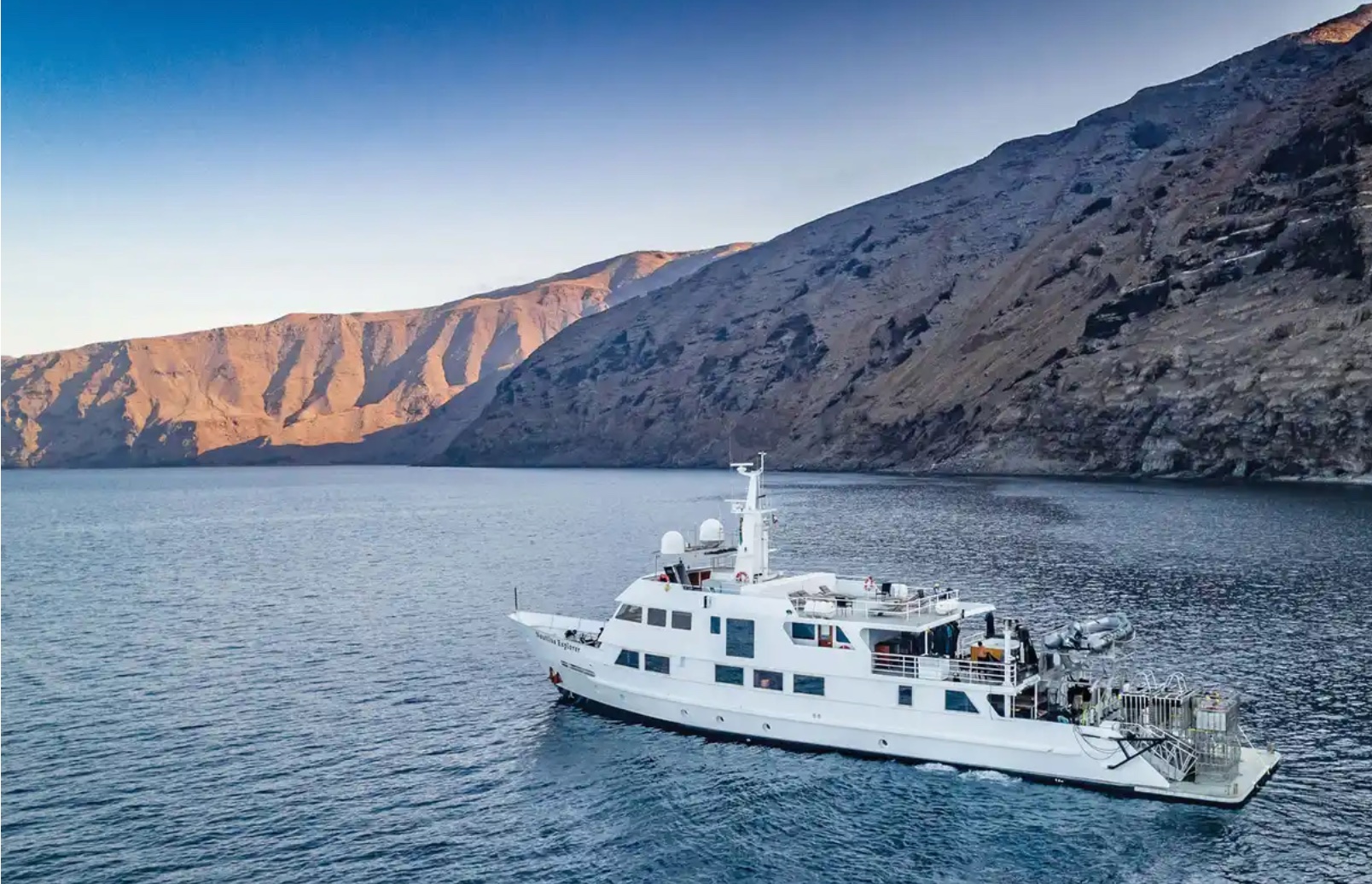
Nautilus Explorer
Mexico
25 guests44.8 m
$230/day
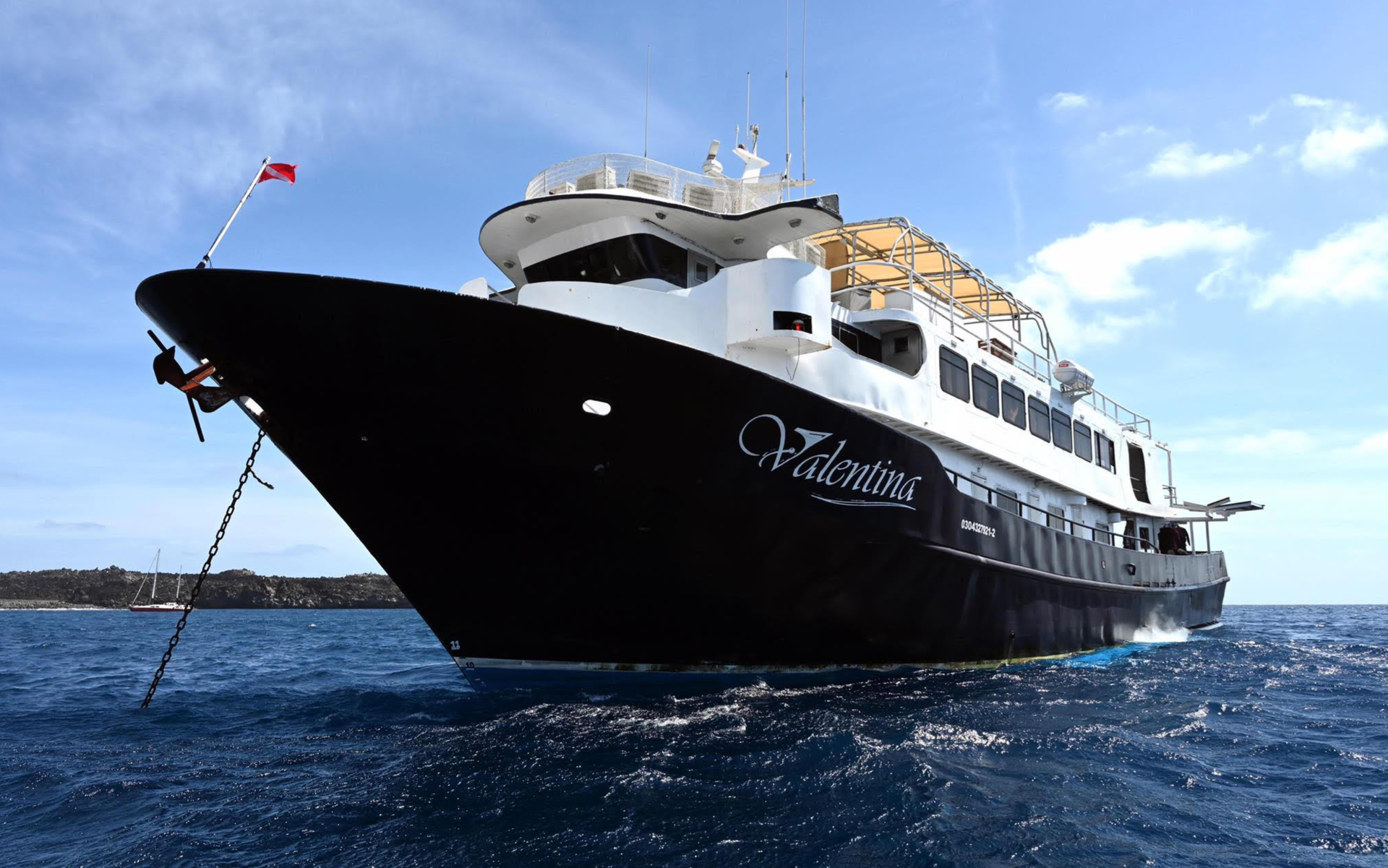
Valentina
Mexico
20 guests38.1 m
$430/day
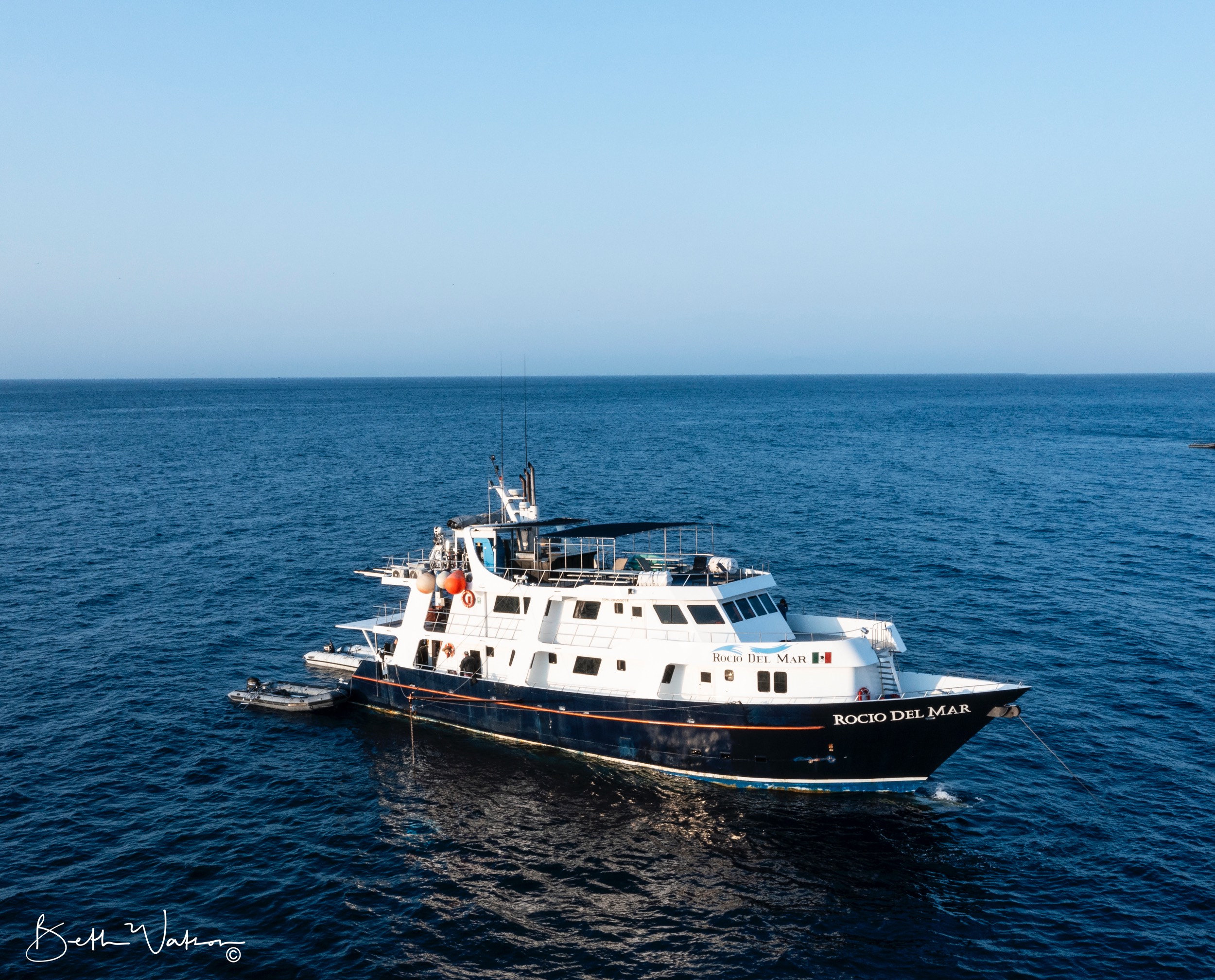
Rocio del Mar
Mexico
20 guests33.5 m
$392/day
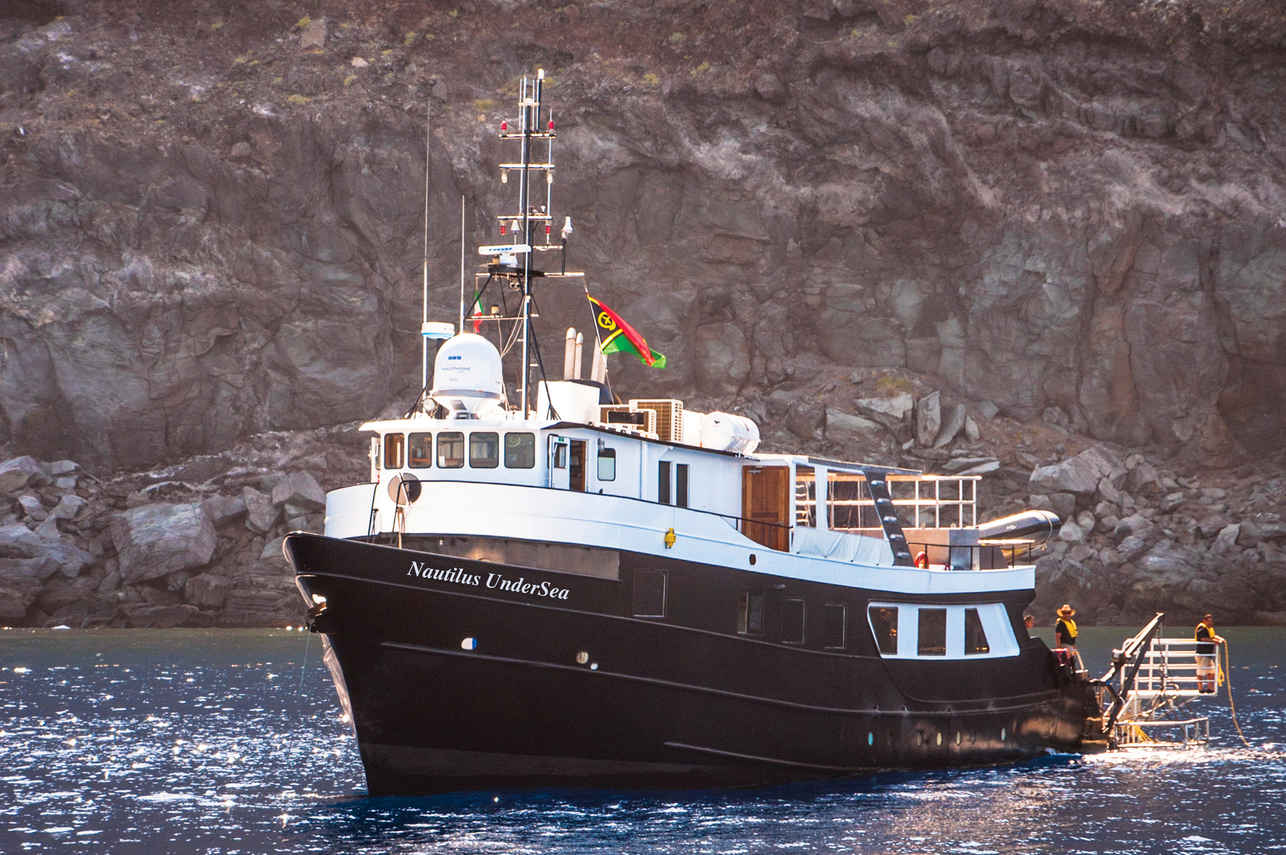
Nautilus Under Sea
Mexico
19 guests32 m
$261/day
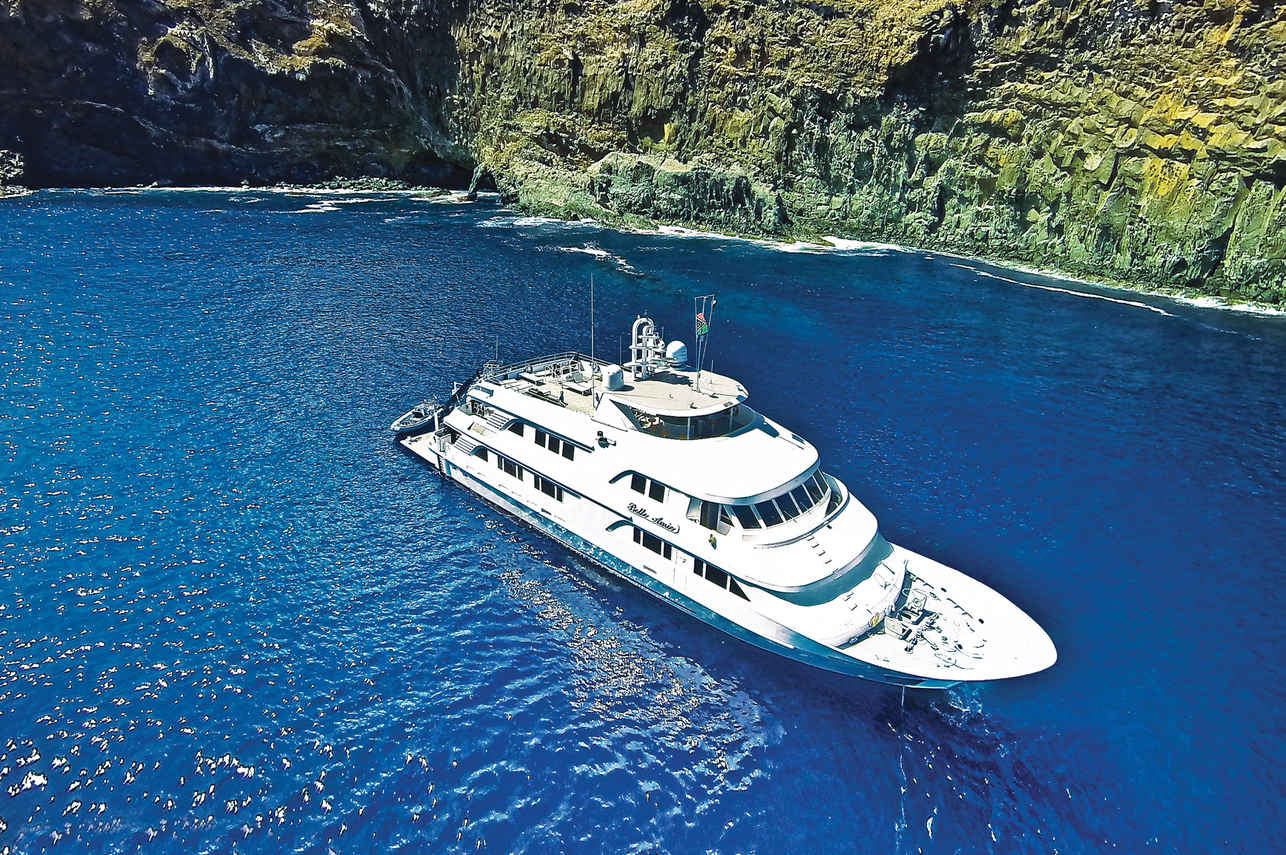
Nautilus Belle Amie
Mexico
32 guests44.8 m
$323/day
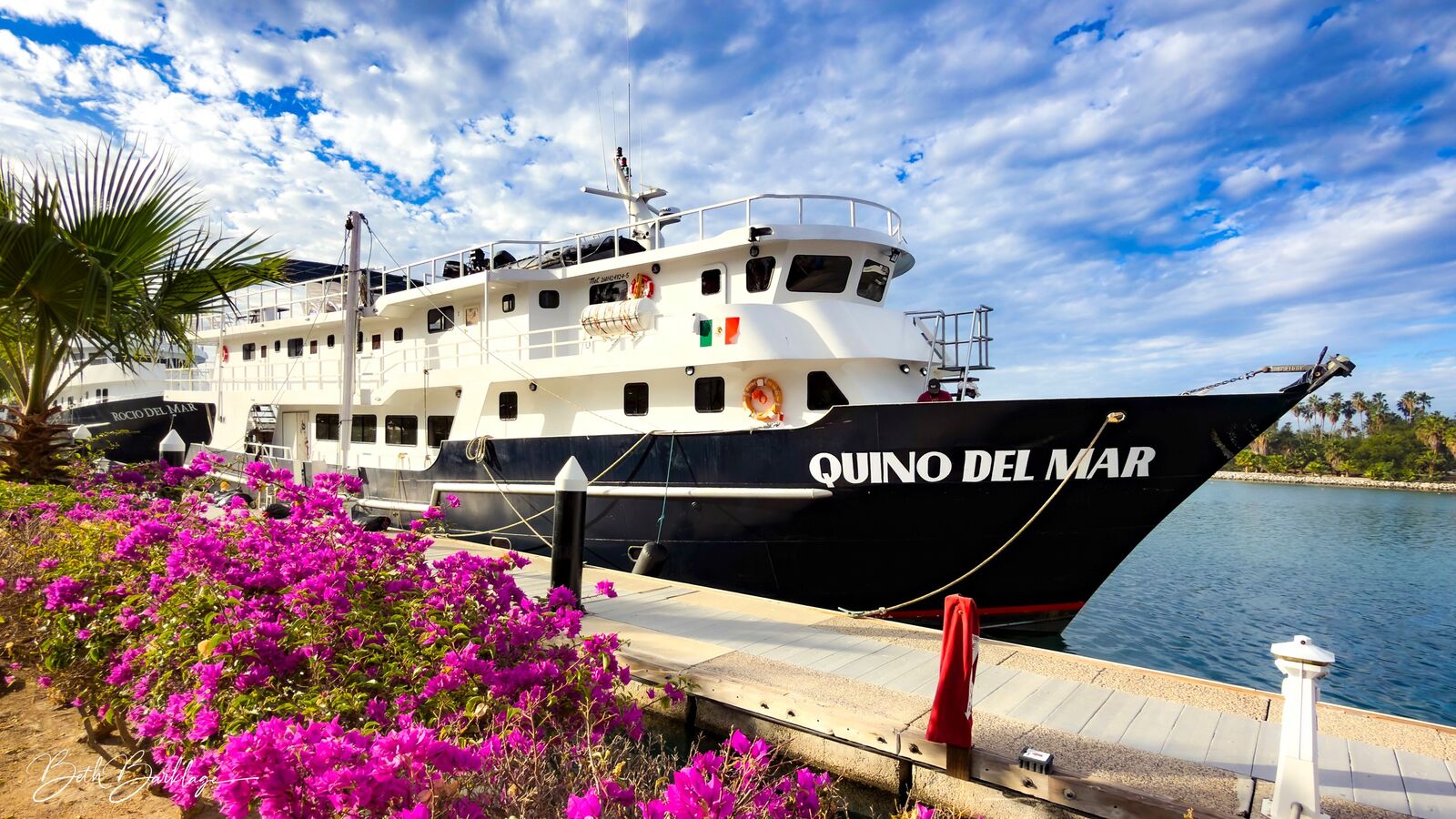
Quino del Mar
Mexico
20 guests36 m
$392/day
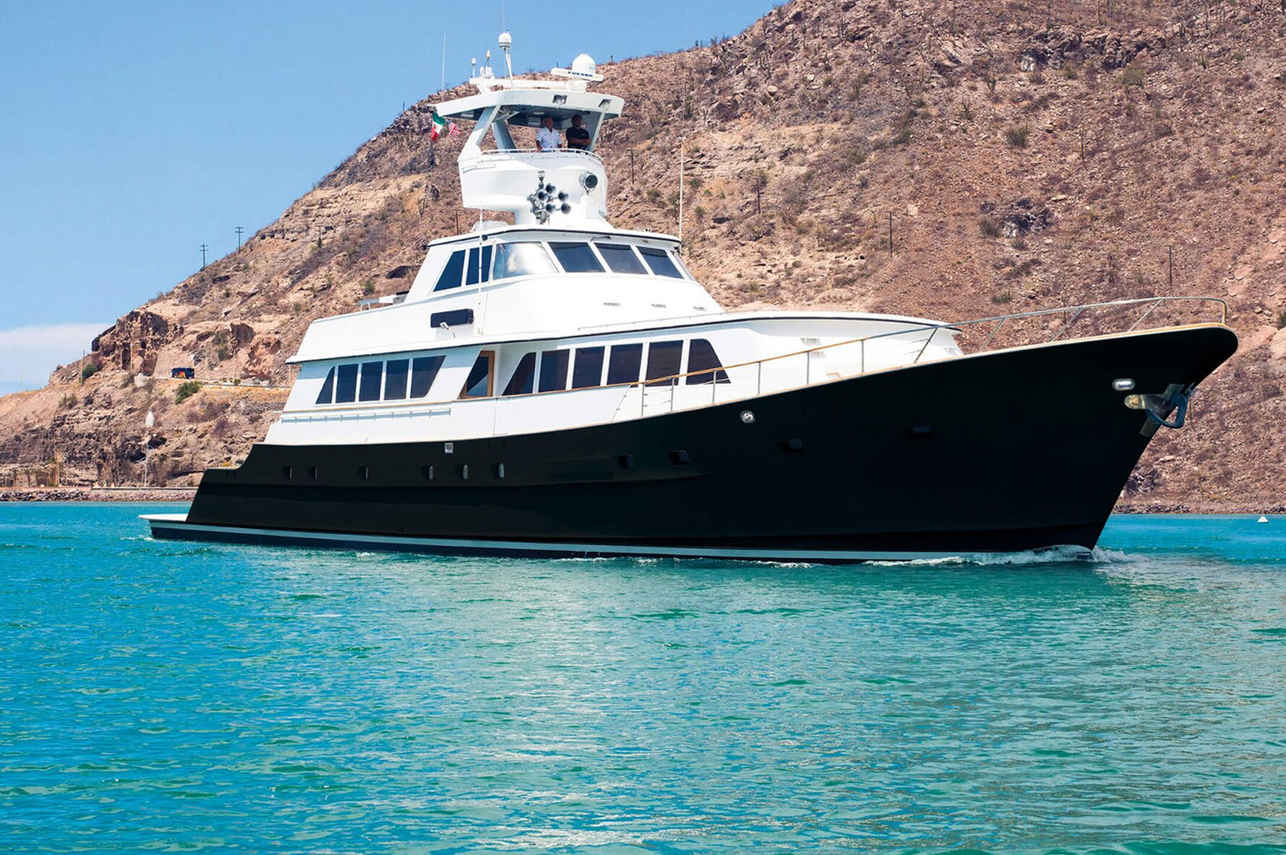
Nautilus Gallant Lady
Mexico
12 guests35.36 m
$332/day
Dive sites similar to Santa Rosa Wall
Same character, same waters — six more sites divers love for the exact same reasons.Compare seasons, access and liveaboard routes — then pick the site that fits your trip best.
© Esri — Maxar, Earthstar, GIS
Pelican Rock
Mexico
Pelican Rock is a renowned dive site located within the Cabo San Lucas Marine Park in Baja California Sur, Mexico, just a few minutes by boat from the marina.
- Suitable for
- Beginner
- Current
- Mild
- Access
- Liveaboard or dayboat
- Depth
- 5–40 m
- Theme
- Wall
© Esri — Maxar, Earthstar, GIS
Isla Montserrat
Mexico
Isla Montserrat is one of the five major islands within the Bahía de Loreto National Park, offering a diverse range of diving opportunities.
- Suitable for
- Intermediate
- Current
- Mild
- Access
- Liveaboard only
- Depth
- —
- Theme
- Reef / Wall
© Esri — Maxar, Earthstar, GIS
Cenote Kukulkan, often referred to as Chikin Ha, is a captivating underwater cavern system located in the heart of the Yucatán Peninsula, approximately 25 kilometers (15 miles) from Playa del Carmen.
- Suitable for
- Intermediate
- Current
- No current
- Access
- Dayboat
- Depth
- 10–15 m
- Theme
- Cavern / Pinnacle
© Esri — Maxar, Earthstar, GIS
Moc-Che Shallow
Mexico
Moc-Che Shallow is a vibrant reef dive situated directly off Playa del Carmen in Mexico, forming part of the Mesoamerican Barrier Reef.
- Suitable for
- Beginner
- Current
- Moderate
- Access
- Liveaboard or dayboat
- Depth
- 7–14 m
- Theme
- Drift
© Esri — Maxar, Earthstar, GIS
The Ramparts of Coronados Island, located in Mexican waters just over 17-20 miles south of San Diego, offers an exhilarating wall dive experience characterized by spectacular granite cliffs and rich marine biodiversity.
- Suitable for
- Intermediate
- Current
- Mild
- Access
- Liveaboard only
- Depth
- 5–30 m
- Theme
- Wall / Reef