About Radama Islands
The Radama Islands, an archipelago off Madagascar's western coast, represent a remote and largely untouched diving destination. This region is celebrated for its pristine marine environment, offering a unique blend of vibrant coral ecosystems and encounters with large pelagic species. Divers can expect to explore healthy reefs teeming with diverse fish life, where the underwater landscape transitions from colorful shallow slopes to deeper areas favored by sharks and rays. The topography of Radama Islands dive sites often features extensive coral slopes adorned with soft corals in brilliant oranges, reds, and purples. These vibrant habitats provide shelter for numerous small reef creatures, making them particularly rewarding for macro photography enthusiasts. Depths generally range, accommodating various experience levels, though some sites can be subject to currents, enhancing the chances of spotting pelagic marine life. The archipelago is especially renowned for its whale shark encounters, particularly between September and November when these gentle giants are often present. Divers also frequently observe manta rays, sea turtles, and various shark species, including white-tip and black-tip reef sharks. The dry season from April to December offers optimal diving conditions with calm seas and excellent visibility, though unique underwater experiences can be found year-round. Liveaboard trips are the primary way to experience the Radama Islands, providing access to sites inaccessible to day-trippers. These expeditions ensure divers can fully immerse themselves in the remote beauty and rich biodiversity of this exceptional Malagasy diving destination, with knowledgeable guides enhancing both safety and the overall dive experience.
Highlights
Whale shark encountersVibrant coral slopesRemote, pristine reefsDiverse pelagic lifeManta ray sightingsUntouched marine ecosystemsMacro photography opportunities
Season calendar
Best months to dive here
Jan
Feb
Mar
Apr
May
Jun
Jul
Aug
Sep
Oct
Nov
Dec
Good
Dive site facts: Radama Islands
- Depth
- 5–40 m
- Current
- Variable, mild to strong
- Visibility
- 20–30 m
- Water temperature
- 25–28°C
- Entry
- Liveaboard tender
- Level
- All levels, advanced for some sites
- Dive type
- Coral reefs, pelagic encounters, macro
- Night dive
- Possible
- Region / port
- Nosy Be / Western Madagascar
- Coordinates
- -14.725, 47.64
Conditions & Currents
Currents around the Radama Islands can vary depending on the specific dive site and tidal conditions. While some areas offer gentle drifts, others may experience stronger currents, particularly in deeper sections or open ocean locations. Dive operators typically assess conditions daily and guide divers to suitable sites, often recommending drift diving techniques where currents are present.
Marine life & sighting chances
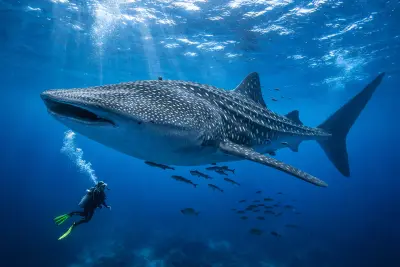
Whale shark
September-November · occasional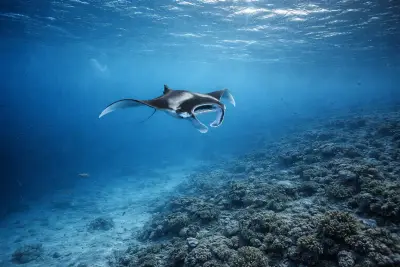
Manta ray
occasional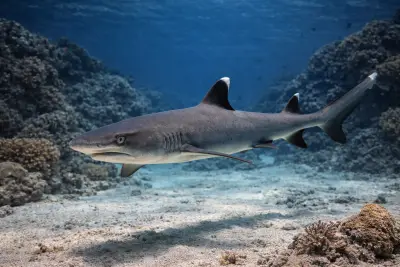
White-tip reef shark
common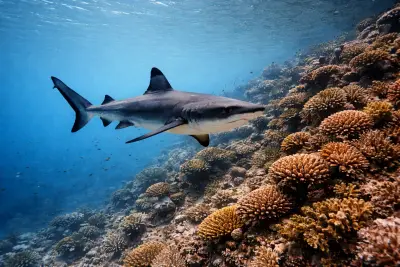
Black-tip reef shark
common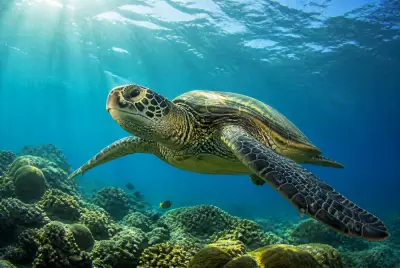
Sea turtle
common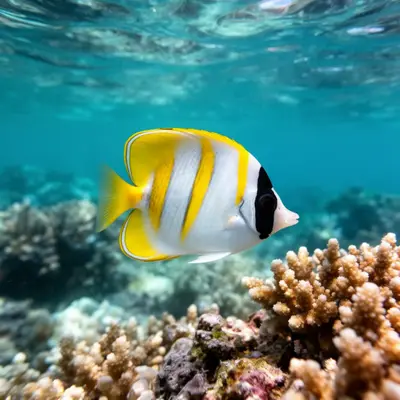
Butterflyfish
common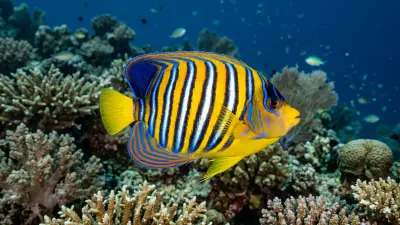
Angelfish
common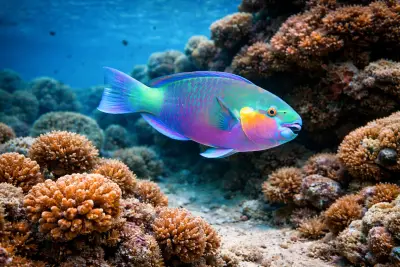
Parrotfish
common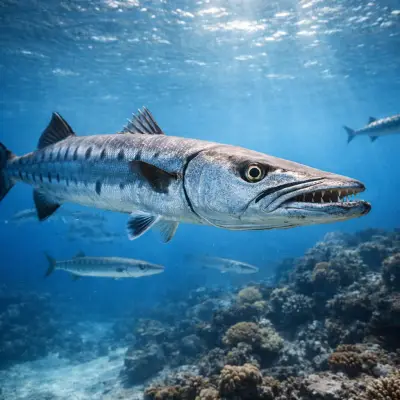
Barracuda
common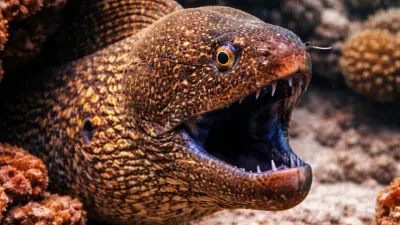
Moray eel
common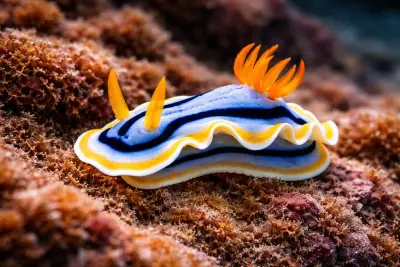
Nudibranch
common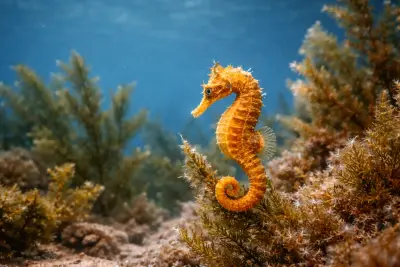
Seahorse
occasional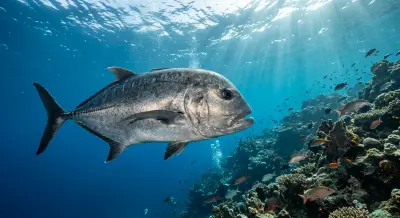
Trevally
common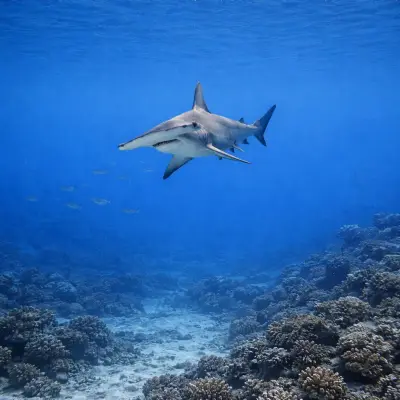
Hammerhead shark
occasionalDive profile & how the dive runs
Dives in the Radama Islands typically begin with a tender boat transfer from your liveaboard to the dive site. Entry is usually a backward roll or giant stride into the calm waters near the reef. Divers often descend along a vibrant coral slope, starting at shallower depths of around 5-10 meters, gradually exploring deeper sections that can reach 30-40 meters. The route is often guided by the reef's contours, following walls or pinnacles rich in soft corals and schooling fish. Turnaround points are determined by air consumption or dive computer limits, ensuring ample time for an unhurried ascent. Safety stops are conducted at 5 meters for at least three minutes, often near shallow reef sections where macro life can be observed. Exits are back onto the tender boat.
Underwater photography
The Radama Islands offer diverse photography opportunities, from wide-angle shots of vibrant coral slopes and pelagic encounters to macro photography of cryptic reef creatures. For wide-angle, a rectilinear wide-angle lens (e.g., 14-24mm equivalent) is ideal for capturing the expansive soft coral gardens and schools of fish. When whale sharks or mantas are present, a fisheye lens can create dramatic, immersive images. For macro subjects like nudibranchs and seahorses, a 60mm or 100mm macro lens is essential. Two strobes are highly recommended to bring out the true colors of the corals and marine life, especially in deeper sections. Pay close attention to buoyancy to avoid disturbing the fragile coral ecosystems and maintain a respectful distance from large animals like whale sharks, prioritizing their natural behavior over your shot.
Combine with nearby dive sites
- Nosy Iranja Drop-off
Known for vibrant coral reefs and abundant marine life.
- Nosy Tanikely Marine Reserve
A protected area with amazing corals and frequent turtle sightings.
- Nosy Komba Reef
Accessible by speedboat, offering diverse marine habitats.
- Nosy Mitsio Pinnacles
Remote sites in the Mitsio Archipelago with impressive underwater formations.
Getting there & logistics
Access to the Radama Islands primarily involves flying into Ivato International Airport (TNR) near Antananarivo, the capital of Madagascar. From there, connecting flights are typically taken to Fascene Airport (NOS) in Nosy Be. Liveaboard trips to the Radama Archipelago depart from Nosy Be, offering multi-day itineraries, usually around 5 nights, to explore these remote dive sites. These liveaboards provide comprehensive packages, covering accommodation, diving, and meals. There are typically no specific park fees mentioned for the Radama Archipelago, but it's advisable to confirm with your liveaboard operator. Trips to Radama are often combined with other archipelagos like Mitsio, offering an extended exploration of Madagascar's western coast.
Safety & environment
For diving in the Radama Islands, divers should ensure they have comprehensive dive insurance, as recompression chamber facilities are not immediately available in the remote archipelago. The nearest recompression chamber is likely in Nosy Be or a larger mainland city, making evacuation potentially complex and time-consuming. Divers should be proficient in their skills, especially with varying currents that can be encountered at some sites. Always dive within your training and comfort limits, follow your dive guide's instructions, and maintain good buoyancy control to protect the fragile coral reefs. Staying hydrated is crucial, and using reef-safe sunscreen is recommended to protect both yourself and the marine environment. In case of emergency, the liveaboard crew is trained for initial response and communication for evacuation.
Who it suits — and who it doesn't
Suited for
- Experienced divers seeking remote exploration
- Underwater photographers (macro and wide-angle)
- Divers interested in pelagic encounters (whale sharks, mantas)
- Liveaboard enthusiasts
- Those looking for pristine, untouched reefs
Less suited for
- Absolute beginners without supervision
- Divers prone to seasickness on liveaboards
- Those who prefer land-based diving with day trips
- Divers with limited buoyancy control
- Budget travelers (due to liveaboard costs)
FAQ
Radama Islands FAQ
What is the best time to see whale sharks in the Radama Islands?
Whale shark encounters in the Radama Islands are most frequent during the months of September to November. This period coincides with optimal diving conditions, including calm seas and good visibility, making it the prime time for spotting these majestic creatures.
Are the Radama Islands suitable for beginner divers?
While the Radama Islands offer diverse dive sites, some with gentle conditions, many are best appreciated by experienced divers due to potential currents and deeper profiles. Beginners should ensure they are on a liveaboard that caters to their skill level and provides close supervision, possibly focusing on shallower, sheltered reefs.
How do I get to the Radama Islands?
Access to the Radama Islands is primarily via liveaboard trips departing from Nosy Be, an island off Madagascar's northwest coast. You would typically fly into Ivato International Airport (TNR) in Antananarivo, then take a domestic flight to Fascene Airport (NOS) in Nosy Be to board your liveaboard vessel.
What kind of marine life can I expect to see in the Radama Islands?
The Radama Islands boast a rich diversity of marine life, including frequent sightings of white-tip and black-tip reef sharks, manta rays, and sea turtles. The vibrant coral reefs are home to numerous tropical fish species like butterflyfish, angelfish, and parrotfish, along with macro subjects such as nudibranchs and seahorses.
What are the water temperatures and visibility like?
Water temperatures in the Radama Islands are generally warm, ranging from 25°C to 28°C throughout the year. Visibility is often excellent, typically between 20 to 30 meters, providing clear views of the extensive coral reefs and marine inhabitants. These conditions contribute to a comfortable and rewarding dive experience.
Why dive Radama Islands from a liveaboard?
Radama Islands is one of Madagascar's signature dive sites. A liveaboard sleeps you on the water and puts you in the water for three to four guided dives per day, including dawn and night dives that day-boat operators rarely offer. You skip the daily commute back to port and reach quieter, less-crowded sites in the same region on a single trip.
Below are the liveaboards that include Radama Islands on their Madagascar itineraries.
Dive sites similar to Radama Islands
Same character, same waters — six more sites divers love for the exact same reasons.Compare seasons, access and liveaboard routes — then pick the site that fits your trip best.
© Esri — Maxar, Earthstar, GIS
Andilana Reef
Madagascar
Andilana Reef, situated near Nosy Be on Madagascar's northwestern coast, presents a captivating underwater landscape that appeals to divers of all experience levels.
- Suitable for
- Intermediate
- Current
- Mild
- Access
- Liveaboard or dayboat
- Depth
- 6–22 m
- Theme
- Cave & cavern / Reef
© Esri — Maxar, Earthstar, GIS
Nosy Vorona
Madagascar
Nosy Vorona, nestled in the Nosy Be region of Madagascar, is celebrated for its exceptional underwater biodiversity and stunning coral formations.
- Suitable for
- Intermediate
- Current
- Strong
- Access
- Liveaboard or dayboat
- Depth
- 8–22 m
- Theme
- Reef
© Esri — Maxar, Earthstar, GIS
Russian Bay
Madagascar
Russian Bay is a tranquil dive site nestled off Nosy Be, Madagascar, offering a peaceful underwater escape within a sheltered bay.
- Suitable for
- Beginner
- Current
- Strong
- Access
- Liveaboard or dayboat
- Depth
- 4–16 m
- Theme
- Drift / Reef
© Esri — Maxar, Earthstar, GIS
Tanikely Canyon
Madagascar
Nosy Tanikely, often called "the island of small land," is an uninhabited islet nestled in the bay of Nosy Be, Madagascar.
- Suitable for
- Intermediate
- Current
- Strong
- Access
- Liveaboard or dayboat
- Depth
- 10–28 m
- Theme
- Reef / Wall
© Esri — Maxar, Earthstar, GIS
Paroi des Merou
Madagascar
Paroi des Merou, meaning "Grouper Wall," is a distinguished dive site off Madagascar's coast, characterized by its dramatic wall topography.
- Suitable for
- Advanced
- Current
- Moderate
- Access
- Liveaboard or dayboat
- Depth
- ≤ 40 m
- Theme
- Reef
© Esri — Maxar, Earthstar, GIS
Grand bancs
Madagascar
Grand Bancs is a notable dive site located in the Nosy Be region of Madagascar, characterized by its extensive coral formations and significant depths.
- Suitable for
- Intermediate
- Current
- Moderate
- Access
- Liveaboard or dayboat
- Depth
- 13–60 m
- Theme
- Reef