About Nosy Vorona
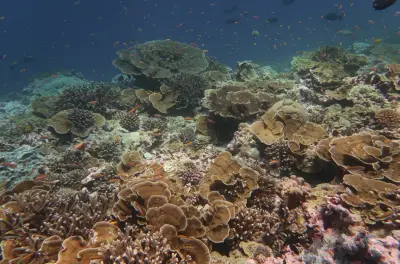
Nosy Vorona, nestled in the Nosy Be region of Madagascar, is celebrated for its exceptional underwater biodiversity and stunning coral formations. This dive site is part of an archipelago renowned for its pristine marine environment, featuring vibrant soft and hard corals that create a thriving habitat for numerous species. Divers here can explore diverse topographies, from gentle slopes to intricate reef structures, all teeming with life. The depths at Nosy Vorona cater to a range of experience levels, typically between 5 and 30 meters, allowing both novice and experienced divers to enjoy its offerings. The clear, warm waters provide excellent visibility, enhancing the experience of observing reef fish, rays, and various types of sharks. While specific seasonality for Nosy Vorona isn't detailed, the broader Nosy Be area experiences a consistent diving season from April to January, with whale shark sightings more probable from October to December. The marine life here is abundant and varied, including colorful reef fish, turtles, and occasional pelagic species. Diving at Nosy Vorona generally involves boat access, often as part of a multi-dive itinerary from Nosy Be. Operators typically offer two dives in the morning, with surface intervals used for relaxation or, during specific seasons, searching for larger marine animals like whale sharks. The dive experience emphasizes exploring the rich ecosystems while enjoying comfortable water temperatures.
Highlights
Pristine coral gardensDiverse reef fishOccasional shark sightingsClear, warm watersVaried topographyAbundant soft and hard corals
Season calendar
Best months to dive here
Jan
Feb
Mar
Apr
May
Jun
Jul
Aug
Sep
Oct
Nov
Dec
Good
Dive site facts: Nosy Vorona
- Depth
- 5–30 m
- Current
- Variable
- Visibility
- 10–50 m
- Water temperature
- 25–28°C
- Entry
- Boat
- Level
- All levels
- Dive type
- Coral reef, pelagic encounters
- Region / port
- Nosy Be, Madagascar
- Coordinates
- -13.32, 48.31
Conditions & Currents
Currents around Nosy Vorona can vary significantly depending on the site and tidal phases, ranging from mild to strong. Dive operators carefully select dive spots based on daily conditions, including current coefficients and winds, to ensure suitable conditions for divers. While specific details for Nosy Vorona are not provided, other sites in the Nosy Be region can experience strong currents, particularly on external fronts towards the Mozambique Channel, which may attract larger pelagic species. Entry and exit strategies are typically managed by boat, often involving negative entries in stronger current areas. Visibility is generally good but can be affected by plankton blooms, which, while reducing clarity, often signal the presence of large pelagic visitors. Water temperatures remain consistently warm, averaging around 28°C year-round.
Marine life & sighting chances
Reef fish
commonSea turtles
common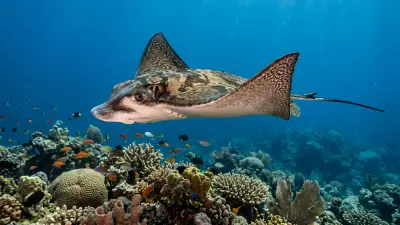
Rays
occasional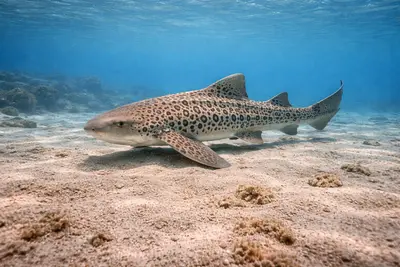
Leopard shark
occasional
Grey shark
occasionalWhite tip shark
occasional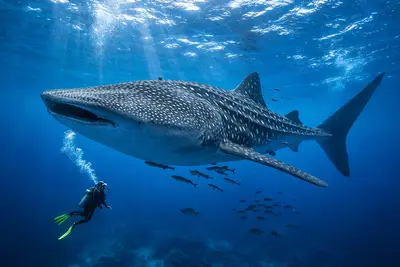
Whale shark
October-December · occasional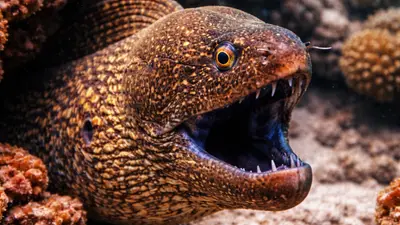
Moray eel
occasional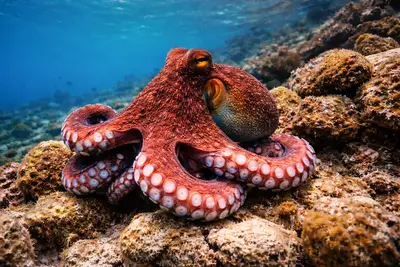
Octopus
occasional
Barracuda
occasional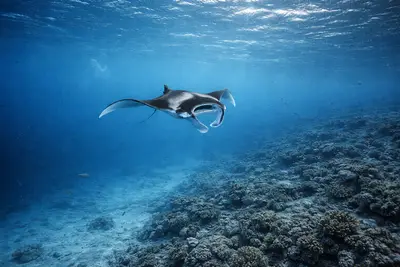
Manta ray
April-July, September-November · occasionalDive profile & how the dive runs
Dives at Nosy Vorona typically begin with a boat entry, often directly over a vibrant coral reef. Divers descend to explore a plateau or slope that gradually deepens, usually ranging from 5 to 30 meters. The typical route involves following the contour of the reef, observing the rich soft and hard coral formations that house numerous reef fish and invertebrates. Depending on currents and marine life sightings, the dive might include drifting along the reef edge or exploring specific areas known for pelagic activity. Turn points are usually determined by air consumption and bottom time, ensuring ample reserve. The ascent is gradual, with a mandatory safety stop conducted at 5 meters for at least 3 minutes, often along a sheltered part of the reef.
Underwater photography
Nosy Vorona presents fantastic opportunities for both wide-angle and macro photography, thanks to its diverse marine ecosystems. For wide-angle shots, consider a fisheye or wide-angle lens to capture the expansive coral gardens and schools of fish. During periods of plankton bloom, which might slightly reduce visibility, these conditions often attract larger pelagic species like whale sharks and manta rays, making wide-angle essential for capturing these encounters. For macro enthusiasts, the reefs are rich with small invertebrates, nudibranchs, and interesting coral textures; a macro lens will reveal these intricate details. Good buoyancy control is paramount to avoid disturbing the fragile corals and marine life, particularly in areas with varied currents. Utilize strobes to bring out the true colors of the corals and fish, as natural light diminishes quickly at depth.
Combine with nearby dive sites
- Nosy Tanikely Marine Reserve
A protected area popular for both diving and snorkeling, known for its pristine corals and rich fish life.
- Nosy Sakatia Reef
Offers calm waters and diverse marine biodiversity, suitable for all diver levels.
- Nosy Mitsio Pinnacles
Features stunning coral formations and opportunities for pelagic encounters.
- Radama Islands
An archipelago south of Nosy Be, known for its extensive dive possibilities.
- Ampasindava Pinnacle
A vibrant pinnacle attracting various marine species.
Getting there & logistics
Access to Nosy Vorona typically begins with arrival at Fascene Airport (NOS) on Nosy Be island. International flights often connect through Ivato International Airport (TNR) in Antananarivo, Madagascar's capital. Dive trips to Nosy Vorona are usually organized by dive centers based in Nosy Be, offering daily excursions that include two dives and surface intervals. Most liveaboard and land-based diving packages in the Nosy Be region range from 7 to 10 days, allowing divers to explore multiple sites, including Nosy Vorona, Nosy Tanikely, and the Mitsio Archipelago. Boat transfers to dive sites are standard, with pick-ups often arranged directly from hotel beaches. There are usually no specific park fees mentioned for Nosy Vorona itself, but nearby marine reserves like Nosy Tanikely do have entrance fees.
Safety & environment
Diving in the Nosy Be region, including Nosy Vorona, requires adherence to standard dive safety protocols. It is strongly recommended that all divers have comprehensive dive insurance that covers medical emergencies and evacuation, as the nearest recompression chamber is located on Nosy Be itself. While this is a significant advantage compared to more remote areas, evacuation for serious incidents can still be complex and time-consuming. Always dive within your certified limits and follow your guide's instructions, especially concerning currents, which can be variable. Equipment checks should be thorough before each dive. Staying hydrated and reporting any discomfort immediately are crucial. Most dive operators on Nosy Be maintain high safety standards, including emergency oxygen and first aid on board.
Who it suits — and who it doesn't
Suited for
- All levels of certified divers
- Underwater photographers seeking macro and wide-angle subjects
- Divers interested in diverse coral ecosystems
- Those hoping to see various reef fish and occasional pelagics
- Divers comfortable with boat entries and exits
Less suited for
- Absolute beginners without any prior dive experience
- Divers uncomfortable with potential currents
- Individuals seeking wreck-specific diving exclusively
- Those who prefer shore diving
FAQ
Nosy Vorona FAQ
What kind of marine life can I expect to see at Nosy Vorona?
Nosy Vorona is rich in biodiversity, offering sightings of colorful reef fish, sea turtles, and various rays. Divers may also encounter leopard sharks, grey sharks, and white-tip sharks. During specific seasons, larger pelagics like whale sharks and manta rays are occasionally spotted.
What are the typical dive depths at Nosy Vorona?
The dive depths at Nosy Vorona generally range from 5 to 30 meters, accommodating various certification levels. This depth range allows for exploration of both shallow, vibrant coral gardens and deeper reef structures, providing a diverse experience for all divers.
Are the currents strong at Nosy Vorona?
Currents at Nosy Vorona can be variable, ranging from mild to occasionally strong, depending on tides and specific dive areas. Dive operators assess daily conditions to select appropriate sites, ensuring safety and an enjoyable experience. Divers with some current experience will find it beneficial.
When is the best time of year to dive Nosy Vorona?
The diving season in the Nosy Be region, including Nosy Vorona, is extensive, running from April to January. For optimal conditions and increased chances of seeing whale sharks, the months of October to December are particularly recommended. Water temperatures remain warm year-round.
What is the water temperature and visibility like?
Water temperatures at Nosy Vorona are consistently warm, averaging around 28°C for most of the year, dropping slightly to 25°C during cooler months. Visibility is generally good, typically ranging from 10 to 50 meters, though it can occasionally be reduced by plankton blooms, which often attract large marine life.
Is Nosy Vorona suitable for beginner divers?
Yes, Nosy Vorona is suitable for all levels of certified divers, including beginners, due to its varied topography and manageable depths. Operators often choose dive sites and profiles that align with the experience level of their divers, ensuring a safe and enjoyable introduction to the underwater world.
Why dive Nosy Vorona from a liveaboard?
Nosy Vorona is one of Madagascar's signature dive sites. A liveaboard sleeps you on the water and puts you in the water for three to four guided dives per day, including dawn and night dives that day-boat operators rarely offer. You skip the daily commute back to port and reach quieter, less-crowded sites in the same region on a single trip.
Below are the liveaboards that include Nosy Vorona on their Madagascar itineraries.
Dive sites similar to Nosy Vorona
Same character, same waters — six more sites divers love for the exact same reasons.Compare seasons, access and liveaboard routes — then pick the site that fits your trip best.
Banc 06
Madagascar
Banc 06 is a shallow, fish-rich plateau dive located approximately 5 km behind Nosy Sakatia, off the coast of Nosy Be, Madagascar.
- Suitable for
- Beginner
- Current
- Mild
- Access
- Dayboat
- Depth
- 14–20 m
- Theme
- Reef
Andilana Reef
Madagascar
Andilana Reef, situated near Nosy Be on Madagascar's northwestern coast, presents a captivating underwater landscape that appeals to divers of all experience levels.
- Suitable for
- Intermediate
- Current
- Mild
- Access
- Liveaboard or dayboat
- Depth
- 6–22 m
- Theme
- Cave & cavern / Reef
Russian Bay
Madagascar
Russian Bay is a tranquil dive site nestled off Nosy Be, Madagascar, offering a peaceful underwater escape within a sheltered bay.
- Suitable for
- Beginner
- Current
- Strong
- Access
- Liveaboard or dayboat
- Depth
- 4–16 m
- Theme
- Drift / Reef
Tanikely Canyon
Madagascar
Nosy Tanikely, often called "the island of small land," is an uninhabited islet nestled in the bay of Nosy Be, Madagascar.
- Suitable for
- Intermediate
- Current
- Strong
- Access
- Liveaboard or dayboat
- Depth
- 10–28 m
- Theme
- Reef / Wall
Paroi des Merou
Madagascar
Paroi des Merou, meaning "Grouper Wall," is a distinguished dive site off Madagascar's coast, characterized by its dramatic wall topography.
- Suitable for
- Advanced
- Current
- Moderate
- Access
- Liveaboard or dayboat
- Depth
- ≤ 40 m
- Theme
- Reef
Grand bancs
Madagascar
Grand Bancs is a notable dive site located in the Nosy Be region of Madagascar, characterized by its extensive coral formations and significant depths.
- Suitable for
- Intermediate
- Current
- Moderate
- Access
- Liveaboard or dayboat
- Depth
- 13–60 m
- Theme
- Reef