About Rabaul Submarine Wrecks
Rabaul, situated on the eastern tip of New Britain Island in Papua New Guinea, offers a compelling dive experience shaped by its significant World War II history and active volcanic geology. Once a major Japanese naval base, its natural harbor, formed by a partially submerged caldera, now safeguards an impressive array of over 60 WWII wrecks, including submarines, support ships, and aircraft. While a 1994 volcanic eruption blanketed the town and parts of the harbor in ash, many prominent wrecks located outside the immediate harbor area remain largely untouched, resting dramatically on black sand seabeds. The dive sites span a range of depths, from accessible wrecks like the Hakkai Maru at 25-30 meters to deeper vessels such as the Italy Maru for experienced divers. Beyond these historical artifacts, Rabaul's marine environment is remarkably diverse. You can explore dramatic drop-offs like Submarine Base, which plummets over 250 meters along the caldera's edge, or submerged volcanoes like The Hump, adorned with sea fans and attracting pelagic species. Healthy coral reefs are vibrant with reef sharks, marine turtles, schooling reef fish, and barracuda throughout the year. Typically, Rabaul offers excellent visibility, particularly in areas like Tavui Point with its stunning cliffs, though some inner harbor wrecks might have reduced clarity. The region provides a unique combination of historical wrecks, thriving coral ecosystems, and notable macro hotspots like Johnnies Jetty, celebrated for its frogfish population. Liveaboard expeditions often adjust routes to New Britain's northeast and south coasts to ensure optimal weather and diving conditions, promising encounters with both large pelagics and intricate macro life. Diving is primarily conducted from liveaboards, which allow access to more remote and less crowded sites. These trips typically offer three to four guided dives per day, including dawn and night dives, enhancing the overall exploration of Rabaul's un
Highlights
WWII Submarine WrecksJapanese ShipwrecksHistorical Aircraft WrecksVolcanic Caldera TopographyPelagic Marine LifeVibrant Coral ReefsMacro Critter HotspotsBlack Sand Wreck Sites
Season calendar
Best months to dive here
Jan
Feb
Mar
Apr
May
Jun
Jul
Aug
Sep
Oct
Nov
Dec
Excellent
Good
Dive site facts: Rabaul Submarine Wrecks
- Depth
- 10–60 m
- Typical dive
- 12–40 m, 50–60 min
- Current
- Mild to Moderate
- Visibility
- 21–40 m
- Water temperature
- 27–29°C
- Entry
- Liveaboard tender
- Level
- Advanced Open Water recommended for deeper wrecks
- Dive type
- Wreck, Reef, Wall, Macro
- Night dive
- Possible on liveaboards
- Region / port
- East New Britain Province
- Coordinates
- -4.21, 152.2
Conditions & Currents
Currents in Rabaul are generally mild, especially around many of the protected wreck sites within the caldera. However, sites like The Hump, a submerged volcano, can experience stronger currents that attract pelagic action, making it suitable for divers comfortable with drift diving. Visibility is typically excellent, often ranging from 21-30 meters and extending up to 40 meters in certain areas. Water temperatures are consistently warm, averaging 27-29°C, minimizing the need for thick exposure suits. Dive operations from liveaboards frequently adjust itineraries to account for local conditions, ensuring access to the best visibility and calmest seas, especially along the northeast and south coasts of New Britain.
Marine life & sighting chances

Reef Sharks
Year-round · common
Marine Turtles
Year-round · common
Schooling Reef Fish
Year-round · common
Barracuda
Year-round · common
Frogfish
occasional
Nudibranchs
common
Moray Eels
common
Banded Shrimp
occasional
Batfish
common
Blue-spotted Stingrays
occasional
Lionfish
common
Octopus
occasional
Triggerfish
common
Giant Trevally
occasionalDive profile & how the dive runs
A typical dive at a Rabaul wreck site begins with a tender drop close to the wreck's mooring or a negative entry if currents are present. For a site like the Hakkai Maru, descent is made along the main structure, reaching the deck at approximately 25 meters. You'll explore the large support ship, observing the impressive cannon at the stern. The route often involves a circuit around the perimeter, allowing views of the ship's massive size and marine growth. Penetration is possible on some wrecks, like the Manko Maru, but only with appropriate training and guidance. For deeper wrecks such as the Italy Maru, the dive might involve a direct descent to 45 meters, limiting bottom time. Ascent is usually gradual, with a safety stop conducted on the wreck's shallower sections or a nearby reef, utilizing the clear visibility for final observations of marine life before surfacing.
Underwater photography
Rabaul offers excellent opportunities for both wide-angle and macro photography, so carrying two setups or choosing wisely based on the specific dive plan is beneficial. For the impressive WWII wrecks, a wide-angle lens is essential to capture the full scale of vessels like the Hakkai Maru or the intact Pete's Bi-Plane. External strobes are highly recommended to bring out the vibrant colors of corals and marine life encrusting the wrecks, especially in deeper sections where ambient light diminishes. For macro enthusiasts, especially at sites like Johnnies Jetty, a dedicated macro lens will capture the intricate details of frogfish, nudibranchs, and other critters. Due to the black sand seabed at many wreck sites, good buoyancy control is crucial to avoid stirring up sediment and compromising visibility for yourself and other photographers. Always maintain respectful distances from marine life and historical artifacts.
Combine with nearby dive sites
- Lama Shoal
Lama Shoal, also known by the evocative name Crack-A-Fat Reef, stands out as a premier dive site within the Witu Islands of Papua New…
- Restorf Island
Restorf Island, nestled within Kimbe Bay on the north coast of New Britain, Papua New Guinea, stands as one of over 200 recognized dive…
- Kimbe Island
Kimbe Bay, situated on New Britain Island in Papua New Guinea, is renowned globally as a premier dive destination.
- Wongat Island
Wongat Island, situated off the coast of Madang in Papua New Guinea, offers unique diving experiences focused on both historical wrecks and…
- Fathers Reef
Fathers Reefs, located northeast of Kimbe Bay off New Britain Island in Papua New Guinea, are a series of offshore reefs formed from the…
Getting there & logistics
Access to Rabaul typically involves flying into Tokua Airport (formerly Rabaul Airport), located about 20 kilometers from Rabaul in Kokopo. Direct flights are available from Port Moresby, Papua New Guinea's capital, as well as regular flights from Kavieng and Hoskins. Most diving in Rabaul is conducted via liveaboards, which offer multi-day itineraries, often 8 to 10 nights, exploring various sites around New Britain. Liveaboards provide comprehensive packages, including accommodation, meals, and multiple daily dives. Some land-based resorts in Kokopo, like Rapopo Plantation Resort, also offer diving packages. While there are no specific national park fees mentioned for Rabaul, liveaboard and resort costs generally cover diving permits and local logistics.
Safety & environment
Diving in Rabaul, as with any remote destination, requires careful safety planning. The nearest recompression chamber is likely in Port Moresby, meaning any serious diving accident would necessitate a significant evacuation, potentially involving a domestic flight. Therefore, comprehensive dive insurance covering emergency medical evacuation is absolutely essential. Site-specific hazards include overhead environments in wreck penetrations, which should only be attempted by appropriately certified and experienced divers with proper equipment. Always dive with a reputable operator, follow your dive guide's instructions, and adhere to conservative dive profiles. Be mindful of potential unexploded ordnance on or near wrecks, and never touch or disturb historical artifacts. Malaria prophylaxis should be considered for visits to East New Britain.
Who it suits — and who it doesn't
Suited for
- Experienced wreck divers
- WWII history enthusiasts
- Underwater photographers (macro and wide-angle)
- Divers seeking remote, uncrowded sites
- Liveaboard adventurers
Less suited for
- Beginner divers without Advanced Open Water certification
- Divers uncomfortable with deep diving
- Those prone to seasickness on liveaboards
- Travelers expecting extensive shore-based amenities
FAQ
Rabaul Submarine Wrecks FAQ
What kind of wrecks can I expect to see in Rabaul?
Rabaul is renowned for its World War II wrecks, primarily Japanese vessels. You can explore a variety of sunken ships, including large support ships like the Hakkai Maru, cargo carriers like the Manko Maru, and even intact aircraft such as Pete's Bi-Plane and the Mitsubishi Zero fighter. There are over 60 known wrecks in the area, offering a diverse range of historical exploration.
How deep are the Rabaul submarine wrecks?
While Rabaul is known for its submarine wrecks, many of the named wreck dives are actually ships and aircraft. Dive depths vary significantly; for example, the Hakkai Maru lies at 25-30 meters, while George's Wreck has its bow at 12 meters and stern at 60 meters. The Italy Maru is a deeper wreck suitable for more experienced divers. Divers should be comfortable with depths up to 40 meters for many of the prime sites.
Is Rabaul suitable for divers interested in marine life?
Absolutely. Beyond its historical wrecks, Rabaul boasts vibrant coral reefs and abundant marine life. Sites like The Hump, a submerged volcano, attract pelagic action, while reefs teem with reef sharks, marine turtles, barracuda, and schooling fish. Macro enthusiasts will also find hotspots like Johnnies Jetty, known for its frogfish and other fascinating critters.
What is the visibility and water temperature like in Rabaul?
Visibility in Rabaul is generally excellent, often ranging from 21 to 40 meters, particularly at sites outside the immediate harbor. Water temperatures are consistently warm throughout the year, averaging between 27°C and 29°C. This comfortable water temperature means that a 3mm wetsuit or even a rash guard is usually sufficient for most divers.
How do I get to Rabaul for diving?
To reach Rabaul, you will typically fly into Tokua Airport (RAB) near Kokopo. There are regular domestic flights from Port Moresby, Papua New Guinea's capital. Most divers choose liveaboard itineraries that depart from nearby ports, allowing access to the extensive dive sites around New Britain Island.
Are there any non-diving activities available in Rabaul?
Yes, Rabaul offers a rich history and unique geography to explore beyond diving. You can visit numerous World War II relics and tunnels, trek to active volcanoes, or enjoy more relaxed activities like visiting nearby islands. The town of Kokopo, the new regional capital, also provides cultural experiences and insights into the local way of life.
Why dive Rabaul Submarine Wrecks from a liveaboard?
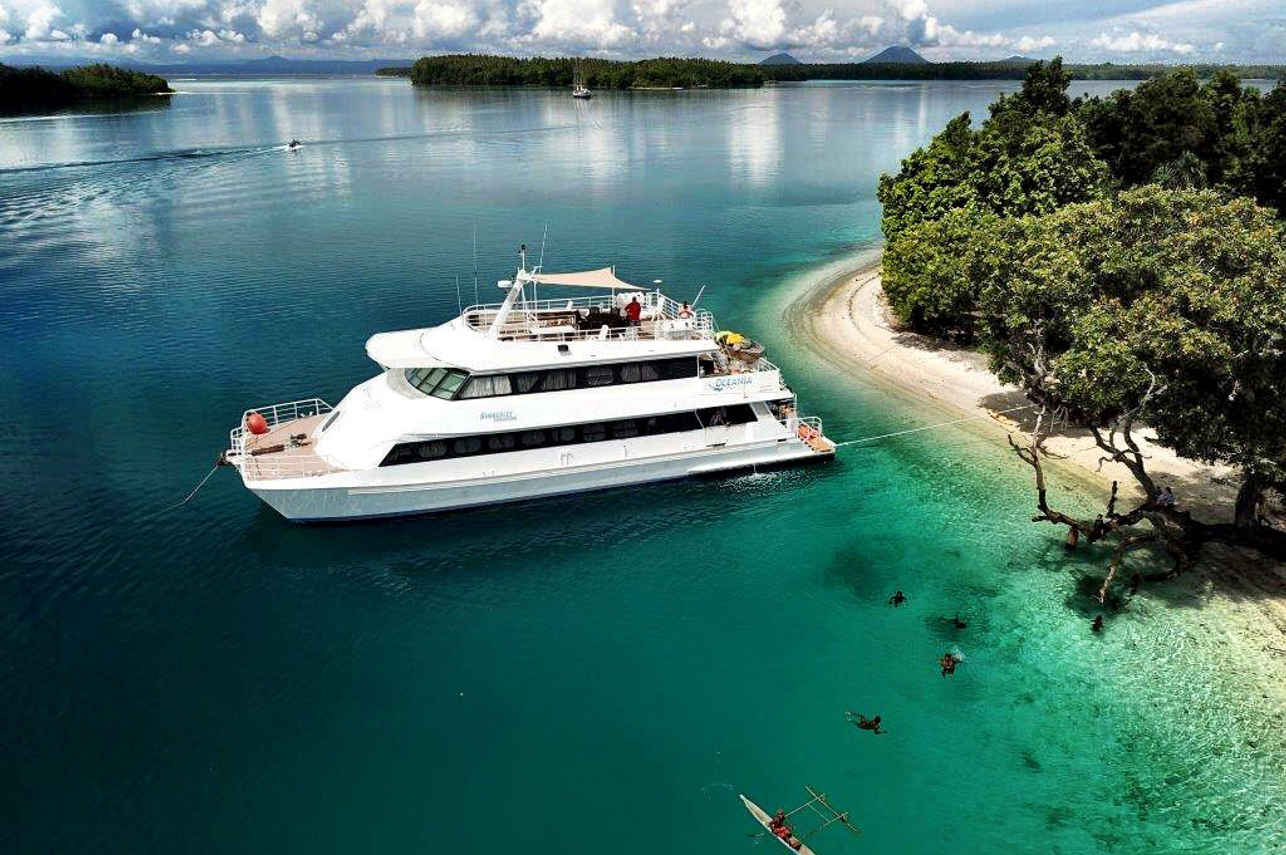
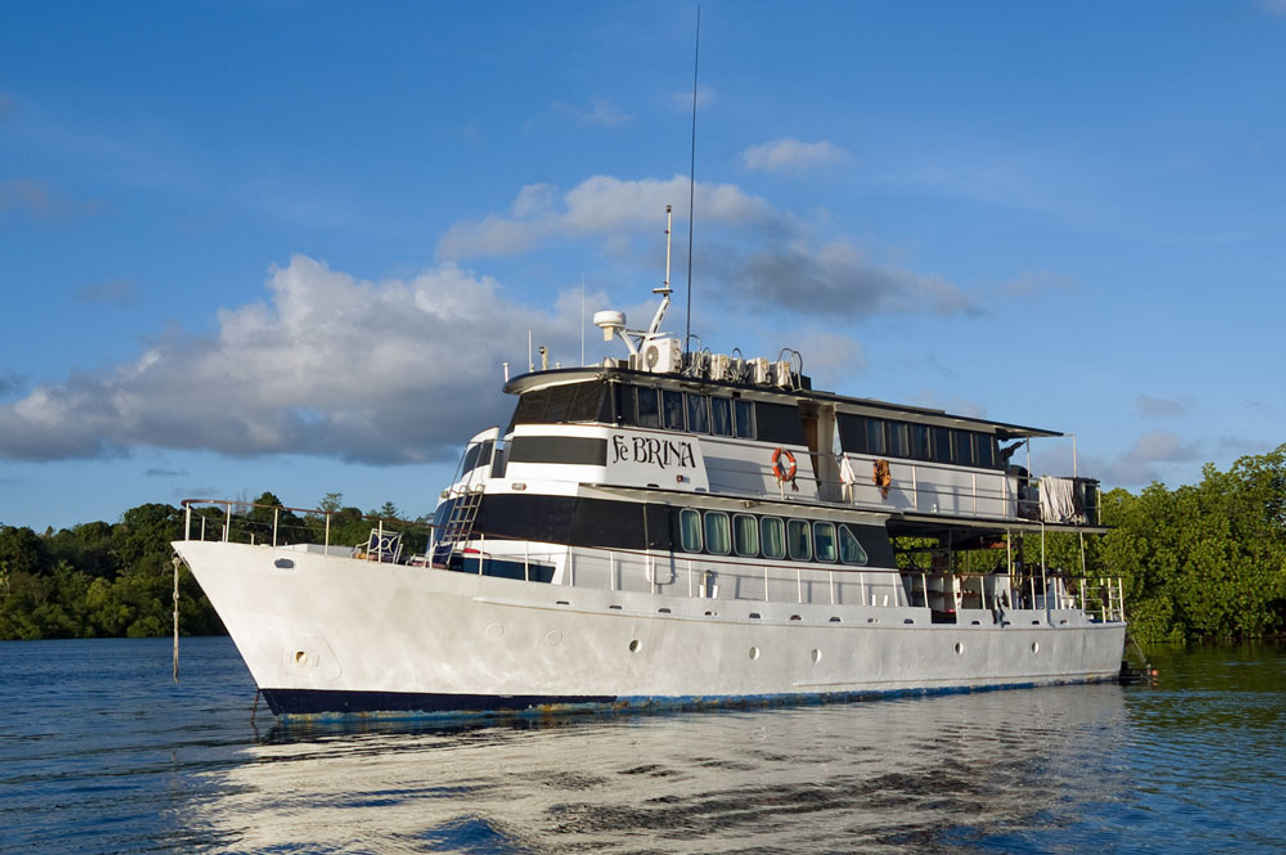
Rabaul Submarine Wrecks is one of Papua New Guinea's signature dive sites. A liveaboard sleeps you on the water and puts you in the water for three to four guided dives per day, including dawn and night dives that day-boat operators rarely offer. You skip the daily commute back to port and reach quieter, less-crowded sites in the same region on a single trip.
Below are the liveaboards that include Rabaul Submarine Wrecks on their Papua New Guinea itineraries.
Liveaboards diving Rabaul Submarine Wrecks
These liveaboards may visit Rabaul Submarine Wrecks on selected itineraries — the exact dive sites depend on departure, weather and conditions.
Dive sites similar to Rabaul Submarine Wrecks
Same character, same waters — six more sites divers love for the exact same reasons.Compare seasons, access and liveaboard routes — then pick the site that fits your trip best.
© Esri — Maxar, Earthstar, GIS
Big La Laguna
Philippines
Big La Laguna is a beach community situated on the western edge of the Sabang Peninsula, a popular dive region on Mindoro Island, Philippines.
- Suitable for
- Intermediate
- Current
- Moderate
- Access
- Dayboat
- Depth
- 5–35 m
- Theme
- Reef / Wall
© Esri — Maxar, Earthstar, GIS
Rusa Pinnacle
Alor
Rusa Pinnacle is a challenging yet highly rewarding dive site situated in the Alor archipelago, part of Indonesia's East Nusa Tenggara.
- Suitable for
- Advanced
- Current
- Strong
- Access
- Liveaboard only
- Depth
- 6–30 m
- Theme
- Reef
Lipah Bay is situated on Bali's northeast coast within the Amed area, nestled against the dramatic backdrop of Gunung Agung.
- Suitable for
- Beginner
- Current
- Mild
- Access
- Liveaboard or dayboat
- Depth
- 5–30 m
- Theme
- Reef / Drift
© Esri — Maxar, Earthstar, GIS
Tangked Cave
Bali
Tangked Cave, sometimes referred to as Tangked Taked Shark Cave, is an advanced dive site situated in the open ocean off Bali's southeastern coast.
- Suitable for
- Advanced
- Current
- Moderate
- Access
- Liveaboard or dayboat
- Depth
- 15–40 m
- Theme
- Cave & cavern / Reef
© Esri — Maxar, Earthstar, GIS
Schools Out
Alor
Schools Out in Alor offers divers an exceptional encounter with healthy coral reefs and a rich variety of marine species.
- Suitable for
- Intermediate
- Current
- Mild
- Access
- Liveaboard only
- Depth
- 20–30 m
- Theme
- Reef
© Esri — Maxar, Earthstar, GIS
Batununggul
Bali
Batununggul, also known as Suana or Batumulapan by some operators, is a dynamic wall and sloping reef dive site situated on the eastern side of Nusa Penida, Bali.
- Suitable for
- Advanced
- Current
- Strong
- Access
- Liveaboard or dayboat
- Depth
- 10–40 m
- Theme
- Wall