About El Aguila Wreck
El Aguila, meaning "The Eagle," is widely regarded as Roatan's premier wreck dive. Originally a concrete freighter, it was intentionally sunk in 1997 by a consortium of local dive shops, including Anthony's Key Resort, to create an artificial reef. The wreck was initially located off Utila, then raised, stripped, and re-sunk near Sandy Bay, off Baileys Key and Anthony's Key Resort. While Hurricane Mitch in 1998 broke the 230-foot vessel into three distinct parts, its fragmented state only adds to the intrigue, making it phenomenal to explore. The wreck rests near a natural reef, offering divers a compelling "one-two punch" of both artificial and natural marine habitats. Its maximum depth reaches around 33-34 meters (110 feet). The site is a vibrant hub for marine life, attracting large grouper, barracuda, tuna, and various shark species, including reef and grey sharks. Beyond larger pelagics, you can discover colorful reef creatures such as rays, snapper, grunts, and moray eels. Seahorses are occasionally spotted near the mooring buoy, while the surrounding reef wall reveals deep crevasses harboring lobsters. El Aguila is celebrated for its clear waters and generally gentle currents, making it accessible to a wide range of divers. The close proximity of the wreck to the shore results in short boat rides, ensuring a relaxed and enjoyable dive experience for those seeking to explore this historical underwater site.
Highlights
230-foot freighter wreckHurricane-fragmented sectionsArtificial reef ecosystemLarge pelagic sightingsVibrant soft coral growthAdjacent natural reefSeahorse spotting areaAccessible depth for advanced divers
Season calendar
Best months to dive here
Jan
Feb
Mar
Apr
May
Jun
Jul
Aug
Sep
Oct
Nov
Dec
Excellent
Good
Dive site facts: El Aguila Wreck
- Depth
- 12–34 m
- Typical dive
- 31 m, ~44 min
- Current
- Mild
- Visibility
- 18–30 m+
- Water temperature
- 25–30°C
- Entry
- Boat / Negative entry
- Level
- AOWD recommended
- Dive type
- Wreck, reef, wall
- Night dive
- Possible
- Region / port
- Roatan, Honduras
- Coordinates
- 16°19’39.0″N 86°34’44.5″W
Conditions & Currents
Currents at El Aguila are generally mild, contributing to the site's reputation as suitable for various diver levels. However, as with any wreck adjacent to a natural wall system, localized currents can occasionally be present, particularly closer to the open ocean or during tidal shifts. Visibility consistently ranges from 18 to 30 meters, often extending beyond 30 meters during the dry season, providing excellent viewing of the wreck and marine life. Water temperatures remain warm year-round, typically between 25-30°C, meaning a 3mm wetsuit is usually sufficient, though a 5mm might be preferred by some in cooler months or for longer dives. Entry is typically by boat with a descent directly onto the wreck or nearby reef.
Marine life & sighting chances
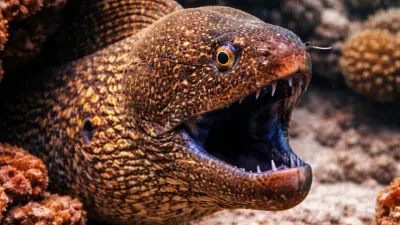
Moray Eel
All year · common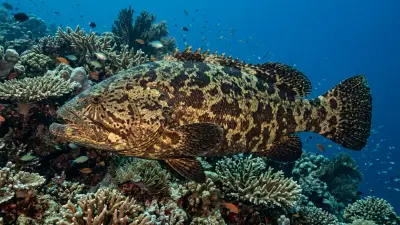
Grouper
All year · common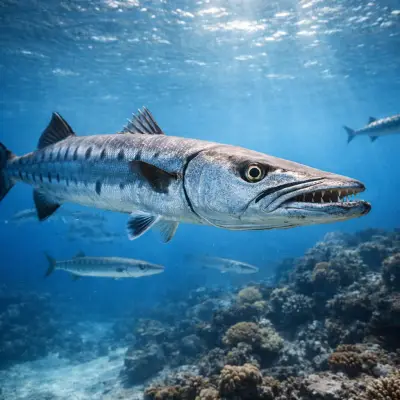
Barracuda
May–September · common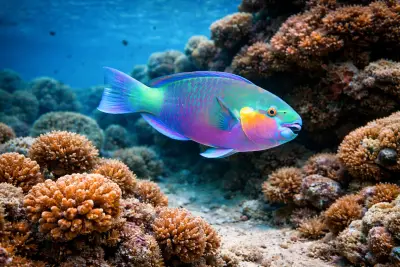
Parrotfish
May–August, December · common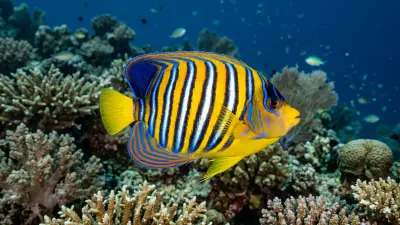
Angelfish
May–July · occasional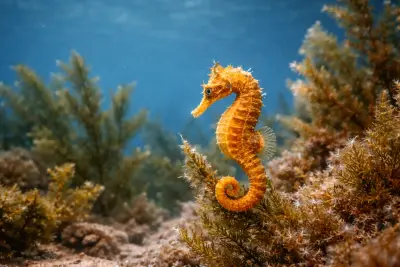
Common Seahorse
March–May · occasional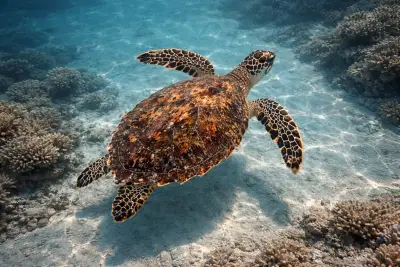
Hawksbill Turtle
July · occasional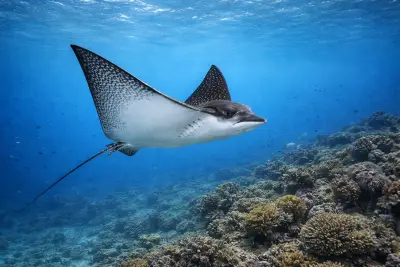
Eagle Ray
July–August · occasional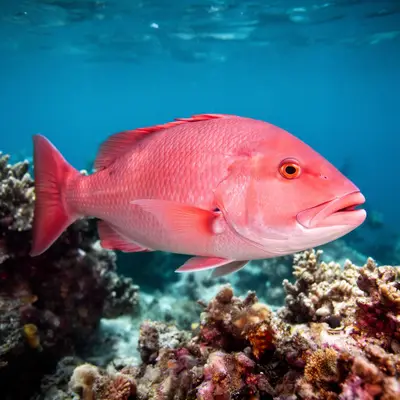
Snapper
July · occasional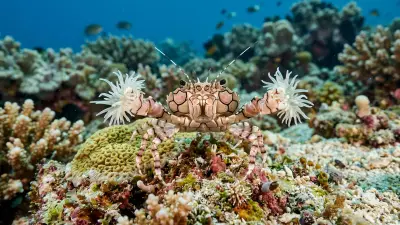
Crab
May · occasional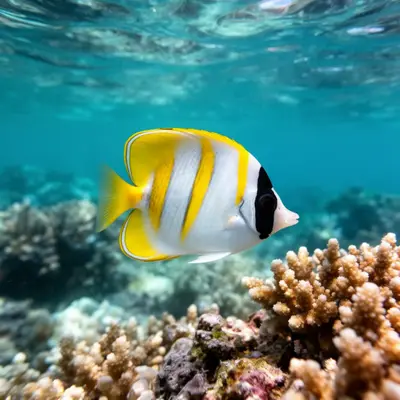
Butterflyfish
July · rare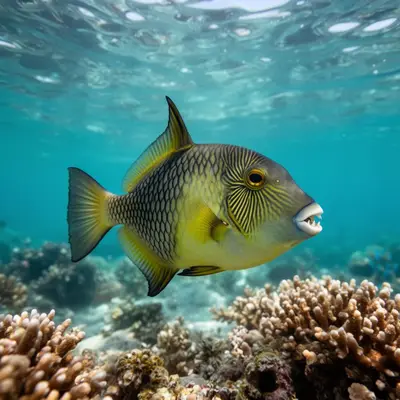
Triggerfish
July · rareDive profile & how the dive runs
Your dive at El Aguila typically begins with a boat entry, followed by a descent along a mooring line or directly to the wreck. The wreck lies in three distinct sections, allowing for varied exploration. The stern section can be explored first, gradually moving towards the bow, which drops to its maximum depth of 33-34 meters. You'll navigate through the broken sections, observing the abundant marine life that has colonized the artificial reef. The dive typically involves a gradual ascent along the wreck, utilizing the shallower parts of the natural reef nearby for extended bottom time and observation of colorful soft corals. Safety stops are usually conducted at 5 meters, either on the natural reef or by deploying a SMB in the open water, before surfacing.
Underwater photography
El Aguila offers exceptional opportunities for both wide-angle and macro photography. For wide-angle shots, capture the full scale of the fragmented 230-foot freighter, emphasizing its structure and the surrounding reef, especially the sections covered in soft coral. Utilize natural light to highlight the wreck's impressive size and position relative to the deep blue. For macro subjects, focus on the intricate details of marine life inhabiting the wreck, such as seahorses near mooring lines, nudibranchs, crabs, and juvenile fish hiding in crevices. A powerful strobe is essential to bring out the vibrant colors of corals and marine creatures, especially at deeper sections. Practice excellent buoyancy control to avoid disturbing the wreck or its inhabitants, ensuring clear shots and preserving the site. Patience is key to capturing the curious black groupers or barracudas that frequent the wreck.
Combine with nearby dive sites
- The Odyssey Wreck
Another prominent wreck dive in Roatan, offering further exploration for wreck enthusiasts.
- Mandy's Eel Garden
A shallow reef dive perfect for observing garden eels and other macro life on a sand patch, contrasting with the wreck experience.
- West End Wall
Known for dramatic drop-offs, canyons, and a wide variety of marine life, providing a vibrant coral reef experience.
- Blue Channel
Famous for its swim-throughs and tunnels, offering an interesting exploration of underwater passages and diverse marine inhabitants.
- Texas & Pablos
An area known for strong currents and abundant schooling fish, suitable for advanced divers seeking an adrenaline-filled drift dive.
Getting there & logistics
Access to Roatan is typically via Juan Manuel Gálvez International Airport (RTB) with direct flights from several major North American cities. Most dive operations, including those catering to El Aguila, are based in West End, West Bay, or Sandy Bay, offering short boat rides to the dive sites within the Roatan Marine Park. Dive packages commonly include 2-4 boat dives per day, tanks, weights, and accommodation at a dive resort. A typical week-long dive trip can range from US$1,200–US$1,500+. Liveaboards are not common for accessing Roatan's dive sites, with resort-based diving being the norm. Marine park fees may apply. El Aguila is frequently combined with other nearby reef and wall dives to offer a varied itinerary.
Safety & environment
Roatan offers generally safe diving conditions with mild currents and good visibility. The nearest recompression chamber is located within a reasonable distance on the island. Divers should always carry valid dive insurance, as emergency medical evacuation to mainland Honduras or international facilities can be costly. Site-specific hazards at El Aguila include entanglement risks within the wreck's structure and depth considerations; advanced open water certification is recommended due to the maximum depth of 34 meters. Always dive with a reputable operator, follow your dive guide's instructions, and maintain good buoyancy control to avoid contact with the wreck or marine life. Responsible diving practices are essential to preserve the fragile ecosystem of the Roatan Marine Park.
Who it suits — and who it doesn't
Suited for
- Advanced Open Water Divers seeking wreck exploration
- Underwater photographers interested in diverse subjects
- Divers comfortable with depths up to 34 meters
- Marine life enthusiasts keen on pelagic and reef species
- Divers looking for clear water and mild currents
Less suited for
- Entry-level Open Water Divers
- Divers uncomfortable with overhead environments (inside wreck)
- Individuals prone to claustrophobia in confined spaces
- Divers without proper depth and wreck training
- Those seeking only shallow, light-filled reef dives
FAQ
El Aguila Wreck FAQ
What is the history of the El Aguila Wreck?
The El Aguila was a concrete freighter intentionally sunk in 1997 by local dive shops to create an artificial reef. Originally from Utila, it was raised, stripped, and re-sunk near Sandy Bay, becoming Roatan's most popular wreck dive. Although Hurricane Mitch broke it into three pieces in 1998, its fragmented state now offers unique exploration opportunities.
What kind of marine life can I expect to see at El Aguila?
El Aguila is a thriving habitat for various marine species. You can frequently encounter large grouper, barracuda, and occasionally tuna and reef sharks. Smaller residents include moray eels, snapper, parrotfish, and angelfish, with seahorses sometimes spotted near the mooring buoy. The surrounding natural reef also adds to the biodiversity.
What are the typical dive conditions at El Aguila?
Dive conditions at El Aguila are generally favorable, with mild currents and excellent visibility ranging from 18 to 30 meters, often clearer during the dry season. Water temperatures are consistently warm, between 25-30°C. The wreck's depth reaches up to 34 meters, making it suitable for advanced open water divers.
Is El Aguila suitable for beginner divers?
Due to its maximum depth of 34 meters and the nature of wreck diving, El Aguila is best suited for Advanced Open Water certified divers. While currents are usually mild, navigating around and through the wreck fragments requires some experience and good buoyancy control. Entry-level divers might find other, shallower sites in Roatan more appropriate.
When is the best time of year to dive El Aguila?
The dry season, from March through October, is considered the best time to dive El Aguila. During these months, visibility is at its peak, often exceeding 30 meters, and water temperatures are warmer. While diving is possible year-round, the rainy season from November to February can bring reduced visibility due to stirred sediments.
Why dive El Aguila Wreck from a liveaboard?
El Aguila Wreck is one of Honduras's signature dive sites. A liveaboard sleeps you on the water and puts you in the water for three to four guided dives per day, including dawn and night dives that day-boat operators rarely offer. You skip the daily commute back to port and reach quieter, less-crowded sites in the same region on a single trip.
Below are the liveaboards that include El Aguila Wreck on their Honduras itineraries.
Liveaboards diving El Aguila Wreck
These liveaboards may visit El Aguila Wreck on selected itineraries — the exact dive sites depend on departure, weather and conditions.
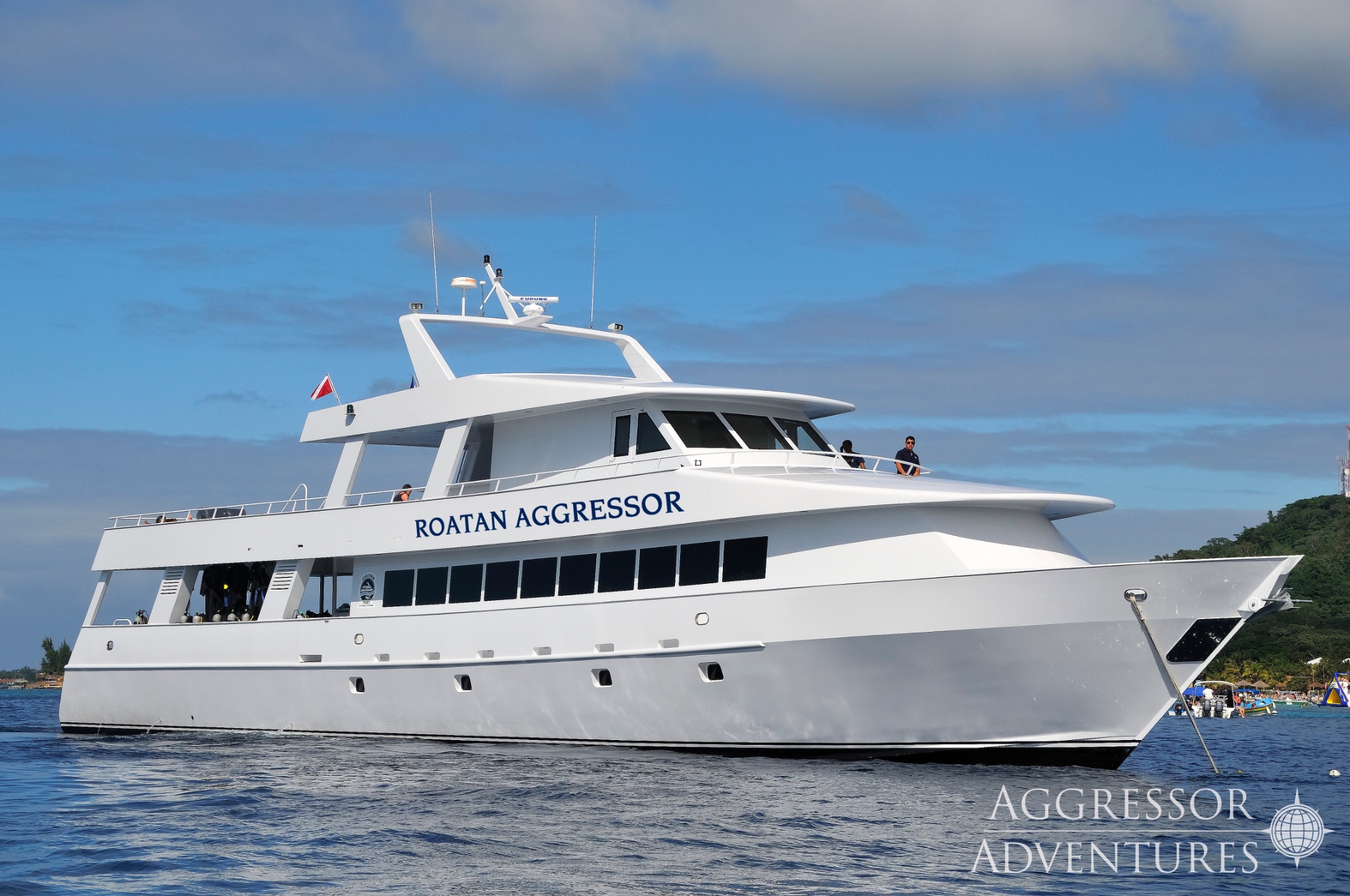
Roatan Aggressor
Honduras
18 guests31.1 m
$309/day
Dive sites similar to El Aguila Wreck
Same character, same waters — six more sites divers love for the exact same reasons.Compare seasons, access and liveaboard routes — then pick the site that fits your trip best.
© Esri — Maxar, Earthstar, GIS
Satoshi’s Grave
Honduras
Satoshi’s Grave is a distinctive wreck site located on the southern shore of Roatan, specifically the Wreck of Mr. Bud.
- Suitable for
- Beginner
- Current
- Moderate
- Access
- Liveaboard or dayboat
- Depth
- 18–18 m
- Theme
- Wreck / Reef
© Esri — Maxar, Earthstar, GIS
Blackish Point
Honduras
Blackish Point is a captivating shore-drift wall dive located on the north side of Utila, offering a unique blend of volcanic rock formations, soft corals, and an intricate network of caves, overhangs, and crevices.
- Suitable for
- Intermediate
- Current
- Mild
- Access
- Shore / dayboat
- Depth
- 11–27 m
- Theme
- Cave & cavern / Drift
© Esri — Maxar, Earthstar, GIS
Wreck of the Aguila
Honduras
The Wreck of the Aguila, affectionately known as 'The Eagle,' is a 60-meter (200-foot) cargo ship purposefully sunk in 1997 to create an artificial reef within recreational diving limits.
- Suitable for
- Intermediate
- Current
- Mild
- Access
- Dayboat
- Depth
- 20–33 m
- Theme
- Wreck / Reef
© Esri — Maxar, Earthstar, GIS
Gold Chain Reef
Honduras
Gold Chain Reef is a celebrated dive site located off the coast of Roatan, Honduras, within the vast Mesoamerican Barrier Reef System, the world's second-largest coral reef.
- Suitable for
- Intermediate
- Current
- Mild
- Access
- Liveaboard only
- Depth
- 3–9 m
- Theme
- Wall
© Esri — Maxar, Earthstar, GIS
Jack Neil Bight
Honduras
Jack Neil Bight is a notable dive site located on the south side of Utila, Honduras, part of the Bay Islands archipelago, known for its calm conditions and diverse underwater scenery.
- Suitable for
- Beginner
- Current
- Mild
- Access
- Dayboat
- Depth
- 2–40 m
- Theme
- Reef / Wall
© Esri — Maxar, Earthstar, GIS
Hole in the Wall
Honduras
Hole in the Wall is a celebrated dive site in Roatan, part of the extensive Mesoamerican Barrier Reef System, which is the second-largest barrier reef globally.
- Suitable for
- Beginner
- Current
- No current
- Access
- Liveaboard only
- Depth
- 33–33 m
- Theme
- Wall / Cavern