About West End Wall
West End Wall, situated at the western extremity of Roatan, stands as a premier dive destination within the Mesoamerican Barrier Reef System. This site begins near the 'Iron Shore' at approximately 6 meters, then plunges dramatically to 27 meters before continuing to depths well beyond recreational limits. Its unique topography, characterized by a steep vertical face adorned with enormous barrel and elephant ear sponges, creates an ideal habitat for a diverse array of marine life, making every dive a dynamic experience. The currents from multiple directions converge here, attracting a rich ecosystem. Divers can expect to encounter schooling Atlantic Spadefish, Permits, and Crevalle Jacks. The wall also draws larger predators such as Hammerhead Sharks, Wahoo, Sailfish, and sizable Barracuda, alongside graceful Eagle Rays, adding an element of thrill to your exploration. While suitable for snorkeling in its shallower reef sections, the true spectacle unfolds along the wall, offering diverse experiences for different certification levels. Excellent visibility, often exceeding 30 meters, allows for clear views of the vibrant coral formations and distant silhouettes, including the wreck of the Josie James at deeper non-recreational depths. This site is typically accessed by boat, providing easy entry to its distinct sections. Whether drifting along the wall or exploring specific coral gardens, West End Wall offers an engaging and visually stunning dive for those seeking a rich Caribbean underwater adventure.
Highlights
Dramatic wall divingGiant barrel and elephant ear spongesFrequent pelagic sightingsVibrant coral gardensHammerhead shark encountersExceptional visibilityMesoamerican Barrier ReefDrift diving potential
Season calendar
Best months to dive here
Jan
Feb
Mar
Apr
May
Jun
Jul
Aug
Sep
Oct
Nov
Dec
Excellent
Dive site facts: West End Wall
- Depth
- 6–30 m (recreational limit)
- Typical dive
- 12–30 m, 45–60 min
- Current
- Mild to moderate, variable direction
- Visibility
- 18–36 m
- Water temperature
- 27–31°C
- Entry
- Boat
- Level
- Advanced Open Water
- Dive type
- Wall, drift, reef
- Region / port
- Roatan, Honduras
- Coordinates
- 16.295, -86.602
Conditions & Currents
West End Wall is known for currents that can arise from multiple directions due to its location at the western tip of Roatan. These varied currents contribute to the abundant marine life, but divers should be prepared for conditions ranging from mild to moderate drift. Advanced Open Water certification is recommended to comfortably manage potential currents and fully explore the wall's features. Entry is typically via boat, with operators choosing optimal drop-off points based on prevailing conditions. Visibility is generally excellent, often reaching 30 meters or more, though rainfall during the wet season can stir up sediment and temporarily reduce it. Surge near the shallows is usually minimal but can increase with strong winds.
Marine life & sighting chances
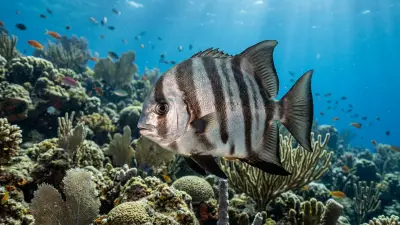
Atlantic Spadefish
common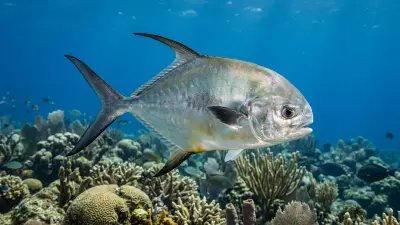
Permit
occasional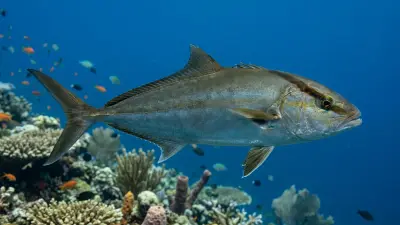
Crevalle Jack
common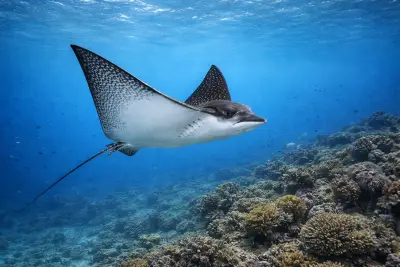
Eagle Ray
common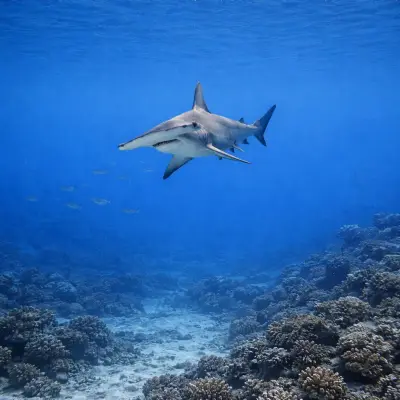
Hammerhead Shark
occasional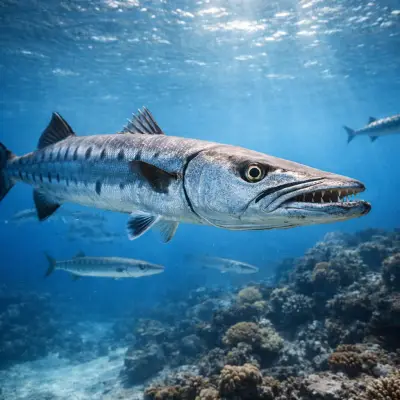
Barracuda
common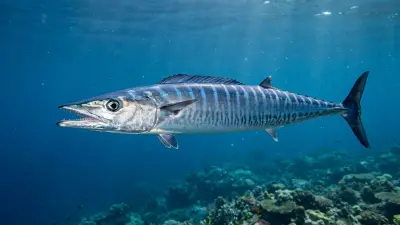
Wahoo
rare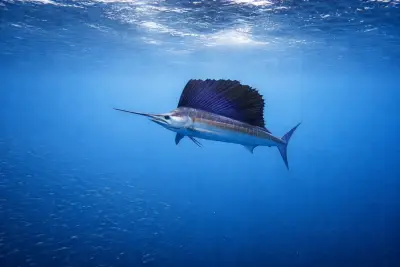
Sailfish
rare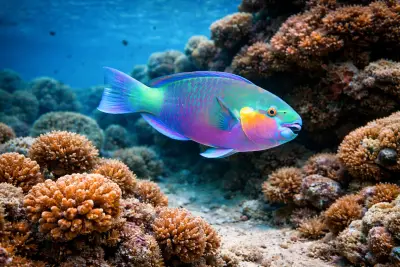
Parrotfish
common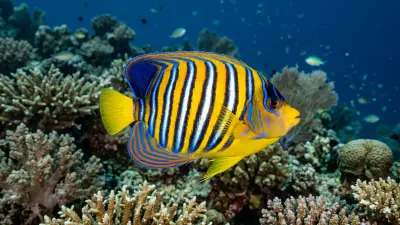
Angelfish
common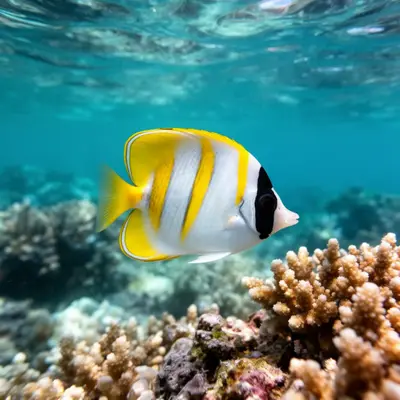
Butterflyfish
common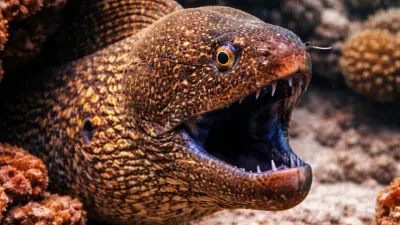
Moray Eel
occasional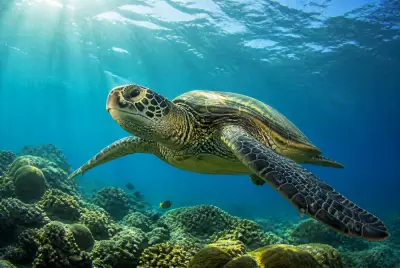
Sea Turtle
occasionalDive profile & how the dive runs
Your dive at West End Wall typically begins with a boat entry, allowing for a direct descent to the main wall. You'll drop to about 27-30 meters to appreciate the dramatic vertical face adorned with enormous barrel and elephant ear sponges. From here, you can drift along the wall, observing the prolific marine life that thrives in the varying currents. The dive often progresses shallower, exploring coral gardens and smaller reef formations between 12-20 meters. Keep an eye out into the blue for passing pelagics like eagle rays or sharks. The turn point is often determined by air consumption and current direction, with divers gradually ascending. The safety stop is typically conducted along the shallower reef crest around 5-6 meters, offering further opportunities to spot smaller reef fish before surfacing.
Underwater photography
West End Wall offers fantastic opportunities for wide-angle photography, especially along the dramatic drop-off. A wide-angle lens will capture the impressive scale of the wall, adorned with giant barrel and elephant ear sponges, and allows you to include passing pelagic species like eagle rays or schooling jacks. For macro subjects, the shallower reef sections are rich with smaller critters, requiring a dedicated macro lens and perhaps a snoot for creative lighting. Given the excellent visibility, natural light can be sufficient in shallower areas, but strobes are recommended to bring out the vibrant colors of corals and fish along the deeper wall. Maintain excellent buoyancy control to avoid damaging the delicate reef and to position yourself for clear shots, especially in potential currents.
Combine with nearby dive sites
- Mandy's Eel Garden
A shallow site known for its visibility and macro life, ideal for Open Water divers.
- Texas & Pablos
Sites often combined with West End Wall for drift dives, known for strong currents and large marine life.
- Blue Channel
Famous for its swim-throughs, reef, and a shallow 'bowl of fish' with unique encounters.
- El Aguila Wreck
A popular wreck dive for Advanced Open Water divers, teeming with marine life.
- Mary's Place
Known for its stunning vertical walls and crevices, a visually striking dive.
Getting there & logistics
Access to West End Wall is primarily via boat from dive operators located in West End or West Bay, Roatan. The nearest international airport is Juan Manuel Gálvez International Airport (RTB) in Roatan. Most liveaboard and resort-based dive packages to Roatan include transfers and daily boat dives. Typical dive trips range from single day excursions to multi-day dive packages, often combining West End Wall with other nearby sites like Texas, Pablos Place, or Mandy's Eel Garden. No specific permits are generally required beyond standard dive operator fees, as the site falls within the Roatan Marine Park.
Safety & environment
While West End Wall offers incredible diving, potential variable currents necessitate careful planning and good buoyancy control. Divers should possess at least an Advanced Open Water certification and be comfortable with drift diving. Always dive with a reputable dive operator and follow your guide's instructions. The nearest recompression chamber is located in Roatan, typically at the Roatan Hyperbaric Chamber facility. Emergency evacuation procedures would involve transfer by boat to the nearest medical facility, then potentially air transport to a larger hospital if needed. Comprehensive dive insurance, covering hyperbaric treatment and emergency evacuation, is highly recommended for all divers visiting Roatan.
Who it suits — and who it doesn't
Suited for
- Advanced Open Water divers
- Experienced drift divers
- Underwater photographers
- Divers seeking large marine life
- Wall dive enthusiasts
Less suited for
- Beginner Open Water divers
- Divers uncomfortable with currents
- Divers without advanced buoyancy control
- Those prone to seasickness in choppier conditions
FAQ
West End Wall FAQ
What kind of marine life can I expect to see at West End Wall?
West End Wall is rich with diverse marine life. You can frequently spot schooling fish like Atlantic Spadefish and Crevalle Jacks. Larger pelagics such as Eagle Rays, Barracuda, and occasionally Hammerhead Sharks, Wahoo, and Sailfish are also seen, making it a thrilling dive.
What is the typical depth range for recreational diving at West End Wall?
The recreational dive at West End Wall usually ranges from 6 meters (20 feet) in the shallower reef crest down to 30 meters (90 feet) along the main wall. The wall itself extends much deeper, beyond typical recreational limits, showcasing its dramatic topography.
Are there strong currents at West End Wall?
West End Wall can experience variable currents, sometimes from multiple directions, due to its location at the western tip of Roatan. While currents can range from mild to moderate, they contribute to the abundance of marine life. Divers should be comfortable with drift diving.
Is West End Wall suitable for Open Water certified divers?
While the shallow reef crest might be accessible, West End Wall is generally recommended for Advanced Open Water certified divers. This certification prepares divers for deeper profiles and potential currents, allowing for a more enjoyable and safer exploration of the wall's features.
When is the best visibility at West End Wall?
The best visibility at West End Wall is typically during Roatan's dry season, which runs from March to October. During these months, visibility often exceeds 30 meters (100 feet), providing clear views of the extensive coral formations and distant marine life.
Why dive West End Wall from a liveaboard?
West End Wall is one of Honduras's signature dive sites. A liveaboard sleeps you on the water and puts you in the water for three to four guided dives per day, including dawn and night dives that day-boat operators rarely offer. You skip the daily commute back to port and reach quieter, less-crowded sites in the same region on a single trip.
Below are the liveaboards that include West End Wall on their Honduras itineraries.
Liveaboards diving West End Wall
These liveaboards may visit West End Wall on selected itineraries — the exact dive sites depend on departure, weather and conditions.
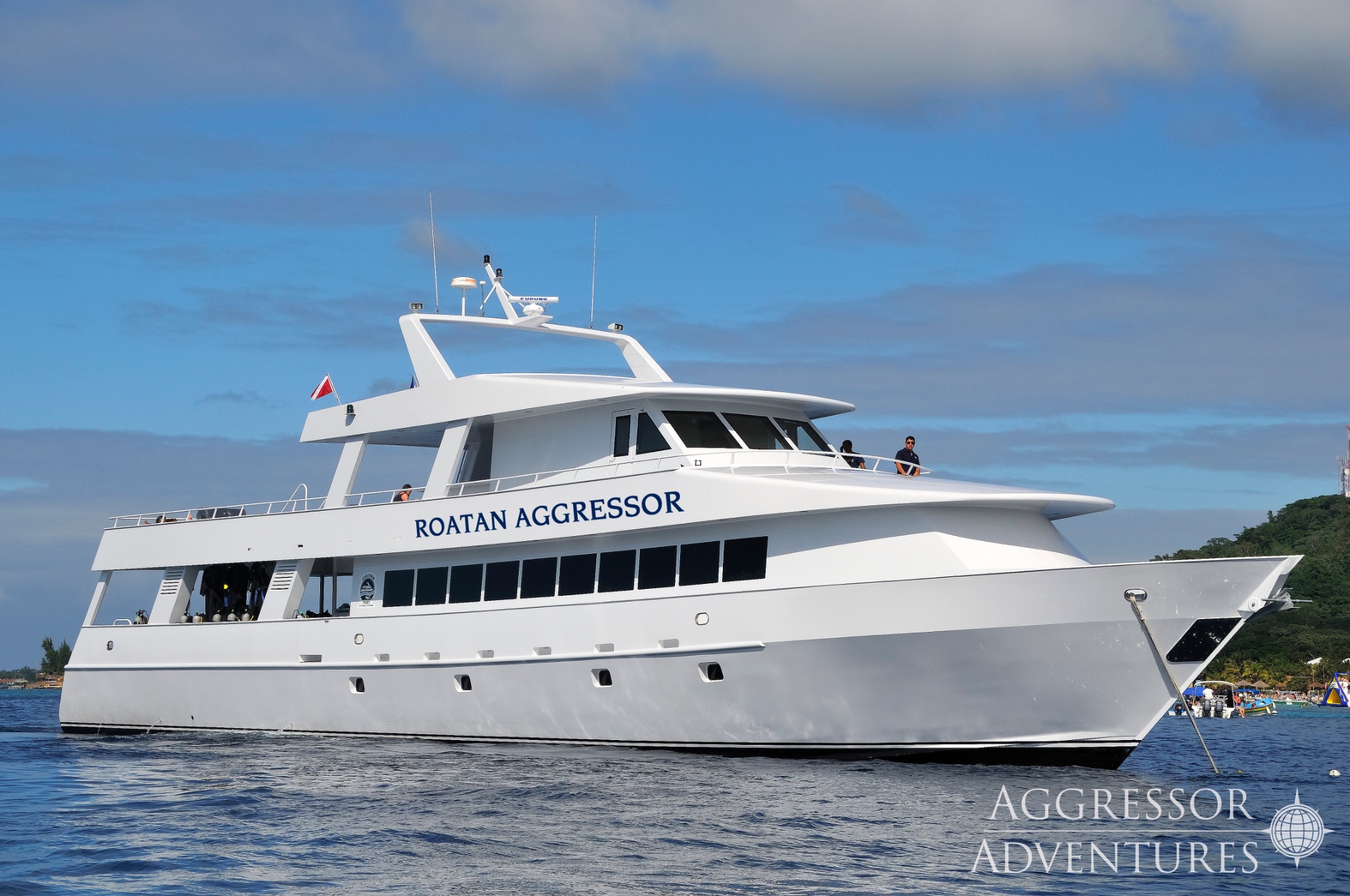
Roatan Aggressor
Honduras
18 guests31.1 m
$309/day
Dive sites similar to West End Wall
Same character, same waters — six more sites divers love for the exact same reasons.Compare seasons, access and liveaboard routes — then pick the site that fits your trip best.
© Esri — Maxar, Earthstar, GIS
Blackish Point
Honduras
Blackish Point is a captivating shore-drift wall dive located on the north side of Utila, offering a unique blend of volcanic rock formations, soft corals, and an intricate network of caves, overhangs, and crevices.
- Suitable for
- Intermediate
- Current
- Mild
- Access
- Shore / dayboat
- Depth
- 11–27 m
- Theme
- Cave & cavern / Drift
© Esri — Maxar, Earthstar, GIS
Gold Chain Reef
Honduras
Gold Chain Reef is a celebrated dive site located off the coast of Roatan, Honduras, within the vast Mesoamerican Barrier Reef System, the world's second-largest coral reef.
- Suitable for
- Intermediate
- Current
- Mild
- Access
- Liveaboard only
- Depth
- 3–9 m
- Theme
- Wall
© Esri — Maxar, Earthstar, GIS
Carib Point
Honduras
Carib Point is a distinctive shallow fringing reef and hardbottom site located off Roatán's north shore, specifically in the Sandy Bay/West End area.
- Suitable for
- Intermediate
- Current
- Mild
- Access
- Liveaboard only
- Depth
- 9–12 m
- Theme
- Drift
© Esri — Maxar, Earthstar, GIS
Jack Neil Bight
Honduras
Jack Neil Bight is a notable dive site located on the south side of Utila, Honduras, part of the Bay Islands archipelago, known for its calm conditions and diverse underwater scenery.
- Suitable for
- Beginner
- Current
- Mild
- Access
- Dayboat
- Depth
- 2–40 m
- Theme
- Reef / Wall
© Esri — Maxar, Earthstar, GIS
Hole in the Wall
Honduras
Hole in the Wall is a celebrated dive site in Roatan, part of the extensive Mesoamerican Barrier Reef System, which is the second-largest barrier reef globally.
- Suitable for
- Beginner
- Current
- No current
- Access
- Liveaboard only
- Depth
- 33–33 m
- Theme
- Wall / Cavern
© Esri — Maxar, Earthstar, GIS
Green Out House Wall
Honduras
Green Out House Wall is a notable dive site in Roatan, recognized for its distinct wall topography and the potential for drift diving.
- Suitable for
- Intermediate
- Current
- Moderate
- Access
- Dayboat
- Depth
- ≤ 22 m
- Theme
- Wall / Drift