About The Monument
The Monument dive site, located within Botany Bay at Kurnell in Sydney, Australia, is named for its proximity to the Captain Cook landing monument above. This shore-accessible site provides a rich, temperate reef ecosystem in an area steeped in Australian maritime history, suitable for various skill levels from beginner to advanced. The underwater topography features extensive sandstone reef formations that extend from the shoreline into the bay, carved by wave action into interesting structures like walls, gutters, boulder fields, and small overhangs and swim-throughs, which offer varied habitats for marine life. The reef walls are adorned with colorful sponge gardens, showcasing orange, yellow, and purple encrusting species, alongside sea squirts and bryozoans. Divers can expect to encounter an array of creatures including blue gropers, eastern blue devilfish, wobbegong sharks camouflaged under ledges, and schools of mado, old wife, and yellowtail. More attentive divers may spot cuttlefish, seahorses, pipefish clinging to sponges, and octopuses. Shore access is straightforward with minimal surface swimming required to reach the reef. Currents within the bay are typically gentle, and the depth profile, reaching up to 14 meters, allows divers to choose a comfortable exploration level. Visibility commonly ranges from 5 to 15 meters, often improving in calm conditions and during outgoing tides, making it an excellent location for divers looking to build experience and observe diverse marine species.
Highlights
Sandstone reef formationsColorful sponge gardensBlue groper encountersEastern blue devilfishWobbegong sharksSeahorses and pipefishEasy shore accessHistorical location
Season calendar
Best months to dive here
Jan
Feb
Mar
Apr
May
Jun
Jul
Aug
Sep
Oct
Nov
Dec
Good
Dive site facts: The Monument
- Depth
- Up to 14 m
- Current
- Gentle to variable
- Visibility
- 5–15 m
- Water temperature
- 16–23 °C
- Entry
- Shore entry
- Level
- Beginner to Advanced
- Dive type
- Reef, macro, topography
- Night dive
- Not permitted
- Region / port
- Sydney, New South Wales
- Coordinates
- -34.075, 151.165
Conditions & Currents
Currents within Botany Bay at The Monument are generally gentle, making the site approachable for divers of varying experience. However, conditions can be variable, requiring divers to be aware of potential changes. While shore access is straightforward, ease of exiting is influenced by tide levels, with low or outgoing tides often recommended for safer return to shore. Visibility at the site typically ranges from 5 to 15 meters, with improved clarity during calm weather and outgoing tides. Divers should consider carrying a torch to enhance visibility and reveal vibrant colors, especially in deeper or less clear sections, as the Tamar River (if referring to the similar site mentioned in source 1) is not noted for exceptional visibility. Divers should plan their air consumption and dive profile with these variable conditions in mind.
Marine life & sighting chances
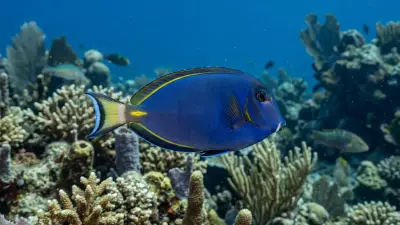
Blue Groper
commonEastern Blue Devilfish
occasional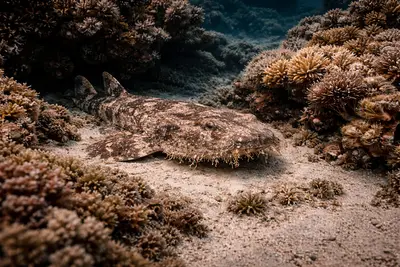
Wobbegong Shark
occasional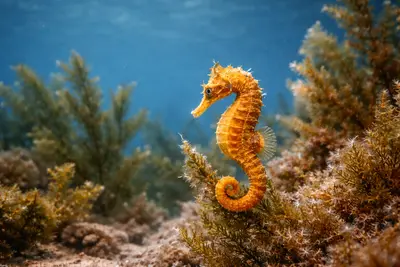
Seahorse
occasional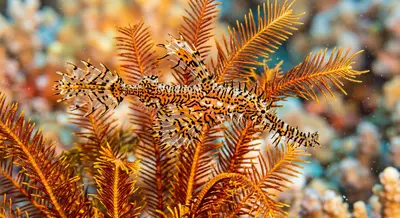
Pipefish
occasional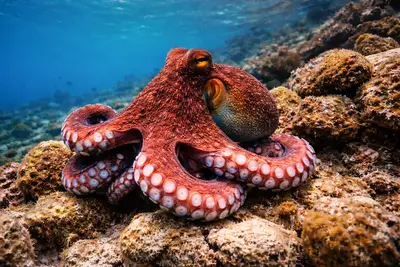
Octopus
common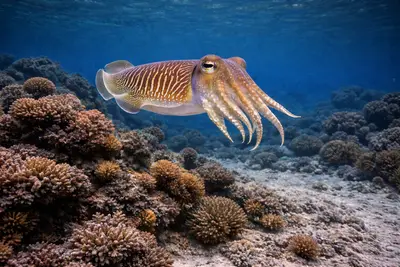
Cuttlefish
commonMado
common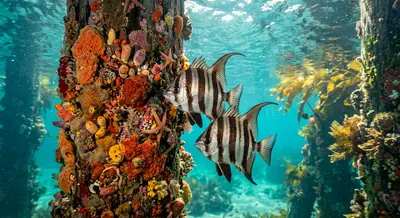
Old Wife
common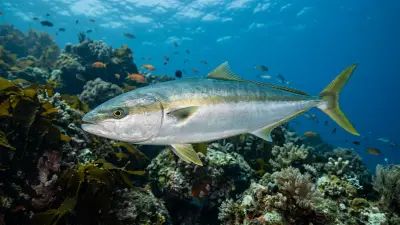
Yellowtail
common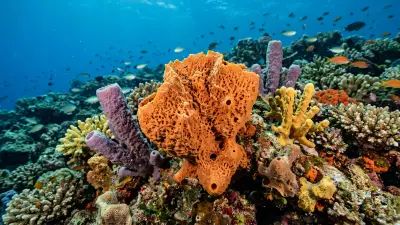
Sponge
common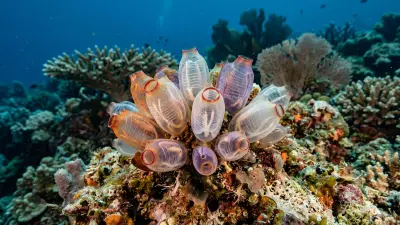
Sea Squirt
common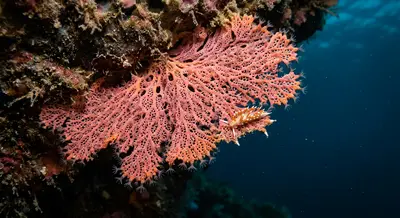
Bryozoan
commonDive profile & how the dive runs
Divers enter The Monument from the shore, utilizing straightforward access which minimizes surface swimming to reach the reef formations. The dive typically begins by following sandstone reef structures that extend into Botany Bay. These structures include walls, gutters, and boulder fields, offering natural navigation guides. The site allows for varied exploration within its maximum depth of 14 meters, making it suitable for different comfort levels. Divers can explore low caverns and overhangs, observing resident fish life and colorful sponge gardens. A common route involves tracing the reef topography, paying close attention to the numerous hiding spots for macro life. The dive plan should account for variable visibility, which can range from 5 to 15 meters, with best conditions on outgoing tides. A torch is recommended to illuminate vibrant colors. The safety stop is conducted in the shallower sections near the shore, allowing for an easy exit influenced by the tide.
Underwater photography
The Monument offers rich macro photography opportunities, particularly around the colorful sponge gardens and within the sandstone reef structures. A macro lens is ideal for capturing the intricate details of seahorses, pipefish, nudibranchs, and other small invertebrates camouflaged among the growth. Wide-angle lenses can be used to capture the expansive reef topography, including the walls, gutters, and boulder fields, especially on days with good visibility. External strobes are highly recommended to bring out the true colors of the encrusting sponges and marine life, as natural light diminishes quickly in the deeper or less clear sections. Divers should maintain excellent buoyancy control to avoid disturbing the delicate sponge growth and ensure clear shots of the often shy macro subjects. Patience is key when seeking out cryptic creatures like wobbegong sharks or eastern blue devilfish hiding in crevices.
Combine with nearby dive sites
Getting there & logistics
The Monument is a shore dive located in Kurnell, within the Kamay Botany Bay National Park in Sydney, New South Wales. Access is convenient with easy parking available at The Monuments Car Park, though spots fill quickly on fine weather days. The park is closed at night, meaning night dives are not permitted. Entry is easiest at high tide. There is a fee charged to use the park's facilities. While specific dive operators are not directly linked on site, several PADI and SSI certified dive centers operate within a 20 km radius, including Abyss Scuba Diving in Ramsgate and Dive Centre Bondi, which can facilitate trips to this site and others in the Sydney region. Divers typically visit The Monument as a day trip, exploring its diverse reef within a single dive.
Safety & environment
Diving at The Monument, while generally beginner-friendly, presents specific hazards that divers must be aware of. These include variable currents, boat traffic within Botany Bay, and potentially low visibility, which can range from 5 to 15 meters. Divers should always carry a torch to enhance underwater visibility. Deeper sections beyond 15 meters require appropriate experience and certification. The nearest recompression chamber is located at Prince of Wales Hospital in Randwick, Sydney, approximately 30 minutes away by road. Divers must carry valid dive insurance that covers recompression therapy and emergency evacuation. Entry and exit are from the shore, and while straightforward, the ease of exiting is notably influenced by the tide; diving at low tide or on an outgoing tide is typically recommended for safer access back to shore. Always dive with a buddy and follow local dive safety guidelines.
Who it suits — and who it doesn't
Suited for
- Beginner divers looking to gain experience
- Macro photography enthusiasts
- Divers interested in temperate reef ecosystems
- Divers seeking easy shore access
- Explorers of unique reef topography
Less suited for
- Divers seeking large pelagic encounters exclusively
- Those uninterested in macro life
- Divers expecting extreme depths
- Individuals sensitive to variable visibility
- Divers wanting to do night dives
FAQ
The Monument FAQ
What kind of marine life can I expect to see at The Monument?
The Monument is home to a rich variety of temperate marine life. You can frequently spot blue gropers and cuttlefish, while attentive divers might find eastern blue devilfish, wobbegong sharks camouflaged under ledges, and delicate seahorses and pipefish among the sponge gardens. Schools of mado, old wife, and yellowtail are also common.
Is The Monument suitable for beginner divers?
Yes, The Monument is considered beginner-friendly due to its straightforward shore access and a maximum depth of 14 meters. The site’s topography and generally gentle currents make it a good location for divers to build experience. However, new divers should be aware of variable visibility and potential currents.
What are the typical visibility and water temperature conditions?
Visibility at The Monument usually ranges from 5 to 15 meters, with the clearest conditions often occurring during calm weather and outgoing tides. Water temperatures in Sydney, where The Monument is located, generally range from 16 to 23 degrees Celsius throughout the year, with winter months being cooler.
Are there any specific hazards to be aware of when diving The Monument?
Divers should be mindful of variable currents and boat traffic within Botany Bay. Visibility can sometimes be low, so carrying a torch is recommended. The park is closed at night, so night diving is not permitted, and deep sections beyond 15 meters require appropriate certification and experience.
How do I access The Monument dive site?
The Monument is a shore dive located within Kamay Botany Bay National Park in Kurnell, Sydney. You can drive to The Monuments Car Park, although it can get busy. Shore entry is generally easy, with high tide often being the most convenient time for entry. Note that a park fee applies for entry.
Why dive The Monument from a liveaboard?
The Monument is one of Australia's signature dive sites. A liveaboard sleeps you on the water and puts you in the water for three to four guided dives per day, including dawn and night dives that day-boat operators rarely offer. You skip the daily commute back to port and reach quieter, less-crowded sites in the same region on a single trip.
Below are the liveaboards that include The Monument on their Australia itineraries.
Liveaboards diving The Monument
These liveaboards may visit The Monument on selected itineraries — the exact dive sites depend on departure, weather and conditions.
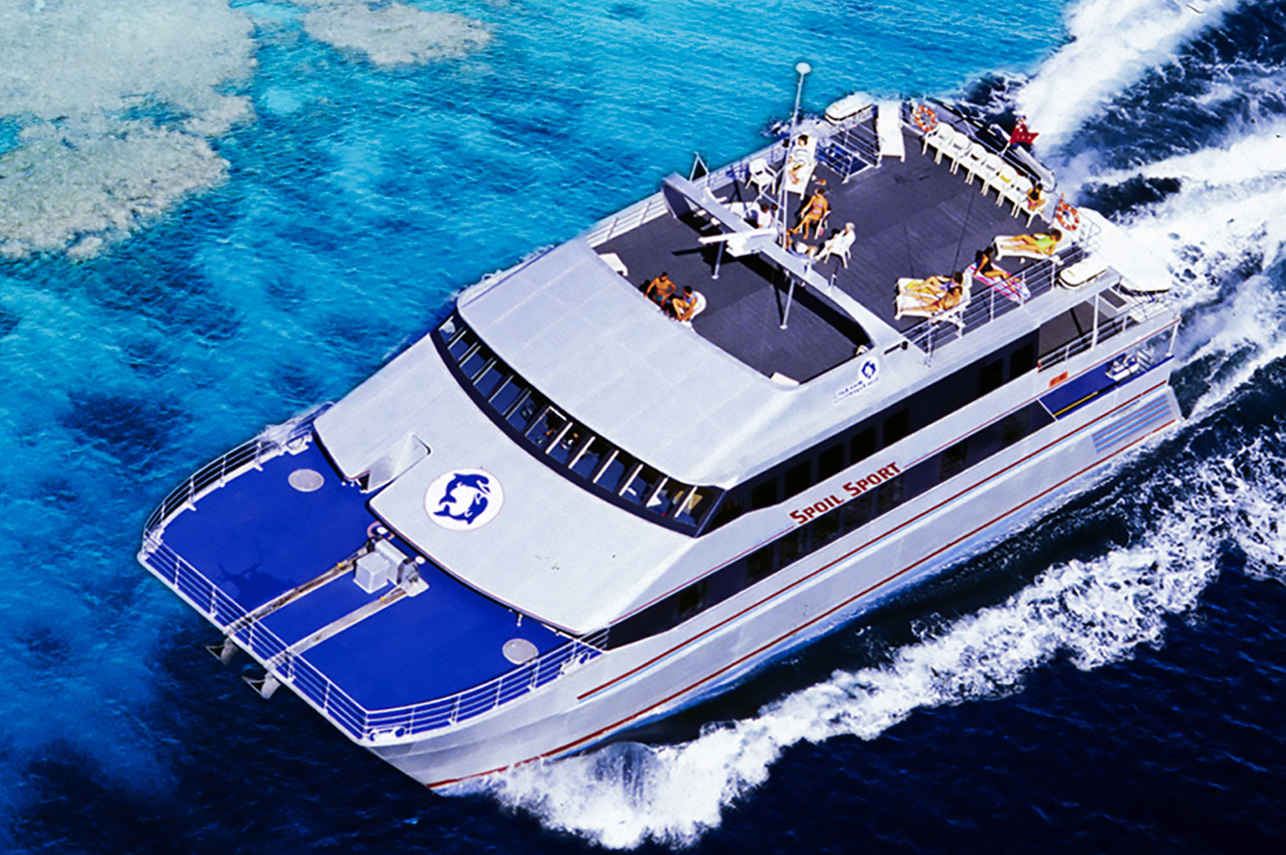
Spoilsport
Australia
28 guests30 m
$406/day
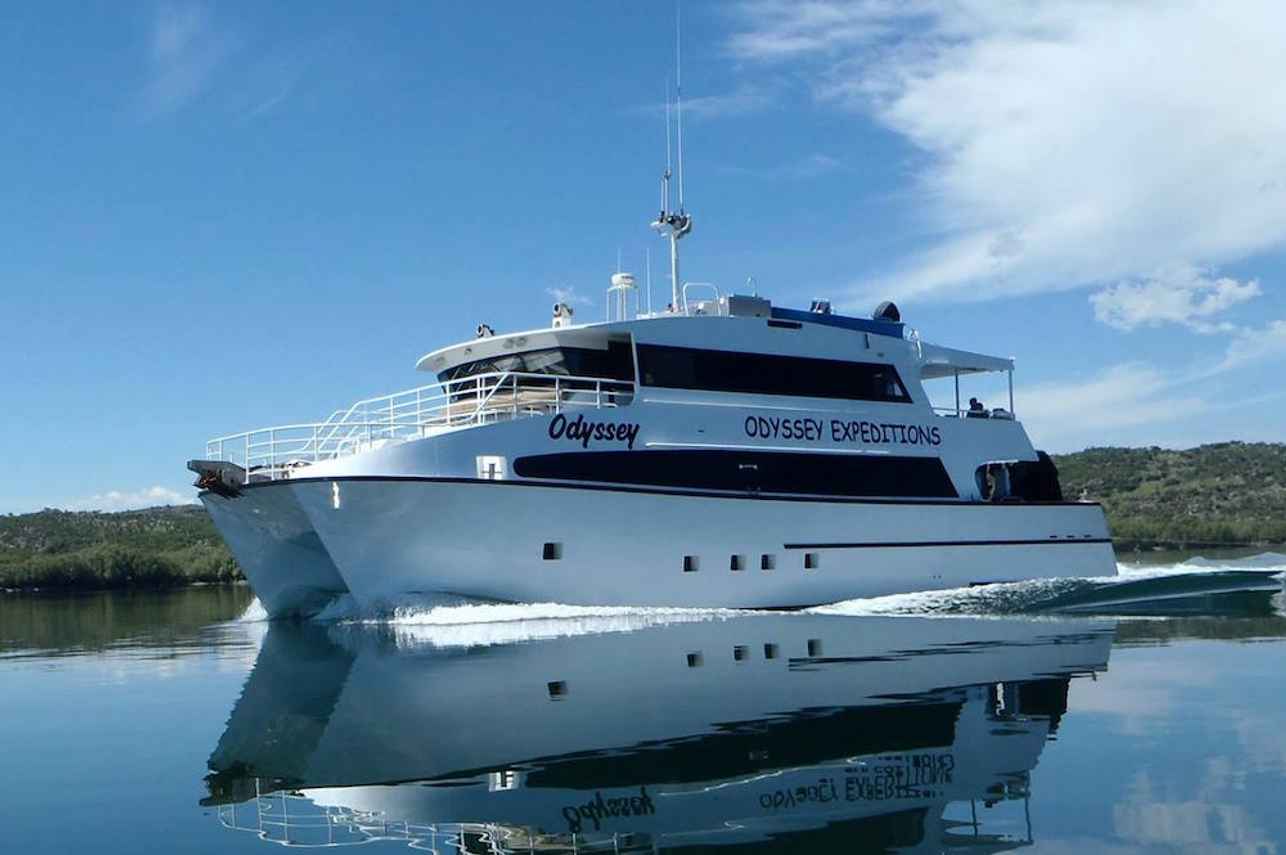
Odyssey Liveaboard
Australia
20 guests24 m
$392/day
Dive sites similar to The Monument
Same character, same waters — six more sites divers love for the exact same reasons.Compare seasons, access and liveaboard routes — then pick the site that fits your trip best.
© Esri — Maxar, Earthstar, GIS
Agincourt Reef
Australia
Agincourt Reef sits on the outer edge of the Great Barrier Reef, roughly 60–72 km off Port Douglas in Far North Queensland, at the southern end of the true ribbon reefs that run…
- Suitable for
- Beginner
- Current
- Moderate
- Access
- Dayboat
- Depth
- 2–20 m
- Theme
- Reef / Wall
© Esri — Maxar, Earthstar, GIS
Cocos Keeling - Canons
Australia
Cocos Keeling - Canons offers a distinctive dive experience within the Cocos (Keeling) Islands lagoon, making it Australia's most remote dive destination.
- Suitable for
- Beginner
- Current
- Mild
- Access
- Dayboat
- Depth
- 8–12 m
- Theme
- Reef
© Esri — Maxar, Earthstar, GIS
Raine Island
Australia
Raine Island is a pivotal dive site located in the Far Northern Great Barrier Reef, approximately 85 kilometers east-north-east of Cape Grenville and just over 4 nautical miles south of the island itself.
- Suitable for
- Advanced
- Current
- Strong
- Access
- Liveaboard only
- Depth
- 5–40 m
- Theme
- Reef / Wall
© Esri — Maxar, Earthstar, GIS
Bare Island East
Australia
Bare Island East is a highly regarded shore dive in Sydney, celebrated for its diverse and colourful sponge gardens.
- Suitable for
- Intermediate
- Current
- Mild
- Access
- Shore / dayboat
- Depth
- 2–11 m
- Theme
- Reef
© Esri — Maxar, Earthstar, GIS
Cocos Keeling - Broccoli Patch
Australia
Broccoli Patch is a premier dive site nestled within the Cocos (Keeling) Islands lagoon system, offering a gentle yet captivating underwater experience.
- Suitable for
- Beginner
- Current
- Mild
- Access
- Dayboat
- Depth
- 5–10 m
- Theme
- Reef
© Esri — Maxar, Earthstar, GIS
Milln Reef
Australia
Milln Reef, located approximately 60km offshore from Cairns within the Great Barrier Reef, stands out as a highly favored outer reef destination for both divers and snorkelers.
- Suitable for
- Intermediate
- Current
- Moderate
- Access
- Liveaboard or dayboat
- Depth
- 4–22 m
- Theme
- Reef