About Mr. Bud Wreck
The Mr. Bud Wreck is a purposefully sunk 75-foot cargo vessel, originally a conch boat from Jamaica, resting on its port side near the channel by Brady's Cay and Big French Cay on Roatan's south shore. Sunk in the mid-1990s, it serves as an artificial reef, offering an easy-to-navigate layout for divers. Initially upright when sunk in 1995, Hurricane Mitch in 1998 moved the wreck, shifting its bow against the reef and listing it to port. The wreck is situated in a sandy chute, surrounded by a vibrant coral reef that features steep walls. The top deck is around 13 meters (43 feet) deep, with the stern and deeper parts of the wreck reaching 18 meters (60 feet). This depth profile, combined with sand flats and healthy coral growth, makes it an excellent site for both wreck exploration and reef observation. Marine life at Mr. Bud Wreck is abundant, with common sightings of seahorses, garden eels, and various reef fish. Silversides often form dense schools within the main cargo hold, while moray eels are frequently found tucked into corners. The surrounding reef adds to the biodiversity, making repeat visits rewarding. This site is ideal for practicing wreck diving skills due to its open structure and multiple entry points, making it readable for certified wreck divers. Non-penetration passes are also possible for casual visitors, allowing enjoyment of the wreck's exterior and surrounding reef life.
Highlights
75-foot purpose-sunk cargo wreckEasy swim-throughsAbundant marine lifeUpright with a port listSand flats and reef edgeExcellent for wreck specialty trainingSouth Roatan location
Season calendar
Best months to dive here
Jan
Feb
Mar
Apr
May
Jun
Jul
Aug
Sep
Oct
Nov
Dec
Excellent
Dive site facts: Mr. Bud Wreck
- Depth
- 13–18 m
- Typical dive
- 13–18 m, 50–60 min
- Current
- Mild / Negligible
- Visibility
- 25–36 m
- Water temperature
- 24–31 °C
- Entry
- Simple boat entry
- Level
- Intermediate
- Dive type
- Wreck, Artificial Reef, Reef Wall
- Region / port
- Roatan, Honduras
- Coordinates
- 16.4250° N, 86.7265° W
Conditions & Currents
Mr. Bud Wreck is a shallow wreck located on a reef edge, generally experiencing calm water conditions which make the structure easy to read and navigate. While the overall area of Roatan can experience currents, this site is not noted for strong or challenging flows, suggesting mostly mild or negligible currents. Visibility is consistently good, averaging around 25 meters, and can extend up to 30-36 meters during the dry season. Entry and exit are typically simple. The calm conditions, clear visibility, and predictable layout make it suitable for divers focusing on exploration and skill practice without the added complexity of strong currents, though local conditions should always be confirmed before diving.
Marine life & sighting chances
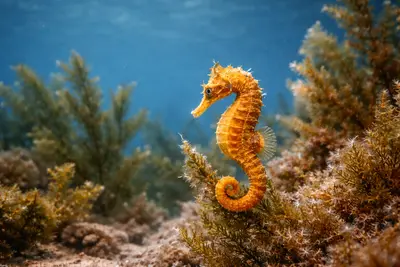
Common Seahorse
Year-round · common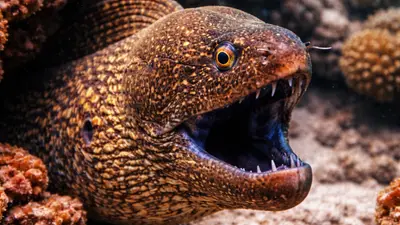
Moray Eel
Year-round · common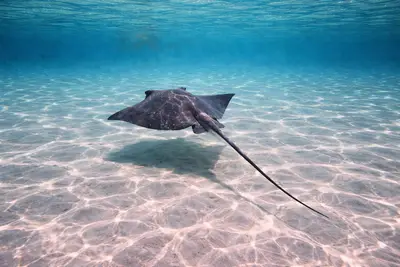
Stingray
Year-round · common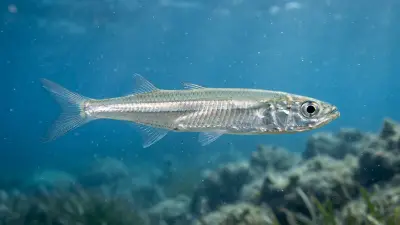
Silversides
common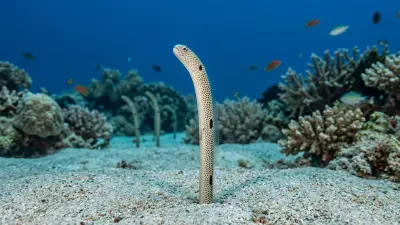
Garden Eel
common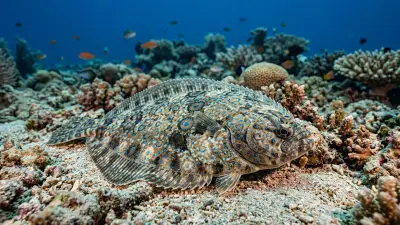
Flounder
occasional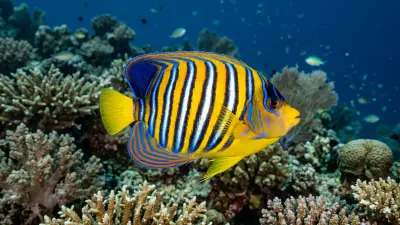
Angelfish
Year-round · common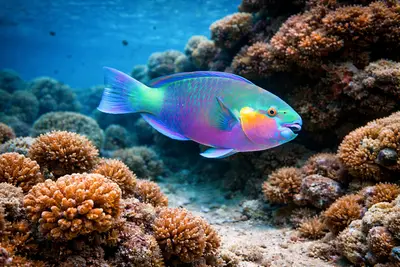
Parrotfish
Year-round · common
Barracuda
October, December · occasional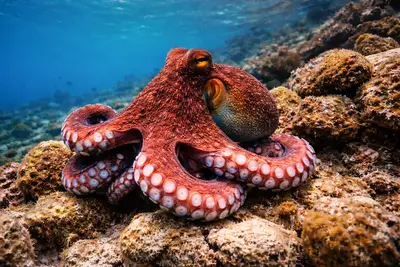
Octopus
January, September · rare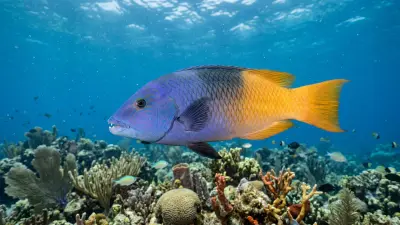
Wrasse
July, September, October · occasional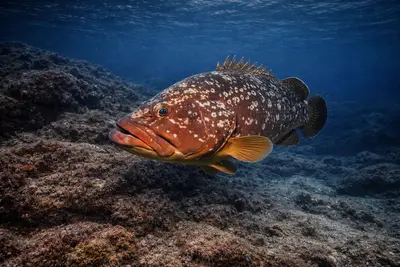
Grouper
January, March, April, July, September, October, December · common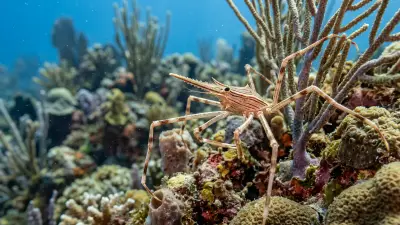
Crab
January, March, April, July, September, October · common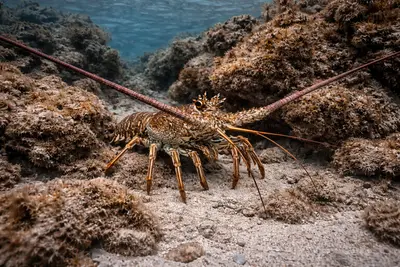
Spiny Lobster
March, April, September, December · occasionalDive profile & how the dive runs
Divers typically begin their descent at the mooring ball, which is often attached to the mid-aft section of the starboard side of the Mr. Bud Wreck. The wreck lies in a sandy chute at a maximum depth of 18 meters (60 feet), with the top deck around 13 meters (43 feet). The dive route often starts by exploring the exterior of the 75-foot vessel, noting its list to port and the bow resting against the reef. Divers can investigate the pilot house, located at the bow in about 14 meters (45 feet) of water, which offers easy swim-throughs. The main cargo hold also provides open entry points, often filled with schooling fish. After thorough exploration of the wreck, attention can shift to the surrounding vibrant coral reef, which features steep walls. The dive concludes with a gradual ascent, allowing for a safety stop along the upper reef structure or a suitable shallow point before surfacing.
Underwater photography
The Mr. Bud Wreck offers excellent opportunities for both wide-angle and macro photography. For wide-angle shots, a fisheye or wide-angle lens is ideal to capture the entire 75-foot vessel, its upright structure, and the expansive reef backdrop. The wreck's open swim-throughs and main cargo hold, especially when dense with schooling silversides, create compelling compositions. For macro enthusiasts, the wreck's surfaces and surrounding reef are home to numerous small critters like seahorses, garden eels, and crabs, best captured with a 60mm or 100mm macro lens. Utilize strobes to bring out the vibrant colors of the coral growth on the wreck and the surrounding reef, as well as to illuminate the darker interior of swim-throughs. Maintain excellent buoyancy control to avoid disturbing the sandy bottom or fragile corals, ensuring both good shots and minimal environmental impact.
Combine with nearby dive sites
Getting there & logistics
Diving Mr. Bud Wreck typically involves traveling to Roatan, Honduras, accessible via Juan Manuel Gálvez International Airport (RTB). Most dive operations run out of various resorts and dive centers across the island. The wreck is situated off the south coast near Brady's Cay and Big French Cay, often reached by short boat rides from south shore operators. Dives to Mr. Bud are usually part of a multi-dive package offered by local dive shops, requiring no specific additional permits beyond standard marine park fees, which are often included in dive trip costs. Trip lengths can vary from single-day excursions to week-long liveaboard or resort stays, allowing for multiple dives on this and other nearby sites. Enriched Air (Nitrox) is typically available for extended bottom time on the wreck.
Safety & environment
For your safety at Mr. Bud Wreck, it's crucial to be aware of the overhead environment if you plan any penetration, even with its open structure. Appropriate wreck training and certification are recommended for entering the wreck, as per local safety guidelines. For non-penetration dives, staying outside the wreck is the safer default. Roatan has a recompression chamber, typically located in Coxen Hole, which is the primary facility for dive emergencies. Divers should always carry comprehensive dive insurance that covers emergency medical treatment and evacuation. Local dive operators enforce marine park rules, and divers must adhere to these, including responsible interaction with marine life and maintaining excellent buoyancy control to protect the artificial reef and surrounding corals.
Who it suits — and who it doesn't
Suited for
- Certified wreck divers
- Divers interested in practicing wreck specialty skills
- Underwater photographers
- Divers seeking easy swim-throughs
- Macro and wide-angle enthusiasts
- Divers seeking artificial reef ecosystems
Less suited for
- Uncertified divers for wreck penetration
- Freedivers (due to overhead environment)
- Snorkelers (main interest is below surface)
- Divers seeking challenging currents
- Those who prefer pristine natural reefs only
FAQ
Mr. Bud Wreck FAQ
What is the history of the Mr. Bud Wreck?
The Mr. Bud is a 75-foot former conch boat from Jamaica. It was intentionally sunk in the mid-1990s as an artificial reef and dive attraction. Initially placed upright in 1995, Hurricane Mitch in 1998 moved the wreck, shifting its bow against the reef and causing it to list to its port side.
What marine life can I expect to see at Mr. Bud Wreck?
The wreck and surrounding reef teem with marine life. You can commonly spot seahorses, garden eels, and various reef fish. The main cargo hold often hosts large schools of silversides, and moray eels are frequently found within the wreck's structure. Flounder, angelfish, parrotfish, groupers, and crabs are also common.
Is Mr. Bud Wreck suitable for beginner divers?
Mr. Bud Wreck is generally considered an intermediate dive. While the depths are shallow (13-18 meters) and currents are mild, it is still a wreck dive. Certified wreck divers can explore its interior, but non-penetration passes are recommended for less experienced divers or those without specific wreck training.
What are the typical diving conditions at Mr. Bud Wreck?
Diving conditions are typically calm, making for an easy and enjoyable experience. Visibility generally ranges from 25 to 36 meters (80-120 feet), especially during the dry season. Water temperatures are warm year-round, between 24-31°C (75-88°F), suitable for a 3mm wetsuit or shorty.
Can I penetrate the Mr. Bud Wreck?
Yes, Mr. Bud Wreck features multiple entry points and swim-throughs, particularly through the old bridge area and cargo hold. However, due to the overhead environment, penetration is recommended only for certified wreck divers. For casual visitors, non-penetration passes are the safer option to enjoy the exterior and surrounding reef.
Why dive Mr. Bud Wreck from a liveaboard?
Mr. Bud Wreck is one of Honduras's signature dive sites. A liveaboard sleeps you on the water and puts you in the water for three to four guided dives per day, including dawn and night dives that day-boat operators rarely offer. You skip the daily commute back to port and reach quieter, less-crowded sites in the same region on a single trip.
Below are the liveaboards that include Mr. Bud Wreck on their Honduras itineraries.
Liveaboards diving Mr. Bud Wreck
These liveaboards may visit Mr. Bud Wreck on selected itineraries — the exact dive sites depend on departure, weather and conditions.
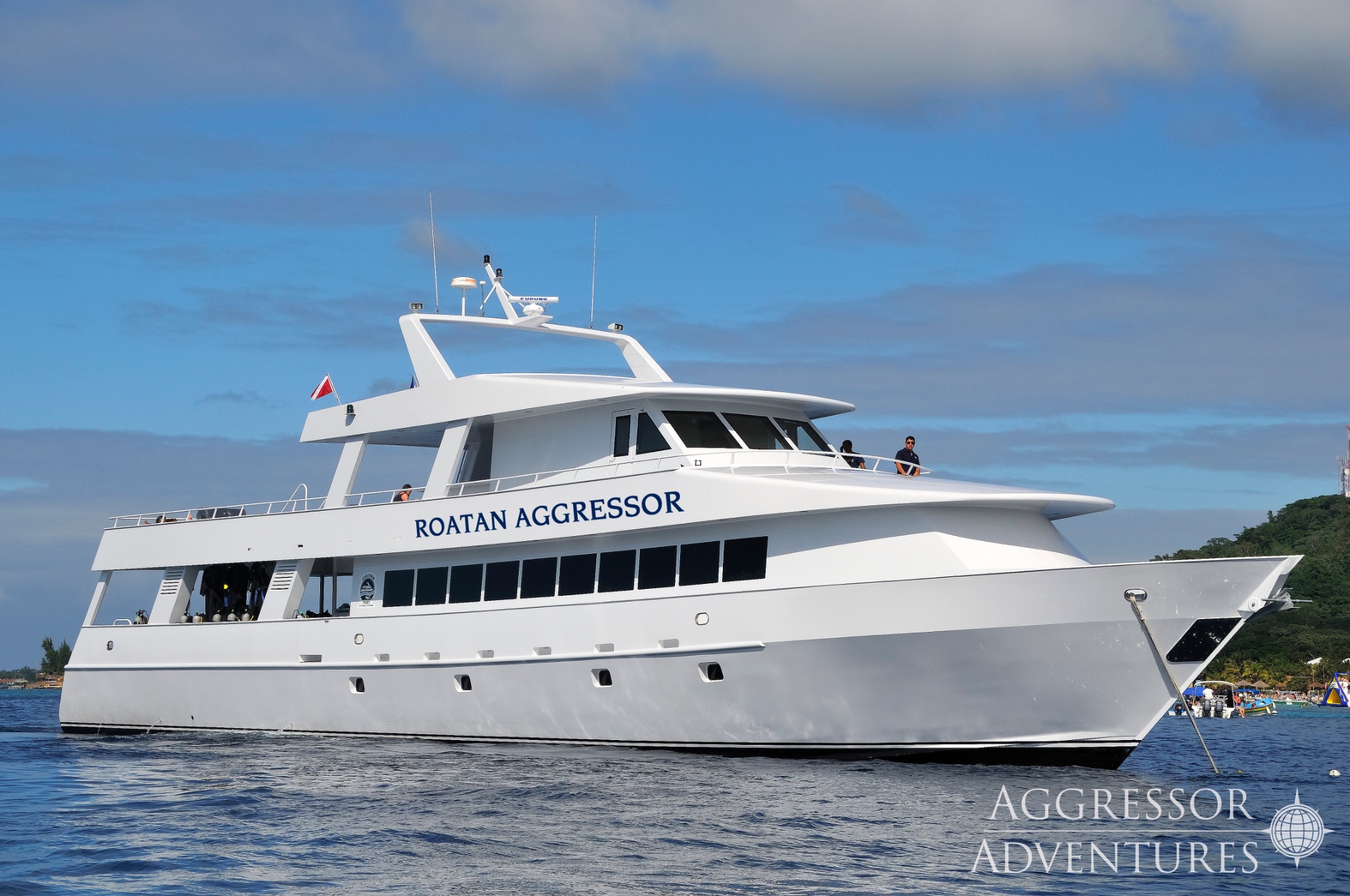
Roatan Aggressor
Honduras
18 guests31.1 m
$309/day
Dive sites similar to Mr. Bud Wreck
Same character, same waters — six more sites divers love for the exact same reasons.Compare seasons, access and liveaboard routes — then pick the site that fits your trip best.
© Esri — Maxar, Earthstar, GIS
Satoshi’s Grave
Honduras
Satoshi’s Grave is a distinctive wreck site located on the southern shore of Roatan, specifically the Wreck of Mr. Bud.
- Suitable for
- Beginner
- Current
- Moderate
- Access
- Liveaboard or dayboat
- Depth
- 18–18 m
- Theme
- Wreck / Reef
© Esri — Maxar, Earthstar, GIS
Butcher's Bank
Honduras
Butcher's Bank is a celebrated dive site in Roatan, Honduras, widely regarded as one of the island's most enjoyable locations, particularly for novice divers.
- Suitable for
- Beginner
- Current
- Mild
- Access
- Dayboat
- Depth
- 12–18 m
- Theme
- Reef
© Esri — Maxar, Earthstar, GIS
Wreck of the Aguila
Honduras
The Wreck of the Aguila, affectionately known as 'The Eagle,' is a 60-meter (200-foot) cargo ship purposefully sunk in 1997 to create an artificial reef within recreational diving limits.
- Suitable for
- Intermediate
- Current
- Mild
- Access
- Dayboat
- Depth
- 20–33 m
- Theme
- Wreck / Reef
© Esri — Maxar, Earthstar, GIS
Al's Garden
Honduras
Al's Garden is a notable dive site located in Roatan, part of Honduras's Bay Islands, a region renowned for its vibrant underwater topography and diverse marine ecosystems.
- Suitable for
- Intermediate
- Current
- Moderate
- Access
- Liveaboard or dayboat
- Depth
- 9–40 m
- Theme
- Reef
© Esri — Maxar, Earthstar, GIS
Aaron's Backyard
Honduras
Aaron's Backyard is a noted dive site within the Roatan Marine Park in Honduras, part of the extensive Mesoamerican Barrier Reef System.
- Suitable for
- Intermediate
- Current
- Moderate
- Access
- Liveaboard or dayboat
- Depth
- 9–40 m
- Theme
- Reef
Roatán, part of the Bay Islands of Honduras, offers a diverse underwater landscape situated along the Mesoamerican Barrier Reef System, which is the second largest barrier reef globally.
- Suitable for
- Intermediate
- Current
- Moderate
- Access
- Liveaboard or dayboat
- Depth
- 9–40 m
- Theme
- Reef