About French Cay Cut
French Cay Cut is a notable dive site located near the French Cay area on the protected south shore of Roatan, Honduras. This area is distinguished by its proximity to several well-known wrecks and vibrant reef structures, making it a multifaceted dive destination. Divers can explore a variety of underwater landscapes, from coral gardens to deeper reef sections. The topography around French Cay Cut includes the nearby Mr. Bud wreck, which rests at 60 feet deep, surrounded by a lively coral reef. Further out, the Island Fueller (or Gracias Wreck) sits in depths ranging from 40 to 100 feet. The reef system here is part of the Mesoamerican Barrier Reef, offering extensive coral formations and walls, with depths that cater to various experience levels. The marine life at French Cay Cut and its vicinity is rich and varied. Common sightings include seahorses, garden eels, stingrays, and various reef fish. The area also hosts a healthy population of corals. Visibility can vary, particularly around the Island Fueller wreck, but generally, Roatan's south shore boasts clear Caribbean waters year-round. This site provides a typical Roatan diving experience with generally calm conditions and short boat rides from nearby resorts. Its accessibility and the variety of dive attractions, including both natural reefs and artificial wrecks, make it a popular choice for divers seeking a comprehensive underwater adventure on the island's southern side.
Highlights
Vibrant coral reefMr. Bud wreckIsland Fueller wreckSeahorses and garden eelsSouthern Roatan locationEasy boat access
Season calendar
Best months to dive here
Jan
Feb
Mar
Apr
May
Jun
Jul
Aug
Sep
Oct
Nov
Dec
Excellent
Good
Dive site facts: French Cay Cut
- Depth
- 12–30 m
- Current
- Gentle
- Visibility
- 18–30 m
- Water temperature
- 24–29°C (75–84°F)
- Entry
- Boat
- Level
- Open Water Diver
- Dive type
- Reef, wreck, macro
- Night dive
- Possible
- Region / port
- South Shore of Roatan, Honduras
- Coordinates
- 16.3056° N, 86.5516° W
Conditions & Currents
Currents at French Cay Cut are generally gentle, typical of the protected south shore of Roatan, making for relaxed diving conditions. While specific current strengths are not detailed, Roatan's dive sites are known for calm seas, particularly advantageous for divers prone to seasickness. Entry and exit are typically boat-based, facilitated by the short distances from shore to most dive sites. Visibility is usually excellent, often reaching 18 to 30 meters (60 to 100 feet) or better, though it can occasionally be poor around specific wrecks like the Island Fueller. Water temperatures are consistently warm, ranging from 24-29°C (75-84°F) year-round, reducing the need for thick wetsuits. Divers should still plan for standard safety stops and adequate gas, especially when exploring deeper sections or wrecks.
Marine life & sighting chances
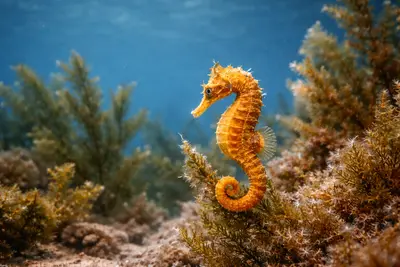
Seahorse
occasional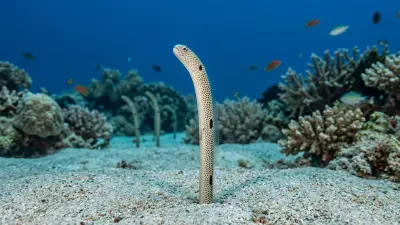
Garden eel
common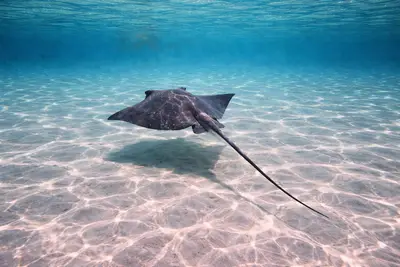
Stingray
common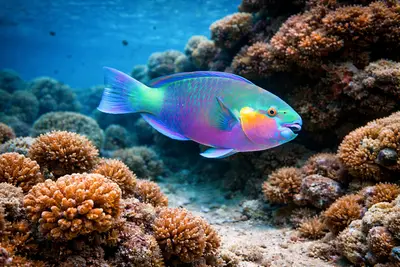
Parrotfish
common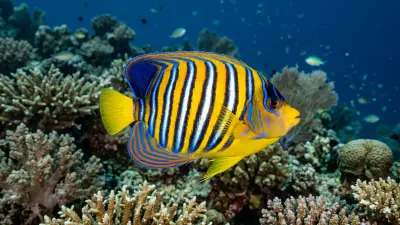
Angelfish
common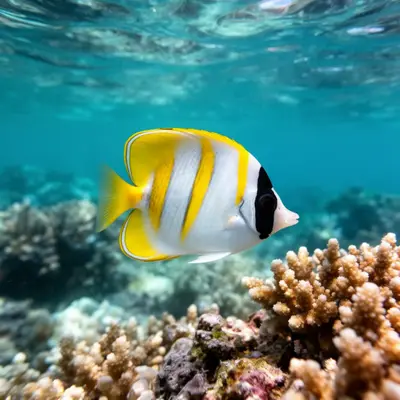
Butterflyfish
common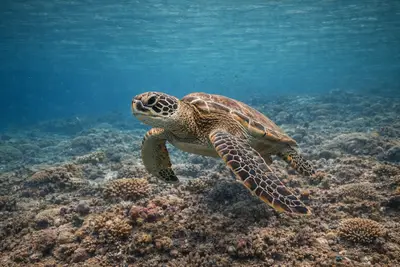
Green Sea Turtle
common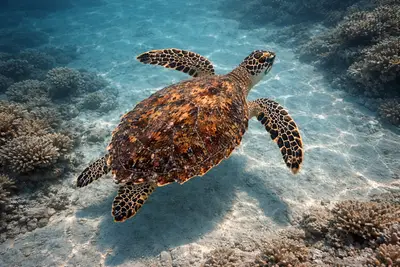
Hawksbill Sea Turtle
common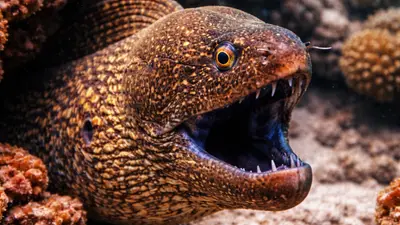
Moray Eel
common
Barracuda
occasional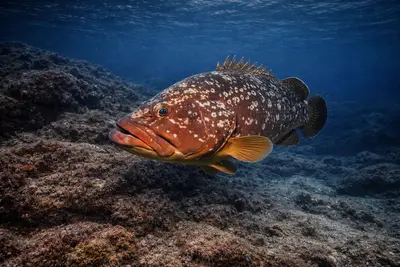
Grouper
occasional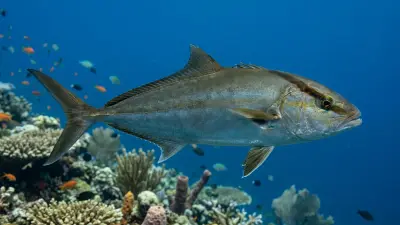
School of Jacks
occasionalSouthern Stingray
common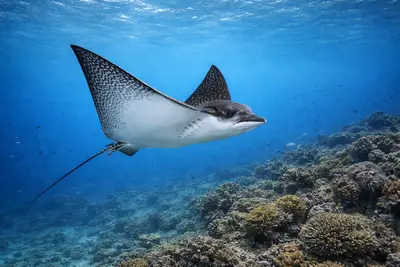
Eagle Ray
occasionalDive profile & how the dive runs
Diving at French Cay Cut typically begins with a boat entry, as most sites in Roatan are accessed this way. The dive often starts by descending onto the reef or towards the nearby Mr. Bud wreck, which lies at 60 feet deep on its port side, surrounded by vibrant coral. Divers can explore the wreck's swim-throughs, including the old bridge area, before venturing onto the adjacent reef. The depth progression usually allows for exploration of the shallower reef crest and wall sections, which are teeming with macro life like seahorses and garden eels. The Island Fueller wreck, ranging from 40 to 100 feet, offers an alternative deeper exploration. The turn point is determined by air consumption and no-decompression limits, allowing for a gradual ascent along the reef. Safety stops are typically conducted at 5 meters (15 feet) on the reef top or near the boat's ascent line, where shallow coral gardens can be enjoyed.
Underwater photography
French Cay Cut provides excellent opportunities for both wide-angle and macro photography due to its diverse topography and marine life. For wide-angle shots, consider capturing the expansive coral reefs and the structures of the Mr. Bud wreck; a fisheye or wide-angle rectilinear lens will be ideal. For macro subjects such as seahorses, garden eels, and various invertebrates, a 60mm or 100/105mm macro lens is recommended. Two strobes are advisable to bring out the vibrant colors of the healthy corals and marine creatures, especially in wreck interiors or during night dives. Maintaining excellent buoyancy is crucial to avoid stirring up sediment around the wrecks and to protect the fragile reef ecosystems. When photographing marine life, approach subjects slowly and avoid excessive light flashes to prevent disturbing them, particularly with shy creatures like garden eels and seahorses.
Combine with nearby dive sites
- Mr Bud
A 75ft Conch boat wreck near the channel by Brady's Cay, 60 feet deep, known for marine life and swim-throughs.
- Prince Albert
A 140-foot tanker wreck sitting upright in 40 to 80 feet of water, covered in soft coral, near Coco View Resort.
- Newman's Wall
A wall dive from 3 to 30 meters, known for macro life and canyon walls, accessible from Coco View Resort.
- El Aguila
A 230-foot cargo ship wreck, now in pieces at 110 feet, on the North Shore of Roatan.
- Odyssey
A 300-foot cargo ship wreck sunk as an artificial reef in Sandy Bay, at 115 feet deep.
Getting there & logistics
Access to French Cay Cut is typically from resorts on the south shore of Roatan, such as Coco View Resort, which is known for its proximity to numerous dive sites and offers boat trips. Roatan (RTB) is serviced by direct flights from major hubs like Atlanta and Houston. Dive trips usually involve daily boat dives, with short rides to the sites from the dive centers. Many resorts offer packages that include multiple boat dives per day, tanks, weights, and sometimes meals. While specific permits or fees for this individual site are not mentioned, general marine park fees may apply to diving in Roatan. The site is often combined with other nearby wrecks and reef dives on the south side of the island for a varied dive itinerary.
Safety & environment
For diving at French Cay Cut, standard dive safety protocols should be observed. The nearest recompression chamber is located in Roatan, offering crucial support in case of decompression sickness. Divers should ensure they have comprehensive dive insurance that covers emergency medical treatment and evacuation, as evacuation to mainland facilities may be necessary for severe cases. Site-specific hazards include potential poor visibility around the Island Fueller wreck, which requires extra caution and adherence to buddy procedures. While currents are generally mild, divers should always be aware of changing conditions. Adhering to dive plans, respecting depth limits, and maintaining good buoyancy control are essential for a safe dive, especially when exploring wrecks with potential overhead environments.
Who it suits — and who it doesn't
Suited for
- Open Water certified divers
- Divers interested in wreck exploration
- Macro photographers
- Divers seeking gentle current conditions
- Divers staying on Roatan's south shore
Less suited for
- Divers uncomfortable with potential overhead environments (wrecks)
- Divers seeking strong drift dives
- Those looking for pelagic-focused diving experiences
- Divers requiring shore entry
FAQ
French Cay Cut FAQ
What kind of marine life can I expect to see at French Cay Cut?
French Cay Cut and its surrounding reefs are home to a vibrant array of marine creatures. You can commonly spot garden eels, various stingrays, and many colorful reef fish like parrotfish, angelfish, and butterflyfish. Keep an eye out for seahorses in the coral, and you might also encounter green and hawksbill sea turtles, moray eels, barracudas, and groupers.
Are there any wrecks at French Cay Cut?
Yes, French Cay Cut is near two notable wrecks. The Mr. Bud wreck, a 75-foot conch boat, lies at 60 feet deep and is known for its marine life and swim-throughs. Additionally, the Island Fueller (also known as The Gracias) wreck can be found in depths ranging from 40 to 100 feet, though visibility around it can sometimes be poor.
What are the typical diving conditions at French Cay Cut?
The diving conditions at French Cay Cut are generally calm, typical of Roatan's protected south shore. Water temperatures range from 24-29°C (75-84°F) year-round, and visibility is often excellent, ranging from 18 to 30 meters (60 to 100 feet). Currents are usually gentle, making it a comfortable dive for most experience levels.
What is the best time of year to dive French Cay Cut?
While Roatan is a year-round diving destination, the dry season from March to October generally offers the best conditions for French Cay Cut, with clearer waters and consistently warm temperatures. March and April are also peak months for whale shark sightings in the wider Bay Islands region. The wet season (November-February) still provides great diving, despite more rain.
Is French Cay Cut suitable for beginner divers?
Yes, French Cay Cut is generally suitable for Open Water certified divers due to its gentle currents and manageable depths, especially on the reef sections. The Mr. Bud wreck at 60 feet is also accessible. However, divers interested in exploring the deeper sections of the Island Fueller wreck might benefit from advanced training or experience.
Why dive French Cay Cut from a liveaboard?
French Cay Cut is one of Honduras's signature dive sites. A liveaboard sleeps you on the water and puts you in the water for three to four guided dives per day, including dawn and night dives that day-boat operators rarely offer. You skip the daily commute back to port and reach quieter, less-crowded sites in the same region on a single trip.
Below are the liveaboards that include French Cay Cut on their Honduras itineraries.
Liveaboards diving French Cay Cut
These liveaboards may visit French Cay Cut on selected itineraries — the exact dive sites depend on departure, weather and conditions.
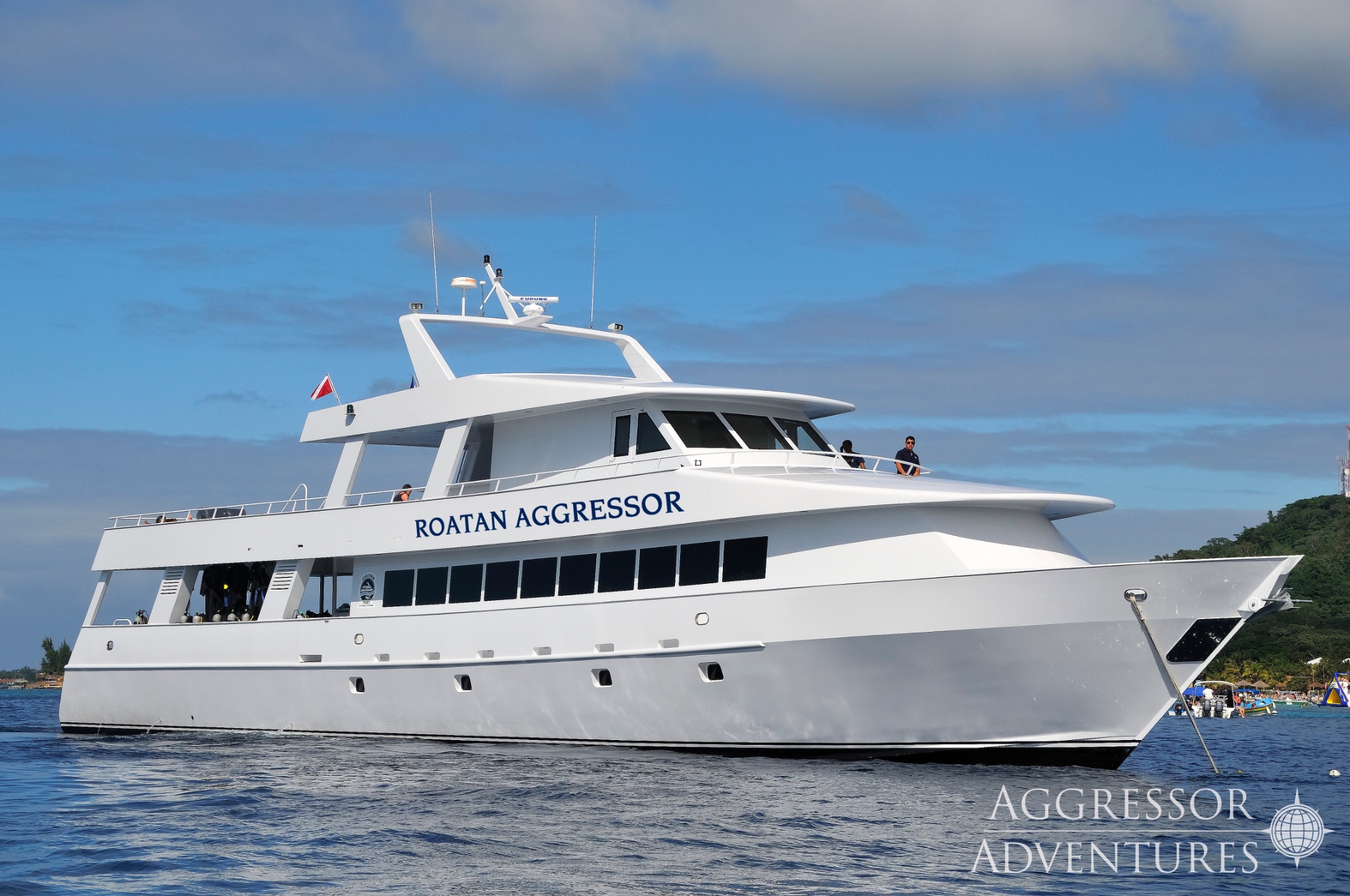
Roatan Aggressor
Honduras
18 guests31.1 m
$309/day
Dive sites similar to French Cay Cut
Same character, same waters — six more sites divers love for the exact same reasons.Compare seasons, access and liveaboard routes — then pick the site that fits your trip best.
© Esri — Maxar, Earthstar, GIS
Satoshi’s Grave
Honduras
Satoshi’s Grave is a distinctive wreck site located on the southern shore of Roatan, specifically the Wreck of Mr. Bud.
- Suitable for
- Beginner
- Current
- Moderate
- Access
- Liveaboard or dayboat
- Depth
- 18–18 m
- Theme
- Wreck / Reef
© Esri — Maxar, Earthstar, GIS
Butcher's Bank
Honduras
Butcher's Bank is a celebrated dive site in Roatan, Honduras, widely regarded as one of the island's most enjoyable locations, particularly for novice divers.
- Suitable for
- Beginner
- Current
- Mild
- Access
- Dayboat
- Depth
- 12–18 m
- Theme
- Reef
© Esri — Maxar, Earthstar, GIS
Wreck of the Aguila
Honduras
The Wreck of the Aguila, affectionately known as 'The Eagle,' is a 60-meter (200-foot) cargo ship purposefully sunk in 1997 to create an artificial reef within recreational diving limits.
- Suitable for
- Intermediate
- Current
- Mild
- Access
- Dayboat
- Depth
- 20–33 m
- Theme
- Wreck / Reef
© Esri — Maxar, Earthstar, GIS
Al's Garden
Honduras
Al's Garden is a notable dive site located in Roatan, part of Honduras's Bay Islands, a region renowned for its vibrant underwater topography and diverse marine ecosystems.
- Suitable for
- Intermediate
- Current
- Moderate
- Access
- Liveaboard or dayboat
- Depth
- 9–40 m
- Theme
- Reef
© Esri — Maxar, Earthstar, GIS
Aaron's Backyard
Honduras
Aaron's Backyard is a noted dive site within the Roatan Marine Park in Honduras, part of the extensive Mesoamerican Barrier Reef System.
- Suitable for
- Intermediate
- Current
- Moderate
- Access
- Liveaboard or dayboat
- Depth
- 9–40 m
- Theme
- Reef
Roatán, part of the Bay Islands of Honduras, offers a diverse underwater landscape situated along the Mesoamerican Barrier Reef System, which is the second largest barrier reef globally.
- Suitable for
- Intermediate
- Current
- Moderate
- Access
- Liveaboard or dayboat
- Depth
- 9–40 m
- Theme
- Reef