About Kolombangara - Crocodile Reef
Kolombangara's Crocodile Reef, nestled in the Western Province of the Solomon Islands, stands out as a prime example of the region's unspoiled marine ecosystems. This dive site is renowned for its incredibly healthy hard coral formations that stretch across expansive reef slopes and walls. Divers here encounter a kaleidoscope of reef fish, thriving in an environment far removed from mass tourism. The topography features gentle slopes leading to deeper walls, creating diverse habitats. Shallower sections are adorned with anemones and their resident clownfish, while deeper areas reveal larger pelagic species. The reef's structure provides ample opportunities for multi-level diving, allowing divers to explore various depth bands safely and extensively. Marine life at Crocodile Reef is abundant year-round, with sightings of reef sharks, various species of snapper, and schools of barracuda. The macro life is equally impressive, offering photographers and enthusiasts pygmy seahorses, numerous nudibranchs, and crocodile fish. The consistent warm water temperatures and excellent visibility further enhance the diving experience. Liveaboard itineraries frequently include Crocodile Reef, offering multiple daily dives, often complemented by night dives to explore the nocturnal activity of the reef. The remote location ensures a sense of exclusivity, with very few other dive boats encountered, providing a truly immersive and peaceful underwater adventure.
Highlights
Pristine hard coral gardensAbundant reef fish diversityExcellent macro photography opportunitiesOccasional pelagic encountersRemote, uncrowded divingConsistent warm waterThriving anemone communities
Season calendar
Best months to dive here
Jan
Feb
Mar
Apr
May
Jun
Jul
Aug
Sep
Oct
Nov
Dec
Excellent
Good
Dive site facts: Kolombangara - Crocodile Reef
- Depth
- 5–30 m+
- Typical dive
- 12–25 m, 50–60 min
- Current
- Mild
- Visibility
- 20–40 m
- Water temperature
- 28–30°C
- Entry
- Tender
- Level
- Open Water Diver
- Dive type
- Reef, coral garden, macro
- Night dive
- Possible
- Region / port
- Western Province
- Coordinates
- -8.05, 157.1
Conditions & Currents
Currents at Crocodile Reef are typically mild, making for generally easy diving conditions suitable for various skill levels. Dive operators strategically plan dives to minimize swimming against any existing currents, often utilizing them for gentle drifts along the reef. While mild, occasional stronger currents can occur, particularly on deeper sections or points, but these are usually predictable and manageable. Visibility is consistently excellent, often exceeding 30 meters, and water temperatures remain warm year-round, averaging 28-30°C. Entry and exit are primarily via tender boats, which are designed for ease, even in moderate chop, providing a comfortable experience for divers. Thermoclines are rarely an issue due to the stable warm water.
Marine life & sighting chances
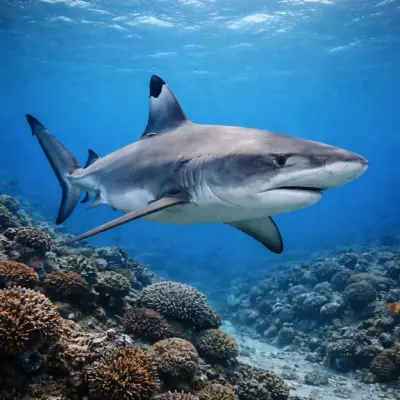
Reef shark
Year-round · occasional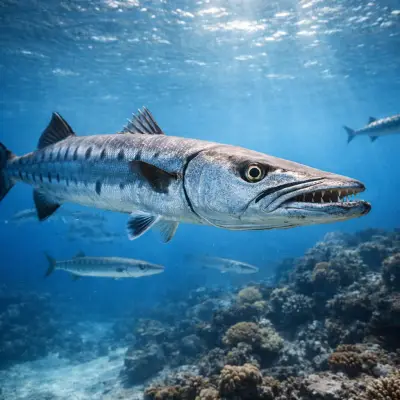
Barracuda
Year-round · occasional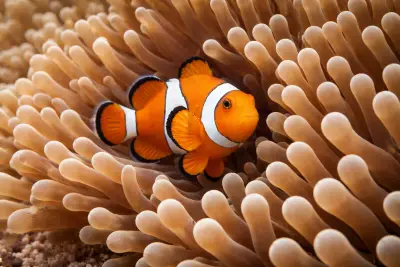
Clownfish
Year-round · common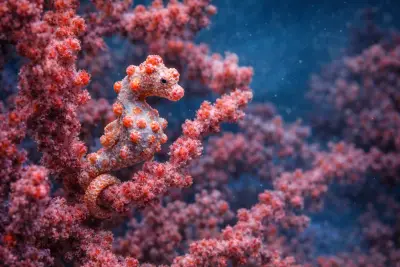
Pygmy seahorse
Year-round · occasional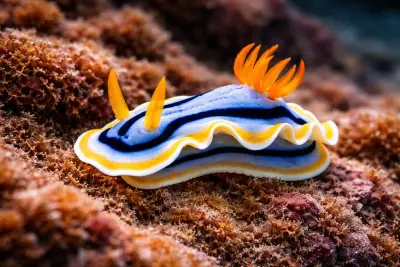
Nudibranchs
Year-round · common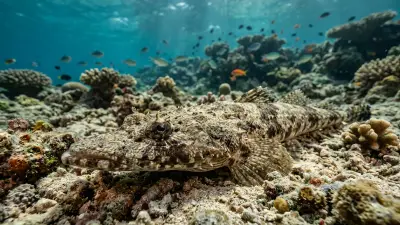
Crocodile fish
Year-round · occasional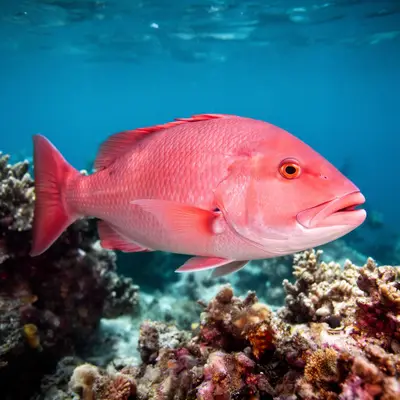
Snapper
Year-round · common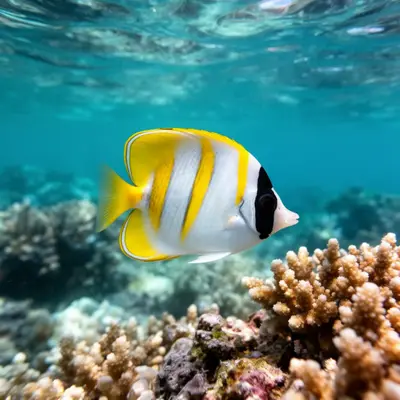
Butterflyfish
Year-round · common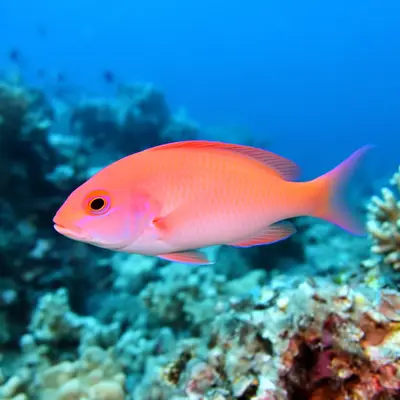
Anthias
Year-round · common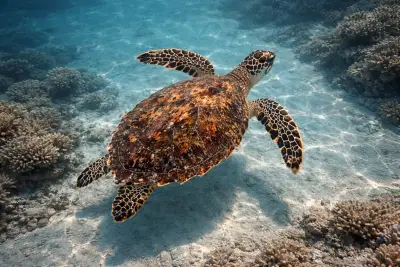
Hawksbill turtle
Year-round · occasionalDive profile & how the dive runs
Dives at Crocodile Reef typically begin with a tender drop-off directly over the reef, allowing for immediate exploration. You'll descend onto a vibrant hard coral garden in shallower depths, gradually moving towards the reef slope. The general route follows the contour of the reef, keeping the wall or slope on one side. Depths can range from 5 meters on the reef crest to over 30 meters along the deeper sections. Pay attention to both macro life nestled within the corals and larger fish cruising in the blue. The turn point is usually determined by air consumption and bottom time, with the final ascent typically made along the shallower reef top. Your safety stop will be comfortably conducted in the 5-meter zone, surrounded by a wealth of small reef fish and soft corals.
Underwater photography
Crocodile Reef presents excellent opportunities for both wide-angle and macro photography. For wide-angle shots, a fisheye or wide-angle rectilinear lens will capture the expansive hard coral gardens and vibrant reef formations. The clear water and ambient light penetration in shallower areas are ideal for showcasing the reef's scale. For macro subjects, a dedicated macro lens will be essential to highlight the pygmy seahorses, nudibranchs, and other fascinating small creatures that inhabit the corals. Due to the generally mild currents, stable buoyancy is achievable, allowing for precise framing. Consider using strobes for macro to bring out true colors and add contrast, and for wide-angle to illuminate shadows and emphasize foreground subjects against the blue.
Combine with nearby dive sites
- Munda - Shark Point
Munda’s Shark Point, located in the Solomon Islands' Western Province, is a renowned dive site offering thrilling encounters with large…
- Marovo Lagoon - Coral Gardens
Marovo Lagoon, a UNESCO World Heritage site and the planet's largest saltwater lagoon, is a crown jewel of diving in the Solomon Islands.
- Njari Island - Manta Point
Njari Island's Manta Point is a renowned dive site within the Solomon Islands, celebrated for its consistent manta ray sightings.
- Gatokae - Kavalapu
Gatokae - Kavalapu is a prime dive site situated off Gatokae Island within the Solomon Islands' Western Province.
Getting there & logistics
Access to Kolombangara's Crocodile Reef primarily involves flying into Honiara International Airport (HIR) from major hubs like Brisbane. From Honiara, divers typically take domestic flights with Solomon Airlines to Munda (MUA) or Gizo (GZO) in the Western Province, which serve as common liveaboard departure points. Liveaboard trips in the Solomon Islands usually span 7 to 14 days, incorporating multiple dive sites across various island groups, including Kolombangara. While there are no specific park fees for Crocodile Reef, liveaboard costs typically cover all diving, accommodation, and meals. It is advisable to book liveaboard packages well in advance due to limited availability of vessels in this remote destination.
Safety & environment
Diving in the Solomon Islands requires careful attention to safety protocols due to the remote nature of the region. The nearest recompression chamber is approximately 1,500 miles away in Townsville, Australia. In the event of a dive emergency requiring recompression, an evacuation would involve a helicopter transfer to Honiara, followed by a specialized KingAir turboprop flight to Townsville. This process is complex, time-consuming, and expensive, underscoring the critical importance of conservative dive practices and comprehensive dive accident insurance, such as DAN. Divers should always follow their dive computer limits, maintain adequate hydration, and perform safety stops diligently. Site-specific briefings will cover any localized hazards, and adhering to the instructions of experienced local dive guides is paramount.
Who it suits — and who it doesn't
Suited for
- Experienced divers seeking pristine reefs
- Underwater photographers (macro and wide-angle)
- Divers interested in diverse marine life
- Those who appreciate uncrowded dive sites
- Liveaboard enthusiasts
Less suited for
- Beginners without adequate supervision
- Divers unwilling to travel to remote destinations
- Individuals with severe claustrophobia (due to potential evacuation scenarios)
- Budget-conscious travelers
- Divers seeking strong drift dives exclusively
FAQ
Kolombangara - Crocodile Reef FAQ
What kind of marine life can I expect to see at Crocodile Reef?
Crocodile Reef boasts a rich variety of marine life, from numerous species of hard and soft corals to diverse reef fish. You can expect to encounter colorful butterflyfish, anthias, and various snappers, with occasional sightings of reef sharks and barracuda. The site is also excellent for macro enthusiasts, offering pygmy seahorses, a wide array of nudibranchs, and the intriguing crocodile fish.
Are the currents strong at Crocodile Reef?
Generally, the currents at Crocodile Reef are mild, making it an accessible dive site for a range of diver skill levels. Dive operators typically plan entries and routes to minimize any strong resistance. While occasional stronger currents can occur, especially at certain points, they are usually manageable, and guides will brief you accordingly.
What is the visibility like at Crocodile Reef?
Visibility at Crocodile Reef is consistently excellent throughout the year. It often ranges from 20 to 40 meters (65 to 130 feet), providing clear views of the vibrant coral formations and abundant marine life. This superb clarity makes it an ideal location for underwater photography and enjoying the extensive reef ecosystems.
How do I get to Crocodile Reef in Kolombangara?
Reaching Crocodile Reef typically involves flying into Honiara International Airport (HIR) from international destinations. From Honiara, you would then take a domestic flight to Munda (MUA) or Gizo (GZO) in the Western Province. Most divers explore this region via liveaboard, which departs from these local hubs and includes Crocodile Reef as part of their itinerary.
Is Crocodile Reef suitable for beginner divers?
Crocodile Reef is generally suitable for open water certified divers, thanks to its typically mild currents and excellent visibility. However, due to the remote location of the Solomon Islands and the need for good buoyancy control to protect the pristine corals, some prior dive experience is beneficial. Always dive within your training limits and with a qualified guide.
What is the best time of year to dive Crocodile Reef?
The best time to dive Crocodile Reef is during the dry season, which runs from April to November. During these months, the weather is typically drier, resulting in calmer seas and optimal visibility. Water temperatures remain consistently warm year-round, ranging from 28-30°C, ensuring comfortable diving conditions.
Why dive Kolombangara - Crocodile Reef from a liveaboard?
Kolombangara - Crocodile Reef is one of Solomon Islands's signature dive sites. A liveaboard sleeps you on the water and puts you in the water for three to four guided dives per day, including dawn and night dives that day-boat operators rarely offer. You skip the daily commute back to port and reach quieter, less-crowded sites in the same region on a single trip.
Below are the liveaboards that include Kolombangara - Crocodile Reef on their Solomon Islands itineraries.
Liveaboards diving Kolombangara - Crocodile Reef
These liveaboards may visit Kolombangara - Crocodile Reef on selected itineraries — the exact dive sites depend on departure, weather and conditions.
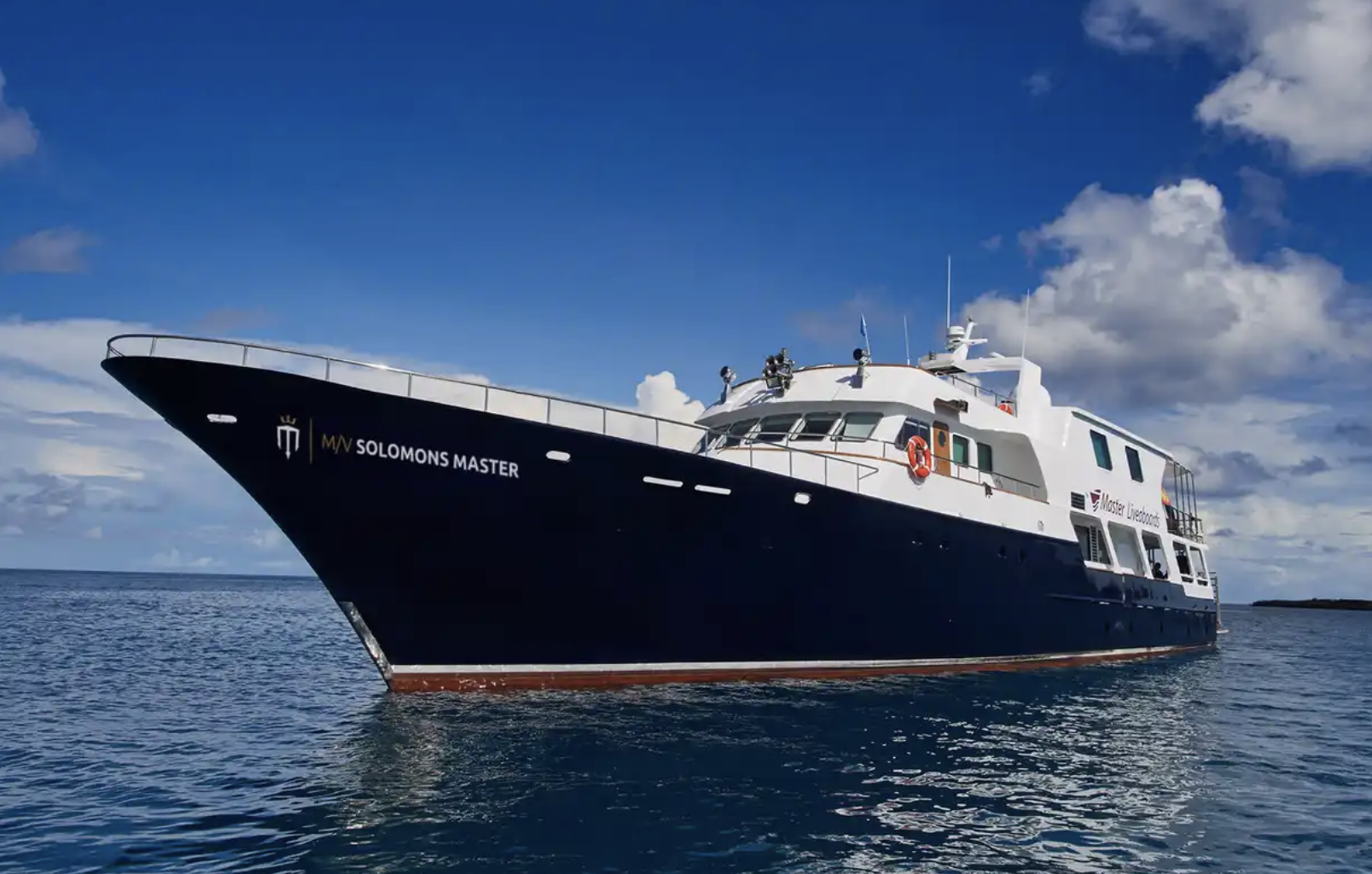
Solomons Master
Solomon Islands
16 guests
$401/day
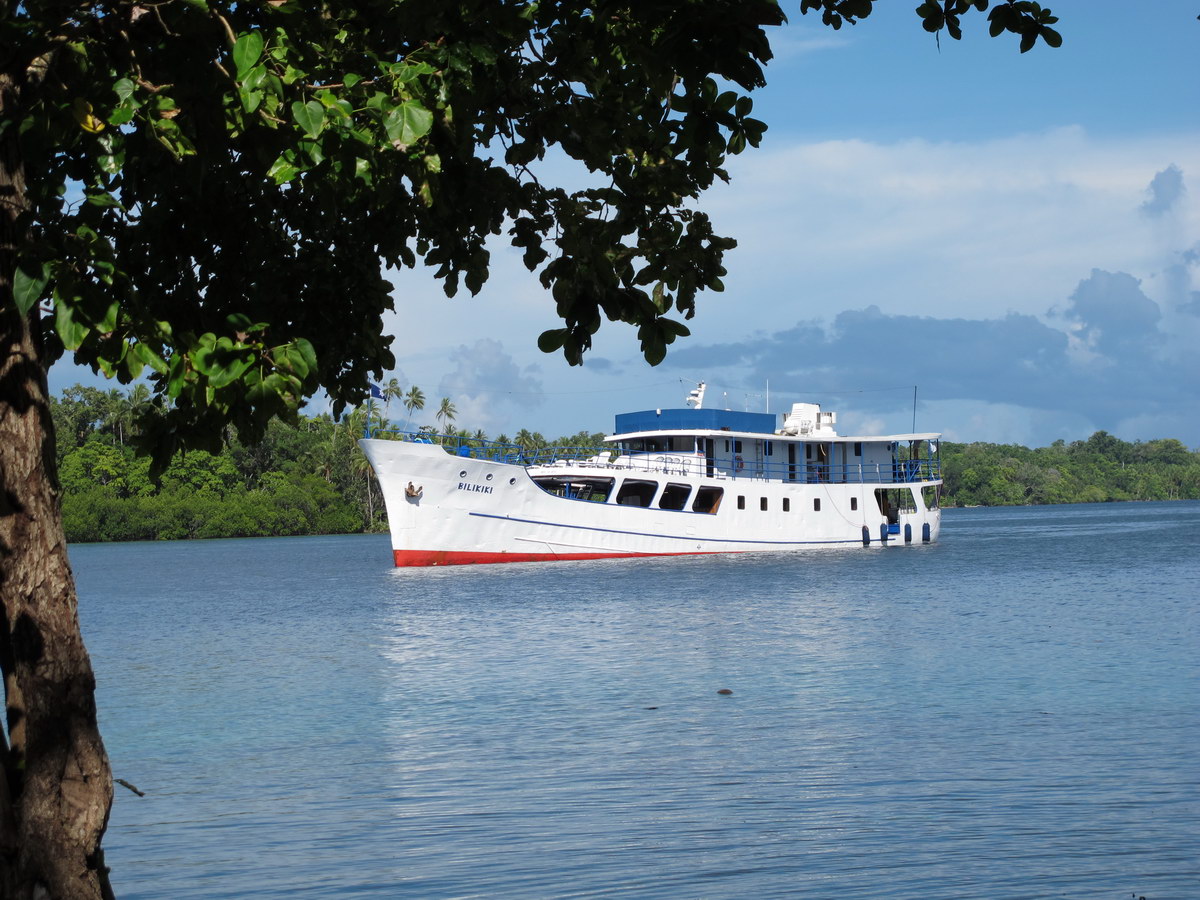
Emperor Bilikiki
Solomon Islands
20 guests38 m
$569/day
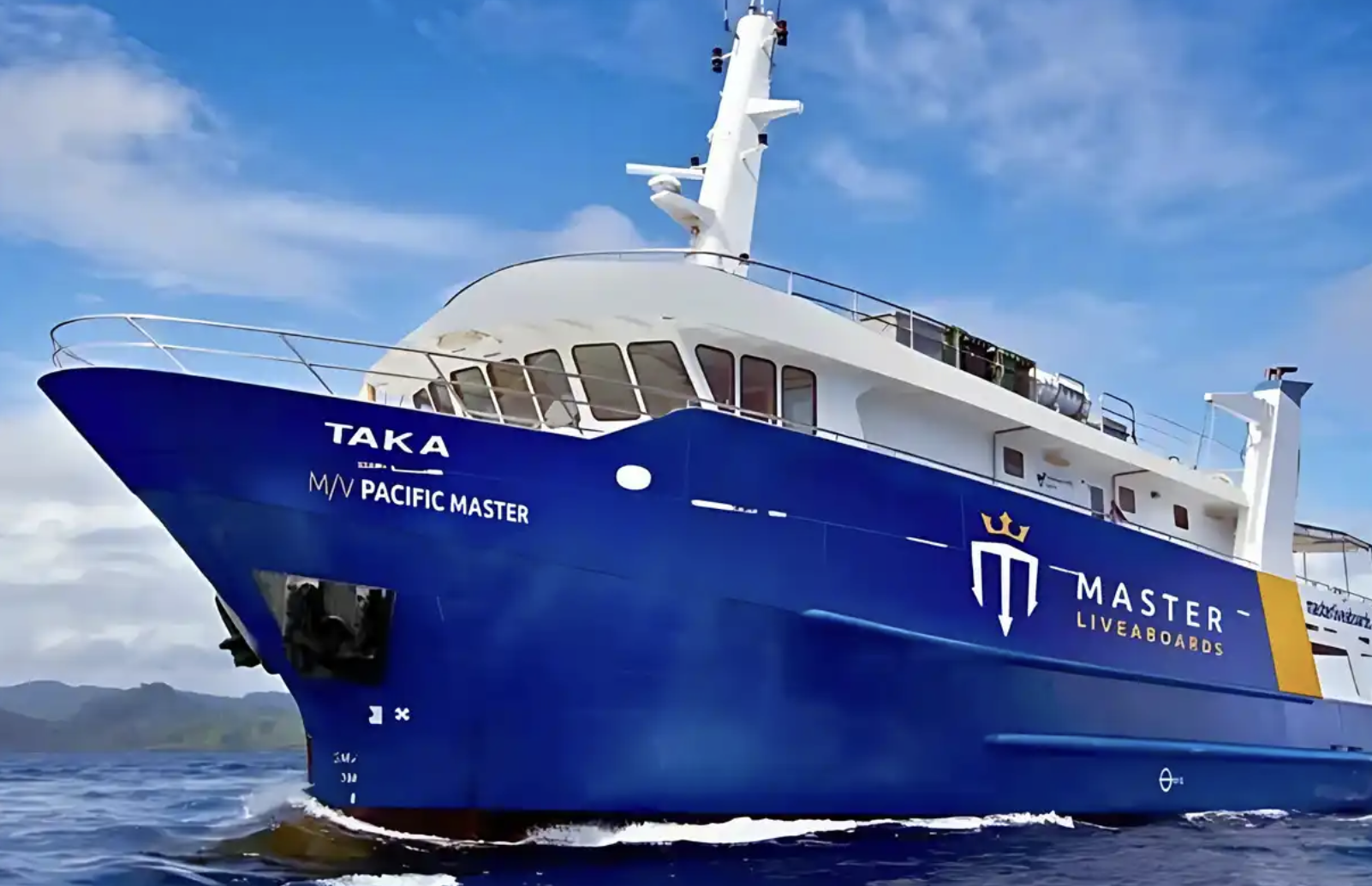
Pacific Master
Solomon Islands
20 guests30 m
$268/day
Dive sites similar to Kolombangara - Crocodile Reef
Same character, same waters — six more sites divers love for the exact same reasons.Compare seasons, access and liveaboard routes — then pick the site that fits your trip best.
© Esri — Maxar, Earthstar, GIS
Karumolun Point
Solomon Islands
Karumolun Point, nestled in the Russell Islands, stands as a prime example of the Solomon Islands' untouched marine beauty.
- Suitable for
- Advanced
- Current
- Strong
- Access
- Liveaboard only
- Depth
- 8–35 m
- Theme
- Pinnacle / Wall
© Esri — Maxar, Earthstar, GIS
Mary Island
Solomon Islands
Mary Island, often referred to as Mary's Island, is a celebrated dive destination in the Solomon Islands, renowned for its pristine marine environment and abundant large marine life.
- Suitable for
- Intermediate
- Current
- Mild
- Access
- Liveaboard only
- Depth
- 5–35 m
- Theme
- Wall
© Esri — Maxar, Earthstar, GIS
Marovo Lagoon - Coral Gardens
Solomon Islands
Marovo Lagoon, a UNESCO World Heritage site and the planet's largest saltwater lagoon, is a crown jewel of diving in the Solomon Islands.
- Suitable for
- Beginner
- Current
- Moderate
- Access
- Liveaboard only
- Depth
- 3–15 m
- Theme
- Reef
© Esri — Maxar, Earthstar, GIS
Mbigo Mbigo
Solomon Islands
Mbigo Mbigo is a renowned dive site located in the Western Province of the Solomon Islands, accessible from Munda.
- Suitable for
- Beginner
- Current
- Mild
- Access
- Liveaboard only
- Depth
- ≤ 25 m
- Theme
- Reef
© Esri — Maxar, Earthstar, GIS
Mbulo Island
Solomon Islands
Mbulo Island, a crown jewel within the immense Marovo Lagoon in the western Solomon Islands, is renowned for its distinctive underwater topography.
- Suitable for
- Intermediate
- Current
- Mild
- Access
- Liveaboard only
- Depth
- ≤ 20 m
- Theme
- Cavern / Reef