About HP Reef
HP Reef, also called 'Rainbow Reef', is a renowned dive site in the North Malé Atoll, celebrated for its exceptional coral health and abundant marine life. This thila, an underwater pinnacle, forms a V-shaped channel that funnels nutrient-rich water from the open ocean into the lagoon, creating a dynamic environment that attracts a diverse array of species. It's often highlighted as the "soft-coral capital" of the Maldives, with extensive formations blanketing the reef walls and overhangs. The site's topography features dramatic overhangs, fascinating caves, and impressive coral blocks, including a signature vertical chimney swim-through. Depths range from 5 to 30 meters, with some areas extending deeper, though the most vibrant activity is typically found in the upper and mid-depths. The current, which can be strong, necessitates drift diving, offering an exhilarating experience as you glide past schools of fish and patrolling sharks. HP Reef is a year-round destination, though the northeast monsoon from November to April offers the calmest seas and exceptional visibility. During this period, predictable currents on incoming tides maximize shark sightings. The site is a magnet for pelagic action, with frequent encounters of grey reef sharks, eagle rays, and large schools of barracuda and tuna. The thriving soft corals, in a blaze of blue, orange, and yellow, create breathtaking underwater scenes. Diving here typically involves a negative entry into the blue, followed by a controlled descent to the reef. Divers often use reef hooks to secure themselves and observe the passing marine spectacle. The dive concludes with a safety stop on a shallower plateau, where the current gently carries you for pickup. This site promises an adrenaline-filled dive and an immersive encounter with the Maldivian underwater world.
Highlights
Vibrant soft coral gardensFrequent grey reef shark encountersExhilarating drift divingImpressive coral formations and overhangsSignature chimney swim-throughRich pelagic actionCrystal-clear visibility
Season calendar
Best months to dive here
Jan
Feb
Mar
Apr
May
Jun
Jul
Aug
Sep
Oct
Nov
Dec
Good
Dive site facts: HP Reef
- Depth
- 5–30 m
- Typical dive
- 15–25 m, 40–50 min
- Current
- Moderate to strong
- Visibility
- 25–40 m
- Water temperature
- 25–30 °C
- Entry
- Back-roll / negative entry
- Level
- Advanced Open Water
- Dive type
- Drift, channel, soft coral, shark
- Night dive
- Possible (select conditions)
- Region / port
- North Malé Atoll
- Coordinates
- 4.288, 73.529
Conditions & Currents
HP Reef is characterized by consistently strong currents, classifying it as an advanced drift dive site. These currents, which can reach up to three knots on an incoming tide, are funneled through the V-shaped channel, bringing nutrient-rich waters that fuel the abundant marine life. Divers must be proficient in buoyancy control and current management; a reef hook is considered non-negotiable for securely observing the action. Entry is typically a back-roll into the blue, requiring quick equalization and descent. While exhilarating, the strong current means that once it grabs you, it won't let go, necessitating careful planning for entry, exit, and the dive profile. Visibility is generally excellent, often exceeding 30 meters, though plankton blooms during the southwest monsoon can slightly reduce it while increasing pelagic activity.
Marine life & sighting chances

Grey Reef Shark
common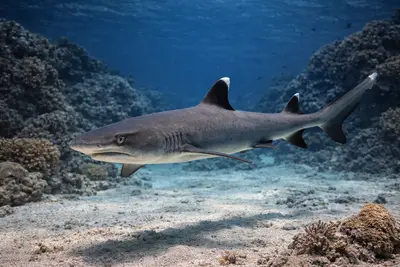
Whitetip Reef Shark
common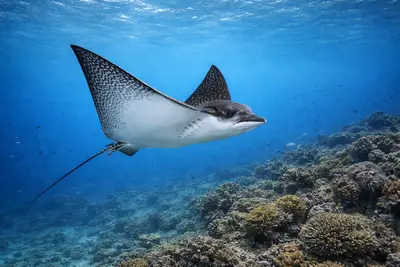
Spotted Eagle Ray
common
Great Barracuda
common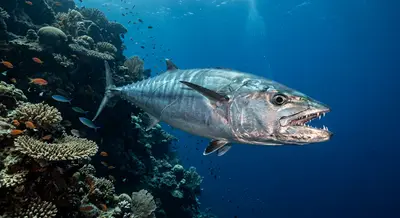
Dogtooth Tuna
common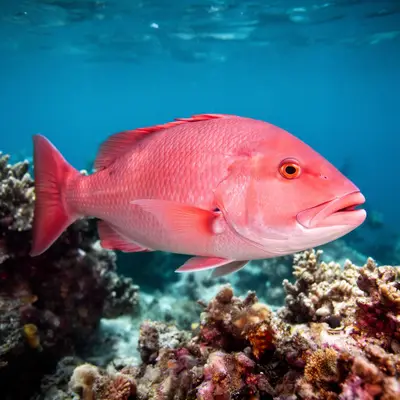
Bluestripe Snapper
common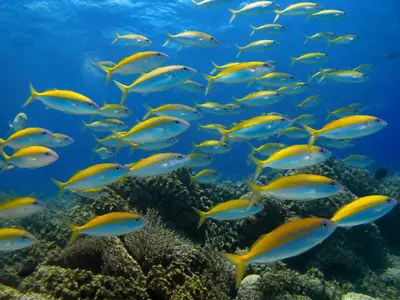
Yellowback Fusilier
common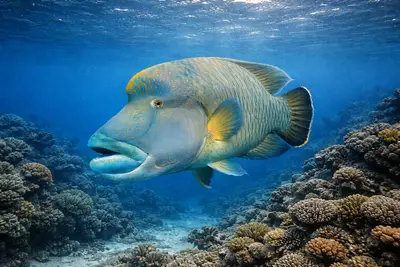
Humphead Wrasse (Napoleon)
occasional
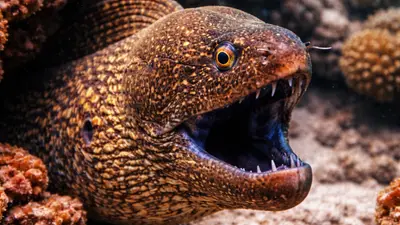
Moray Eel
occasional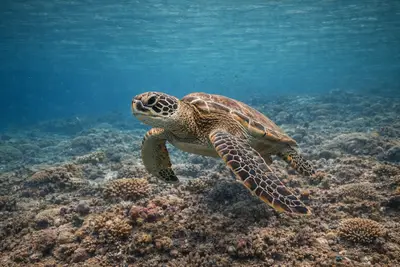
Green Sea Turtle
occasional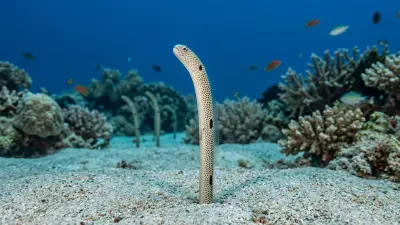
Garden Eel
commonDive profile & how the dive runs
Your dive at HP Reef begins with a back-roll entry off the dhoni, requiring a swift negative descent to combat the often-strong current. The initial objective is to reach the reef top at approximately 5 meters, allowing for equalization before being carried into the main channel. From here, you'll release your reef hook and begin an exhilarating drift, gliding past the channel walls which descend to around 20 meters. Grey reef sharks and other pelagics are frequently seen cruising the blue, while impressive soft corals blanket the reef. The dive typically progresses through the V-shaped channel, allowing the current to propel you along. The turn point is dictated by the current's flow and your guide's assessment. The dive concludes with a safety stop on a shallower plateau, often covered in garden eels, before surfacing for pickup by the dhoni, which will have followed your drift.
Underwater photography
HP Reef is a superb site for wide-angle photography, especially during the dry season when visibility can exceed 30 meters. The vibrant soft corals, in hues of blue, orange, and yellow, create a stunning backdrop for reef-scapes. A wide-angle lens is essential to capture the expansive coral gardens, dramatic overhangs, and the impressive schools of fish. Given the strong currents and fast-moving pelagics like sharks and eagle rays, a fast shutter speed is often beneficial. Strobes are highly recommended to bring out the true colors of the corals and marine life, which can otherwise appear muted at depth. Good buoyancy control is paramount for stable shots, particularly during the drift. For capturing the sheer numbers of schooling fish, waiting for a break in the current or using a reef hook can provide a stable platform. Be mindful of your positioning to avoid disturbing the delicate coral formations.
Combine with nearby dive sites
- Maafushi Corner (South Malé)
Maafushi Corner, situated in the South Malé Atoll of the Maldives, is renowned for its thrilling channel dives.
- Kandooma Thila (Cocoa Thila)
Kandooma Thila, also known as Cocoa Thila, is a world-class dive site nestled in the South Kaafu Atoll of the Maldives, just a short boat…
- Lankan Beyru
Lankan Beyru, often referred to as Manta Point, stands out as one of the Maldives' most iconic dive destinations, celebrated primarily for…
- Emas Thila (North Malé)
Emas Thila is a renowned submerged reef pinnacle located in the South Ari Atoll, a protected Marine Protected Area in the Maldives.
- Manta Point (Lankanfinolhu)
Manta Point, also known as Lankanfinolhu, stands as a premier dive site within the North Male Atoll, celebrated for its consistent manta…
Getting there & logistics
HP Reef is primarily accessed from resorts and liveaboards operating in the North Malé Atoll. Transfers from Malé (MLE) International Airport to resorts in the North Malé Atoll typically range from 15 to 45 minutes via speedboat. Liveaboards are often the most efficient way to dive HP Reef, as it is a standard stop on many North Malé itineraries, allowing divers to explore multiple sites over several days. For land-based divers, resorts like Kurumba (15 min), Bandos (20 min), or Club Med Kani (25 min) offer quick speedboat transfers. Longer transfers, up to 45 minutes, are common from resorts on the western side of the atoll, often combining HP Reef with other eastern sites in a full-day excursion. Park fees may apply as HP Reef is a protected Marine Protected Area (MPA). Liveaboard trips typically range from 7 to 10 days, offering comprehensive exploration of the region.
Safety & environment
Diving HP Reef requires careful attention to safety due to consistently strong currents and the presence of overhead environments such as caves and swim-throughs. Divers must possess an Advanced Open Water certification and demonstrate excellent buoyancy control and experience with drift diving. A reef hook is considered essential equipment for managing the current and observing marine life safely. Always dive with an experienced guide who is familiar with the local conditions and can effectively manage the drift profile. Be aware of potential boat traffic in the area, particularly around MPA moorings. The nearest recompression chamber is located in Malé, typically within a 5-kilometer radius, making evacuation relatively straightforward. Comprehensive dive insurance is highly recommended to cover any potential medical emergencies.
Who it suits — and who it doesn't
Suited for
- Advanced Open Water divers with drift experience
- Divers seeking adrenaline-filled current dives
- Photographers focusing on wide-angle pelagic and coral shots
- Divers interested in shark encounters and large schools of fish
- Those comfortable with negative entries and strong currents
Less suited for
- Open Water novices or newly certified divers
- Divers without recent drift diving experience
- Individuals with poor buoyancy control
- Those prone to seasickness, as surface conditions can be choppy
- Divers uncomfortable with overhead environments
FAQ
HP Reef FAQ
What is HP Reef known for?
HP Reef is famously known as 'Rainbow Reef' due to its exceptionally vibrant soft corals that blanket the reef walls in a spectrum of colors. It's also celebrated for its exhilarating drift dives and frequent encounters with pelagic species, particularly grey reef sharks, making it a prime location for adrenaline-filled dives in the North Malé Atoll.
What kind of marine life can I expect to see at HP Reef?
At HP Reef, you can anticipate seeing a rich diversity of marine life, including common sightings of Grey Reef Sharks, Whitetip Reef Sharks, and Spotted Eagle Rays. Large schools of Great Barracuda, Dogtooth Tuna, Bluestripe Snapper, and Yellowback Fusiliers are also prevalent. Occasional encounters with Humphead Wrasse (Napoleon) and rare sightings of Scalloped Hammerhead Sharks add to the excitement.
How strong are the currents at HP Reef?
The currents at HP Reef are consistently strong, often reaching up to three knots on an incoming tide. This makes it an advanced drift dive site, requiring divers to have excellent buoyancy control and experience in current management. A reef hook is considered essential equipment to manage the drift safely and observe the marine action.
Is HP Reef suitable for beginner divers?
No, HP Reef is not suitable for beginner divers. It is classified as an advanced dive site due to its strong currents and the necessity for drift diving experience. Most operators require a minimum of Advanced Open Water certification and often recommend at least 20 logged dives with recent drift experience to ensure diver safety and enjoyment.
What is the typical dive profile for HP Reef?
A typical dive at HP Reef involves a back-roll negative entry into the water, followed by a swift descent to approximately 5 meters on the reef top. Divers then unclip their reef hooks to begin an exhilarating drift along the V-shaped channel, observing marine life at depths ranging from 15 to 25 meters. The dive concludes with a safety stop on a shallower plateau before surfacing for boat pick-up.
Why is it called 'Rainbow Reef'?
HP Reef earned its nickname 'Rainbow Reef' because of the stunning and extensive soft coral formations that adorn its walls and overhangs. These corals display a magnificent array of colors, including vibrant blues, oranges, and yellows, creating a visually spectacular underwater landscape that resembles a living rainbow.
Why dive HP Reef from a liveaboard?
HP Reef is one of Maldives's signature dive sites. A liveaboard sleeps you on the water and puts you in the water for three to four guided dives per day, including dawn and night dives that day-boat operators rarely offer. You skip the daily commute back to port and reach quieter, less-crowded sites in the same region on a single trip.
Below are the liveaboards that include HP Reef on their Maldives itineraries.
Liveaboards diving HP Reef
These liveaboards may visit HP Reef on selected itineraries — the exact dive sites depend on departure, weather and conditions.
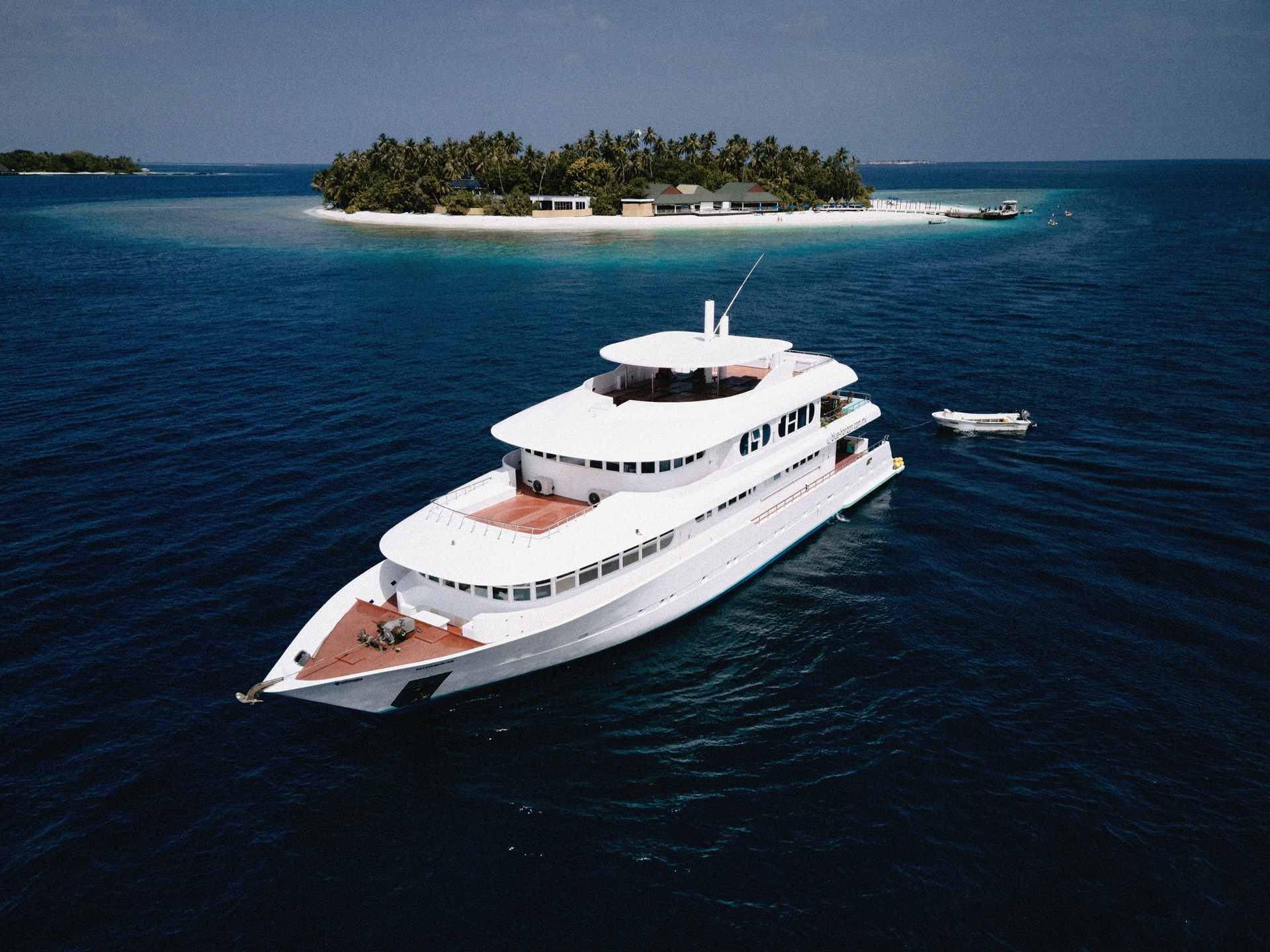
Horizon III
Maldives
25 guests
$204/day
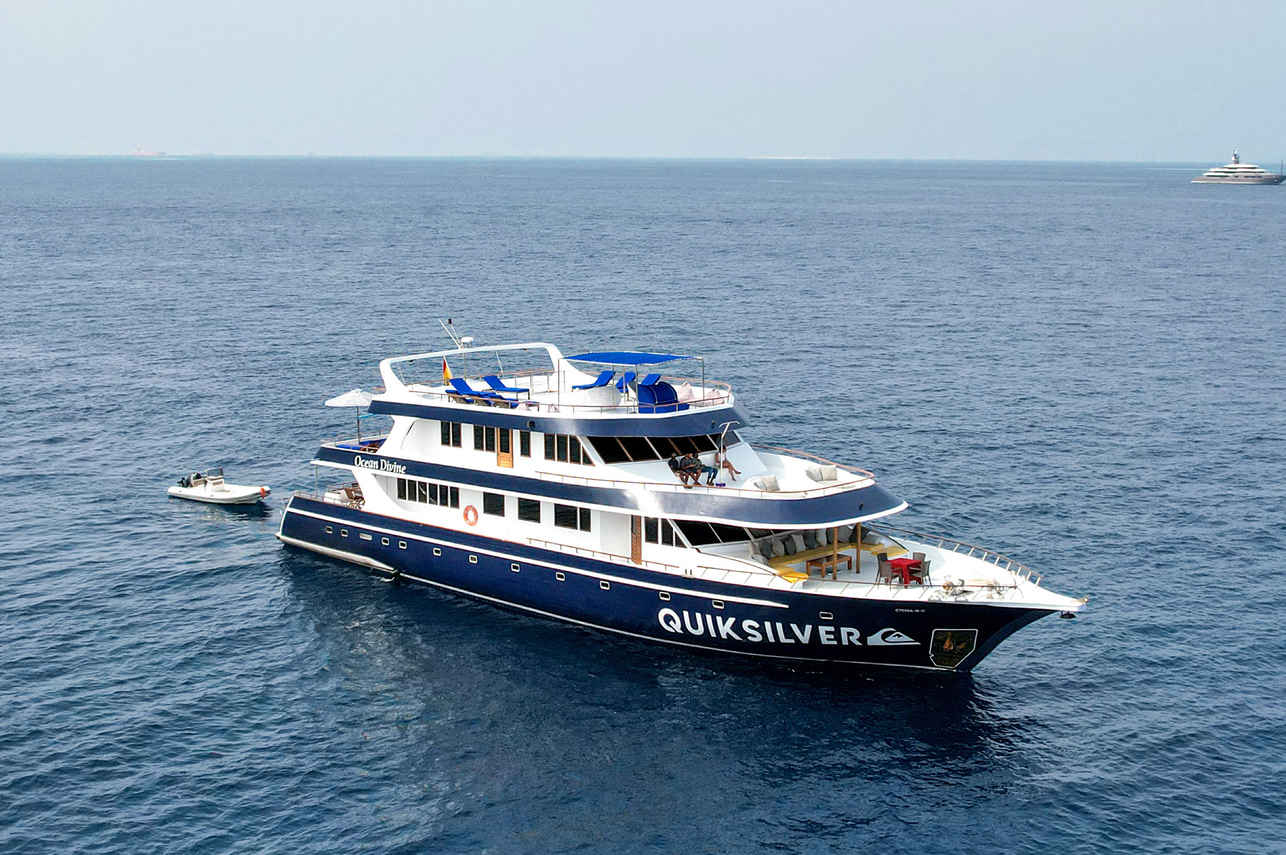
Ocean Divine
Maldives
16 guests33.528 m
$287/day
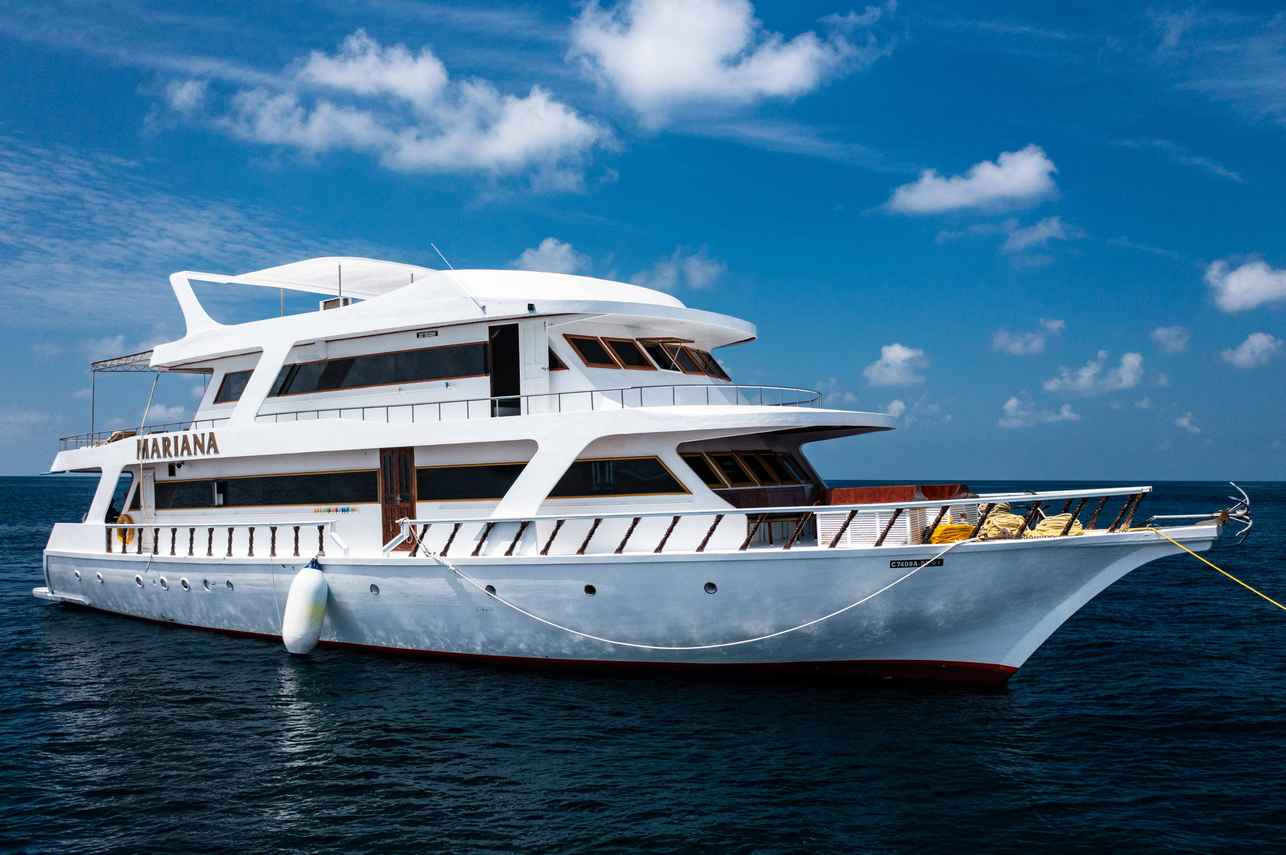
EcoPro Mariana
Maldives
16 guests30 m
$236/day
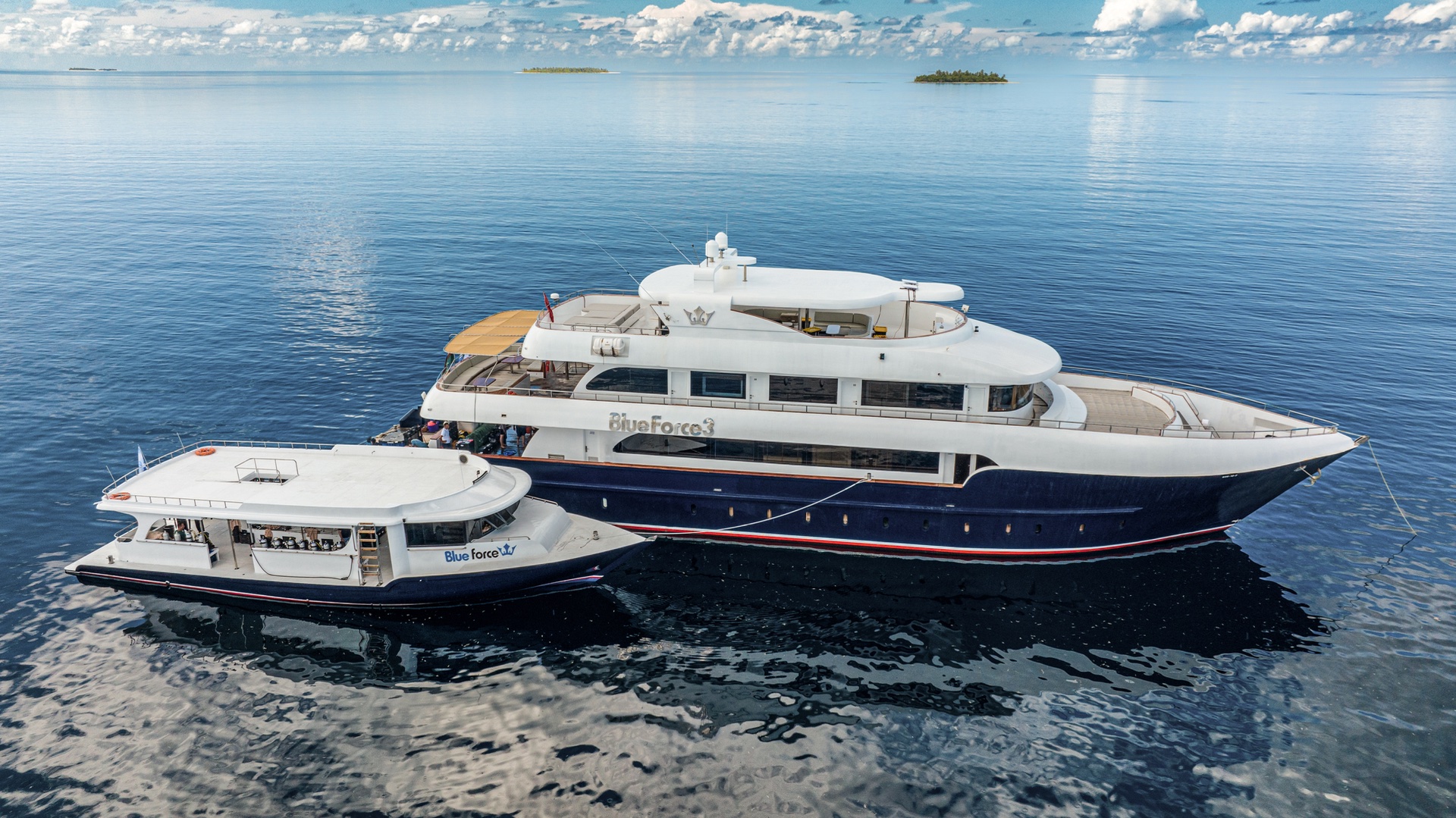
Maldives Blue Force 3
Maldives
26 guests42 m
$236/day
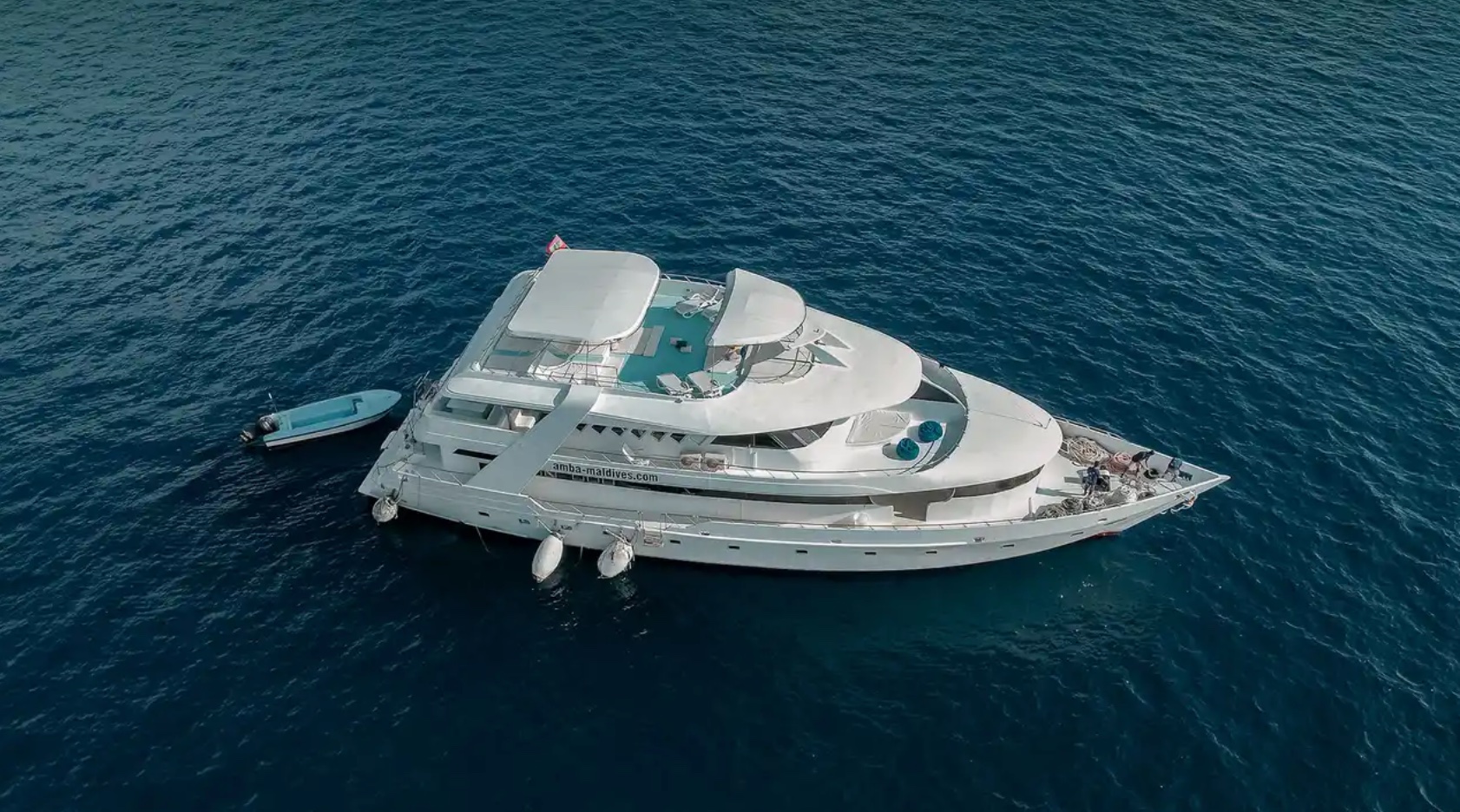
Amba
Maldives
20 guests
$178/day
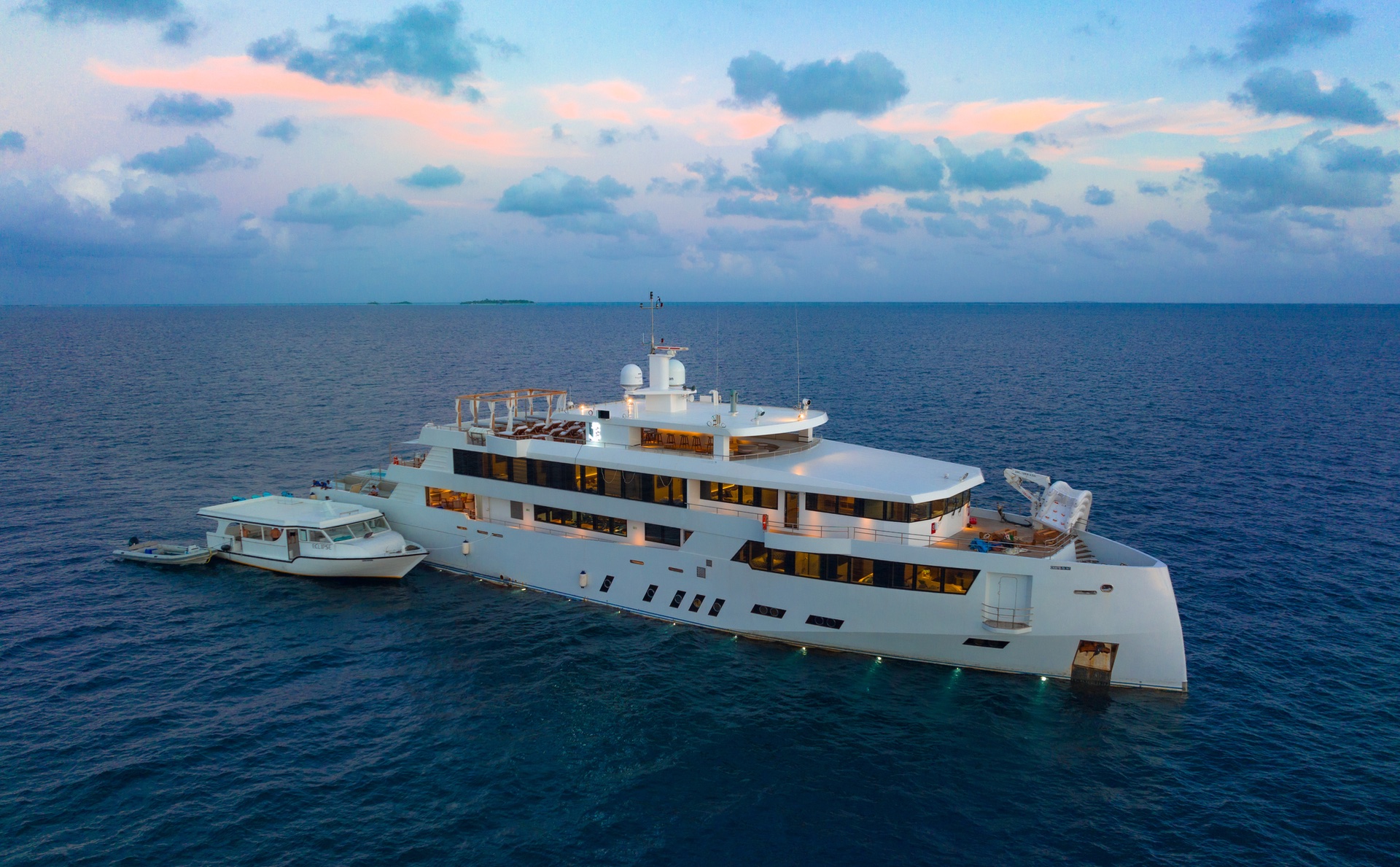
White Pearl
Maldives
26 guests
$387/day
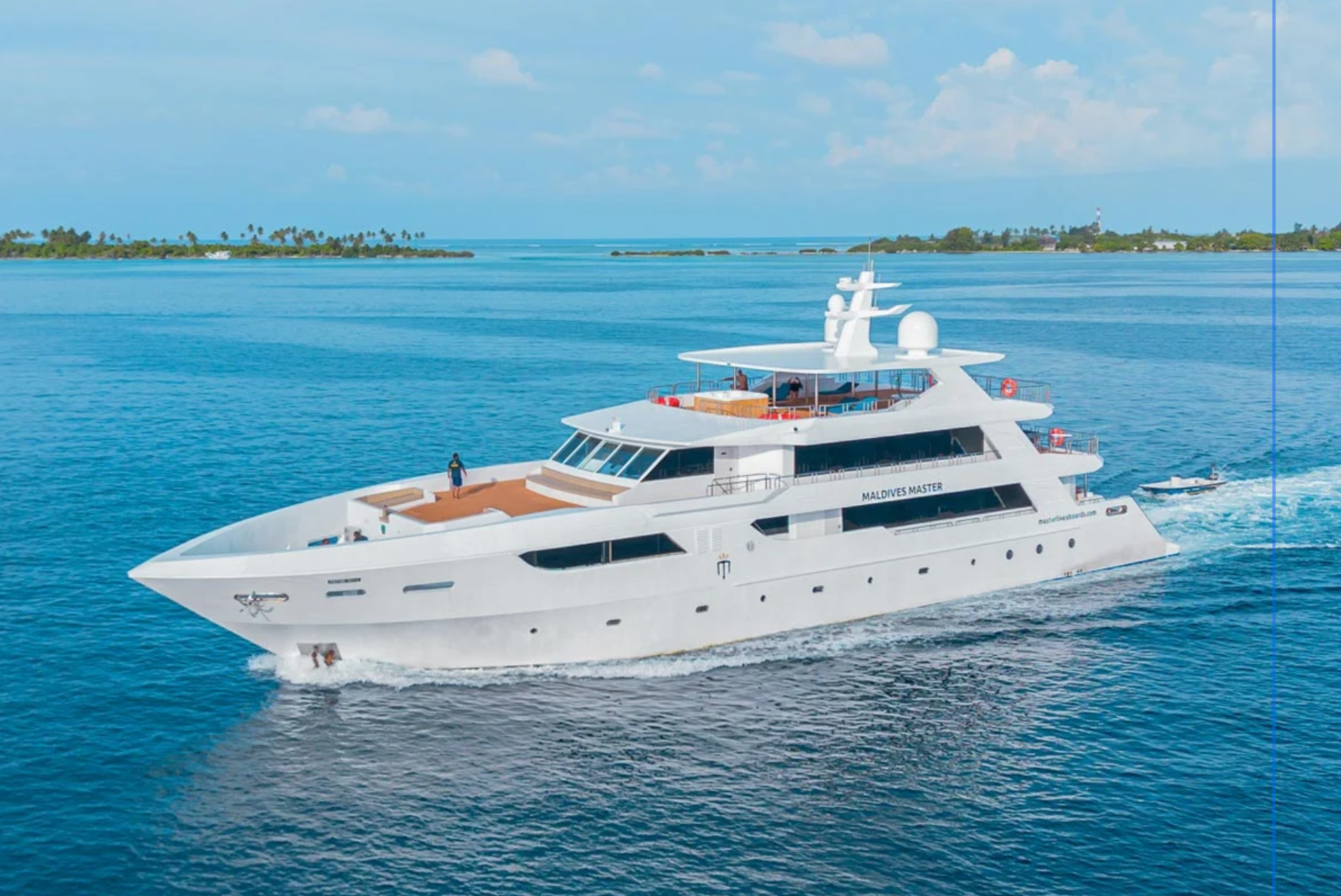
Maldives Master
Maldives
26 guests
$207/day
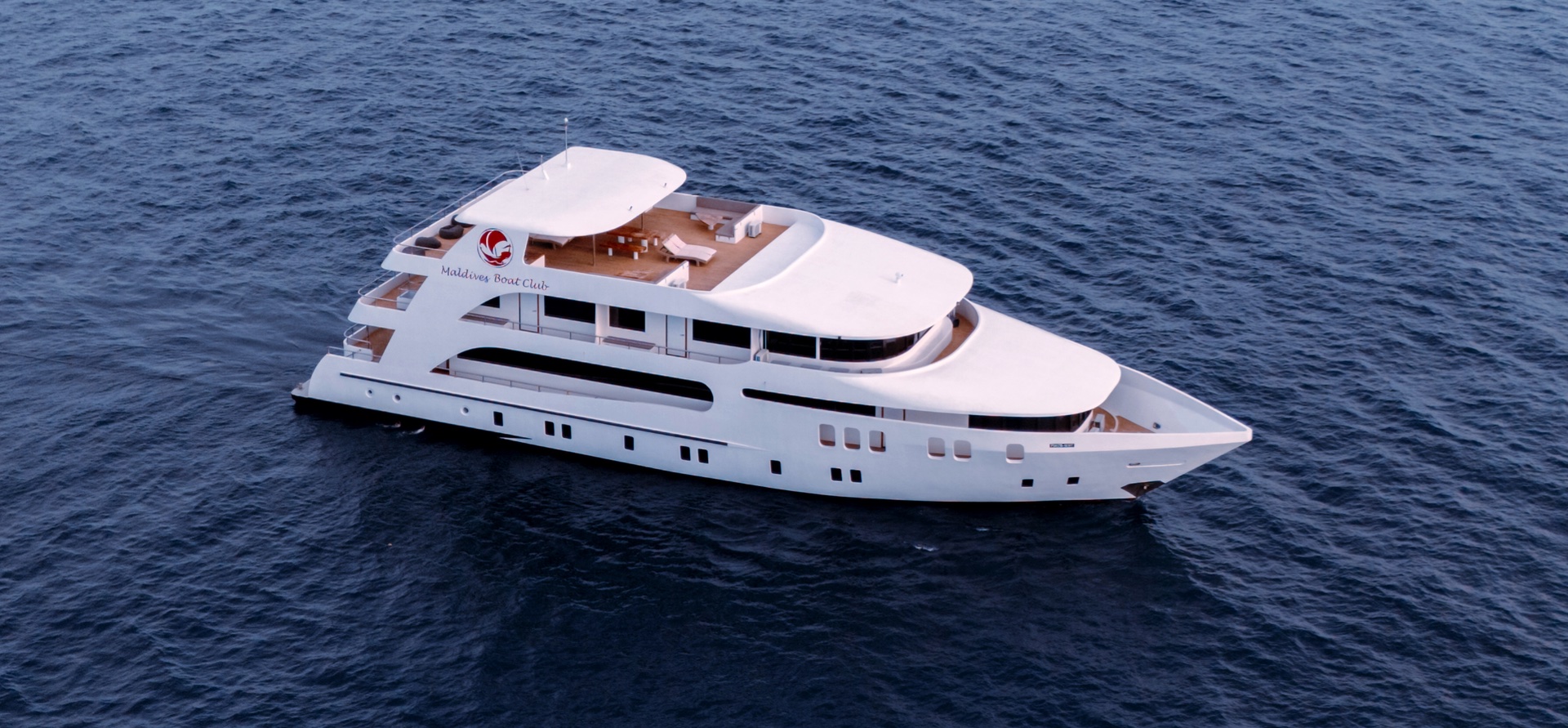
Adora
Maldives
22 guests
$287/day
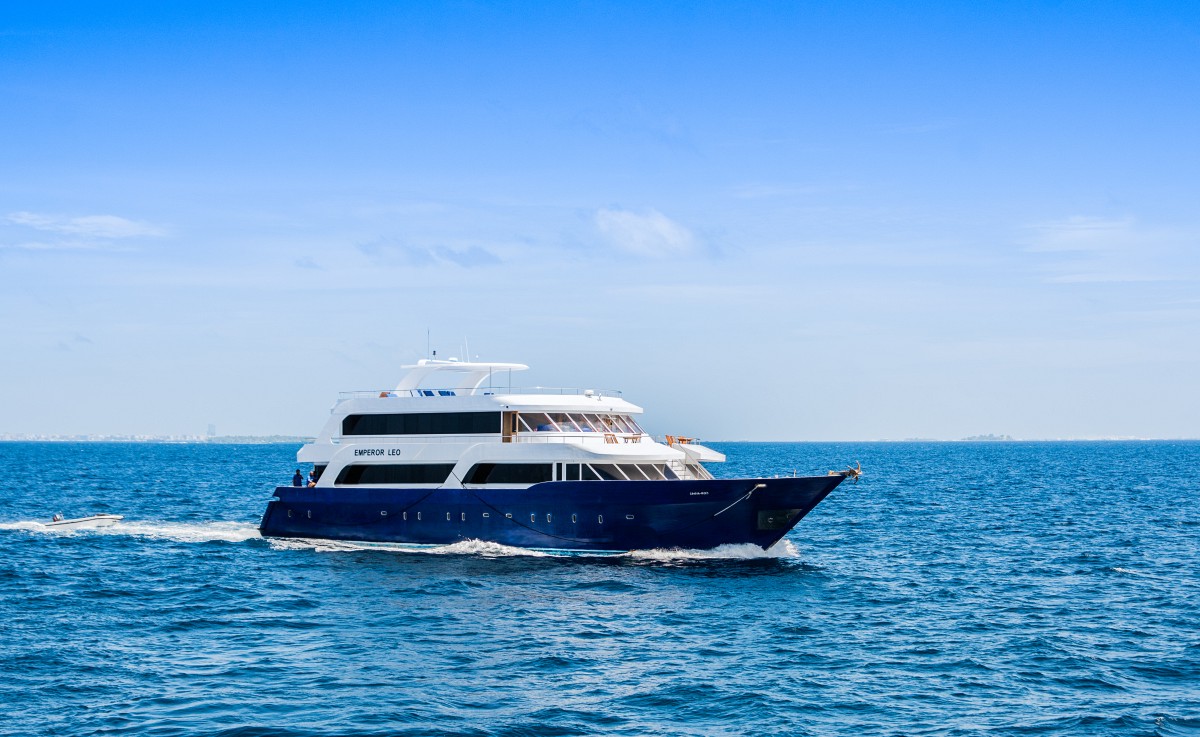
Emperor Leo
Maldives
24 guests35.1 m
$339/day
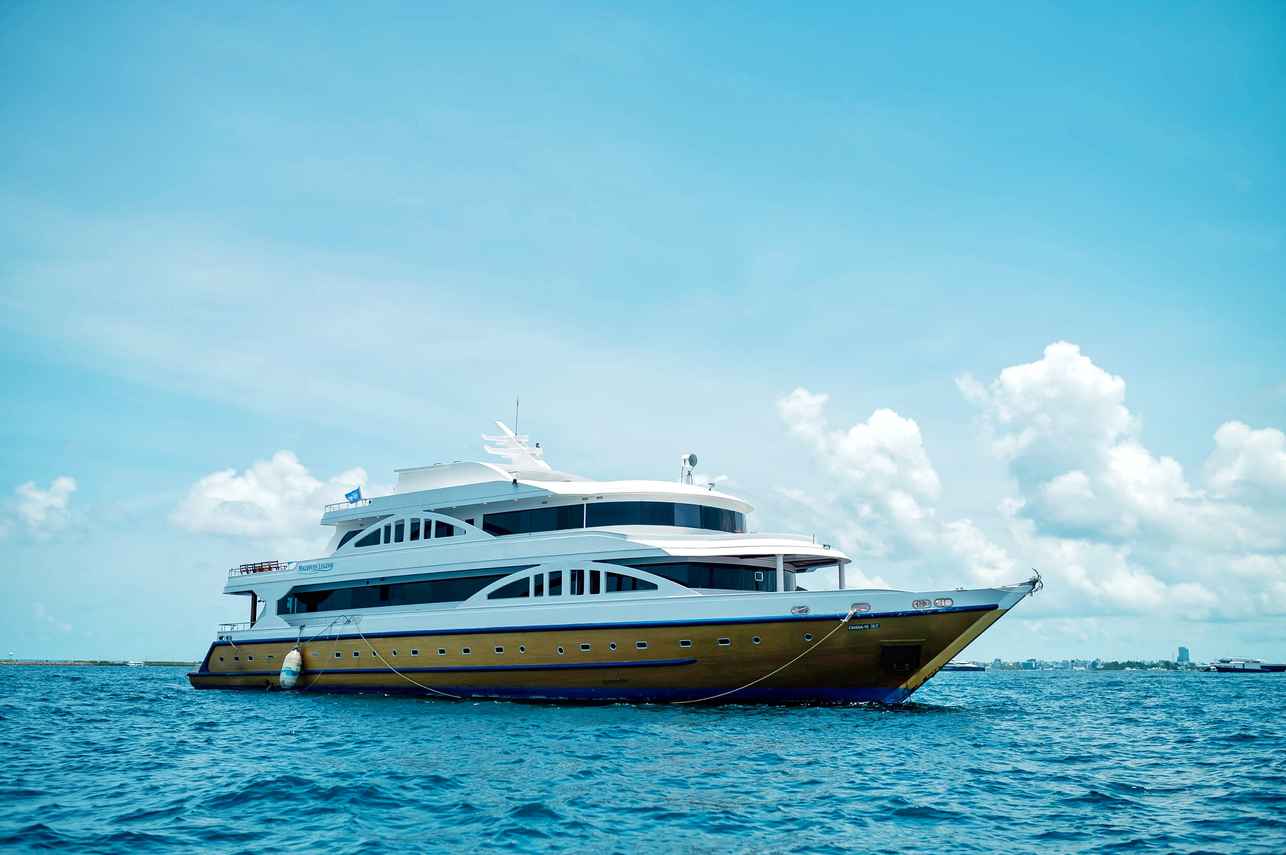
Maldives Legend Zen
Maldives
24 guests41 m
$316/day
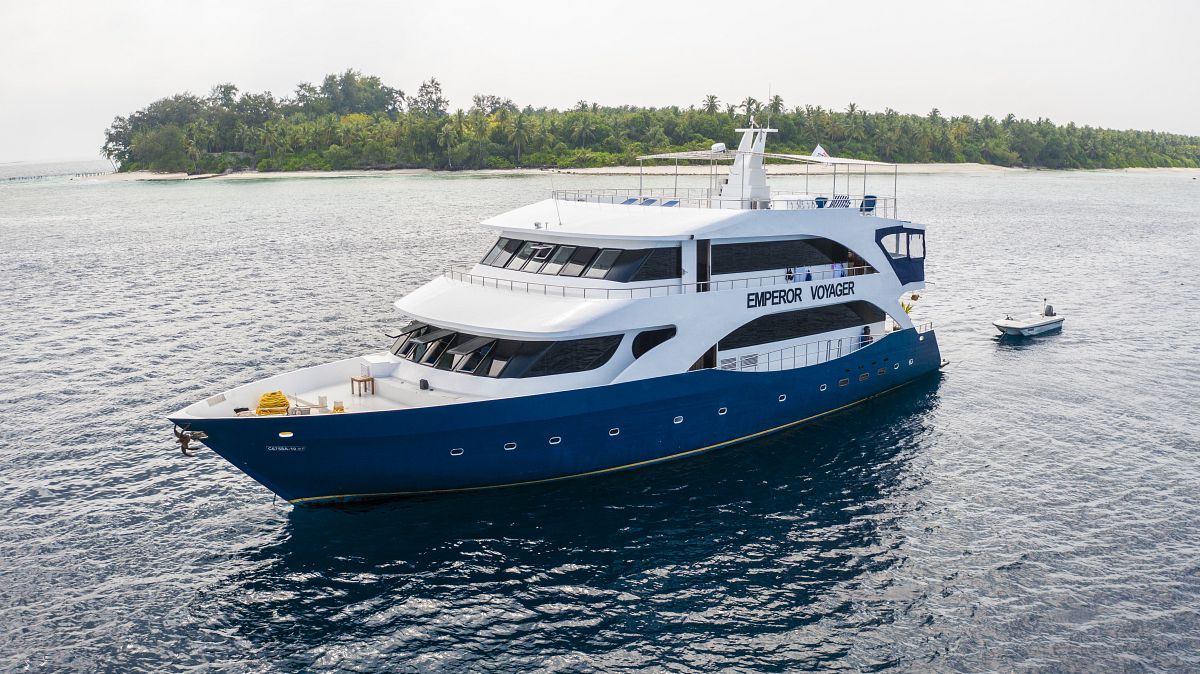
Emperor Voyager
Maldives
20 guests29.9 m
$332/day
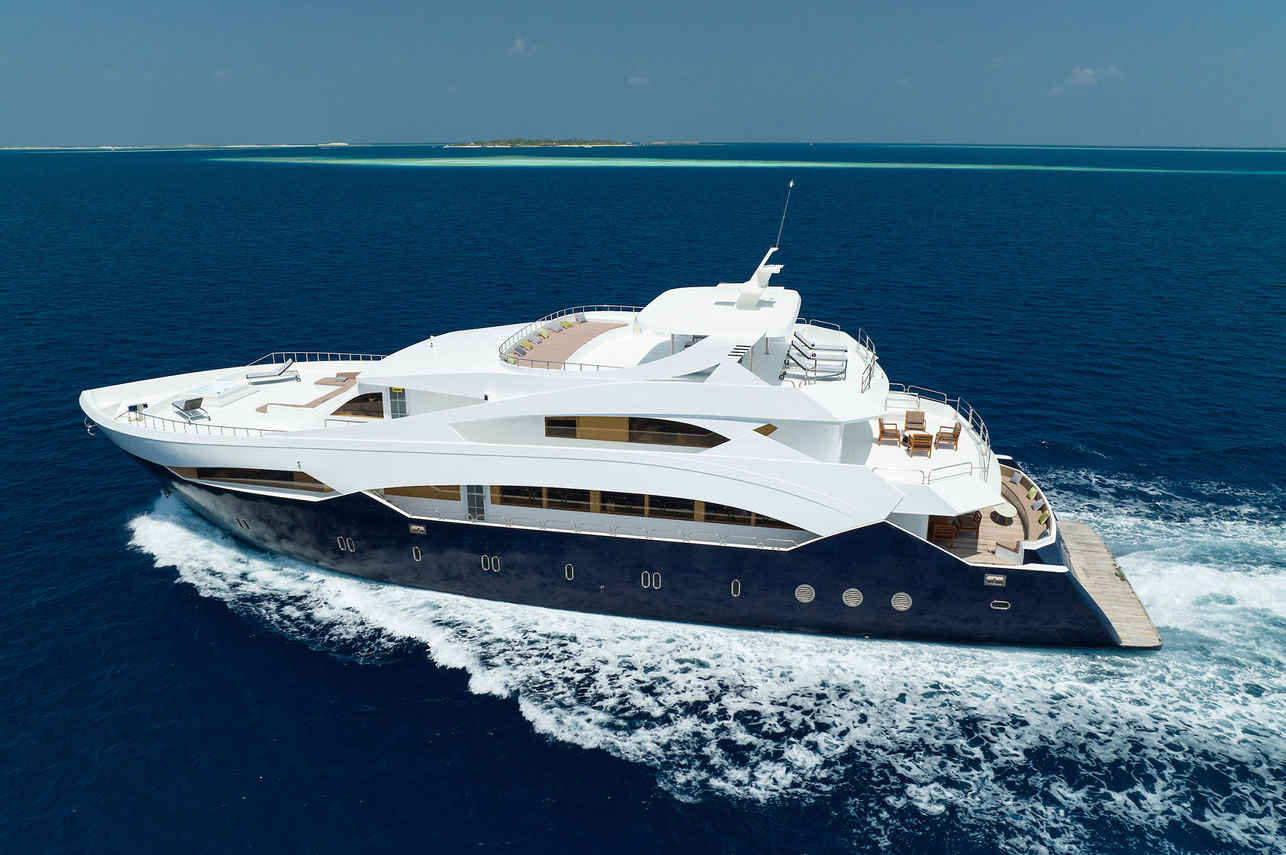
Felicity
Maldives
26 guests41 m
$229/day
Dive sites similar to HP Reef
Same character, same waters — six more sites divers love for the exact same reasons.Compare seasons, access and liveaboard routes — then pick the site that fits your trip best.
© Esri — Maxar, Earthstar, GIS
Emas Thila (North Malé)
Maldives
Emas Thila is a renowned submerged reef pinnacle located in the South Ari Atoll, a protected Marine Protected Area in the Maldives.
- Suitable for
- Intermediate
- Current
- Strong
- Access
- Liveaboard or dayboat
- Depth
- 8–30 m
- Theme
- Cave & cavern / Pinnacle
© Esri — Maxar, Earthstar, GIS
Kudimaa Wreck
Maldives
The Kudimaa Wreck is a compelling dive site in the Maldives, offering a fascinating artificial reef environment.
- Suitable for
- Advanced
- Current
- Moderate
- Access
- Liveaboard only
- Depth
- ≤ 30 m
- Theme
- Wreck / Reef
© Esri — Maxar, Earthstar, GIS
Fushi Kandu (Lhaviyani)
Maldives
Fushi Kandu, located in the Lhaviyani Atoll, is an exciting channel dive site in the Maldives, offering some of the most dynamic drift diving experiences in the Indian Ocean.
- Suitable for
- Advanced
- Current
- Strong
- Access
- Liveaboard or dayboat
- Depth
- 15–35 m
- Theme
- Channel / Drift
© Esri — Maxar, Earthstar, GIS
Gan Corner (Addu Atoll)
Maldives
Gan Corner, locally known as Gan Kandu, is a prominent channel dive site nestled in the southwestern part of Addu (Seenu) Atoll, situated conveniently near the islands of Gan and Feydhoo.
- Suitable for
- Advanced
- Current
- Strong
- Access
- Liveaboard or dayboat
- Depth
- 5–40 m
- Theme
- Channel / Drift
© Esri — Maxar, Earthstar, GIS
Hithadhoo Corner (Addu)
Maldives
Hithadhoo Corner, situated in Addu Atoll, offers a unique opportunity for exceptional diving and snorkeling.
- Suitable for
- Advanced
- Current
- Moderate
- Access
- Liveaboard or dayboat
- Depth
- 3–30 m
- Theme
- Channel / Drift
© Esri — Maxar, Earthstar, GIS
Guraidhoo Corner
Maldives
Guraidhoo Corner, situated at the southern tip of Guraidhoo Island, stands as a marine protected area often celebrated for its exceptional fish diversity and photographic opportunities within the Maldives.
- Suitable for
- Advanced
- Current
- Ripping
- Access
- Liveaboard or dayboat
- Depth
- 5–35 m
- Theme
- Channel / Drift