About Lankan Beyru
Lankan Beyru, often referred to as Manta Point, stands out as one of the Maldives' most iconic dive destinations, celebrated primarily for its consistent manta ray sightings. Located on the outer reef of Paradise Island resort in North Malé Atoll, this site serves as a vital cleaning station for these majestic pelagic creatures. Divers frequently observe mantas gliding effortlessly as smaller fish attend to their cleaning needs, especially prominent during the southwest monsoon season. The topography of Lankan Beyru includes a large coral block at the cleaning station, which is richly covered with anemones and teeming with various reef fish. The site is characterized by relatively shallow depths, making it accessible for a broad range of divers. Beyond the mantas, the vibrant coral reefs themselves offer a captivating experience, providing habitat for diverse marine life. While manta rays are the main draw, divers can also expect to encounter whitetip reef sharks and turtles, adding to the rich biodiversity of the area. The site's ease of access and typically small currents make it a favored location for introductory dives on many liveaboard itineraries. This combination of spectacular marine encounters and comfortable diving conditions solidifies Lankan Beyru's reputation as a must-visit in the Maldives. Accessibility is straightforward, with dives often conducted from a dhoni, allowing for precise entry and exit points. The overall dive experience here is generally relaxed, focusing on observation of the cleaning station activity, making it suitable for both experienced divers and those newer to Maldivian currents.
Highlights
Manta ray cleaning stationSouthwest monsoon manta aggregationsWhitetip reef shark sightingsAbundant coral reef lifeAccessible for various skill levelsFrequent turtle encountersLarge coral block formations
Season calendar
Best months to dive here
Jan
Feb
Mar
Apr
May
Jun
Jul
Aug
Sep
Oct
Nov
Dec
Excellent
Good
Dive site facts: Lankan Beyru
- Depth
- 5–30 m
- Current
- Small / Mild
- Visibility
- 10–30 m
- Water temperature
- 27–30°C
- Entry
- Dhoni / Liveaboard
- Level
- All levels, AOWD recommended for comfort
- Dive type
- Reef, drift, pelagic (manta cleaning station)
- Night dive
- Possible
- Region / port
- North Malé Atoll
- Coordinates
- 4.271, 73.598
Conditions & Currents
Lankan Beyru is generally characterized by small currents, making it a relatively easy site to dive, often serving as a comfortable initial dive for liveaboard trips. However, currents in the Maldives are monsoon-driven and can vary, with stronger flows attracting more pelagic activity. During peak manta season, nutrient-rich waters might reduce visibility slightly but enhance marine life density. Divers should anticipate drift diving, a common technique in the Maldives, where the dhoni follows the divers' trajectory. While typically mild, divers should always be prepared for dynamic current conditions, which can shift unexpectedly.
Marine life & sighting chances
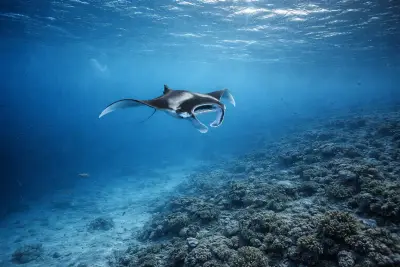
Manta ray
June–November (peak) · common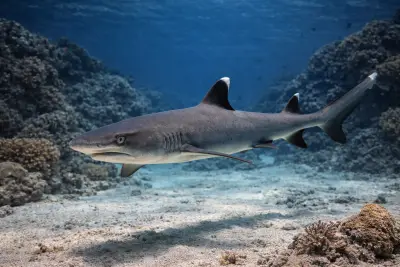
Whitetip reef shark
occasional
Turtle
occasional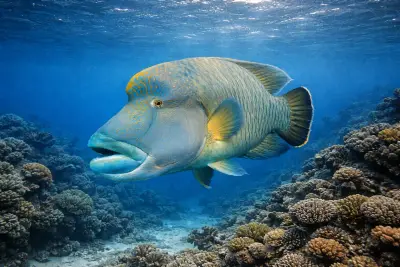
Napoleon wrasse
occasional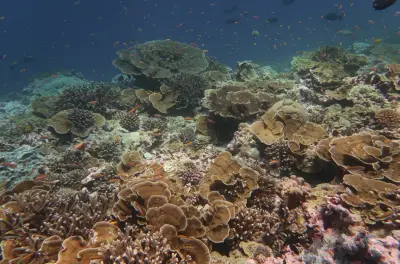
Reef fish (various)
common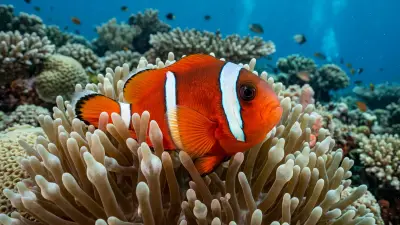
Anemonefish
common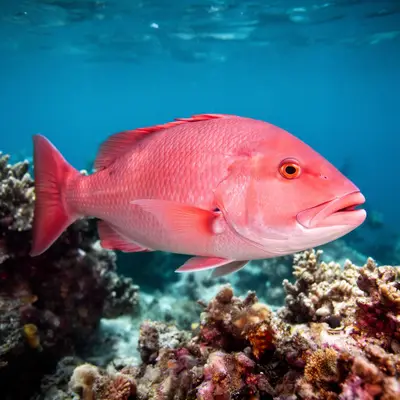
Snapper
common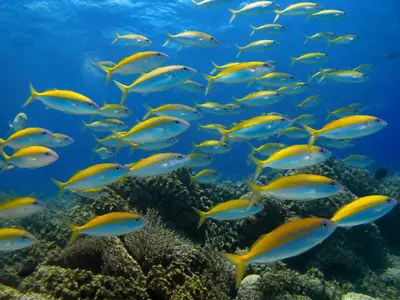
Fusilier
common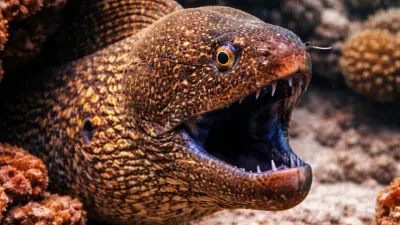
Moray eel
occasionalDive profile & how the dive runs
Dives at Lankan Beyru typically commence with a tender entry, often directly above or slightly up-current from the main cleaning station, a prominent coral block. Divers descend gradually to a depth range where mantas are frequently observed, usually between 5-20 meters. The main objective is to position oneself near the cleaning station, maintaining neutral buoyancy to observe the manta rays without disturbing them. The dive often involves a gentle drift along the reef, following the natural current flow and observing other marine life such as turtles and whitetip reef sharks. As air consumption dictates or the current changes, the dive concludes with a slow ascent, often incorporating a safety stop hovering over the shallower parts of the reef or in the blue, before surfacing for dhoni pick-up. Surface interval safety stops are typically conducted near the end of the dive.
Underwater photography
Lankan Beyru offers fantastic wide-angle opportunities, particularly for capturing manta rays at the cleaning station. A wide-angle lens is essential to frame the mantas in their environment, especially during the southwest monsoon when they are most active. While natural light can be sufficient in clear conditions, strobes are highly recommended to bring out the vibrant colors of the coral and highlight manta features against the blue. During periods of plankton bloom, which attract the mantas but may reduce visibility, focus on closer subjects and use strobes to cut through the particles. Maintain excellent buoyancy control to avoid stirring up sand and to remain respectful of the mantas at the cleaning station. Patience is key, as mantas often make multiple passes, allowing for various shot compositions.
Combine with nearby dive sites
- Maaya Thila
Famous night dive site with abundant reef sharks and rays
- Kandooma Thila
Known for grey reef sharks, eagle rays, and strong currents
- Miyaru Kandu
Channel dive with strong currents and pelagic encounters
- Emas Thila
Emas Thila is a renowned submerged reef pinnacle located in the South Ari Atoll, a protected Marine Protected Area in the Maldives.
Getting there & logistics
Access to Lankan Beyru is predominantly via liveaboard trips operating from Malé, the capital of the Maldives. International flights arrive at Velana International Airport (MLE) in Malé. Liveaboard itineraries typically range from 7 to 10 nights, often combining Lankan Beyru with other renowned sites across the North Malé, South Malé, and Ari Atolls. Guests are usually transferred from the airport to their liveaboard vessel directly. While no specific permits are required for this site, marine park regulations in other areas may involve fees, which are generally included in liveaboard packages. It is advisable to book well in advance, especially during the peak dry season months from December to May.
Safety & environment
Diving in the Maldives, including at Lankan Beyru, requires adherence to standard dive safety practices. While Lankan Beyru typically has mild currents, conditions can change, and all divers should be proficient in drift diving techniques. The nearest recompression chamber is located in Malé. Divers are strongly advised to have comprehensive dive insurance that covers emergency medical treatment and evacuation, as remote locations mean evacuation can be complex and costly. Always dive within your certification limits and follow your dive guide's instructions. Be mindful of boat traffic, especially when surfacing, and carry a surface marker buoy. Maintaining neutral buoyancy is crucial to protect the delicate coral cleaning stations and avoid disturbing marine life.
Who it suits — and who it doesn't
Suited for
- Manta ray enthusiasts
- Underwater photographers (wide-angle)
- Divers seeking easy drift dives
- Beginner and intermediate divers
- Those interested in pelagic encounters
Less suited for
- Divers preferring strong current challenges
- Exclusive macro photography interests
- Those who dislike multiple boat dives per day
- Divers expecting completely undisturbed solitude
FAQ
Lankan Beyru FAQ
What kind of marine life can I expect at Lankan Beyru?
Lankan Beyru is famous for its manta ray cleaning station, offering frequent opportunities to observe these graceful creatures. You can also expect to see whitetip reef sharks, various species of turtles, and abundant reef fish around the vibrant coral formations. Napoleon wrasse and other pelagic species are also occasional visitors to the site.
Is Lankan Beyru suitable for new divers?
Yes, Lankan Beyru is considered suitable for divers of all levels, including novices. The site typically experiences small currents and has relatively shallow depths, making it an accessible and comfortable dive. It is often included as an introductory dive on liveaboard itineraries due to its ease and rewarding marine life encounters.
When is the best time to see manta rays at Lankan Beyru?
The best time to witness large aggregations of manta rays at Lankan Beyru is during the southwest monsoon season, which spans from June to November. During these months, increased plankton in the water attracts mantas to the cleaning station. While mantas can be sighted year-round, their presence is most concentrated during this period.
What are the typical dive conditions like?
Dive conditions at Lankan Beyru usually feature small to mild currents, making for relaxed drift dives. Visibility generally ranges from 10 to 30 meters, though it can fluctuate with plankton blooms, especially during manta season. Water temperatures remain consistently warm, between 27-30°C, allowing for comfortable diving with a 3mm wetsuit or less.
How do I get to Lankan Beyru?
Lankan Beyru is primarily accessed via liveaboard diving trips that depart from Malé, the capital of the Maldives. International flights arrive at Velana International Airport (MLE), from where you will typically transfer to your liveaboard vessel. Most liveaboard itineraries that cover the North Malé Atoll will include a visit to this renowned site.
Why dive Lankan Beyru from a liveaboard?
Lankan Beyru is one of Maldives's signature dive sites. A liveaboard sleeps you on the water and puts you in the water for three to four guided dives per day, including dawn and night dives that day-boat operators rarely offer. You skip the daily commute back to port and reach quieter, less-crowded sites in the same region on a single trip.
Below are the liveaboards that include Lankan Beyru on their Maldives itineraries.
Liveaboards diving Lankan Beyru
These liveaboards may visit Lankan Beyru on selected itineraries — the exact dive sites depend on departure, weather and conditions.
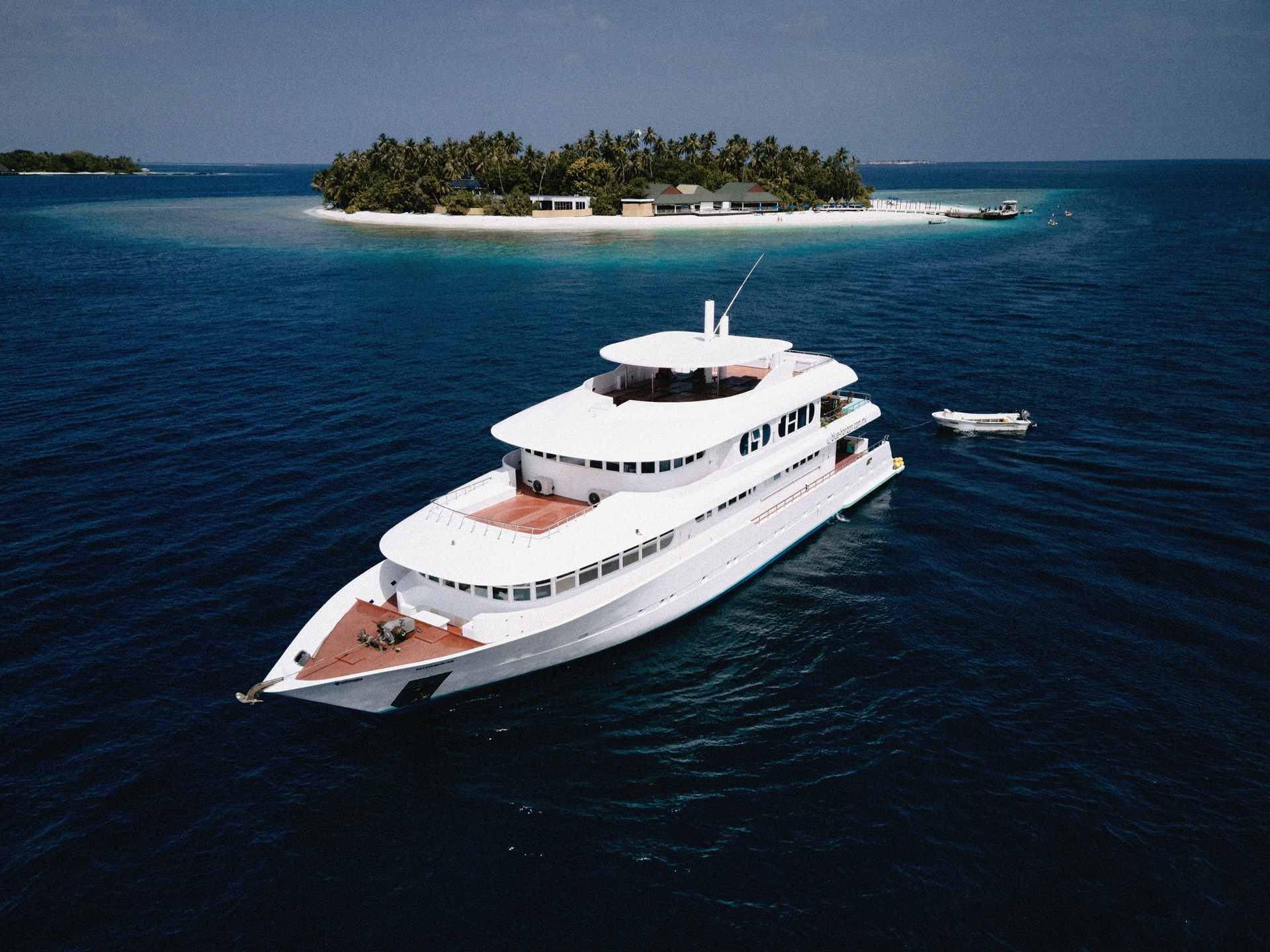
Horizon III
Maldives
25 guests
$204/day
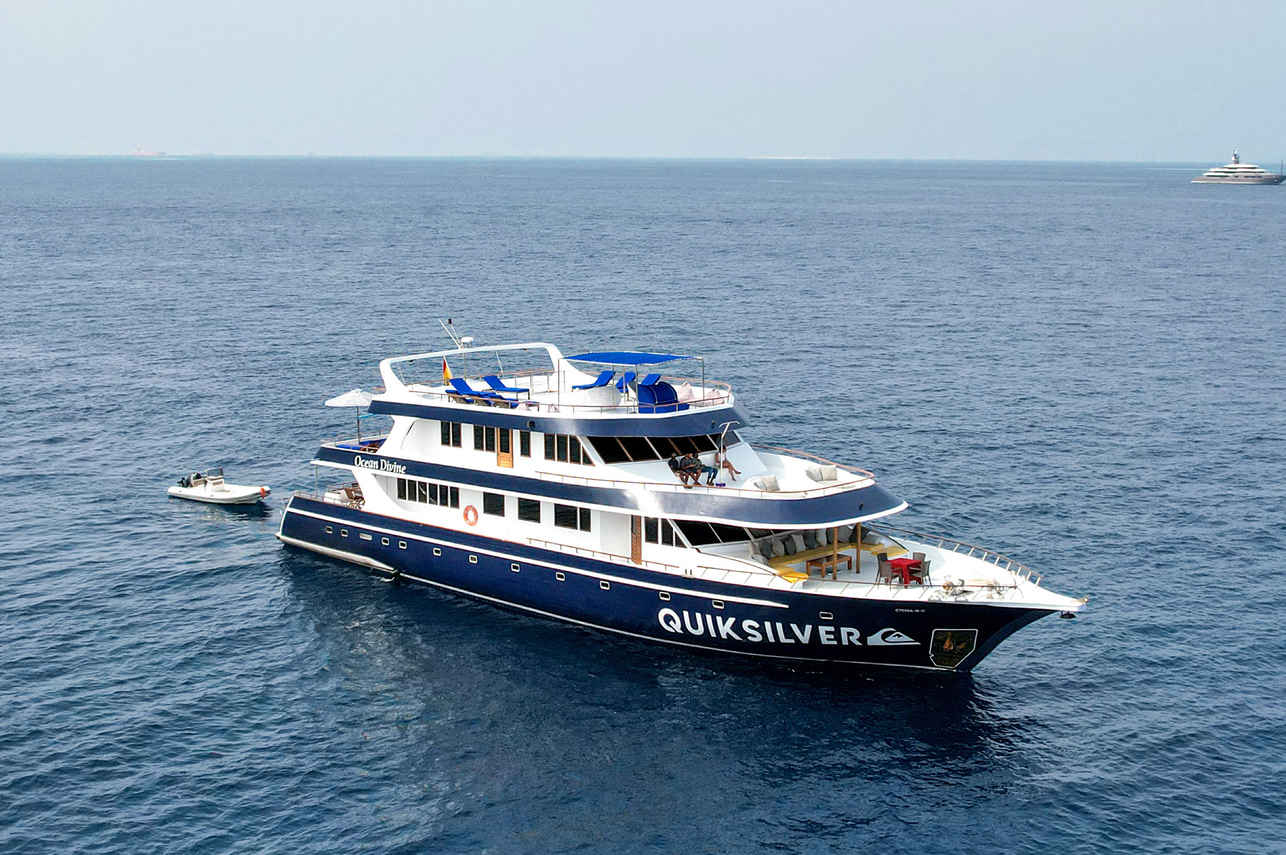
Ocean Divine
Maldives
16 guests33.528 m
$287/day
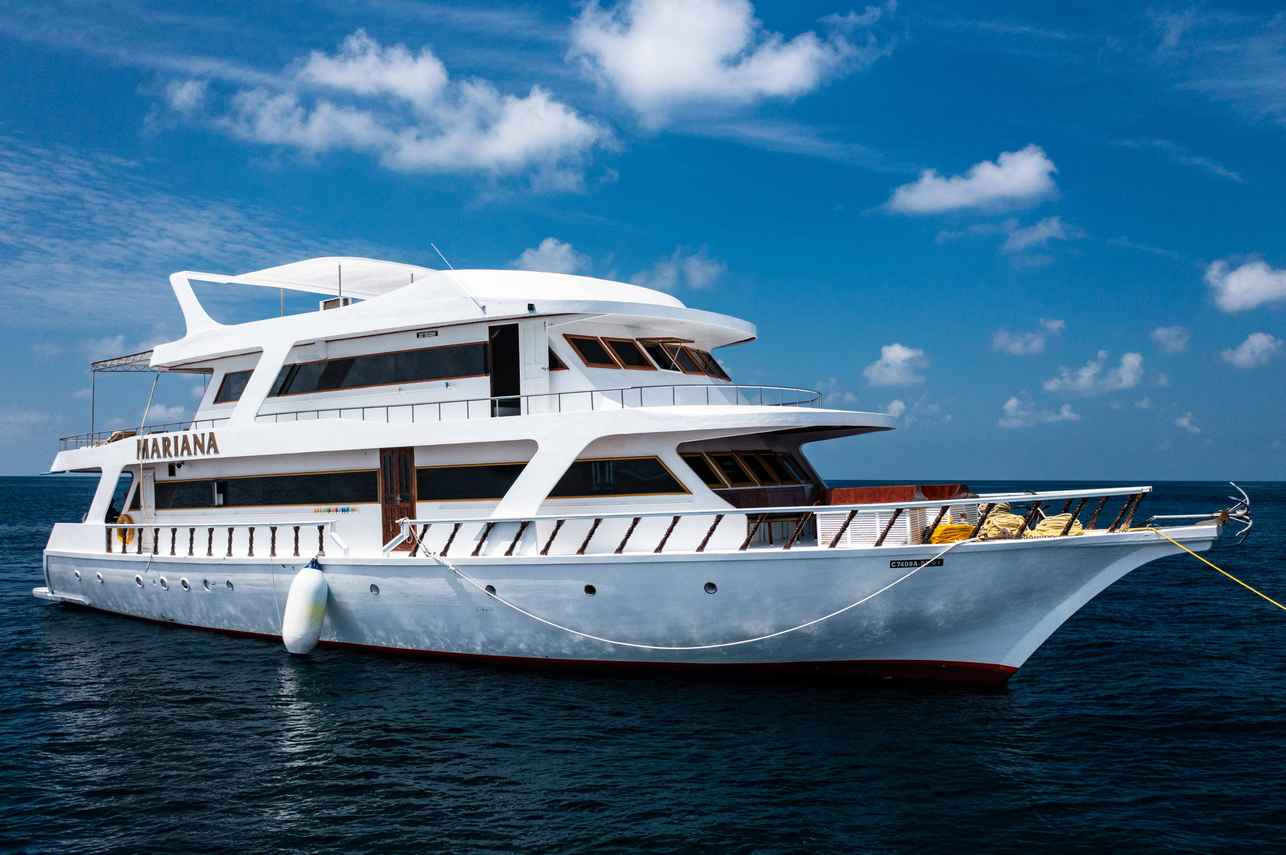
EcoPro Mariana
Maldives
16 guests30 m
$236/day
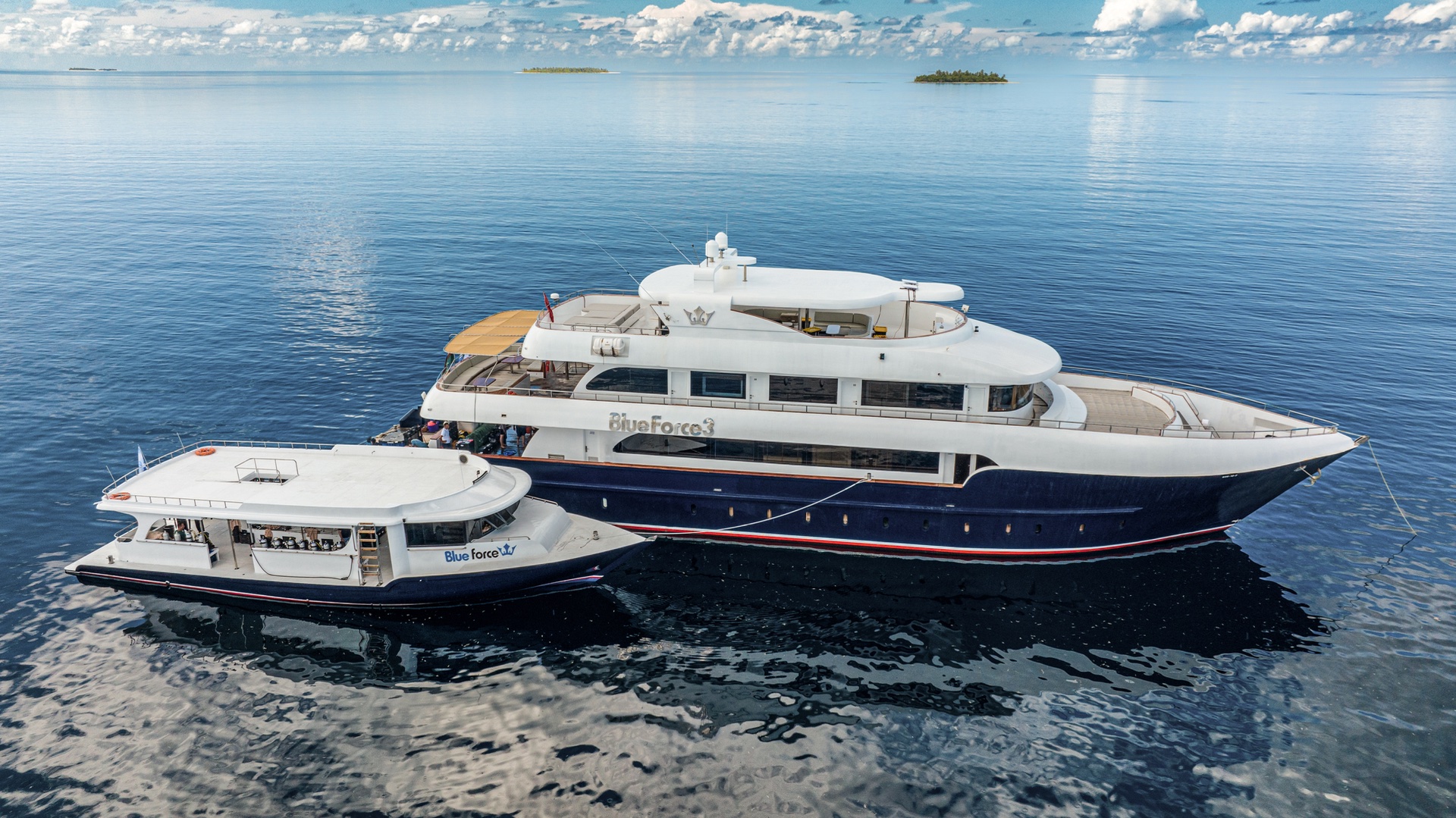
Maldives Blue Force 3
Maldives
26 guests42 m
$261/day
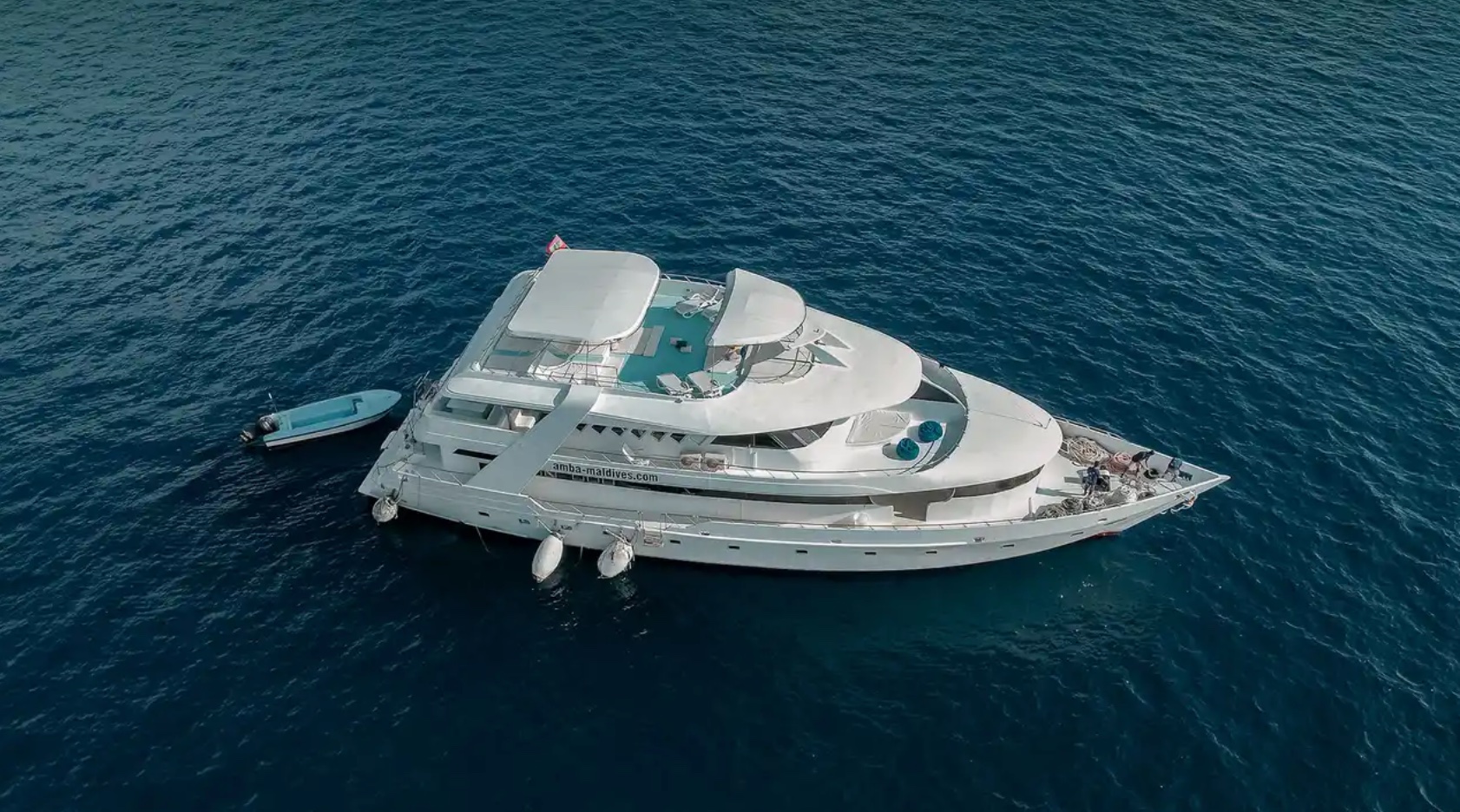
Amba
Maldives
20 guests
$178/day
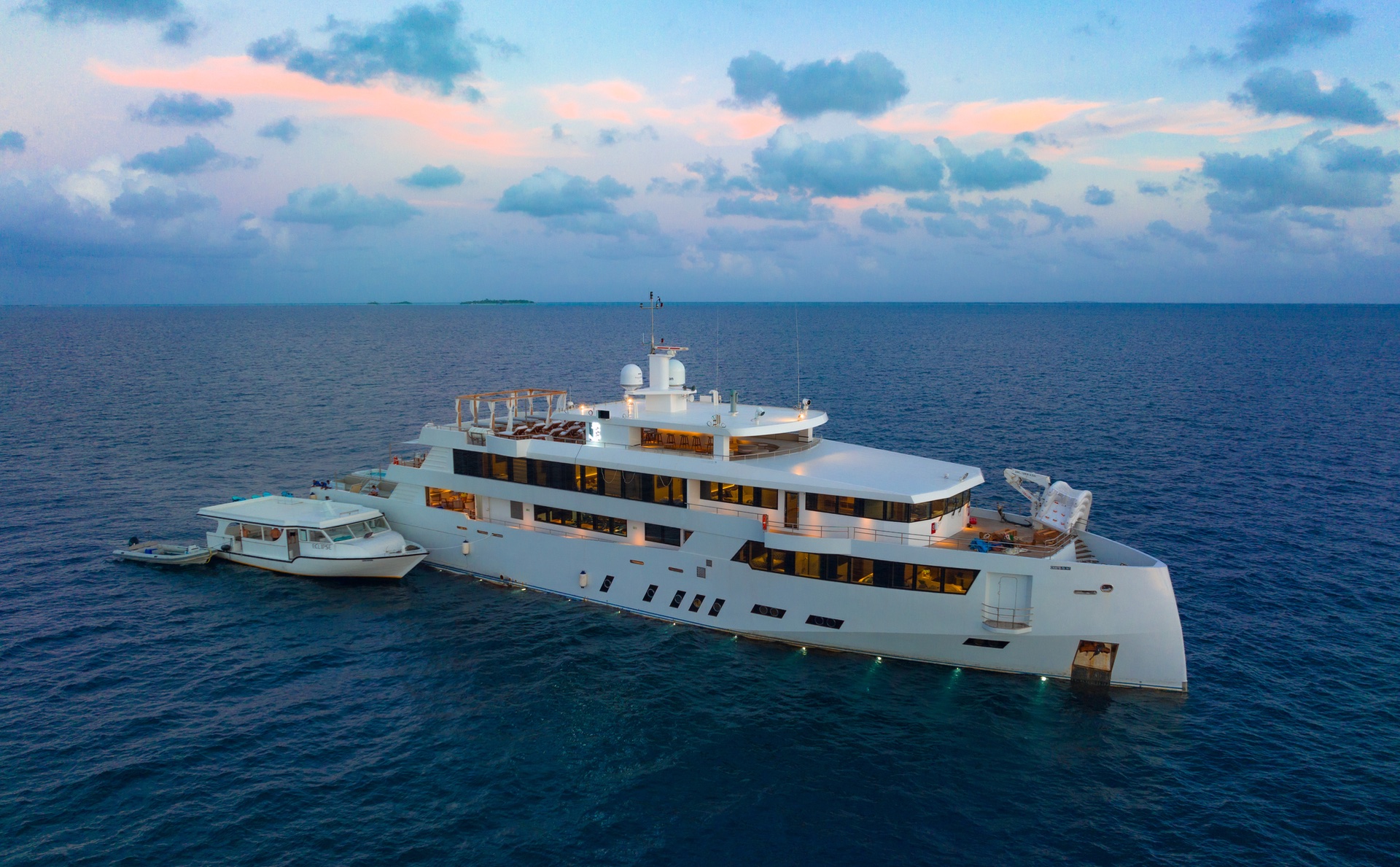
White Pearl
Maldives
26 guests
$387/day
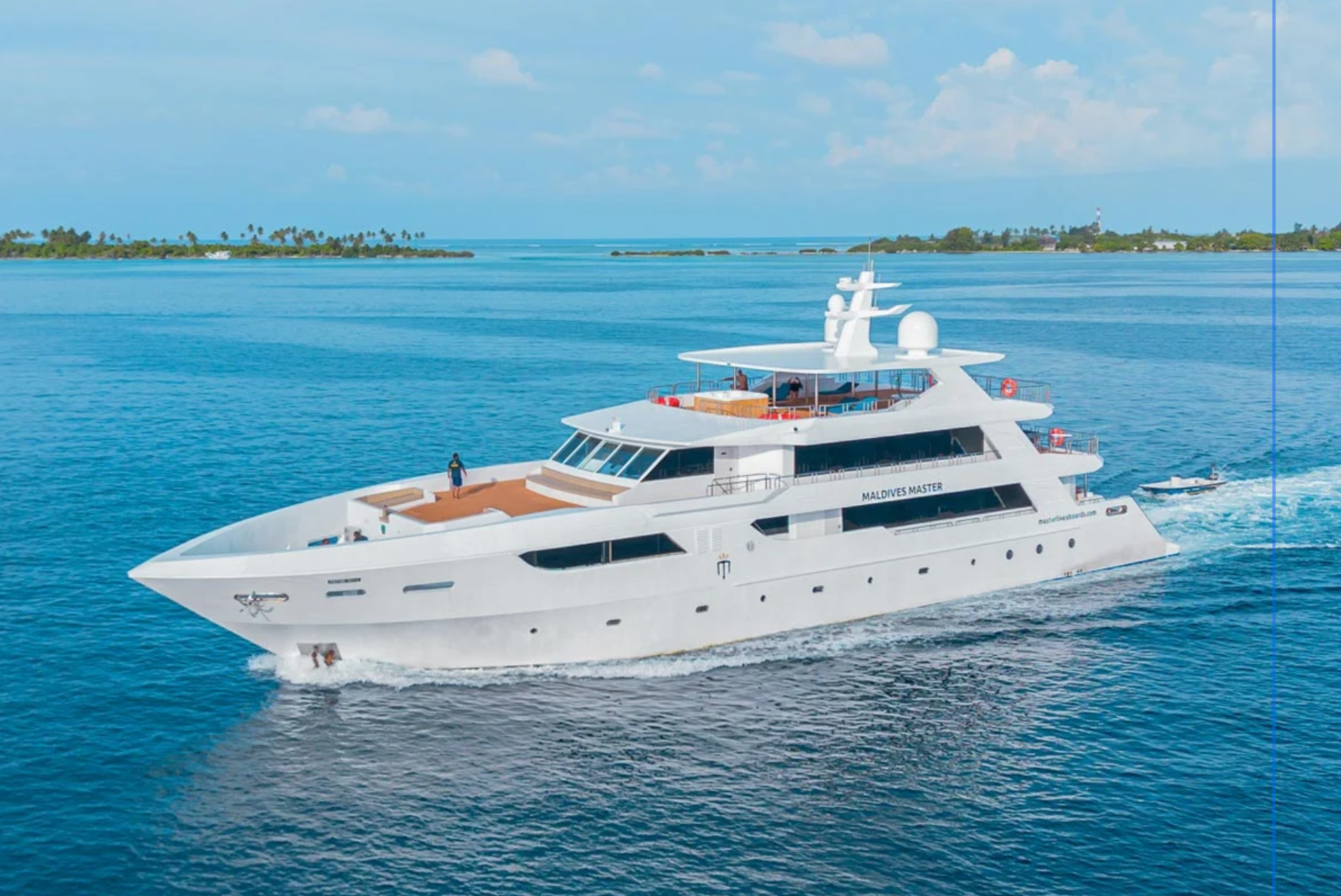
Maldives Master
Maldives
26 guests
$207/day
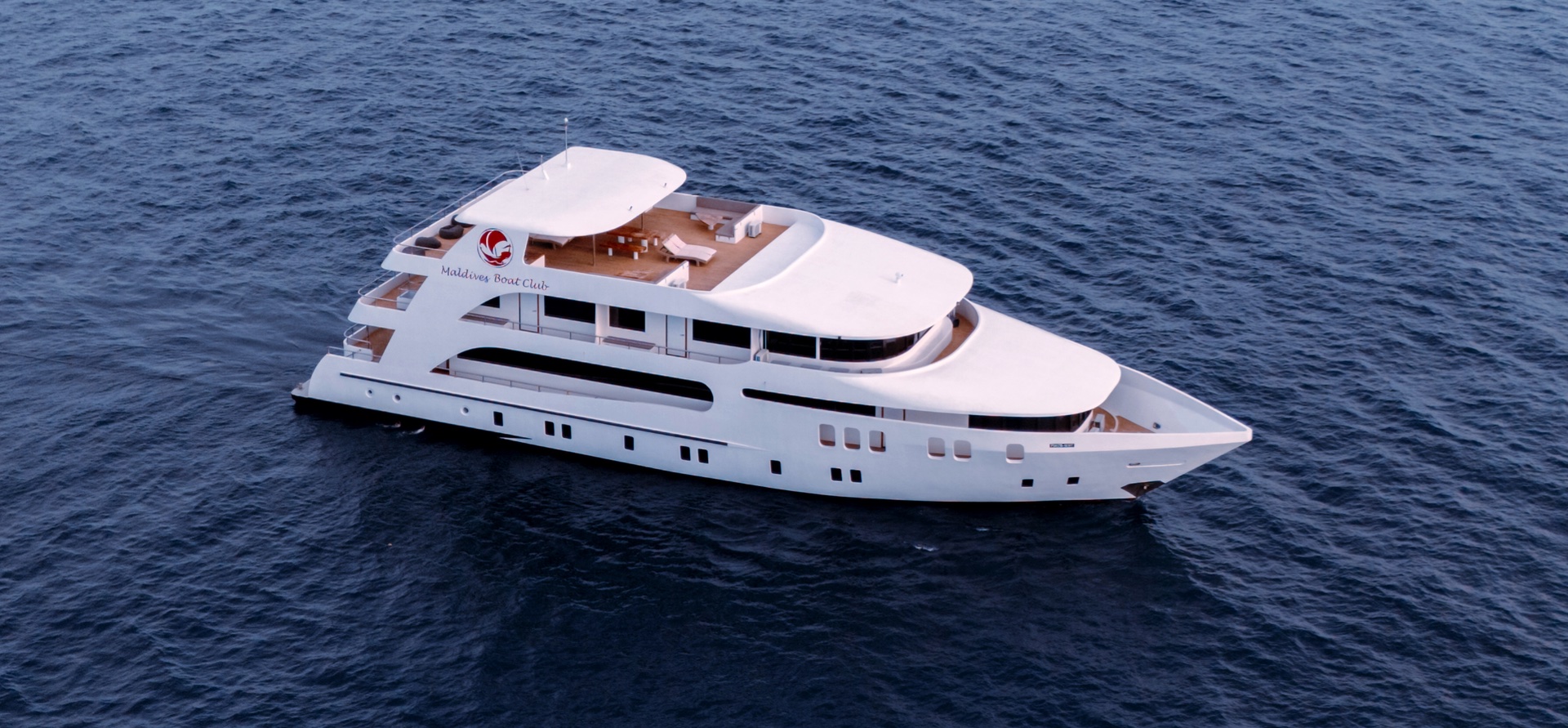
Adora
Maldives
22 guests
$287/day
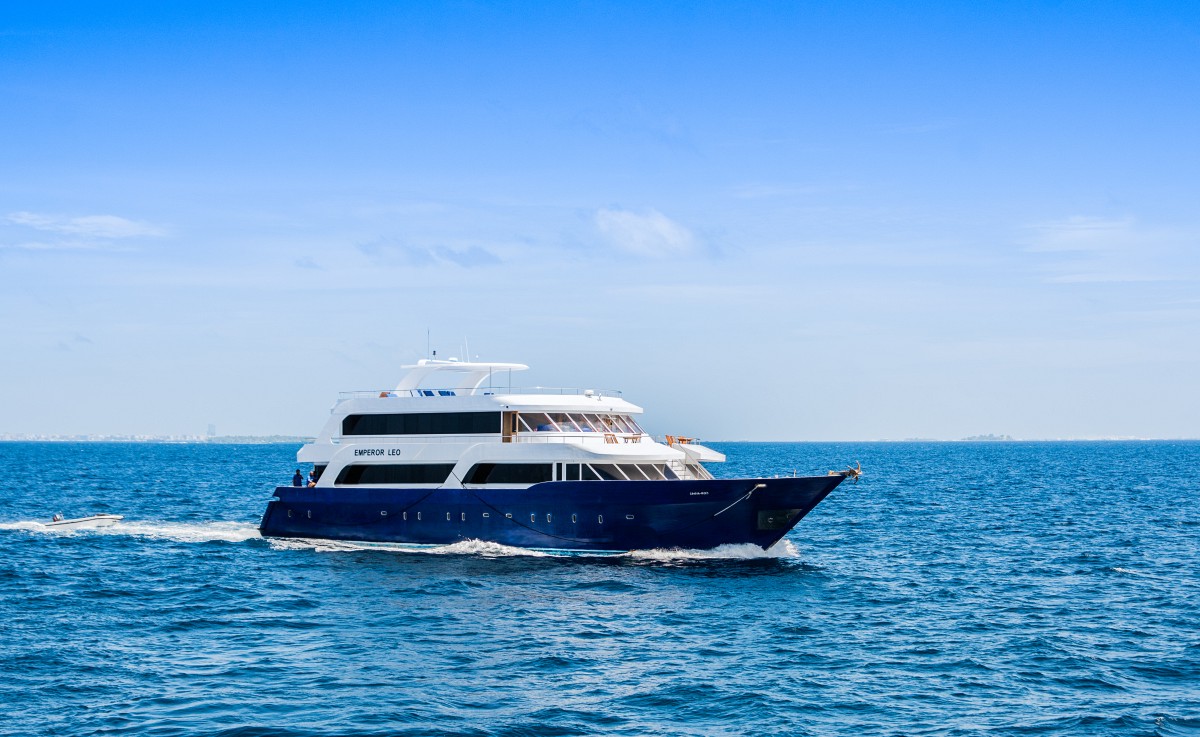
Emperor Leo
Maldives
24 guests35.1 m
$339/day
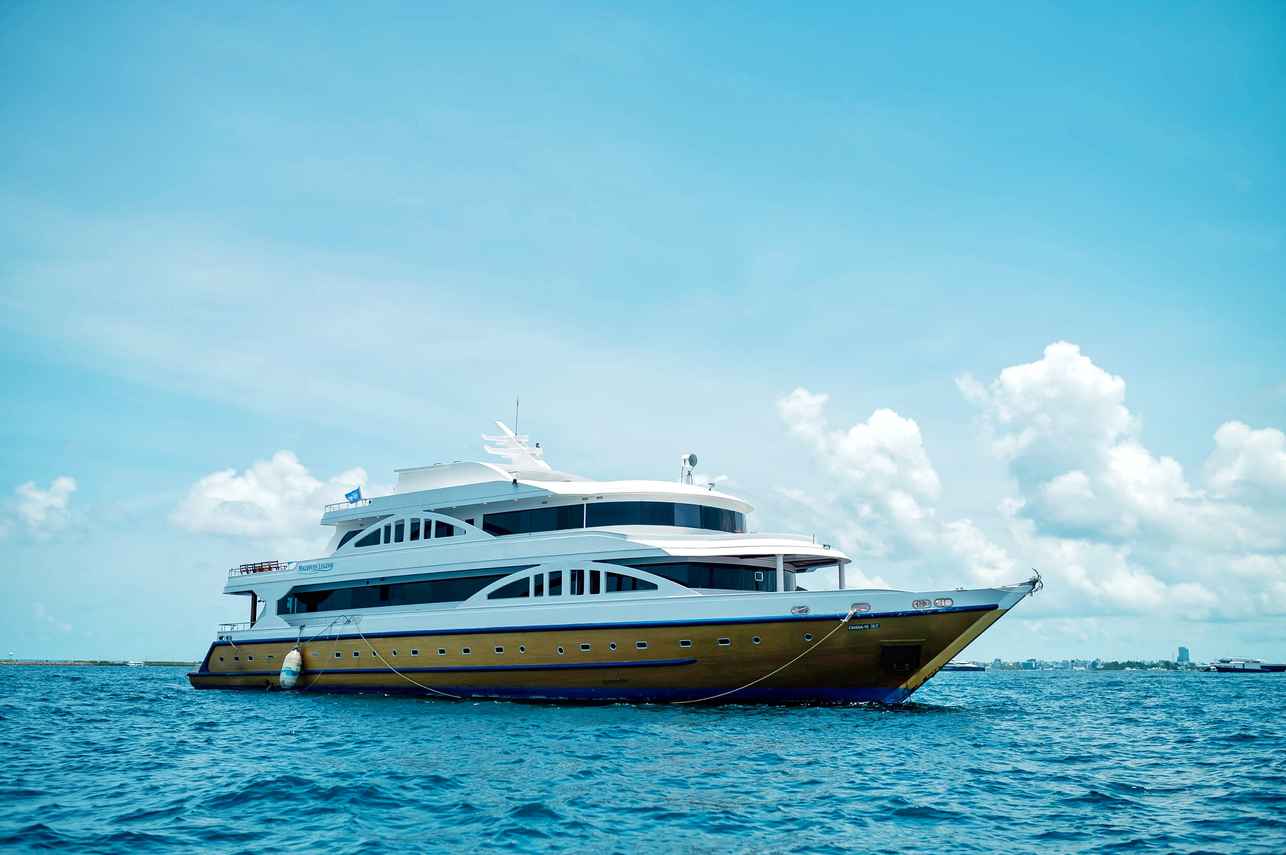
Maldives Legend Zen
Maldives
24 guests41 m
$316/day
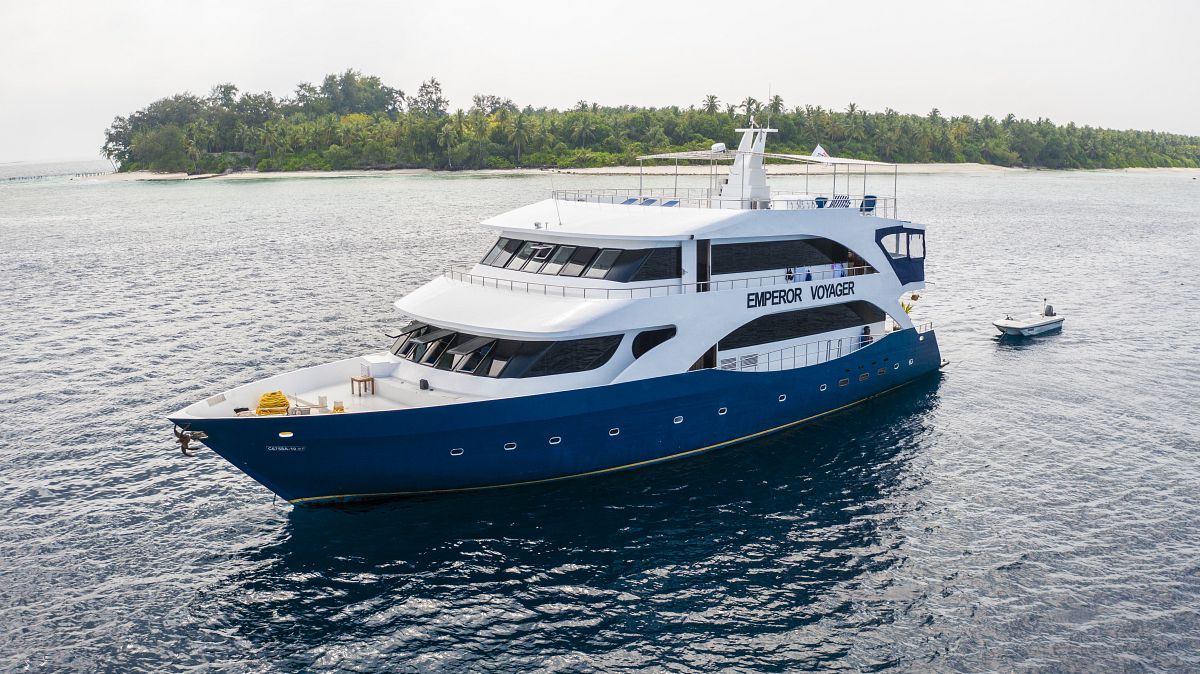
Emperor Voyager
Maldives
20 guests29.9 m
$332/day
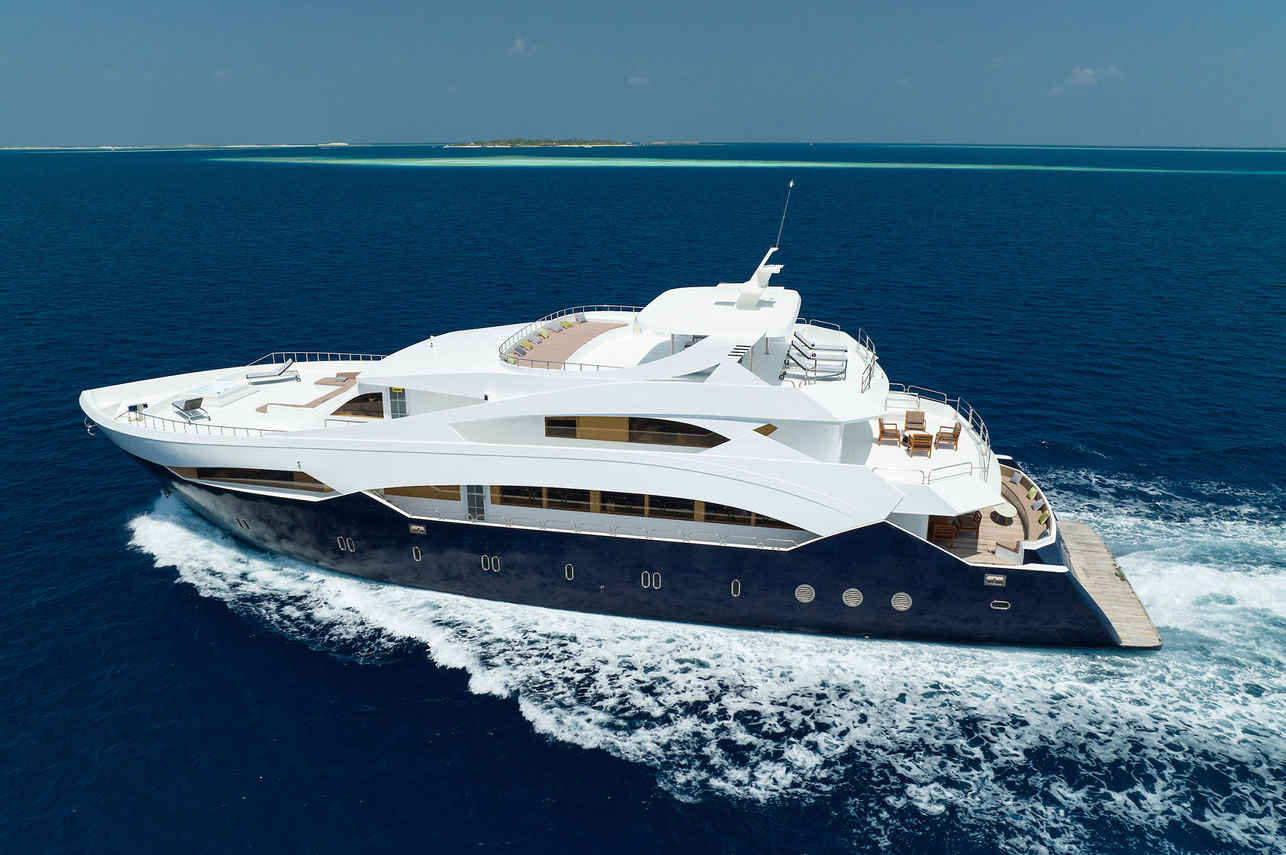
Felicity
Maldives
26 guests41 m
$229/day
Dive sites similar to Lankan Beyru
Same character, same waters — six more sites divers love for the exact same reasons.Compare seasons, access and liveaboard routes — then pick the site that fits your trip best.
© Esri — Maxar, Earthstar, GIS
Kudimaa Wreck
Maldives
The Kudimaa Wreck is a compelling dive site in the Maldives, offering a fascinating artificial reef environment.
- Suitable for
- Advanced
- Current
- Moderate
- Access
- Liveaboard only
- Depth
- ≤ 30 m
- Theme
- Wreck / Reef
© Esri — Maxar, Earthstar, GIS
Filitheyo Reef (Faafu)
Maldives
Filitheyo Reef, situated in the Faafu Atoll, offers an unspoiled underwater paradise, unique as the only tourist island in the atoll.
- Suitable for
- Beginner
- Current
- Strong
- Access
- Liveaboard or dayboat
- Depth
- 1–30 m
- Theme
- Reef / Wall
© Esri — Maxar, Earthstar, GIS
Embudu Express
Maldives
Embudu Express, also known as Embudu Channel, is a celebrated dive site situated within the Malé Atoll of the Maldives, specifically in the South Malé Atoll.
- Suitable for
- Advanced
- Current
- Ripping
- Access
- Dayboat
- Depth
- 25–30 m
- Theme
- Drift / Reef
© Esri — Maxar, Earthstar, GIS
Maavaru Kandu
Maldives
Maavaru Kandu is a renowned dive site in the Maldives, characterized by its stunning underwater topography.
- Suitable for
- Intermediate
- Current
- Moderate
- Access
- Liveaboard only
- Depth
- 15–50 m
- Theme
- Reef / Drift
© Esri — Maxar, Earthstar, GIS
Dhigurah Beyru
Maldives
Dhigurah Beyru, located in the South Ari Atoll near Dhigurah Island, is an outer-reef dive site distinguished by its exposure to the open sea rather than a sheltered lagoon.
- Suitable for
- Beginner
- Current
- Mild
- Access
- Liveaboard or dayboat
- Depth
- 5–40 m
- Theme
- Reef
© Esri — Maxar, Earthstar, GIS
Kuda Giri Shipwreck
Maldives
The Kuda Giri shipwreck is a prominent dive site located in the South Male Atoll, standing upright on the seafloor next to the Kuda Giri pinnacle.
- Suitable for
- Beginner
- Current
- Moderate
- Access
- Liveaboard only
- Depth
- 15–30 m
- Theme
- Wreck / Reef