About Helga’s Tunnels
Helga's Tunnels is a distinctive dive site located within Lighthouse Bay on the ocean side of North West Cape, part of the UNESCO World Heritage-listed Ningaloo Reef in Western Australia. This site is renowned for its captivating topography, featuring a series of natural tunnels and overhangs carved into the reef structure. Diving here takes you to depths around 30 meters, where the reef is often blanketed in dense schools of baitfish. As divers approach, these fish part to reveal the entrances to the tunnels, creating a dynamic and immersive experience. The site sits on a meandering ridge of the Ningaloo Reef, rising from a vast sand plain, providing a varied underwater landscape. While visibility can be excellent, ranging from 10 to 25 meters, conditions are exposed to ocean swell, which can influence the diving experience. The area is home to a rich diversity of marine life, including resting leopard sharks, abundant lionfish, and occasional sightings of manta rays and dolphins passing through, with migrating humpbacks present in winter. Helga's Tunnels is typically accessed via day boat and caters to intermediate divers comfortable with deeper profiles and potential currents. It offers a unique opportunity to explore intricate reef formations alongside significant marine aggregations.
Highlights
Reef tunnels and swim-throughsDense baitfish schoolsLeopard sharksLionfish aggregationsModerate to excellent visibilityNingaloo Reef topography
Season calendar
Best months to dive here
Jan
Feb
Mar
Apr
May
Jun
Jul
Aug
Sep
Oct
Nov
Dec
Good
Dive site facts: Helga’s Tunnels
- Depth
- 12–30 m
- Current
- Moderate
- Visibility
- 10–25 m
- Water temperature
- 22–29°C
- Entry
- Day boat
- Level
- Intermediate
- Dive type
- Reef, tunnels, pelagic
- Region / port
- Ningaloo Reef, Western Australia
- Coordinates
- 21.9000° S, 114.1500° E
Conditions & Currents
Currents at Helga's Tunnels are generally described as moderate, influenced by its exposed position on the ocean side of North West Cape. Due to the presence of swim-throughs, divers must be mindful of water flow within the tunnels, which can vary. Entry and exit are typically from a day boat, requiring divers to be proficient in boat diving procedures. The site is subject to ocean swell, which may affect surface conditions and potentially create surge, especially in shallower areas. Visibility at Helga's Tunnels ranges from 10 to 25 meters, providing clear views of the reef and its inhabitants, though localized conditions can fluctuate. Divers should maintain good buoyancy control and situational awareness, especially when navigating the tunnels, and be prepared for potential changes in current strength.
Marine life & sighting chances
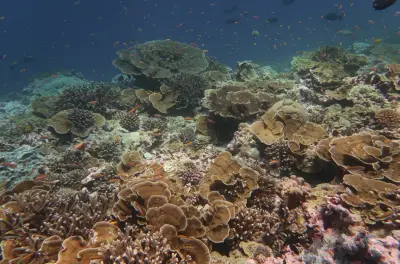
Baitfish schools
common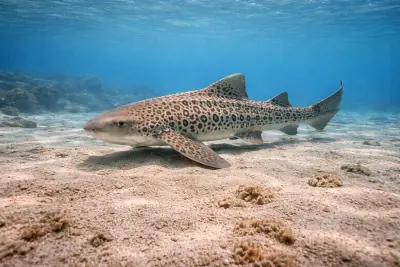
Leopard shark
Summer · occasional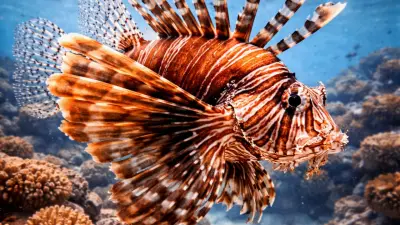
Lionfish
common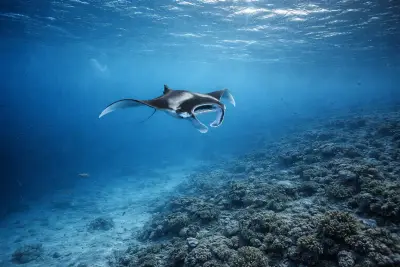
Manta ray
occasional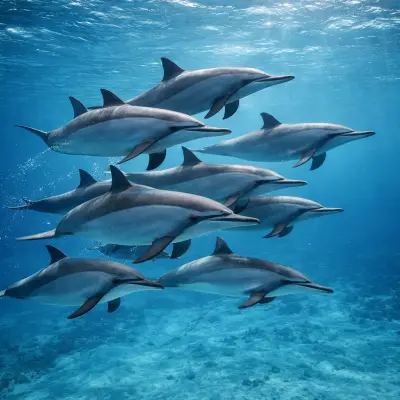
Dolphin
occasional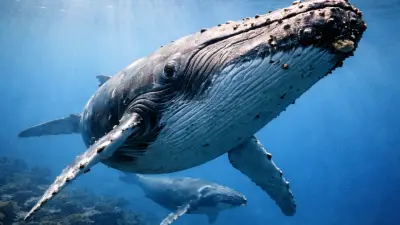
Humpback whale
Winter · occasional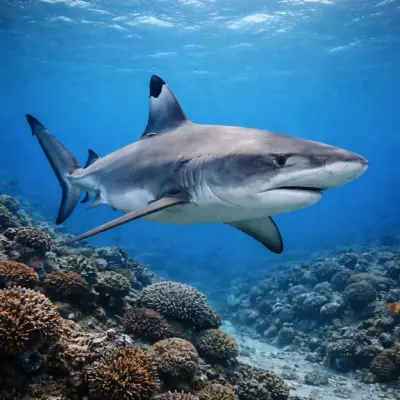
Reef shark
occasional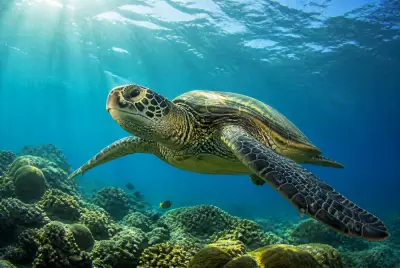
Turtle
occasional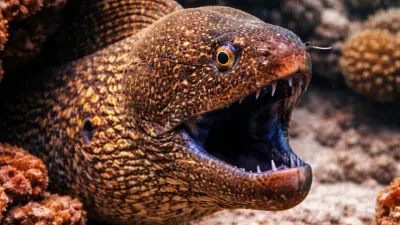
Moray eel
occasional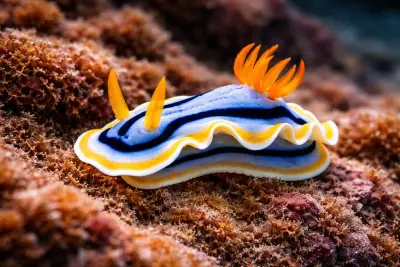
Nudibranch
occasional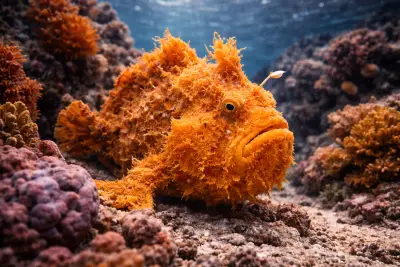
Frogfish
occasional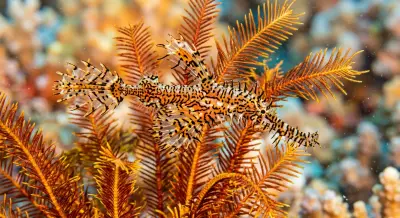
Pipefish
occasional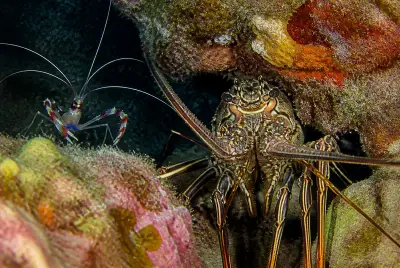
Crustacean
occasionalDive profile & how the dive runs
Diving at Helga's Tunnels typically begins with a day boat drop-off, where divers descend to the reef, which can reach depths of 29-30 meters. Upon reaching the bottom, divers are often enveloped by large schools of baitfish that part to reveal the entrances to the prominent tunnels. The dive then involves navigating through these natural swim-throughs and overhangs, following the reef's contours. The route will often lead past reef sharks, turtles, and other reef inhabitants. A key highlight is the chance to encounter a leopard shark resting near an exit or within the tunnel system. Lionfish are frequently seen enjoying the abundant baitfish. Divers will generally ascend along the reef wall, making a safety stop in shallower water, often between 5-7 meters, before signaling the boat for pickup.
Underwater photography
Helga's Tunnels offers diverse photographic opportunities, from wide-angle shots of the striking reef topography and vast baitfish schools to macro subjects found within the crevices. For capturing the expansive tunnels and the sheer volume of fish, a wide-angle lens is highly recommended, ideally with external strobes to illuminate the scene and bring out the vibrant colors. When photographing inside the tunnels, be mindful of buoyancy to avoid disturbing silt or fragile corals. Macro enthusiasts should bring a dedicated macro lens to focus on lionfish, nudibranchs, and other small invertebrates hiding in the reef. Patience is key when trying to capture a leopard shark, maintaining a respectful distance to avoid startling the animal. Visibility ranging from 10 to 25 meters generally provides good conditions for both wide and close-up photography, though light penetration can be reduced inside the tunnels.
Combine with nearby dive sites
- The Labyrinth
Another tunnel dive site in Lighthouse Bay
- Blizzard Ridge
Reef ridge site in Lighthouse Bay with varied marine life
- Gulliver’s
Shallow site in Lighthouse Bay with healthy coral
- Dibley’s
Shallow site in Lighthouse Bay with rich marine life
- Norman Reef
Norman Reef is a prominent Outer Great Barrier Reef dive site, positioned on the continental shelf roughly 70 to 80 kilometers from Cairns.
- Hastings Reef
Hastings Reefs, an integral part of the Outer Great Barrier Reef, is conveniently located approximately 60 km from Cairns, making it a…
Getting there & logistics
Access to Helga's Tunnels, located on the Ningaloo Reef in Western Australia, typically involves flying into Learmonth (LEA) airport, approximately a 2-hour flight from Perth. From Learmonth, it's a 30-minute drive to Exmouth, the main hub for diving tours in the region. Dive trips to Lighthouse Bay, where Helga's Tunnels is situated, are generally day boat excursions departing from Exmouth. These day trips often combine multiple sites within Lighthouse Bay, allowing divers to experience the diverse topography and marine life of the area. No specific permits or fees beyond standard dive tour costs are mentioned for Helga's Tunnels itself, but marine park regulations apply throughout Ningaloo Reef. Travelers can also drive from Perth to Exmouth, a journey of around 13 hours, often broken into multiple days.
Safety & environment
For diving at Helga's Tunnels, standard dive safety practices are paramount, particularly due to the depths and tunnel navigation. The nearest recompression chamber is located in Perth, highlighting the importance of cautious diving and proper planning. Divers should ensure they have comprehensive dive insurance covering medical emergencies and evacuation. Site-specific hazards include potential ocean swell, which can affect surface conditions and surge, and moderate currents, especially within the tunnels. Divers must maintain excellent buoyancy control and stay close to their buddy, especially within swim-throughs, to prevent disorientation or entanglement. Always follow the dive brief from your operator, which will cover specific entry and exit procedures, communication signals, and emergency protocols for the day's conditions. Respect marine life by observing from a distance and avoid touching any part of the reef or its inhabitants.
Who it suits — and who it doesn't
Suited for
- Intermediate to advanced divers
- Divers interested in unique reef topography
- Photographers seeking wide-angle reef scenes
- Divers comfortable with depths up to 30 meters
- Those looking for pelagic and schooling fish encounters
Less suited for
- Beginner divers without current or depth experience
- Divers uncomfortable with overhead environments
- Those prone to seasickness in swell conditions
- Individuals with poor buoyancy control
- Divers seeking purely shallow, sheltered sites
FAQ
Helga’s Tunnels FAQ
Where exactly is Helga's Tunnels located?
Helga's Tunnels is situated in Lighthouse Bay, on the western, ocean-facing side of North West Cape, within the Ningaloo Reef Marine Park in Western Australia. It is part of a cluster of dive sites accessible by day boat from Exmouth.
What kind of marine life can I expect to see at Helga's Tunnels?
The site is known for massive schools of baitfish, which attract predators like lionfish and occasional reef sharks. Leopard sharks are also a highlight, often found resting near tunnel exits. Manta rays and dolphins can be seen passing by, and migrating humpback whales visit in winter.
What is the typical depth range for this dive site?
Helga's Tunnels offers a dive profile ranging from approximately 12 meters down to 30 meters. Divers will explore swim-throughs and reef structures that extend to these deeper limits.
Are there strong currents at Helga's Tunnels?
The site is exposed to ocean swell, and currents can be moderate, especially within and around the tunnels. Divers should have experience with moderate currents and maintain good buoyancy control to navigate the site safely.
Is Helga's Tunnels suitable for beginners?
Helga's Tunnels is generally recommended for intermediate to advanced divers due to its depth, potential currents, and the need to navigate through tunnels. Beginners may find the conditions challenging.
Why dive Helga’s Tunnels from a liveaboard?
Helga’s Tunnels is one of Australia's signature dive sites. A liveaboard sleeps you on the water and puts you in the water for three to four guided dives per day, including dawn and night dives that day-boat operators rarely offer. You skip the daily commute back to port and reach quieter, less-crowded sites in the same region on a single trip.
Below are the liveaboards that include Helga’s Tunnels on their Australia itineraries.
Liveaboards diving Helga’s Tunnels
These liveaboards may visit Helga’s Tunnels on selected itineraries — the exact dive sites depend on departure, weather and conditions.
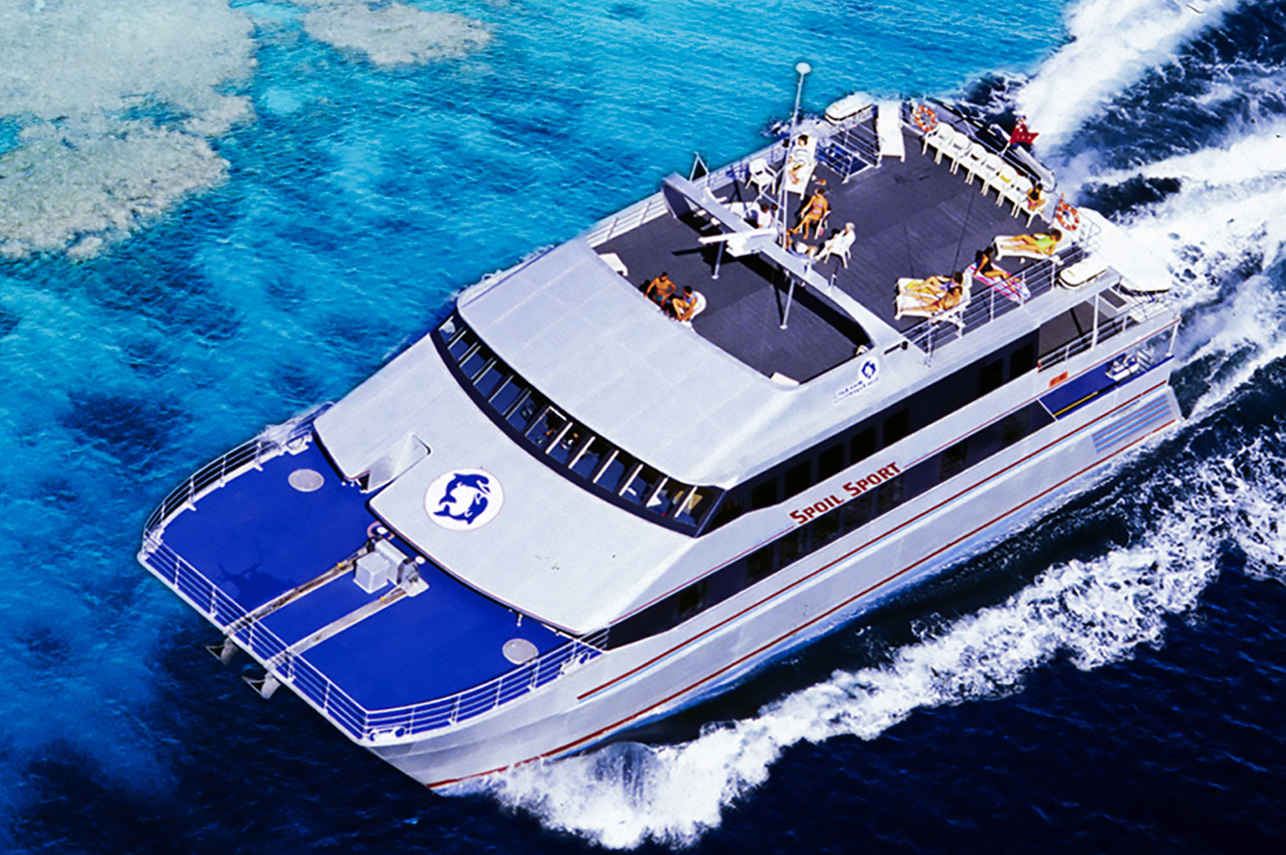
Spoilsport
Australia
28 guests30 m
$291/day
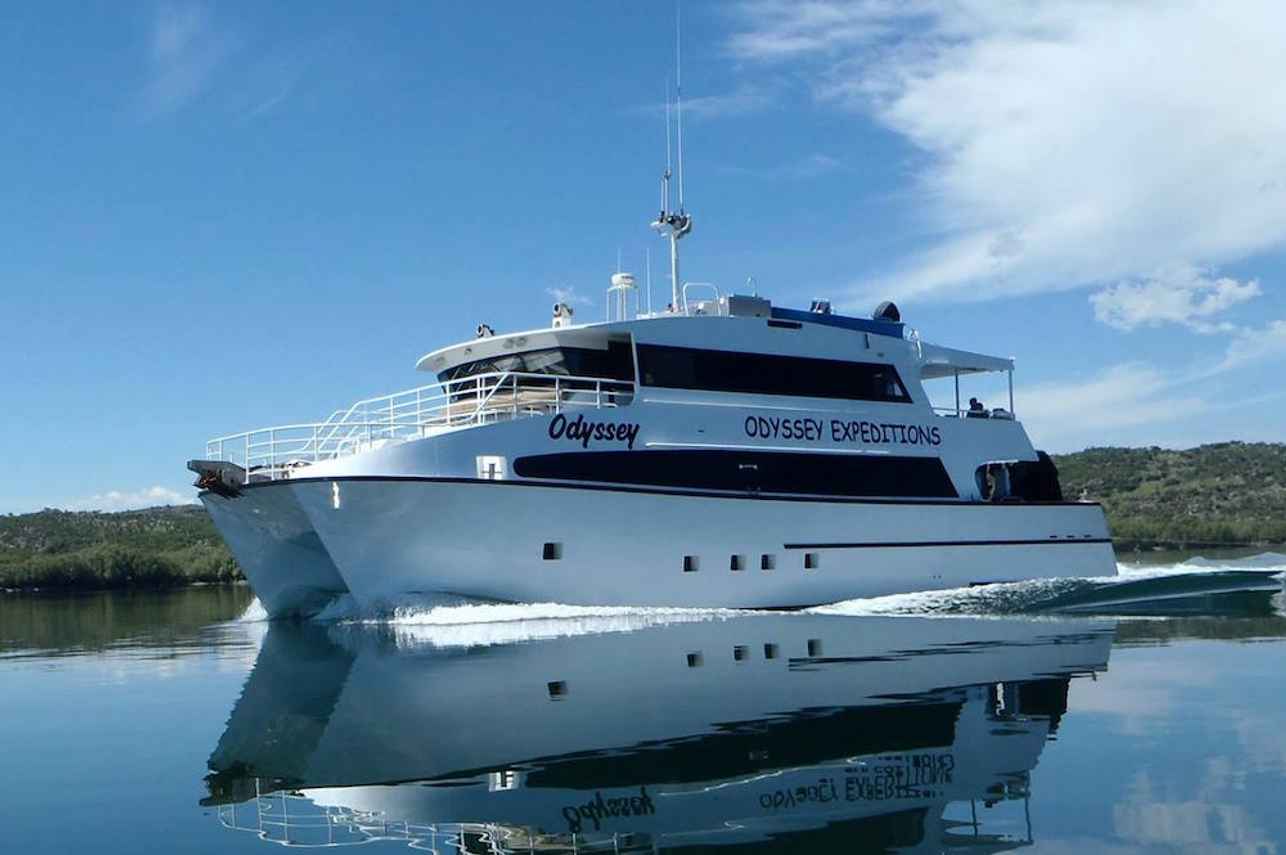
Odyssey Liveaboard
Australia
20 guests24 m
$392/day
Dive sites similar to Helga’s Tunnels
Same character, same waters — six more sites divers love for the exact same reasons.Compare seasons, access and liveaboard routes — then pick the site that fits your trip best.
© Esri — Maxar, Earthstar, GIS
Agincourt Reef
Australia
Agincourt Reef sits on the outer edge of the Great Barrier Reef, roughly 60–72 km off Port Douglas in Far North Queensland, at the southern end of the true ribbon reefs that run…
- Suitable for
- Beginner
- Current
- Moderate
- Access
- Dayboat
- Depth
- 2–20 m
- Theme
- Reef / Wall
© Esri — Maxar, Earthstar, GIS
Cocos Keeling - Canons
Australia
Cocos Keeling - Canons offers a distinctive dive experience within the Cocos (Keeling) Islands lagoon, making it Australia's most remote dive destination.
- Suitable for
- Beginner
- Current
- Mild
- Access
- Dayboat
- Depth
- 8–12 m
- Theme
- Reef
© Esri — Maxar, Earthstar, GIS
Raine Island
Australia
Raine Island is a pivotal dive site located in the Far Northern Great Barrier Reef, approximately 85 kilometers east-north-east of Cape Grenville and just over 4 nautical miles south of the island itself.
- Suitable for
- Advanced
- Current
- Strong
- Access
- Liveaboard only
- Depth
- 5–40 m
- Theme
- Reef / Wall
© Esri — Maxar, Earthstar, GIS
Neptune Islands
Australia
The Neptune Islands, nestled at the mouth of South Australia's Spencer Gulf, offer an unparalleled opportunity to encounter great white sharks.
- Suitable for
- Advanced
- Current
- Strong
- Access
- Liveaboard or dayboat
- Depth
- 5–15 m
- Theme
- Drift
© Esri — Maxar, Earthstar, GIS
Bare Island East
Australia
Bare Island East is a highly regarded shore dive in Sydney, celebrated for its diverse and colourful sponge gardens.
- Suitable for
- Intermediate
- Current
- Mild
- Access
- Shore / dayboat
- Depth
- 2–11 m
- Theme
- Reef
© Esri — Maxar, Earthstar, GIS
Cocos Keeling - Broccoli Patch
Australia
Broccoli Patch is a premier dive site nestled within the Cocos (Keeling) Islands lagoon system, offering a gentle yet captivating underwater experience.
- Suitable for
- Beginner
- Current
- Mild
- Access
- Dayboat
- Depth
- 5–10 m
- Theme
- Reef