About Grand Turk Wall
Grand Turk Wall is a premier dive destination, renowned for its spectacular underwater topography and rich biodiversity. Located on the leeward (western) side of Grand Turk, the wall forms part of the Columbus National Marine Park and plunges dramatically from a shallow reef plateau at 8-10 meters (25-30 feet) to depths exceeding 2,100 meters (7,000 feet). This abrupt transition from shallow sandy bottoms to an abyssal drop-off creates an incredible environment for divers. The wall itself is adorned with a stunning array of hard and soft corals, including massive barrel sponges, vibrant tube sponges, and delicate gorgonian fans. Features like canyons, arches, sand chutes, and swim-throughs add to the architectural beauty of the reef. The excellent visibility, often exceeding 30 meters (100 feet), allows for breathtaking views of the wall's scale and the marine life that inhabits it. Marine life is exceptionally varied and dense, making it feel like swimming in an aquarium. Common sightings include numerous reef fish such as Nassau groupers, parrotfish, blue tangs, angelfish, and wrasse. Larger animals like green and hawksbill turtles, stingrays, and spotted eagle rays glide gracefully along the wall, while nurse sharks and grey reef sharks are also present. During winter months, migrating humpback whales can be observed in the nearby Turks Island Passage. Diving the Grand Turk Wall is accessible to all levels, with short boat rides from shore and generally little to no current, especially during the summer. Dive operators on Grand Turk emphasize small groups and environmentally responsible practices, ensuring a personalized and respectful exploration of this pristine underwater environment.
Highlights
Dramatic sheer wall drop-offVibrant coral and sponge formationsAbundant reef fish diversityFrequent turtle and ray sightingsExcellent visibility year-roundShort boat rides to sitesHumpback whale migration (seasonal)
Season calendar
Best months to dive here
Jan
Feb
Mar
Apr
May
Jun
Jul
Aug
Sep
Oct
Nov
Dec
Excellent
Dive site facts: Grand Turk Wall
- Depth
- 8–2,100 m
- Typical dive
- 12–30 m, 50–60 min
- Current
- Mild to none
- Visibility
- 15–45 m
- Water temperature
- 25–29°C
- Entry
- Boat
- Level
- All levels
- Dive type
- Wall, reef, pelagic
- Night dive
- Possible
- Region / port
- Grand Turk, Turks & Caicos
- Coordinates
- 21.465, -71.135
Conditions & Currents
Currents at Grand Turk Wall are typically mild to non-existent, especially during the summer months, which contributes to the excellent visibility often exceeding 30 meters (100 feet). This makes the site highly accessible for divers of all experience levels and ideal for leisurely explorations along the wall. However, during certain periods, particularly when trade winds pick up from November to December, some gentle drift might be experienced, though it rarely poses a challenge. The absence of significant freshwater runoff or shallow estuaries near Grand Turk helps maintain consistently clear waters, preventing turbidity. Divers can anticipate relaxed entries and exits directly from the boat, with little concern for strong surface or underwater currents impacting dive plans.
Marine life & sighting chances
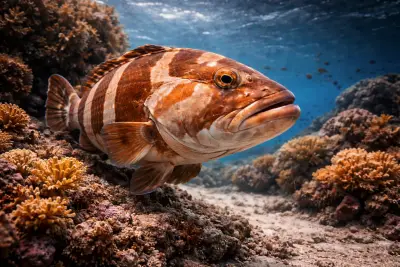
Nassau grouper
common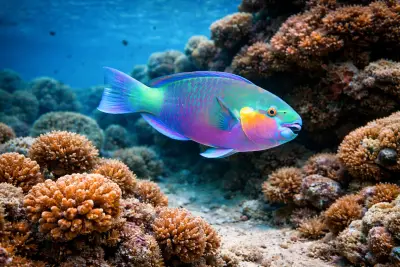
Parrotfish
common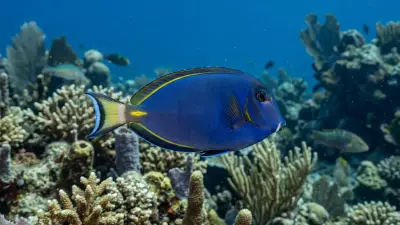
Blue tang
common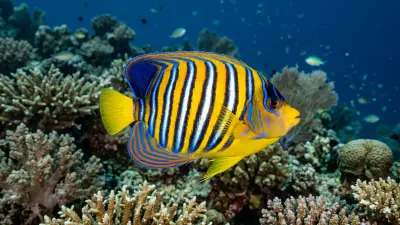
Angelfish
common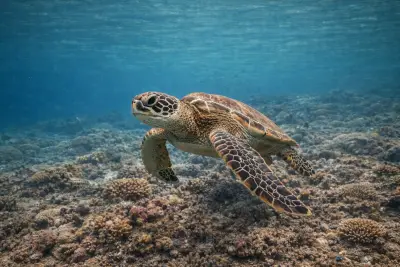
Green turtle
occasional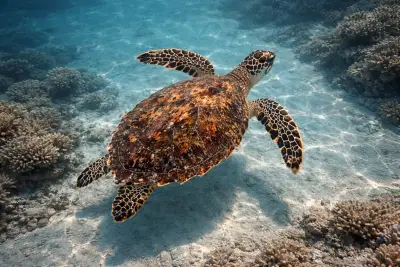
Hawksbill turtle
occasional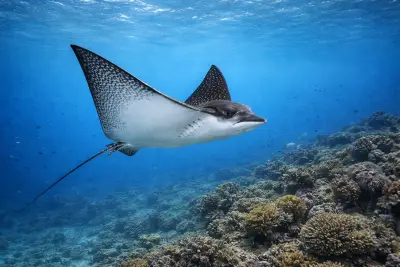
Spotted eagle ray
occasional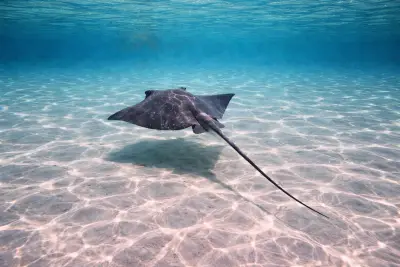
Stingray
occasional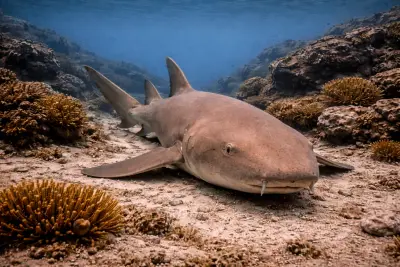
Nurse shark
occasional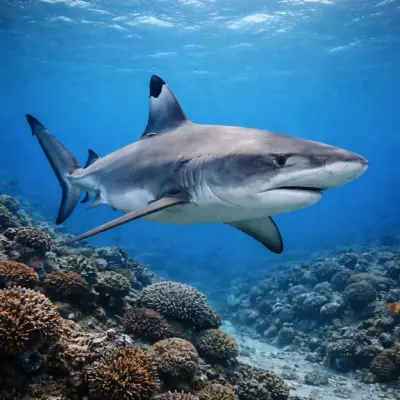
Grey reef shark
occasional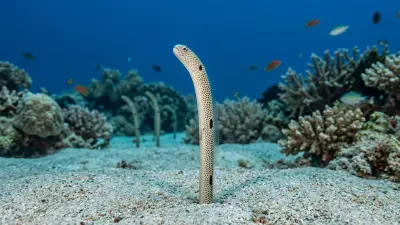
Garden eel
common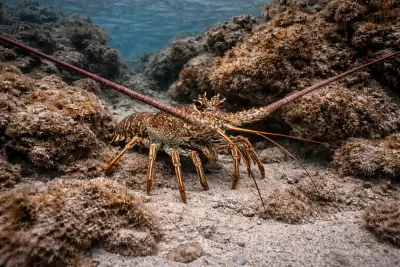
Spiny lobster
common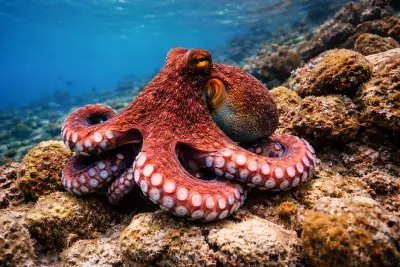
Octopus
occasional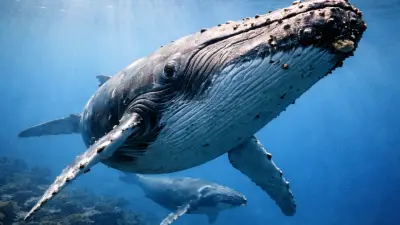
Humpback whale
January–April · occasionalDive profile & how the dive runs
Dives at Grand Turk Wall typically begin with a short boat ride from shore to the top of the wall, which starts at around 8-10 meters (25-30 feet). Entry is usually a giant stride from the boat, followed by a descent to the reef crest. From there, divers can explore the dramatic drop-off, choosing a depth suitable for their certification and experience, often drifting gently along the wall's contours. The dive usually progresses with the wall to the diver's left, allowing for observation of the diverse marine life and intricate coral formations. Many sites feature canyons, arches, and overhangs that offer interesting swim-through opportunities. The turnaround point is often determined by air consumption or bottom time, at which point divers ascend gradually, performing a safety stop on the shallow reef plateau before returning to the boat. Due to generally mild currents, navigation is straightforward and allows for ample exploration.
Underwater photography
Grand Turk Wall offers superb opportunities for both wide-angle and macro photography. For capturing the immense scale of the wall and its dramatic drop-offs, a wide-angle lens is essential, allowing you to encompass the vast coral formations, large sponges, and passing pelagics. The excellent visibility provides clear shots even from a distance. For macro enthusiasts, the healthy reef is teeming with smaller subjects like nudibranchs, crabs, shrimp, and various colorful reef fish, making a dedicated macro lens highly rewarding. Strobe lighting is crucial to bring out the vibrant colors of the corals and sponges against the deep blue backdrop, especially at greater depths. Maintain good buoyancy control to avoid damaging delicate corals and always respect marine life by not disturbing or touching subjects.
Combine with nearby dive sites
- Salt Cay Whale Corridor
Known for humpback whale sightings during migration season.
- Southwest Reef
Offers vibrant reef formations and diverse fish life.
- The Driveway
Features unique reef architecture and occasional pelagic encounters.
- Black Coral Forest
Showcases dense black coral growth on deeper sections of the wall.
Getting there & logistics
Access to Grand Turk is primarily through Providenciales International Airport (PLS), with direct flights from major North American and Caribbean hubs. From Providenciales, travelers can take a short domestic flight to Grand Turk, which is home to the main departure points for dive trips. Alternatively, cruise ship guests can book shore excursions directly to the dive sites. Dive operators on Grand Turk offer packages that include boat dives, and some resorts provide combined dive and accommodation deals. Typical dive trips involve short boat rides, usually under 15 minutes, to the wall sites. There are no specific marine park fees mentioned for Grand Turk, but environmentally conscious operators often contribute to local conservation efforts.
Safety & environment
Diving at Grand Turk Wall is generally very safe due to its calm conditions and mild currents. The nearest recompression chamber is located in Providenciales, necessitating emergency evacuation by air or sea if a serious dive injury occurs. It is therefore crucial for all divers to have comprehensive dive insurance, such as DAN, that covers emergency medical treatment and evacuation. Always dive within your training limits, follow your dive guide's instructions, and perform proper safety stops. Maintain excellent buoyancy control to protect the fragile coral ecosystems. While marine life is abundant, it is important to observe without touching or harassing any creatures, adhering to responsible diving practices in this protected marine park.
Who it suits — and who it doesn't
Suited for
- Beginner divers seeking easy wall experiences
- Experienced divers interested in dramatic topography
- Underwater photographers looking for vibrant reefs
- Marine life enthusiasts desiring high biodiversity
- Divers preferring calm conditions and short boat rides
Less suited for
- Divers seeking strong current drift dives
- Individuals averse to boat travel (though rides are short)
- Those looking exclusively for large shark encounters (more common at other TCI sites)
FAQ
Grand Turk Wall FAQ
What kind of diving can I expect at Grand Turk Wall?
You can expect spectacular wall diving with dramatic drop-offs that plunge into the deep blue. The sites feature vibrant coral and sponge formations, including large barrel and tube sponges. Visibility is typically excellent, allowing for clear views of the abundant reef fish and occasional larger pelagic species.
How deep does the Grand Turk Wall go, and how deep do divers go?
The Grand Turk Wall starts at a shallow reef plateau of 8-10 meters (25-30 feet) and drops to over 2,100 meters (7,000 feet). Most recreational divers explore depths between 12-30 meters (40-100 feet), where the coral and marine life are most concentrated, while staying within no-decompression limits.
Is Grand Turk Wall suitable for beginner divers?
Yes, Grand Turk Wall is suitable for divers of all experience levels, including beginners. The conditions are generally calm with little to no current, especially during summer months. Dive operators offer small group experiences, ensuring personalized attention and a safe, enjoyable introduction to wall diving.
What marine life is commonly seen at Grand Turk Wall?
Divers frequently encounter a wide variety of reef fish such as Nassau groupers, parrotfish, angelfish, and blue tangs. Larger animals like green and hawksbill turtles, spotted eagle rays, and stingrays are also common. Nurse sharks and grey reef sharks are occasionally spotted, and humpback whales migrate through the area seasonally.
When is the best time to visit Grand Turk for diving?
Diving at Grand Turk is excellent year-round. However, for the calmest seas and best visibility, the period from December to May is often preferred. January to April offers the added bonus of potential humpback whale sightings in the nearby Turks Island Passage.
How do I get to Grand Turk for diving?
Most divers fly into Providenciales International Airport (PLS), then take a short connecting domestic flight to Grand Turk. Cruise ship passengers can also book dive excursions directly from the Grand Turk Cruise Center. Local dive operators provide convenient boat transfers to the dive sites, which are typically very close to shore.
Why dive Grand Turk Wall from a liveaboard?
Grand Turk Wall is one of Turks & Caicos's signature dive sites. A liveaboard sleeps you on the water and puts you in the water for three to four guided dives per day, including dawn and night dives that day-boat operators rarely offer. You skip the daily commute back to port and reach quieter, less-crowded sites in the same region on a single trip.
Below are the liveaboards that include Grand Turk Wall on their Turks & Caicos itineraries.
Liveaboards diving Grand Turk Wall
These liveaboards may visit Grand Turk Wall on selected itineraries — the exact dive sites depend on departure, weather and conditions.
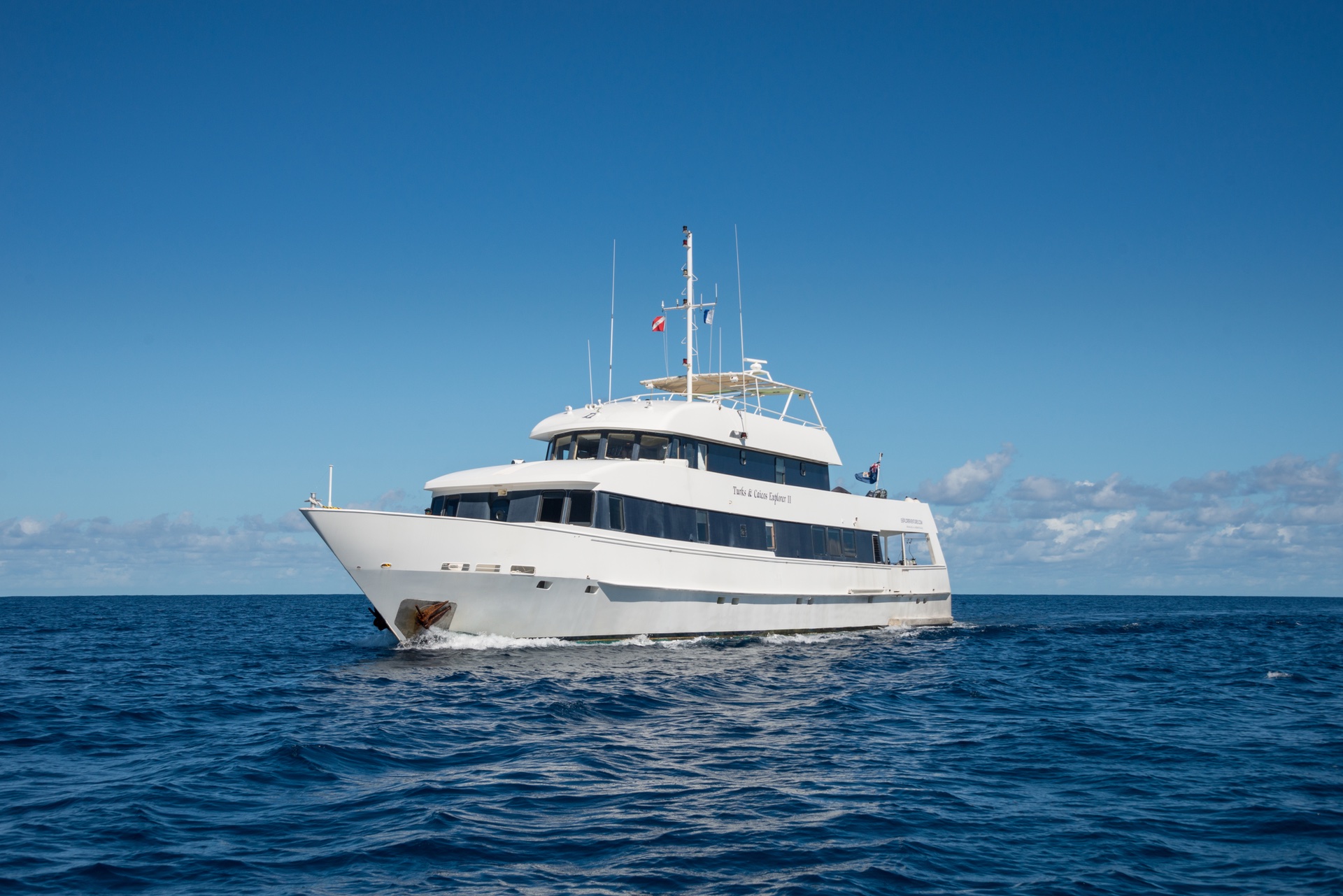
Turks and Caicos Explorer II
Turks & Caicos
20 guests
$287/day
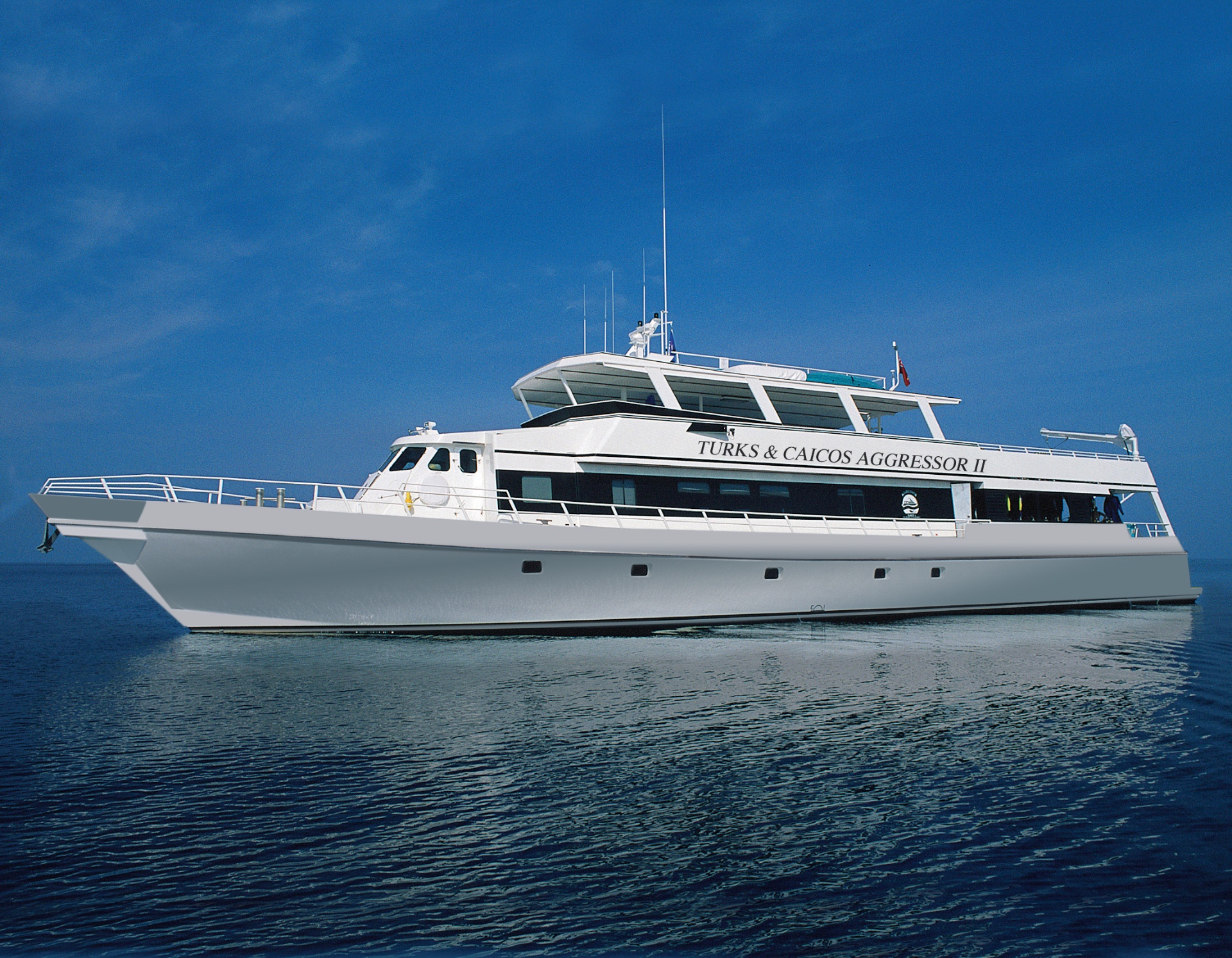
Turks & Caicos Aggressor II
Turks & Caicos
18 guests36.6 m
$287/day
Dive sites similar to Grand Turk Wall
Same character, same waters — six more sites divers love for the exact same reasons.Compare seasons, access and liveaboard routes — then pick the site that fits your trip best.
© Esri — Maxar, Earthstar, GIS
Coral Gables
Turks & Caicos
Coral Gables is a popular dive site situated within Grace Bay, off Providenciales in the Turks & Caicos Islands.
- Suitable for
- Beginner
- Current
- Strong
- Access
- Liveaboard or dayboat
- Depth
- 10–25 m
- Theme
- Reef / Wall
© Esri — Maxar, Earthstar, GIS
Magic Mushroom
Turks & Caicos
Magic Mushroom is a captivating dive site situated off West Caicos, just north of the Yankee Town ruins.
- Suitable for
- Beginner
- Current
- Strong
- Access
- Shore / dayboat
- Depth
- 12–24 m
- Theme
- Wall
© Esri — Maxar, Earthstar, GIS
Thunderdome
Turks & Caicos
Thunderdome is an extraordinary dive site located at Northwest Point in Turks & Caicos, featuring a submerged metal dome structure with a fascinating origin story.
- Suitable for
- Beginner
- Current
- Mild
- Access
- Liveaboard or dayboat
- Depth
- 5–15 m
- Theme
- Wall
The Cathedral dive site is nestled in the Grace Bay area of Providenciales, Turks & Caicos, offering a convenient and iconic diving experience.
- Suitable for
- Intermediate
- Current
- Mild
- Access
- Liveaboard or dayboat
- Depth
- 9–40 m
- Theme
- Wall
© Esri — Maxar, Earthstar, GIS
Eagle Ray Pass
Turks & Caicos
Eagle Ray Pass is a notable dive site situated off Grace Bay in the Turks and Caicos Islands.
- Suitable for
- Intermediate
- Current
- Mild
- Access
- Liveaboard or dayboat
- Depth
- ≤ 30 m
- Theme
- Wall / Reef