About Canyon
The Canyon dive site, located near Sosúa on the north coast of the Dominican Republic, is renowned for its distinctive underwater topography. It features a dramatic ravine, cutting into the ocean floor, that plunges to a maximum depth of 24 meters. The canyon walls are a vibrant spectacle, richly decorated with diverse coral formations including gorgonian fans, striking black coral, and colorful encrusting sponges. The natural channel creates captivating light effects, offering divers one of the most scenic underwater landscapes in the region. Marine life frequently encountered here includes nurse sharks and sizeable green moray eels, often found resting on the sandy canyon floor. Above the reef, schools of creole wrasse add dynamic movement to the water column. The site also boasts good visibility, typically extending beyond 25 meters, making it excellent for observation. This intermediate dive site provides a thrilling adventure with its deep cuts and potential for swim-throughs, rewarding divers with abundant marine life and dramatic scenery. Its conditions allow for boat dives, appealing to those seeking an engaging underwater experience.
Highlights
Dramatic underwater ravineGorgonian and black coral wallsScenic light effectsNurse sharks on sandy floorLarge green moray eelsSchools of creole wrasseExcellent visibility
Season calendar
Best months to dive here
Jan
Feb
Mar
Apr
May
Jun
Jul
Aug
Sep
Oct
Nov
Dec
Good
Dive site facts: Canyon
- Depth
- Up to 24 m
- Current
- Moderate, can be tricky
- Visibility
- 18–30 m
- Water temperature
- 24–28°C
- Entry
- Boat
- Level
- Intermediate
- Dive type
- Canyon, Wall
- Region / port
- Sosúa, Dominican Republic
- Coordinates
- 19.8005° N, 70.4654° W
Conditions & Currents
Currents at The Canyon can vary, sometimes requiring advanced diving skills due to their potential trickiness, as noted by some divers. However, conditions are generally described as moderate, allowing for a good diving experience. Visibility typically ranges from 18 to 30 meters, contributing to clear views of the canyon's features and marine life. While strong currents can bring in pelagic life, they also necessitate careful dive planning, particularly for depth management within the canyon's cut. The site is accessed via boat, and entry is generally straightforward. Divers should be prepared for changing conditions, and an intermediate skill level is recommended due to the depth and potential for currents.
Marine life & sighting chances
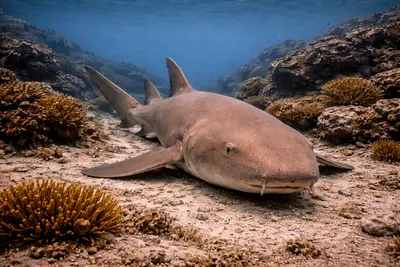
Nurse shark
occasional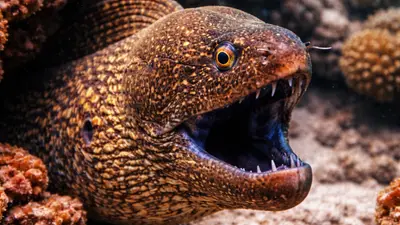
Green moray eel
occasional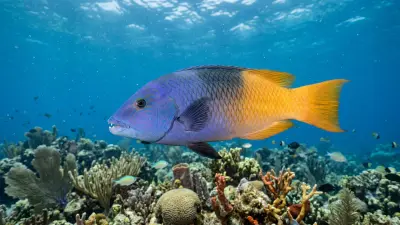
Creole wrasse
common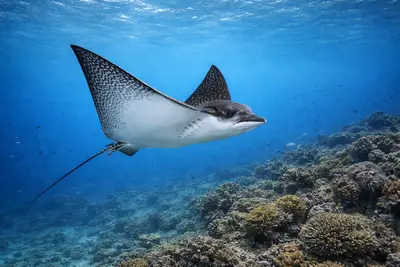
Eagle ray
occasional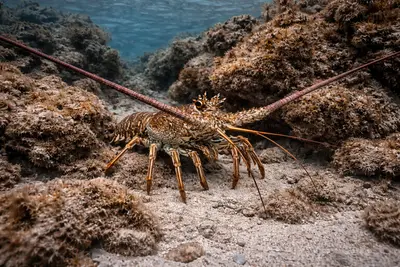
Lobster
occasionalSea turtle
occasional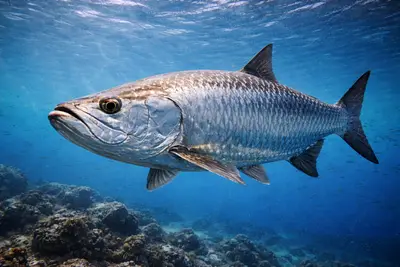
Tarpon
occasional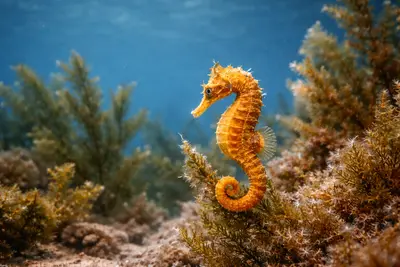
Seahorse
occasional
Reef shark
occasional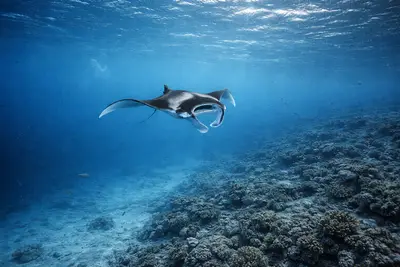
Manta ray
March · occasional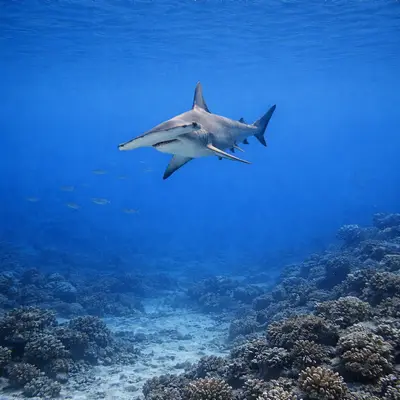
Hammerhead shark
November · occasional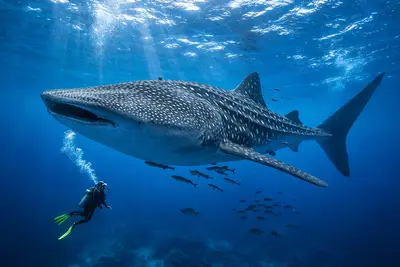
Whale shark
July · occasional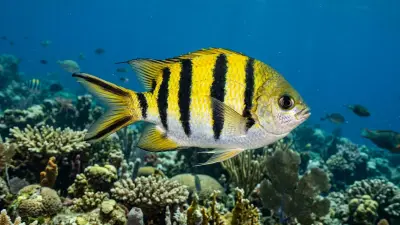
Sergeant major
commonTrumpet fish
commonDive profile & how the dive runs
Your dive at The Canyon typically begins with a boat entry to the site near Sosúa. Upon descending, you will explore the dramatic underwater ravine, with its walls richly adorned with gorgonian fans, black coral, and colorful encrusting sponges. The route often follows the natural channel, allowing for observations of unique light effects filtering through the water. Depths can reach up to 24 meters, where nurse sharks and large green moray eels are frequently spotted resting on the sandy floor. Divers navigate through the canyon, which may include some swim-throughs, rewarding careful exploration. The dive concludes with a gradual ascent, with safety stops typically performed over the shallower sections or adjacent reef areas, allowing for decompression and further observation of schooling creole wrasse.
Underwater photography
Capturing the dramatic topography of The Canyon requires a wide-angle lens to encompass the expansive walls and the unique light effects filtering into the ravine. Pay attention to the vibrant colors of gorgonian fans, black coral, and sponges, which benefit from external strobes to bring out their true hues against the blue backdrop. Macro photography can be rewarding for detailed shots of small creatures hidden in crevices, but the primary focus here is on the grander scale. Maintain excellent buoyancy control, especially when navigating tight spaces or near the canyon walls, to protect delicate coral structures. When photographing nurse sharks or moray eels, approach slowly and respectfully to avoid disturbing their natural behavior.
Combine with nearby dive sites
- Puntilla
La Puntilla, also known as Airport Wall Dive Site, is located in Sosúa, Dominican Republic, offering a varied underwater landscape suitable…
- Deep Wall
Deep Wall is an ideal dive site located near Sosúa in the Dominican Republic, offering a unique experience that belies its name by being…
- The Wall
Near Sosúa
- 3 Rocks
Near Sosúa
- Airport Wall
Near Puerto Plata
Getting there & logistics
Accessing The Canyon involves flying into an international airport in the Dominican Republic, with Punta Cana International Airport being the busiest, though Puerto Plata airport provides easy access to the north coast. From the airport, private transfers or shuttles can connect travelers to resorts and dive centers in Sosúa. Dives to The Canyon are conducted via boat, departing from local marinas in the Sosúa area. Dive centers like Aqua Adventures By Scuba Dive Sosua, Dive Center Merlin, and Dive Cabarete are located within close proximity to the site. The Canyon is typically experienced as part of a day trip with two dives, though specific trip lengths can vary depending on the operator.
Safety & environment
Diving at The Canyon requires adherence to standard safety protocols due to its intermediate difficulty and potential for currents. Divers should ensure they have appropriate certification and experience for deeper dives and navigating potential currents. For medical emergencies, comprehensive dive insurance is highly recommended. The nearest recompression chambers would likely be associated with larger medical facilities, potentially in Santo Domingo or other major cities, necessitating emergency evacuation. Site-specific hazards include variable currents and the depth of the canyon; therefore, careful gas planning and maintaining good buoyancy control are crucial. Always follow the instructions of your dive guide.
Who it suits — and who it doesn't
Suited for
- Intermediate to advanced divers
- Divers seeking dramatic topography
- Underwater photographers with wide-angle setups
- Divers interested in larger marine life sightings like sharks and eels
- Divers comfortable with potential currents
Less suited for
- Beginner divers or those without intermediate certification
- Divers uncomfortable with depths up to 24 meters
- Divers with limited experience in moderate to tricky currents
- Divers seeking only shallow, calm reef dives
- Divers prone to claustrophobia in narrow underwater passages
FAQ
Canyon FAQ
What kind of marine life can I expect to see at The Canyon?
At The Canyon, you can frequently spot nurse sharks and large green moray eels resting on the sandy floor. Schools of creole wrasse are common, filling the water column above the canyon. Other occasional sightings include sea turtles, eagle rays, lobsters, tarpon, seahorses, and reef sharks. Depending on the season, manta rays, hammerhead sharks, and even whale sharks have been reported.
What is the typical depth and visibility at The Canyon?
The Canyon reaches a maximum depth of 24 meters, making it suitable for intermediate divers. Visibility at the site is generally excellent, often ranging from 18 to 30 meters. This clear water allows for superb views of the canyon's dramatic rock formations and the diverse marine life inhabiting its walls and floor.
Are there strong currents at The Canyon?
Currents at The Canyon are typically described as moderate, but they can be tricky at times, especially for less experienced divers. While these currents can attract larger pelagic species, they also necessitate careful dive planning and good buoyancy control. Divers with experience in current are better suited for this site.
What makes The Canyon unique for diving?
The Canyon stands out due to its dramatic underwater ravine, a deep, narrow cut in the ocean floor. Its walls are richly covered with colorful gorgonian fans, black coral, and encrusting sponges, creating a visually stunning environment. The natural channel also produces unique light effects, enhancing the scenic beauty of this intermediate dive site.
What level of diving experience is required for The Canyon?
The Canyon is classified as an intermediate dive site. Its depth of up to 24 meters and the potential for tricky currents mean that it is best suited for certified divers with some experience, particularly in navigating currents. Advanced Open Water certification or equivalent experience is recommended for fully enjoying this site.
Why dive Canyon from a liveaboard?
Canyon is one of Dominican Republic's signature dive sites. A liveaboard sleeps you on the water and puts you in the water for three to four guided dives per day, including dawn and night dives that day-boat operators rarely offer. You skip the daily commute back to port and reach quieter, less-crowded sites in the same region on a single trip.
Below are the liveaboards that include Canyon on their Dominican Republic itineraries.
Liveaboards diving Canyon
These liveaboards may visit Canyon on selected itineraries — the exact dive sites depend on departure, weather and conditions.
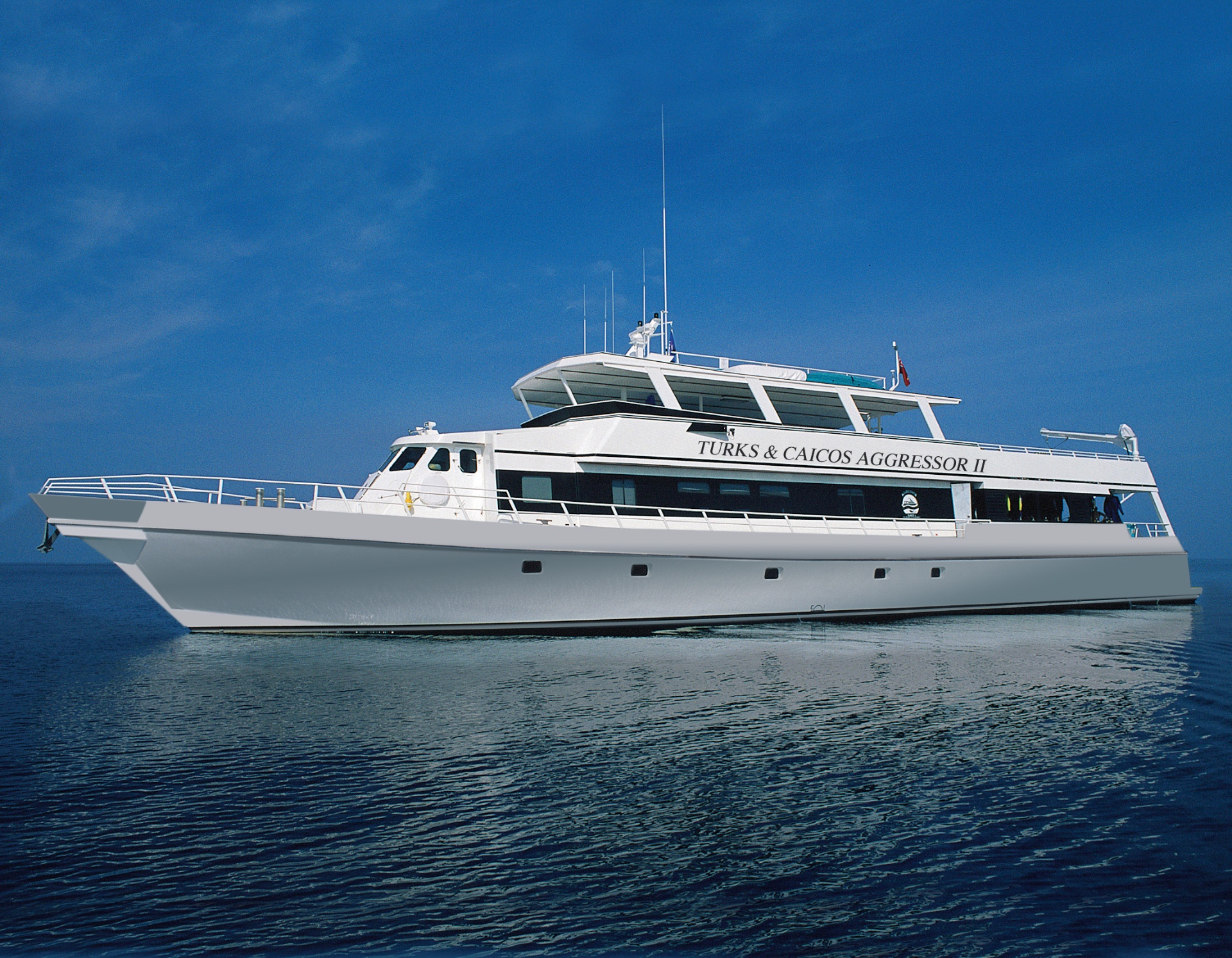
Turks & Caicos Aggressor II
Turks & Caicos
18 guests36.6 m
$287/day
Dive sites similar to Canyon
Same character, same waters — six more sites divers love for the exact same reasons.Compare seasons, access and liveaboard routes — then pick the site that fits your trip best.
© Esri — Maxar, Earthstar, GIS
Canal Saona
Dominican Republic
Saona Island Reef, located within Cotubanamá National Park off the southeastern coast of the Dominican Republic, is a well-regarded dive site known for its rich coral ecosystems and abundant marine species.
- Suitable for
- Intermediate
- Current
- Moderate
- Access
- Liveaboard or dayboat
- Depth
- 20–20 m
- Theme
- Reef
El Peñon is a highly-regarded dive site located within the protected Parque Nacional del Este, near Bayahibe in the Dominican Republic.
- Suitable for
- Beginner
- Current
- No current
- Access
- Dayboat
- Depth
- 7–28 m
- Theme
- Reef
El Limón is a notable shipwreck site located within the La Caleta Underwater National Park, close to Santo Domingo.
- Suitable for
- Advanced
- Current
- Mild
- Access
- Dayboat
- Depth
- 30–30 m
- Theme
- Wreck / Reef
© Esri — Maxar, Earthstar, GIS
Sosua Marine Reserve
Dominican Republic
The Sosua Marine Reserve offers a premier diving experience directly accessible from Playa Sosua on the north coast of the Dominican Republic.
- Suitable for
- Beginner
- Current
- Mild
- Access
- Dayboat
- Depth
- 5–18 m
- Theme
- Reef
The Dominican Republic presents a varied underwater landscape, suitable for divers of all levels, with its calm Caribbean seas off the south coast providing ideal conditions for…
- Suitable for
- Intermediate
- Current
- Moderate
- Access
- Liveaboard or dayboat
- Depth
- 5–26 m
- Theme
- Reef