About Ayr
The SS Yongala shipwreck, a celebrated dive destination, lies off the coast of Alva Beach, near Ayr, Queensland, providing a vibrant artificial reef experience. This 109-meter passenger and cargo steamer sank during a cyclone in 1911, and now rests on its starboard side, transforming into a diverse ecosystem after being rediscovered in 1958 and declared a historic shipwreck in 1981. The wreck's upper structure begins at 15 meters, descending to a sandy bottom at 29-33 meters. The entire vessel is richly adorned with a stunning array of hard and soft corals, including black coral trees, gorgonians, sponges, and sea whips, offering a spectacular canvas for marine life. The Yongala is renowned for its exceptional marine biodiversity, attracting large pelagic species, sharks, rays, and vast schools of fish year-round. While strong currents and variable visibility can be present, calm conditions offer spectacular 25-meter visibility, revealing an astonishing concentration of life. From June to November, encounters with whales are possible, adding another layer to its appeal. Diving the SS Yongala involves a short boat transfer from Alva Beach, near Ayr. Divers must adhere to strict rules against wreck penetration to preserve its integrity and respect its status as a maritime grave. The experience emphasizes observing the exterior of the well-preserved ship and its incredible surrounding marine ecosystem.
Highlights
World's top wreck diveExceptional marine biodiversityHistoric 1911 shipwreckGiant Queensland groupersDiverse coral growthSharks and raysMassive fish schoolsAccessible from Ayr
Season calendar
Best months to dive here
Jan
Feb
Mar
Apr
May
Jun
Jul
Aug
Sep
Oct
Nov
Dec
Good
Dive site facts: Ayr
- Depth
- 15–33 m
- Current
- Strong, variable
- Visibility
- 10–25 m
- Water temperature
- 24–29 °C
- Entry
- Boat from Alva Beach
- Level
- Advanced Divers
- Dive type
- Wreck, biodiversity, pelagic
- Night dive
- Possible (on liveaboards)
- Region / port
- Queensland, Australia
- Coordinates
- 19.5714° S, 147.6001° E
Conditions & Currents
The SS Yongala is frequently affected by strong currents, which can vary in strength and direction, making this an advanced dive. Divers must be prepared for potential drift and exert effort to navigate the wreck, especially when currents are running. Occasionally, conditions are too severe for diving, leading to cancellations for safety. Entry and exit often require using a mooring line for controlled descent and ascent. While conditions can be challenging, a day with light winds and calm seas can offer spectacular 25-meter visibility, though it can also drop to 10-15 meters on other days. There are no notable thermoclines mentioned, but surge can be present. Boat traffic primarily consists of dive operators, who manage entry and exit procedures carefully.
Marine life & sighting chances
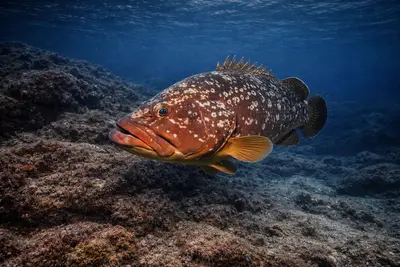
Queensland grouper
common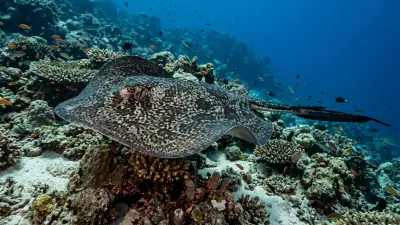
Marble ray
common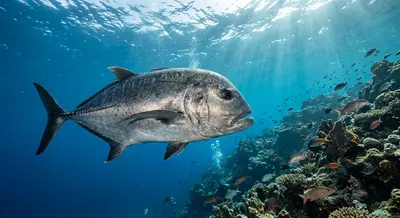
Trevally
common
Barracuda
common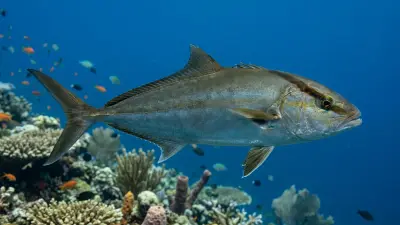
Mangrove jack
common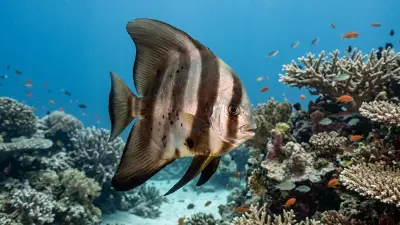
Batfish
common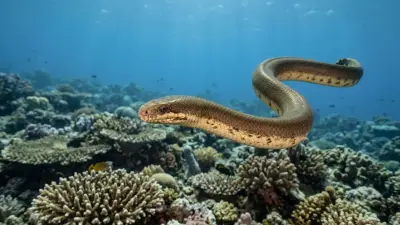
Olive sea snake
common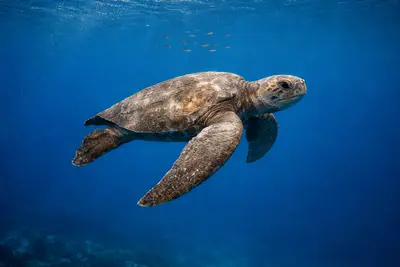
Loggerhead turtle
common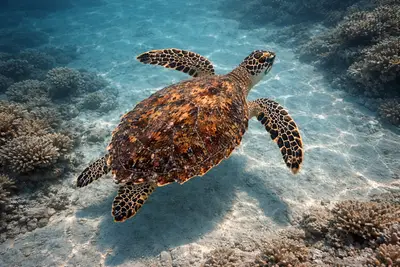
Hawksbill turtle
common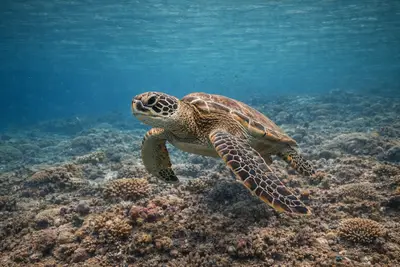
Green turtle
common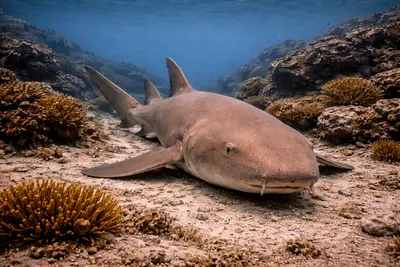
Tawny nurse shark
occasional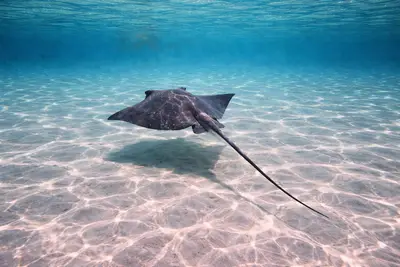
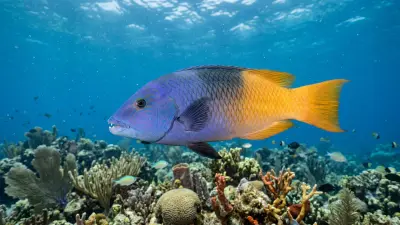
Maori wrasse
common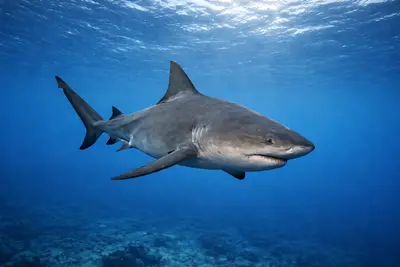
Bull shark
occasionalDive profile & how the dive runs
Your dive to the SS Yongala begins with a short, fast boat ride from Alva Beach. Upon arrival, you will typically descend along a mooring line, which is crucial for managing potential currents. The wreck itself rests on its starboard side, with the shallowest part of the hull around 15 meters and the deepest on the sandy seabed at 29-33 meters. Dives commonly start at the stern or bow, following the length of the 109-meter vessel, exploring the exterior features such as the rudder, propeller, winches, and the coral-encrusted masts that lie off the wreck. You'll navigate around the intact structure, observing portholes and the bridge area. Penetration inside the wreck is strictly prohibited to preserve its integrity and respect its historical significance. Ascent is also conducted along the mooring line, with a safety stop typically performed at 5 meters near the line, where a rich array of smaller fish often congregate.
Underwater photography
The SS Yongala offers exceptional opportunities for wide-angle photography due to the sheer size of the wreck, the extensive coral growth, and the abundance of large marine life. A fisheye or wide-angle lens (e.g., 8-15mm or 16-35mm equivalent) is highly recommended to capture the full scope of the ship and the massive schools of fish. For capturing the vibrant corals and marine life, external strobes are essential, especially given the depth and potential for lower visibility. Buoyancy control is paramount to avoid disturbing the silty bottom and to navigate the wreck without contact. Ethical photography means never touching the wreck or harassing marine life, respecting the site's protected status. Patience can also yield stunning shots of the resident giant groupers or cruising pelagics.
Combine with nearby dive sites
Getting there & logistics
Access to the SS Yongala is typically arranged through dive operators in Ayr, Queensland. The nearest major airport is in Townsville (TSV), which is about an hour's drive north of Ayr. From Ayr, divers travel to Alva Beach, a remote launch point, for a fast 30-minute express boat ride to the shipwreck. While Townsville also offers trips, the journey is considerably longer, taking about 3 hours by fast boat. Most trips are day excursions, usually including two dives. It is important to book in advance due to the site's popularity and to ensure you meet the required advanced diver certification. There are no specific permits or fees mentioned for divers beyond the trip cost.
Safety & environment
Diving the SS Yongala, a site often characterized by strong currents and depths up to 33 meters, requires advanced diving skills and strict adherence to safety protocols. Divers must be proficient in buoyancy control and comfortable in challenging conditions. The nearest recompression chamber is likely located in Townsville. Evacuation in a medical emergency would involve boat transport back to Alva Beach or Ayr, followed by road transport to a hospital or medical facility. Divers are strongly advised to have comprehensive dive insurance that covers emergency medical treatment and evacuation. Rules include strictly no penetration of the wreck, which is a protected historical site and a war grave, and no touching of the delicate corals or marine life. Listen carefully to your dive guide's briefing, especially regarding current conditions and the specific dive plan for the day.
Who it suits — and who it doesn't
Suited for
- Experienced divers comfortable with currents
- Wreck enthusiasts seeking intact historical sites
- Underwater photographers targeting large marine life and wrecks
- Divers seeking high biodiversity encounters
- Those who appreciate minimal diver crowds
Less suited for
- Beginner divers or those without advanced certification
- Divers uncomfortable with strong currents
- Individuals prone to seasickness
- Those expecting calm, shallow reef dives
- Divers seeking wreck penetration
FAQ
Ayr FAQ
What is the SS Yongala and why is it famous?
The SS Yongala is a 109-meter passenger and cargo steamer that sank in a cyclone in 1911, taking 123 lives. It is famous for being one of the world's best wreck dives, now serving as a vibrant artificial reef teeming with an extraordinary concentration of marine life, earning it top rankings globally for biodiversity.
Where is Ayr in relation to the SS Yongala?
Ayr is a town in Queensland, Australia, and a primary departure point for diving the SS Yongala. Dive operators from Ayr typically launch from Alva Beach, which offers the fastest boat transfer to the shipwreck, usually taking only 30 minutes, compared to longer trips from other cities like Townsville.
What kind of marine life can I expect to see at the SS Yongala?
The SS Yongala is renowned for its incredible marine biodiversity. You can expect to encounter giant Queensland groupers, marble rays, trevally, barracuda, large schools of batfish and snapper, numerous species of sea snakes and turtles, and occasionally bull sharks, tawny nurse sharks, and even rare smalleye stingrays.
Can I penetrate the SS Yongala wreck?
No, penetration of the SS Yongala wreck is strictly prohibited. The wreck is a protected historic site and a maritime grave, meaning divers are only allowed to explore its exterior. This rule helps preserve the structural integrity of the vessel and honors those who perished in the sinking.
What are the typical diving conditions at the SS Yongala?
Diving conditions at the SS Yongala can be challenging, often featuring strong and variable currents. Visibility can range from 10 to 25 meters, depending on the day and weather. The site reaches depths of 33 meters, making it suitable for advanced divers comfortable with these conditions.
Is Ayr a good base for divers, and how do I get there?
Ayr is an excellent base for diving the SS Yongala due to its close proximity to the wreck, allowing for shorter boat transfers. To get there, you typically fly into Townsville Airport (TSV), which is approximately an hour's drive north of Ayr. Many dive operators offer transfers or guidance for reaching their facilities.
Why dive Ayr from a liveaboard?
Ayr is one of Australia's signature dive sites. A liveaboard sleeps you on the water and puts you in the water for three to four guided dives per day, including dawn and night dives that day-boat operators rarely offer. You skip the daily commute back to port and reach quieter, less-crowded sites in the same region on a single trip.
Below are the liveaboards that include Ayr on their Australia itineraries.
Liveaboards diving Ayr
These liveaboards may visit Ayr on selected itineraries — the exact dive sites depend on departure, weather and conditions.
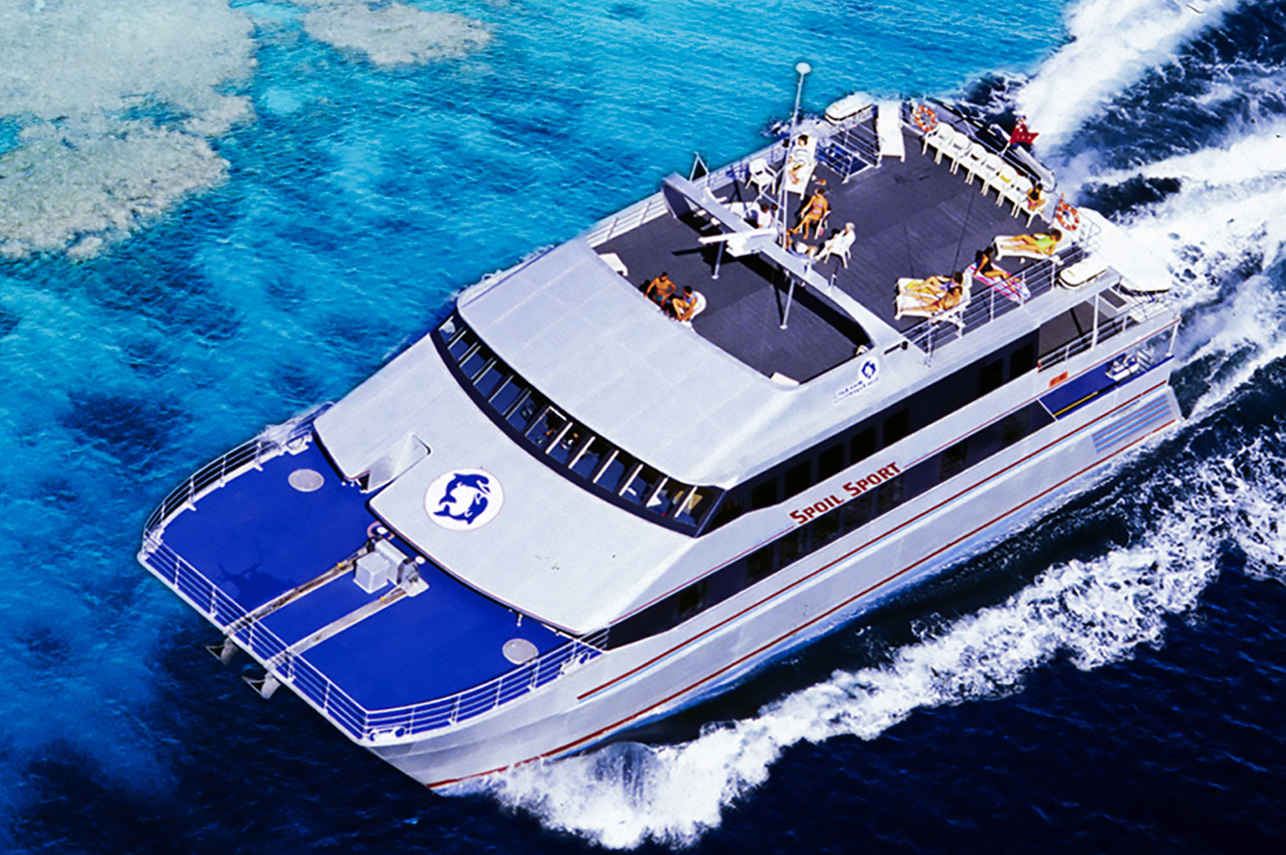
Spoilsport
Australia
28 guests30 m
$405/day
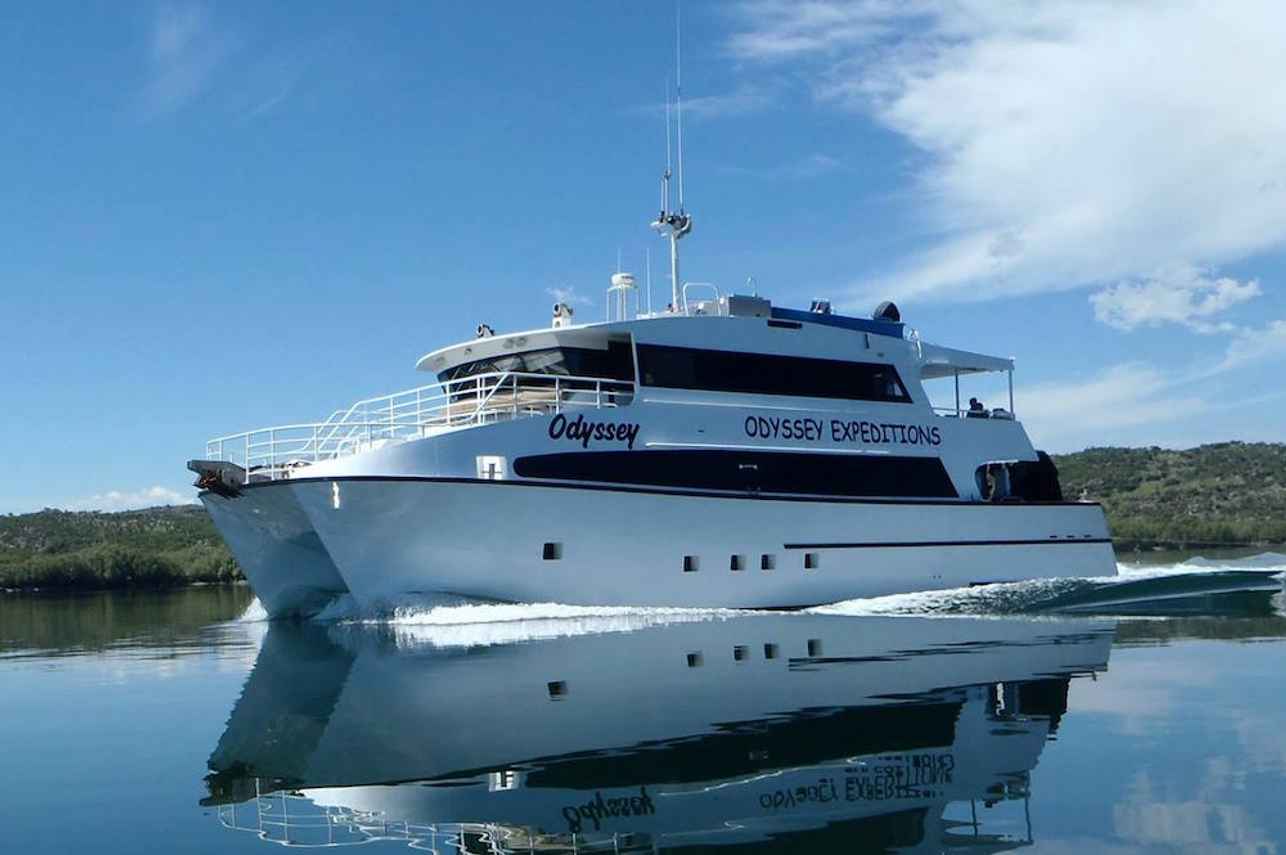
Odyssey Liveaboard
Australia
20 guests24 m
$392/day
Dive sites similar to Ayr
Same character, same waters — six more sites divers love for the exact same reasons.Compare seasons, access and liveaboard routes — then pick the site that fits your trip best.
© Esri — Maxar, Earthstar, GIS
Agincourt Reef
Australia
Agincourt Reef sits on the outer edge of the Great Barrier Reef, roughly 60–72 km off Port Douglas in Far North Queensland, at the southern end of the true ribbon reefs that run…
- Suitable for
- Beginner
- Current
- Moderate
- Access
- Dayboat
- Depth
- 2–20 m
- Theme
- Reef / Wall
© Esri — Maxar, Earthstar, GIS
Cocos Keeling - Canons
Australia
Cocos Keeling - Canons offers a distinctive dive experience within the Cocos (Keeling) Islands lagoon, making it Australia's most remote dive destination.
- Suitable for
- Beginner
- Current
- Mild
- Access
- Dayboat
- Depth
- 8–12 m
- Theme
- Reef
© Esri — Maxar, Earthstar, GIS
Raine Island
Australia
Raine Island is a pivotal dive site located in the Far Northern Great Barrier Reef, approximately 85 kilometers east-north-east of Cape Grenville and just over 4 nautical miles south of the island itself.
- Suitable for
- Advanced
- Current
- Strong
- Access
- Liveaboard only
- Depth
- 5–40 m
- Theme
- Reef / Wall
© Esri — Maxar, Earthstar, GIS
Bare Island East
Australia
Bare Island East is a highly regarded shore dive in Sydney, celebrated for its diverse and colourful sponge gardens.
- Suitable for
- Intermediate
- Current
- Mild
- Access
- Shore / dayboat
- Depth
- 2–11 m
- Theme
- Reef
© Esri — Maxar, Earthstar, GIS
Cocos Keeling - Broccoli Patch
Australia
Broccoli Patch is a premier dive site nestled within the Cocos (Keeling) Islands lagoon system, offering a gentle yet captivating underwater experience.
- Suitable for
- Beginner
- Current
- Mild
- Access
- Dayboat
- Depth
- 5–10 m
- Theme
- Reef
© Esri — Maxar, Earthstar, GIS
Milln Reef
Australia
Milln Reef, located approximately 60km offshore from Cairns within the Great Barrier Reef, stands out as a highly favored outer reef destination for both divers and snorkelers.
- Suitable for
- Intermediate
- Current
- Moderate
- Access
- Liveaboard or dayboat
- Depth
- 4–22 m
- Theme
- Reef