About The Museum of Underwater Art
The Museum of Underwater Art (MOUA) is a groundbreaking initiative off Townsville, Australia, integrating art, science, and reef conservation. Conceived by artist Jason deCaires Taylor, MOUA consists of several installations, primarily the Coral Greenhouse and Ocean Sentinels, located at John Brewer Reef within the Great Barrier Reef Marine Park. These pH-neutral sculptures are designed to encourage coral propagation and provide new habitats for marine species, evolving into living ecosystems. While the Ocean Siren is a shore-side installation in Townsville, the main underwater attractions, the Coral Greenhouse and Ocean Sentinels, are situated on John Brewer Reef. The Coral Greenhouse is a large structure reaching depths of 12-18 meters for divers, with shallower sections around 4-6 meters suitable for snorkelers. The Ocean Sentinels are also accessible in relatively shallow waters, around 5 meters deep, making them ideal for snorkelers. The site benefits from some weather protection and offers good visibility, especially during the dry season from May to October. Divers can observe a rich tapestry of reef fish, crustaceans, and various corals colonizing the sculptures and the surrounding natural reef. The ongoing transformation of the artworks with marine growth creates a unique and ever-changing experience. Accessibility is primarily by boat from Townsville or Magnetic Island, typically as part of a full-day tour. Visitors are encouraged to practice responsible reef behavior, including strict no-touching policies to preserve the artworks and their delicate marine inhabitants. The site is suitable for all levels, offering both shallow and deeper experiences.
Highlights
Underwater art installationCoral propagation siteLife-sized sculpturesJohn Brewer Reef locationCoral Greenhouse structureOcean Sentinels collectionGreat Barrier Reef conservation
Season calendar
Best months to dive here
Jan
Feb
Mar
Apr
May
Jun
Jul
Aug
Sep
Oct
Nov
Dec
Excellent
Good
Off-Season
Dive site facts: The Museum of Underwater Art
- Depth
- 4–18 m
- Typical dive
- 12–16 m
- Current
- Mild
- Visibility
- 10–15 m
- Water temperature
- 24–30 °C
- Entry
- Boat
- Level
- All levels
- Dive type
- , Reef
- Region / port
- Townsville, Great Barrier Reef
- Coordinates
- 19.1008° S, 146.8407° E
Conditions & Currents
The current strength at the Museum of Underwater Art sites on John Brewer Reef is generally mild, making it suitable for a wide range of diver experience levels. The Coral Greenhouse, specifically, is designed to dissipate undercurrents, which contributes to more comfortable diving conditions. However, divers should always be aware of local conditions and follow guide instructions, especially concerning vessel traffic. Visibility is typically good, ranging from 10 to 15 meters, and can be excellent during the dry season. While thermoclines are not specifically mentioned, water temperatures are warm year-round, ranging from 24°C in winter to 30°C in summer. Good buoyancy control is essential to avoid damaging the delicate corals and the growing marine life on the sculptures. Entry and exit are typically boat-based, requiring standard procedures.
Marine life & sighting chances

Hard corals
Year-round · common
Clownfish
Year-round · occasionalDive profile & how the dive runs
Your dive at MOUA's Coral Greenhouse begins with a boat entry onto John Brewer Reef, a site known for its clear visibility and natural coral backdrop. The site accommodates both snorkelers in shallower sections (4-6 meters) and divers in deeper areas (12-18 meters). The dive often involves exploring the 72-meter long Coral Greenhouse, a large stainless steel structure featuring 20 life-sized 'reef guardian' sculptures. Divers can navigate swim-throughs within the greenhouse, observing corals establishing themselves on the structures. Surrounding the greenhouse are natural coral walls and a flat sandy base, which divers can explore. The nearby Ocean Sentinels installation, located around 5 meters deep, provides additional sculptural viewing, particularly suitable for snorkelers or as a shallower component of the dive. The dive typically involves a circular or linear path around the main installations, allowing ample time to observe the marine life interacting with the art. Safety stops are conducted in the shallower zones of the reef before ascending back to the boat.
Underwater photography
Capturing the Museum of Underwater Art requires a versatile approach. Wide-angle lenses are essential for photographing the large structures like the Coral Greenhouse, which is 72 meters long, and the individual sculptures, some standing up to 2.5 meters tall. The installations are designed to attract marine life, so be prepared for both macro opportunities focusing on small crustaceans and invertebrates inhabiting the sculptures, as well as marine life portraits of passing reef fish. Strobes will help to bring out the vibrant colors of corals growing on the pH-neutral materials. Buoyancy control is paramount, not only for crisp shots but also to protect the delicate corals and the artworks themselves, as touching is strictly prohibited. Use natural light to illuminate the shallow Ocean Sentinels or supplement with artificial light for the deeper Coral Greenhouse. Aim for compositions that highlight the blend of art and nature, showing how marine life is integrating with the human-made forms.
Combine with nearby dive sites
- John Brewer Reef
Natural reef surrounding MOUA
- Flynn Reef
Flynn Reef, situated on the Outer Great Barrier Reef approximately 60-80 kilometers offshore from Cairns, is a highly favored dive site…
- Moore Reef
Moore Reef is a prominent outer reef destination located approximately 60 kilometers offshore from Cairns, making it one of the most…
- Lizard Island
Lizard Island serves as a key destination in the remote Far Northern Great Barrier Reef, offering access to some of the planet's most…
- Ayr
Departure point for Yongala Wreck
- Townsville
Main departure port for MOUA
Getting there & logistics
Access to the Museum of Underwater Art at John Brewer Reef is primarily from Townsville, Queensland, or Magnetic Island. Townsville is served by Townsville Airport (TSV), with domestic connections. Tours to MOUA are typically full-day excursions, often lasting around 10 hours, departing from local marinas. Multiple commercial tourism operators offer guided trips specifically for diving and snorkeling at the sculpture sites. It is advisable to book these tours in advance. The underwater sculptures are located within a public marine park zone, meaning there are no direct entry fees for the sculptures themselves, but tour operator costs apply. MOUA can be combined with other Great Barrier Reef experiences or even a trip to the famous SS Yongala shipwreck, which is also accessible from the Townsville region, offering a diverse range of diving opportunities.
Safety & environment
Ensuring safety at the Museum of Underwater Art is a priority for both visitors and marine life. The sculptures are strategically placed in sheltered waters and engineered to withstand Category 4 cyclones, minimizing risks from extreme weather. However, weather conditions, currents, and visibility are critical considerations for safe diving and snorkeling. Operators manage these factors carefully. Visitors should maintain a safe distance from the sculptures, as touching them is prohibited to ensure their preservation and allow natural coral growth. Fishing and spearfishing are restricted within 50 meters of the sculptures for public safety and enjoyment. For medical emergencies, the nearest recompression chamber is located in Townsville. Divers should always have appropriate dive insurance and follow responsible reef practices.
Who it suits, and who it doesn't
Suited for
- Beginner divers
- Snorkelers and freedivers
- Underwater photographers
- Those interested in marine conservation
- Families with confident swimmers (8+ years)
Less suited for
- Divers seeking purely natural reef formations
- Those who dislike art installations
- Divers expecting strong currents and drift dives
- Individuals with poor buoyancy control
- Those unwilling to adhere to no-touching policies
FAQ
The Museum of Underwater Art FAQ
What is the Museum of Underwater Art?
The Museum of Underwater Art (MOUA) is a series of underwater art installations on the Great Barrier Reef, created by artist Jason deCaires Taylor. Its primary locations for divers and snorkelers are the Coral Greenhouse and Ocean Sentinels at John Brewer Reef. These sculptures serve as artificial reefs, promoting coral growth and marine conservation while offering a unique artistic experience.
Can I touch the sculptures at MOUA?
No, visitors are kindly asked not to touch the underwater sculptures. This 'no touching' policy is crucial for the preservation of the artworks and is consistent with responsible reef practices. The sculptures are designed to naturally accumulate marine life, and touching them could damage delicate corals and other organisms growing on their surfaces.
What depths can I expect at MOUA?
The Museum of Underwater Art caters to a range of depths. Shallow water areas, around 4-6 meters, are ideal for snorkeling, particularly for viewing the Ocean Sentinels. For scuba divers, deeper sections of the Coral Greenhouse installation extend to 12-18 meters, offering a comprehensive exploration of the structures.
When is the best time to visit MOUA?
The best time to visit the Museum of Underwater Art is during Australia's dry season, which runs from May to October. During these months, the region typically experiences calmer seas, less humidity, and excellent underwater visibility. This ensures optimal conditions for exploring the sculptures and observing marine life.
How do the sculptures contribute to marine conservation?
The sculptures are made from pH-neutral, environmentally friendly materials and are designed as active marine habitats. They encourage coral larvae to settle and grow, essentially acting as artificial reefs and coral nurseries. Scientists monitor these sites to study coral propagation and the integration of marine life, contributing valuable data to Great Barrier Reef conservation efforts.
Why dive The Museum of Underwater Art from a liveaboard?
The Museum of Underwater Art is one of Australia's signature dive sites. A liveaboard sleeps you on the water and typically offers several guided dives per day (the exact number depends on the vessel and itinerary), including dawn and night dives that day-boat operators rarely offer. You skip the daily commute back to port and reach quieter, less-crowded sites in the same region on a single trip.
Liveaboards diving The Museum of Underwater Art
These liveaboards may visit The Museum of Underwater Art on selected itineraries, the exact dive sites depend on departure, weather and conditions.
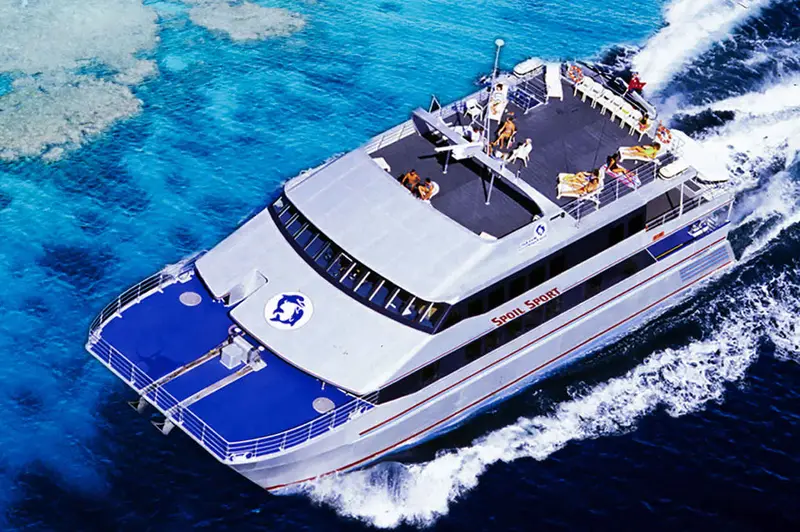
Spoilsport
Australia
28 guests30 m
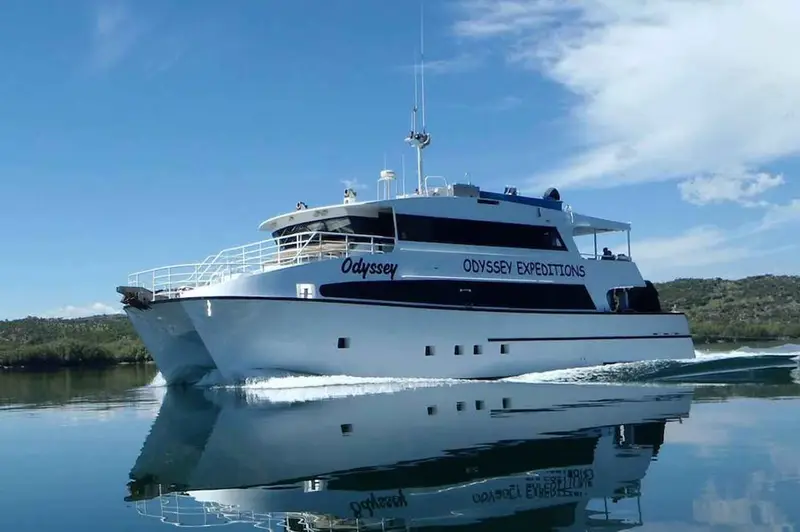
Odyssey Liveaboard
Australia
20 guests24 m
Dive sites similar to The Museum of Underwater Art
Same character, same waters, six more sites divers love for the exact same reasons.Compare seasons, access and liveaboard routes, then pick the site that fits your trip best.
Alibaba is a renowned drift dive located within the Garuae Pass in northern Fakarava, a UNESCO Biosphere Reserve in the Tuamotu Archipelago.
- Suitable for
- Intermediate
- Current
- Strong
- Access
- Liveaboard only
- Depth
- 5–30 m
- Theme
- Reef
© EsriMaxar, Earthstar, GIS
Aliko Reef
Micronesia
Aliko Reef is a prominent dive site within Yap, Micronesia, characterized by a captivating underwater topography that blends a mini-wall with an expansive coral plateau.
- Suitable for
- Intermediate
- Current
- Mild
- Access
- Dayboat
- Depth
- 6–15 m
- Theme
- Reef / Wall
© EsriMaxar, Earthstar, GIS
Anenome Bay
Australia
Anenome Bay is a captivating dive site situated within the expansive Great Barrier Reef system in Australia, renowned for its incredible biodiversity and pristine coral structures.
- Suitable for
- Intermediate
- Current
- Mild
- Access
- Liveaboard only
- Depth
- ≤ 20 m
- Theme
- Reef / Drift
© EsriMaxar, Earthstar, GIS
Annie's Bommie
Fiji
Annie's Bommie is a celebrated dive site located on the Rainbow Reef in Fiji's Somosomo Strait, nestled between the islands of Taveuni and Vanua Levu.
- Suitable for
- Intermediate
- Current
- Strong
- Access
- Liveaboard or dayboat
- Depth
- 10–24 m
- Theme
- Reef
© EsriMaxar, Earthstar, GIS
Bait Reef - Stepping Stones
Australia
The Stepping Stones at Bait Reef offer an intermediate diving experience within the Great Barrier Reef Marine Park, situated approximately 65 km northeast of Airlie Beach.
- Suitable for
- Intermediate
- Current
- Strong
- Access
- Liveaboard or dayboat
- Depth
- 3–30 m
- Theme
- Cave & cavern / Reef
© EsriMaxar, Earthstar, GIS
Bare Island East
Australia
Bare Island East is a highly regarded shore dive in Sydney, celebrated for its diverse and colourful sponge gardens.
- Suitable for
- Intermediate
- Current
- Mild
- Access
- Shore / dayboat
- Depth
- 2–11 m
- Theme
- Reef