About John Brewer Reef
John Brewer Reef, a significant coral reef within the Great Barrier Reef Marine Park, hosts the innovative Museum of Underwater Art (MOUA). This site is a compelling blend of artistic expression and vital environmental conservation, featuring the 'Coral Greenhouse' installation by sculptor Jason deCaires Taylor. The structure, designed with pH-neutral materials, provides a habitat for diverse marine life while encouraging coral propagation and raising awareness for reef protection. The dive site itself offers a varied topography within the reef's lagoon. The main 'Coral Greenhouse' sits on a flat sandy expanse at 16 meters deep, extending upwards to 6 meters below the surface. Nearby, natural coral bommies present classic Great Barrier Reef formations, including hard coral gardens, small swim-throughs, and sandy patches. Another artistic component, the 'Ocean Sentinels,' is located in shallower waters between 3 to 6 meters, making it accessible for snorkelers and introductory divers. Divers can anticipate encountering a rich array of reef fish, crustaceans, and other invertebrates interacting with both the artificial structures and the growing corals. The site is known for schools of bait fish and colorful reef residents. While marine life is present year-round, the best conditions for visibility and calmer seas are typically experienced during the Australian winter and spring months. This site is largely accessible to all skill levels due to its relatively shallow depths and generally mild conditions. Entry is typically via boat, with specific descent lines often used to guide divers to the main installations. Divers should practice good buoyancy control to avoid damaging the delicate corals and art installations, ensuring the longevity of this unique underwater museum.
Highlights
Museum of Underwater ArtCoral Greenhouse sculptureJason deCaires Taylor artworkCoral propagation siteDiverse reef fish schoolsNatural coral bommiesShallow Ocean SentinelsEnvironmental awareness focus
Season calendar
Best months to dive here
Jan
Feb
Mar
Apr
May
Jun
Jul
Aug
Sep
Oct
Nov
Dec
Good
Dive site facts: John Brewer Reef
- Depth
- 3–18 m
- Typical dive
- 10–16 m, 45–60 min
- Current
- Mild
- Visibility
- 10–25 m
- Water temperature
- 23–29°C
- Entry
- Boat entry
- Level
- Beginner
- Dive type
- Coral garden, underwater sculpture, artificial reef
- Night dive
- Possible
- Region / port
- Townsville, Great Barrier Reef
- Coordinates
- 18.6300° S, 147.0500° E
Conditions & Currents
Currents at John Brewer Reef are typically mild, making it an accessible site for divers of various experience levels. The site benefits from some natural weather protection, which contributes to generally calmer conditions within the lagoon where the art installations are located. Day boat entries are standard, with operators often specifying designated descent lines to ensure divers approach the delicate sculptures and coral gardens without causing disturbance. Visibility is usually good, ranging from 10 to 25 meters, and is less affected by strong currents. While strong surge is uncommon, divers should maintain good buoyancy control to avoid contact with the growing corals on the installations and the natural reef. This site is not typically subject to strong drift dive conditions, allowing for a more relaxed exploration.
Marine life & sighting chances

Coral Trout
common
White-spotted Guitarfish
Seasonal · occasional
Giant Trevally
common
Batfish
common
Green Sea Turtle
common
Parrotfish
common
Maori Wrasse
common
Clownfish
common
Angelfish
common
Stingrays
common
White Tip Reef Sharks
occasional
Black Tip Reef Sharks
occasional
Crustaceans
commonInvertebrates
commonDive profile & how the dive runs
Your dive at John Brewer Reef typically begins with a boat entry, often following a designated descent line to the main 'Coral Greenhouse' installation. The primary area of exploration is between 10 to 18 meters, with the base of the Greenhouse at 16 meters. You'll navigate around the impressive 12-meter structure, observing the life-like figures and the developing coral growth. The route often includes exploring the internal planters and outer framework, which are designed to foster biodiversity. Beyond the Greenhouse, you can explore adjacent natural coral bommies and sandy patches, which offer swim-throughs and classic reef scenery. Shallower areas, around 3 to 6 meters, host the 'Ocean Sentinels' sculptures, ideal for the end of the dive. Your safety stop will typically be performed around 5 meters, allowing for observations of surface-oriented marine life before ascending to the boat.
Underwater photography
John Brewer Reef offers exceptional opportunities for both wide-angle and macro photography, especially with the unique underwater art installations. For the 'Coral Greenhouse' and 'Ocean Sentinels,' a wide-angle lens (e.g., 10-17mm or 16-35mm equivalent) is highly recommended to capture the grandeur of the sculptures and their integration with the surrounding reef. External strobes are essential to bring out the vibrant colors of both the artificial corals and the natural reef residents, minimizing backscatter in the usually clear water. When shooting the sculptures, pay attention to the ambient light, particularly during mid-day for even illumination. For macro subjects such as crustaceans, nudibranchs, and small reef fish found among the corals and structures, a macro lens (e.g., 60mm or 100mm equivalent) will yield stunning detail. Maintain impeccable buoyancy to avoid disturbing the fragile growing corals on the sculptures and to prevent stirring up sand, which can reduce visibility for subsequent shots. Always respect the installations and marine life, refraining from touching or resting on them.
Combine with nearby dive sites
- Milln Reef
Milln Reef, located approximately 60km offshore from Cairns within the Great Barrier Reef, stands out as a highly favored outer reef…
- Flynn Reef
Flynn Reef, situated on the Outer Great Barrier Reef approximately 60-80 kilometers offshore from Cairns, is a highly favored dive site…
- The Monument
The Monument dive site, located within Botany Bay at Kurnell in Sydney, Australia, is named for its proximity to the Captain Cook landing…
- North Bommie
North Bommie is a prominent coral pinnacle situated off Heron Island, within the southern Great Barrier Reef, making it a key dive location…
- Harry's Bommie
Harry's Bommie is a captivating garden reef nestled within Agincourt Reef #4, a prime location on the outer edge of Australia's Great…
Getting there & logistics
Access to John Brewer Reef and the Museum of Underwater Art is primarily via day trips departing from Townsville or Magnetic Island. Operators typically offer full-day excursions that include transport to the Great Barrier Reef, guided diving or snorkeling at MOUA, and meals. Townsville is served by Townsville Airport (TSV), with flights connecting to major Australian cities. The main departure point from Townsville is the Fuel Wharf at Mariners Drive, Breakwater Marina, while Magnetic Island departures are from the Nelly Bay Ferry Terminal. Standard trip packages often cover mooring fees, Environmental Management Charges (EMCs), and all snorkeling equipment. Optional extras like guided dives for less experienced divers or Nitrox fills are usually available. Booking in advance is recommended, especially given the popularity of MOUA, and trips are subject to weather conditions and passenger numbers.
Safety & environment
For diving at John Brewer Reef, adherence to standard Great Barrier Reef Marine Park regulations is paramount. The nearest recompression chamber is located in Townsville. In case of a diving emergency, evacuation would typically involve rapid transport back to Townsville via the dive vessel or, if necessary, by emergency services. All divers are strongly advised to have comprehensive dive insurance that covers emergency medical treatment and evacuation. Site-specific hazards include maintaining neutral buoyancy to avoid contact with the fragile growing corals on the art installations and surrounding reef. Divers are required to follow designated descent lines to prevent disturbing the sculpture field. Always follow your dive guide's instructions regarding entry, route, and exit procedures, and ensure proper buddy communication. While currents are generally mild, a lost diver procedure should always be reviewed before entry.
Who it suits — and who it doesn't
Suited for
- Beginner divers seeking easy conditions
- Certified divers interested in unique art installations
- Snorkelers and introductory divers
- Families with mixed experience levels
- Underwater photographers focused on wide-angle scenes
Less suited for
- Divers seeking challenging drift dives
- Those uninterested in artificial reefs or art
- Divers expecting extreme depths
- Advanced technical divers
- Divers seeking pristine, untouched coral environments exclusively
FAQ
John Brewer Reef FAQ
What is the Museum of Underwater Art (MOUA)?
The Museum of Underwater Art (MOUA) is a unique series of underwater sculpture installations, located at John Brewer Reef in the Great Barrier Reef. Created by artist Jason deCaires Taylor, it aims to promote marine conservation and environmental awareness by blending art with science to foster coral growth and create new habitats for marine life.
How deep is the main 'Coral Greenhouse' installation?
The primary 'Coral Greenhouse' installation at John Brewer Reef rests on a flat sandy base at a depth of 16 meters. The structure itself is 12 meters tall, reaching upwards to within 6 meters of the surface, making it accessible for both divers and snorkelers.
What kind of marine life can I expect to see at John Brewer Reef?
At John Brewer Reef, you can expect to encounter a variety of vibrant reef fish such as Coral Trout, Giant Trevally, Batfish, Parrotfish, and Clownfish. Other common sightings include Green Sea Turtles, Stingrays, and various crustaceans and invertebrates inhabiting both the natural reef and the art installations. White-spotted Guitarfish and reef sharks are also occasionally sighted.
Is John Brewer Reef suitable for beginner divers?
Yes, John Brewer Reef is highly suitable for beginner divers. With a maximum depth of 18 meters, generally mild currents, and good visibility, the site offers a comfortable and engaging experience for those new to diving or with less experience. Day trips often cater to all ability levels, including non-certified divers.
How do I get to John Brewer Reef?
John Brewer Reef is accessible via day boat tours departing from Townsville or Magnetic Island, Queensland. You can typically board from the Fuel Wharf at Mariners Drive in Townsville's Breakwater Marina or the Nelly Bay Ferry Terminal on Magnetic Island. Tour operators offer full-day excursions that include transport and diving or snorkeling activities.
Why dive John Brewer Reef from a liveaboard?
John Brewer Reef is one of Australia's signature dive sites. A liveaboard sleeps you on the water and puts you in the water for three to four guided dives per day, including dawn and night dives that day-boat operators rarely offer. You skip the daily commute back to port and reach quieter, less-crowded sites in the same region on a single trip.
Below are the liveaboards that include John Brewer Reef on their Australia itineraries.
Liveaboards diving John Brewer Reef
These liveaboards may visit John Brewer Reef on selected itineraries — the exact dive sites depend on departure, weather and conditions.
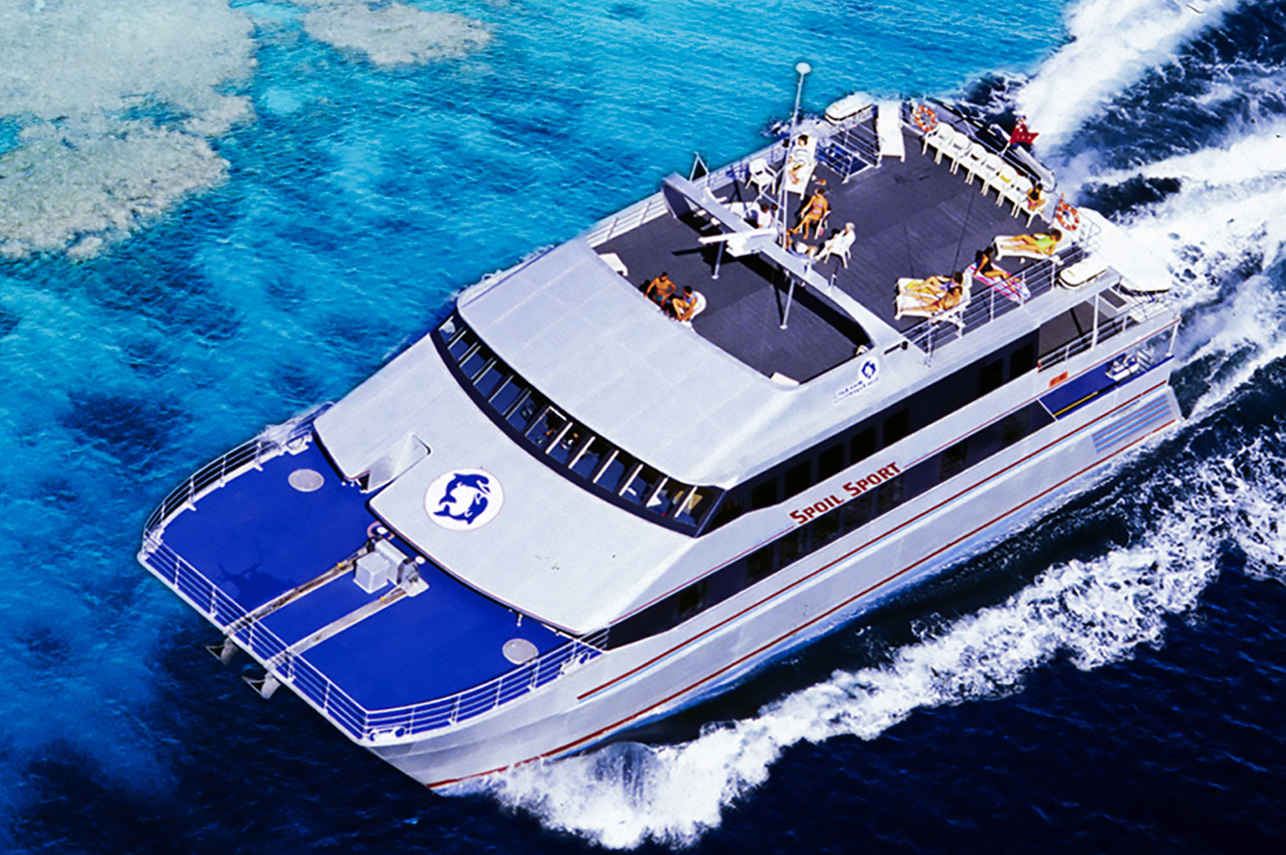
Spoilsport
Australia
28 guests30 m
$409/day
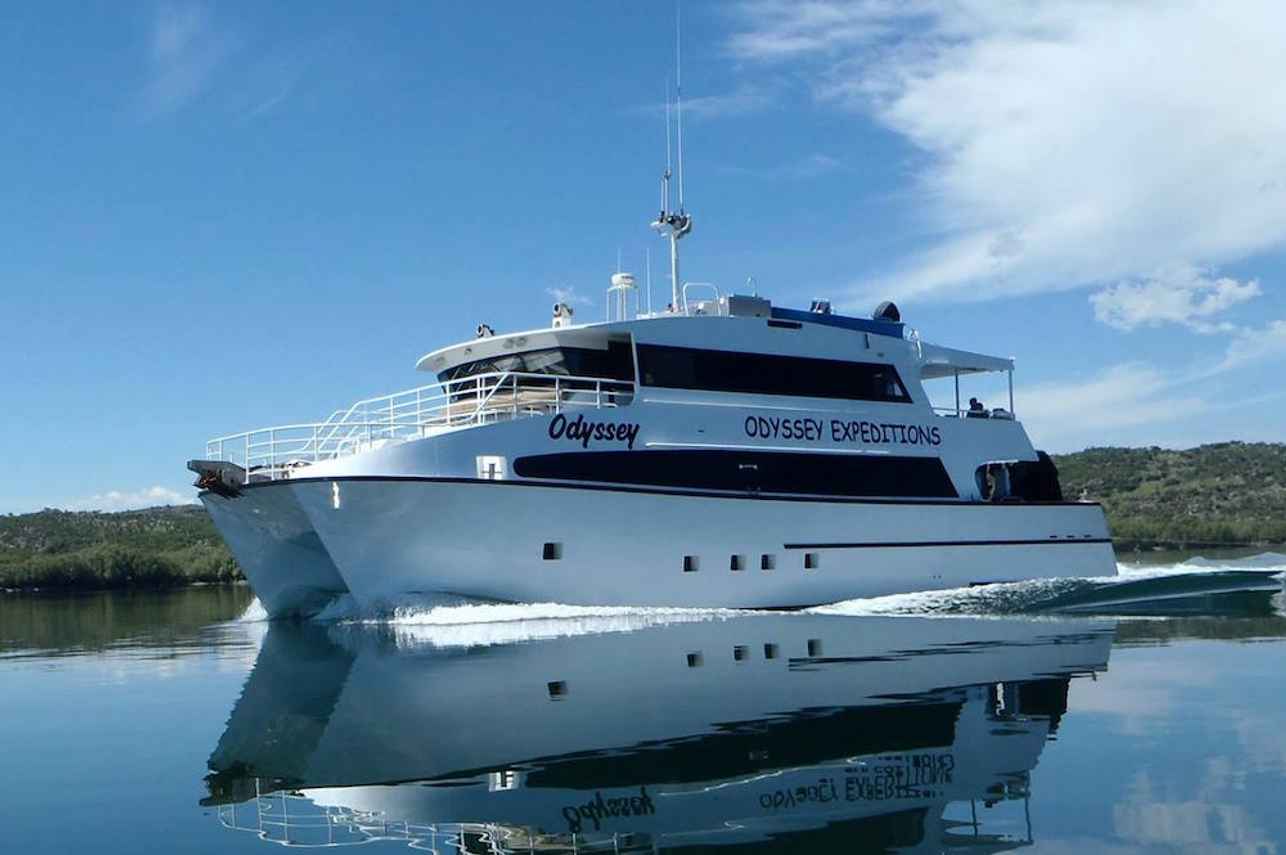
Odyssey Liveaboard
Australia
20 guests24 m
$392/day
Dive sites similar to John Brewer Reef
Same character, same waters — six more sites divers love for the exact same reasons.Compare seasons, access and liveaboard routes — then pick the site that fits your trip best.
© Esri — Maxar, Earthstar, GIS
Agincourt Reef
Australia
Agincourt Reef sits on the outer edge of the Great Barrier Reef, roughly 60–72 km off Port Douglas in Far North Queensland, at the southern end of the true ribbon reefs that run…
- Suitable for
- Beginner
- Current
- Moderate
- Access
- Dayboat
- Depth
- 2–20 m
- Theme
- Reef / Wall
© Esri — Maxar, Earthstar, GIS
Cocos Keeling - Canons
Australia
Cocos Keeling - Canons offers a distinctive dive experience within the Cocos (Keeling) Islands lagoon, making it Australia's most remote dive destination.
- Suitable for
- Beginner
- Current
- Mild
- Access
- Dayboat
- Depth
- 8–12 m
- Theme
- Reef
© Esri — Maxar, Earthstar, GIS
Raine Island
Australia
Raine Island is a pivotal dive site located in the Far Northern Great Barrier Reef, approximately 85 kilometers east-north-east of Cape Grenville and just over 4 nautical miles south of the island itself.
- Suitable for
- Advanced
- Current
- Strong
- Access
- Liveaboard only
- Depth
- 5–40 m
- Theme
- Reef / Wall
© Esri — Maxar, Earthstar, GIS
Bare Island East
Australia
Bare Island East is a highly regarded shore dive in Sydney, celebrated for its diverse and colourful sponge gardens.
- Suitable for
- Intermediate
- Current
- Mild
- Access
- Shore / dayboat
- Depth
- 2–11 m
- Theme
- Reef
© Esri — Maxar, Earthstar, GIS
Cocos Keeling - Broccoli Patch
Australia
Broccoli Patch is a premier dive site nestled within the Cocos (Keeling) Islands lagoon system, offering a gentle yet captivating underwater experience.
- Suitable for
- Beginner
- Current
- Mild
- Access
- Dayboat
- Depth
- 5–10 m
- Theme
- Reef
© Esri — Maxar, Earthstar, GIS
Milln Reef
Australia
Milln Reef, located approximately 60km offshore from Cairns within the Great Barrier Reef, stands out as a highly favored outer reef destination for both divers and snorkelers.
- Suitable for
- Intermediate
- Current
- Moderate
- Access
- Liveaboard or dayboat
- Depth
- 4–22 m
- Theme
- Reef