About Aldabra Atoll
Aldabra Atoll, a remote UNESCO World Heritage Site in the Seychelles, offers an unparalleled diving experience that transports you back to a pristine, pre-industrial marine ecosystem. Located over 1,100 kilometers southwest of Mahé, this isolated collection of islands forms the world's largest raised coral atoll. Its vast lagoon, roughly 34 kilometers long by 14 kilometers wide, is encircled by a raised coral rim, creating diverse dive zones from calm lagoon areas to exhilarating passes. The atoll's topography features dramatic outer walls plunging to significant depths, cut by channels that act as highways for pelagic species between the open ocean and the inner lagoon. You'll explore pristine coral reefs, steep drop-offs, and intricate caves. The powerful tidal currents in these channels are a highlight, delivering nutrient-rich water that sustains an extraordinary density and diversity of marine life, making large pelagic encounters a common occurrence. Aldabra is teeming with life, from resident populations of green and hawksbill turtles to numerous species of sharks, including hammerheads, grey reefs, and silvertips. Giant groupers, Napoleon wrasse, and manta rays are frequently sighted, often in large schools of fusiliers and snappers. The atoll's protected status and extreme remoteness mean visitor numbers are strictly limited, preserving the marine environment and offering an exclusive, untouched diving adventure. Diving here requires advanced skills, particularly comfort with strong currents and drift diving techniques. Access is exclusively via liveaboard or expedition yacht, often departing from Mahé or Assumption Island, with trips running sporadically throughout the year. Local knowledge is crucial for navigating the powerful currents and maximizing encounters with the abundant marine life, ensuring both safety and an unforgettable dive.
Highlights
World's second-largest atoll lagoonUNESCO World Heritage SitePowerful channel drift divesAbundant pelagic marine lifePristine coral reefs and wallsHigh frequency of shark encountersGiant tortoises on landRemote, untouched diving
Season calendar
Best months to dive here
Jan
Feb
Mar
Apr
May
Jun
Jul
Aug
Sep
Oct
Nov
Dec
Excellent
Good
Dive site facts: Aldabra Atoll
- Depth
- 5–40 m+
- Current
- Strong
- Visibility
- 20–50 m
- Water temperature
- 25–30°C
- Entry
- Tender / Negative entry
- Level
- Advanced / Expert
- Dive type
- Wall, reef, drift, pelagic
- Night dive
- Possible at select sites
- Region / port
- Seychelles Outer Islands
- Coordinates
- -9.4167, 46.3333
Conditions & Currents
Expect strong currents, especially in the passes and channels, which can exceed three knots on spring tides, making finning pointless. Dives are typically drift dives, with entries often requiring a fast descent or negative entry into moving water. Local guides are essential for planning dives around tidal movements to maximize encounters while ensuring safety.
Marine life & sighting chances

Hammerhead shark
March-May, Oct-Nov · occasional
Grey reef shark
common
Giant grouper
common
Green turtle
common
Hawksbill turtle
common
Manta ray
occasional
Whale shark
Sept-Nov · occasional
Napoleon wrasse
common
Giant moray eel
common
Bumphead parrotfish
occasional
Silvertip shark
occasional
Giant trevally
common
Potato grouper
common
Eagle ray
occasionalDive profile & how the dive runs
Dives in Aldabra's channels often begin with a fast, negative entry from a tender directly into the current, descending quickly to a target depth of 20 meters. You typically tuck against the reef wall, where large gorgonian sea fans and plate corals thrive in the nutrient-rich flow. The drift carries you along the wall, observing pelagic species like hammerheads, grey reef sharks, and Napoleon wrasse patrolling the channel. Notable waypoints include coral formations acting as cleaning stations or aggregation points for marine life. Maximum depths can reach 35 meters in the channels. The drift continues, covering a significant distance along the reef, often concluding in shallower areas around 5-10 meters where a safety stop can be performed, before surfacing and being picked up by the tender. Dives are entirely dependent on tidal movements and current direction.
Underwater photography
Aldabra offers exceptional opportunities for wide-angle photography due to its clear waters and abundant pelagic life. A fisheye or wide-angle lens is ideal for capturing schools of sharks, manta rays, and the dramatic coral walls. External strobes are recommended to bring out the vibrant colors of the healthy coral and fish in deeper water or against strong backlighting. Fast shutter speeds will be crucial to freeze action when photographing rapidly moving pelagics in currents. For macro photographers, the healthy reefs offer numerous opportunities for close-ups of smaller reef inhabitants, particularly during night dives. Practice good buoyancy control to avoid damaging the pristine corals and maintain respectful distances from marine life, especially the large, curious groupers and sharks.
Combine with nearby dive sites
- Assumption Island
Often a departure point for Aldabra expeditions, known for exceptional visibility.
- Cosmoledo Atoll
Features diverse coral reefs, good for macro, and encounters with various sharks.
- Astove Atoll
Renowned for its impressive six-kilometer vertical wall and pristine corals.
- Amirantes Atoll
Offers a different diving experience, often included in outer island itineraries.
Getting there & logistics
Access to Aldabra Atoll is highly restricted and exclusively via liveaboard or expedition yacht, as it lies over 1,100 kilometers southwest of Mahé. Trips typically depart from Mahé (where you fly into Seychelles International Airport, SEZ) or sometimes Assumption Island, requiring an additional flight from Mahé. Only a few authorized operators hold permits from the Seychelles Islands Foundation, resulting in limited departures, usually two to four per year. Expeditions are self-sufficient due to the lack of infrastructure on Aldabra itself. Trip lengths can vary, often combining Aldabra with other remote atolls like Cosmoledo and Astove. A marine park fee of approximately $150 USD is typically included in liveaboard costs, but it is important to confirm. Advance planning is essential due to the limited availability and strict environmental regulations.
Safety & environment
Diving in Aldabra's remote channels presents significant safety considerations due to strong currents and its extreme isolation. The nearest recompression chamber is approximately 900 kilometers away on Mahé, emphasizing the critical need for robust emergency preparedness. All expeditions must be entirely self-sufficient, with some liveaboards even carrying their own medical facilities. Divers must have comprehensive dive insurance that covers remote evacuation and recompression. A minimum of 100 logged dives, with significant experience in strong currents and drift diving, is generally required. Divers should carry redundant air sources, surface marker buoys, and be comfortable with negative entries. Evacuation from Aldabra is complex and time-consuming, necessitating strict adherence to dive plans, gas management, and no-decompression limits. Surface conditions can be rough, making boat entries and exits challenging. Always follow your guide's instructions precisely.
Who it suits — and who it doesn't
Suited for
- Advanced and expert divers with extensive drift experience
- Photographers seeking pelagic and wide-angle opportunities
- Divers comfortable with strong currents and remote locations
- Those interested in pristine, untouched marine ecosystems
- Liveaboard enthusiasts seeking expedition-style travel
Less suited for
- Beginner divers or those new to currents
- Divers without adequate logbook experience (100+ dives)
- Individuals sensitive to rough surface conditions
- Those preferring shore-based diving or luxury resorts
- Divers unwilling to commit to strict safety protocols
FAQ
Aldabra Atoll FAQ
How do I reach Aldabra Atoll for diving?
Aldabra is one of the most remote atolls in the Indian Ocean, located over 1,100 kilometers from Mahé. Access is exclusively via liveaboard or expedition yacht, typically departing from Mahé or Assumption Island. Only a handful of operators have permits from the Seychelles Islands Foundation, so trips are sporadic and require advance booking.
What diving experience is required for Aldabra's channels?
The south side of Aldabra experiences strong currents, often exceeding three knots. Most operators require a minimum of 100 logged dives, including significant current and drift experience. Comfort with negative entries, redundant air sources, and surface marker buoys is essential, as depths can quickly exceed 40 meters.
When is the best time to see hammerhead sharks in Aldabra?
The transitional months of March to May and October to November offer the best opportunities for hammerhead shark sightings. During these periods, cooler thermoclines draw sharks up from deeper waters. While whale sharks are also occasionally sighted from September to November, hammerheads are more consistent during these inter-monsoon windows.
What kind of marine life can I expect to see in Aldabra?
Aldabra is renowned for its abundant pelagic life. You can expect frequent encounters with grey reef sharks, giant groupers, and Napoleon wrasse. Occasional sightings include hammerhead sharks, manta rays, and whale sharks. Green and hawksbill turtles are common, along with large schools of reef fish and giant moray eels.
Are there any facilities or accommodations on Aldabra Atoll?
No, there are no permanent facilities, accommodations, or emergency services on Aldabra Atoll itself. Expeditions to Aldabra must be entirely self-sufficient, carrying all necessary supplies and equipment. This remoteness contributes to the atoll's pristine condition and offers a unique, untouched diving experience.
Why dive Aldabra Atoll from a liveaboard?
Aldabra Atoll is one of Seychelles's signature dive sites. A liveaboard sleeps you on the water and puts you in the water for three to four guided dives per day, including dawn and night dives that day-boat operators rarely offer. You skip the daily commute back to port and reach quieter, less-crowded sites in the same region on a single trip.
Below are the liveaboards that include Aldabra Atoll on their Seychelles itineraries.
Liveaboards diving Aldabra Atoll
These liveaboards may visit Aldabra Atoll on selected itineraries — the exact dive sites depend on departure, weather and conditions.
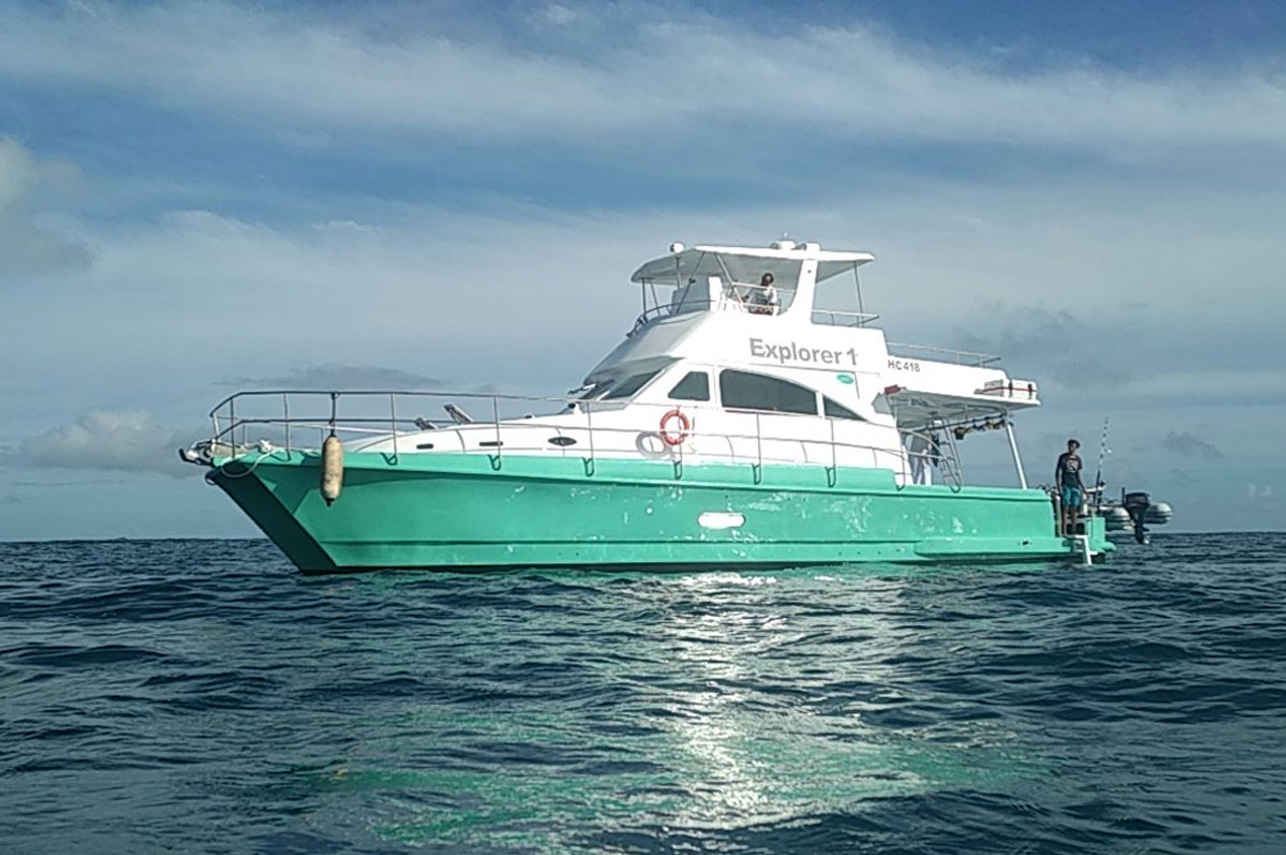
Explorer 1
Seychelles
6 guests17 m
$522/day
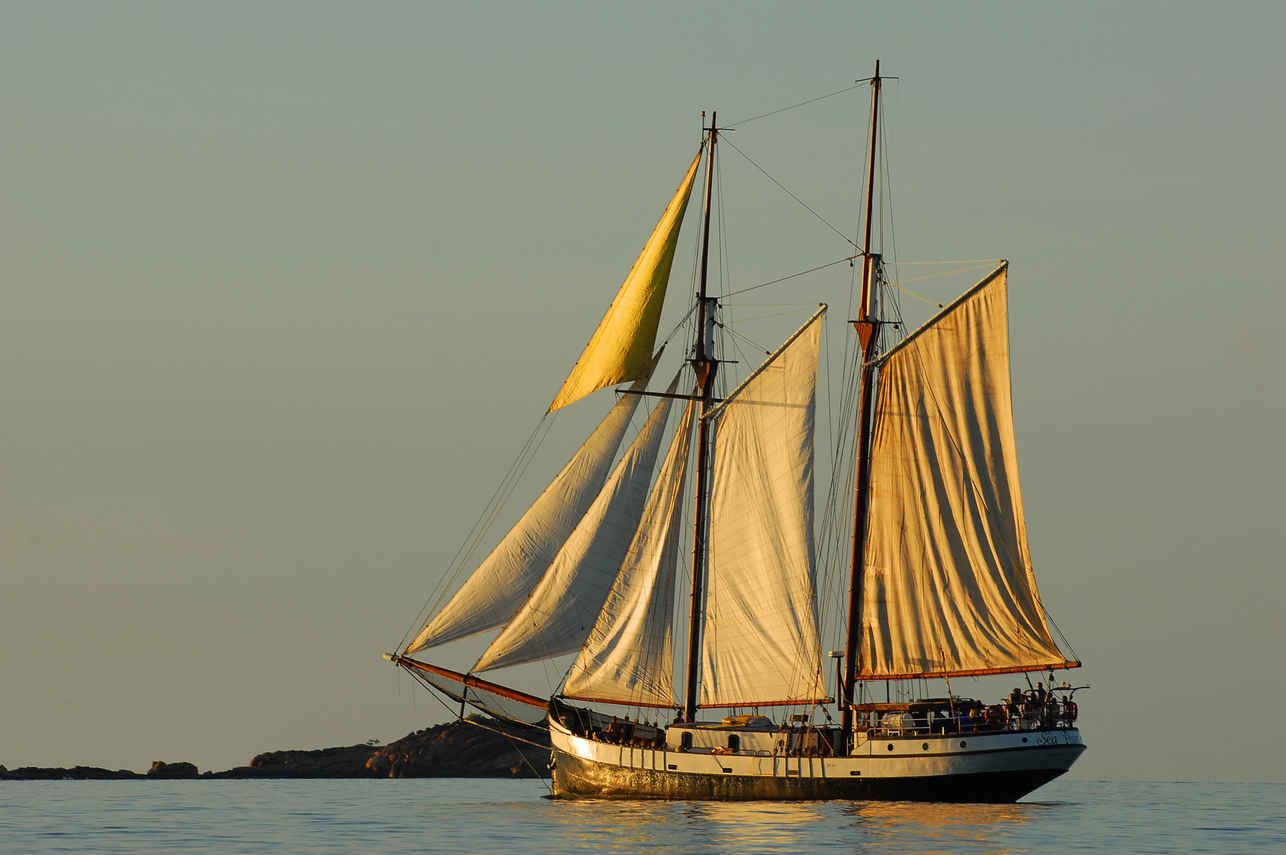
Sea Pearl
Seychelles
16 guests36 m
$212/day
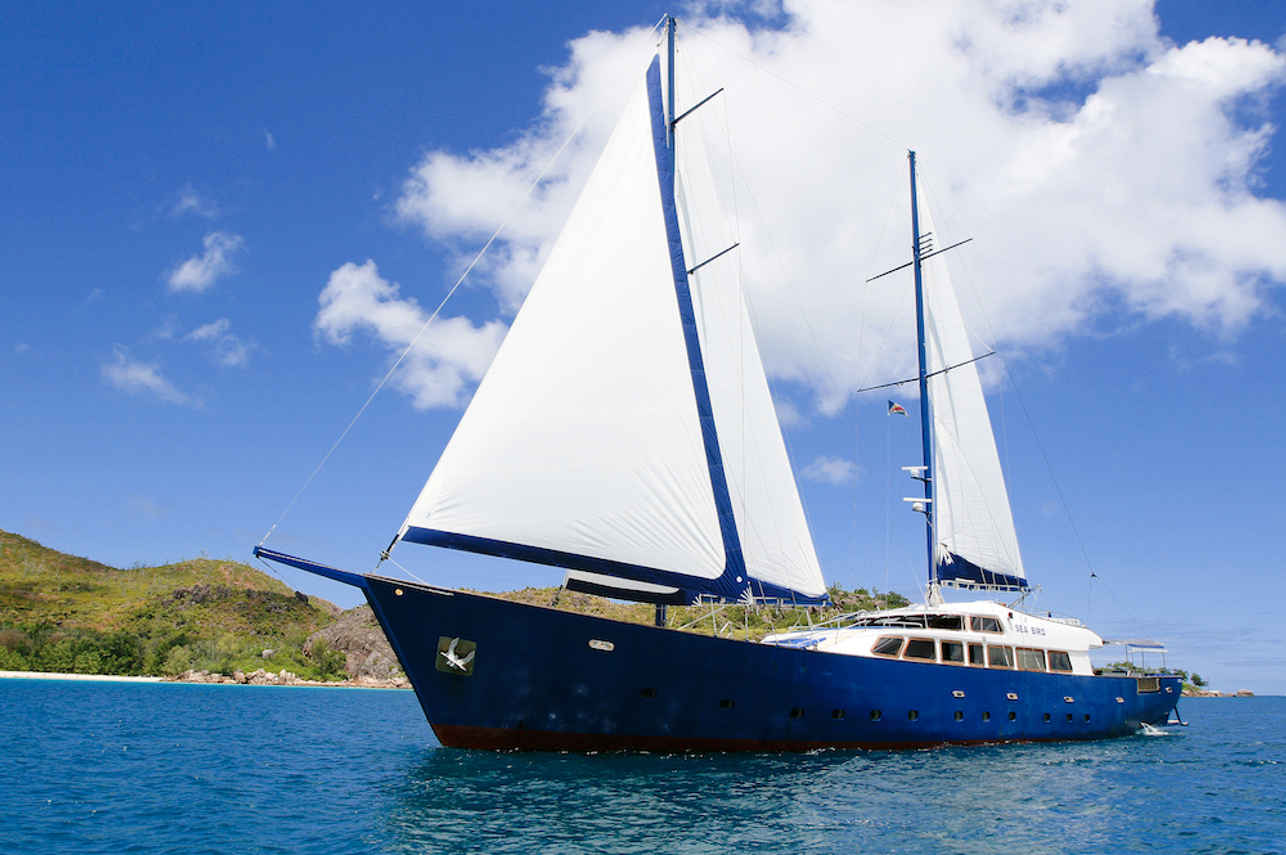
Sea Bird and Sea Star
Seychelles
18 guests42 m
$288/day
Dive sites similar to Aldabra Atoll
Same character, same waters — six more sites divers love for the exact same reasons.Compare seasons, access and liveaboard routes — then pick the site that fits your trip best.
© Esri — Maxar, Earthstar, GIS
Sister Bank
Seychelles
Sister Bank is a notable dive site situated in the Inner Islands of Seychelles, specifically near Praslin Island.
- Suitable for
- Intermediate
- Current
- Mild
- Access
- Liveaboard only
- Depth
- 15–30 m
- Theme
- Reef / Drift
© Esri — Maxar, Earthstar, GIS
Brissare Rocks (Mahé)
Seychelles
Brissare Rocks, located just north of Mahé, is a renowned dive site in Seychelles, widely considered one of Mahé's top five.
- Suitable for
- Intermediate
- Current
- Strong
- Access
- Liveaboard or dayboat
- Depth
- 8–20 m
- Theme
- Cave & cavern / Drift
© Esri — Maxar, Earthstar, GIS
Whale Rock
Seychelles
Whale Rock, located in La Rivière Anglaise, Seychelles, is renowned for its unique underwater geology, featuring large granite formations that extend from the surface to depths of…
- Suitable for
- Intermediate
- Current
- Moderate
- Access
- Liveaboard only
- Depth
- 15–25 m
- Theme
- Drift
© Esri — Maxar, Earthstar, GIS
Lighthouse Reef (Mahé)
Seychelles
Lighthouse Reef, situated near Mahé in the Seychelles, presents a captivating underwater experience characterized by thriving reef ecosystems.
- Suitable for
- Beginner
- Current
- Strong
- Access
- Liveaboard or dayboat
- Depth
- 5–18 m
- Theme
- Reef
Napoleon is a renowned dive site located off Alphonse Island in the Seychelles, celebrated for its rich biodiversity and stunning underwater topography.
- Suitable for
- Intermediate
- Current
- Moderate
- Access
- Liveaboard only
- Depth
- 8–30 m
- Theme
- Reef
© Esri — Maxar, Earthstar, GIS
One Tree Island
Seychelles
One Tree Island is a well-known, shallow dive site located off the coast of Mahé, the largest of the Seychelles' Inner Islands.
- Suitable for
- Beginner
- Current
- Moderate
- Access
- Liveaboard only
- Depth
- ≤ 12 m
- Theme
- Reef