About Ribbon Reef No. 9
Ribbon Reef No. 9, nestled within Australia's iconic Great Barrier Reef, stands as a premier diving destination, particularly celebrated for its 'Cod Hole' where large, friendly potato cod interact readily with divers. This section of the Ribbon Reefs, stretching north from Cooktown towards Lizard Island, showcases a thriving ecosystem that has made a remarkable recovery from past cyclone impacts, now boasting abundant new coral growth across its shallow ridges. Divers will discover an array of vibrant Acropora corals in diverse colours and forms, alongside impressive hard coral formations. The topography of Ribbon Reef No. 9 includes bommies and coral gardens that descend to depths frequented by large aggregations of fish. While some areas have experienced natural disturbances, the resilience of the reef is evident in the flourishing populations of marine species. The site is characterized by relatively shallow depths compared to the Coral Sea, typically ranging from 15 to 30 meters, making it accessible for various dive levels. However, strong currents can occasionally be present. Marine life here is prolific and varied. Beyond the resident potato cod, divers can anticipate sightings of grey reef sharks, white-tip reef sharks, and schools of bumphead parrotfish. Seasonal visitors enhance the experience, with minke whales present from June to July and manta rays commonly observed between April and October. The cooler, drier months generally offer the best visibility and conditions for encountering these migratory species. Diving Ribbon Reef No. 9 often involves drift dives or guided explorations around its unique bommies and coral formations. Liveaboard trips typically combine this site with other notable locations in the Ribbon Reefs and Coral Sea, providing a comprehensive experience of this ecologically rich region. The emphasis here is on observing natural marine behaviours in a protected environment.
Highlights
Interacting with giant potato codPygmy seahorse macro opportunitiesVibrant coral recoveryEncounters with reef sharksSeasonal manta ray sightingsDiverse schooling fishLarge diagonal-lined sweetlip aggregations
Season calendar
Best months to dive here
Jan
Feb
Mar
Apr
May
Jun
Jul
Aug
Sep
Oct
Nov
Dec
Good
Dive site facts: Ribbon Reef No. 9
- Depth
- 15–30 m (50–100 ft)
- Typical dive
- 12–25 m, 50–60 min
- Current
- Moderate to strong, tidal dependent
- Visibility
- 13–40 m
- Water temperature
- 24–29°C
- Entry
- Liveaboard tender / negative entry
- Level
- Advanced Open Water recommended, current experience beneficial
- Dive type
- Reef, pelagic, macro, drift
- Night dive
- Possible
- Region / port
- Great Barrier Reef, Queensland
- Coordinates
- -14.7333, 145.6667
Conditions & Currents
Currents at Ribbon Reef No. 9 can vary from moderate to strong, influenced by tidal flows which can exhibit significant daily ranges up to 2.86 meters. Divers should be prepared for potential drift diving conditions, particularly around bommies and channels where water movement can accelerate. Visibility generally remains excellent, often exceeding 13 nautical miles on calm days, although strong winds can stir up particulate matter. Water temperatures are comfortable, ranging from 24°C in winter to 29°C in summer, mitigating concerns about thermoclines. Entry and exit strategies are typically managed from liveaboards, often involving tender transfers or negative entries to quickly reach the desired depth and minimize surface drift in stronger currents. Constant awareness of bottom time and gas consumption is crucial due to the potential for vigorous currents and the desire to maximize en
Marine life & sighting chances
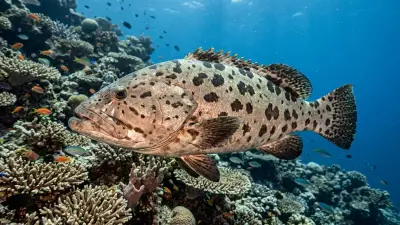
Potato cod
common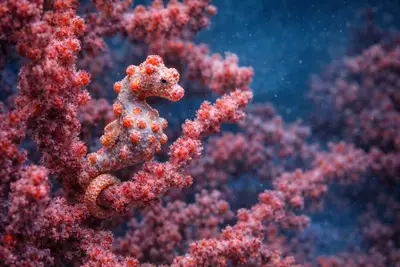
Pygmy seahorse
occasional
Grey reef shark
occasionalWhite-tip reef shark
occasional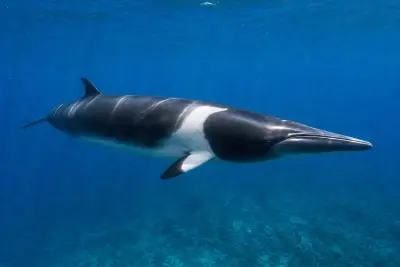
Dwarf minke whale
June–July · occasional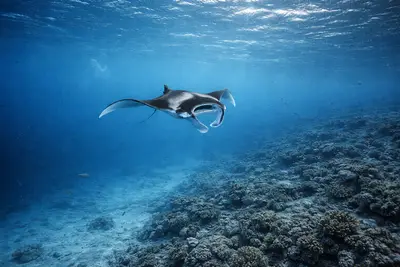
Manta ray
April–October · occasional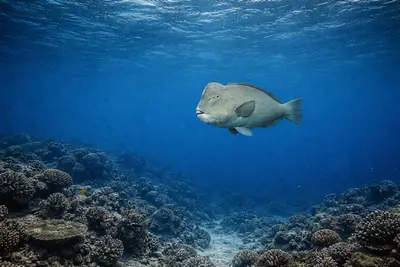
Bumphead parrotfish
occasional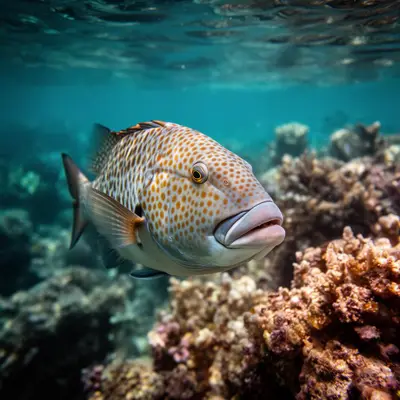
Diagonal-lined sweetlip
Spring · occasional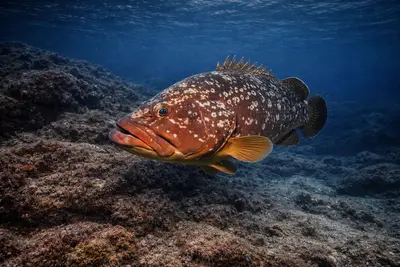
Queensland grouper
Spring–Summer · occasional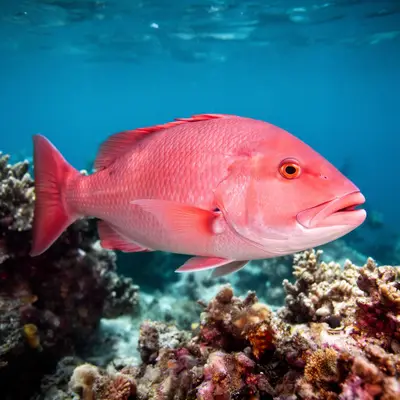
Sailfin snapper
Spring–Summer · occasionalCamouflage grouper
Spring–Summer · occasional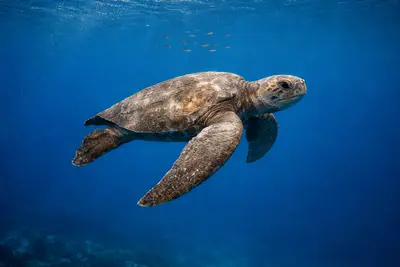
Loggerhead turtle
occasional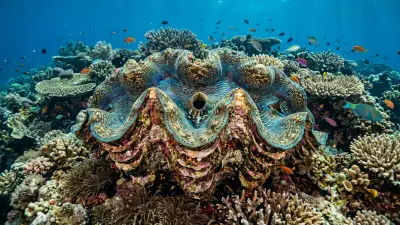
Giant clam
common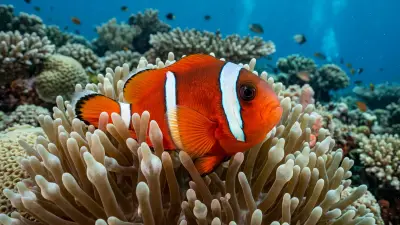
Anemonefish
commonDive profile & how the dive runs
A typical dive at Ribbon Reef No. 9's 'Cod Hole' begins with a tender drop-off, often involving a negative entry to reach the main bommie quickly. The dive then proceeds around the large coral head, descending to depths around 15 to 25 meters where the impressive potato cod are frequently encountered. Divers can explore the reef structure, observing abundant coral recovery and searching for smaller macro life. The route often involves circumnavigating the bommie, ascending gradually towards the shallower reef flats where anemonefish and various reef fish reside. Pay close attention to current direction, as conditions can dictate a drift profile. The dive concludes with a safety stop in the shallower, protected areas of the reef before surfacing for tender pickup.
Underwater photography
Ribbon Reef No. 9 presents excellent photographic opportunities, especially for wide-angle shots of the large potato cod. An 8mm-15mm lens is ideal for capturing these charismatic subjects as they approach divers. Be mindful of the bright white sand, which can lead to overexposure; using strobes at low power is recommended to prevent blown-out highlights and minimize backscatter, especially if other divers stir up sediment. For macro enthusiasts, the site offers pygmy seahorses, nudibranchs, scorpionfish, and pipefish, requiring a macro lens and careful buoyancy control. When photographing the potato cod, ensure strobes are positioned wide and behind the lens to mitigate scatter in the water column. Consider dedicating specific dives to wide-angle or macro, optimizing lens choices for the conditions and marine life encountered.
Combine with nearby dive sites
Getting there & logistics
Access to Ribbon Reef No. 9 typically begins with flights into Cairns Airport (CNS), the closest major hub for the Great Barrier Reef's northern sector. From Cairns, liveaboard dive expeditions depart, offering multi-day trips that explore the Ribbon Reefs and often extend into the Coral Sea. These trips usually range from 3 to 7 nights, combining various dive sites for a comprehensive experience. No specific individual permits are required for divers beyond what is arranged by the liveaboard operator, but all activities are subject to the regulations of the Great Barrier Reef Marine Park Authority. Liveaboards provide the most practical way to reach this remote site, offering comfortable accommodation, meals, and multiple dives per day, allowing divers to immerse themselves fully in the region's diverse underwater environment without daily transfers from the mainland.
Safety & environment
Diving at Ribbon Reef No. 9 requires adherence to standard dive safety protocols and awareness of remote area considerations. The nearest recompression chamber is located in Townsville, underscoring the importance of conservative dive planning and careful depth/bottom time management. Evacuation in case of a medical emergency would involve a significant time delay and potentially complex logistics via air or sea, emphasizing the critical need for comprehensive dive insurance that covers emergency medical evacuation and treatment. Site-specific hazards include variable currents, which necessitate good buoyancy control and buddy awareness. Stinger suits are recommended during the stinger season (November-May) to protect against venomous jellyfish. Always dive with a reputable operator, follow your dive guide's instructions, and never feed fish unless authorized by licensed tour operators.
Who it suits — and who it doesn't
Suited for
- Experienced divers comfortable with currents
- Underwater photographers seeking pelagic and macro subjects
- Divers interested in unique fish interactions
- Liveaboard enthusiasts
- Marine life observers looking for diverse species
Less suited for
- Absolute beginner divers (Open Water certification only)
- Divers uncomfortable with potential drift dives
- Individuals prone to seasickness on liveaboards
- Those seeking shore-based diving experiences
FAQ
Ribbon Reef No. 9 FAQ
What makes Ribbon Reef No. 9 unique?
Ribbon Reef No. 9 is particularly famous for its 'Cod Hole,' where divers can have close and interactive encounters with large, friendly potato cod. The site also boasts incredible coral recovery from past cyclones and is a hotspot for diverse marine life, including seasonal sightings of dwarf minke whales and manta rays, making it a truly exceptional dive location.
What kind of marine life can I expect to see?
Beyond the iconic potato cod, divers frequently encounter grey reef sharks, white-tip reef sharks, and schools of bumphead parrotfish. Macro enthusiasts will appreciate pygmy seahorses, nudibranchs, and various pipefish. During specific seasons, you might also spot large aggregations of diagonal-lined sweetlips, Queensland groupers, and sailfin snappers, adding to the rich biodiversity.
Are the currents strong at Ribbon Reef No. 9?
Currents at Ribbon Reef No. 9 can range from moderate to strong, influenced by tidal movements. Divers should be prepared for potential drift diving conditions, especially around prominent reef structures. Liveaboard operators will typically assess currents before each dive to ensure safe and enjoyable experiences, sometimes recommending negative entries.
What is the best time of year to visit?
The prime diving season for Ribbon Reef No. 9 is from June to November, which corresponds to the region's dry season. These months offer the best underwater visibility, comfortable water temperatures, and less rainfall. June and July are particularly special for encounters with dwarf minke whales, while coral spawning often occurs in October or November.
Is Ribbon Reef No. 9 suitable for all dive levels?
Ribbon Reef No. 9 is generally recommended for Advanced Open Water divers or those with experience in currents, due to the potential for stronger water movement and the depths involved. While some shallower areas are accessible, the full experience benefits from advanced skills. Beginners might find the conditions challenging, making it more suited for intermediate to experienced divers.
How do I get to Ribbon Reef No. 9?
Access to Ribbon Reef No. 9 is primarily via liveaboard dive expeditions departing from Cairns. You would typically fly into Cairns Airport (CNS) and then board a multi-day liveaboard trip that includes the Ribbon Reefs in its itinerary. This allows for immersive diving and explores various sites across the northern Great Barrier Reef and often the Coral Sea.
Why dive Ribbon Reef No. 9 from a liveaboard?
Ribbon Reef No. 9 is one of Australia's signature dive sites. A liveaboard sleeps you on the water and puts you in the water for three to four guided dives per day, including dawn and night dives that day-boat operators rarely offer. You skip the daily commute back to port and reach quieter, less-crowded sites in the same region on a single trip.
Below are the liveaboards that include Ribbon Reef No. 9 on their Australia itineraries.
Liveaboards diving Ribbon Reef No. 9
These liveaboards may visit Ribbon Reef No. 9 on selected itineraries — the exact dive sites depend on departure, weather and conditions.
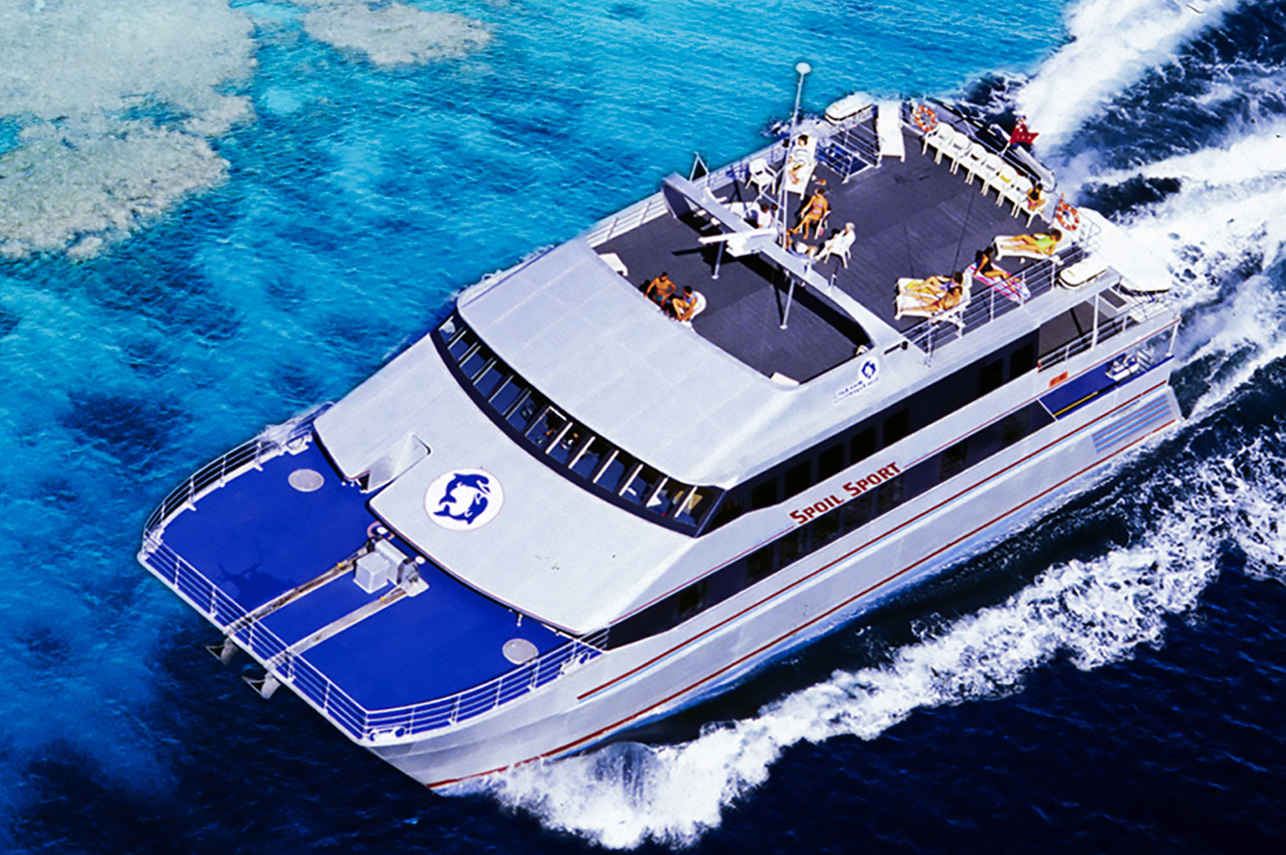
Spoilsport
Australia
28 guests30 m
$406/day
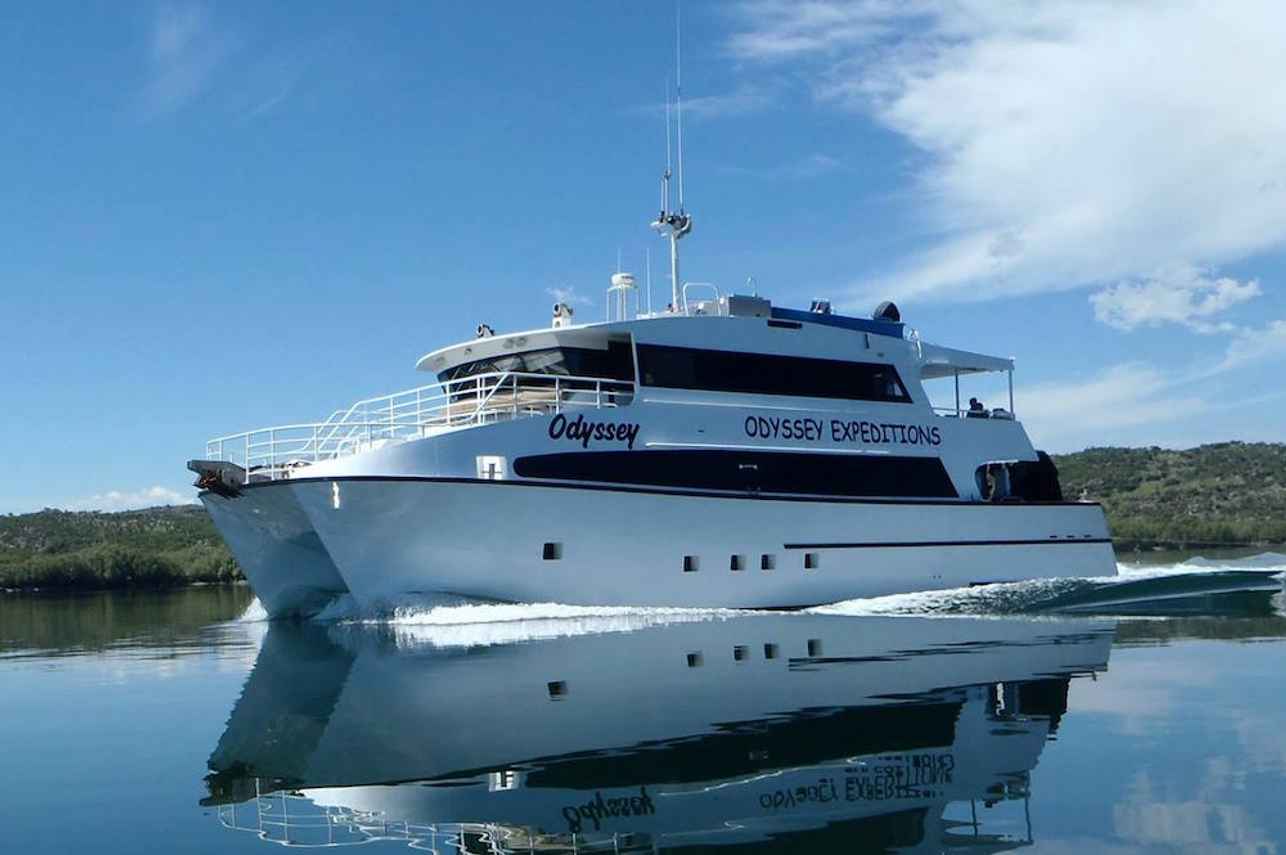
Odyssey Liveaboard
Australia
20 guests24 m
$392/day
Dive sites similar to Ribbon Reef No. 9
Same character, same waters — six more sites divers love for the exact same reasons.Compare seasons, access and liveaboard routes — then pick the site that fits your trip best.
Agincourt Reef
Australia
Agincourt Reef sits on the outer edge of the Great Barrier Reef, roughly 60–72 km off Port Douglas in Far North Queensland, at the southern end of the true ribbon reefs that run…
- Suitable for
- Beginner
- Current
- Moderate
- Access
- Dayboat
- Depth
- 2–20 m
- Theme
- Reef / Wall
Cocos Keeling - Canons
Australia
Cocos Keeling - Canons offers a distinctive dive experience within the Cocos (Keeling) Islands lagoon, making it Australia's most remote dive destination.
- Suitable for
- Beginner
- Current
- Mild
- Access
- Dayboat
- Depth
- 8–12 m
- Theme
- Reef
Raine Island
Australia
Raine Island is a pivotal dive site located in the Far Northern Great Barrier Reef, approximately 85 kilometers east-north-east of Cape Grenville and just over 4 nautical miles south of the island itself.
- Suitable for
- Advanced
- Current
- Strong
- Access
- Liveaboard only
- Depth
- 5–40 m
- Theme
- Reef / Wall
Neptune Islands
Australia
The Neptune Islands, nestled at the mouth of South Australia's Spencer Gulf, offer an unparalleled opportunity to encounter great white sharks.
- Suitable for
- Advanced
- Current
- Strong
- Access
- Liveaboard or dayboat
- Depth
- 5–15 m
- Theme
- Drift
Bare Island East
Australia
Bare Island East is a highly regarded shore dive in Sydney, celebrated for its diverse and colourful sponge gardens.
- Suitable for
- Intermediate
- Current
- Mild
- Access
- Shore / dayboat
- Depth
- 2–11 m
- Theme
- Reef
Cocos Keeling - Broccoli Patch
Australia
Broccoli Patch is a premier dive site nestled within the Cocos (Keeling) Islands lagoon system, offering a gentle yet captivating underwater experience.
- Suitable for
- Beginner
- Current
- Mild
- Access
- Dayboat
- Depth
- 5–10 m
- Theme
- Reef