About Blue Ribbon Eel Reef
Blue Ribbon Eel Reef is a renowned dive site nestled within Fiji's Somosomo Strait, an area celebrated globally for its spectacular soft corals and diverse marine ecosystems. This strait, separating Taveuni and Vanua Levu islands, is frequently referred to as "good water" due to its swift tidal currents, which act as a vital conveyor belt for nutrients. These currents nourish an astonishing array of marine life, from vibrant soft corals to a multitude of fish species and elusive creatures like sea slugs and manta rays. The site exemplifies the rich biodiversity of the Rainbow Reef complex, an underwater wonderland Jacques Cousteau famously dubbed the "soft coral capital of the world." The reef's topography supports a rich variety of habitats, ranging from coral bommies and rubble areas to shallow reef tops. Depths typically range from 12 to 18 meters, making it accessible for various dive levels. While the entire Rainbow Reef is famous for its soft corals, Blue Ribbon Eel Reef particularly shines for its namesake inhabitants and other macro subjects. Diving here offers an exceptional opportunity to encounter specialized species. Beyond the striking blue ribbon eels, you can expect to find fascinating leaf scorpionfish in various color morphs and vibrant palette surgeonfish in the shallower areas. The currents, though dynamic, contribute significantly to the health and vibrancy of the reef, ensuring a constant supply of nutrients that sustain the dense coral gardens and the prolific fish life. Accessibility to Blue Ribbon Eel Reef is convenient, with many dive operators from Taveuni, particularly resorts like Garden Island Resort, offering short boat trips to the site. Dives are often planned in conjunction with nearby sites like Jerry's Jelly, allowing photographers and divers to experience both wide-angle soft coral spectacles and detailed macro opportunities within a single outing.
Highlights
Electric blue ribbon eelsLeaf scorpionfish encountersVibrant palette surgeonfishNutrient-rich Somosomo Strait currentsDiverse soft coral formationsCombination with Jerry's JellyMacro photography opportunities
Season calendar
Best months to dive here
Jan
Feb
Mar
Apr
May
Jun
Jul
Aug
Sep
Oct
Nov
Dec
Excellent
Good
Dive site facts: Blue Ribbon Eel Reef
- Depth
- 12–18 m
- Typical dive
- 12–18 m, 50–60 min
- Current
- Mild to strong, tide-dependent
- Visibility
- 20–40 m
- Water temperature
- 25–29°C
- Entry
- Boat / drift
- Level
- Intermediate recommended, current experience helpful
- Dive type
- Reef, macro, drift
- Night dive
- Possible
- Region / port
- Somosomo Strait, Taveuni
- Coordinates
- -16.7833, 179.3333
Conditions & Currents
Currents in the Somosomo Strait, where Blue Ribbon Eel Reef is located, are a defining characteristic, often described as swift tidal flows. These currents play a crucial role in nourishing the extensive soft coral gardens and attracting diverse marine life. Dive operators carefully plan expeditions around these conditions, often aiming for specific tidal states to ensure safe and comfortable diving. While generally predictable, divers should be prepared for varying current strengths, which can range from mild drifts to stronger flows, necessitating good buoyancy control and experience in current diving. Visibility remains excellent during the dry season, despite the plankton-rich waters that feed the ecosystem.
Marine life & sighting chances
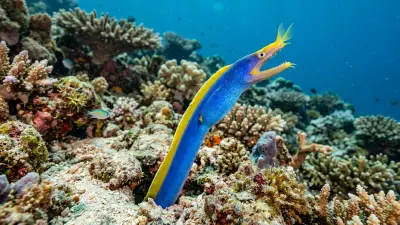
Blue ribbon eel
common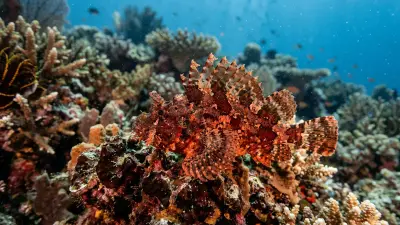
Leaf scorpionfish
occasional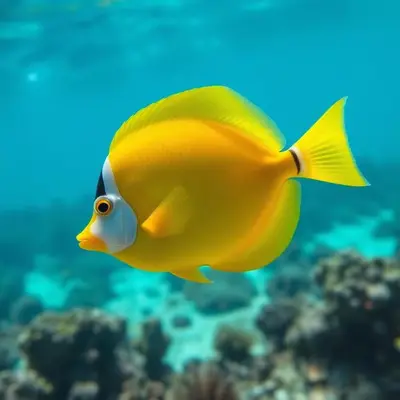
Palette surgeonfish
common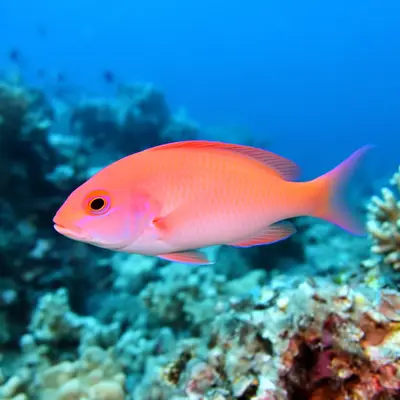
Scalefin anthias
common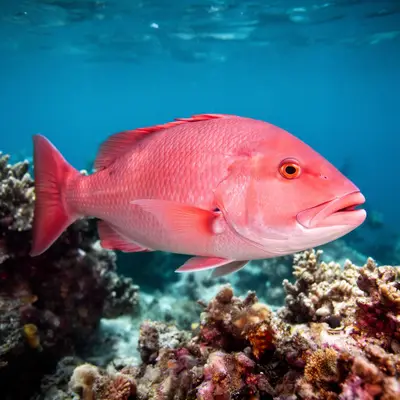
Snapper
common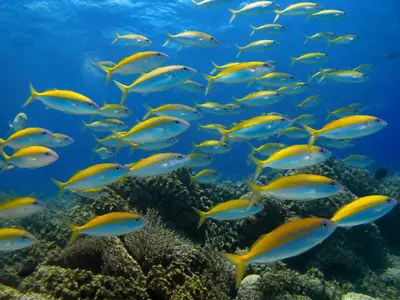
Fusilier
common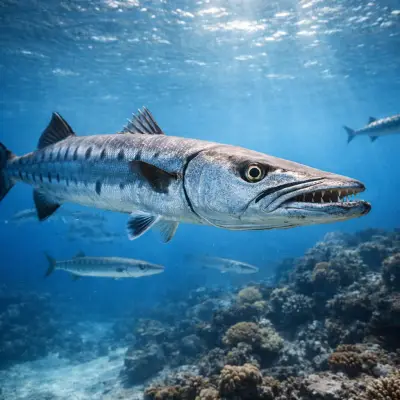
Barracuda
occasional
Soft coral
common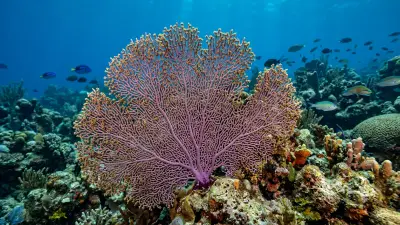
Sea fan
common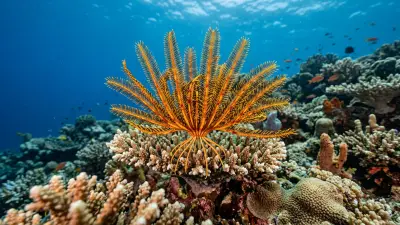
Crinoid
common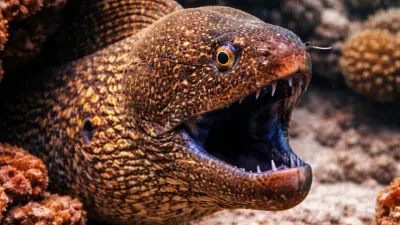
Moray eel
occasional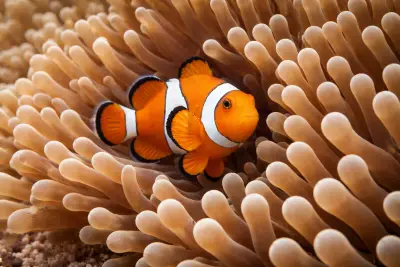
Clownfish
commonDive profile & how the dive runs
Diving at Blue Ribbon Eel Reef typically begins with a boat drop into the vibrant currents of the Somosomo Strait. The dive often starts by exploring the coral bombies and reef structures at depths around 12 to 18 meters, where the namesake blue ribbon eels can be found in the rubble and crevices. Divers will drift along the reef, observing the dense soft coral gardens and looking for macro life such as leaf scorpionfish camouflaged among cauliflower or staghorn corals. The route often progresses to shallower reef tops, where palette surgeonfish and other colorful reef fish are abundant. Safety stops are conducted in the calmer, shallower sections of the reef, allowing divers to enjoy the bustling ecosystem before surfacing.
Underwater photography
Blue Ribbon Eel Reef offers exceptional opportunities for both macro and wide-angle photography, often requiring divers to carry both rigs or combine their dive with a nearby site like Jerry's Jelly. For macro subjects, a 100mm lens is ideal for capturing portraits of the elusive blue ribbon eels and the intricate details of leaf scorpionfish. Utilize snoots or focused lighting to highlight these often-camouflaged creatures. For wide-angle shots, especially when combined with areas known for soft corals, a 15mm fisheye lens is recommended to capture the expansive, colorful reefscapes. Good buoyancy control is crucial given the currents, allowing photographers to stabilize and compose shots without disturbing the delicate coral or marine life.
Combine with nearby dive sites
- Jerry's Jelly
Often combined with Blue Ribbon Eel Reef for a diverse two-tank dive, known for large coral mounds and soft corals.
- Great White Wall
A world-renowned wall dive, famous for its dense white soft corals, accessible in the same strait.
- Rainbow Reef
The broader reef system encompassing Blue Ribbon Eel Reef, offering numerous dive sites with vibrant soft corals.
- Annie's Bommie
Another site within the Rainbow Reef, known for its coral bommies and fish life.
- Jack's Place
Part of the Rainbow Reef, offering diverse coral formations and reef inhabitants.
- Cabbage Patch
A shallow reef site known for extensive cabbage coral formations.
Getting there & logistics
Access to Blue Ribbon Eel Reef is typically from Taveuni Island. Divers usually fly into Nadi International Airport (NAN) on Viti Levu, then take a domestic flight to Matei Airport (TVU) on Taveuni. Many resorts on Taveuni, such as Garden Island Resort, offer daily boat trips to the Rainbow Reef complex, which includes Blue Ribbon Eel Reef. Dive packages often span 7 to 10 nights, including multiple two-tank boat dives. These trips frequently combine dives at Blue Ribbon Eel Reef with other nearby sites in the Somosomo Strait, such as Jerry's Jelly or the Great White Wall, depending on current and weather conditions. Local marine park fees are usually handled by dive operators.
Safety & environment
While diving in Fiji is generally safe, it is crucial to carry personal dive insurance covering emergency medical treatment and evacuation, as the nearest recompression chamber is in Auckland, New Zealand. Dive operations in the Somosomo Strait are highly dependent on currents, so always follow your guide's instructions regarding entry points, dive profiles, and safety procedures. Maintain excellent buoyancy control to avoid contact with delicate corals and marine life, particularly in areas with strong currents or when photographing macro subjects. Be aware of boat traffic when surfacing and deploy a surface marker buoy. Always conduct a thorough buddy check and ensure your equipment is in good working order before each dive.
Who it suits — and who it doesn't
Suited for
- Macro photographers seeking unique subjects
- Divers interested in vibrant soft coral ecosystems
- Intermediate divers comfortable with mild to moderate currents
- Divers looking for diverse reef life
- Travelers staying on Taveuni Island
Less suited for
- Beginner divers without current experience
- Divers uncomfortable with boat entries and exits
- Individuals prone to seasickness in choppy conditions
- Those seeking only large pelagic encounters
- Divers uninterested in detailed reef observations
FAQ
Blue Ribbon Eel Reef FAQ
What marine life can I expect to see at Blue Ribbon Eel Reef?
At Blue Ribbon Eel Reef, you can primarily expect to encounter the distinctive electric blue ribbon eels, often found peeking from crevices. The site is also known for fascinating leaf scorpionfish, colorful palette surgeonfish, and schools of snappers and fusiliers. Vibrant soft corals, sea fans, and crinoids adorn the reef, providing a rich backdrop for diverse macro and reef life.
What are the typical dive conditions at Blue Ribbon Eel Reef?
Dive conditions at Blue Ribbon Eel Reef are characterized by the swift tidal currents of the Somosomo Strait, which vary from mild to strong. These currents nourish the reef's abundant soft corals and marine life. Visibility is generally excellent, often ranging from 20 to 40 meters, especially during the dry season. Water temperatures remain warm, typically between 25–29°C.
Is Blue Ribbon Eel Reef suitable for beginner divers?
Blue Ribbon Eel Reef is generally more suited for intermediate divers due to the presence of currents in the Somosomo Strait. While dive operators plan around optimal tidal conditions, some experience with drift diving and good buoyancy control is beneficial. Beginners might find the conditions challenging, so it's advisable to have some prior experience with currents.
How can I get to Blue Ribbon Eel Reef?
Blue Ribbon Eel Reef is primarily accessed from Taveuni Island. You would typically fly into Nadi International Airport (NAN) on Fiji's main island, Viti Levu, and then take a domestic flight to Matei Airport (TVU) on Taveuni. Many resorts on Taveuni offer daily boat trips to the dive sites within the Rainbow Reef complex, including Blue Ribbon Eel Reef, with short travel times.
Is it possible to do night dives at Blue Ribbon Eel Reef?
Night dives are generally possible in the Somosomo Strait area, including at sites like Blue Ribbon Eel Reef, though specific availability depends on your dive operator and their schedule. Night dives can offer a unique perspective, revealing different nocturnal marine species. It's best to inquire directly with your chosen dive resort or liveaboard about night dive opportunities at this specific site.
What photography gear is best for this site?
For photography at Blue Ribbon Eel Reef, bringing both macro and wide-angle setups is recommended. A 100mm macro lens is excellent for capturing detailed shots of the ribbon eels and leaf scorpionfish. For the colorful soft coral landscapes, particularly when combined with nearby sites, a 15mm fisheye or wide-angle lens is ideal. Strobes are essential to bring out the vibrant colors of the corals and marine life.
Why dive Blue Ribbon Eel Reef from a liveaboard?
Blue Ribbon Eel Reef is one of Fiji's signature dive sites. A liveaboard sleeps you on the water and puts you in the water for three to four guided dives per day, including dawn and night dives that day-boat operators rarely offer. You skip the daily commute back to port and reach quieter, less-crowded sites in the same region on a single trip.
Below are the liveaboards that include Blue Ribbon Eel Reef on their Fiji itineraries.
Liveaboards diving Blue Ribbon Eel Reef
These liveaboards may visit Blue Ribbon Eel Reef on selected itineraries — the exact dive sites depend on departure, weather and conditions.
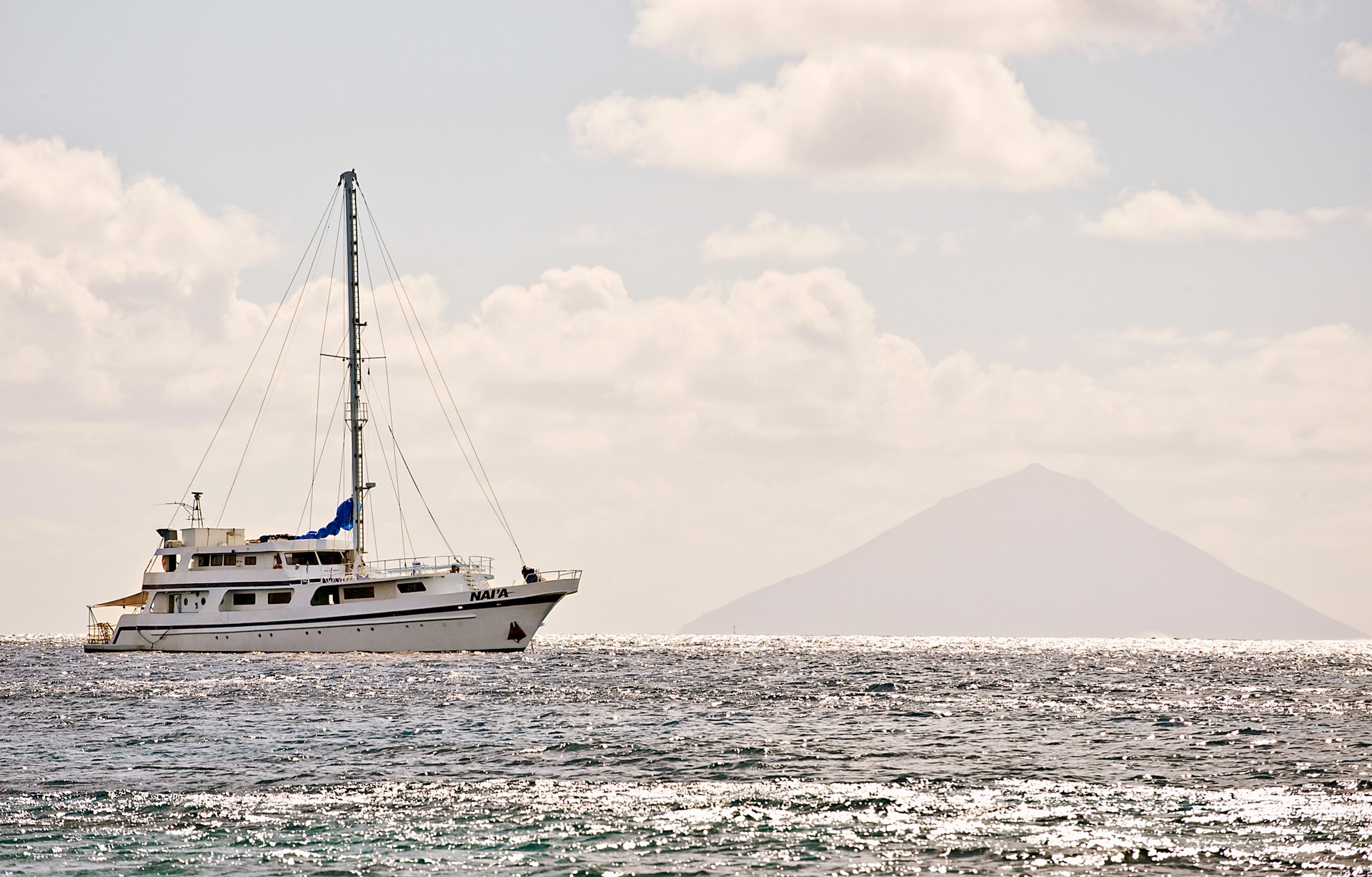
Nai'a
Fiji
16 guests36.576 m
$547/day
Dive sites similar to Blue Ribbon Eel Reef
Same character, same waters — six more sites divers love for the exact same reasons.Compare seasons, access and liveaboard routes — then pick the site that fits your trip best.
© Esri — Maxar, Earthstar, GIS
Jim's Alley
Fiji
Jim's Alley is a renowned soft coral garden located off Gau Island in Fiji's Koro Sea, forming part of a multi-stop diving itinerary in the region.
- Suitable for
- Beginner
- Current
- Mild
- Access
- Liveaboard only
- Depth
- ≤ 21 m
- Theme
- Reef
© Esri — Maxar, Earthstar, GIS
Sam's Point
Fiji
Sam's Point is one of the celebrated patch reefs found within the Somosomo Strait, a narrow channel between Vanua Levu and Taveuni in Fiji.
- Suitable for
- Advanced
- Current
- Strong
- Access
- Dayboat
- Depth
- 8–27 m
- Theme
- Reef / Drift
© Esri — Maxar, Earthstar, GIS
Rainbow's End
Fiji
Rainbow's End is a top dive site located in the Somosomo Strait, a channel separating Taveuni and Vanua Levu islands, known as the 'Soft Coral Capital of the World'.
- Suitable for
- Intermediate
- Current
- Moderate
- Access
- Liveaboard or dayboat
- Depth
- 10–30 m
- Theme
- Reef / Drift
© Esri — Maxar, Earthstar, GIS
Wilkes Passage
Fiji
Wilkes Passage is a dive site located within the Malolo Barrier Reef in Fiji's Mamanuca Group, southwest of Nadi on Viti Levu.
- Suitable for
- Intermediate
- Current
- Moderate
- Access
- Dayboat
- Depth
- 15–20 m
- Theme
- Reef / Drift
© Esri — Maxar, Earthstar, GIS
Makogai Island
Fiji
Makogai Island, located in Fiji's Lomaiviti Group and visible from Wakaya Island, is home to a significant marine sanctuary.
- Suitable for
- Intermediate
- Current
- Moderate
- Access
- Liveaboard only
- Depth
- 3–18 m
- Theme
- Reef
© Esri — Maxar, Earthstar, GIS
Namena Marine Reserve, nestled in Fiji's Koro Sea, is a crown jewel among the world's elite dive spots, consistently ranked as one of the best global destinations for scuba diving.
- Suitable for
- Advanced
- Current
- Moderate
- Access
- Liveaboard only
- Depth
- 5–40 m
- Theme
- Reef / Wall