About Sangat Island
Sangat Island Dive Resort occupies the southwestern part of Sangat Island, offering a unique and ecologically responsible dive experience. The resort is renowned for its commitment to sustainability, operating entirely off the public electricity grid and powered solely by a 74 KW solar system. This commitment extends to all resort facilities, including dive air compressors and freshwater desalination, setting it apart as the Philippines' only 100% solar-powered resort. The island is fringed by a white sand beachfront and vibrant coral reefs, making it an attractive destination for eco-conscious travelers and divers. Its prime location in Coron Bay provides unparalleled access to 10 historically significant Japanese WWII shipwrecks, with eight of these sites just a 5 to 30-minute boat ride away. These wrecks, sunk during the "Battle of Coron Bay" in 1944, are a major draw for divers seeking historical exploration. The wrecks largely rest at depths between 25 to 40 meters, maintaining good condition and offering penetration opportunities for certified wreck and technical divers. Sangat Island Resort provides comprehensive dive facilities, including a range of rental equipment, air and Nitrox filling stations, and specialized gear for technical diving. With its blend of historical wreck diving, diverse marine life on house reefs, and sustainable practices, Sangat Island offers a truly distinctive diving adventure.
Highlights
WWII Japanese shipwrecksSolar-powered dive resortWreck penetration opportunitiesCoron Bay accessibilityEco-friendly operationsVibrant coral reefsTechnical diving facilities
Season calendar
Best months to dive here
Jan
Feb
Mar
Apr
May
Jun
Jul
Aug
Sep
Oct
Nov
Dec
Excellent
Good
Dive site facts: Sangat Island
- Depth
- 5–40 m
- Typical dive
- 25–40 m, 45–60 min
- Current
- Mild to moderate, can be strong
- Visibility
- 10–30 m
- Water temperature
- 25–30°C
- Entry
- Boat
- Level
- Advanced, Wreck Diver specialty recommended
- Dive type
- Wreck, reef, macro
- Night dive
- Possible on house reef
- Region / port
- Palawan, Coron Bay
- Coordinates
- 11.895, 120.103
Conditions & Currents
Currents around Sangat Island and its surrounding wreck sites generally range from mild to moderate, though specific conditions can vary based on tides and location. Divers should be prepared for potential stronger currents, particularly during full moon periods, which can affect certain dive sites. Entry and exit strategies are typically boat-based, utilizing the resort's fleet of scuba-specific craft. Visibility is generally excellent, often exceeding 10-30 meters, but can be influenced by weather patterns and plankton blooms. Water temperatures remain consistently warm, ranging from 25°C to 30°C, allowing for comfortable diving in thinner wetsuits or rash guards. Divers planning wreck penetrations should have appropriate experience and certifications to manage potential currents and overhead environments.
Marine life & sighting chances

Barracuda
occasional
Snapper
occasional
Lionfish
common
Nudibranch
common
Pygmy Seahorse
occasional
Frogfish
occasional
Cardinalfish
common
Batfish
occasional
Cuttlefish
occasional
Moray Eel
common
Reef Shark
rareDive profile & how the dive runs
Diving at Sangat Island typically involves boat departures to the nearby Japanese WWII wrecks. A common dive profile might begin with a descent directly to the wreck, often starting at around 25 meters, allowing for initial exploration of the exterior. Divers then progress along the wreck, with opportunities for penetration for those with appropriate certification and experience, potentially reaching depths of 40 meters. The dive usually involves navigating through cargo holds, engine rooms, and bridge areas, observing the marine growth and historical artifacts. After spending time exploring the wreck's structure and resident marine life, the ascent begins, often incorporating a slow spiral around the wreck for a wider perspective. Safety stops are conducted at shallower depths, typically around 5 meters, often utilizing the wreck's superstructure or nearby reef sections before surfacing.
Underwater photography
Sangat Island offers exceptional opportunities for underwater photography, particularly for wide-angle shots of the impressive WWII wrecks. A fisheye or wide-angle lens is ideal for capturing the grandeur of the shipwrecks and their massive structures, especially when coupled with external strobes to illuminate the vast scenes. For detailed shots of marine life that has colonized the wrecks, a macro lens can be useful, focusing on nudibranchs, gobies, and other small critters. Good buoyancy control is paramount to avoid disturbing sediment inside the wrecks and to navigate tight spaces safely. When exploring penetrations, strong dive lights are essential to reveal details and ensure proper focus. Be mindful of composition, using natural light filtering through openings for dramatic effects, and respect the historical significance of the sites by not touching or removing artifacts.
Combine with nearby dive sites
- Coron Bay — Skeleton Wreck
One of the accessible Japanese WWII wrecks in Coron Bay.
- Irako Wreck
A large Japanese WWII tanker wreck, excellent for advanced wreck divers.
- Okikawa Maru
Another significant Japanese WWII oiler wreck in Coron Bay, offering extensive penetration opportunities.
- Barracuda Lake
A unique freshwater thermocline dive with distinct temperature layers.
- Dimakya Island
Known for Dugong sightings and pristine reefs, offering a different marine experience.
Getting there & logistics
Access to Sangat Island typically involves flying into Busuanga Airport (USU) in Palawan. From there, transfers are usually arranged by Sangat Island Dive Resort, which includes a land transfer to a boat departure point, followed by a scenic boat ride directly to the island. Most dive trips focus on the numerous Japanese WWII wrecks in Coron Bay, which are conveniently located within a short boat ride from the resort. Itineraries often combine multiple wreck dives daily, interspersed with visits to local reefs or other unique sites like Barracuda Lake. Dive packages usually include accommodation, meals, and multiple dives per day. Permits for certain dive sites are generally managed by the resort, and national park fees may apply, often included in package pricing. Trips can range from a few days to over a week, depending on the diver's interest in exploring the extensive wreck collection.
Safety & environment
Sangat Island operates with a strong emphasis on dive safety, employing experienced PADI instructors and divemasters. While emergency medical services are available on the main island of Busuanga, the nearest recompression chamber is typically located in Puerto Princesa, requiring a significant evacuation time. Therefore, comprehensive dive insurance covering medical emergencies and evacuation is mandatory for all divers. Site-specific hazards include overhead environments within the wrecks, potential currents, and varying visibility. Divers are briefed on safe wreck penetration procedures and should adhere strictly to guide instructions. Maintaining excellent buoyancy control is crucial to prevent stirring up silt and to protect the historical integrity of the wrecks. Always dive within your certified limits and communicate any concerns to your dive guide.
Who it suits — and who it doesn't
Suited for
- Experienced wreck divers
- Technical divers
- Underwater photographers
- History enthusiasts
- Eco-conscious travelers
- Divers seeking unique marine environments
Less suited for
- Beginner divers without advanced certification
- Divers uncomfortable with deep dives
- Travelers seeking vibrant nightlife
- Individuals with limited buoyancy control
- Divers without comprehensive dive insurance
FAQ
Sangat Island FAQ
What kind of wrecks can I expect to dive at Sangat Island?
Sangat Island offers access to 10 historically significant Japanese WWII shipwrecks, sunk during the "Battle of Coron Bay" in 1944. These include large cargo ships, oilers, and gunboats, providing a diverse range of structures to explore. Many of these wrecks are well-preserved and offer opportunities for both exterior viewing and interior penetration.
Is Sangat Island suitable for technical diving?
Yes, Sangat Island is highly suitable for technical diving, particularly for those interested in deeper wreck penetrations. The majority of the nearby wrecks lie between 25 to 40 meters, and the resort provides an on-site Nitrox membrane filling station, O2-clean twin tanks, stage bottles, and regulators, catering to technical and wreck-certified divers.
What is unique about Sangat Island Resort's environmental practices?
Sangat Island Dive Resort is notable for being the only resort in the Philippines that is 100% powered by solar energy. It operates entirely off the public electricity grid, utilizing a 74 KW solar power system for all its needs, including air compressors for diving and a desalination plant for fresh water. This commitment highlights its dedication to green and clean practices.
What is the typical visibility like around Sangat Island?
Visibility around Sangat Island and the Coron Bay wrecks is generally excellent, often ranging from 10 to 30 meters. However, like any dive destination, conditions can vary with weather, tides, and plankton blooms. The dry season typically offers the clearest waters.
What marine life can be seen on the wrecks and reefs?
The wrecks themselves have become artificial reefs, attracting a variety of marine life. You can expect to see schools of barracuda and snapper, lionfish, nudibranchs, frogfish, and various reef fish. Occasional sightings of larger pelagics, including reef sharks, can occur, particularly on the deeper wrecks and surrounding coral gardens.
Do I need special certification for wreck diving at Sangat Island?
While Open Water divers can explore the exterior of some shallower wrecks, an Advanced Open Water certification is generally recommended for the depths of most Coron wrecks. For those wishing to undertake wreck penetrations, a Wreck Diver specialty certification or equivalent technical diving experience is required due to the overhead environment and complexity of these dives.
Why dive Sangat Island from a liveaboard?
Sangat Island is one of Philippines's signature dive sites. A liveaboard sleeps you on the water and puts you in the water for three to four guided dives per day, including dawn and night dives that day-boat operators rarely offer. You skip the daily commute back to port and reach quieter, less-crowded sites in the same region on a single trip.
Below are the liveaboards that include Sangat Island on their Philippines itineraries.
Liveaboards diving Sangat Island
These liveaboards may visit Sangat Island on selected itineraries — the exact dive sites depend on departure, weather and conditions.
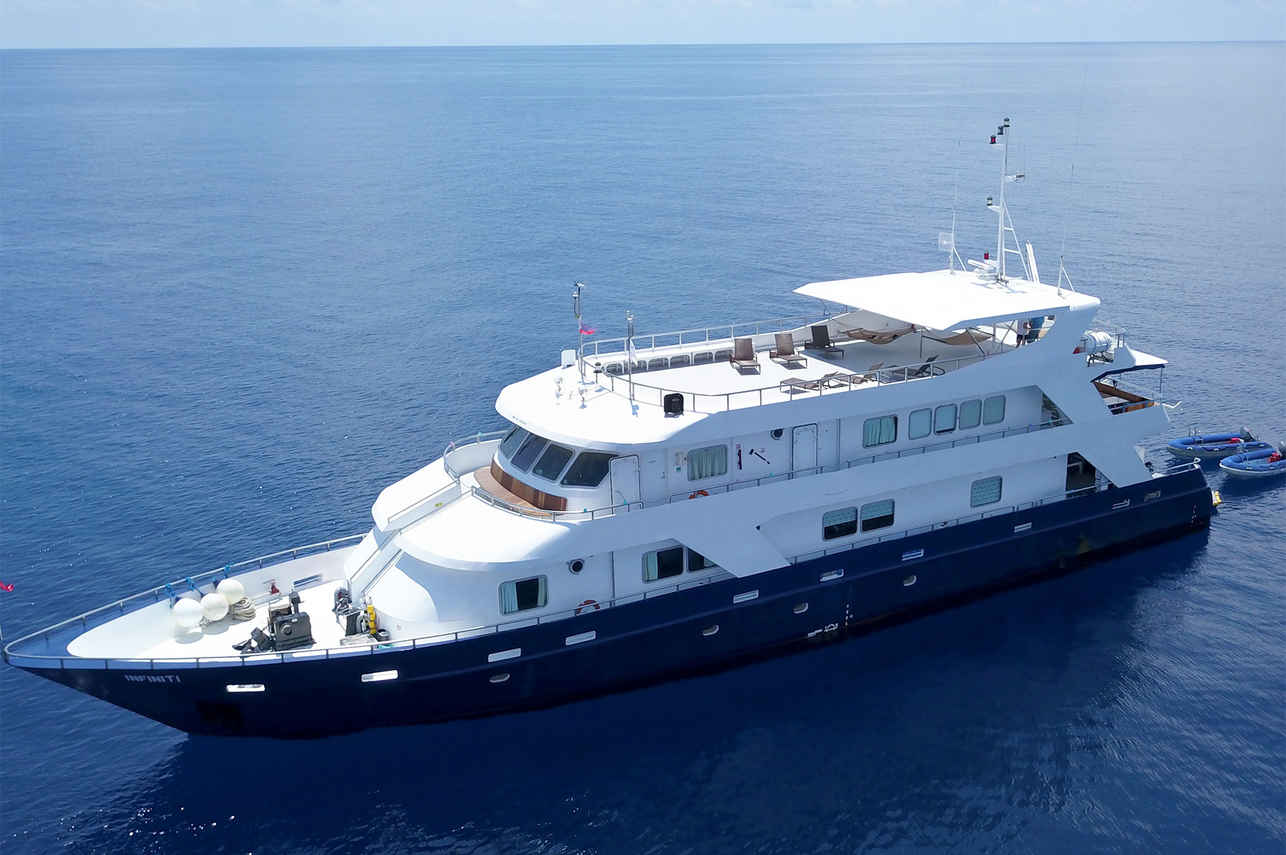
Infiniti
Philippines
25 guests39 m
$280/day
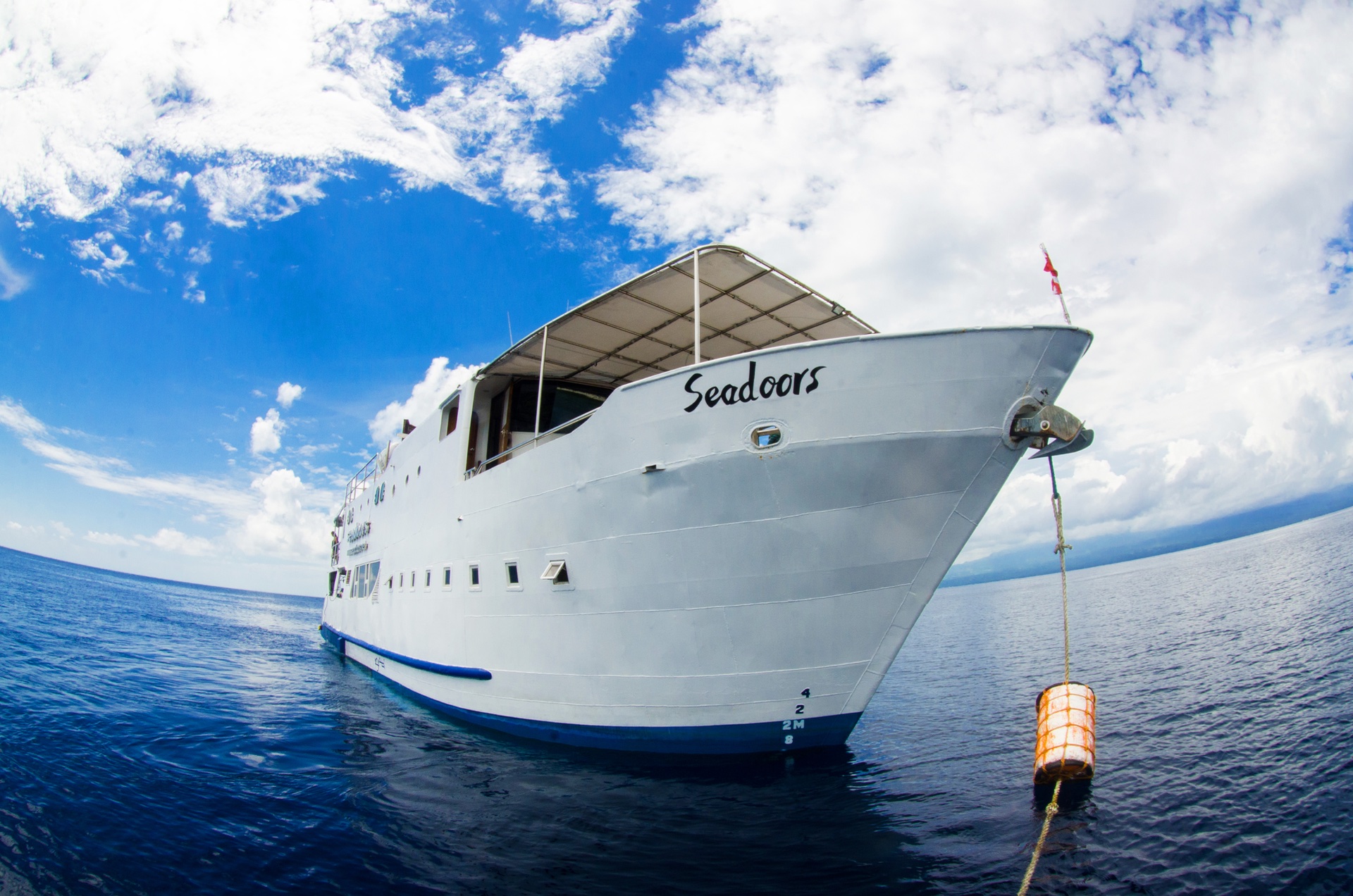
Seadoors
Philippines
16 guests25 m
$335/day
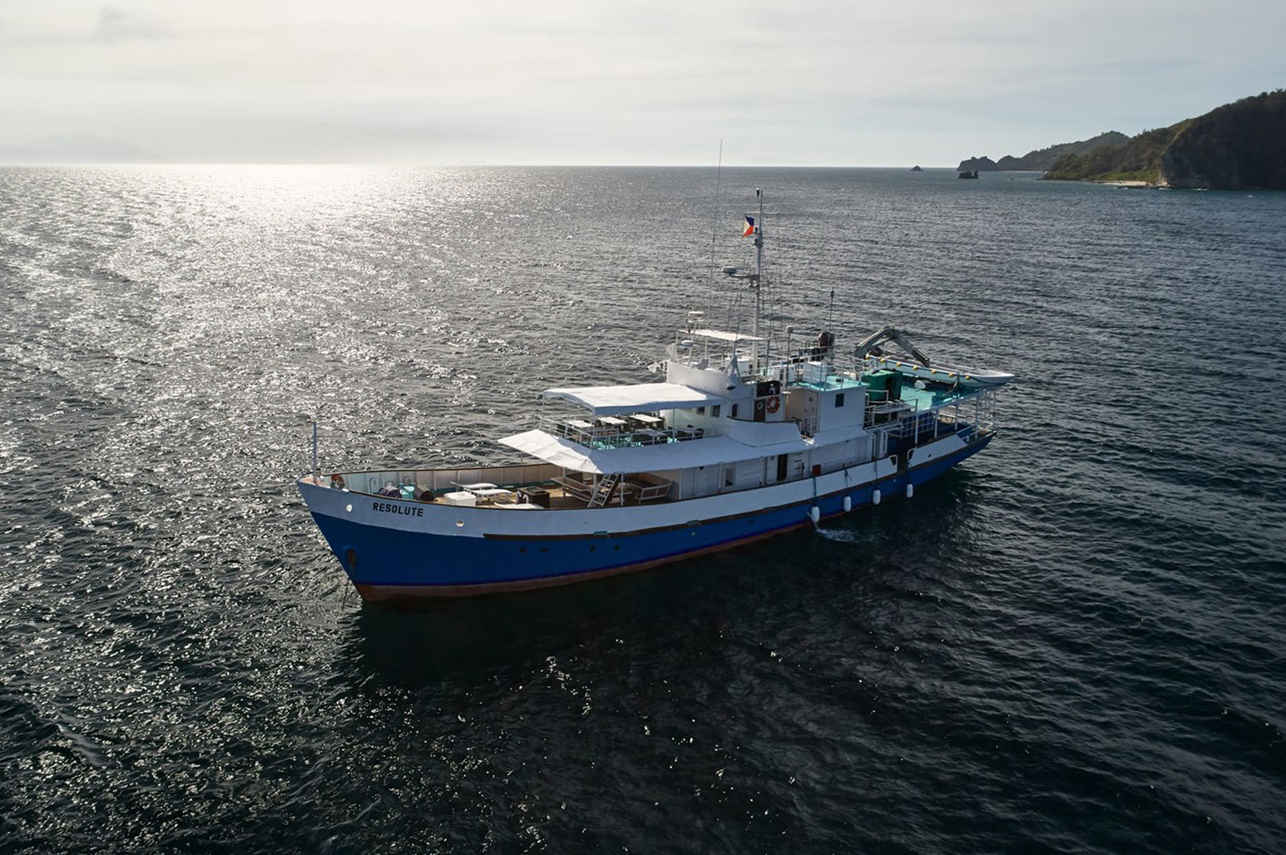
Resolute
Philippines
16 guests34.6 m
$314/day
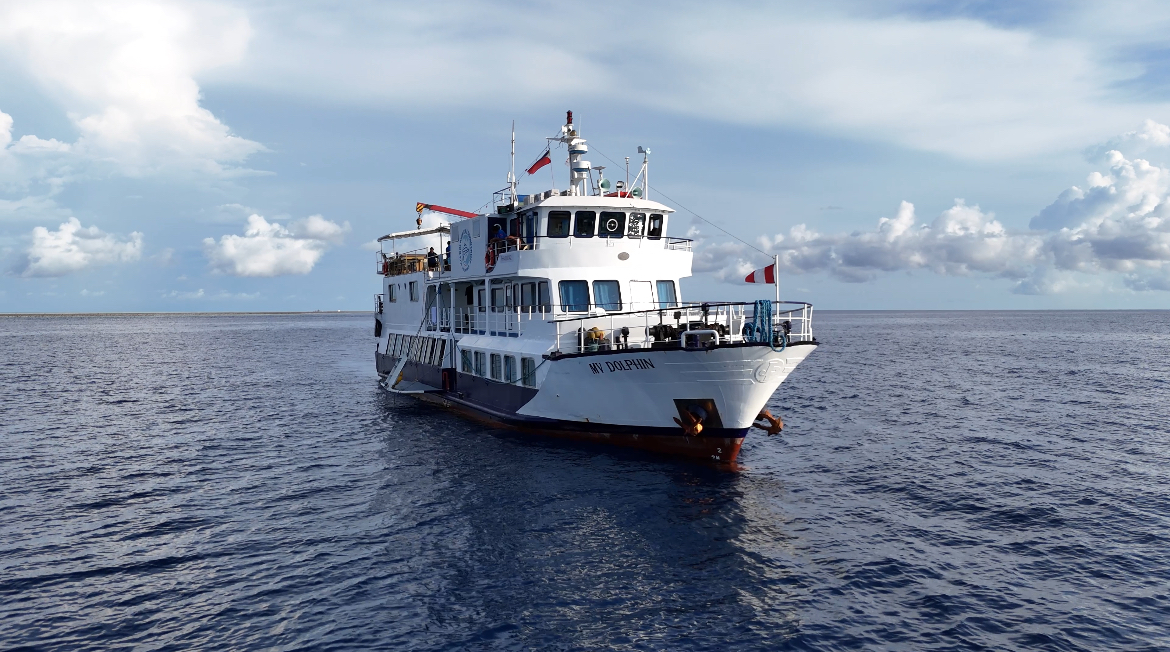
Dolphin
Philippines
18 guests31 m
$326/day
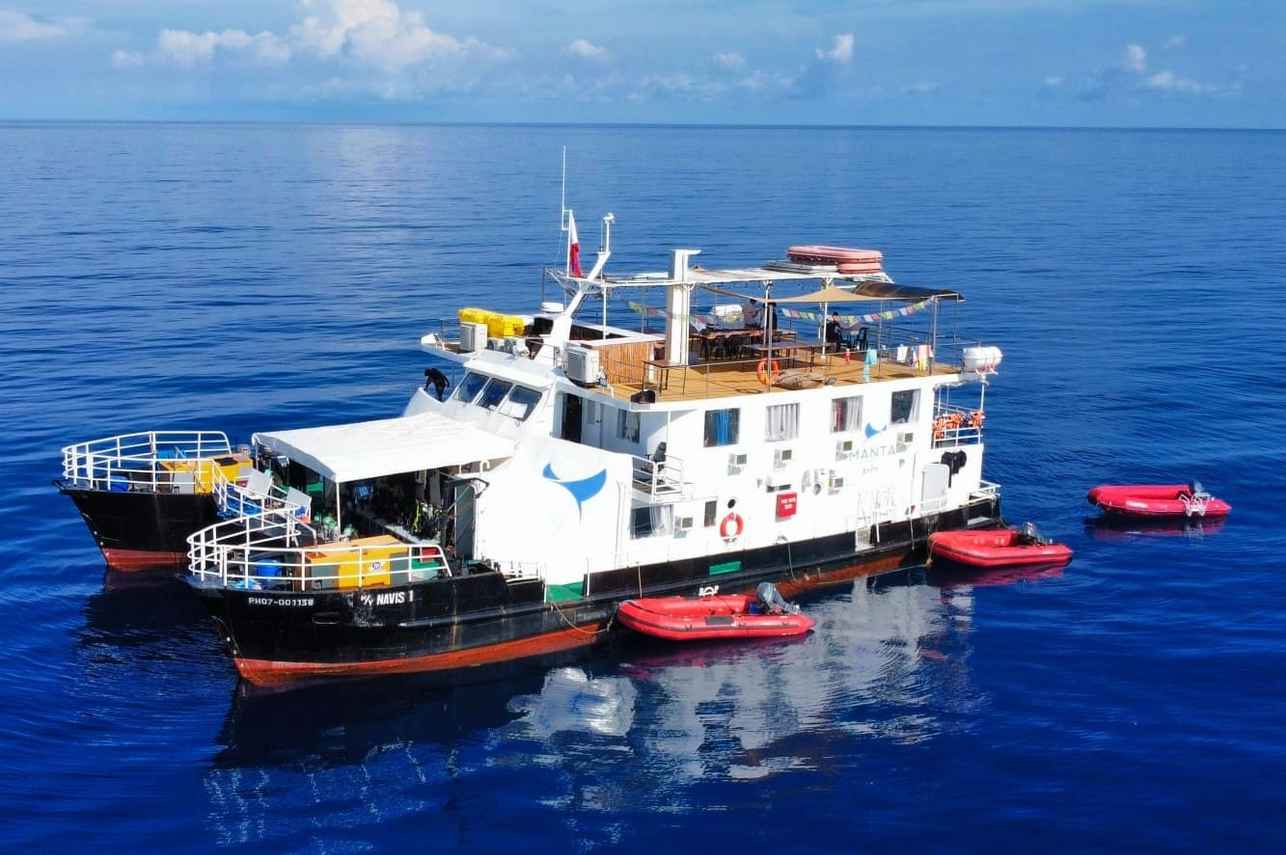
Navis 1
Philippines
22 guests23 m
$250/day
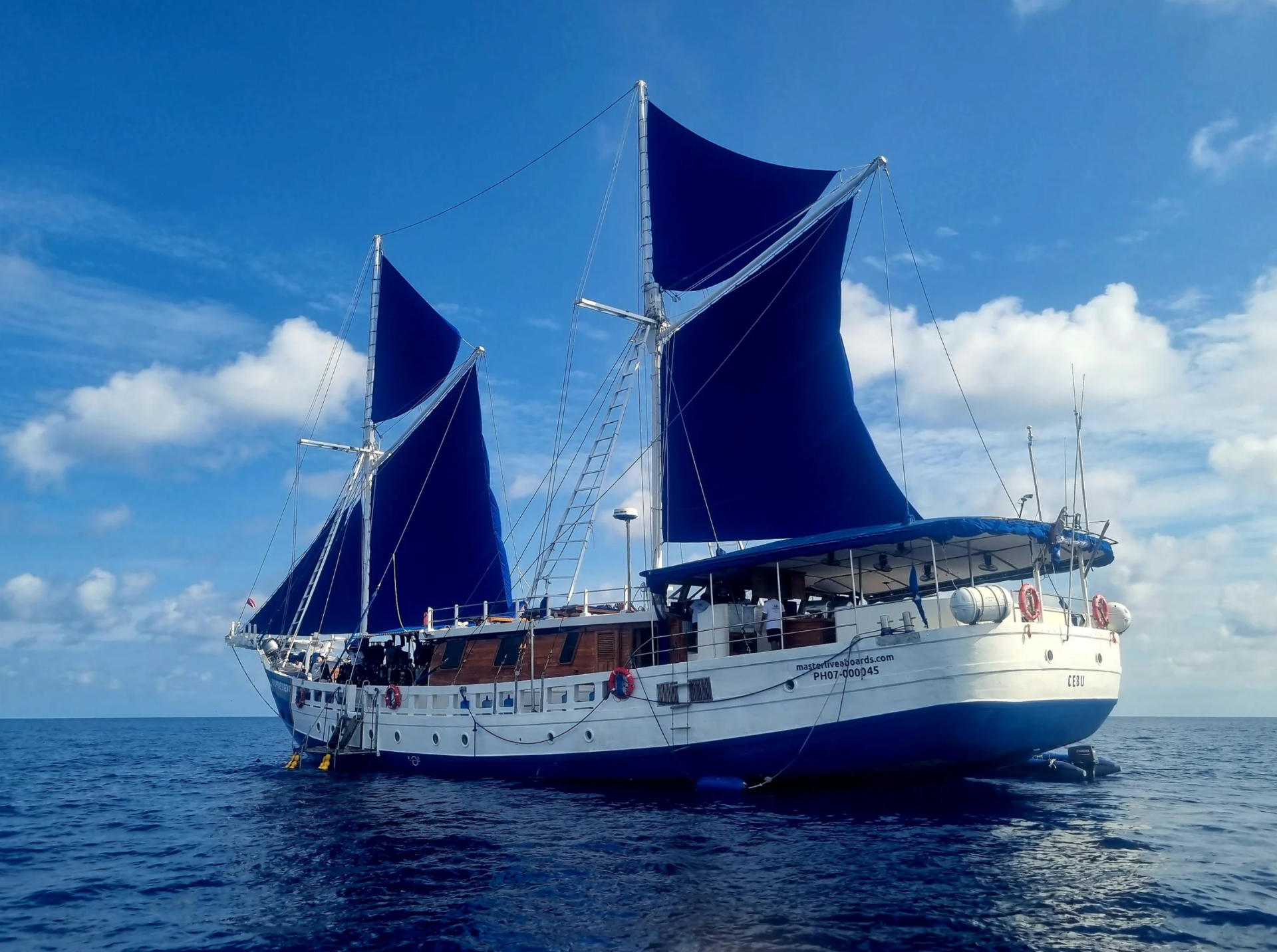
Philippine Siren
Philippines
16 guests
$309/day
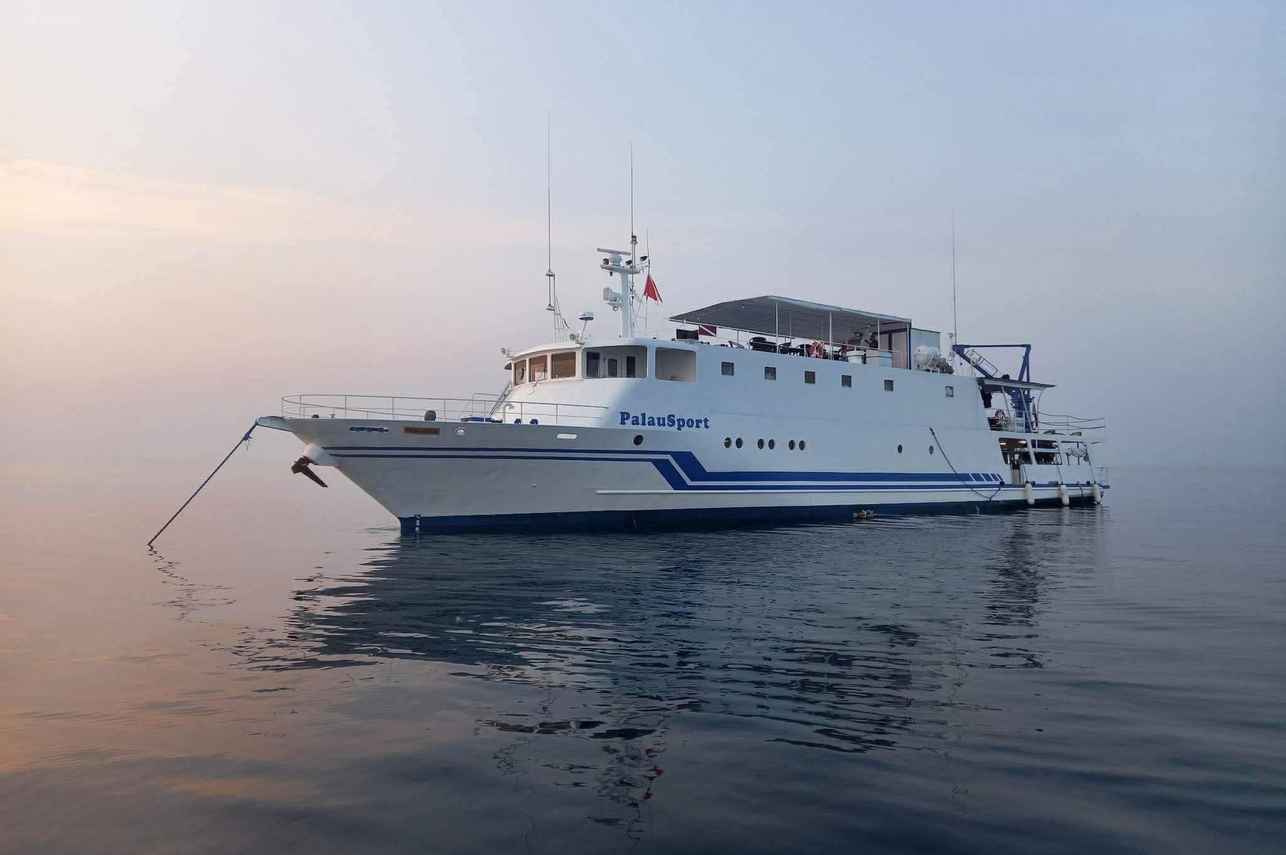
Palau Sport
Philippines
24 guests38.35 m
$215/day
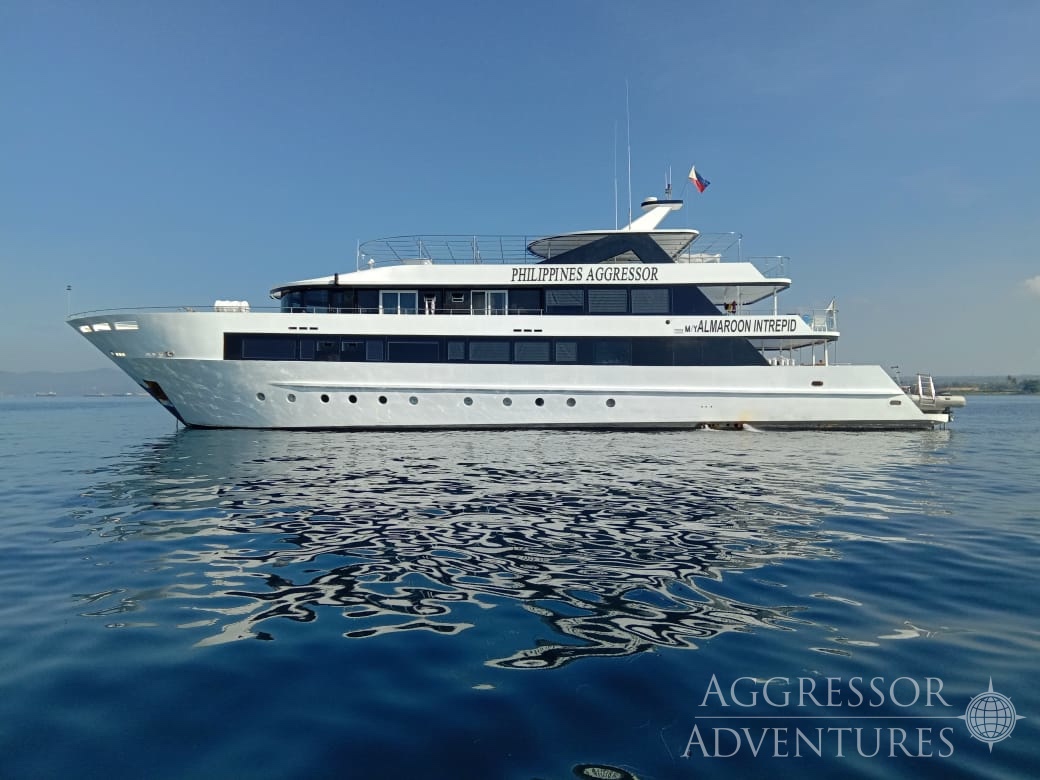
Philippines Aggressor
Philippines
26 guests42.7 m
$381/day
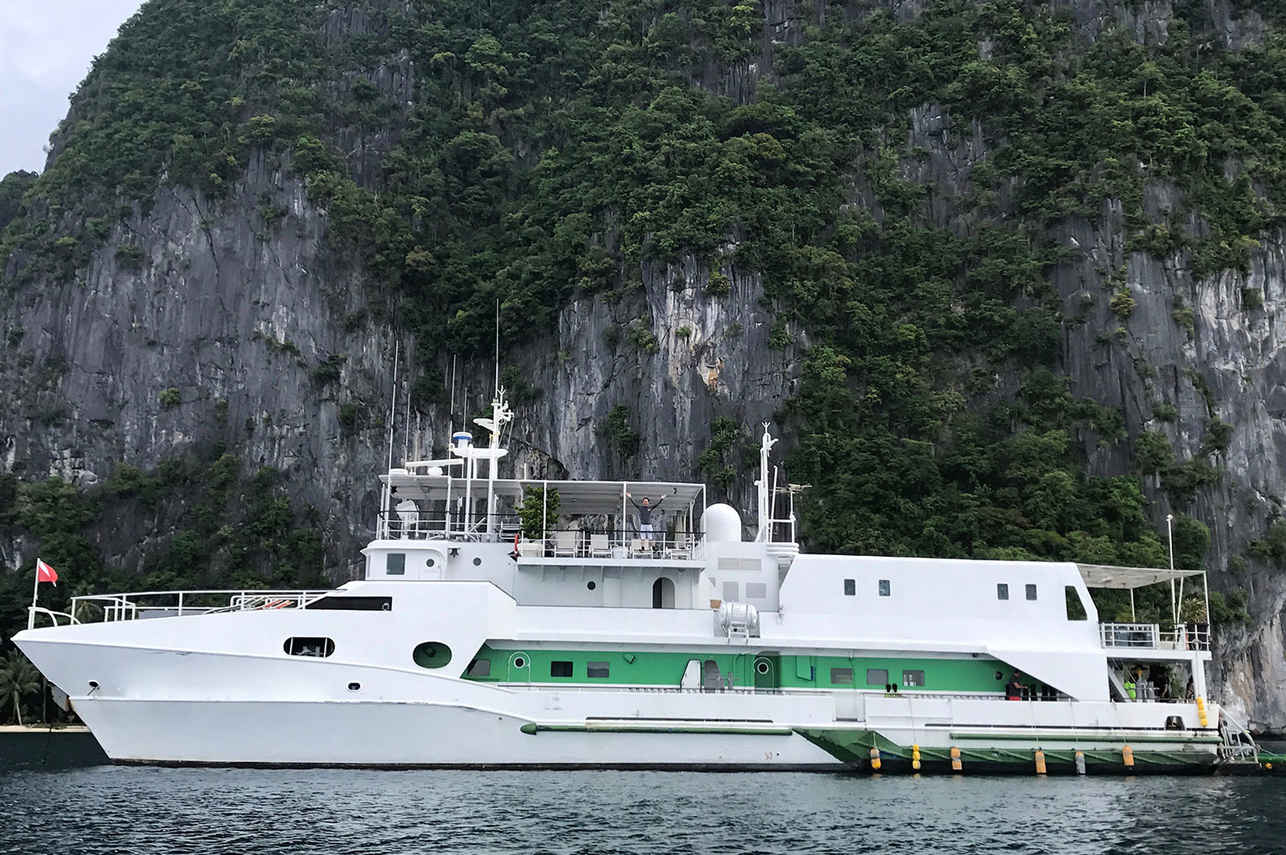
Stella Maris Explorer
Philippines
20 guests33 m
$398/day
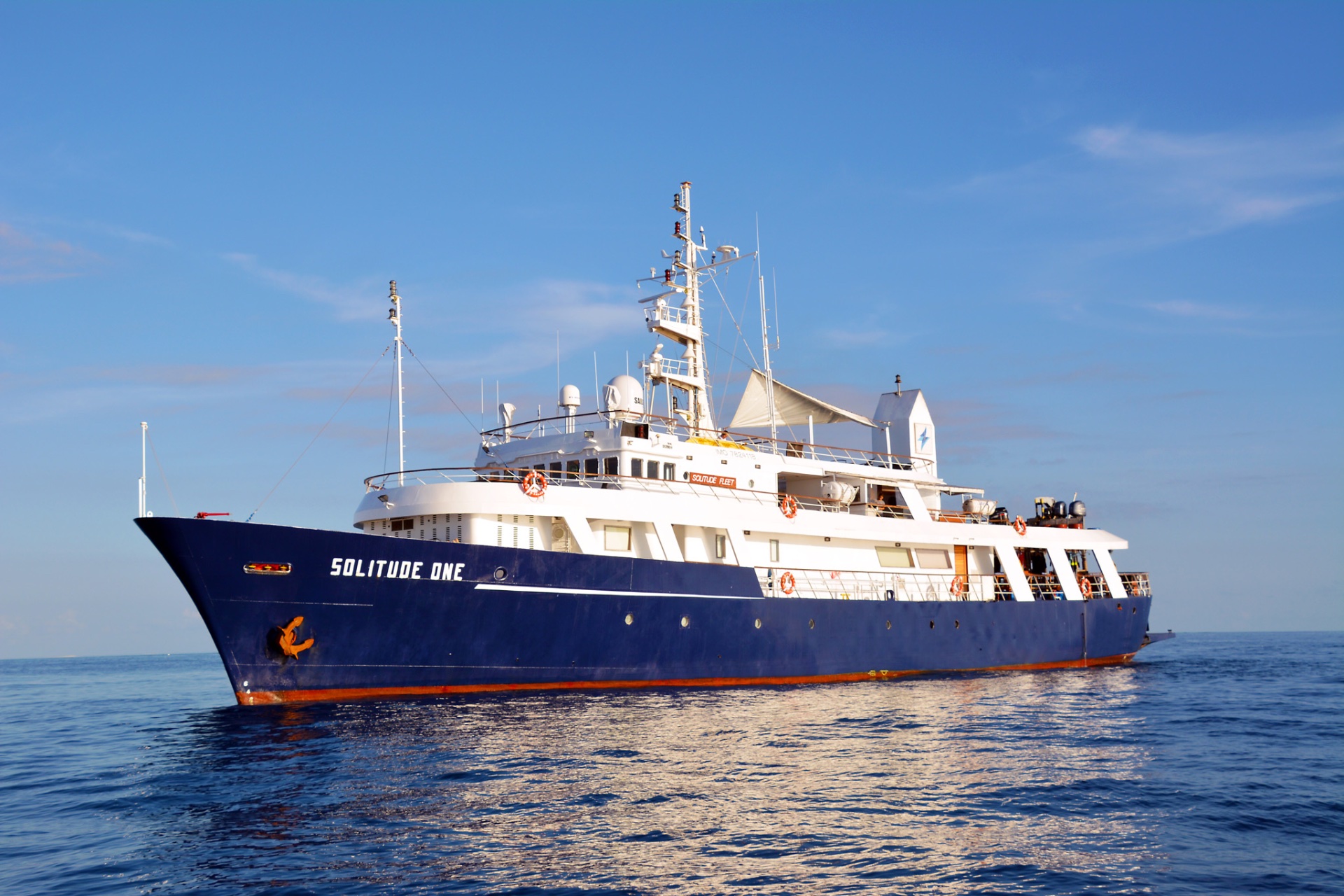
Solitude One
Philippines
24 guests52 m
$460/day
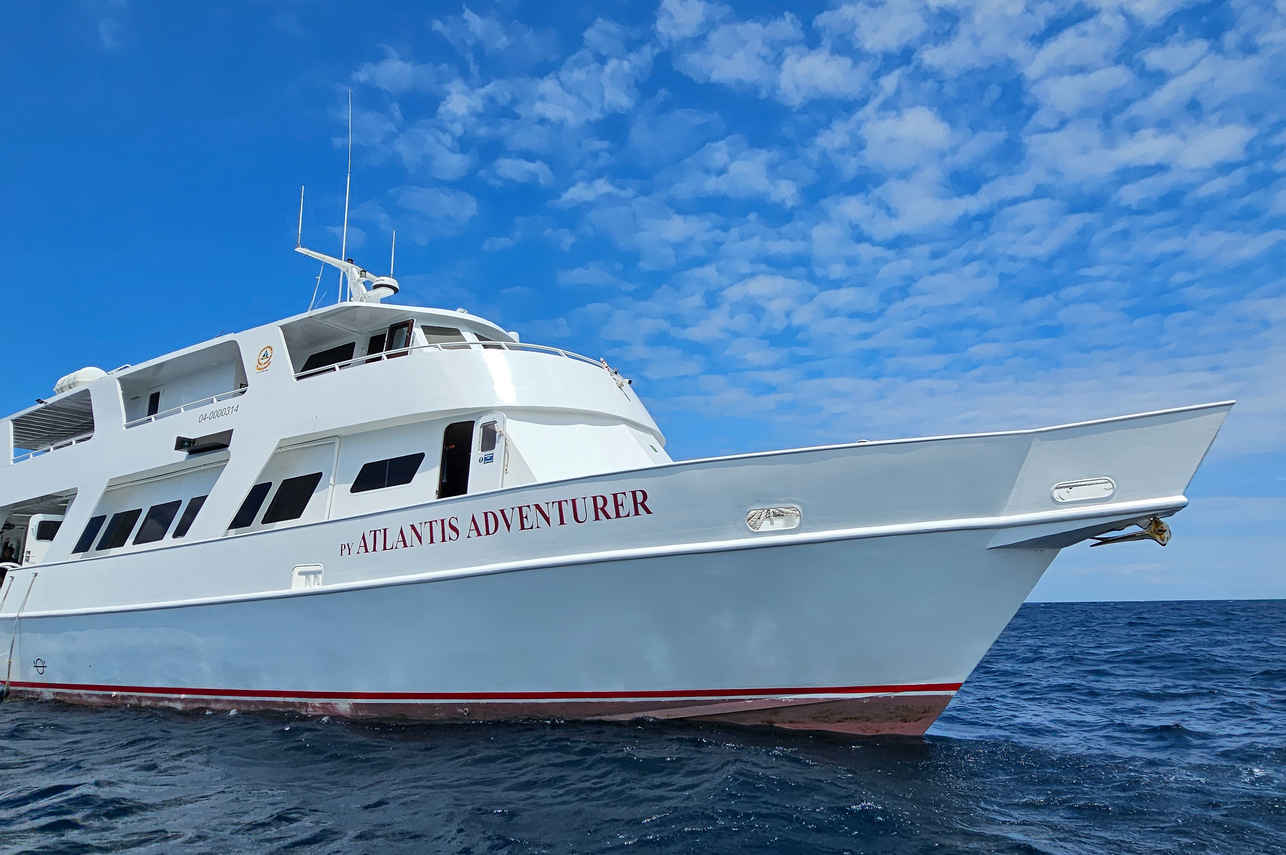
Atlantis Adventurer
Philippines
16 guests32.5 m
$421/day
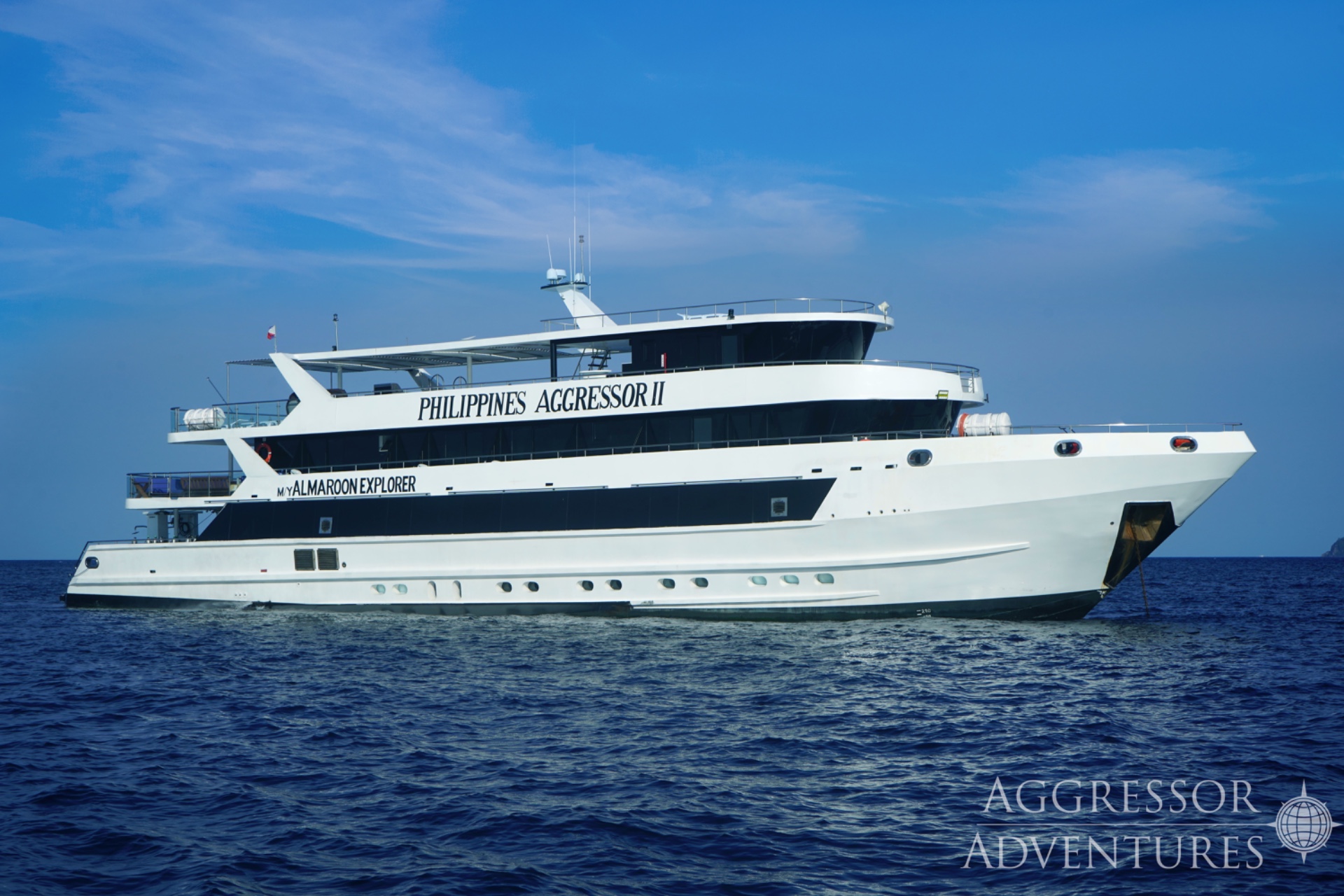
Philippines Aggressor II
Philippines
26 guests42.7 m
$247/day
Dive sites similar to Sangat Island
Same character, same waters — six more sites divers love for the exact same reasons.Compare seasons, access and liveaboard routes — then pick the site that fits your trip best.
© Esri — Maxar, Earthstar, GIS
Big La Laguna
Philippines
Big La Laguna is a beach community situated on the western edge of the Sabang Peninsula, a popular dive region on Mindoro Island, Philippines.
- Suitable for
- Intermediate
- Current
- Moderate
- Access
- Dayboat
- Depth
- 5–35 m
- Theme
- Reef / Wall
© Esri — Maxar, Earthstar, GIS
Black Forest
Philippines
Black Forest is a premier dive site located off Balicasag Island, renowned for its exceptional marine biodiversity and distinct topography.
- Suitable for
- Intermediate
- Current
- Strong
- Access
- Liveaboard or dayboat
- Depth
- 10–30 m
- Theme
- Drift / Reef
© Esri — Maxar, Earthstar, GIS
Panagsama Beach
Philippines
Panagsama Beach, situated on a peninsula near Moalboal town in Cebu, serves as a central hub for diving activities in the region, boasting over 20 dive sites along its shoreline.
- Suitable for
- Intermediate
- Current
- Moderate
- Access
- Liveaboard or dayboat
- Depth
- ≤ 30 m
- Theme
- Reef / Wall
© Esri — Maxar, Earthstar, GIS
Olympia Maru
Philippines
The Olympia Maru is a prominent Japanese cargo ship wreck from World War II, located within Coron Bay, Philippines.
- Suitable for
- Intermediate
- Current
- Mild
- Access
- Dayboat
- Depth
- 17–24 m
- Theme
- Wreck / Reef
© Esri — Maxar, Earthstar, GIS
Balinghai Wall
Philippines
Balinghai Wall is a notable dive site located on the northwest side of Boracay, known for its accessible wall and coral slope formations.
- Suitable for
- Intermediate
- Current
- Mild
- Access
- Dayboat
- Depth
- 8–24 m
- Theme
- Wall / Reef
© Esri — Maxar, Earthstar, GIS
Tongo Sanctuary
Philippines
Tongo Sanctuary, located in Moalboal, Cebu, is a marine protected area renowned for its dramatic underwater topography.
- Suitable for
- Beginner
- Current
- Mild
- Access
- Dayboat
- Depth
- 5–55 m
- Theme
- Reef / Wall