About Romblon Bonbon Beach Reef
Bonbon Beach Reef, located near Romblon Town on Romblon Island, has garnered a reputation as a premier macro diving destination within the Philippines. Situated at the tip of the Verde Island Passage, a globally recognized center of marine biodiversity, its waters teem with an extraordinary array of marine life, particularly sought-after invertebrate species. The reef system encompasses varied topographies, from sandy areas and seagrass beds near the iconic Bonbon Beach sandbar to vibrant coral gardens and steep slopes adorned with soft corals and large gorgonian fans. Depths range from shallow, sheltered areas suitable for beginners and snorkelers to deeper sites reaching 30 meters where rarer subjects reside. This diversity supports an impressive concentration of macro and super macro critters. Water temperatures remain consistently warm, between 26°C and 30°C, with visibility typically ranging from 10 to 20 meters. The optimal diving conditions, characterized by calm seas and clear waters, are found during the dry season from November to May. While currents are generally mild, moderate flow can be encountered at deeper fan coral sites, making it suitable for all experience levels, though macro photographers often venture deeper for specific subjects. Romblon's relative remoteness means dive sites are uncrowded, offering an intimate and unhurried experience with marine life. This destination appeals particularly to underwater photographers and critter enthusiasts seeking unique encounters, often without other divers present, in a serene underwater environment.
Highlights
Ghost nudibranch sightingsExtensive fan coral fieldsRare macro crittersUncrowded dive sitesDiverse reef topographyExceptional nudibranch variety
Season calendar
Best months to dive here
Jan
Feb
Mar
Apr
May
Jun
Jul
Aug
Sep
Oct
Nov
Dec
Good
Dive site facts: Romblon Bonbon Beach Reef
- Depth
- 0–30 m
- Typical dive
- 12–25 m, 50–60 min
- Current
- Mild to moderate
- Visibility
- 10–20 m
- Water temperature
- 26–30°C
- Entry
- Boat / Beach
- Level
- All levels (deeper areas for intermediate to advanced)
- Dive type
- Macro, muck, coral reef, wall
- Night dive
- Possible
- Region / port
- Romblon, Philippines
- Coordinates
- 12.572500, 122.244600
Conditions & Currents
Currents at Bonbon Beach Reef are generally mild, particularly in the shallower sections closer to the beach, making these areas accessible for divers of all levels. However, the deeper fan coral collections, which host some of the most sought-after macro subjects, can experience moderate flow. Divers exploring these deeper areas should be prepared for varying current strengths and practice good buoyancy control to avoid damaging delicate corals. Visibility typically ranges from 10 to 20 meters, offering clear views of the abundant macro life, and water temperatures remain warm year-round, between 26°C and 30°C. Entry is generally from a boat, with drift dives possible depending on current conditions at specific points.
Marine life & sighting chances
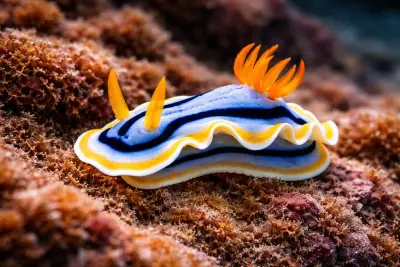
Ghost Nudibranch
commonPhantom Nudibranch
occasionalButterfly Nudibranch
occasional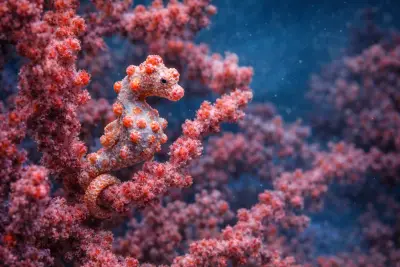
Pygmy Seahorse
common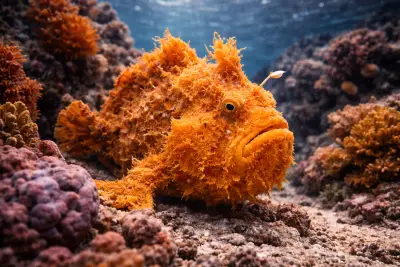
Frogfish
common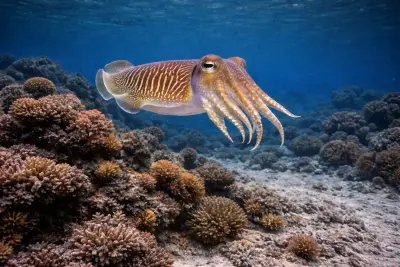
Flamboyant Cuttlefish
occasional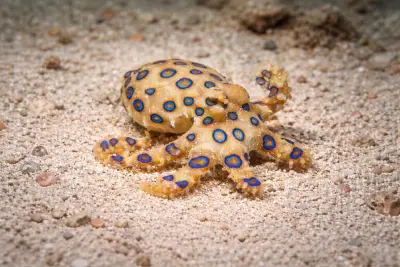
Blue-ringed Octopus
occasional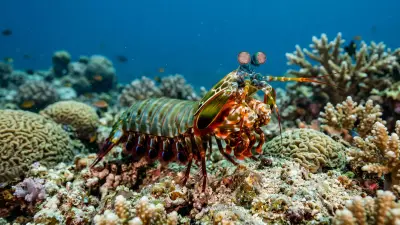
Mantis Shrimp
common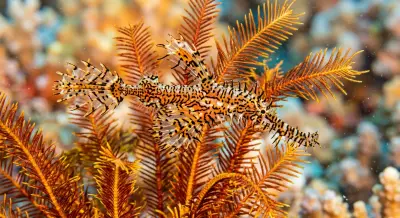
Ghost Pipefish
commonCowries
common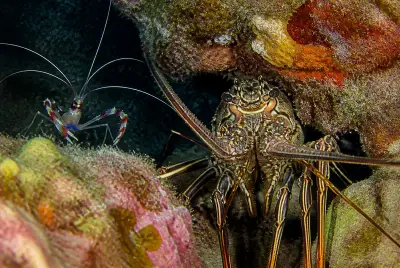
Rare Crustaceans
common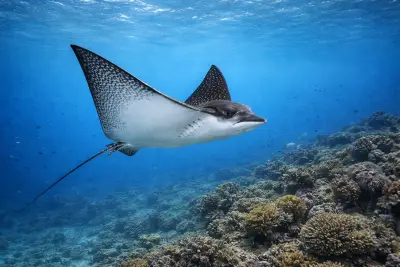
Eagle Rays
rareDive profile & how the dive runs
A typical dive at Bonbon Beach Reef begins with a boat entry, descending to approximately 5 meters to observe the initial reef section. The dive then progresses deeper along the reef, reaching a maximum depth of 30 meters at the Bonbon Fan Coral Collection, where extensive fields of gorgonian fans host pygmy seahorses and various rare nudibranchs. Divers typically spend a significant portion of the dive at depths between 15-25 meters, meticulously exploring for macro critters such as frogfish, ghost pipefish, and flamboyant cuttlefish hidden among the corals and volcanic sand. The turning point is often dictated by air consumption or bottom time at the deepest section. The ascent is gradual, returning to shallower reef sections around 15 meters for further exploration before concluding with a safety stop at 5 meters. Night dives are also popular, revealing nocturnal critters and the vibrant colors of the reef under artificial light.
Underwater photography
Bonbon Beach Reef is a macro photographer's dream, demanding specialized gear to capture its tiny, elusive inhabitants. A macro lens, typically 60mm or 100/105mm, is essential, often paired with diopters for super macro subjects like the ghost nudibranch or pygmy seahorses. Dual strobes are highly recommended for even lighting and to minimize backscatter, especially when shooting small, intricate critters against varying backgrounds. Snoots can be particularly effective here to isolate subjects and create dramatic lighting effects. Patience and excellent buoyancy control are paramount, as many creatures are well camouflaged or sensitive to disturbances. Maintaining a safe distance and avoiding contact with the delicate reef and sand is crucial for both diver safety and marine life preservation, ensuring these unique subjects remain for future photographers.
Combine with nearby dive sites
- Sunken Island
Sunken Island is a distinguished dive site located off Siquijor, an island in the Visayas region of the Philippines, south of Cebu and…
- Verde Island Passage
Romblon is at the tip of this biodiversity hotspot.
- Blue Hole
Located on nearby Tablas Island.
- Agnay Fish Sanctuary
A nearby marine sanctuary with dome-shaped Acropora corals.
- The House Reef
Accessible from Three P Holiday & Dive Resort, known for macro.
- Lonos Marine Sanctuary
Protecting giant clams and home to interesting critters.
Getting there & logistics
Reaching Romblon typically involves flying into Manila or Cebu, then connecting to Tugdan Airport (Romblon Airport) on Tablas Island, followed by a short van or tricycle ride and a boat transfer to Romblon Island. Alternatively, an overnight ferry service from Batangas Port (south of Manila) provides a scenic, albeit longer, journey of 9-12 hours. Dive resorts on Romblon Island usually arrange transfers from either arrival point. Most dive trips are shore-based from local resorts, offering daily boat dives to various sites including Bonbon. The relative remoteness means fewer tourists, providing a more exclusive diving experience, and trip lengths typically range from 5 to 7 days to fully explore the diverse macro sites.
Safety & environment
Diving at Bonbon Beach Reef requires adherence to standard safe diving practices, especially when exploring deeper sections or areas with moderate currents. Divers should always carry valid dive insurance that covers emergency medical evacuation and recompression, as the nearest recompression chamber may be several hours away by boat and air transfer. While Romblon offers a serene environment, evacuation in a medical emergency could be complex and time-consuming. It is crucial to dive within your certification limits, maintain excellent buoyancy control to protect the delicate marine environment, and follow local dive guide instructions, particularly regarding critter interaction and reef etiquette. Night dives require extra caution and appropriate lighting equipment.
Who it suits — and who it doesn't
Suited for
- Macro and super macro photographers
- Critter enthusiasts seeking rare species
- Divers preferring uncrowded dive sites
- Beginners in shallow areas
- Experienced divers for deeper sites
- Underwater naturalists
Less suited for
- Divers seeking large pelagic encounters
- Those uninterested in macro life
- Divers who dislike long travel times
- Those who prefer strong currents for drift diving
- Individuals sensitive to remote destinations
- Divers requiring immediate access to medical facilities
FAQ
Romblon Bonbon Beach Reef FAQ
What makes Romblon special for nudibranch diving?
Romblon has earned the unofficial title of the 'nudibranch capital of the Philippines' due to its extraordinary diversity of species. The waters around Bonbon Beach Reef are particularly renowned for hosting rare and elusive nudibranchs, including the ghost nudibranch, phantom nudibranch, and butterfly nudibranch, which are found in very few other locations worldwide. This concentration of unique species draws underwater photographers and marine biologists alike.
How do I get to Romblon?
There are two main ways to reach Romblon. One option is to take an overnight ferry from Batangas port, south of Manila, which typically takes 9 to 12 hours depending on the vessel. Alternatively, you can fly from Manila to Tablas Island's Tugdan Airport, then take a short land transfer and a boat ride to Romblon Island. Dive resorts often assist with arranging transfers from either arrival point.
Is Bonbon Beach Reef suitable for beginners?
Yes, parts of Bonbon Beach Reef are suitable for beginners, particularly the shallow sections near the sandbar which are ideal for snorkeling and introductory dives. However, the deeper Bonbon Fan Coral Collection, which harbors many of the rarest macro subjects, is considered a deep dive site requiring intermediate to advanced certification. The best macro photography opportunities are typically found at depths of 20 to 30 meters.
What marine life can I expect to see at Bonbon Beach Reef?
Bonbon Beach Reef is a macro heaven, known for an incredible variety of small, rare, and unique creatures. You can expect to encounter ghost nudibranchs, phantom nudibranchs, butterfly nudibranchs, pygmy seahorses, frogfish in various colorations, ghost pipefish, flamboyant cuttlefish, and blue-ringed octopuses. Mantis shrimp, rare crustaceans, and a wide array of other nudibranch species are also common sightings.
What are the typical dive conditions like?
Water temperatures at Bonbon Beach Reef are consistently warm, ranging from 26°C to 30°C year-round. Visibility typically falls between 10 to 20 meters. Currents are generally mild, especially in shallower areas, but deeper sections with large fan corals can experience moderate flow. The best conditions with calm seas and clear waters are usually found during the dry season, from November to May.
Why dive Romblon Bonbon Beach Reef from a liveaboard?
Romblon Bonbon Beach Reef is one of Philippines's signature dive sites. A liveaboard sleeps you on the water and puts you in the water for three to four guided dives per day, including dawn and night dives that day-boat operators rarely offer. You skip the daily commute back to port and reach quieter, less-crowded sites in the same region on a single trip.
Below are the liveaboards that include Romblon Bonbon Beach Reef on their Philippines itineraries.
Liveaboards diving Romblon Bonbon Beach Reef
These liveaboards may visit Romblon Bonbon Beach Reef on selected itineraries — the exact dive sites depend on departure, weather and conditions.
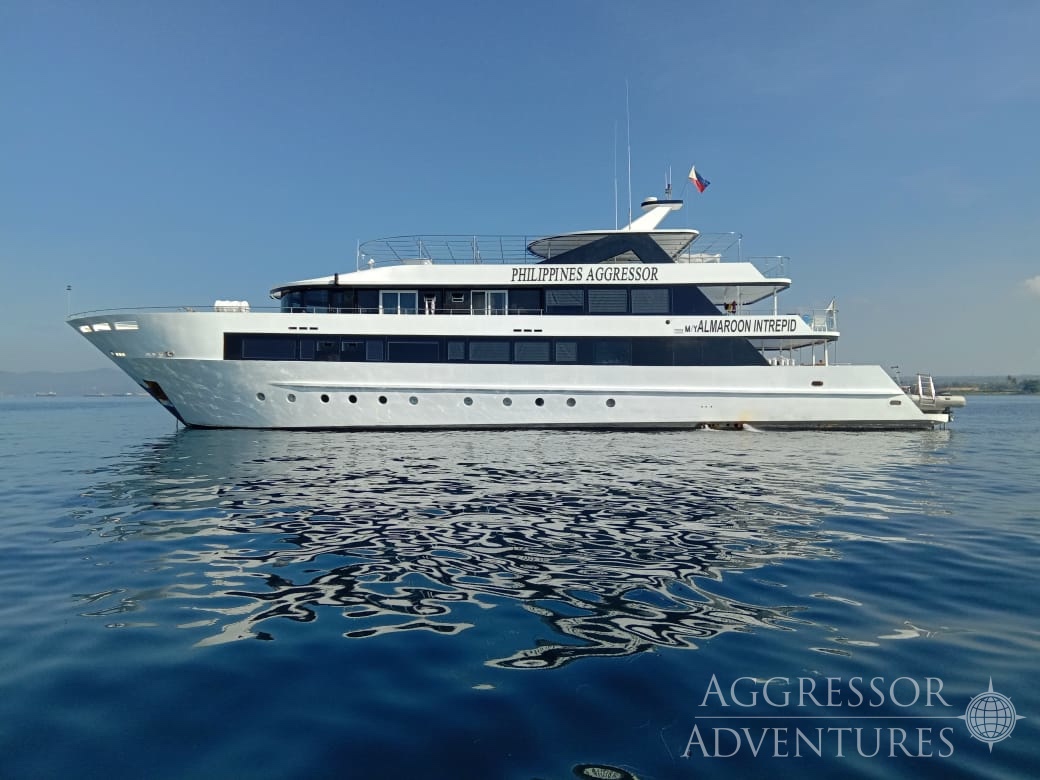
Philippines Aggressor
Philippines
26 guests42.7 m
$381/day
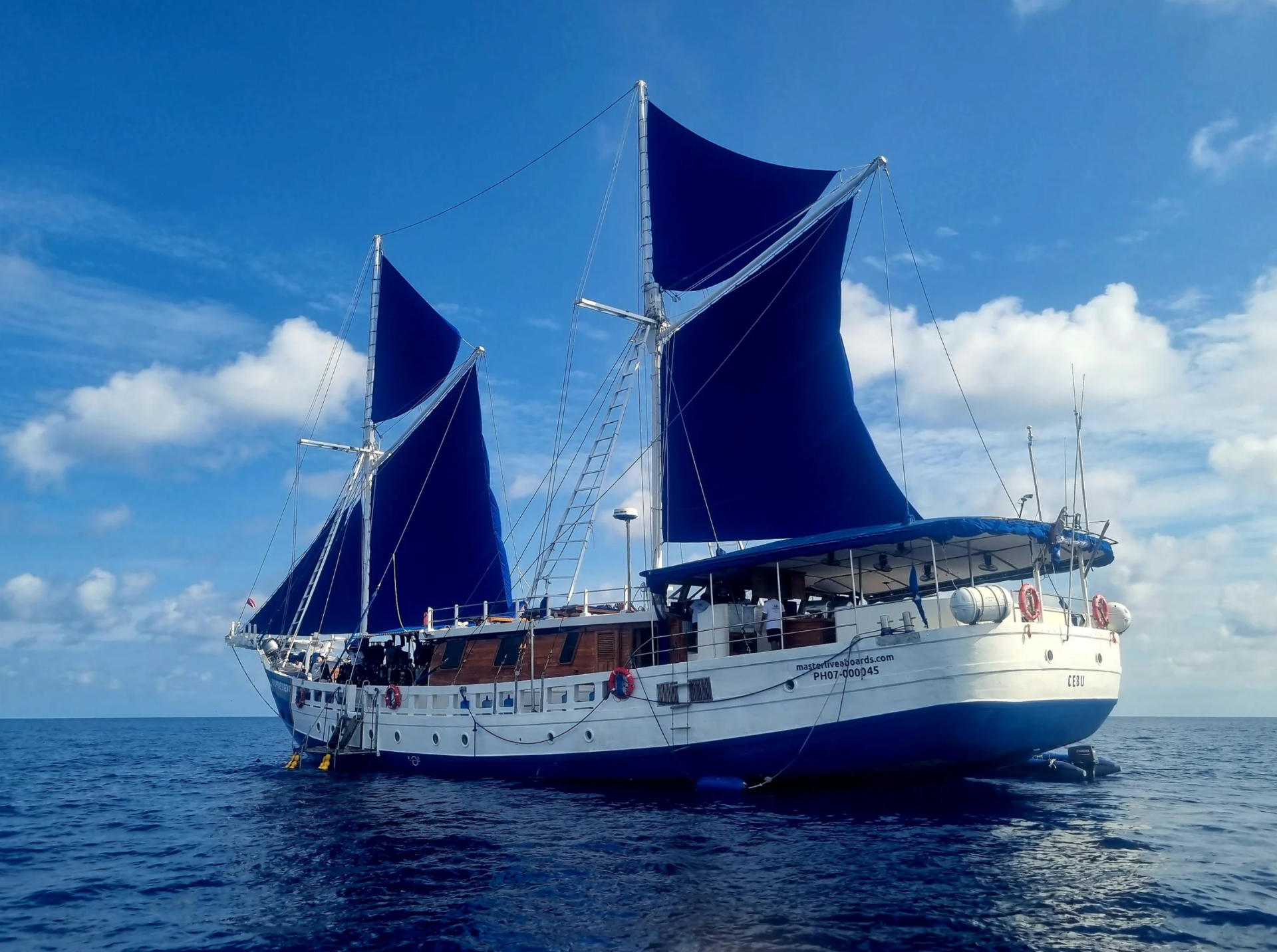
Philippine Siren
Philippines
16 guests
$309/day
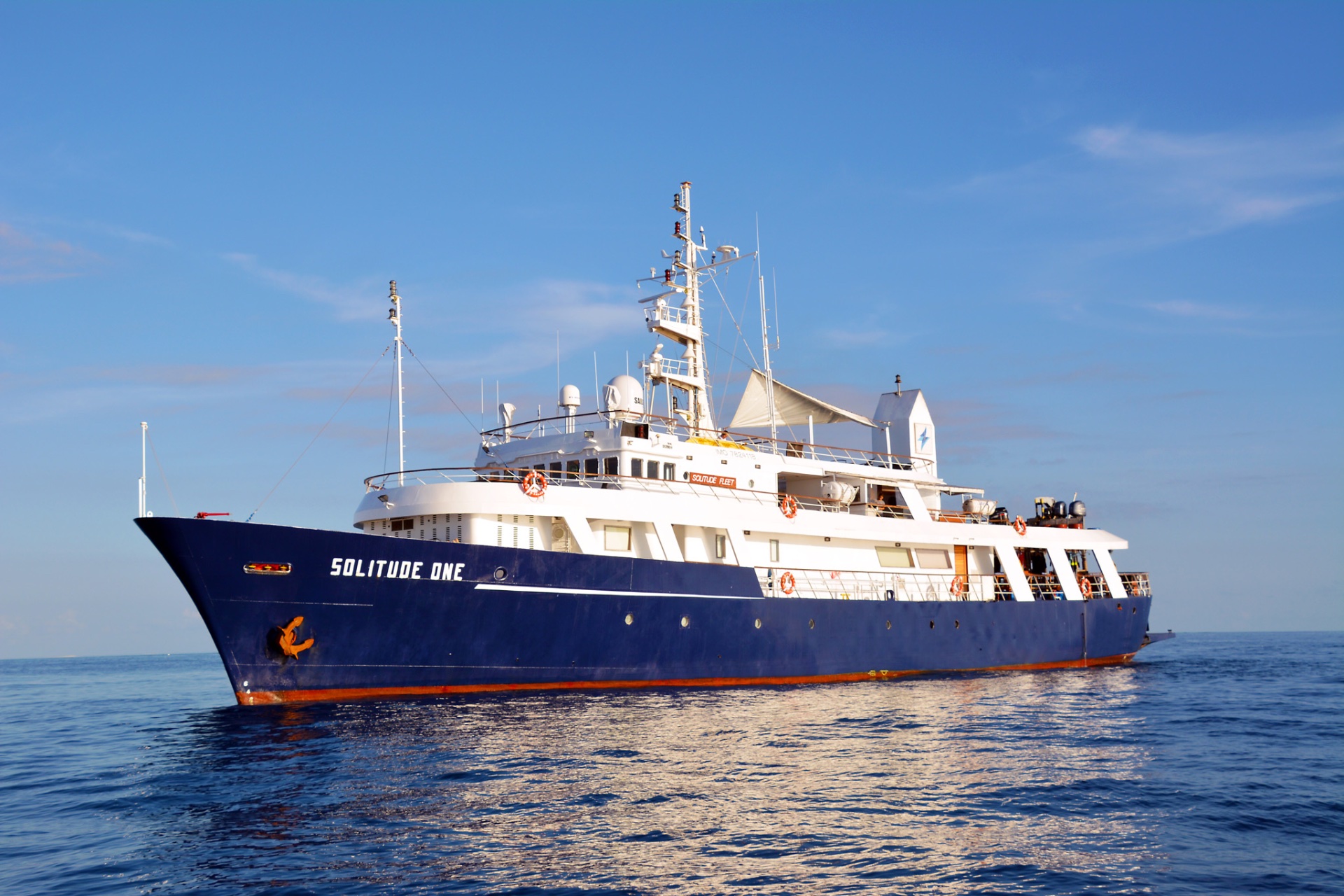
Solitude One
Philippines
24 guests52 m
$460/day
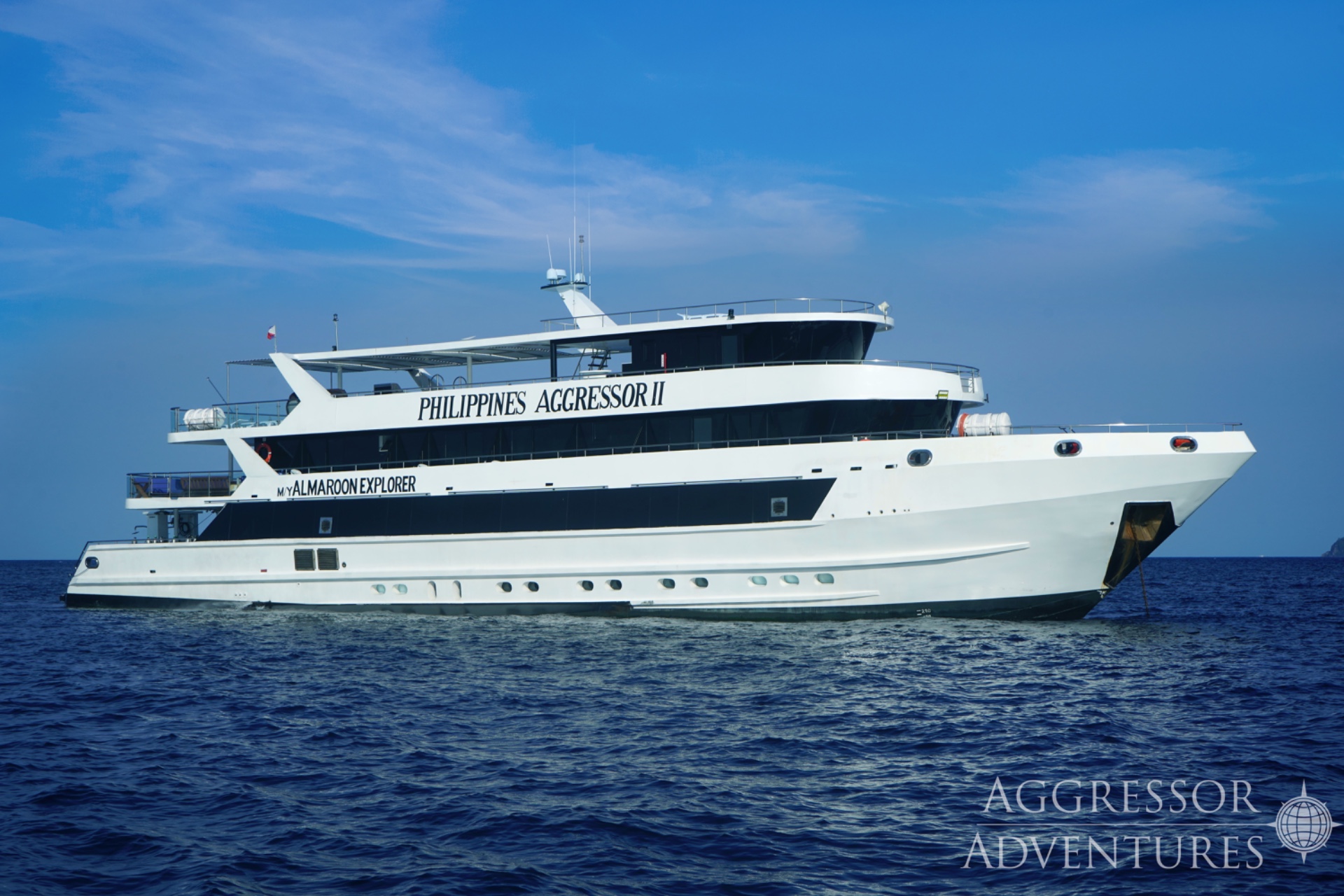
Philippines Aggressor II
Philippines
26 guests42.7 m
$247/day
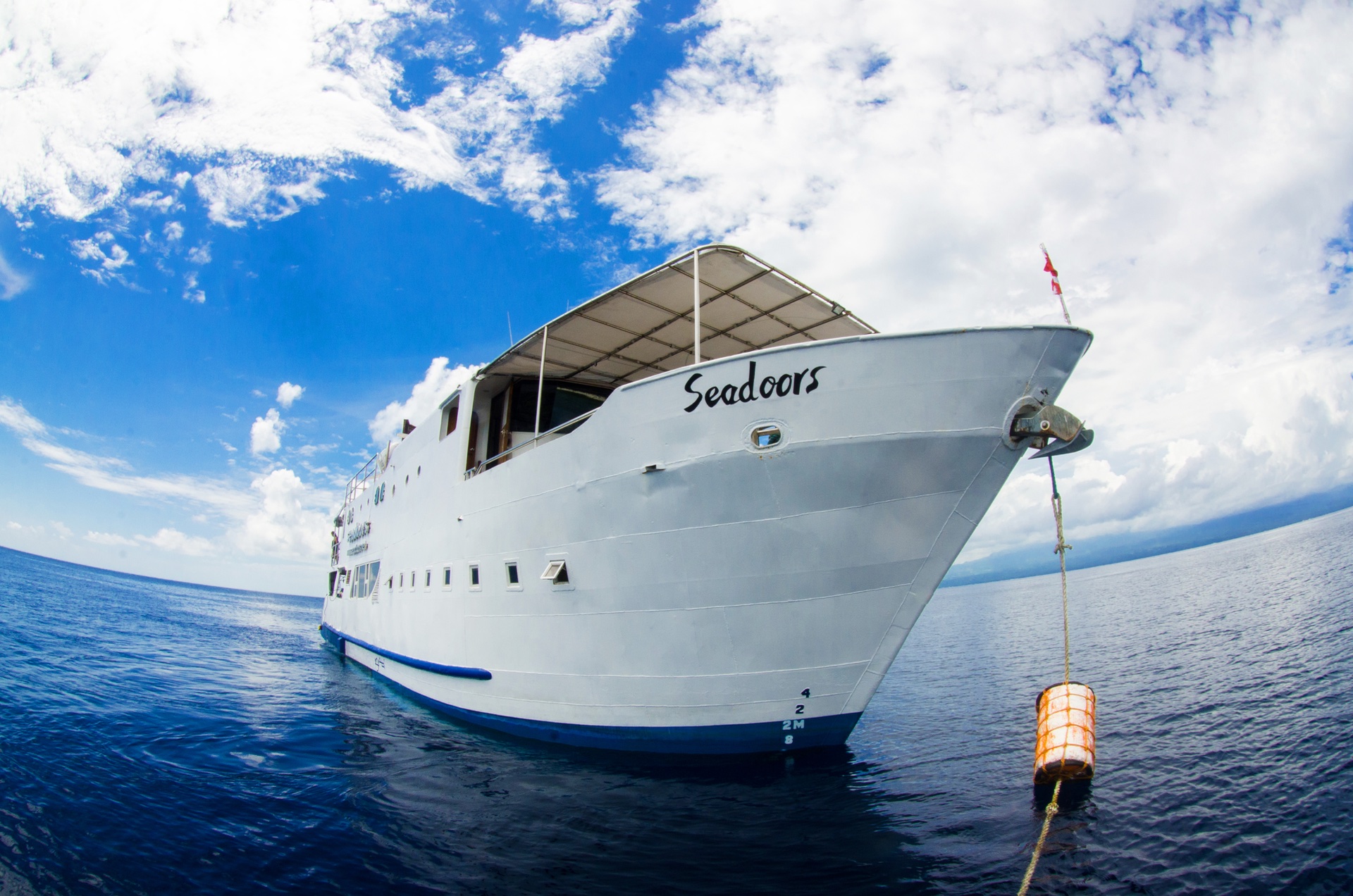
Seadoors
Philippines
16 guests25 m
$335/day
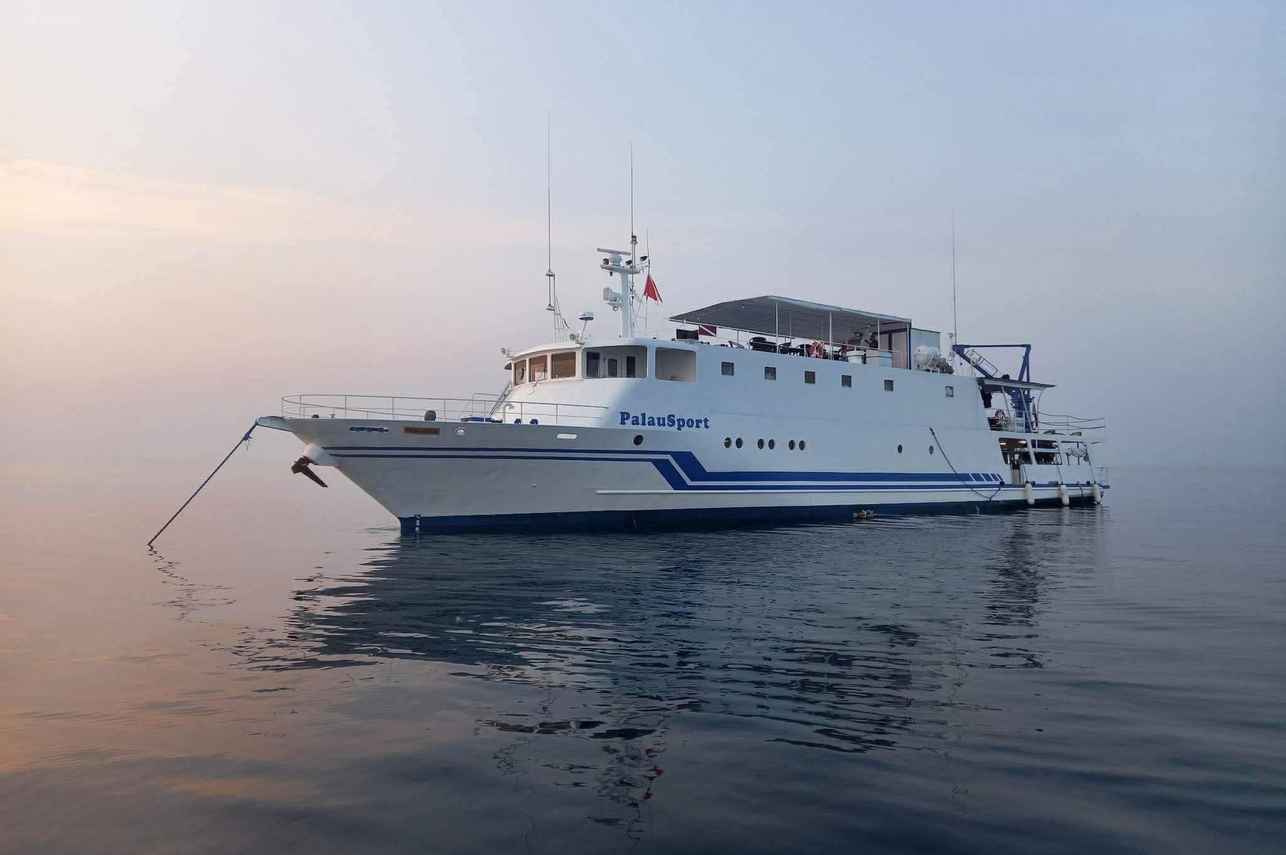
Palau Sport
Philippines
24 guests38.35 m
$215/day
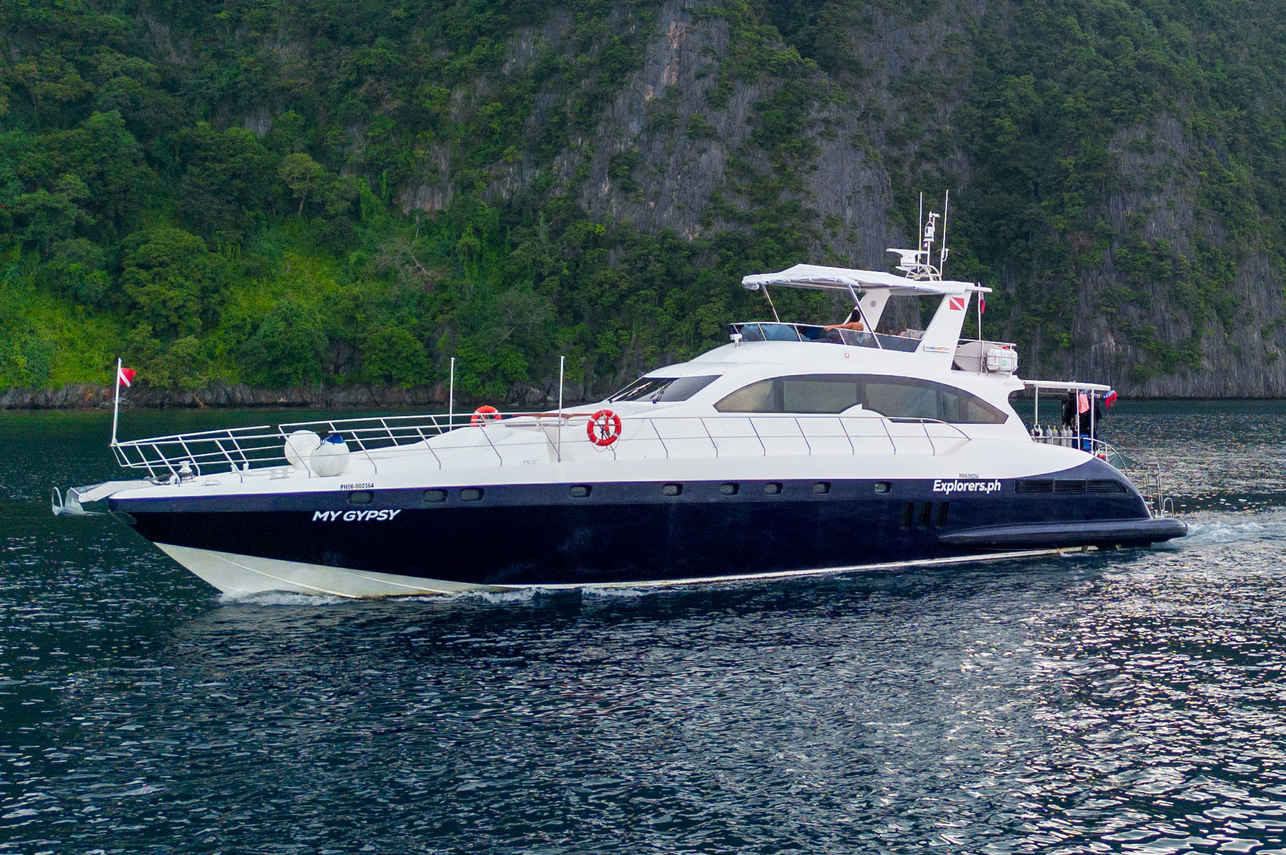
MY Gypsy
Philippines
8 guests24.3 m
$281/day
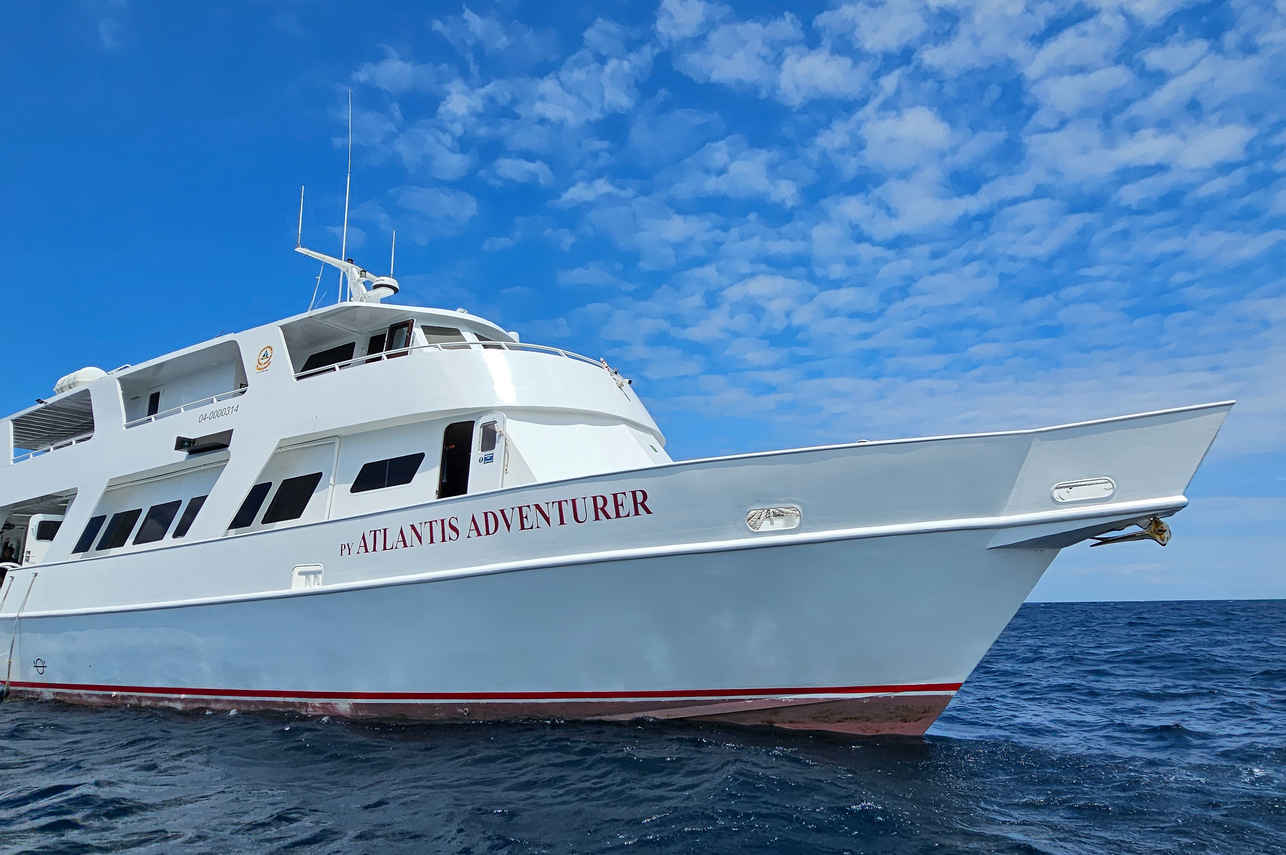
Atlantis Adventurer
Philippines
16 guests32.5 m
$421/day
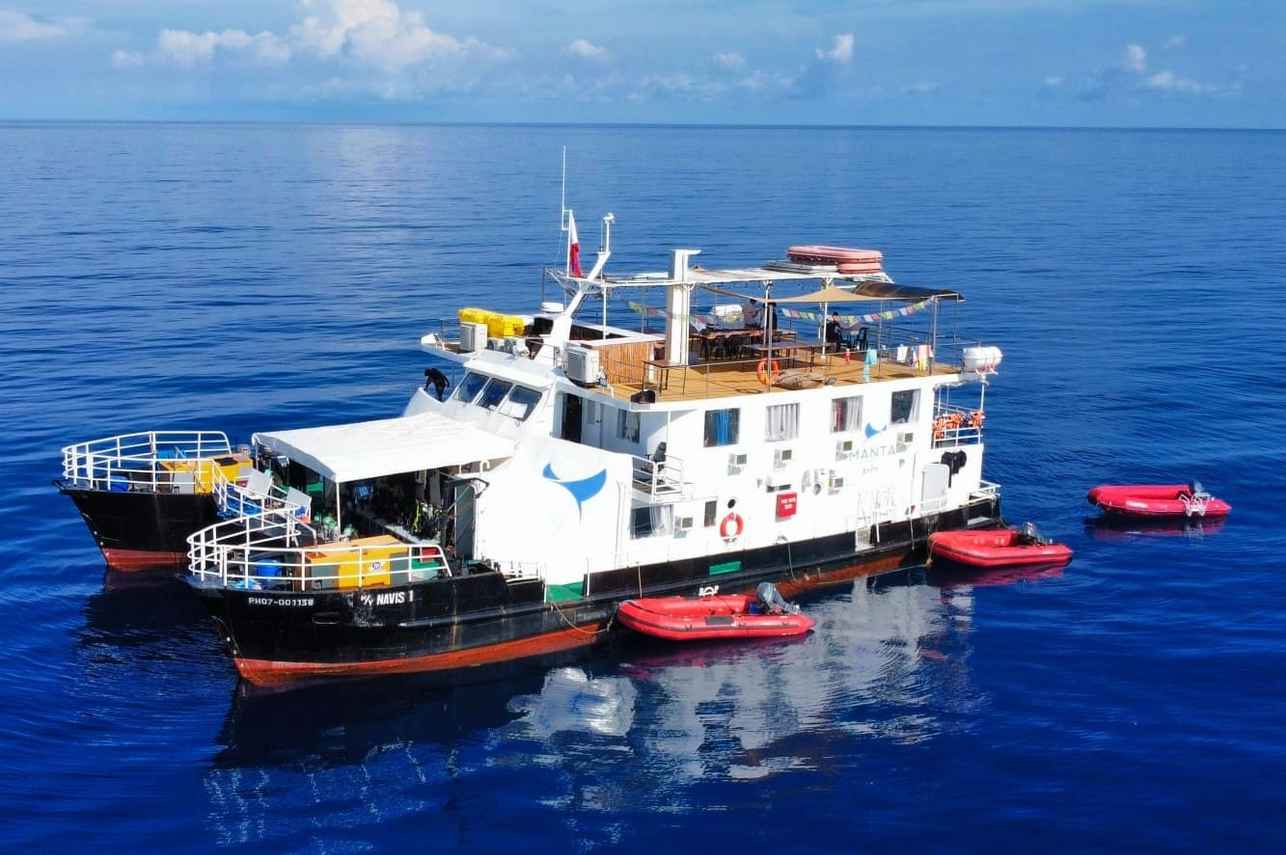
Navis 1
Philippines
22 guests23 m
$250/day
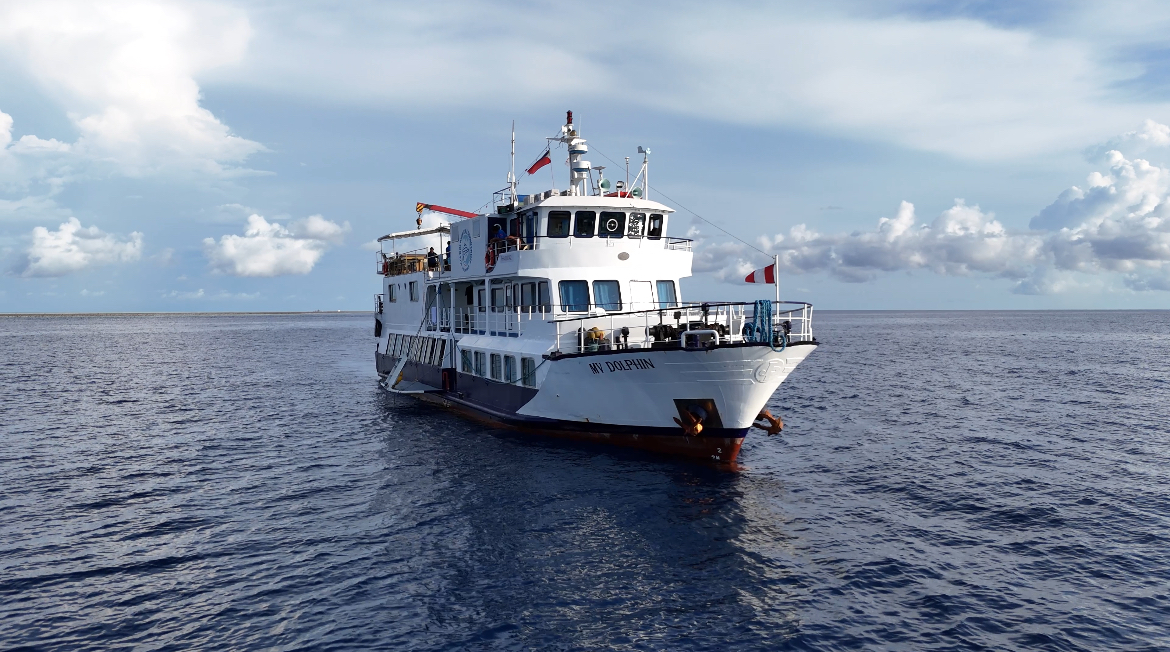
Dolphin
Philippines
18 guests31 m
$326/day
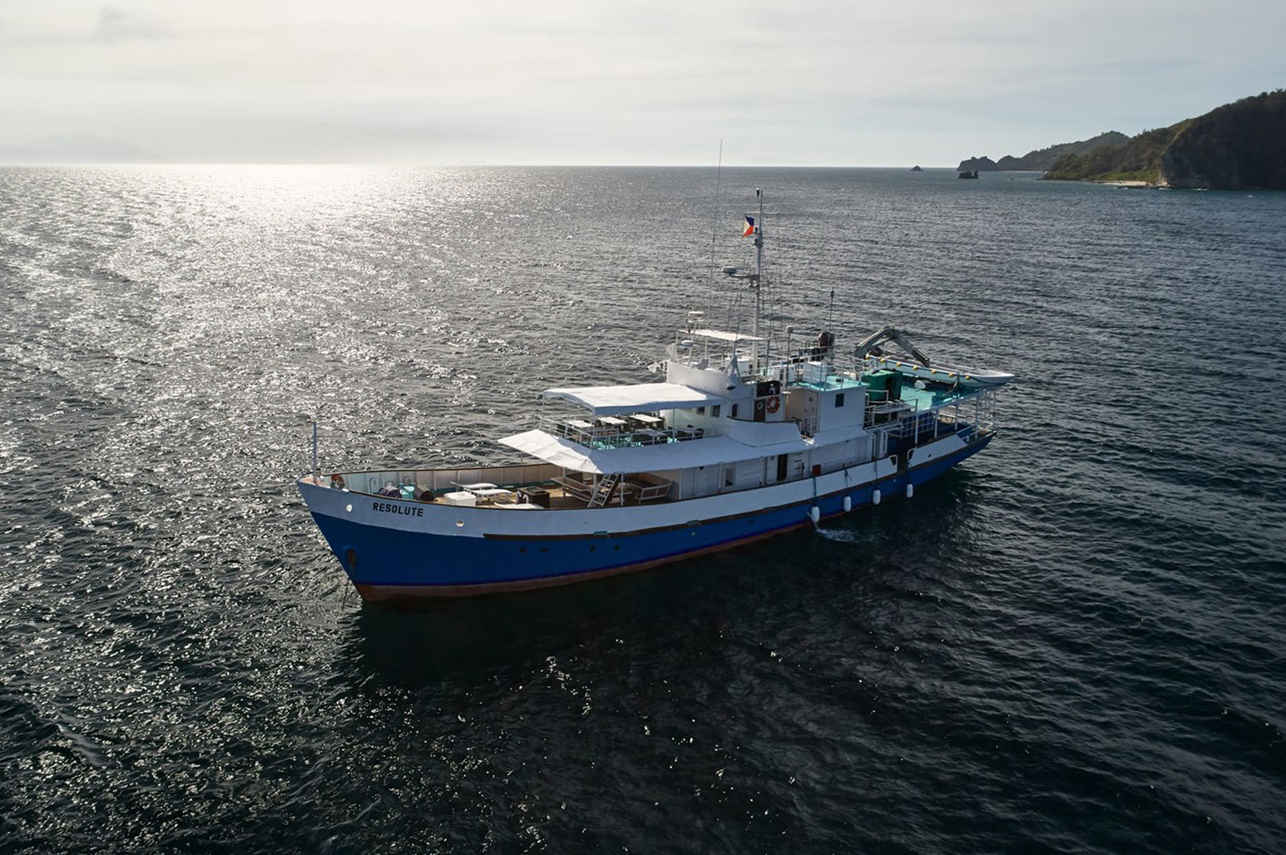
Resolute
Philippines
16 guests34.6 m
$314/day
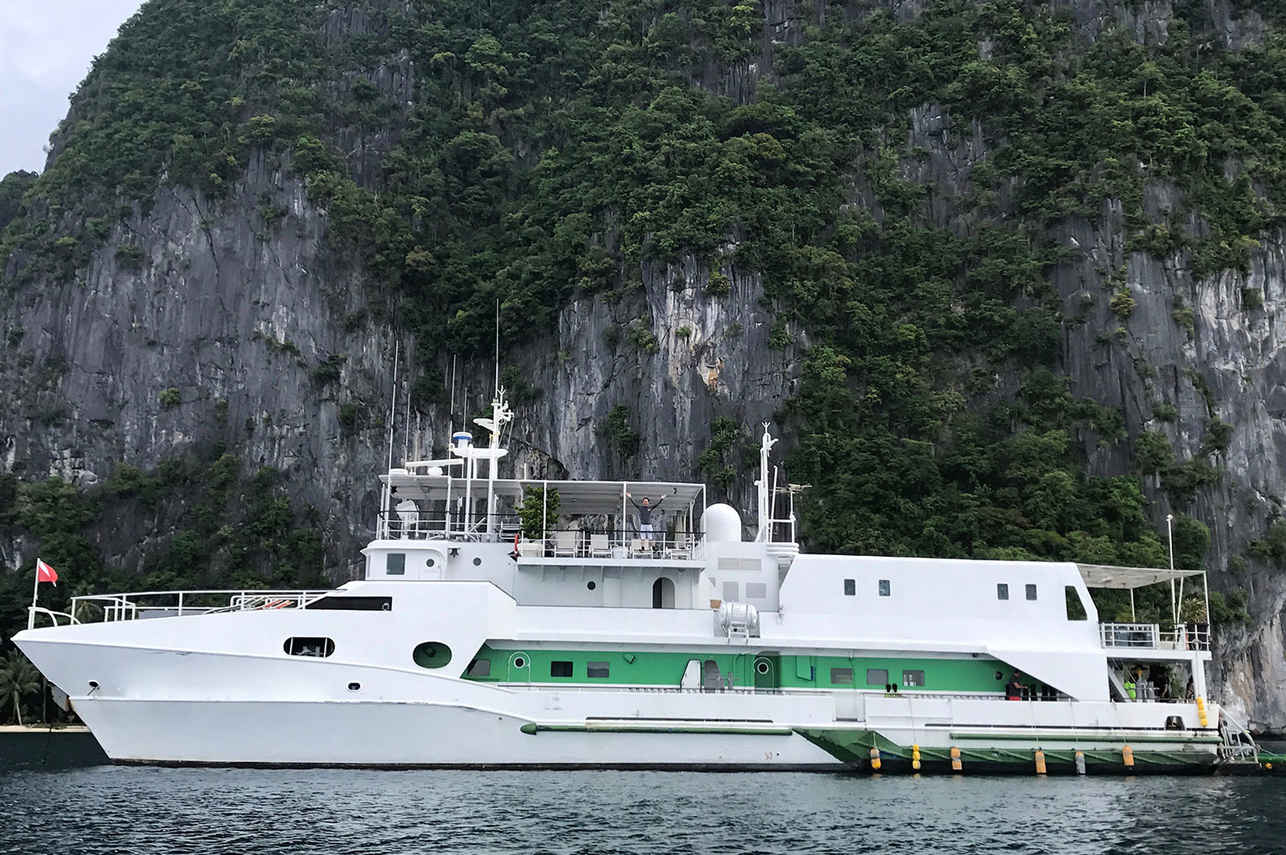
Stella Maris Explorer
Philippines
20 guests33 m
$398/day
Dive sites similar to Romblon Bonbon Beach Reef
Same character, same waters — six more sites divers love for the exact same reasons.Compare seasons, access and liveaboard routes — then pick the site that fits your trip best.
© Esri — Maxar, Earthstar, GIS
Anilao — Secret Bay
Philippines
Secret Bay, nestled within Anilao in the Philippines, is renowned globally as a premier muck diving destination.
- Suitable for
- Intermediate
- Current
- Mild
- Access
- Shore / dayboat
- Depth
- 3–15 m
- Theme
- Muck diving
© Esri — Maxar, Earthstar, GIS
Maribojoc Bay
Philippines
Maribojoc Bay, situated on the southwestern coast of Bohol, Philippines, is renowned for its significant seagrass beds rather than traditional coral reefs.
- Suitable for
- Beginner
- Current
- Mild
- Access
- Liveaboard or dayboat
- Depth
- 3–18 m
- Theme
- Muck diving
© Esri — Maxar, Earthstar, GIS
Dauin — Atmosphere House Reef
Philippines
Atmosphere House Reef is a renowned dive site located in Dauin, Philippines, directly accessible from the shore.
- Suitable for
- Beginner
- Current
- Strong
- Access
- Shore / dayboat
- Depth
- 5–35 m
- Theme
- Muck diving
© Esri — Maxar, Earthstar, GIS
The House Reef
Philippines
The House Reef in Dauin, Negros Oriental, extends directly from the shoreline along a volcanic coast, offering divers convenient shore access to a world-class muck diving environment.
- Suitable for
- Intermediate
- Current
- Mild
- Access
- Shore / dayboat
- Depth
- 3–30 m
- Theme
- Muck diving / Reef
© Esri — Maxar, Earthstar, GIS
Big La Laguna
Philippines
Big La Laguna is a beach community situated on the western edge of the Sabang Peninsula, a popular dive region on Mindoro Island, Philippines.
- Suitable for
- Intermediate
- Current
- Moderate
- Access
- Dayboat
- Depth
- 5–35 m
- Theme
- Reef / Wall
© Esri — Maxar, Earthstar, GIS
Black Forest
Philippines
Black Forest is a premier dive site located off Balicasag Island, renowned for its exceptional marine biodiversity and distinct topography.
- Suitable for
- Intermediate
- Current
- Strong
- Access
- Liveaboard or dayboat
- Depth
- 10–30 m
- Theme
- Drift / Reef