About Maribojoc Bay
Maribojoc Bay, situated on the southwestern coast of Bohol, Philippines, is renowned for its significant seagrass beds rather than traditional coral reefs. The bay was historically known as "Dunggoan," meaning "place of anchorage," due to its sheltered waters. This area is a crucial ecological zone, supporting various marine organisms that thrive within its meadows. The municipality of Maribojoc officially became a town in 1860 and holds a rich history, serving as a mother parish for nearby towns like Cortes and Antequera. Ecological studies in Maribojoc Bay, conducted from October to December, have identified seven species of seagrass, with Thalassia hemprichii being the most prevalent. While the overall diversity of seagrass species is considered low, these meadows are characterized by patchy and continuous coverage, ranging from poor to good conditions, with an average of 38.65% coverage. This environment makes it a distinctive site for divers interested in different types of marine ecosystems. While not a typical coral-dominated dive site, the seagrass meadows serve as critical nurseries and foraging grounds, attracting a specific array of marine fauna. Divers can anticipate encountering various small invertebrates, juveniles of reef fish, and other specialized species adapted to this unique habitat. The protected nature of the bay and the relatively shallow depths make it accessible for divers looking for a more relaxed and observational dive experience. The dive experience here focuses on exploring the intricacies of the seagrass community. Expect longer bottom times at shallower depths, allowing for detailed observation of macro-life. The conditions generally support comfortable diving, though specific current information is essential for planning. Maribojoc Bay offers a different perspective on marine biodiversity, highlighting the importance of seagrass ecosystems.
Highlights
Extensive seagrass meadowsDiverse macro-lifeSheltered bay conditionsEcological studies siteHistoric anchorageUnique marine habitat
Best Season
The period from October to December is suitable for diving, as this is when ecological assessments were conducted, indicating active marine life within the seagrass beds. Generally, the dry season from November to May offers more stable weather and calmer seas in Bohol, enhancing diving conditions.
Dive site facts: Maribojoc Bay
- Depth
- 3–18 m
- Current
- Mild
- Entry
- Boat
- Level
- Beginner to Advanced
- Dive type
- Seagrass, macro, muck
- Region / port
- Bohol, Central Visayas
- Coordinates
- 9.735, 123.789
Conditions & Currents
Maribojoc Bay is typically sheltered, suggesting generally mild current conditions suitable for leisurely exploration of its seagrass beds. However, like any coastal area, local tidal movements can influence water flow, particularly near channel entrances or during significant tide changes. Divers should always consult with local guides for real-time current assessments, especially for specific dive spots within the bay. Visibility can be affected by sediment disturbance within the seagrass or runoff from the nearby land, so clarity may vary. The bay's sheltered nature generally provides a calm entry and exit point, but maintaining good buoyancy control is crucial to avoid damaging the delicate seagrass ecosystem and stirring up the bottom.
Marine life & sighting chances
Seagrass (Thalassia hemprichii)
October-December · commonSeagrass (Enhalus acoroides)
October-December · occasionalSeagrass (Halophila ovalis)
October-December · occasionalSeagrass (Cymodocea rotundata)
October-December · occasionalSeagrass (Halodule uninervis)
October-December · occasionalSeagrass (Syringodium isoetifolium)
October-December · occasionalSeagrass (Halophila spinulosa)
October-December · rareDive profile & how the dive runs
A typical dive in Maribojoc Bay begins with a gentle descent into the seagrass meadows, usually from a boat. The dive plan focuses on exploring the diverse life within these shallower ecosystems, often staying between 5-15 meters to maximize observation time. Divers will navigate slowly over and through the seagrass, looking for macro subjects hiding amongst the blades. The route generally follows a gentle contour, allowing for gradual depth changes. Turn points are typically dictated by air consumption or bottom time, ensuring a safe return to the ascent point. Safety stops are performed in the shallow, protected waters of the bay, providing an opportunity for a final look at the juvenile marine life often found near the surface.
Underwater photography
Maribojoc Bay is a prime location for macro photography, given its rich seagrass beds that host a variety of small, camouflaged creatures. A macro lens is essential to capture the intricate details of tiny invertebrates, juvenile fish, and unique critters that blend into the environment. Consider using a snoot with your strobes to highlight subjects against the green backdrop and minimize backscatter from any suspended particles. Good buoyancy control is paramount here to avoid disturbing the seagrass and stirring up the sediment, which can quickly reduce visibility. Patience is key, as many subjects are well-hidden, requiring careful observation.
Combine with nearby dive sites
- Balicasag Island
Known for its vibrant coral reefs and marine sanctuary.
- Pescador Island
Famous for its sardine run and diverse pelagic encounters.
- Apo Island
A highly regarded marine protected area with healthy corals and abundant sea turtles.
- Moalboal Sardine Run
Offers a unique experience of diving with massive schools of sardines.
Getting there & logistics
Access to Maribojoc Bay is typically through Tagbilaran City on Bohol. The Bohol-Panglao International Airport (BPIA) serves as the main gateway, with regular flights from major Philippine cities like Manila and Cebu. From the airport, it's a short drive to Maribojoc or other popular dive centers on Panglao Island, which often arrange day trips to the bay. Most dive operators on Bohol can facilitate dives in Maribojoc Bay, often combining it with other local sites as part of a multi-day dive package. There are no specific marine park fees mentioned for Maribojoc Bay itself, but it's advisable to confirm with your dive operator.
Safety & environment
While Maribojoc Bay is generally considered safe for diving due to its sheltered nature, standard diving safety protocols are crucial. Always dive with a reputable operator and ensure your equipment is well-maintained. The nearest recompression chamber is located in Cebu City, necessitating a boat transfer followed by land travel in case of a serious diving emergency. Therefore, comprehensive dive insurance is highly recommended. Divers should practice excellent buoyancy control to avoid damaging the fragile seagrass beds or stirring up sediment, which can reduce visibility and impact the ecosystem. Always follow your dive guide's instructions and be mindful of marine life.
Who it suits — and who it doesn't
Suited for
- Macro photographers
- Beginner divers seeking calm conditions
- Divers interested in unique ecosystems
- Marine biology enthusiasts
- Relaxed, observational diving
Less suited for
- Divers seeking large pelagic encounters
- Divers looking for dramatic coral walls
- Those uninterested in macro life
- Divers preferring strong currents and drift dives
FAQ
Maribojoc Bay FAQ
What type of marine life can I expect to see in Maribojoc Bay?
Maribojoc Bay is characterized by its extensive seagrass meadows, which are a haven for macro life. You can anticipate seeing a variety of small invertebrates, juvenile fish, and unique critters that are well-adapted to this specific habitat, making it ideal for close-up observations.
Is Maribojoc Bay suitable for beginner divers?
Yes, Maribojoc Bay is generally suitable for beginner divers due to its sheltered conditions and typically mild currents. The shallower depths and focus on observational diving within the seagrass beds provide a calm and accessible environment for those new to diving.
What kind of photography gear is best for diving in Maribojoc Bay?
For photography in Maribojoc Bay, a macro lens is highly recommended to capture the intricate details of the small marine life found in the seagrass. Utilizing strobes with a snoot can help highlight your subjects and manage lighting effectively in this unique environment.
Are there strong currents in Maribojoc Bay?
Maribojoc Bay is generally sheltered, so strong currents are typically not a concern. However, local tidal patterns can influence water movement, particularly at entrances or during significant tide changes. Always consult with your local dive guide for the most current information.
What is the primary attraction of Maribojoc Bay for divers?
The primary attraction of Maribojoc Bay is its extensive and healthy seagrass meadows. These vital ecosystems offer a unique diving experience, distinct from coral reefs, providing an opportunity to explore a different kind of marine biodiversity and observe specialized macro-life.
Why dive Maribojoc Bay from a liveaboard?
Maribojoc Bay is one of Philippines's signature dive sites. A liveaboard sleeps you on the water and puts you in the water for three to four guided dives per day, including dawn and night dives that day-boat operators rarely offer. You skip the daily commute back to port and reach quieter, less-crowded sites in the same region on a single trip.
Below are the liveaboards that include Maribojoc Bay on their Philippines itineraries.
Liveaboards diving Maribojoc Bay
These liveaboards may visit Maribojoc Bay on selected itineraries — the exact dive sites depend on departure, weather and conditions.
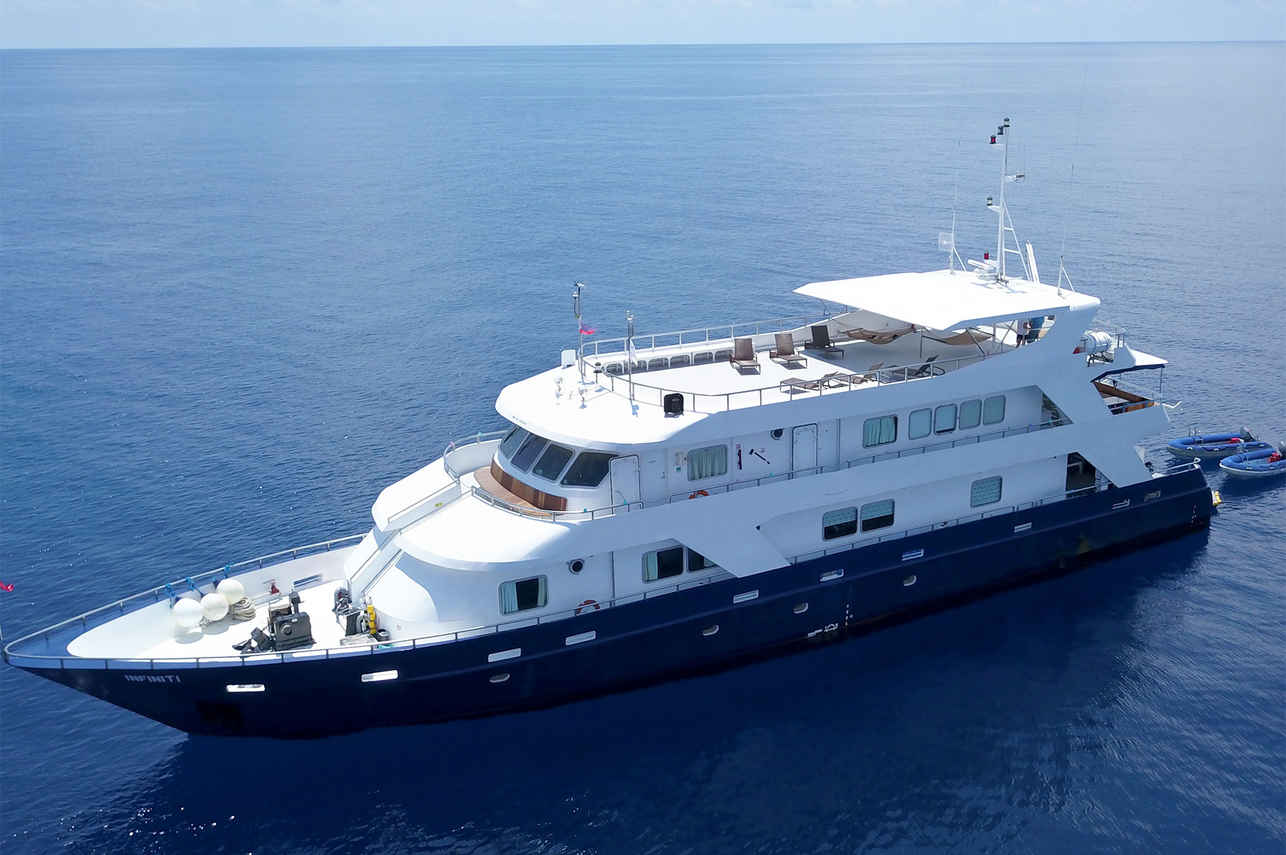
Infiniti
Philippines
25 guests39 m
$280/day
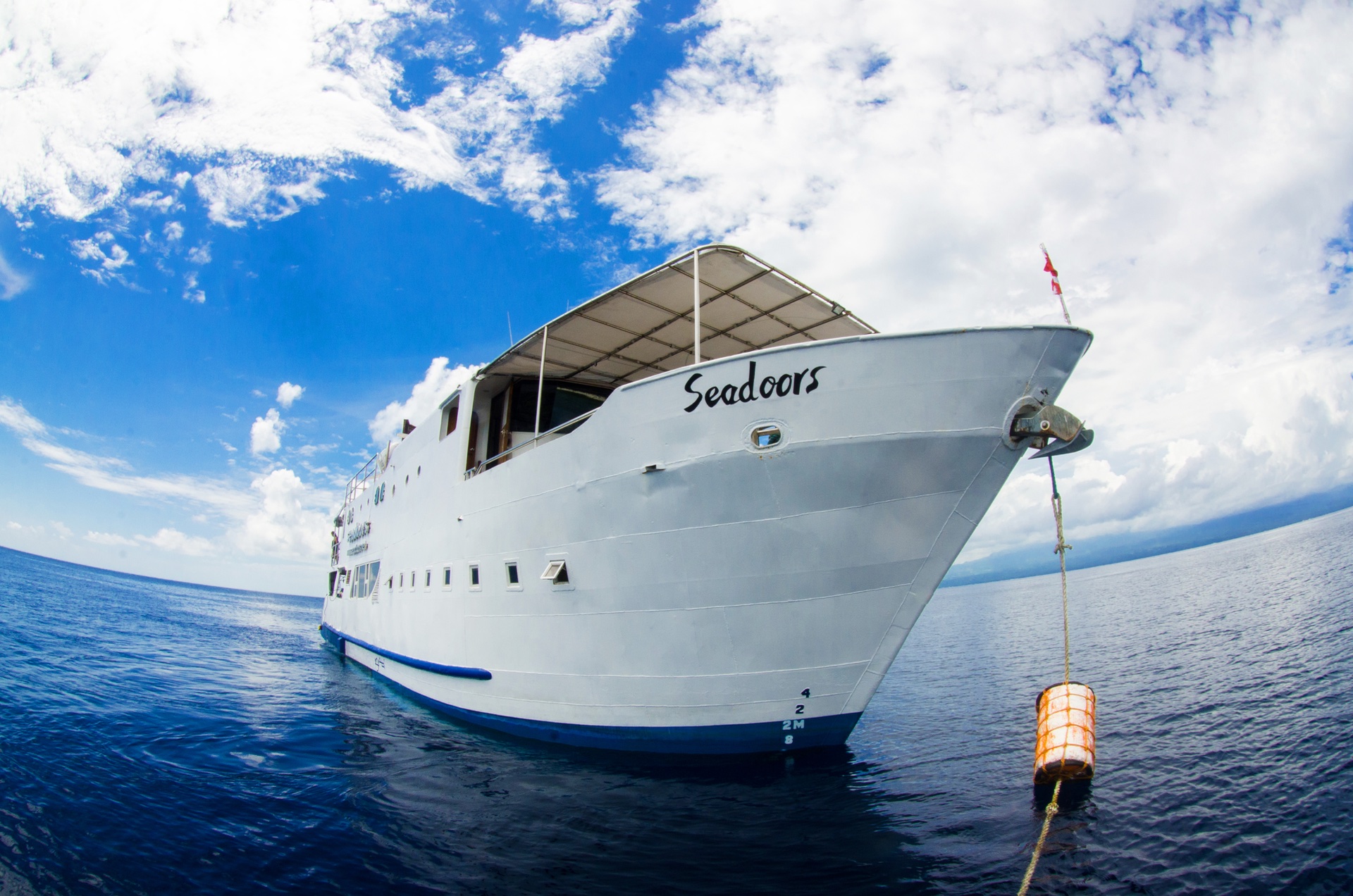
Seadoors
Philippines
16 guests25 m
$335/day
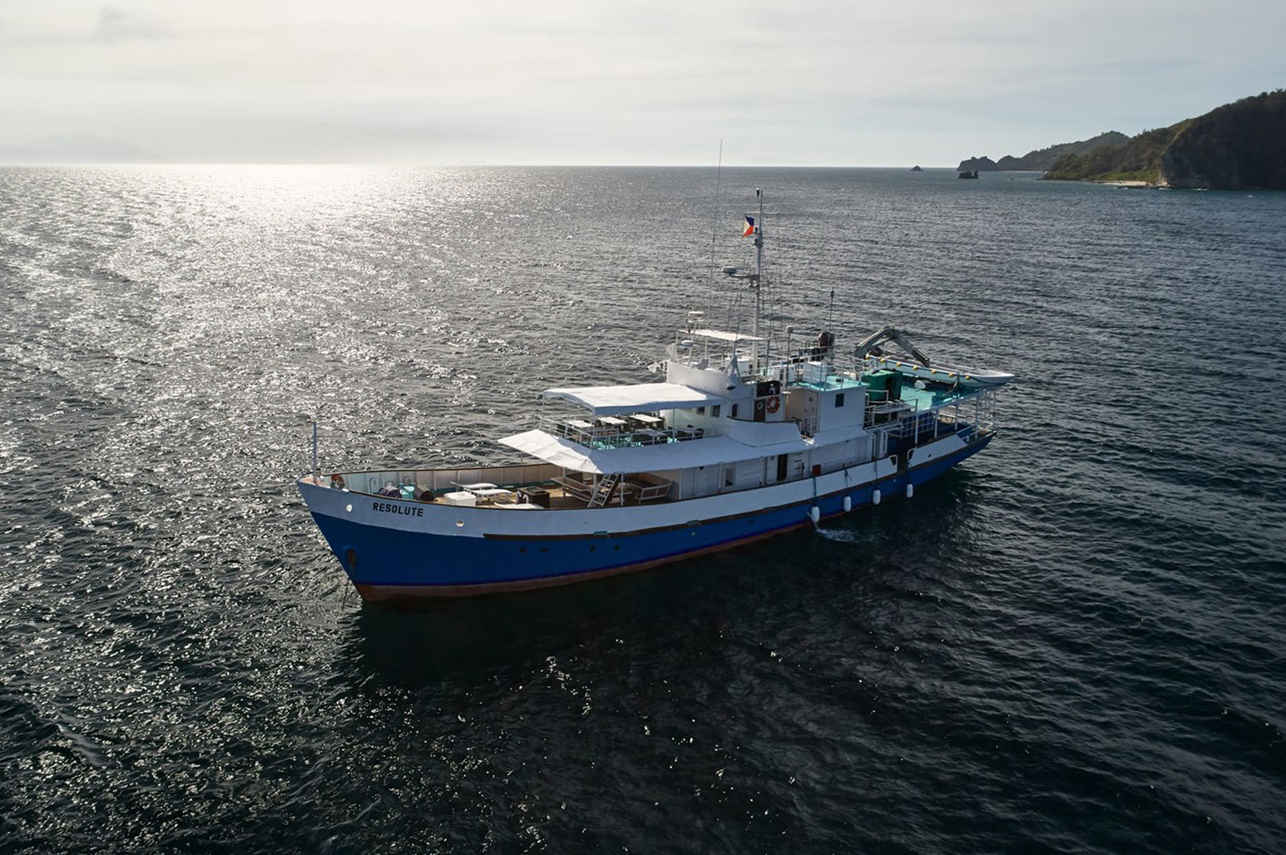
Resolute
Philippines
16 guests34.6 m
$314/day
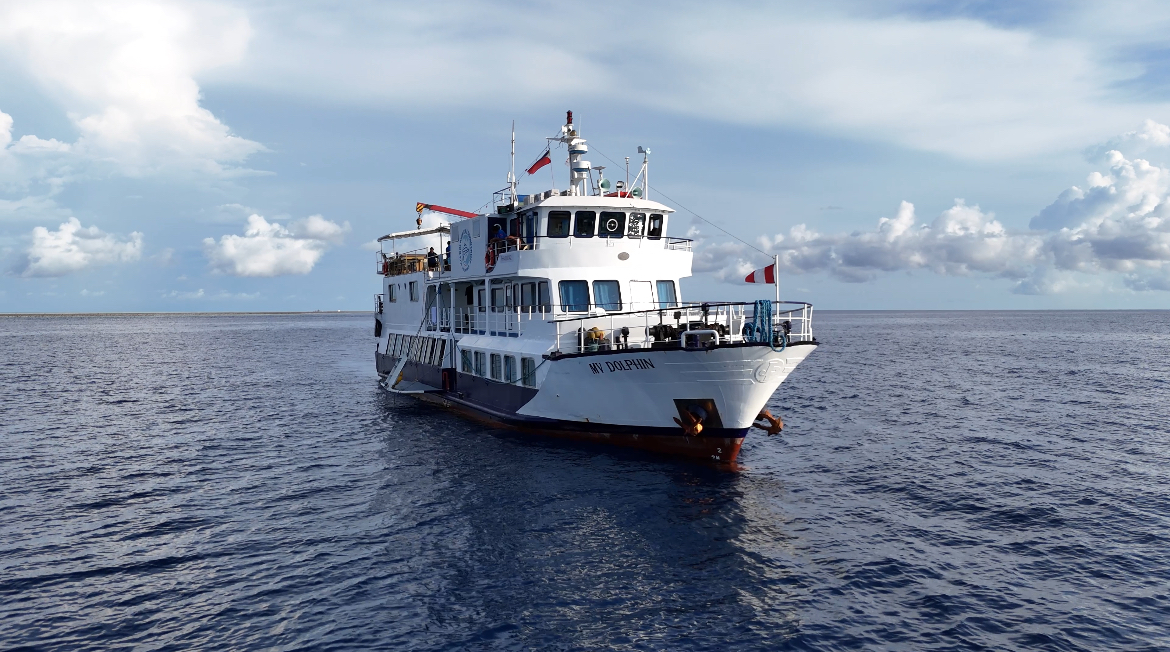
Dolphin
Philippines
18 guests31 m
$326/day
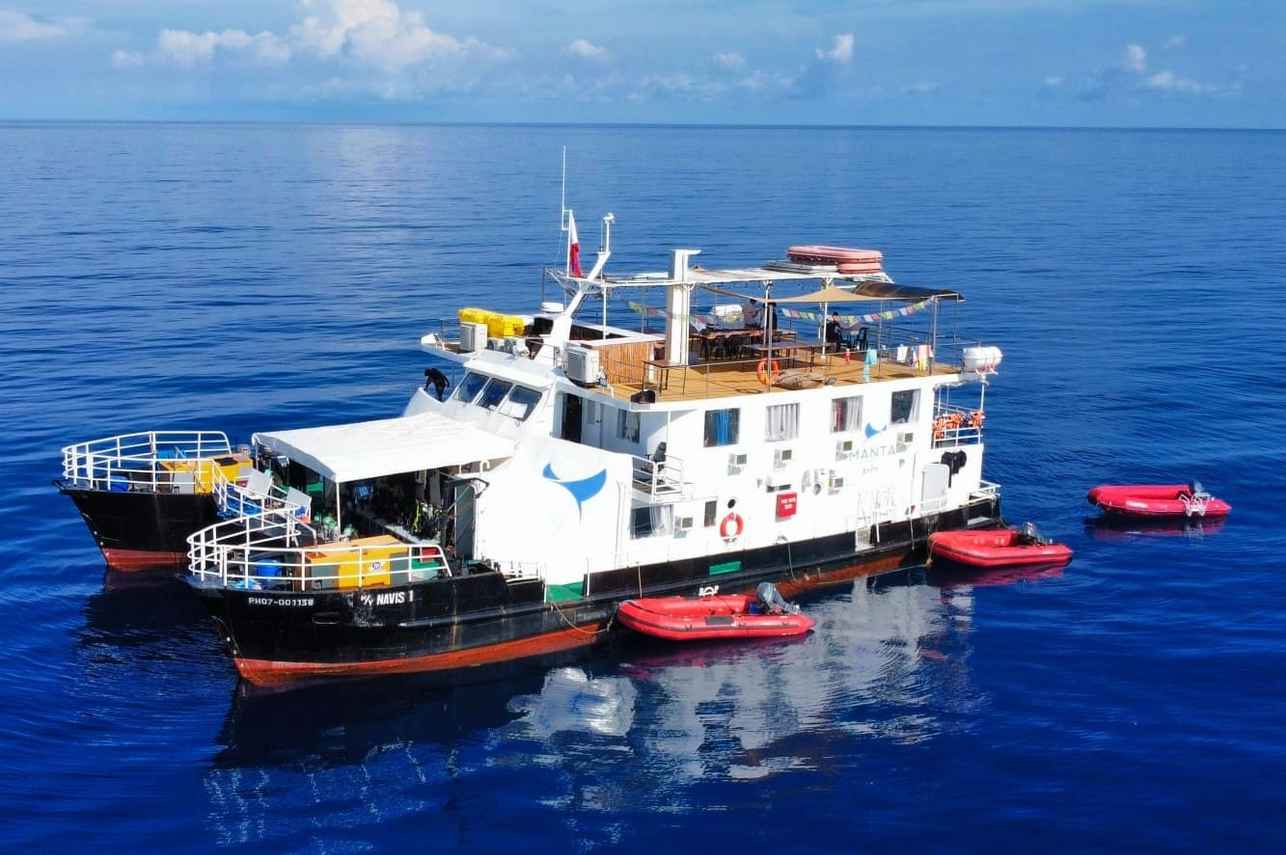
Navis 1
Philippines
22 guests23 m
$250/day
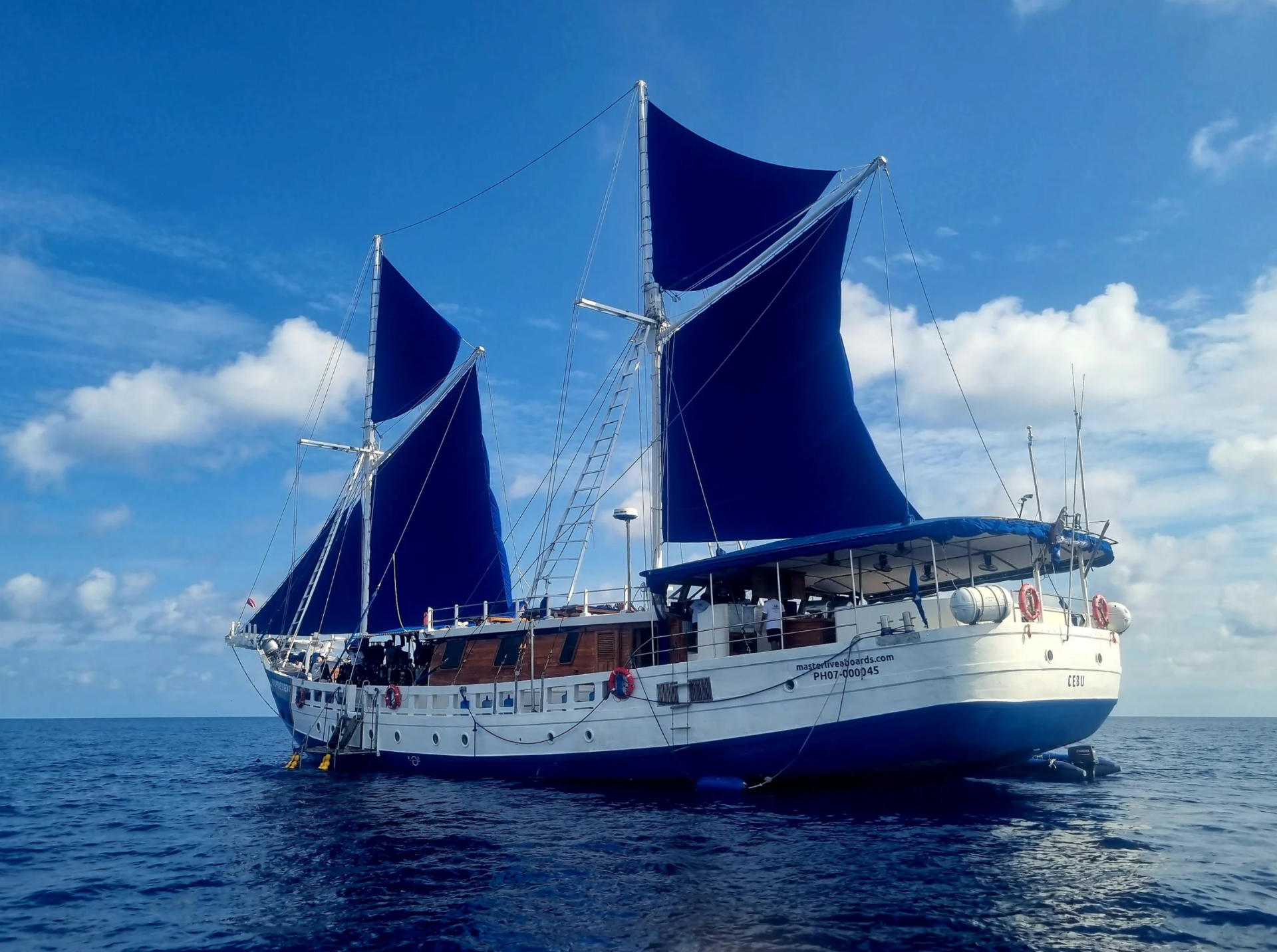
Philippine Siren
Philippines
16 guests
$309/day
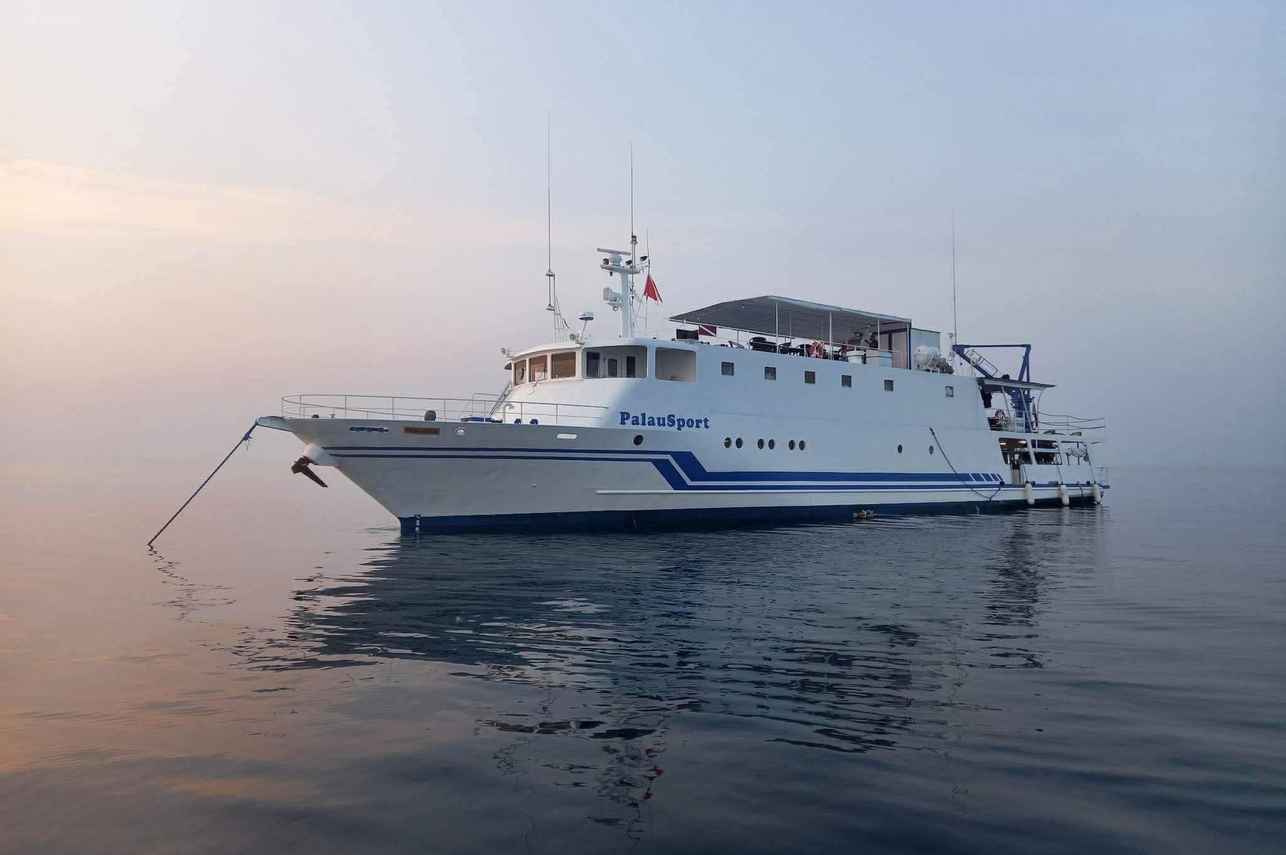
Palau Sport
Philippines
24 guests38.35 m
$215/day
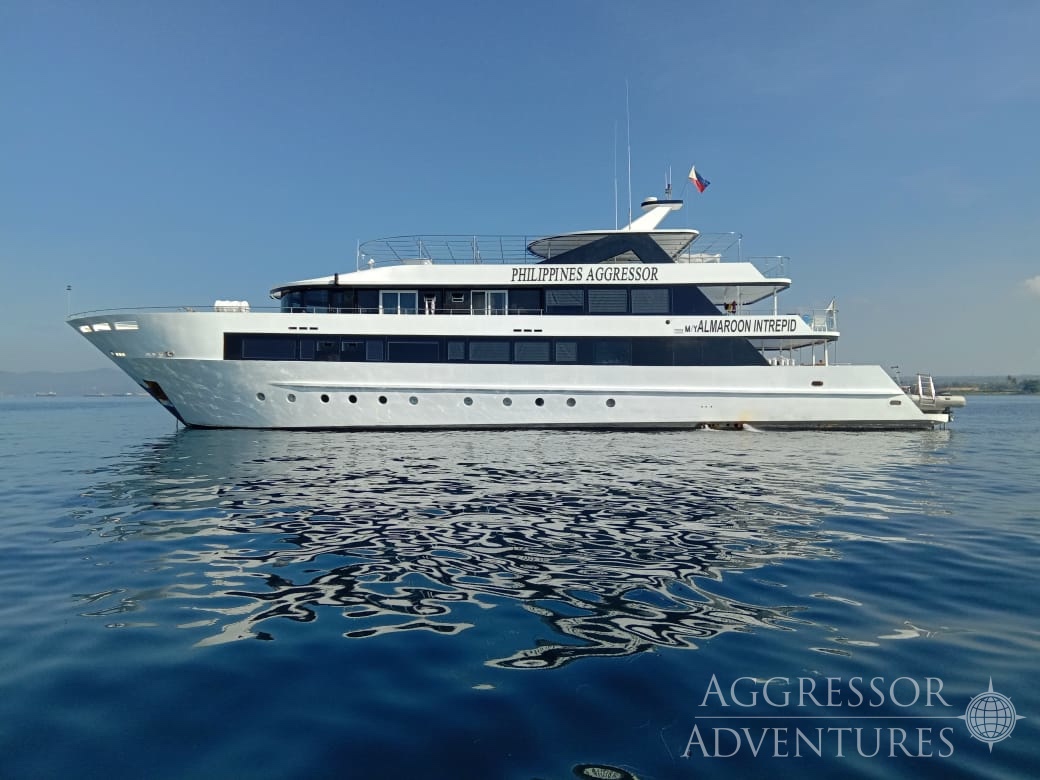
Philippines Aggressor
Philippines
26 guests42.7 m
$381/day
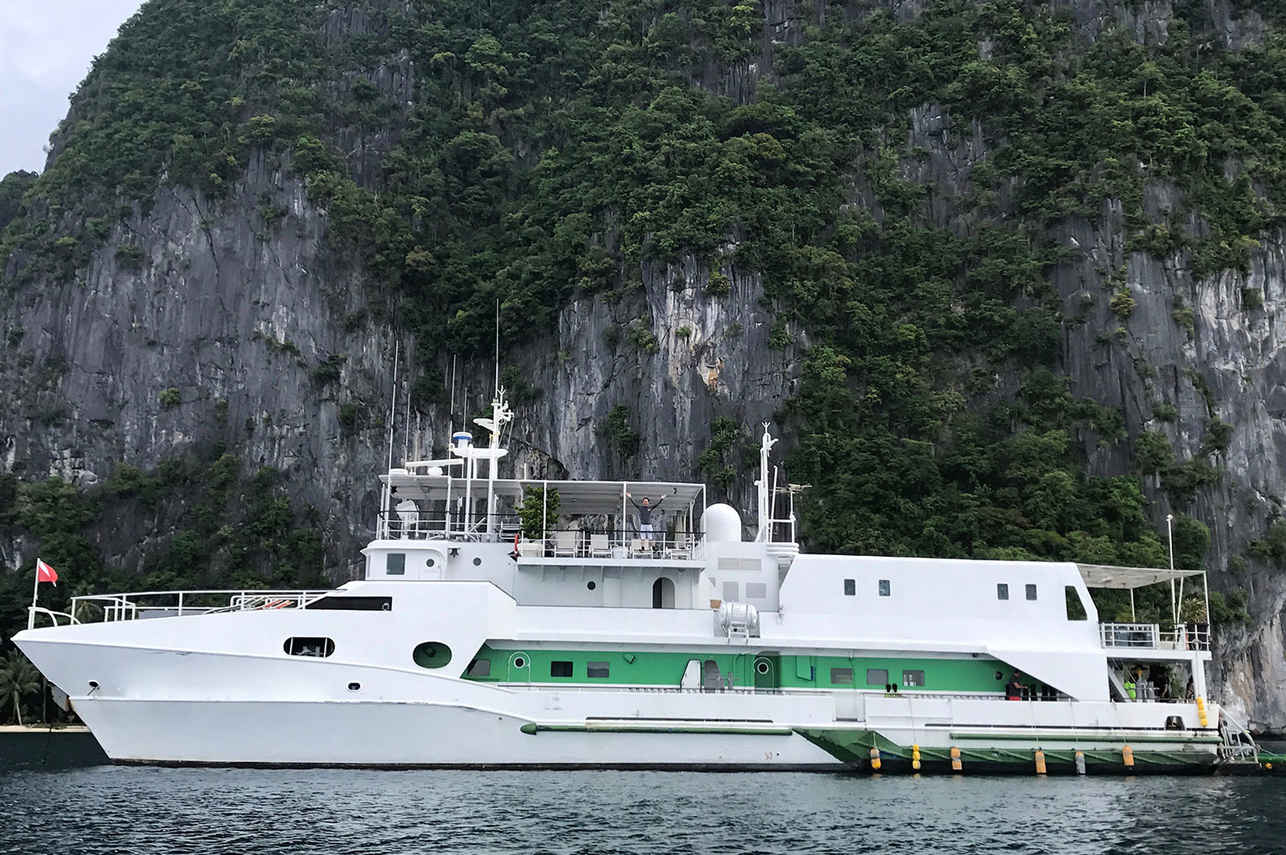
Stella Maris Explorer
Philippines
20 guests33 m
$398/day
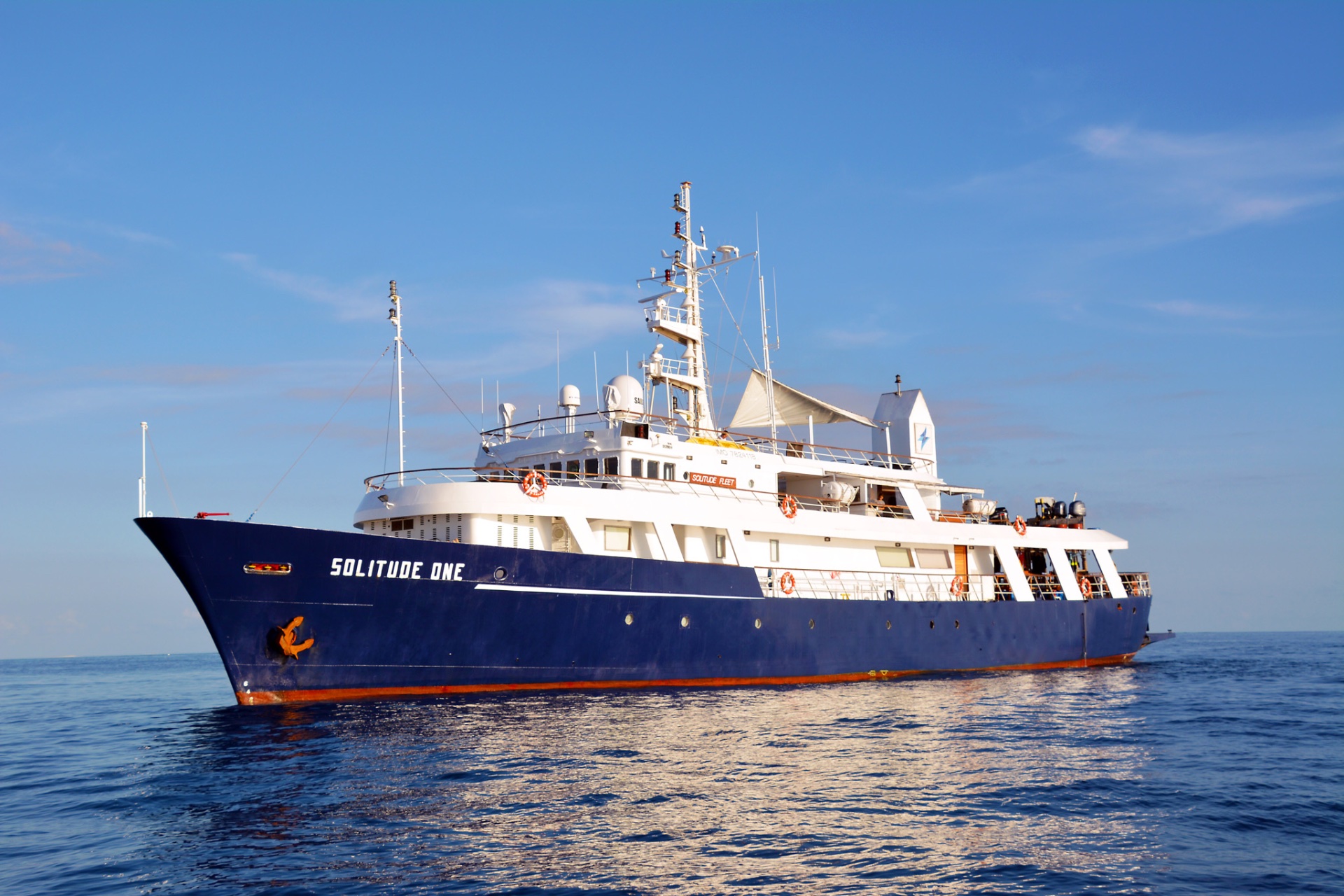
Solitude One
Philippines
24 guests52 m
$460/day
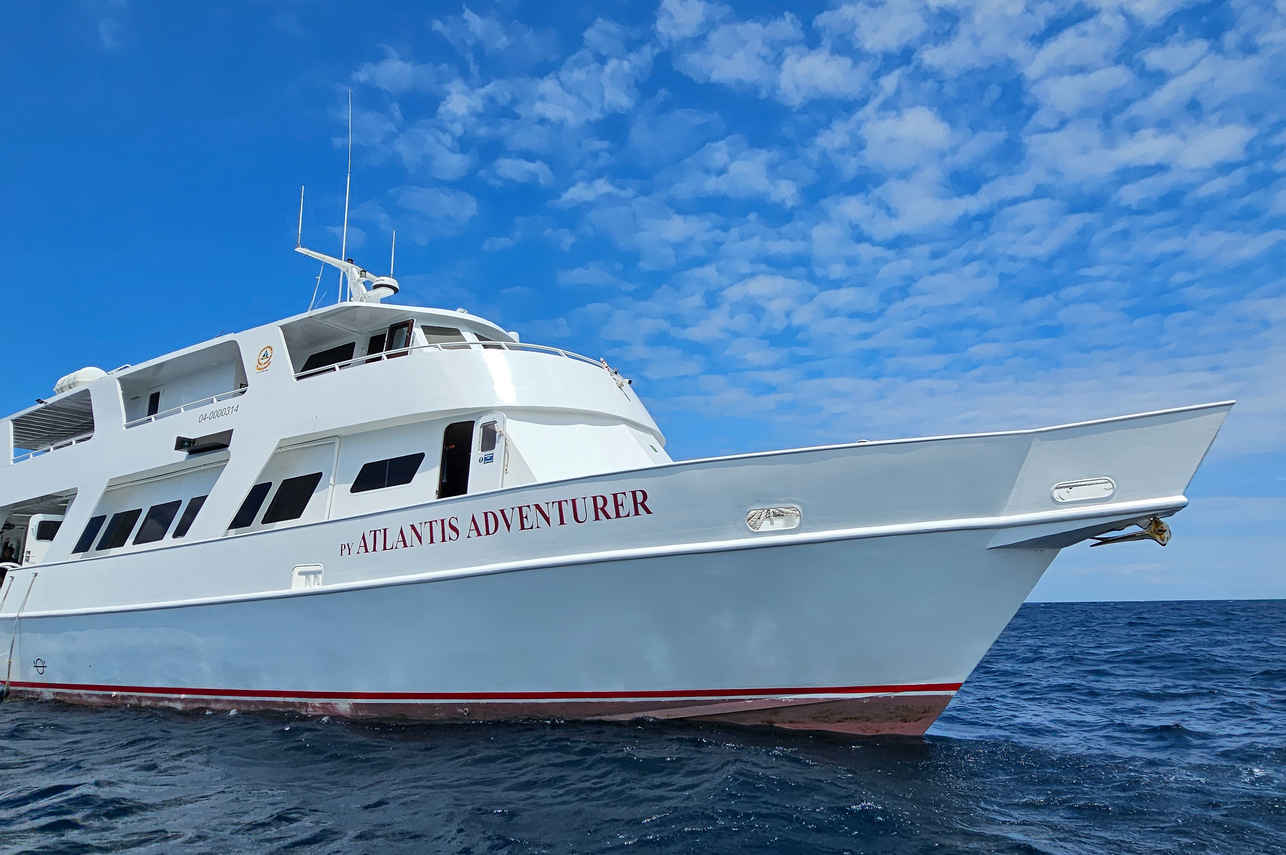
Atlantis Adventurer
Philippines
16 guests32.5 m
$421/day
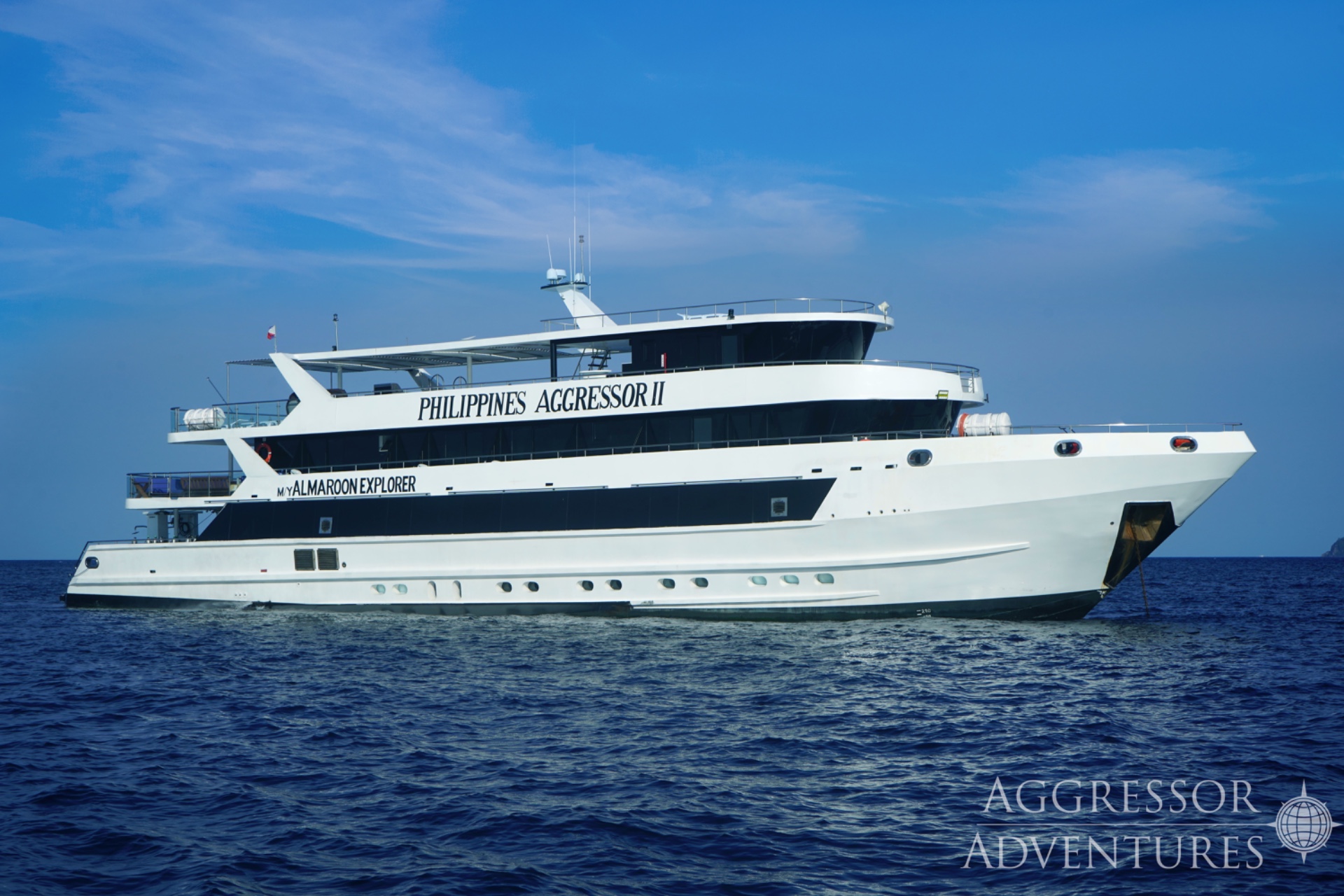
Philippines Aggressor II
Philippines
26 guests42.7 m
$247/day
Dive sites similar to Maribojoc Bay
Same character, same waters — six more sites divers love for the exact same reasons.Compare seasons, access and liveaboard routes — then pick the site that fits your trip best.
Anilao — Secret Bay
Philippines
Secret Bay, nestled within Anilao in the Philippines, is renowned globally as a premier muck diving destination.
- Suitable for
- Intermediate
- Current
- Mild
- Access
- Shore / dayboat
- Depth
- 3–15 m
- Theme
- Muck diving
Romblon Bonbon Beach Reef
Philippines
Bonbon Beach Reef, located near Romblon Town on Romblon Island, has garnered a reputation as a premier macro diving destination within the Philippines.
- Suitable for
- Beginner
- Current
- Moderate
- Access
- Liveaboard or dayboat
- Depth
- 3–20 m
- Theme
- Muck diving
Dauin — Atmosphere House Reef
Philippines
Atmosphere House Reef is a renowned dive site located in Dauin, Philippines, directly accessible from the shore.
- Suitable for
- Beginner
- Current
- Strong
- Access
- Shore / dayboat
- Depth
- 5–35 m
- Theme
- Muck diving
The House Reef
Philippines
The House Reef in Dauin, Negros Oriental, extends directly from the shoreline along a volcanic coast, offering divers convenient shore access to a world-class muck diving environment.
- Suitable for
- Intermediate
- Current
- Mild
- Access
- Shore / dayboat
- Depth
- 3–30 m
- Theme
- Muck diving / Reef
Big La Laguna
Philippines
Big La Laguna is a beach community situated on the western edge of the Sabang Peninsula, a popular dive region on Mindoro Island, Philippines.
- Suitable for
- Intermediate
- Current
- Moderate
- Access
- Dayboat
- Depth
- 5–35 m
- Theme
- Reef / Wall
Black Forest
Philippines
Black Forest is a premier dive site located off Balicasag Island, renowned for its exceptional marine biodiversity and distinct topography.
- Suitable for
- Intermediate
- Current
- Strong
- Access
- Liveaboard or dayboat
- Depth
- 10–30 m
- Theme
- Drift / Reef