About Pellowe Reef
Pellowe Reef is a distinct outer-reef dive site situated near the continental shelf, making its accessibility dependent on fair weather conditions. This isolated location provides an exciting wall diving experience, with the reef quickly dropping to depths of 30 meters in certain areas. It showcases a diverse blend of hard and soft corals, forming an intricate underwater landscape. The site is characterized by vertical walls on three sides, transitioning to a sloping sandy bottom on the fourth, providing varied terrain for exploration. While primarily a scuba destination due to its exposed outer-reef position, snorkeling is also possible on calm days. Its proximity to the continental shelf increases the likelihood of encountering larger pelagic fish, alongside regular sightings of schools of chevron barracuda and various nudibranchs. The reef's open nature and moderate currents mean that settled weather windows often present optimal conditions for experiencing its rich marine life and unique topography. Dives at Pellowe Reef typically focus on exploring the wall faces, swim-through sections, and the area around its single mooring. Divers should be comfortable with current-aware navigation, as the site's exposure can lead to variable conditions, rewarding those with intermediate skills.
Highlights
Outer-reef wall divingSpectacular deep drop-offsAbundant pelagic speciesChallenging currentsWall-and-slope topographyDiverse hard and soft corals
Season calendar
Best months to dive here
Jan
Feb
Mar
Apr
May
Jun
Jul
Aug
Sep
Oct
Nov
Dec
Good
Dive site facts: Pellowe Reef
- Depth
- 5–30 m
- Current
- Moderate to strong
- Visibility
- 15–20 m
- Entry
- Boat
- Level
- Intermediate
- Dive type
- Wall, pelagic, coral slope
- Region / port
- Great Barrier Reef, Cairns
- Coordinates
- 16.8528° S, 146.3511° E
Conditions & Currents
Pellowe Reef is known for moderate to strong currents due to its exposed outer-reef location near the continental shelf. Divers should anticipate variable current strength, which is a primary go/no-go factor for visiting the site. Entry techniques and dive planning must account for potential current, and divers should be comfortable with current-aware reef navigation. Surge can also be present, particularly on less settled days. Visibility typically ranges from 15 to 20 meters, but can extend into the mid-20s on ordinary days. Operators may choose to bypass the site if wind or sea state makes conditions too challenging or exposed, requiring a flexible approach to dive itineraries.
Marine life & sighting chances

Chevron barracuda
occasional
Nudibranch
occasional
Angelfish
common
Clownfish
common
Green Turtle
common
Moray Eel
common
Parrotfish
common
Reef Manta Ray
April-October · occasional
Tuna
occasional
Whale Shark
rare
Lionfish
common
Nurse Shark
occasional
Scorpionfish
commonDive profile & how the dive runs
Diving at Pellowe Reef typically begins from a single mooring, which serves as the primary access point for exploring this outer-reef site. The dive often follows the reef's distinctive wall formations, which plunge rapidly to 30 meters in places. Divers can navigate along these vertical faces, exploring crevices and overhangs that harbor a variety of reef fish and invertebrates. Swim-throughs are also a highlight, providing exciting passages through the coral structures. The dive profile involves a progression along the wall, with careful monitoring of depth given the rapid drop-offs. Due to the potential for moderate to strong currents, divers should be prepared to adjust their route and plan for a possible drift along sections of the reef. The ascent usually occurs near the mooring or involves a free-ocean safety stop, depending on current conditions and boat support.
Underwater photography
Pellowe Reef offers diverse subjects for underwater photography, from wide-angle wallscapes to macro life. For capturing the dramatic reef walls, swim-throughs, and schooling pelagics, a wide-angle lens is ideal. Be prepared for potentially strong currents, which can make holding position challenging, so consider a compact setup or a fast shutter speed to freeze action. External strobes are essential to bring out the vibrant colors of the hard and soft corals, especially at deeper sections of the wall. Macro photographers will find numerous nudibranchs and reef inhabitants on closer inspection of the coral formations. Buoyancy control is paramount to avoid disturbing delicate corals and to manage shots in variable currents. Be mindful of marine life, giving pelagics space and avoiding disturbance to macro subjects.
Combine with nearby dive sites
- Milln Reef
Features dive sites like Whale Bommie, Petaj Mooring, and Swimming Pools, known for turtles and white tip reef sharks.
- Thetford Reef
Composed of numerous coral bommies, offering exciting wall dives and swim-throughs with abundant marine life.
- Flynn Reef
A popular reef with sites like Tracey's Bommie and Gordon's Mooring, offering wall dives, swim-throughs, and diverse corals.
- Norman Reef
Occasionally visited by operators, offering varied reef formations and marine life.
- Moore Reef
A pontoon outer reef site featuring sharks and turtles.
Getting there & logistics
Pellowe Reef is accessed by boat from Cairns, which is the main gateway for diving the Outer Great Barrier Reef. The nearest major airport is Cairns Airport (CNS). Operators like Pro Dive Cairns and Silverswift offer day trips or liveaboard options that include Pellowe Reef in their itineraries, often combining it with other outer reefs such as Milln, Flynn, and Thetford. Typical liveaboard trips can range from 1-2 days up to several days, depending on the operator. As the reef is located within the Great Barrier Reef Marine Park, all diving activities are subject to its regulations, and relevant park fees are typically included in tour packages. Due to Pellowe Reef's exposed location, access is weather-dependent, and operators may switch sites if conditions are unsuitable.
Safety & environment
Diving at Pellowe Reef requires adherence to strict safety protocols due to its exposed outer-reef location and potential for strong currents. All divers should have personal dive insurance covering medical evacuation and recompression. The nearest recompression chamber is located in Cairns. Evacuation from the site would typically involve boat transport back to the mainland, followed by road or air transfer depending on the emergency. Key hazards include variable currents, which demand good buoyancy control and current-aware navigation skills, and waves or sea state that can make the site unsuitable for diving. Divers must always follow mooring briefings, remain aware of boat traffic, and be prepared for potential changes in dive plans if weather conditions deteriorate. Operating within Great Barrier Reef Marine Park rules is mandatory.
Who it suits — and who it doesn't
Suited for
- Intermediate to advanced divers comfortable with currents
- Divers seeking large pelagic encounters
- Photographers looking for diverse reefscapes and marine life
- Those who appreciate dramatic wall dives and swim-throughs
- Divers on liveaboard itineraries exploring outer reefs
Less suited for
- Novice divers or those with limited current experience
- Divers prone to seasickness on exposed sites
- Individuals seeking calm, shallow, current-free environments
- Snorkelers, unless on exceptionally calm days due to exposure
FAQ
Pellowe Reef FAQ
What is the typical depth range for diving at Pellowe Reef?
Pellowe Reef offers dives typically ranging from 5 to 30 meters. The reef features dramatic drop-offs and vertical walls that quickly plunge into deeper water, providing an exciting experience for divers exploring its varied topography. Most of the main diving activity concentrates within this depth band.
What kind of currents can be expected at Pellowe Reef?
Pellowe Reef is known for moderate to strong currents, given its location close to the edge of the continental shelf. Divers should be proficient in current management and buoyancy control. Operators closely monitor conditions, and the site's accessibility is often weather-dependent due to these currents and its exposed nature.
What marine life is commonly seen at Pellowe Reef?
Due to its outer-reef position, Pellowe Reef attracts a variety of marine life, including large pelagic species such as tuna, reef manta rays, and occasionally whale sharks. You can also expect regular sightings of schools of chevron barracuda, nudibranchs, angelfish, clownfish, moray eels, and green turtles. Nurse sharks and lionfish are also present.
Is Pellowe Reef suitable for beginner divers?
Pellowe Reef is generally rated for intermediate to advanced divers. Its exposed location, potential for strong currents, and rapid depth changes to 30 meters require good buoyancy control and experience with current-aware reef navigation. Novice divers or those uncomfortable with currents might find the conditions challenging.
How do I get to Pellowe Reef?
Pellowe Reef is accessed by boat, typically on day trips or liveaboard excursions departing from Cairns, Queensland. Reputable dive operators include this site in their itineraries, often combining it with other outer Great Barrier Reef sites. Its isolated location means it is weather-dependent and best visited on fine weather days.
Can I go snorkeling at Pellowe Reef?
While primarily a scuba diving site due to its exposed outer-reef nature and deeper walls, snorkeling is possible on settled boat trips. However, the site's characteristics, including potential currents and deeper features, make it more oriented towards a comprehensive scuba diving experience.
Why dive Pellowe Reef from a liveaboard?
Pellowe Reef is one of Australia's signature dive sites. A liveaboard sleeps you on the water and puts you in the water for three to four guided dives per day, including dawn and night dives that day-boat operators rarely offer. You skip the daily commute back to port and reach quieter, less-crowded sites in the same region on a single trip.
Below are the liveaboards that include Pellowe Reef on their Australia itineraries.
Liveaboards diving Pellowe Reef
These liveaboards may visit Pellowe Reef on selected itineraries — the exact dive sites depend on departure, weather and conditions.
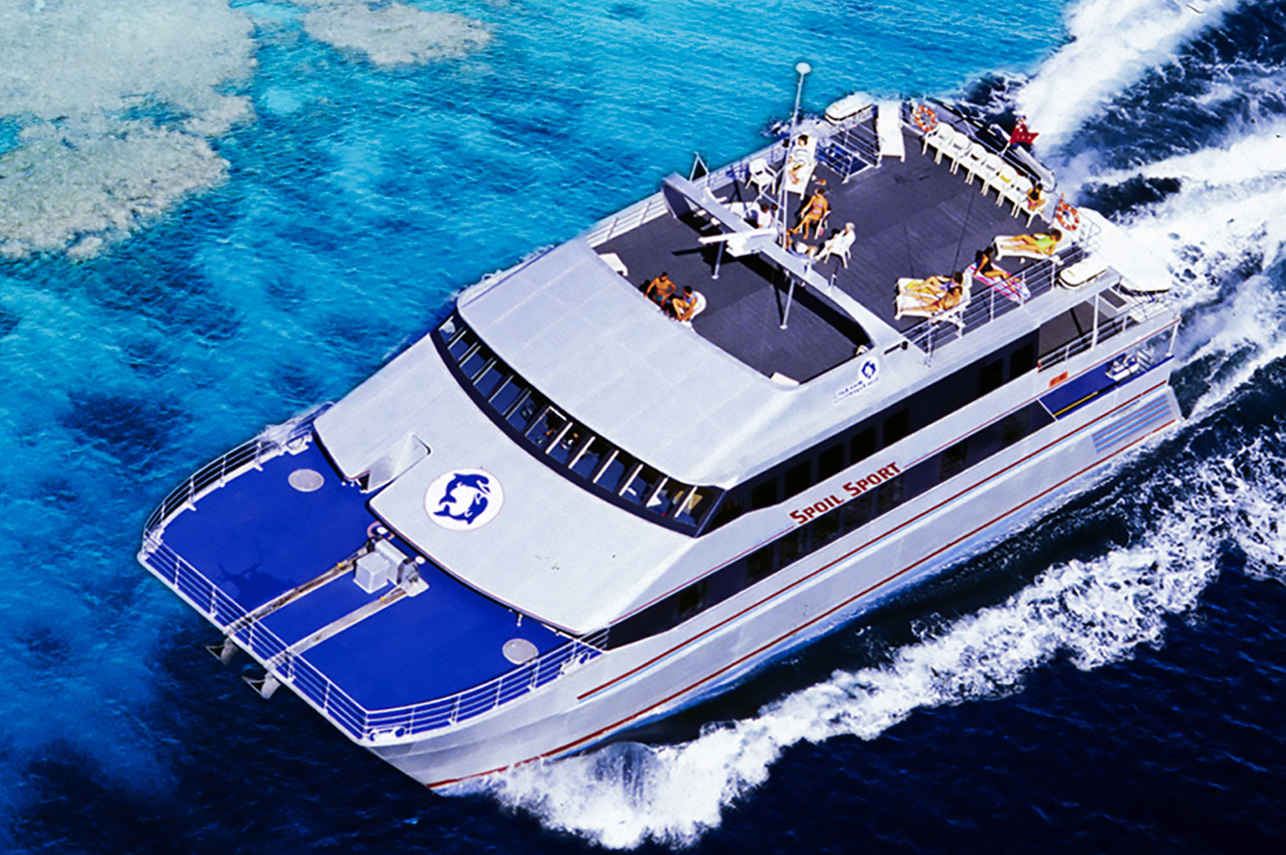
Spoilsport
Australia
28 guests30 m
$409/day
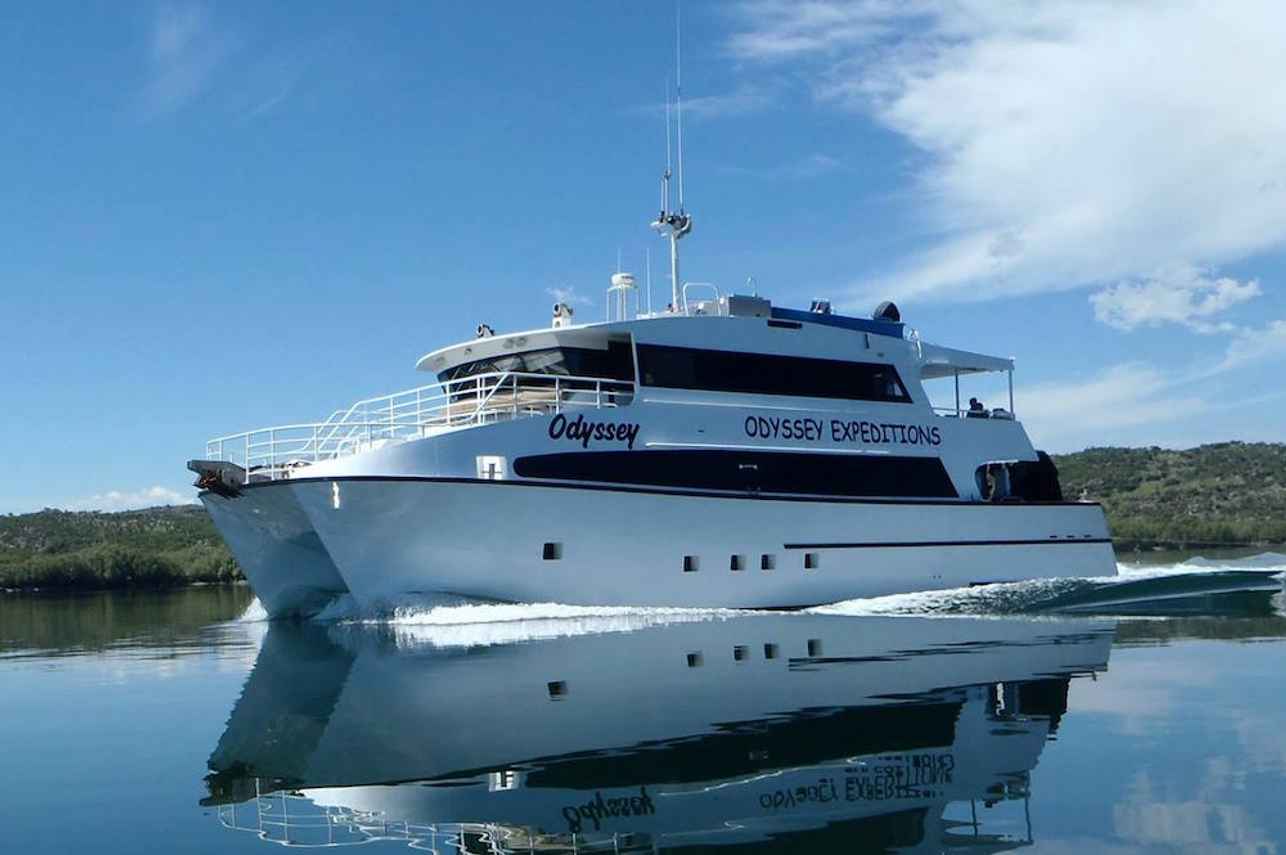
Odyssey Liveaboard
Australia
20 guests24 m
$392/day
Dive sites similar to Pellowe Reef
Same character, same waters — six more sites divers love for the exact same reasons.Compare seasons, access and liveaboard routes — then pick the site that fits your trip best.
© Esri — Maxar, Earthstar, GIS
Agincourt Reef
Australia
Agincourt Reef sits on the outer edge of the Great Barrier Reef, roughly 60–72 km off Port Douglas in Far North Queensland, at the southern end of the true ribbon reefs that run…
- Suitable for
- Beginner
- Current
- Moderate
- Access
- Dayboat
- Depth
- 2–20 m
- Theme
- Reef / Wall
© Esri — Maxar, Earthstar, GIS
Cocos Keeling - Canons
Australia
Cocos Keeling - Canons offers a distinctive dive experience within the Cocos (Keeling) Islands lagoon, making it Australia's most remote dive destination.
- Suitable for
- Beginner
- Current
- Mild
- Access
- Dayboat
- Depth
- 8–12 m
- Theme
- Reef
© Esri — Maxar, Earthstar, GIS
Raine Island
Australia
Raine Island is a pivotal dive site located in the Far Northern Great Barrier Reef, approximately 85 kilometers east-north-east of Cape Grenville and just over 4 nautical miles south of the island itself.
- Suitable for
- Advanced
- Current
- Strong
- Access
- Liveaboard only
- Depth
- 5–40 m
- Theme
- Reef / Wall
© Esri — Maxar, Earthstar, GIS
Bare Island East
Australia
Bare Island East is a highly regarded shore dive in Sydney, celebrated for its diverse and colourful sponge gardens.
- Suitable for
- Intermediate
- Current
- Mild
- Access
- Shore / dayboat
- Depth
- 2–11 m
- Theme
- Reef
© Esri — Maxar, Earthstar, GIS
Cocos Keeling - Broccoli Patch
Australia
Broccoli Patch is a premier dive site nestled within the Cocos (Keeling) Islands lagoon system, offering a gentle yet captivating underwater experience.
- Suitable for
- Beginner
- Current
- Mild
- Access
- Dayboat
- Depth
- 5–10 m
- Theme
- Reef
© Esri — Maxar, Earthstar, GIS
Milln Reef
Australia
Milln Reef, located approximately 60km offshore from Cairns within the Great Barrier Reef, stands out as a highly favored outer reef destination for both divers and snorkelers.
- Suitable for
- Intermediate
- Current
- Moderate
- Access
- Liveaboard or dayboat
- Depth
- 4–22 m
- Theme
- Reef