About Thetford Reef
Thetford Reef is a prominent intermediate dive site located on the Outer Great Barrier Reef, accessible from Cairns, Queensland. This expansive reef system is characterized by numerous individual coral bommies and impressive wall dives, offering varied topography for exploration. Diving at Thetford Reef typically involves depths ranging from 5 to 30 meters, where divers can navigate a network of swim-throughs and encounter vibrant coral gardens. The reef's relatively sheltered position, compared to more exposed outer reef locations, often provides more consistent and favorable diving conditions, making it a popular choice for day-trip operators. Key features include extensive healthy soft and hard corals, such as boulder and plate varieties, supporting a rich ecosystem. Divers frequently spot a variety of reef fish including angelfish, butterflyfish, and damsels, alongside larger marine life like resident turtles and white-tip reef sharks, especially around bommies and deeper sections. The site is particularly known for its abundance of giant clams. The dive experience at Thetford Reef offers excellent opportunities for both novice and intermediate divers to explore diverse habitats. Its numerous dive sites, such as Cathedral and Blue Lagoon, provide a dynamic underwater landscape, combining thrilling wall dives with vibrant coral formations and abundant marine species.
Highlights
Extensive coral bommiesExciting wall divesNumerous swim-throughsAbundant giant clamsVariety of soft and hard coralsResident turtles and reef sharksButterflyfish and angelfishDiverse reef fish populations
Season calendar
Best months to dive here
Jan
Feb
Mar
Apr
May
Jun
Jul
Aug
Sep
Oct
Nov
Dec
Excellent
Good
Dive site facts: Thetford Reef
- Depth
- 5–30 m
- Current
- Moderate
- Visibility
- 15–25 m
- Water temperature
- 24–29 °C
- Entry
- Boat
- Level
- Novice – Intermediate
- Dive type
- Reef, Wall
- Region / port
- Outer Great Barrier Reef (Cairns)
- Coordinates
- 16.8047° S, 146.1856° E
Conditions & Currents
Thetford Reef generally experiences moderate currents, ranging from 2 to 3 knots, which require divers to be aware of their positioning and buoyancy, particularly around walls and bommies. These currents can vary, with some months seeing no current reported. Entry is typically by tender boat, followed by a descent onto the reef. Visibility is consistently good, usually between 15 to 20 meters, and can extend up to 25 meters or more. Water temperatures are tropical, ranging from 24°C in winter to 29°C in summer, eliminating the need for thick wetsuits. Conditions are most favorable during mild weather, as the reef's exposure makes it susceptible to stronger weather patterns. Divers should be comfortable with moderate currents and capable of maintaining proper buoyancy control.
Marine life & sighting chances

Giant clams
common
Butterflyfish
common
Damsels
common
Angelfish
common
Turtles
occasional
White-tip reef sharks
occasional
Manta rays
April–October, January–April · occasional
Whale sharks
Summer months · rare
Barracudas
occasional
Octopus
occasional
Nudibranchs
occasional
Parrotfish
common
Trevally
occasional
Anemonefish
occasionalDive profile & how the dive runs
A typical dive at Thetford Reef begins with a boat entry to one of its named sites, such as Cathedral or Blue Lagoon, where the boat moors. Divers descend along the anchor line or a designated drop-off point, often directly onto a vibrant coral bommie or wall. The dive proceeds by exploring the contours of the reef, navigating through swim-throughs and along vertical walls that quickly drop to depths of 30 meters. The route often involves circumnavigating bommies, paying close attention to the crevices for macro life and the open water for pelagics. Divers ascend gradually, spending the latter part of the dive in shallower areas (5-10 meters) to explore the coral gardens before completing a safety stop, typically under the boat or at a designated safety-stop line.
Underwater photography
Thetford Reef offers excellent opportunities for both wide-angle and macro photography due to its diverse topography and abundant marine life. For wide-angle shots, a fisheye or wide rectilinear lens is ideal to capture the expansive coral bommies, wall formations, and schools of fish. Consider strobes to bring out the true colors of the hard and soft corals, especially in deeper sections. Macro photographers will find plenty of subjects in the numerous nudibranchs, anemonefish, and small reef dwellers hiding among the corals. Good buoyancy control is crucial to avoid damaging the delicate reef structures, especially when focusing on macro subjects. Be mindful of subject etiquette, giving marine life space and avoiding disturbance.
Combine with nearby dive sites
Getting there & logistics
Access to Thetford Reef is primarily from Cairns, Queensland, which is served by Cairns International Airport (CNS). Most dive trips to Thetford Reef are conducted via day boat excursions, typically departing from Cairns. These trips often combine diving with snorkeling and are suitable for a wide range of visitors. Liveaboards also visit Thetford Reef as part of multi-day itineraries exploring the Outer Great Barrier Reef. There are typically no specific permits required for individual divers beyond standard trip fees, which usually cover marine park levies. The site is frequently combined with visits to other nearby outer reefs like Milln Reef and Flynn Reef to offer a diverse diving experience within a single itinerary.
Safety & environment
For diving at Thetford Reef, the nearest recompression chamber is located in Townsville, approximately 350 kilometers south of Cairns. Evacuation in a dive emergency would typically involve rapid boat transport to Cairns, followed by air transfer to the recompression chamber. Divers are strongly advised to have comprehensive dive insurance that covers emergency medical treatment and evacuation. Site-specific hazards include moderate currents, which necessitate good buoyancy control and dive planning. Divers should always follow their guide's instructions, especially regarding entry and exit procedures, and maintain adequate air supply for the dive profile, including a safety stop. All divers should ensure their equipment is well-maintained and that they are within their certified limits.
Who it suits — and who it doesn't
Suited for
- Novice to intermediate divers seeking reef and wall dives
- Divers interested in diverse coral formations
- Photographers looking for both wide-angle and macro opportunities
- Those who enjoy spotting giant clams, reef fish, and occasional larger species
- Divers looking for day trips from Cairns
Less suited for
- Divers seeking exclusively challenging strong-current drift dives
- Those who prefer only pristine, remote, untouched reef environments
- Divers exclusively interested in large pelagic encounters every dive
- Individuals uncomfortable with moderate currents
- Divers requiring consistent advanced-level wreck diving
FAQ
Thetford Reef FAQ
What kind of marine life can I expect to see at Thetford Reef?
Thetford Reef is home to a rich variety of marine species. You can commonly spot giant clams, butterflyfish, angelfish, and damsels. Occasional sightings include resident turtles, white-tip reef sharks, barracudas, and octopus. Manta rays are sometimes seen, particularly during specific seasons.
What are the typical dive depths at Thetford Reef?
Diving at Thetford Reef offers a range of depths, typically between 5 and 30 meters. This allows for exploration of both shallow coral gardens and deeper wall sections. The varied topography includes bommies and swim-throughs at different depth bands.
Is Thetford Reef suitable for beginner divers?
Yes, Thetford Reef is rated as suitable for novice to intermediate divers. While moderate currents can occur, many dive sites within the reef system are manageable for those with basic certification and some experience. Its sheltered position often provides more consistent conditions.
How do I get to Thetford Reef for diving?
Thetford Reef is primarily accessed via day boat tours departing from Cairns, Queensland. Cairns International Airport (CNS) serves as the main entry point for travelers. Some liveaboards also include Thetford Reef in their multi-day itineraries exploring the Outer Great Barrier Reef.
When is the best time of year to dive Thetford Reef?
The ideal time to dive Thetford Reef is from June to November, during the region's dry season. These months offer excellent visibility, stable weather, and comfortable water temperatures. While diving is possible year-round, the dry season generally provides the best conditions.
What is the visibility like at Thetford Reef?
Visibility at Thetford Reef is generally very good, typically ranging from 15 to 20 meters. On exceptional days, it can extend to 25 meters or more. Clear waters allow for excellent viewing of the diverse coral structures and abundant marine life.
Why dive Thetford Reef from a liveaboard?
Thetford Reef is one of Australia's signature dive sites. A liveaboard sleeps you on the water and puts you in the water for three to four guided dives per day, including dawn and night dives that day-boat operators rarely offer. You skip the daily commute back to port and reach quieter, less-crowded sites in the same region on a single trip.
Below are the liveaboards that include Thetford Reef on their Australia itineraries.
Liveaboards diving Thetford Reef
These liveaboards may visit Thetford Reef on selected itineraries — the exact dive sites depend on departure, weather and conditions.
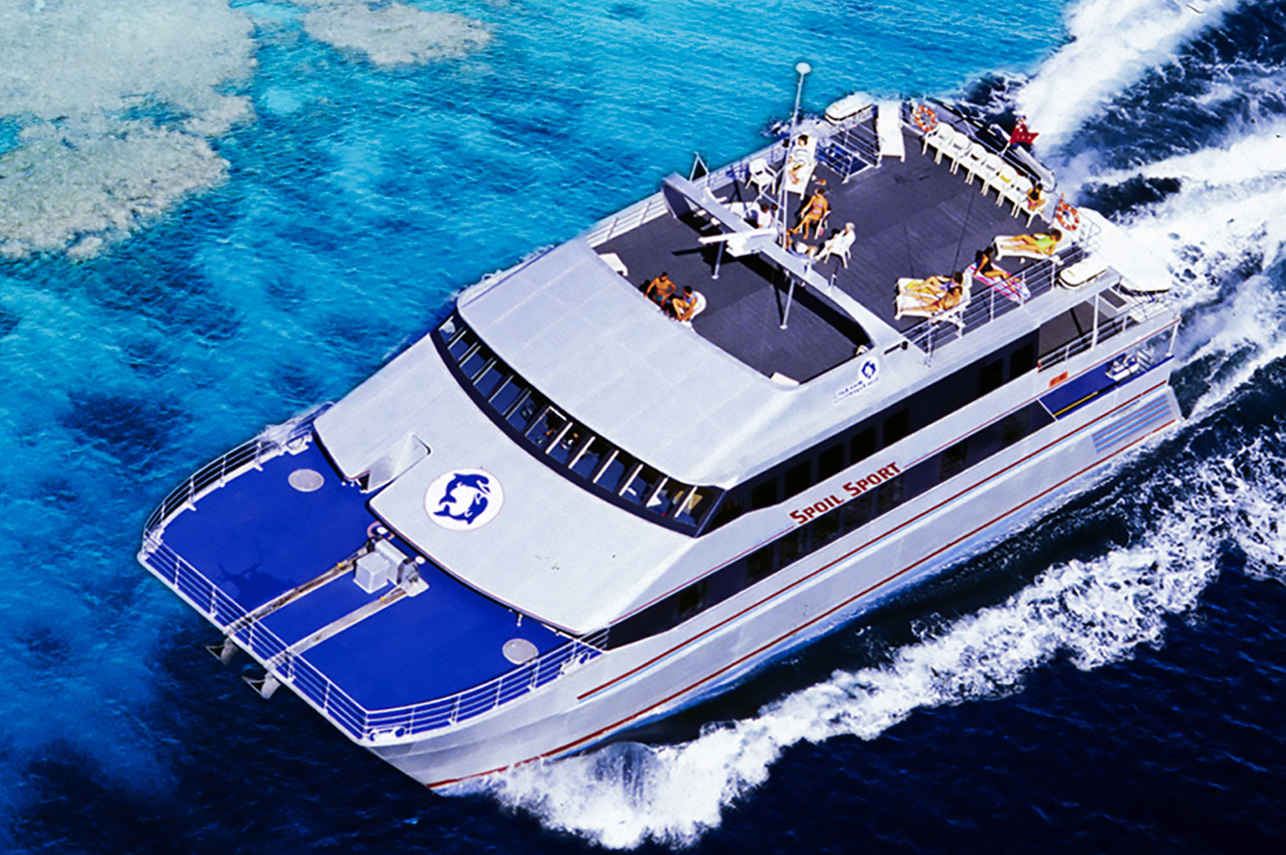
Spoilsport
Australia
28 guests30 m
$409/day
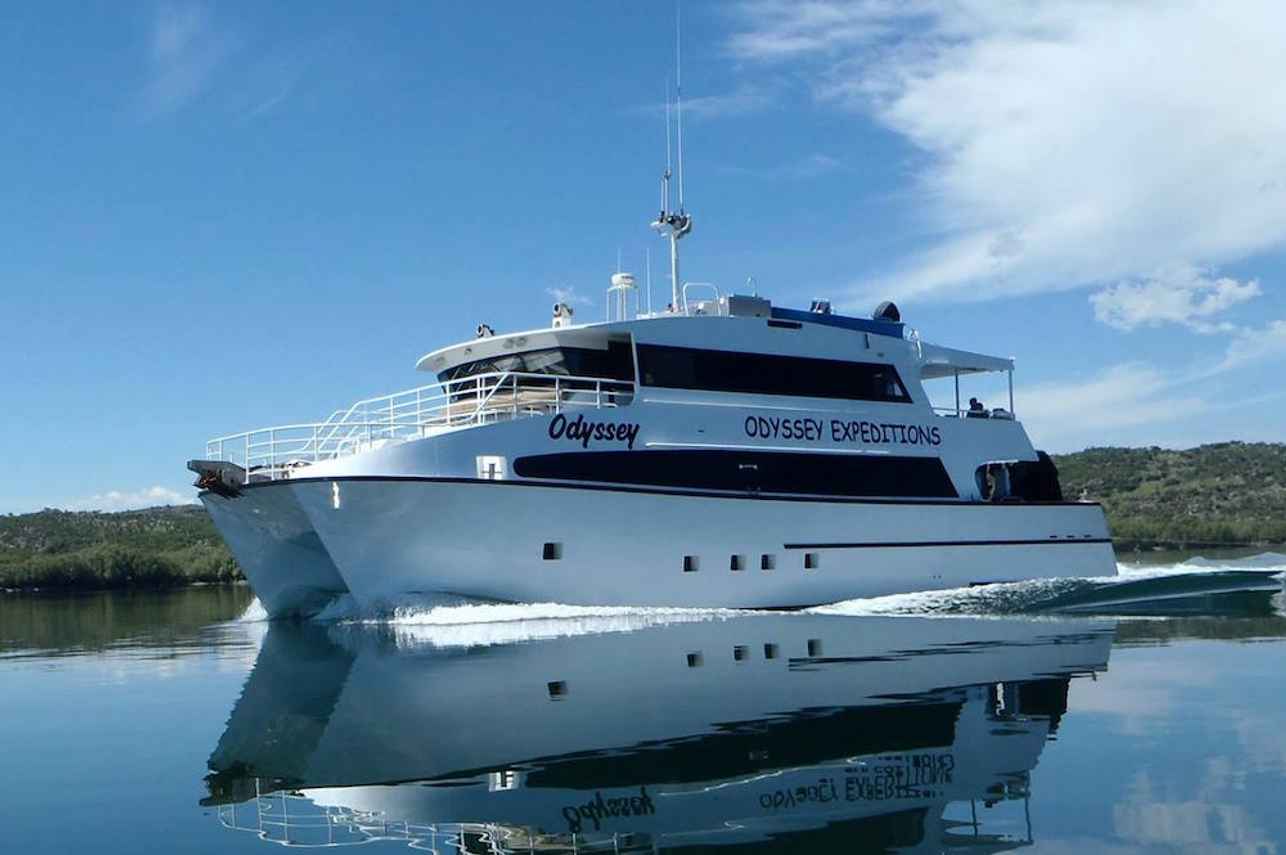
Odyssey Liveaboard
Australia
20 guests24 m
$392/day
Dive sites similar to Thetford Reef
Same character, same waters — six more sites divers love for the exact same reasons.Compare seasons, access and liveaboard routes — then pick the site that fits your trip best.
© Esri — Maxar, Earthstar, GIS
Agincourt Reef
Australia
Agincourt Reef sits on the outer edge of the Great Barrier Reef, roughly 60–72 km off Port Douglas in Far North Queensland, at the southern end of the true ribbon reefs that run…
- Suitable for
- Beginner
- Current
- Moderate
- Access
- Dayboat
- Depth
- 2–20 m
- Theme
- Reef / Wall
© Esri — Maxar, Earthstar, GIS
Cocos Keeling - Canons
Australia
Cocos Keeling - Canons offers a distinctive dive experience within the Cocos (Keeling) Islands lagoon, making it Australia's most remote dive destination.
- Suitable for
- Beginner
- Current
- Mild
- Access
- Dayboat
- Depth
- 8–12 m
- Theme
- Reef
© Esri — Maxar, Earthstar, GIS
Raine Island
Australia
Raine Island is a pivotal dive site located in the Far Northern Great Barrier Reef, approximately 85 kilometers east-north-east of Cape Grenville and just over 4 nautical miles south of the island itself.
- Suitable for
- Advanced
- Current
- Strong
- Access
- Liveaboard only
- Depth
- 5–40 m
- Theme
- Reef / Wall
© Esri — Maxar, Earthstar, GIS
Bare Island East
Australia
Bare Island East is a highly regarded shore dive in Sydney, celebrated for its diverse and colourful sponge gardens.
- Suitable for
- Intermediate
- Current
- Mild
- Access
- Shore / dayboat
- Depth
- 2–11 m
- Theme
- Reef
© Esri — Maxar, Earthstar, GIS
Cocos Keeling - Broccoli Patch
Australia
Broccoli Patch is a premier dive site nestled within the Cocos (Keeling) Islands lagoon system, offering a gentle yet captivating underwater experience.
- Suitable for
- Beginner
- Current
- Mild
- Access
- Dayboat
- Depth
- 5–10 m
- Theme
- Reef
© Esri — Maxar, Earthstar, GIS
Milln Reef
Australia
Milln Reef, located approximately 60km offshore from Cairns within the Great Barrier Reef, stands out as a highly favored outer reef destination for both divers and snorkelers.
- Suitable for
- Intermediate
- Current
- Moderate
- Access
- Liveaboard or dayboat
- Depth
- 4–22 m
- Theme
- Reef