About Pombo Boi
Pombo Boi is a distinguished dive site within Indonesia's Banda Sea, specifically located within the Banda Arc, an area known for its isolated volcanic islands. This site stands out for its unique megafauna encounters, particularly frequent sightings of dugongs and dolphins, making it a compelling destination for marine life enthusiasts. The underwater topography at Pombo Boi features extensive, vibrant coral gardens, complemented by a rich display of sea fans and sponges. These healthy reef systems create a captivating backdrop for exploring diverse marine life, with depths and conditions generally accommodating various diver skill levels. While dugongs and dolphins are a major draw, the site also teems with smaller reef inhabitants such as shrimp, triggerfish, butterflyfish, gobies, and lobsters. The warm waters and excellent visibility, typical of the Banda Sea's peak diving seasons, enhance the experience of discovering these creatures. The diving conditions at Pombo Boi are notably easygoing, characterized by calm currents on most days. This makes it an ideal spot for relaxed reef diving, suitable for all experience levels, allowing divers to fully immerse themselves in the rich biodiversity without the challenge of strong currents.
Highlights
Dugong and dolphin encountersEasygoing reef divingVibrant coral gardensRich array of sea fansAbundant reef fish
Season calendar
Best months to dive here
Jan
Feb
Mar
Apr
May
Jun
Jul
Aug
Sep
Oct
Nov
Dec
Excellent
Good
Dive site facts: Pombo Boi
- Current
- Calm on most days
- Visibility
- 15–40 m
- Water temperature
- 26–30°C (79–86°F)
- Entry
- Relaxed boat entry
- Level
- All levels
- Dive type
- Reef, megafauna encounters
- Region / port
- Banda Sea, Indonesia
- Coordinates
- 3.7380° S, 128.6180° E
Conditions & Currents
Pombo Boi is primarily characterized by calm currents on most days, making it an easy and accessible dive site. Unlike many other Banda Sea locations, it typically does not present the strong currents associated with drift dives. This tranquil environment means divers can enjoy extended exploration of the reef without significant exertion or the need for advanced current diving techniques. Visibility is generally excellent, often between 15 to 30 meters, and can extend up to 40 meters during peak season, with water temperatures remaining comfortably warm. Boat entry is typically relaxed, without the need for negative entry techniques, and exit procedures are straightforward due to the calm conditions. This site is well-suited for divers who prefer a more relaxed pace, allowing ample time for marine life observation and photography.
Marine life & sighting chances

Dugong
occasional
Dolphin
occasional
Shrimp
common
Triggerfish
common
Butterflyfish
common
Goby
common
Lobster
common
Hard coral
common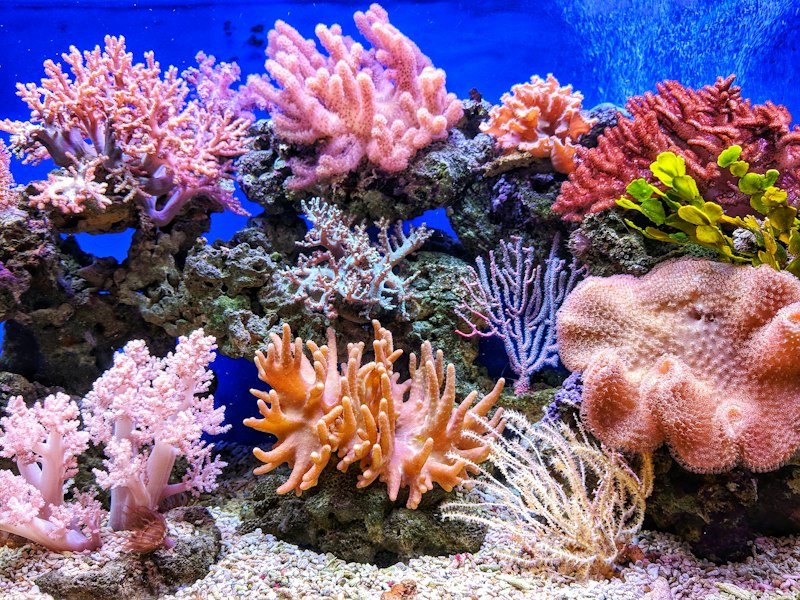
Soft coral
common
Sea fan
common
Sponge
commonDive profile & how the dive runs
Diving at Pombo Boi typically begins with a relaxed entry into the calm waters, often directly from a liveaboard tender. The dive site features vibrant coral gardens, sea fans, and sponges that cover the reef. Divers can explore these healthy reef systems at comfortable depths, generally following the natural contours of the reef. Due to the mild currents experienced on most days, there's no fixed route, allowing for leisurely exploration and ample time to observe the diverse marine life. Special attention should be paid to spotting dugongs and dolphins, which are known to frequent the area. The dive typically culminates with a safety stop at 5 meters, easily performed given the generally calm conditions, before surfacing back to the boat.
Underwater photography
Pombo Boi offers excellent opportunities for both wide-angle and macro photography, thanks to its vibrant coral reefs and diverse marine life. For capturing the expansive coral gardens, sea fans, and potential megafauna like dugongs and dolphins, a wide-angle lens is recommended. The generally clear visibility, often reaching 30 meters or more, supports stunning ambient light shots, though strobes can enhance colors and bring out details in the corals. For macro subjects such as shrimp, gobies, and lobsters, a macro lens will be essential. Buoyancy control is paramount to avoid damaging the delicate corals and to maintain stable shots, particularly when waiting for shy creatures. Given the calm conditions, photographers can take their time to compose shots, focusing on natural light and subject behavior without battling strong currents.
Combine with nearby dive sites
- Pulau Hatta
Known for incredible coral gardens and massive barrel sponges.
- Manuk Ridge
Famous for sea snake aggregations and large schools of barracudas.
- Koon
A wall dive with abundant fish species and good chance for pelagics.
- Kambing
Kambing, located in the remote Banda Sea within Indonesia's Forgotten Islands, offers an exceptional dive experience characterized by…
Getting there & logistics
Diving Pombo Boi is exclusively undertaken via liveaboard due to its remote location within the Banda Sea. Most liveaboard itineraries, often referred to as the 'Banda Crossing,' typically span 10 to 12 days, connecting major hubs like Maumere (Flores) and Ambon, or sometimes extending to Raja Ampat or the Forgotten Islands. Divers typically fly into these gateway airports, such as Ambon's Pattimura International Airport (AMQ) or Maumere's Frans Seda Airport (MOF), to board their vessel. There are no fixed permits or fees specific to Pombo Boi beyond the general marine park fees or port fees included in most liveaboard packages. It is frequently combined with other sites in the Banda Arc and Forgotten Islands, offering a comprehensive exploration of this remote region.
Safety & environment
While Pombo Boi is generally an easy dive site due to calm currents, safety is always paramount in the remote Banda Sea. The nearest recompression chamber is located in Ambon, which can be several days' sailing away depending on the liveaboard's itinerary, underscoring the critical need for comprehensive dive insurance that covers emergency medical treatment and evacuation. Evacuation from this remote area would typically involve transfer to the liveaboard, then potentially a speed boat to a larger island with an airstrip, followed by a chartered flight to Ambon or a major medical facility. Divers should always dive within their certification limits, maintain excellent buoyancy control to protect the pristine corals, and adhere to their dive guide's instructions. Always ensure your gear is in top condition and that you have sufficient gas for the planned dive, plus reserves.
Who it suits — and who it doesn't
Suited for
- Divers seeking dugong and dolphin encounters
- Relaxed reef divers
- Underwater photographers
- Divers of all experience levels
- Those who appreciate vibrant coral gardens
Less suited for
- Divers primarily seeking strong current drift dives
- Muck diving specialists
- Divers looking for wreck sites
- Those who prefer shore-based diving
FAQ
Pombo Boi FAQ
What marine life can I expect to see at Pombo Boi?
Pombo Boi is particularly renowned for its unique megafauna encounters, with frequent sightings of dugongs and dolphins. Beyond these larger creatures, the site also hosts a variety of vibrant reef fish such as triggerfish, butterflyfish, and gobies, along with smaller invertebrates like shrimp and lobsters, all living among extensive coral gardens.
Are the currents strong at Pombo Boi?
No, Pombo Boi is characterized by calm currents on most days, making it an easy and relaxed dive site suitable for divers of all experience levels. This contrasts with other parts of the Banda Sea that can have powerful currents, allowing for a more leisurely exploration of the reef.
Is Pombo Boi suitable for beginner divers?
Yes, Pombo Boi is very suitable for beginner divers due to its generally calm conditions and easy currents. The site offers a relaxed environment to explore vibrant coral reefs and marine life without the added challenge of strong water movement, making it an enjoyable experience for new divers.
How clear is the visibility at Pombo Boi?
Visibility at Pombo Boi is typically excellent, often ranging between 15 to 30 meters. During the peak diving season, especially from April to November, it can extend up to an impressive 40 meters, offering clear views of the extensive reef systems and marine inhabitants.
How do I get to Pombo Boi?
Pombo Boi is located in a remote part of the Banda Sea and is exclusively accessible via liveaboard. These itineraries, often starting or ending in Ambon or Maumere, typically last 10 to 12 days and combine Pombo Boi with other renowned dive sites in the Banda Arc and Forgotten Islands.
Why dive Pombo Boi from a liveaboard?
Pombo Boi is one of Banda Sea's signature dive sites. A liveaboard sleeps you on the water and puts you in the water for three to four guided dives per day, including dawn and night dives that day-boat operators rarely offer. You skip the daily commute back to port and reach quieter, less-crowded sites in the same region on a single trip.
Below are the liveaboards that include Pombo Boi on their Banda Sea itineraries.
Liveaboards diving Pombo Boi
These liveaboards may visit Pombo Boi on selected itineraries — the exact dive sites depend on departure, weather and conditions.
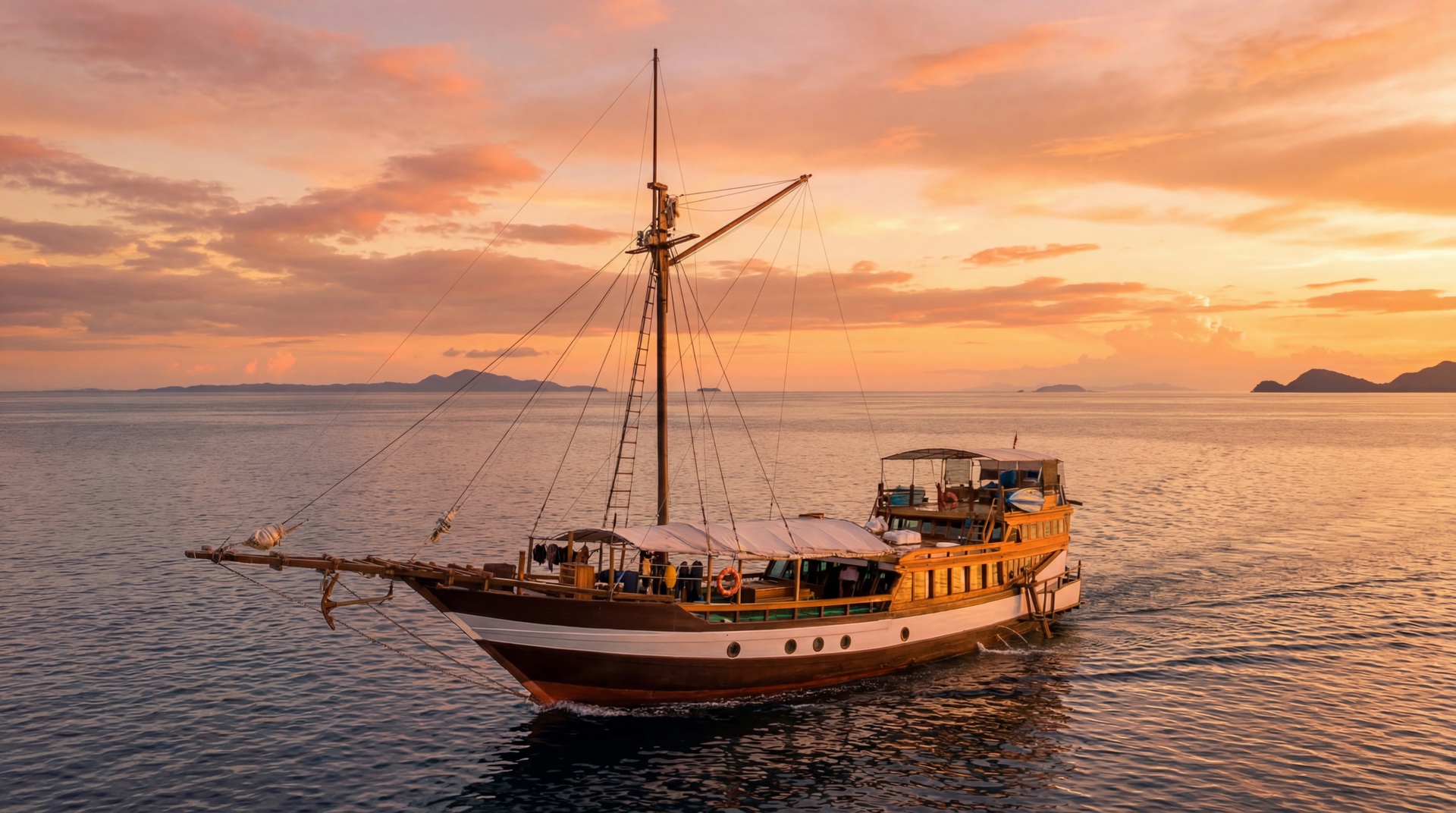
Wellenreng
Indonesia
9 guests25 m
$427/day
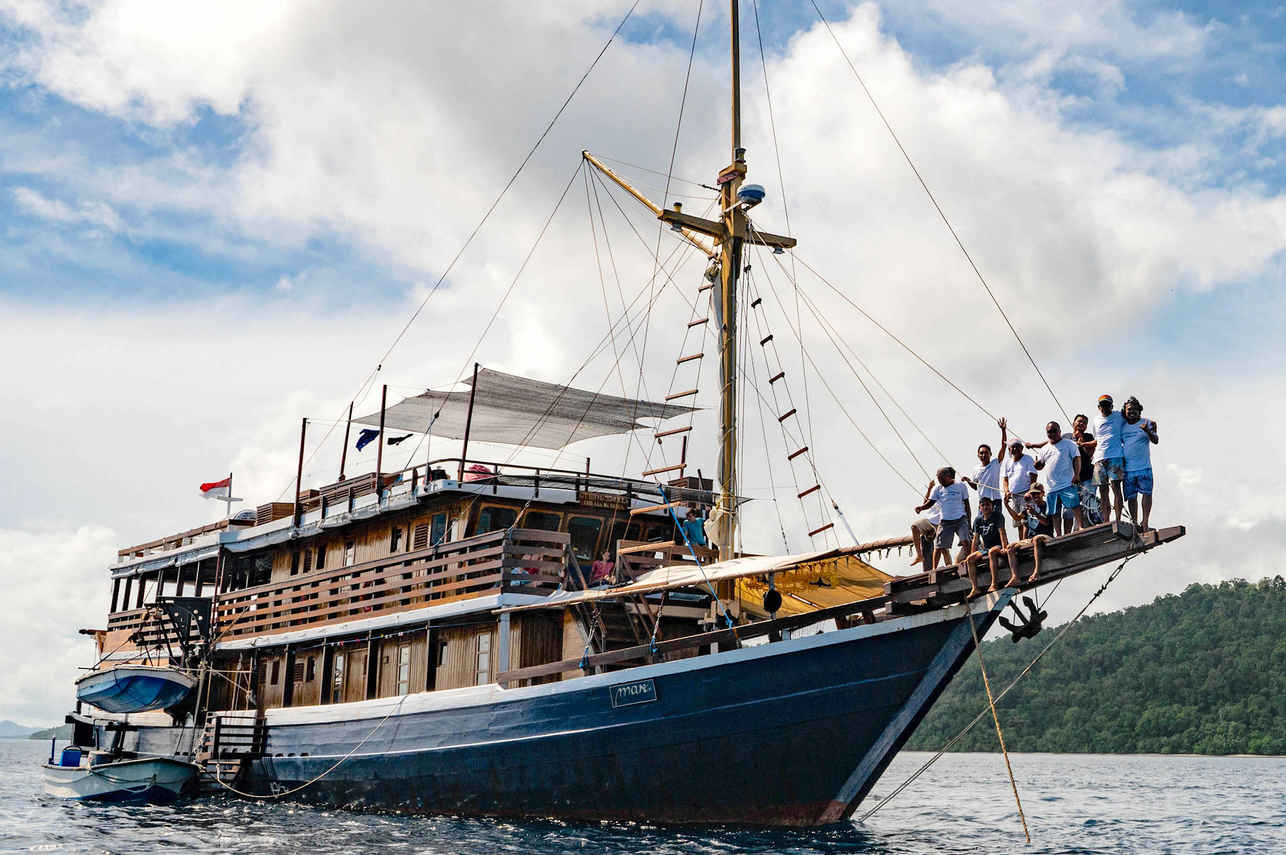
Mari
Indonesia
14 guests32.2 m
$319/day
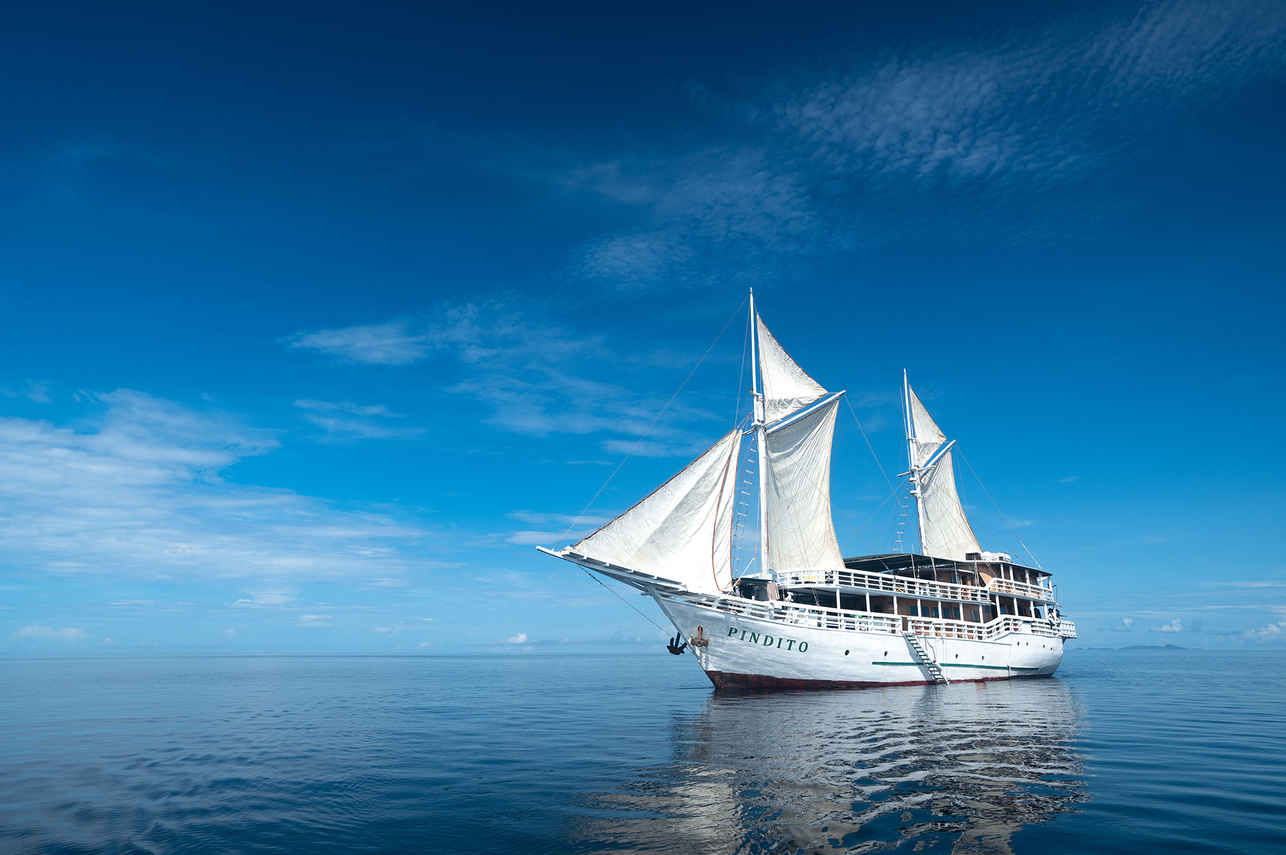
Pindito
Indonesia
16 guests37.79 m
$533/day
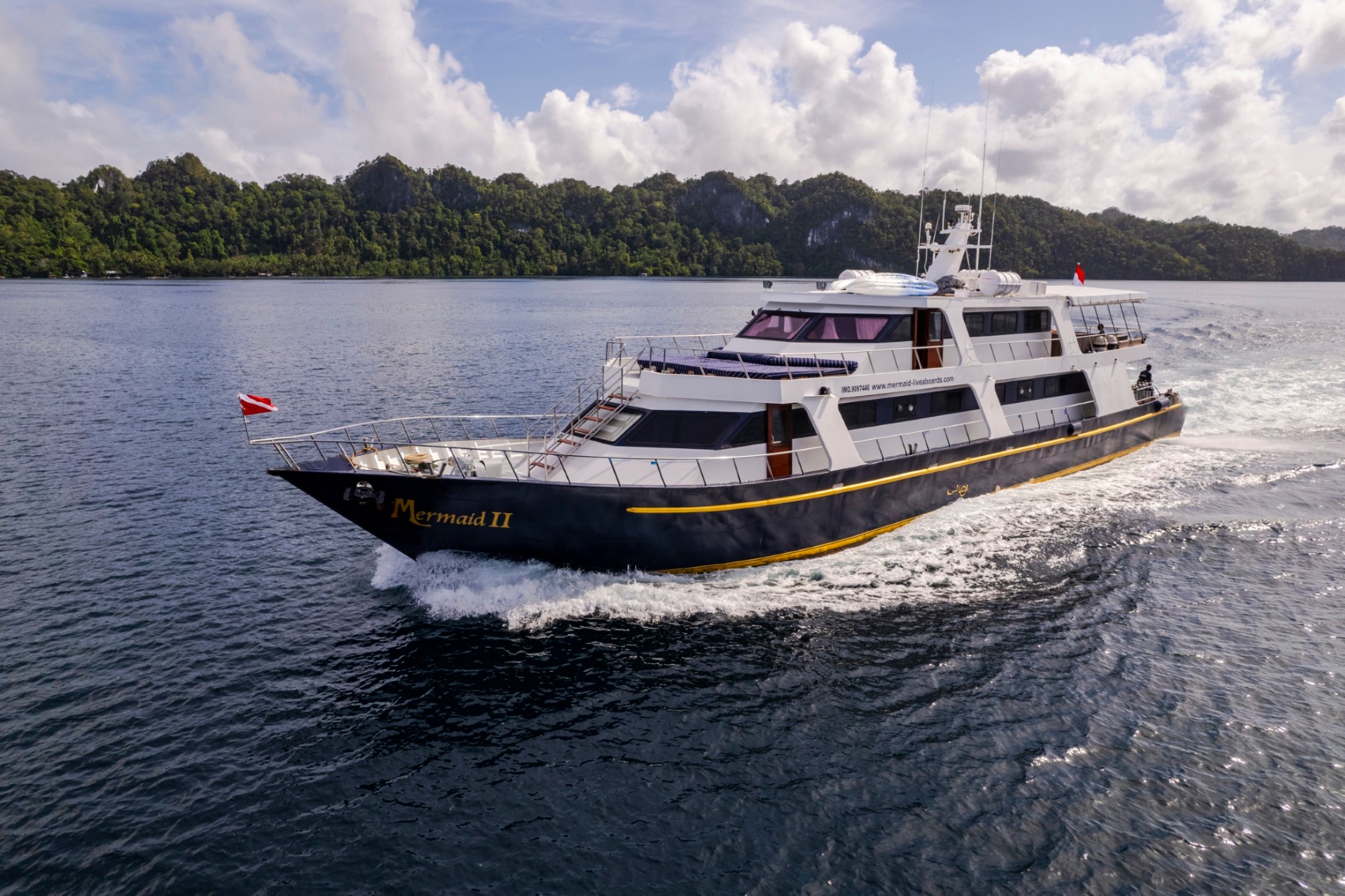
Mermaid II
Komodo, Indonesia
18 guests
$387/day
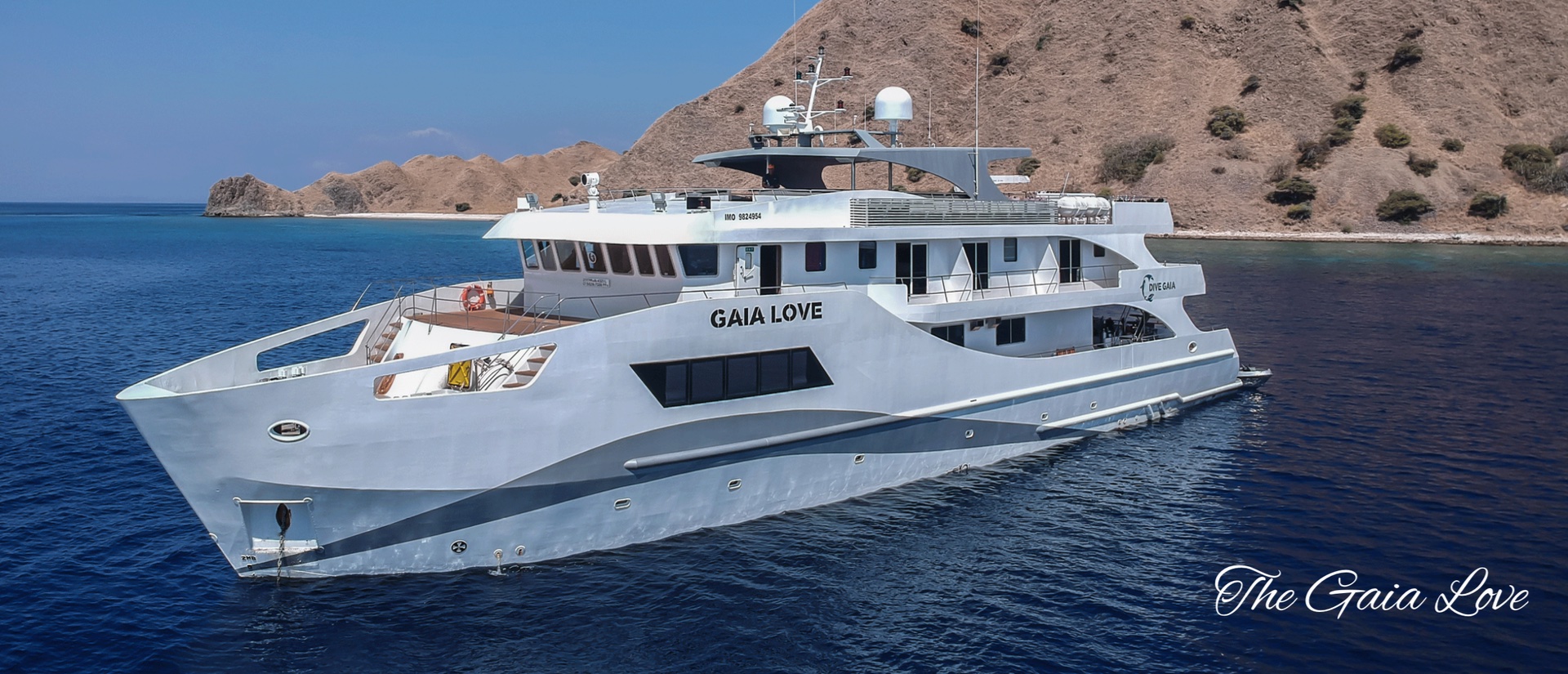
Gaia Love
Alor
20 guests
$554/day
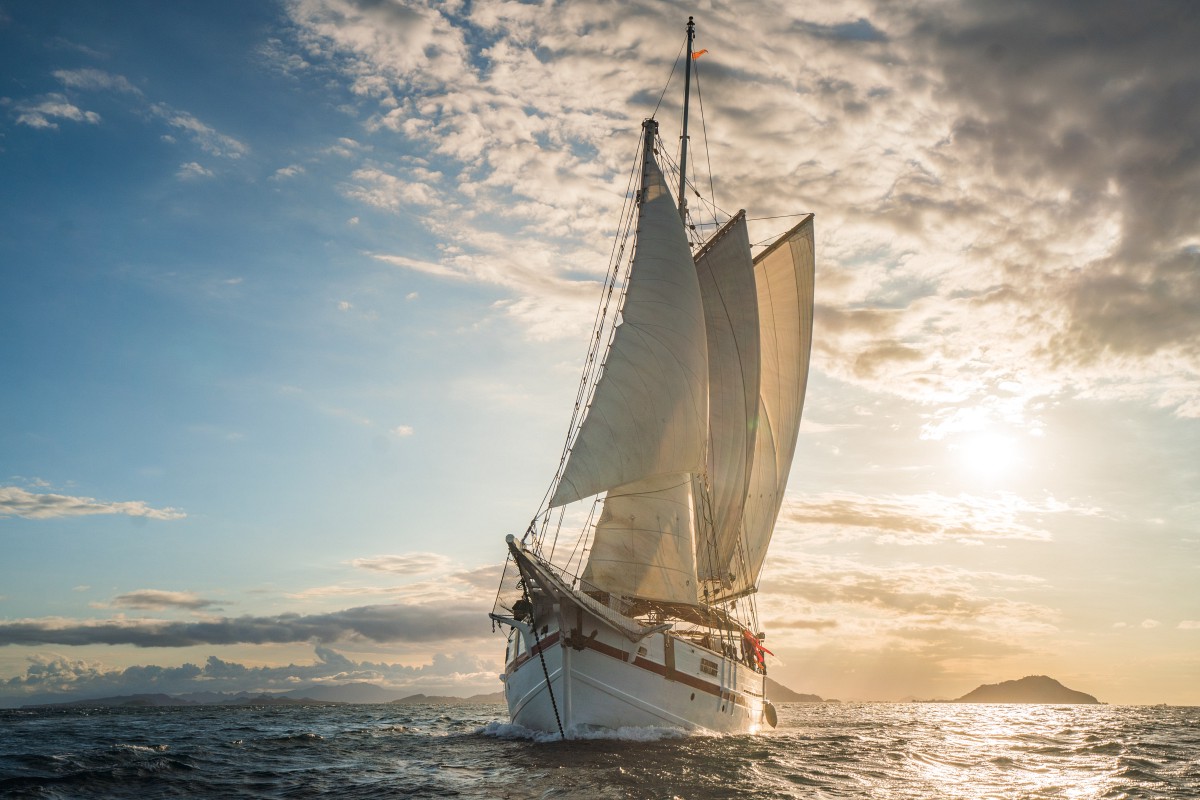
Emperor Raja Laut
Raja Ampat, Indonesia
12 guests31 m
$423/day
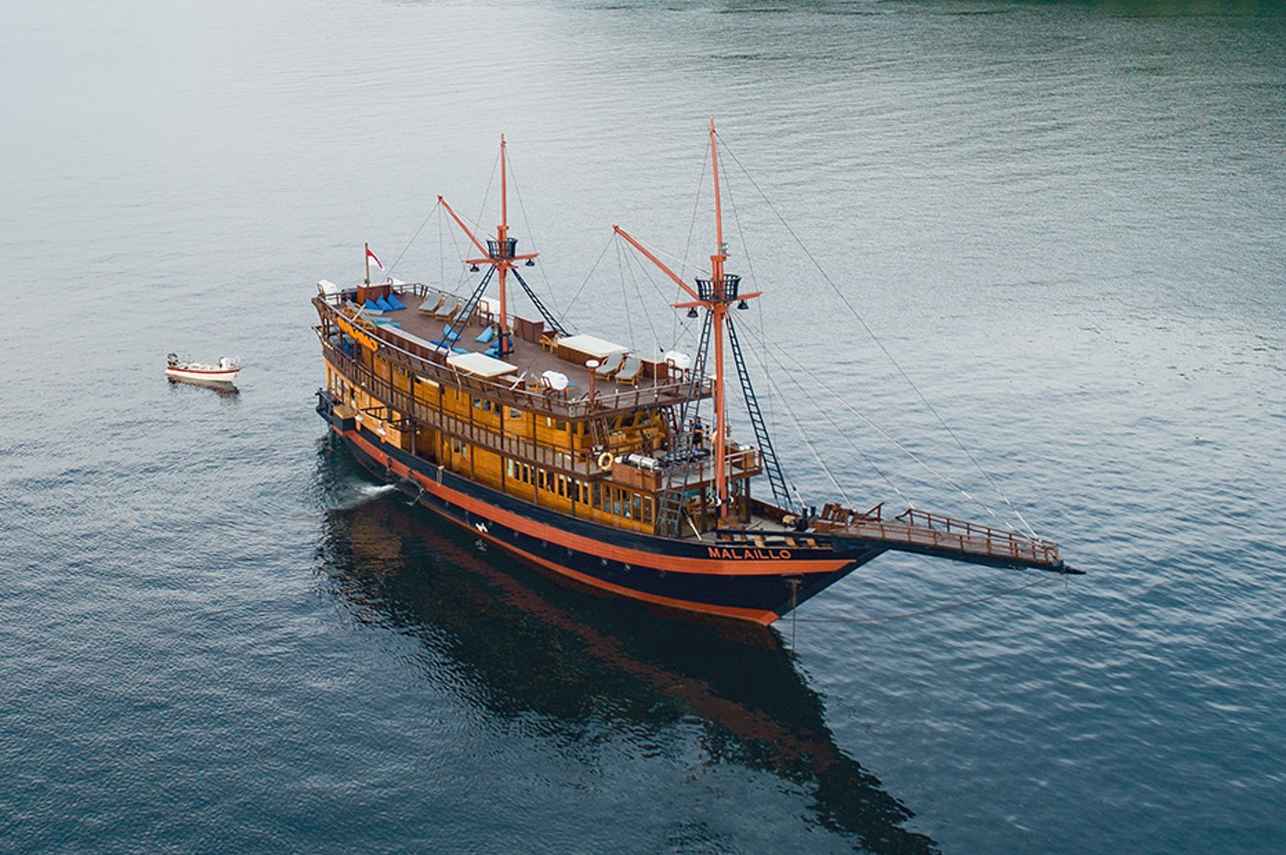
Malaillo
Indonesia
14 guests45.57 m
$348/day
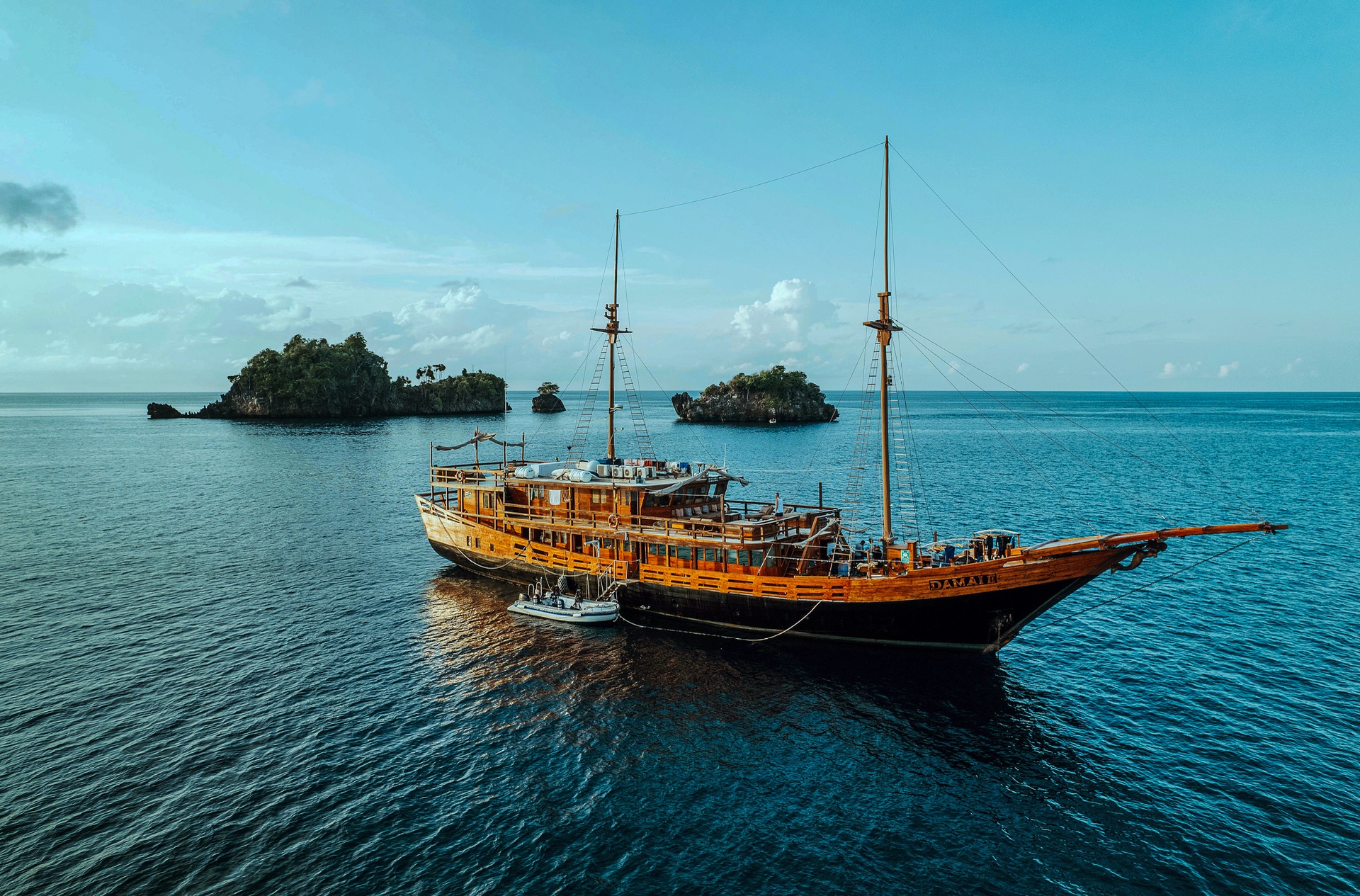
Damai II
Komodo, Indonesia
14 guests
$441/day
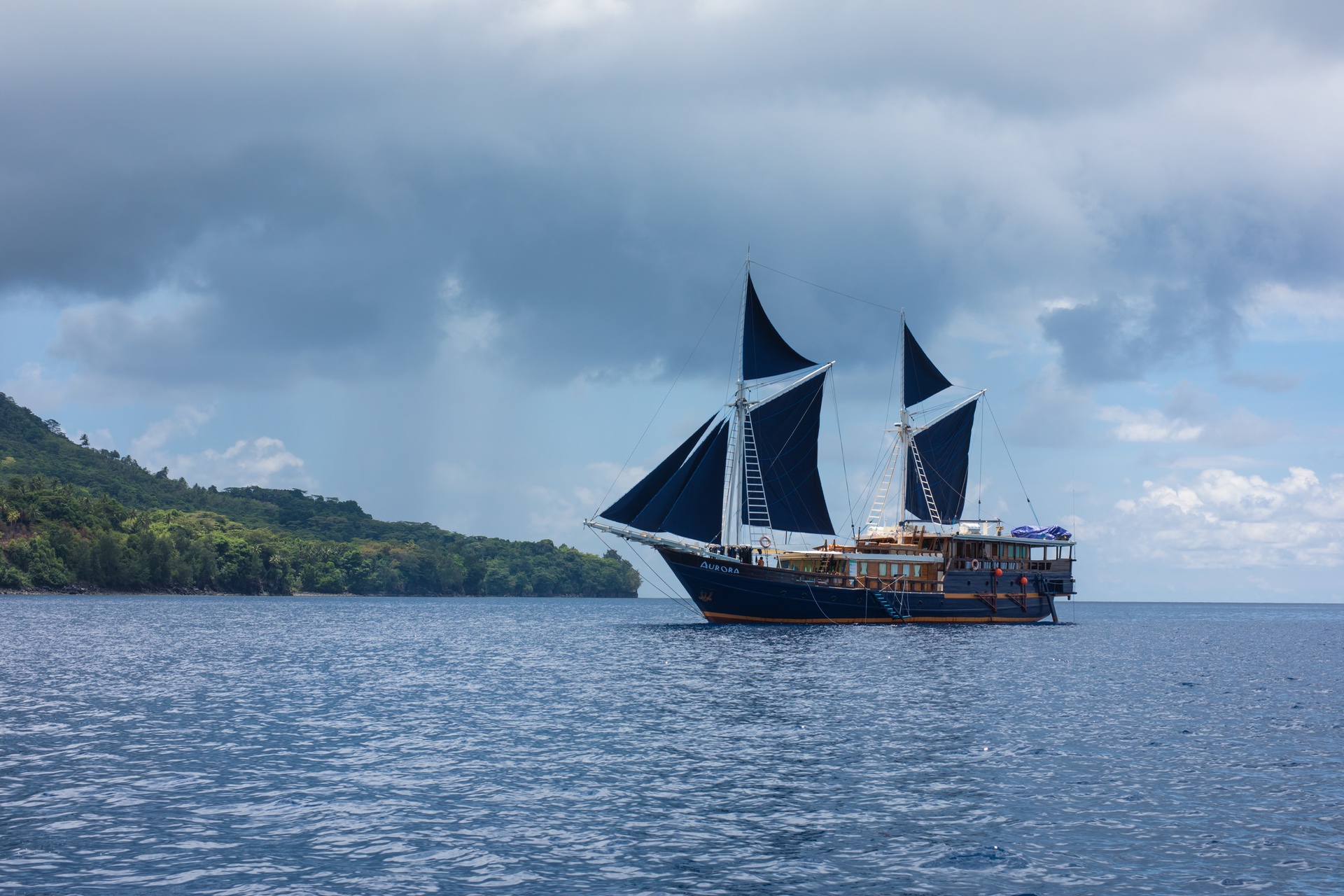
DUNE Aurora
Indonesia
18 guests
$344/day
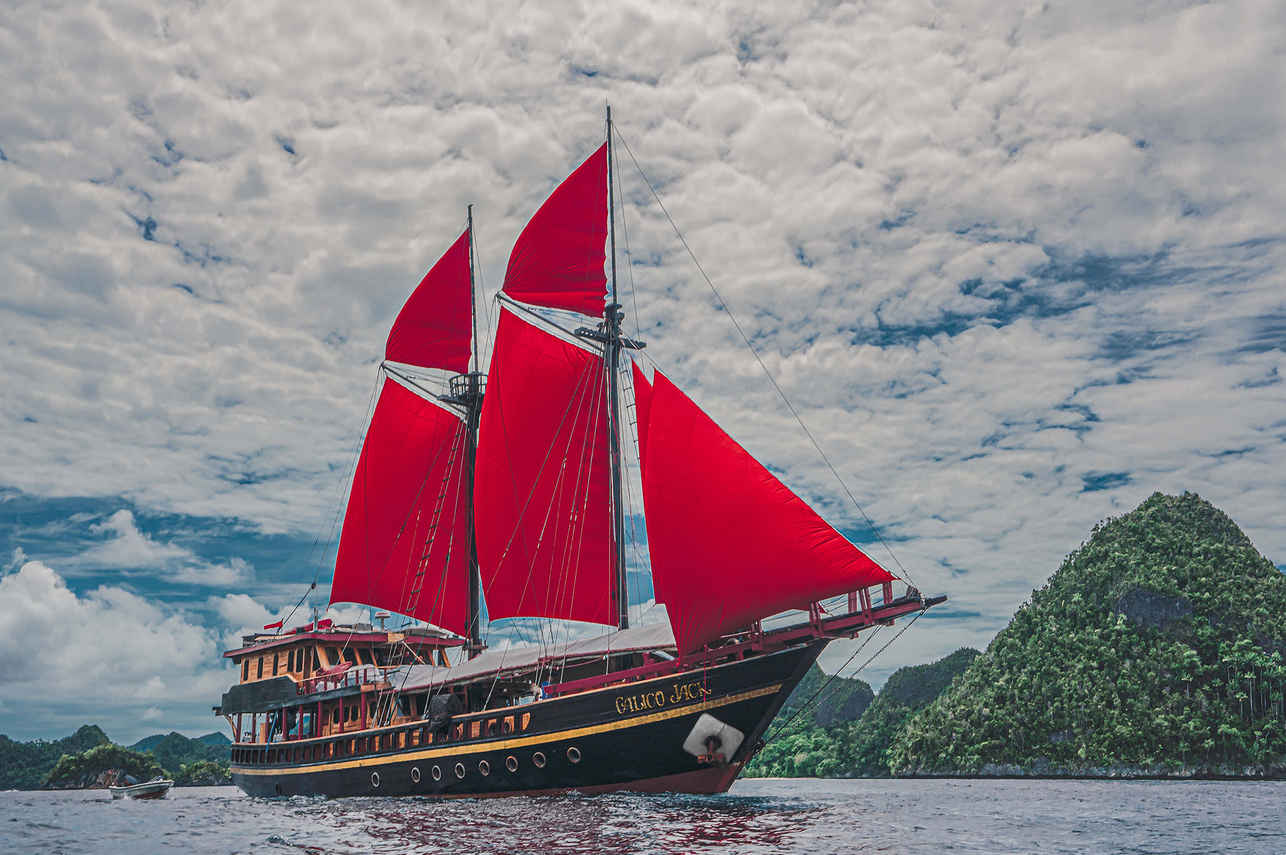
Calico Jack
Indonesia
10 guests30 m
$398/day
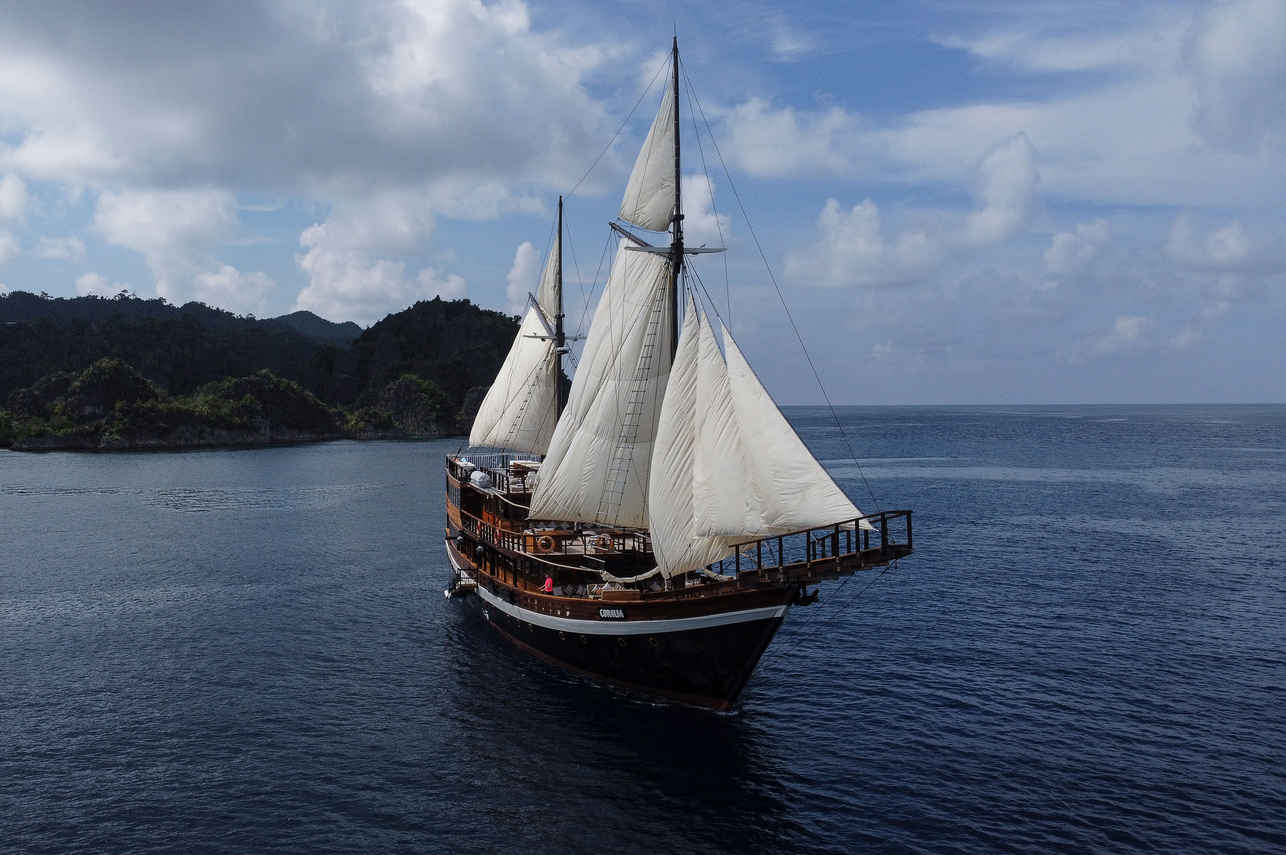
Coralia
Indonesia
16 guests48 m
$591/day
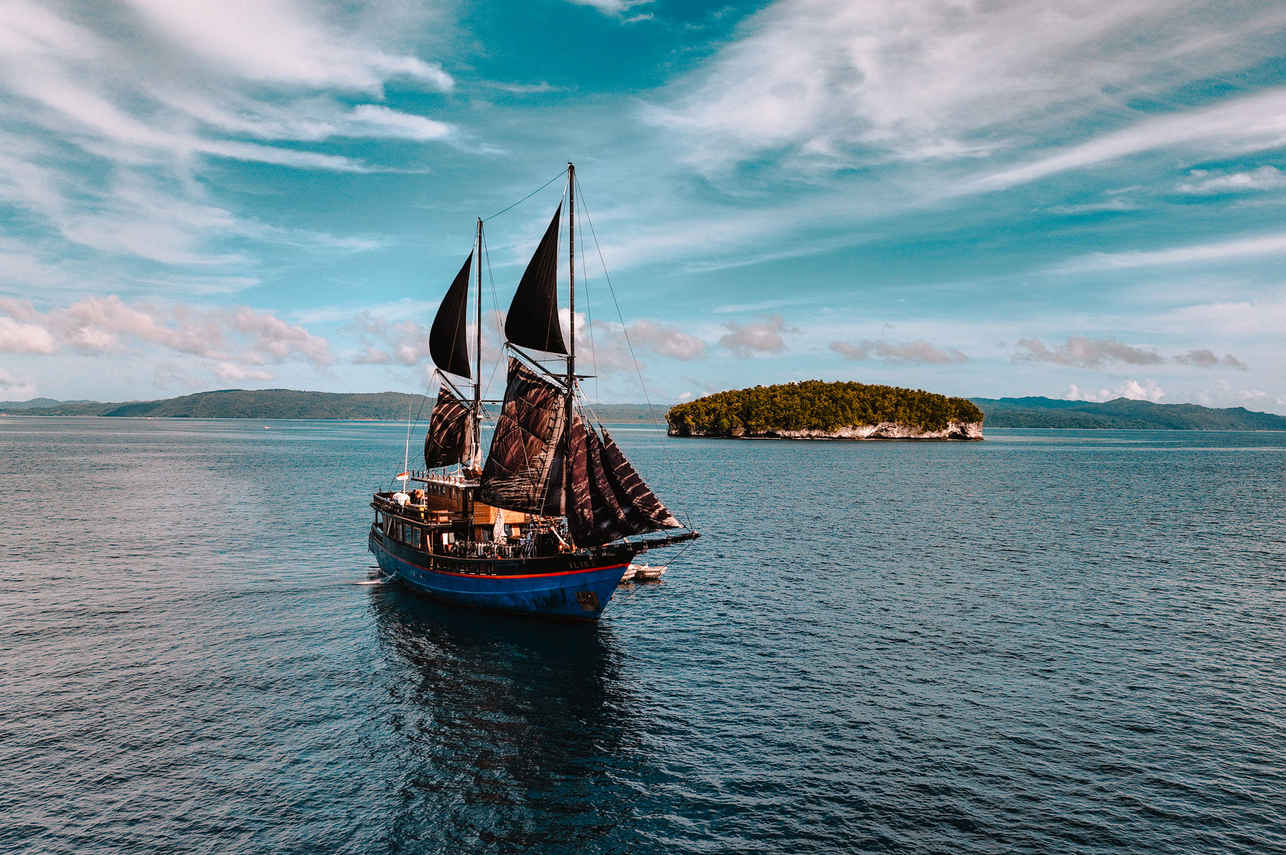
Ilike
Indonesia
16 guests40 m
$350/day
Dive sites similar to Pombo Boi
Same character, same waters — six more sites divers love for the exact same reasons.Compare seasons, access and liveaboard routes — then pick the site that fits your trip best.
© Esri — Maxar, Earthstar, GIS
Big La Laguna
Philippines
Big La Laguna is a beach community situated on the western edge of the Sabang Peninsula, a popular dive region on Mindoro Island, Philippines.
- Suitable for
- Intermediate
- Current
- Moderate
- Access
- Dayboat
- Depth
- 5–35 m
- Theme
- Reef / Wall
© Esri — Maxar, Earthstar, GIS
Rusa Pinnacle
Alor
Rusa Pinnacle is a challenging yet highly rewarding dive site situated in the Alor archipelago, part of Indonesia's East Nusa Tenggara.
- Suitable for
- Advanced
- Current
- Strong
- Access
- Liveaboard only
- Depth
- 6–30 m
- Theme
- Reef
Lipah Bay is situated on Bali's northeast coast within the Amed area, nestled against the dramatic backdrop of Gunung Agung.
- Suitable for
- Beginner
- Current
- Mild
- Access
- Liveaboard or dayboat
- Depth
- 5–30 m
- Theme
- Reef / Drift
© Esri — Maxar, Earthstar, GIS
Tangked Cave
Bali
Tangked Cave, sometimes referred to as Tangked Taked Shark Cave, is an advanced dive site situated in the open ocean off Bali's southeastern coast.
- Suitable for
- Advanced
- Current
- Moderate
- Access
- Liveaboard or dayboat
- Depth
- 15–40 m
- Theme
- Cave & cavern / Reef
© Esri — Maxar, Earthstar, GIS
Schools Out
Alor
Schools Out in Alor offers divers an exceptional encounter with healthy coral reefs and a rich variety of marine species.
- Suitable for
- Intermediate
- Current
- Mild
- Access
- Liveaboard only
- Depth
- 20–30 m
- Theme
- Reef
© Esri — Maxar, Earthstar, GIS
Batununggul
Bali
Batununggul, also known as Suana or Batumulapan by some operators, is a dynamic wall and sloping reef dive site situated on the eastern side of Nusa Penida, Bali.
- Suitable for
- Advanced
- Current
- Strong
- Access
- Liveaboard or dayboat
- Depth
- 10–40 m
- Theme
- Wall