About Melasti
Melasti is a classic macro dive site situated in the Tulamben area on Bali's east coast, also referred to as Melasti Bay in Amed. This site is particularly celebrated for its wide, gently sloping volcanic sandy seabed, interspersed with rubble and small patches of algae and coral, creating a rich habitat for well-camouflaged marine life. Unlike sites known for dramatic topography, Melasti rewards those who take their time to observe closely, consistently revealing interesting and often rare finds. Diving here focuses on critter hunting, with the sandy bottom providing ideal conditions for a diverse array of macro species. The gradual slope allows for relaxed and extended dives, especially at mid-depths where much of the activity is concentrated. Visibility is generally good, and currents are typically mild, making it accessible for various diver levels. Melasti's reputation stems from its consistent production of unique marine encounters, making it a favorite for repeat visits among macro enthusiasts and underwater photographers. The site's calm conditions and easy shore entry further enhance the diving experience, allowing for focused exploration of its subtle underwater details.
Highlights
Volcanic sandy slopeExceptional macro lifeCritter hunting paradiseUnderwater photography hotspotMild currents, shore entryRare species sightings
Season calendar
Best months to dive here
Jan
Feb
Mar
Apr
May
Jun
Jul
Aug
Sep
Oct
Nov
Dec
Good
Dive site facts: Melasti
- Depth
- 10–30+ meters
- Current
- Mild
- Visibility
- 10–25 meters (average), can reach 40 meters
- Water temperature
- 26–30°C
- Entry
- Shore
- Level
- Certified
- Dive type
- Macro, muck, deeper profile
- Night dive
- Possible
- Region / port
- Tulamben, Bali
- Coordinates
- 8.5931° S, 115.4029° E
Conditions & Currents
Currents at Melasti are typically mild, which contributes to a relaxed diving environment and facilitates slow, methodical exploration of the sandy slope. This allows divers ample time to search for and observe the various macro critters without battling strong water movement. The site is accessed via a shore entry, which is made easier by these calm conditions. However, divers must maintain excellent buoyancy control, as the fine volcanic sand bottom can be easily disturbed by uncontrolled fin kicks, leading to reduced visibility for the group. While generally placid, conditions can vary, so local guide expertise is crucial for optimal dive planning.
Marine life & sighting chances

Frogfish
occasional
Harlequin shrimp
occasional
Nudibranchs
common
Octopus
occasional
Cuttlefish
occasional
Scorpionfish
occasional
Rhinopias
rare
Crabs
occasional
Shrimp (various)
occasional
Butterflyfish
common
Angelfish
common
Clownfish
common
Parrotfish
common
Moray eels
commonDive profile & how the dive runs
Dives at Melasti typically begin with an easy shore entry, transitioning directly onto the gently sloping volcanic sandy bottom. The descent is gradual, allowing divers to spread out and begin their methodical search for macro life. The main activity occurs in the mid-depth ranges, between 10 and 20 meters, where guides often lead divers along contours of scattered rubble and small coral patches. The dive proceeds slowly, focusing on observing the seabed for camouflaged critters. Turnaround is usually determined by air consumption and bottom time, as the site encourages extended exploration rather than a linear path. Ascent is slow and controlled along the slope, with safety stops conducted in the shallower areas, often around 5 meters, before returning to the shore exit point.
Underwater photography
Melasti is a prime location for macro photography, so a dedicated macro lens (e.g., 60mm or 100/105mm) is highly recommended. Patience is key, as many subjects are small and well-camouflaged; a skilled guide who can spot critters is invaluable. For lighting, strobes are essential to bring out the vibrant colors of nudibranchs, frogfish, and other minute creatures. A snoot can be effective for isolating subjects against the often-dark volcanic sand. Divers must practice impeccable buoyancy control to avoid stirring up the fine sediment, which can quickly degrade visibility for photos. Moving slowly and deliberately also prevents spooking timid subjects, allowing for better framing and focusing opportunities.
Combine with nearby dive sites
- USAT Liberty Wreck
Iconic wreck often combined with Melasti for varied dive days.
- Boga Wreck
A deeper wreck option for advanced divers, combinable with Melasti.
- Coral Garden
Features artificial reefs and varied marine life, also in Tulamben.
- Ghost Bay
Renowned for night diving and macro life, similar to Melasti.
- Batu Niti
Another macro-focused site south of Tulamben with volcanic sand.
Getting there & logistics
Access to Melasti typically begins with arrival at Ngurah Rai International Airport (DPS) in Denpasar, Bali. From there, a taxi or pre-arranged pick-up service can transport you to Tulamben, a journey that takes approximately three hours. Many dive resorts in Tulamben offer comprehensive packages including accommodation, transfers, and guided dives. Melasti is primarily a shore-entry site, meaning no boat travel is usually required for access, though local operators organize daily trips. Dive operators frequently combine Melasti with other nearby Tulamben sites like the USAT Liberty Wreck or Boga Wreck, creating diverse two or three-dive days. There are generally no specific park fees mentioned for diving Melasti itself, but dive center costs cover guiding and equipment.
Safety & environment
While Melasti is known for its calm conditions and mild currents, divers should always carry comprehensive dive insurance that covers recompression chamber treatment and emergency evacuation. The nearest recompression chamber is located in Denpasar, requiring significant travel time from Tulamben. Site-specific hazards are minimal, but divers must be vigilant about maintaining excellent buoyancy to avoid stirring up the fine volcanic sand, which can reduce visibility for others and themselves. It is crucial to dive with a local guide familiar with the area and aware of any seasonal critter trends. Always adhere to safe diving practices, monitor air consumption, and plan for conservative dive profiles given the remote location.
Who it suits — and who it doesn't
Suited for
- Macro photographers
- Critter hunting enthusiasts
- Certified divers seeking relaxed dives
- Divers with good buoyancy control
- Beginner divers looking for easy conditions
- Night dive aficionados
Less suited for
- Divers seeking dramatic reef topography
- Those uninterested in small marine life
- Divers with poor buoyancy control
- Anyone who prefers strong drift dives
- Divers looking for large pelagic encounters
FAQ
Melasti FAQ
What kind of marine life can I expect to see at Melasti?
Melasti is renowned for its macro marine life. You can often spot frogfish, various nudibranchs, harlequin shrimp, octopus, cuttlefish, and scorpionfish. With a keen eye and an experienced guide, you might also find rarer creatures like rhinopias. The site's sandy bottom is perfect for discovering well-camouflaged, smaller species.
Is Melasti suitable for night diving?
Yes, Melasti is an excellent site for night diving. After dark, the underwater landscape transforms as nocturnal creatures emerge. Divers frequently encounter different species of octopus, cuttlefish, crabs, and nudibranchs that are active at night. The calm conditions and easy shore entry make it particularly suitable for exploring the site after sunset.
Why is buoyancy important when diving Melasti?
Maintaining excellent buoyancy is crucial at Melasti because the seabed consists of fine volcanic sand. Uncontrolled fin kicks can easily stir up this sediment, significantly reducing visibility for all divers. Good buoyancy ensures a clear viewing experience for your group and helps preserve the pristine nature of the dive site for future visitors.
Can Melasti be combined with other dive sites in Tulamben?
Absolutely. Melasti is commonly combined with other popular Tulamben dive sites to create a diverse day of diving. It pairs particularly well with the iconic USAT Liberty Wreck for a mix of macro and wreck exploration. Other nearby options include the Boga Wreck or reef sites like Coral Garden, offering a variety of underwater experiences.
What is the typical depth and entry type for Melasti?
Melasti typically offers depths ranging from approximately 10 to over 30 meters, catering to certified divers. The entry type is predominantly shore entry, making it easily accessible. This simple access, combined with generally mild currents, contributes to a relaxed and comfortable start to your dive.
Why dive Melasti from a liveaboard?
Melasti is one of Bali's signature dive sites. A liveaboard sleeps you on the water and puts you in the water for three to four guided dives per day, including dawn and night dives that day-boat operators rarely offer. You skip the daily commute back to port and reach quieter, less-crowded sites in the same region on a single trip.
Below are the liveaboards that include Melasti on their Bali itineraries.
Liveaboards diving Melasti
These liveaboards may visit Melasti on selected itineraries — the exact dive sites depend on departure, weather and conditions.
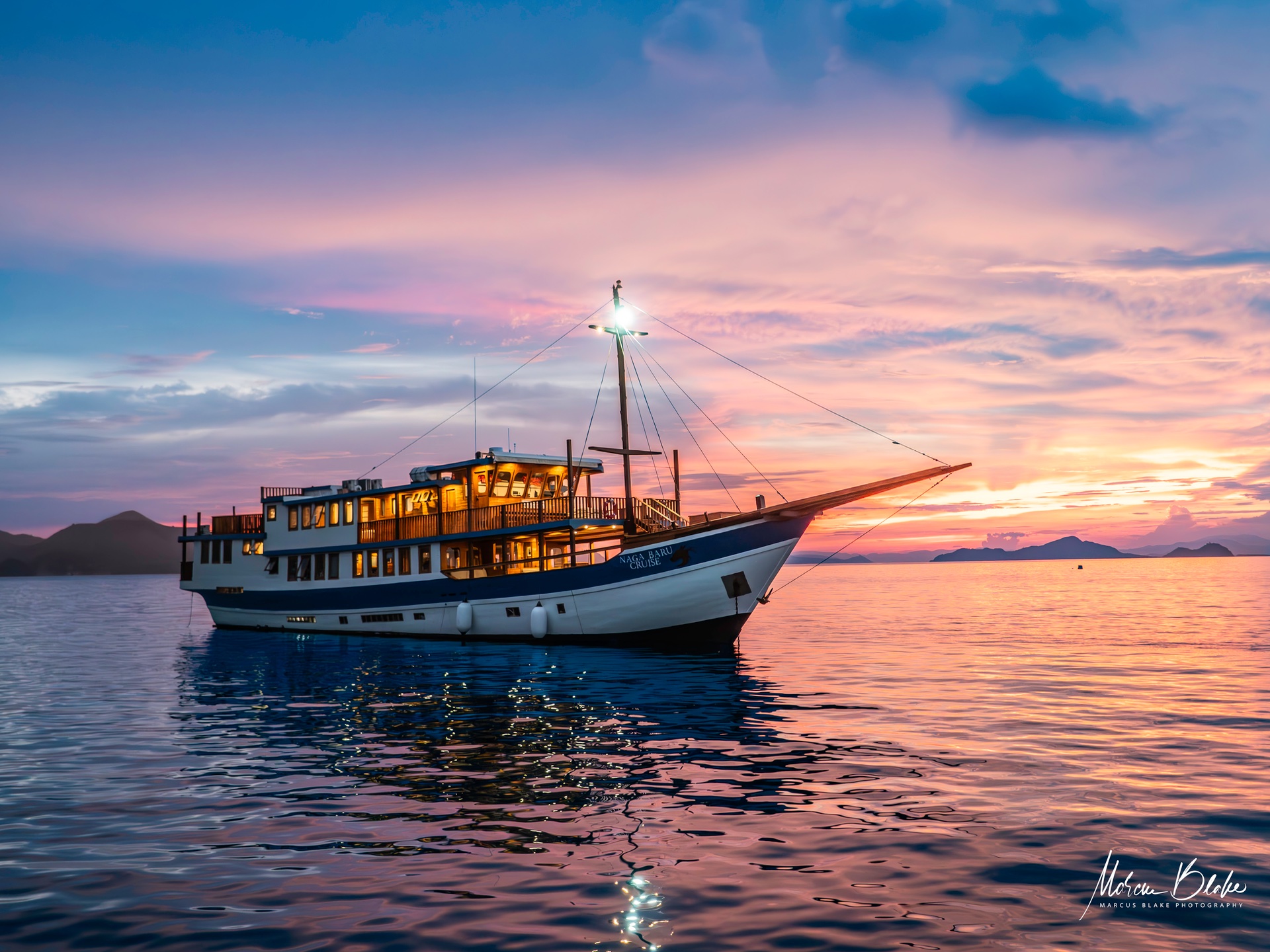
Naga Biru
Indonesia
12 guests40 m
$311/day
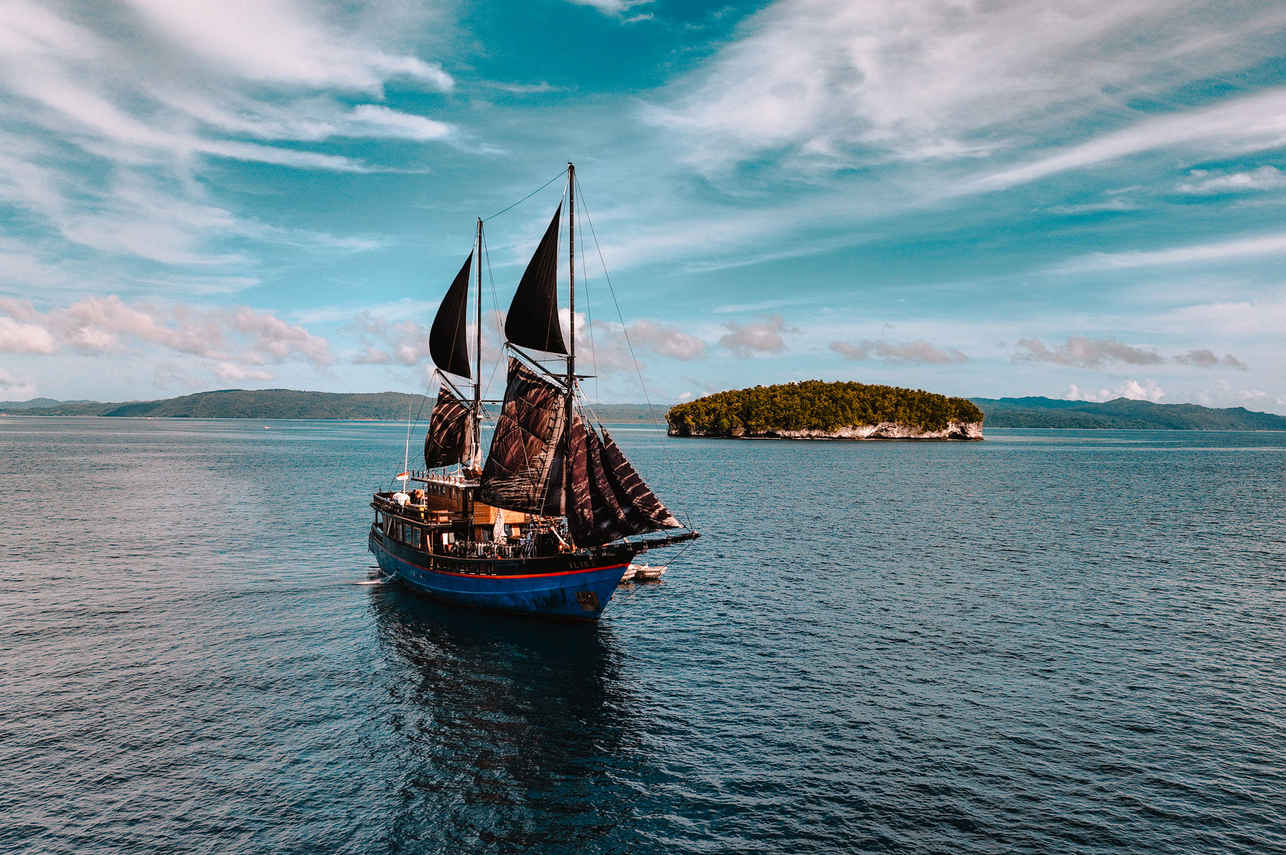
Ilike
Indonesia
16 guests40 m
$298/day
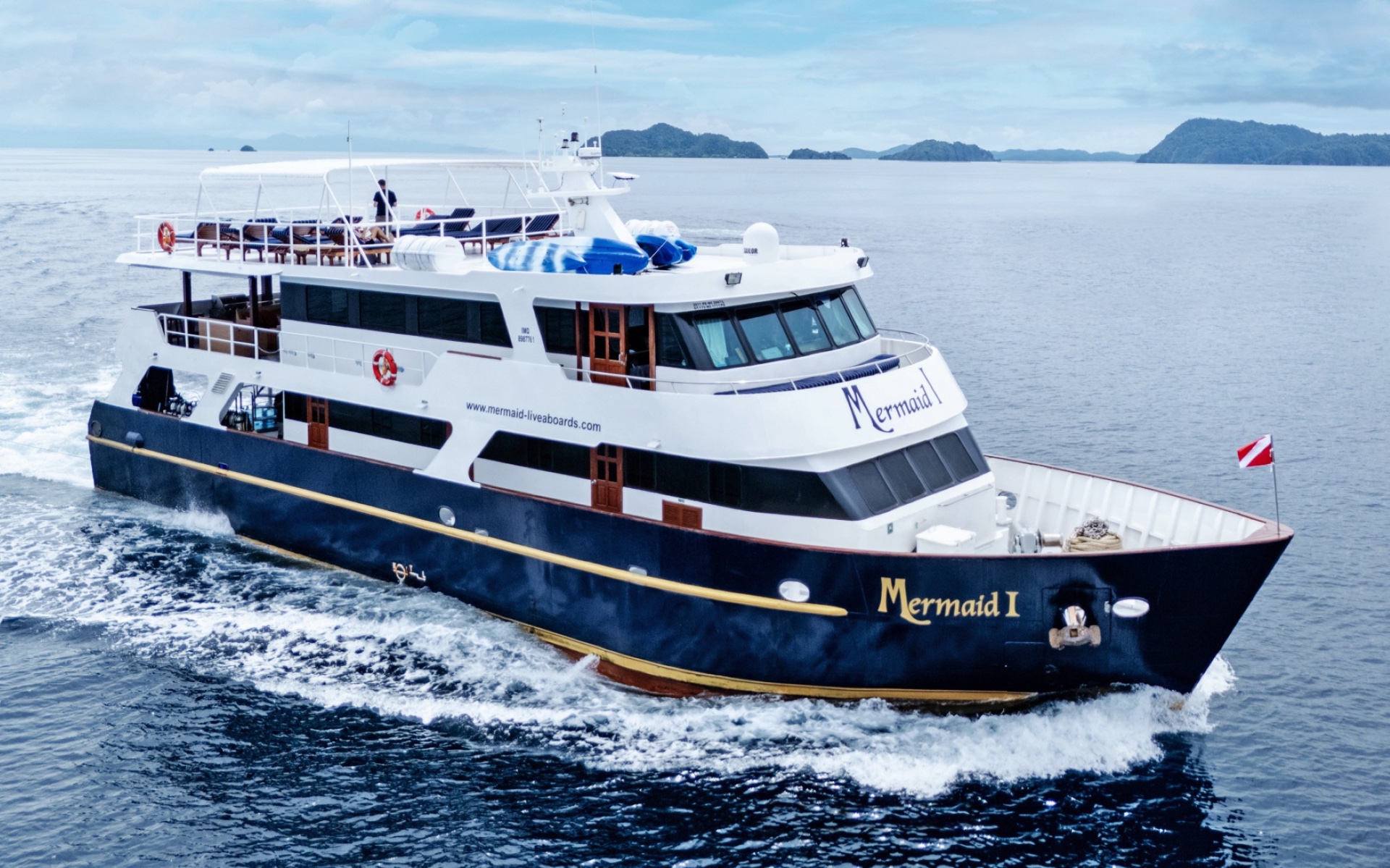
Mermaid I
Alor
15 guests28 m
$423/day
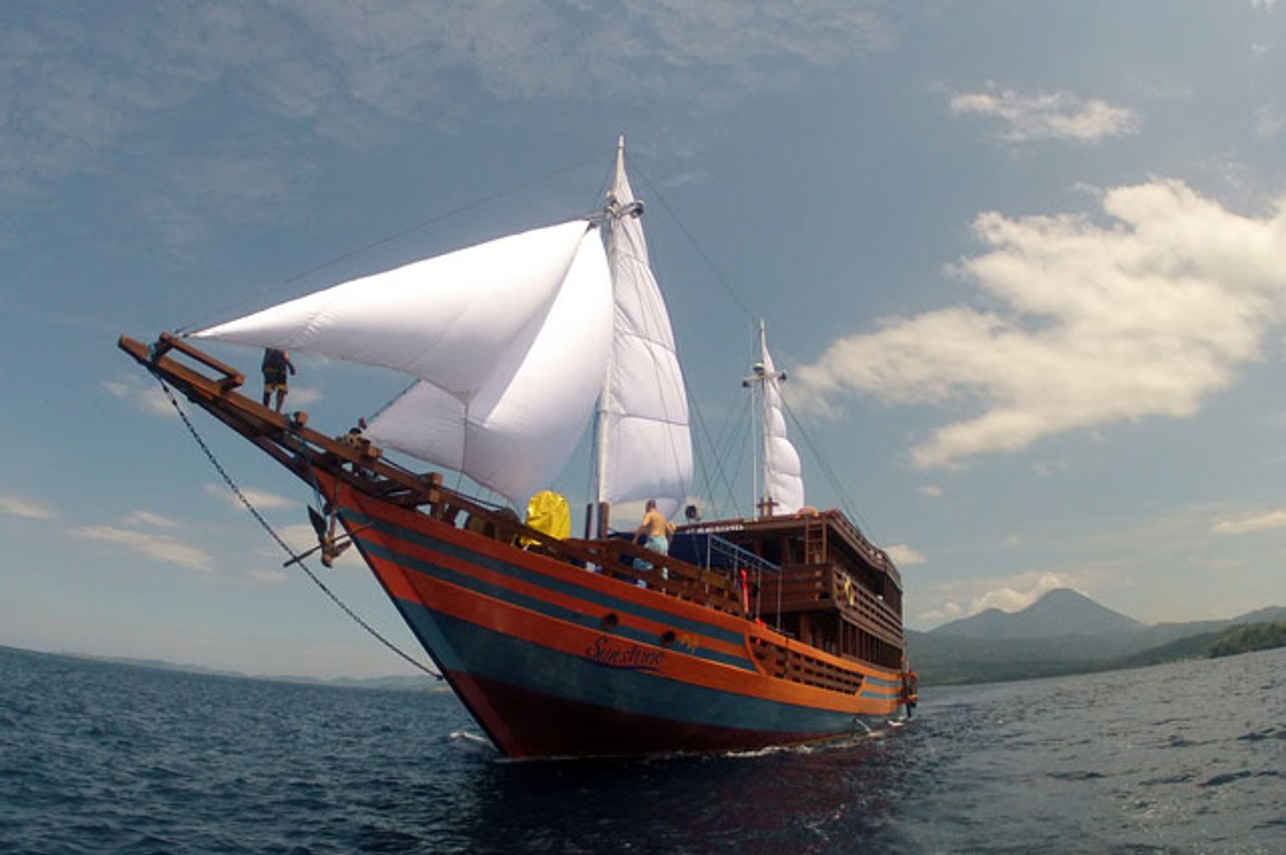
Sunshine Liveaboard
Indonesia
10 guests31 m
$218/day
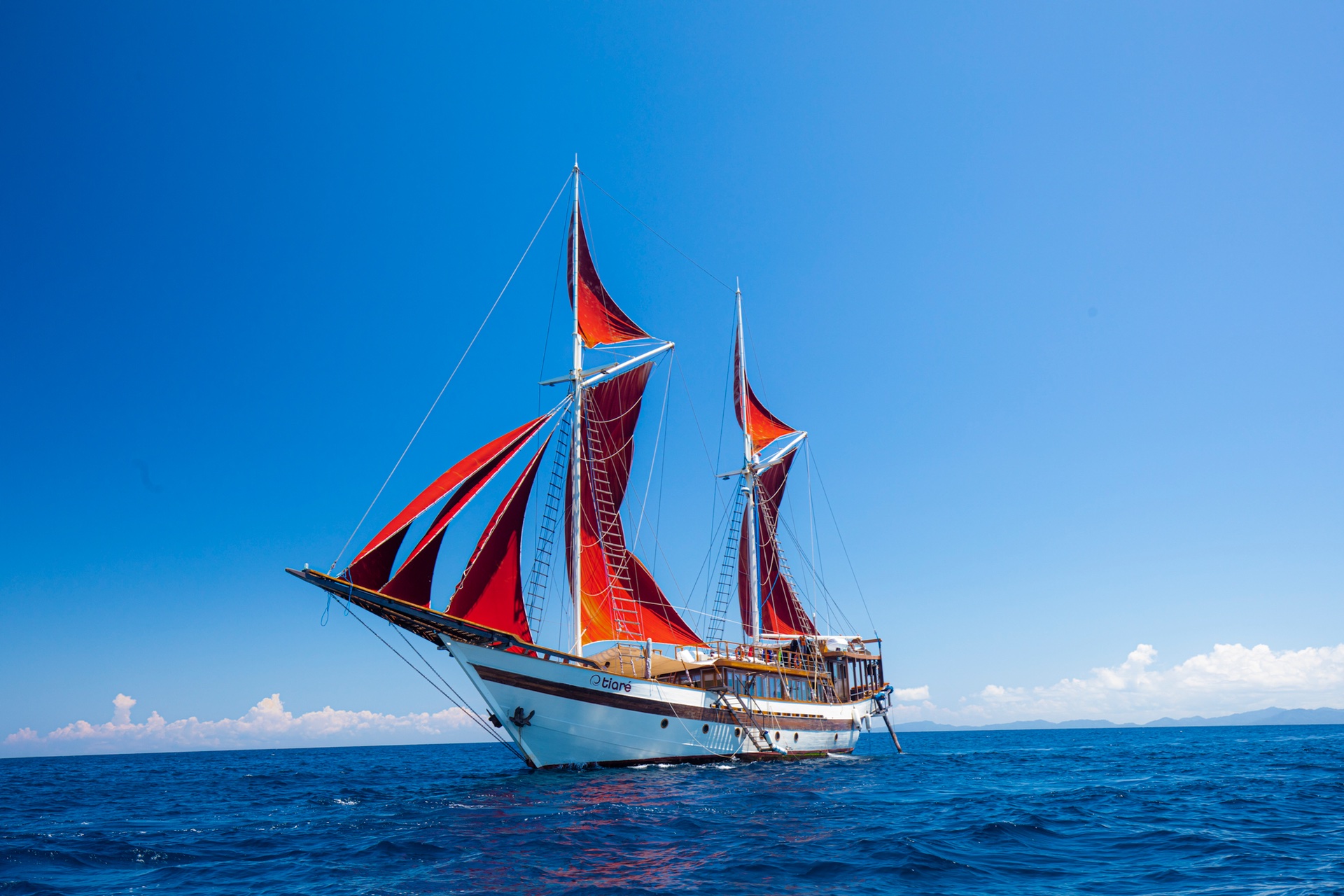
Tiare Cruise
Indonesia
12 guests36.5 m
$473/day
Dive sites similar to Melasti
Same character, same waters — six more sites divers love for the exact same reasons.Compare seasons, access and liveaboard routes — then pick the site that fits your trip best.
© Esri — Maxar, Earthstar, GIS
Glashouse Pemuteran is a renowned muck diving site located in Pemuteran, Bali, accessible directly from the beach.
- Suitable for
- Beginner
- Current
- Mild
- Access
- Dayboat
- Depth
- 3–30 m
- Theme
- Muck diving
© Esri — Maxar, Earthstar, GIS
Melasti Beach
Bali
Melasti Beach, located in northern Amed, is a renowned shore-entry muck dive site particularly popular with underwater photographers and macro life enthusiasts.
- Suitable for
- Beginner
- Current
- Mild
- Access
- Shore / dayboat
- Depth
- 3–20 m
- Theme
- Muck diving
© Esri — Maxar, Earthstar, GIS
Seraya Secrets
Bali
Seraya Secrets stands out as a highly celebrated muck diving site situated approximately three kilometers southeast of Tulamben on Bali's northeastern coast.
- Suitable for
- Intermediate
- Current
- Mild
- Access
- Shore / dayboat
- Depth
- 3–20 m
- Theme
- Muck diving
Pemuteran Jetty, often simply called "Jetty," is a premier muck diving site located in North Bali, specifically within the Pemuteran area.
- Suitable for
- Intermediate
- Current
- No current
- Access
- Shore / dayboat
- Depth
- 6–12 m
- Theme
- Muck diving
© Esri — Maxar, Earthstar, GIS
Secret Bay, affectionately known as Secret Bay Gilimanuk, is a premier macro diving destination located at Bali's far western tip, near the ferry terminal connecting Bali with Java.
- Suitable for
- Beginner
- Current
- Strong
- Access
- Shore / dayboat
- Depth
- 1–10 m
- Theme
- Muck diving